
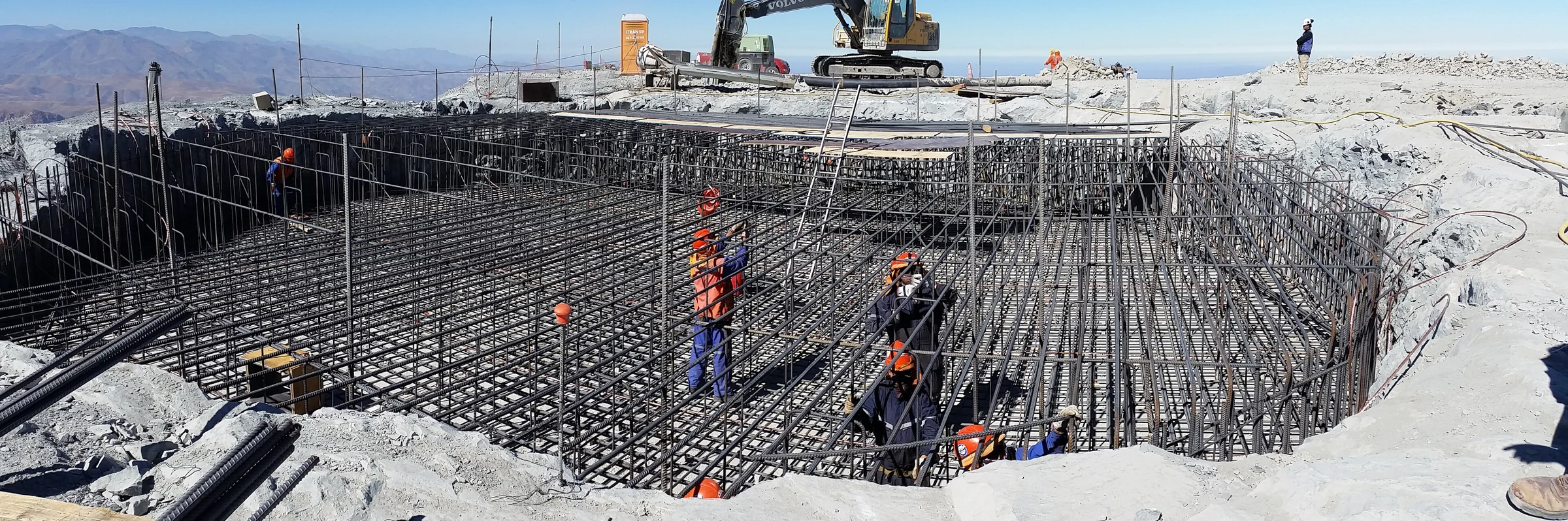
Concrete Site Preparation
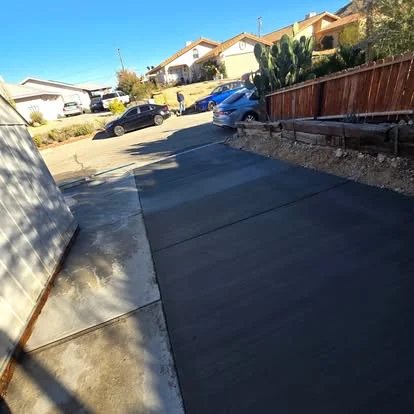
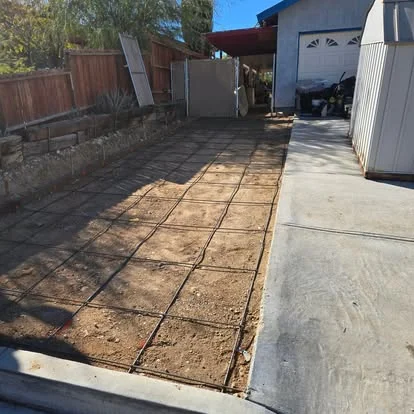
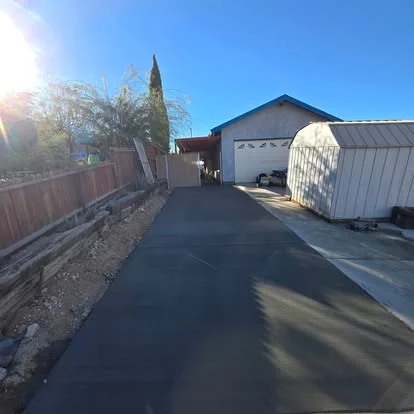
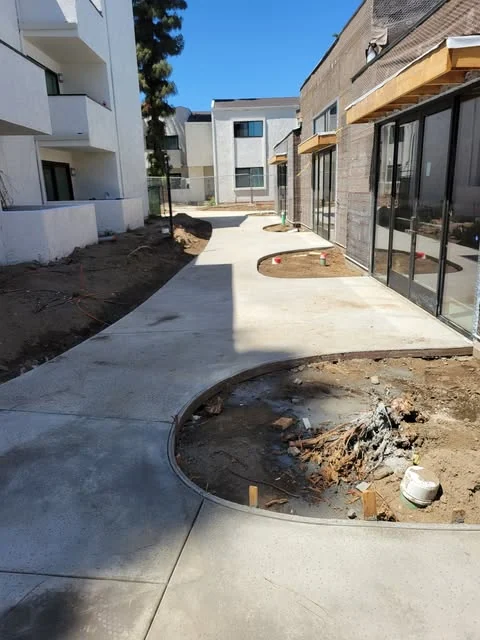
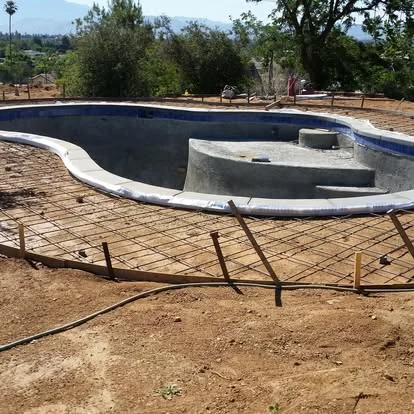
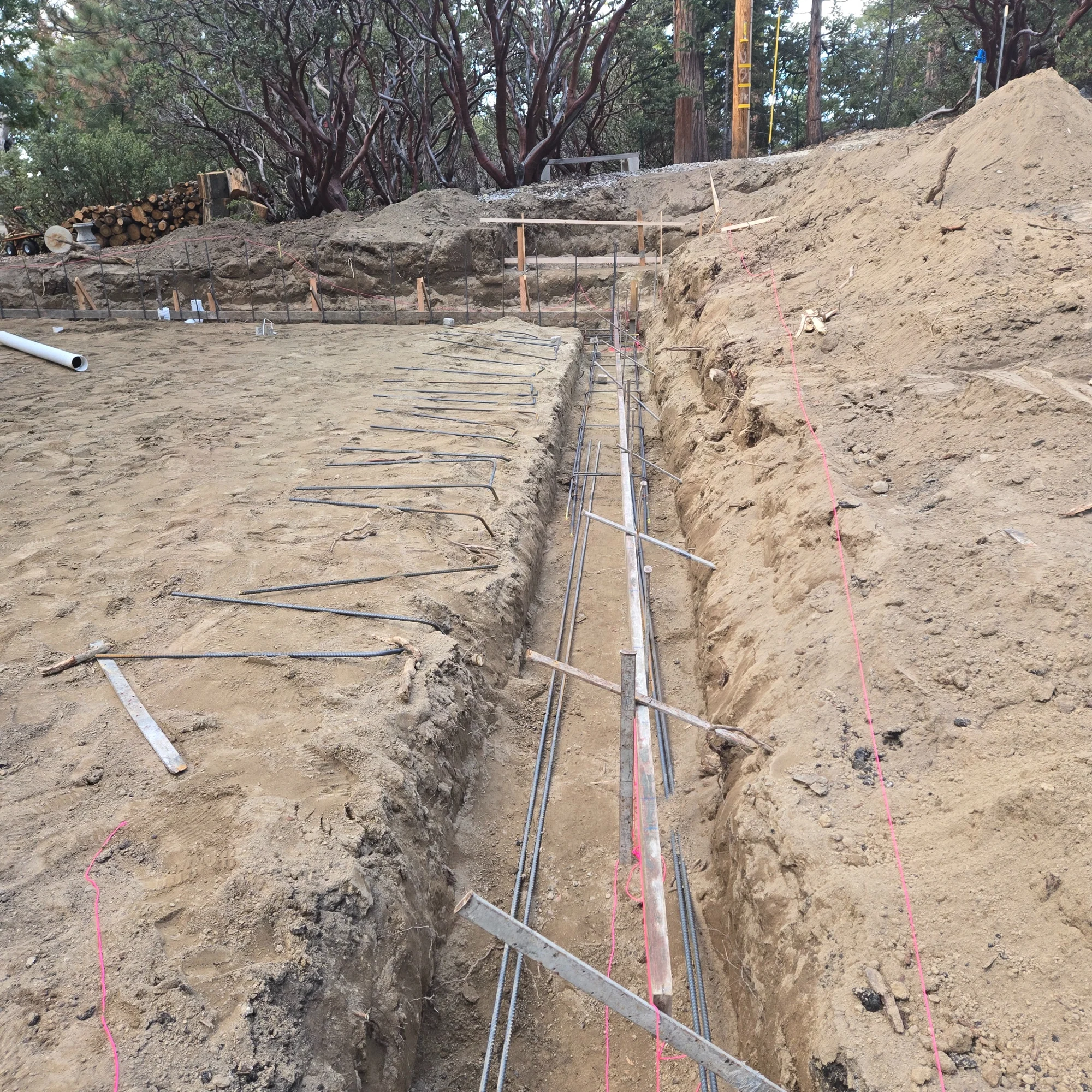
Site prep is clearing, cutting to grade, compacting, and setting the forms and grade stakes. It is also protecting what stays and planning access for a concrete truck, which is not a small vehicle.
Talk to us about the job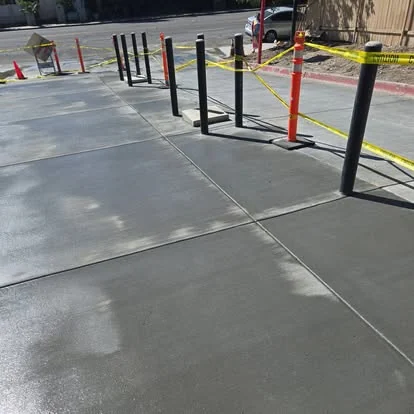

How the job runs
Site first
We come look. Drainage, soil, slope, access, and the condition of whatever is there now.
No overselling
Straight scope. A sound slab gets repaired, not replaced, and we will say so.
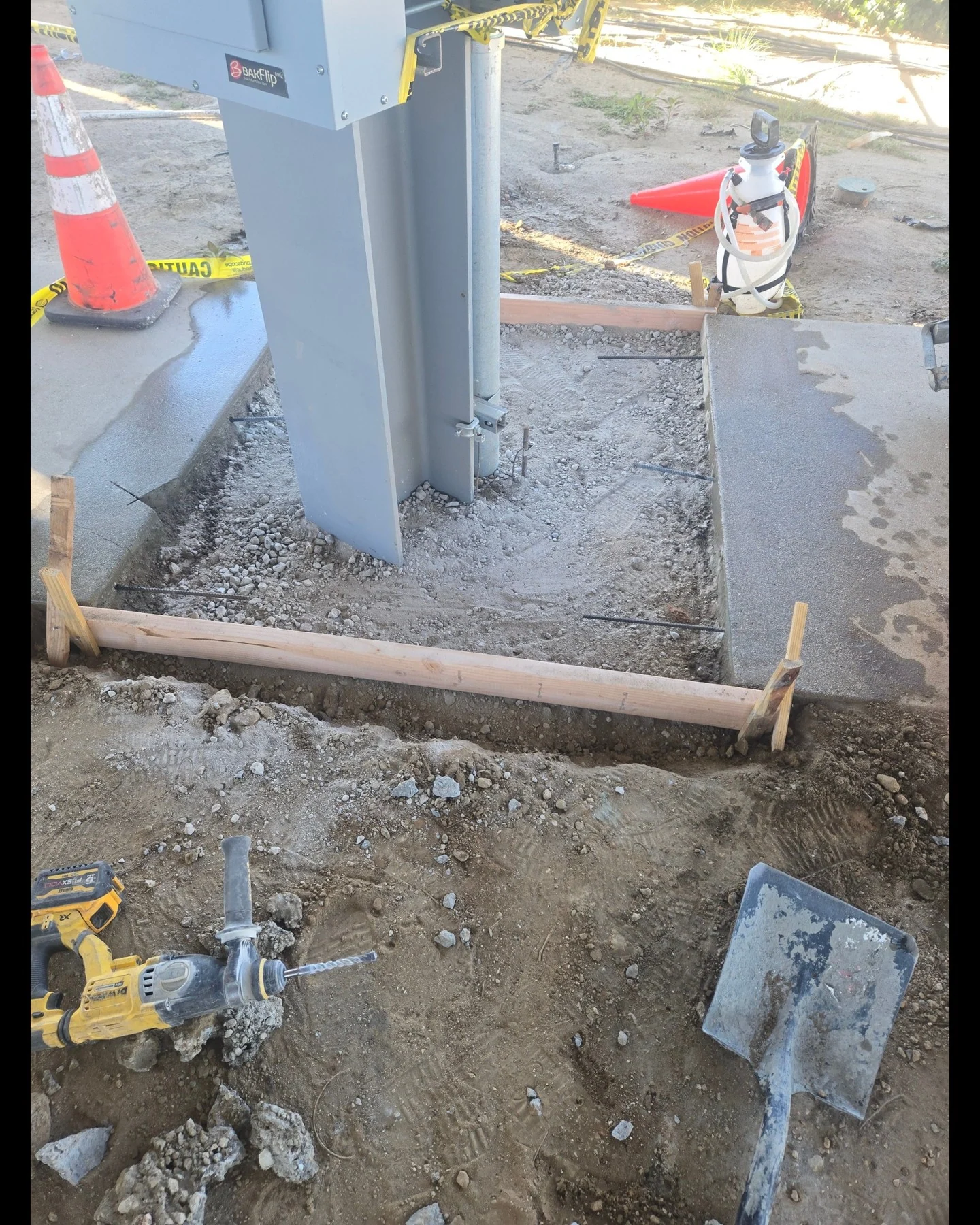
Ground preparation
Excavate to grade, remove what will not hold, compact base in lifts.
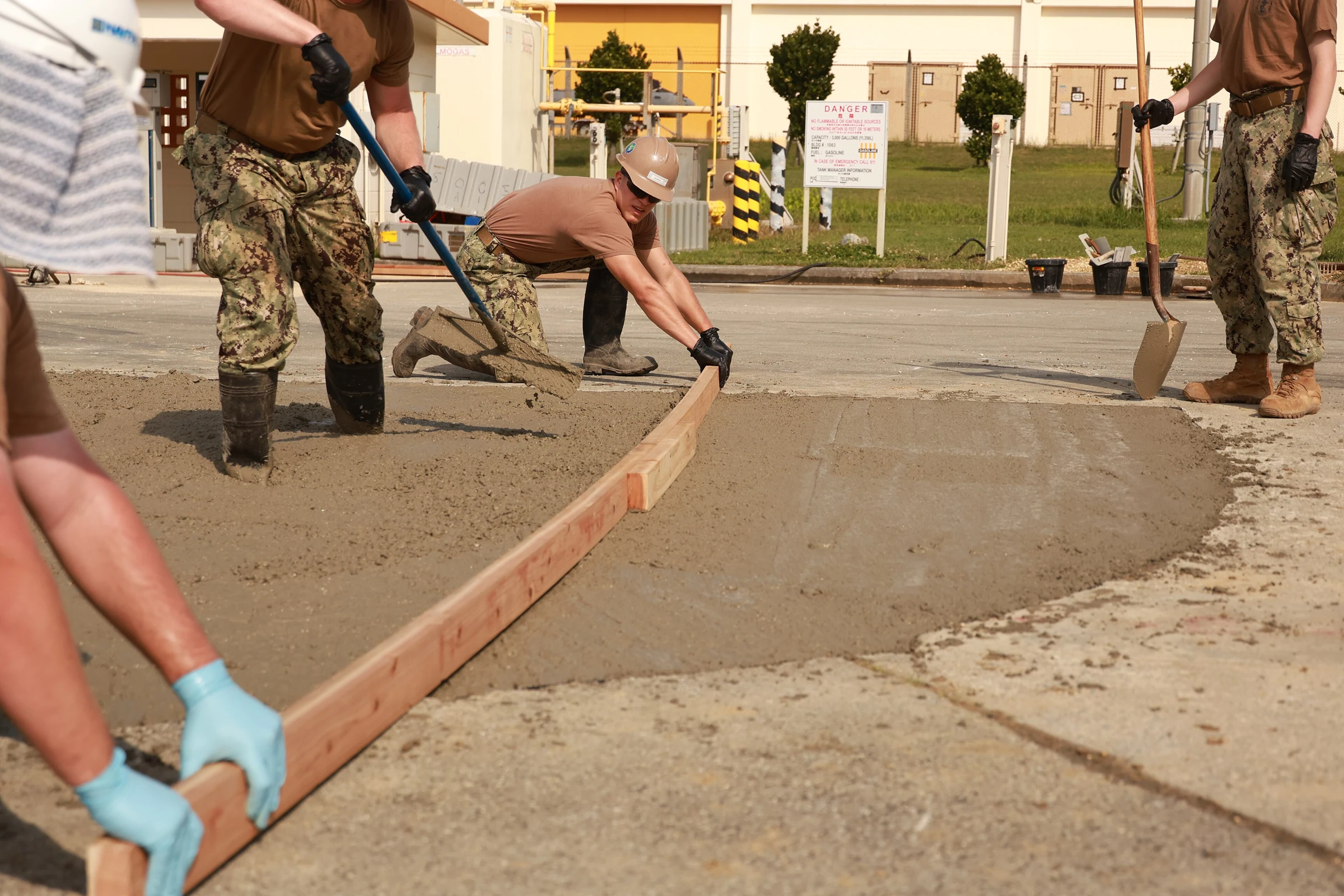
The pour
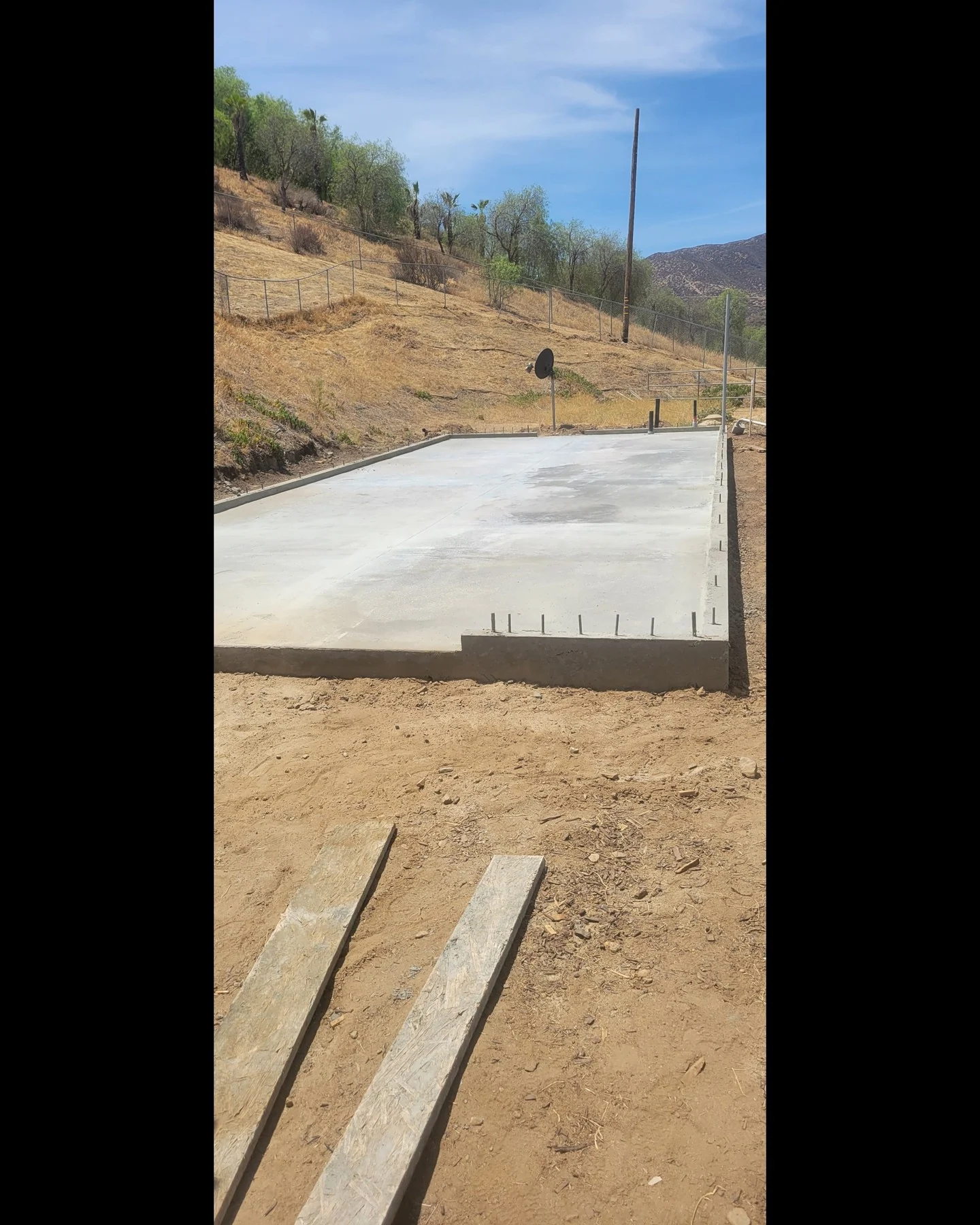
Forms braced for the pressure, steel placed and tied, concrete consolidated and finished on time.
What this job actually needs
Compaction in lifts
Base goes down in controlled layers and each layer gets compacted before the next. Dumped and raked flat looks identical once concrete is over it and performs nothing like it. This is the step that decides whether a slab stays flat.
Grade and drainage are permanent
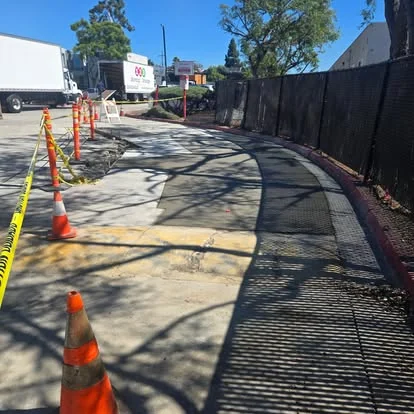
Once concrete is placed, the slopes are set. Where water goes gets decided before the pour, including low points and any drain structures, because water is what destroys concrete over time.
Subgrade problems get fixed now
Soft spots found during excavation get corrected before base goes in. They do not improve under load and they will find you later as a crack in the finished slab.
Clean handover
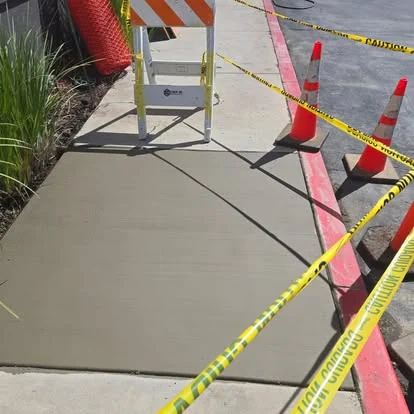
Washout handled properly, spoil hauled off, surrounding surfaces cleaned. Concrete work is messy while it happens and should be invisible when it is done.
What decides whether it lasts
Concrete is judged on the surface and it fails from underneath. The base, the steel, the joints and the cure are the whole job. A slab that was poured on bad ground will tell you so, usually in the third or fourth year.
Why fourth generation matters here
32 years on the tools means most of these problems have already been seen once. Reading a slab before quoting it is the part you cannot learn from a book, and it is the difference between a repair that holds and one that comes back.
What Southern California ground does to concrete site preparation
Older flatwork around here
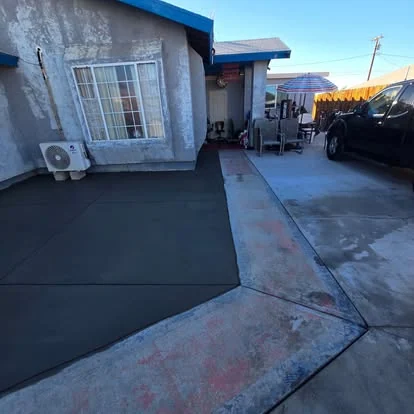
A lot of valley concrete was poured thin, with light reinforcement, on a base that was never properly compacted. When it fails it is usually reporting on the ground rather than on the mix, and that is the difference between a repair that holds and one that comes back in a year.
Drainage on a flat lot
Valley lots are often close to level, which makes slope hard to find and easy to get wrong. Low points, cross-fall and where water actually leaves the property get worked out before the pour, because once the concrete is down the drainage is permanent.
Summer pours
Triple digit afternoons change how concrete behaves. It stiffens before it can be finished properly, the surface skins over while the body underneath is still soft, and water leaves the slab faster than the cement can use it. Valley pours start early, the mix gets adjusted for the heat, and curing is treated as an active step instead of something that happens on its own.
What lasts here
A properly based, properly jointed slab with reinforcement sized to the load will outlast the house it sits beside. The variables that decide it are all underneath and all invisible once the pour is done, which is exactly why they get cut on cheap jobs.

How concrete fails, and why
Cracks at re-entrant corners
Any inside corner in a slab, around a pillar or at an L-shaped patio, concentrates stress. Concrete cracks diagonally out of those corners unless steel or a joint is placed to control it.
Water against the house
Flatwork that slopes toward a building sends water at the foundation. In expansive soil that is the most expensive drainage mistake available.
Tire marks and staining
Hot tires pull at a sealed surface and some sealers soften under them. On a garage floor the finish and the sealer choice both matter for that reason.
Sunken sections around utilities
Trenches backfilled loosely settle for years. Anything poured over a recent trench needs that backfill compacted properly first.
How a job runs
Preparation you may need to do
Moving vehicles, clearing the area, and sometimes irrigation being shut off. We will tell you in advance what is on you.
Demolition day
Saw cutting, breaking, loading and hauling. It is the loudest and dirtiest part and it usually happens first.
A repair aimed at the wrong cause is money spent twice.On repair work
Pour day
Early start in summer. The crew works continuously until the slab is placed and finished, because concrete sets on its own schedule.
Keeping off it
How long depends on the pour and the weather. You will get a real number, not a generic one.
Other site work work
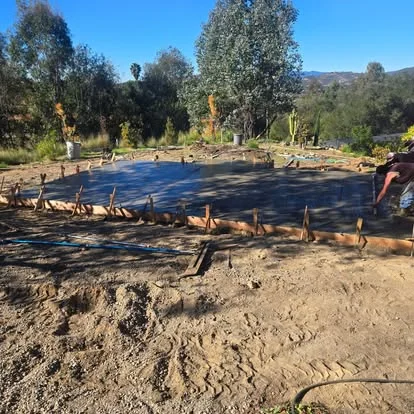
Concrete Excavation
Digging to grade for the pour that follows.
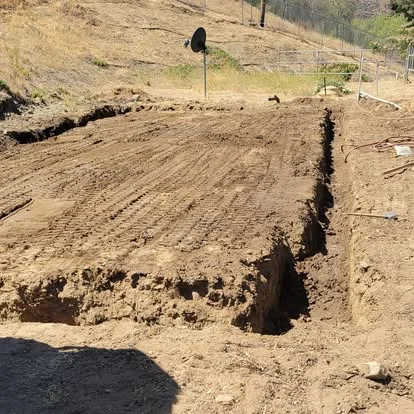
Grading Base Preparation
The half of the job that ends up buried.
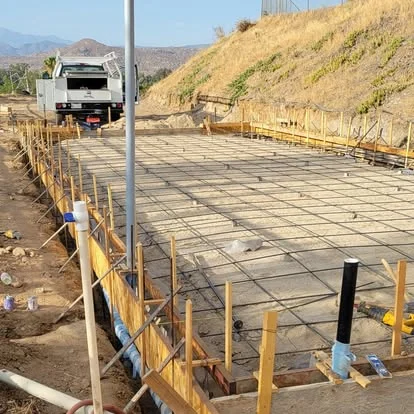
Subgrade Preparation
The native ground under the base.
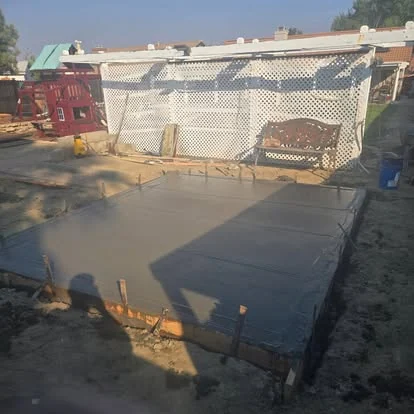
Gravel Base Installation
Aggregate base, placed in lifts and compacted.

Concrete Drainage Preparation
Deciding where water goes before the concrete sets it.
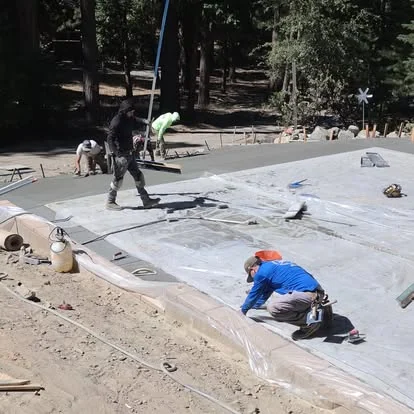
Concrete Site Cleanup
Leaving it the way we would want it left.

Concrete Pouring
Placement, consolidation, and timing.
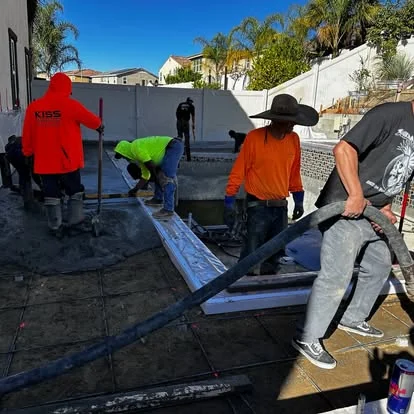
Concrete Finishing
Reading the slab and working it at the right moment.
Straight answers
Do you handle the excavation?
For our own pours, yes. Cutting to grade, dealing with soft spots and building the base is part of the concrete job rather than something we ask you to arrange.
What happens to the old concrete?
Saw cut to a clean line, broken out, loaded and hauled off. We protect what stays and leave the ground ready for the new pour.
How do you decide where water goes?
Before the pour, because afterward it is permanent. Slopes, low points and any drain structures are set while it can still be changed.
Why does the base matter so much?
Almost every slab failure we are called to look at is base, not concrete. Grade, material, lift thickness and compaction decide how the slab performs for decades.
What is compaction in lifts?
Base material goes down in controlled layers and each one gets compacted before the next. Dumped and raked flat is not base, even though it looks the same once concrete is on it.
Tell us what the job is
We walk the job, tell you what it needs, and give you a number. Hemet and roughly 100 miles around it.