
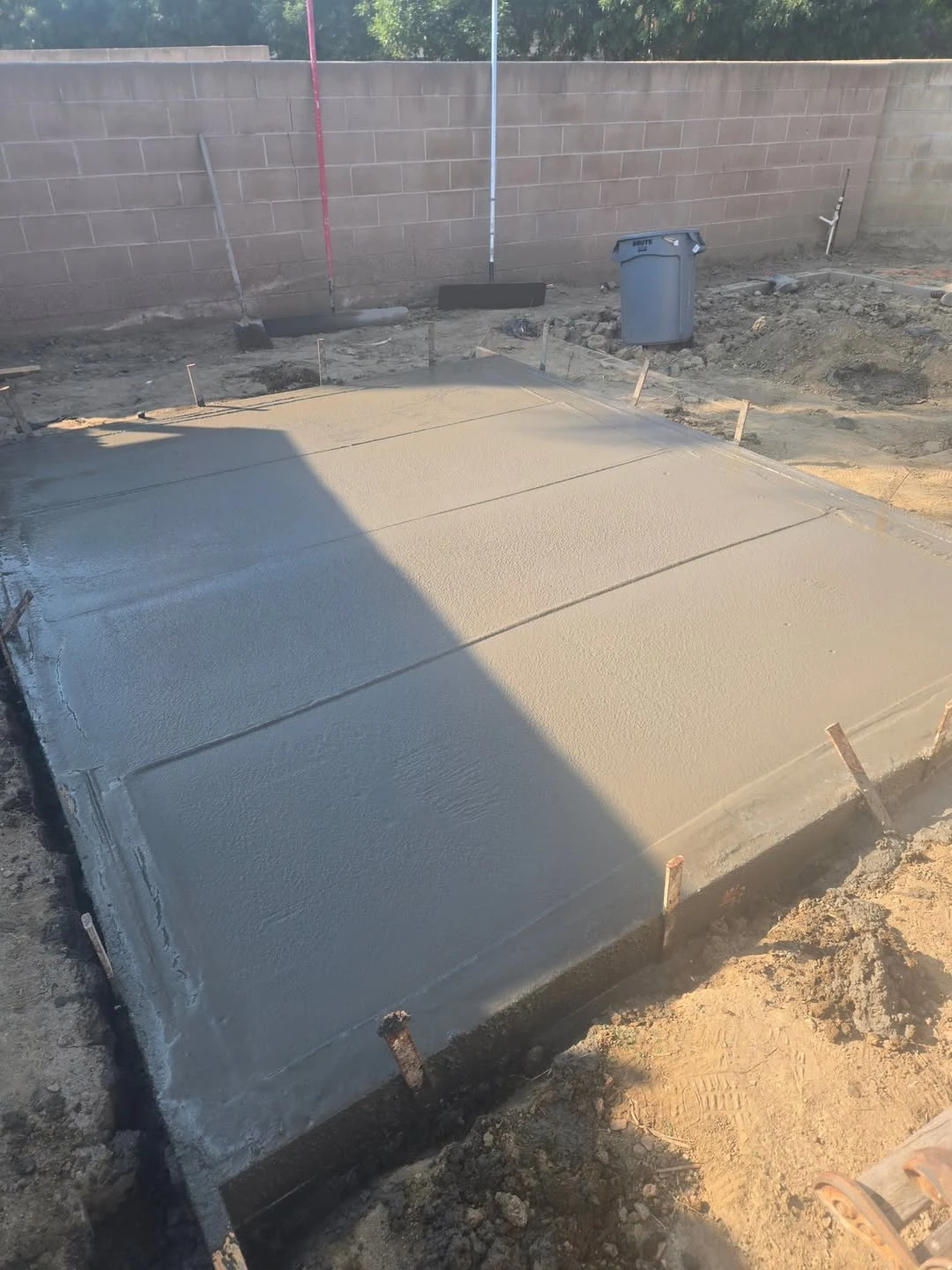
Poured once, done right
Boron driveways, patios, foundations and repair work. Licensed 1137822, fourth generation, and straight about what a job actually needs.
Talk to us about the job
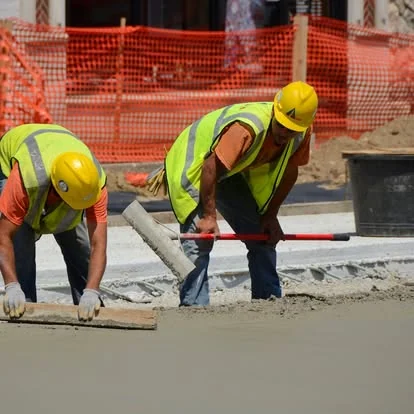
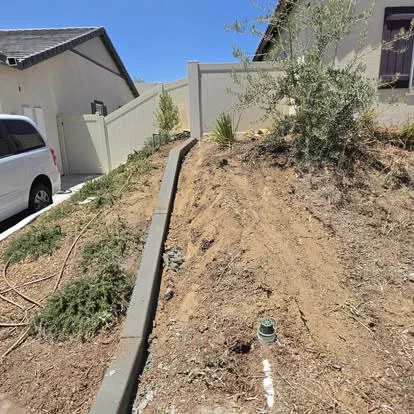
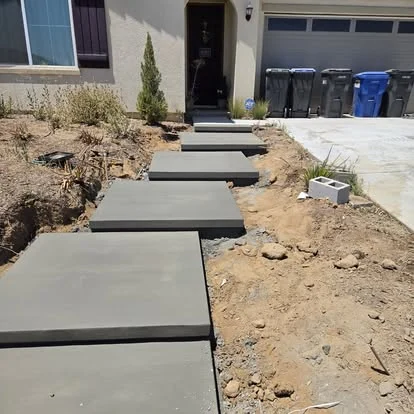
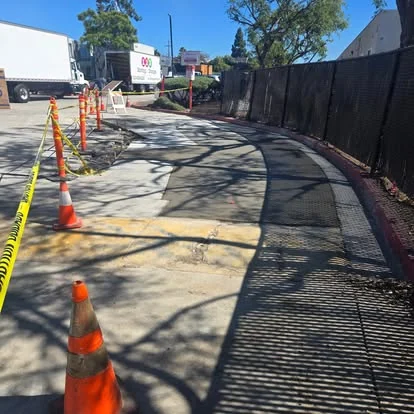
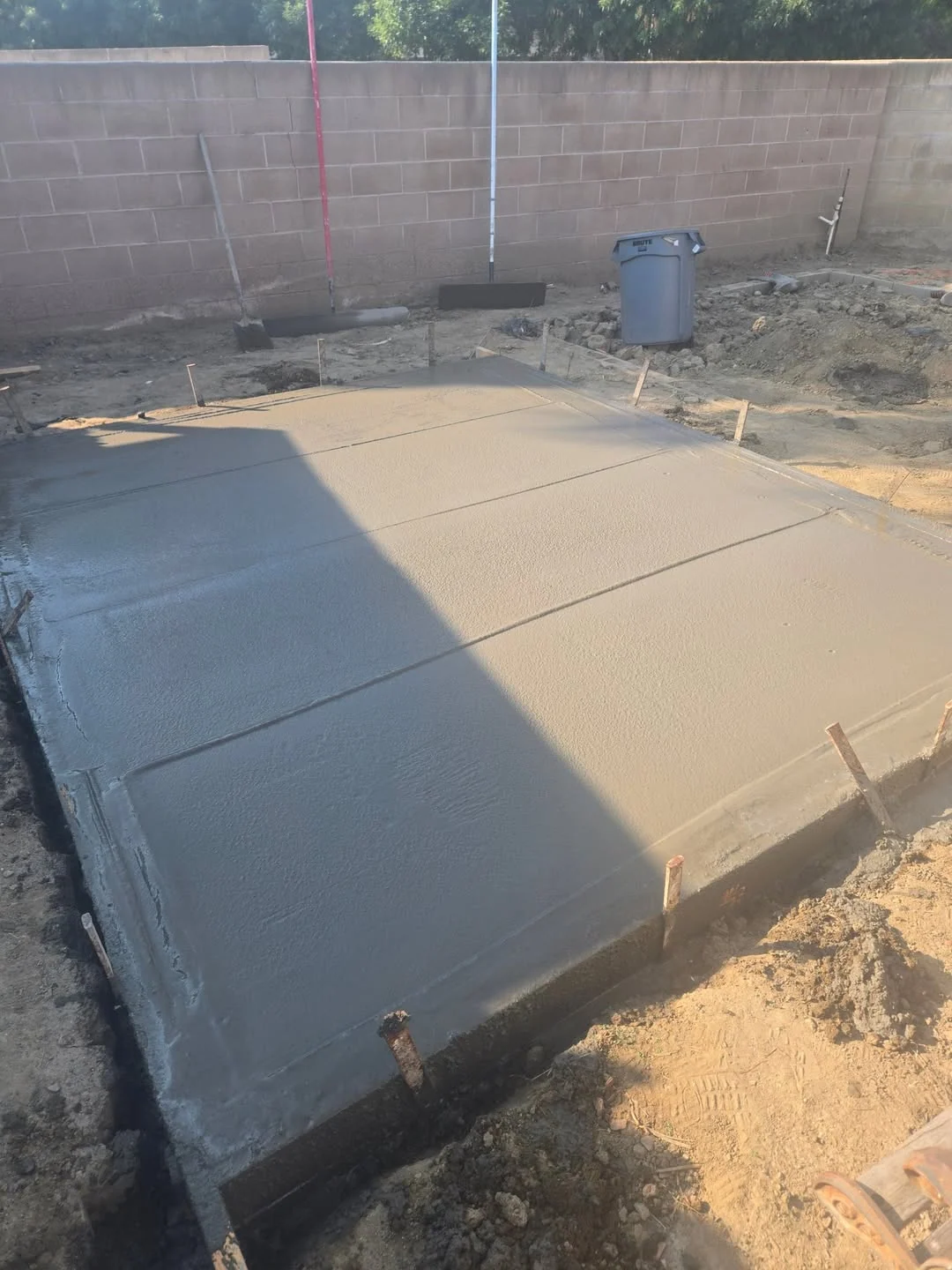
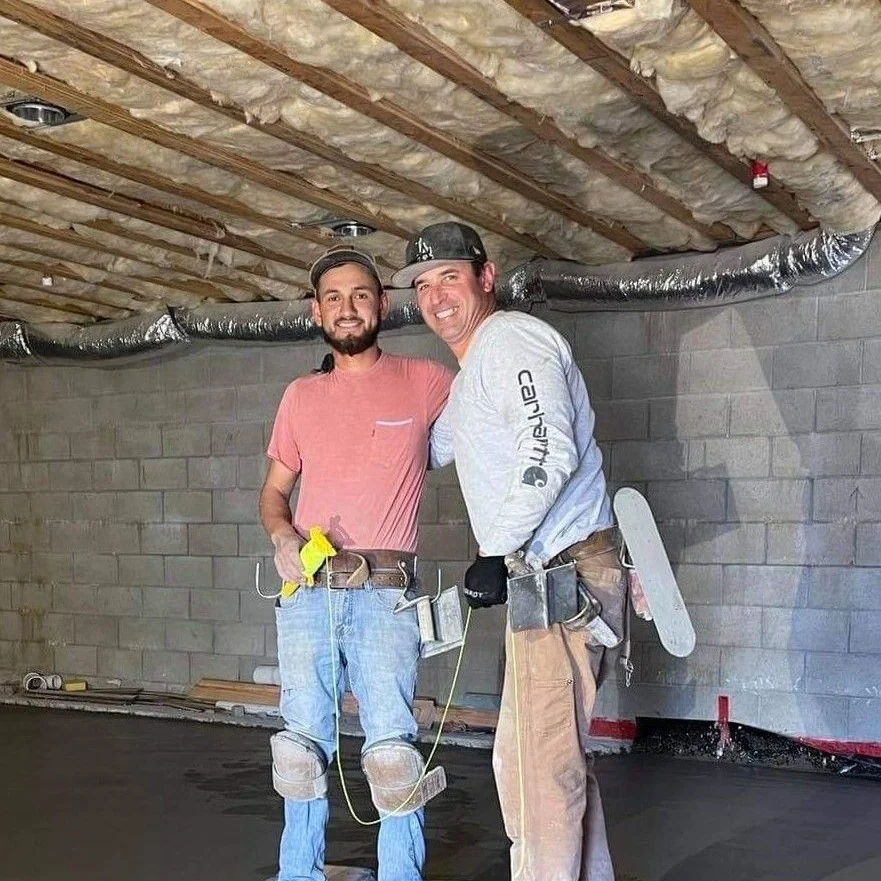
What concrete is up against around Boron
Freeze and thaw is real up here
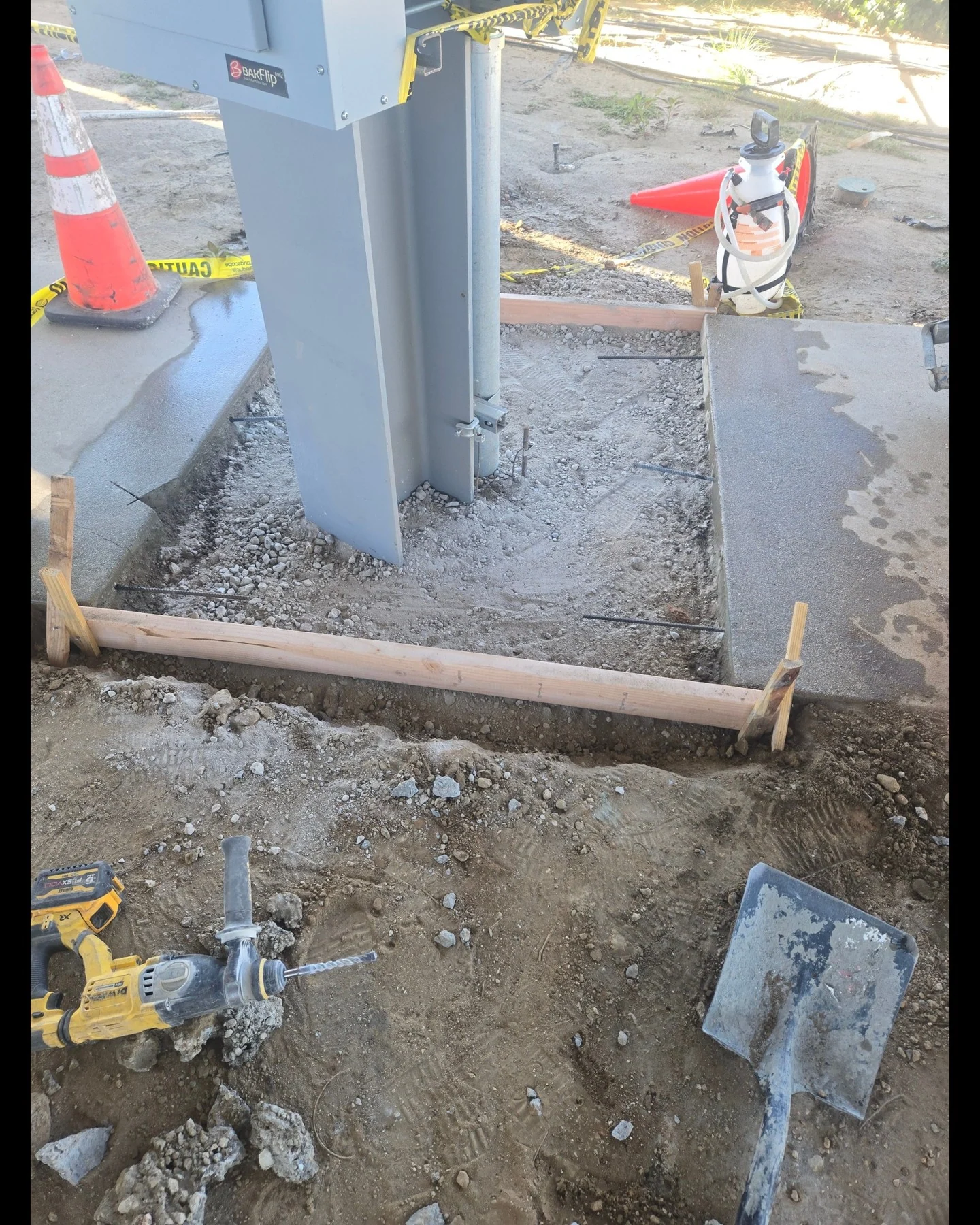
The high desert genuinely freezes. Water gets into bare concrete, freezes, expands, and works the slab apart from the inside. That is why an unsealed high desert driveway pits and spalls in a way a valley slab does not.
Wind and the finishing window
Sustained wind pulls water out of a fresh slab fast. Combined with low humidity it can close the finishing window early and leave a crazed surface. Pours get planned around the forecast.
Sealing actually matters here
Where freeze cycling is real, keeping water out of the pores is the difference between a slab that lasts and one that spalls. Sealing is maintenance that pays for itself at this elevation.
Honest diagnosis before a number
We look at what failed and why before quoting. Sometimes the answer is a repair and sometimes it is a rebuild, and we will tell you which even when the smaller job is ours to lose.
Curing treated as a step
Fresh concrete gets protected from dry wind and sun until it has what it needs. Skipping that is how you get a dusty, weak top layer.
One crew start to finish
The same people who form it pour it and finish it. There is no handoff where the details get lost.
What we build in Boron
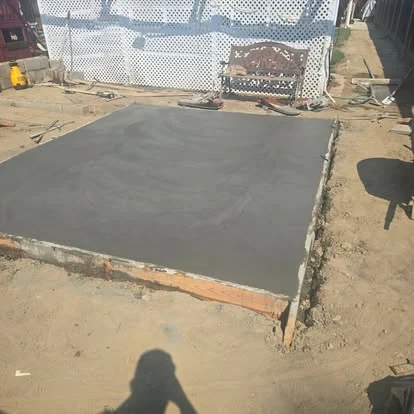
Concrete Sidewalks
Public-facing flatwork built to the spec the city will inspect.
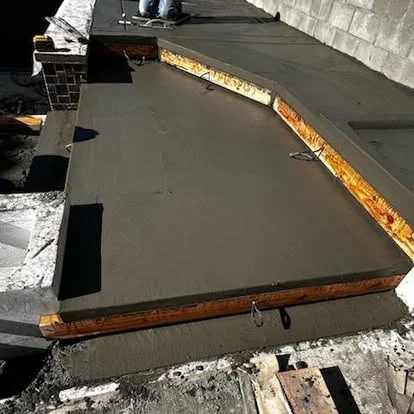
Concrete Sidewalk Repair
Lifted, cracked, or spalled panels made safe again.
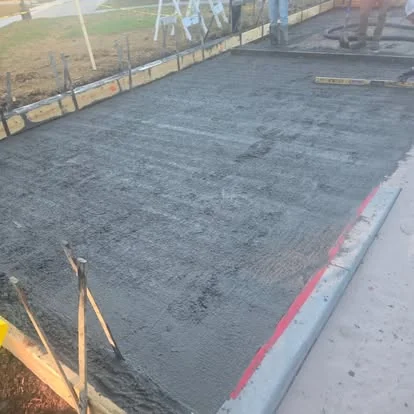
Concrete Sidewalk Replacement
Panel by panel, or the whole run.
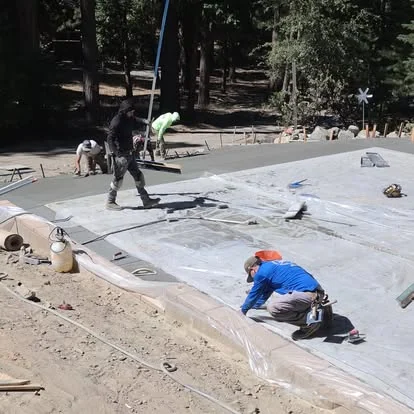
Concrete Steps
Rise and run the same on every step, which is the whole job.

Concrete Stairs
A formed flight that carries load and holds its geometry.
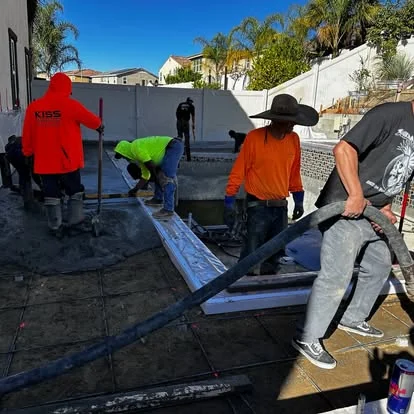
Front Porches
The first slab anybody sees.
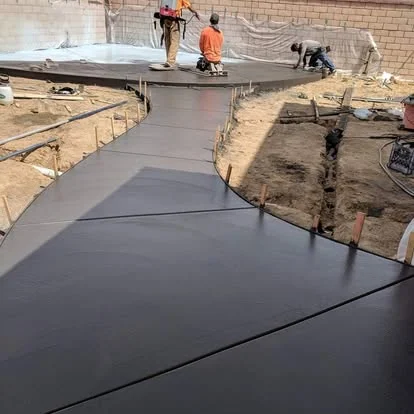
Concrete Resurfacing
A new surface on a sound slab.
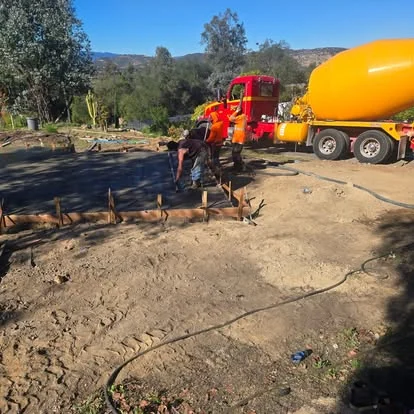
Concrete Leveling
Lifting a slab back to where it started.
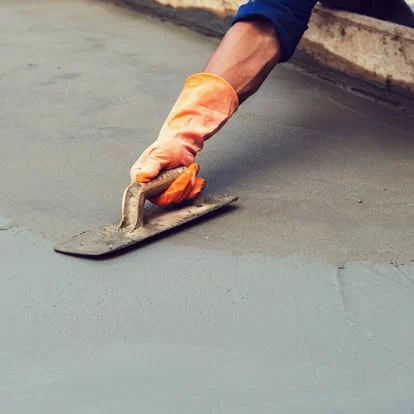
Concrete Grinding
Taking down high spots and trip lips.

Bollard Foundations
The concrete that stops a vehicle.
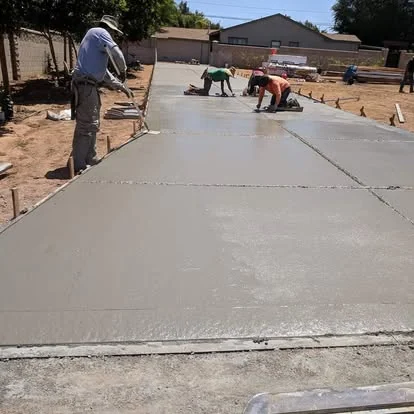
Concrete Trash Enclosures
Walls, slab, and apron as one detail.
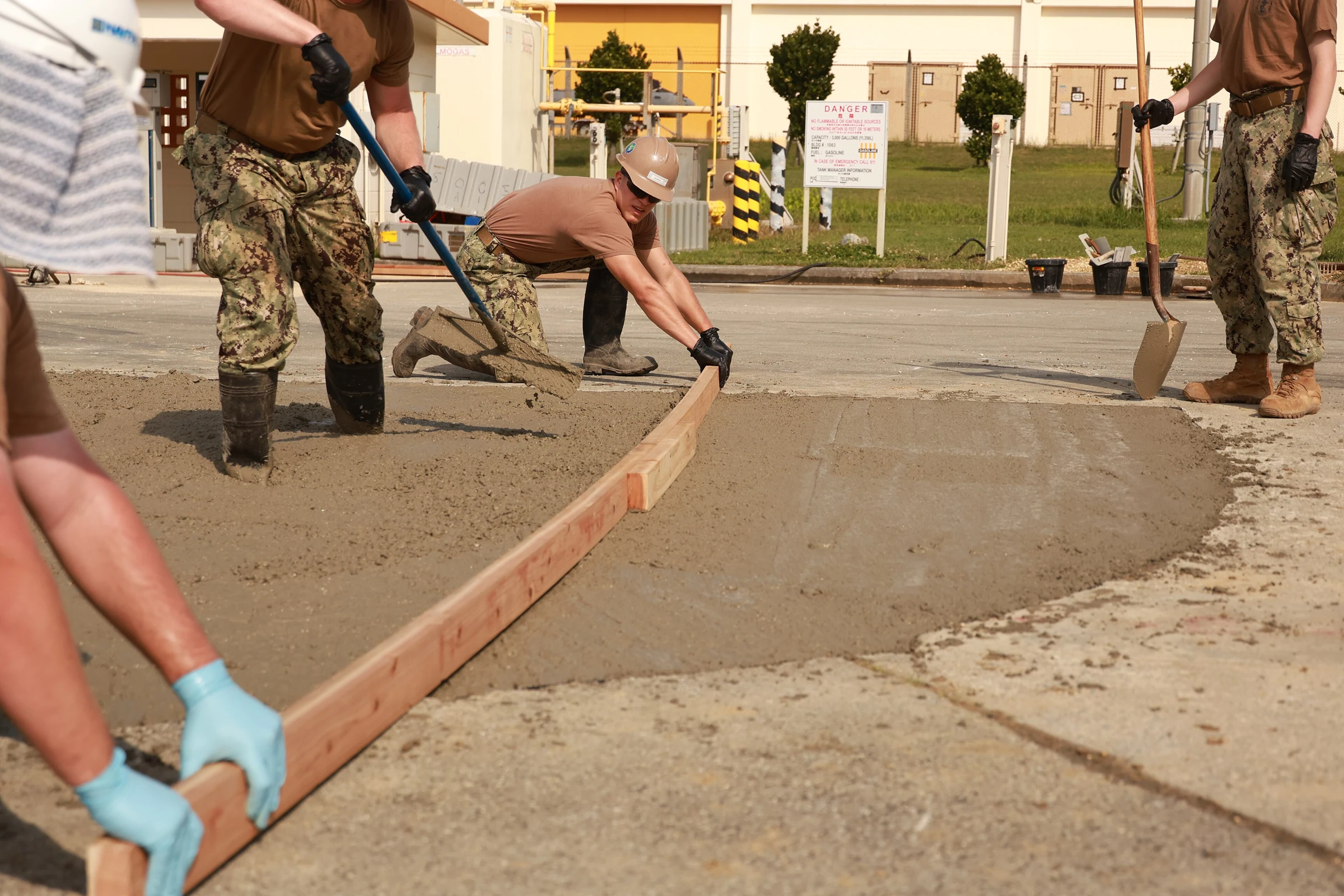
Concrete Aprons
The transition slab that takes the worst of it.
Pouring concrete around Boron
Decomposed granite and alluvium
Much of the high desert is decomposed granite and alluvial material. Worked properly in lifts it compacts into an excellent base; dumped and raked flat it behaves badly and the slab tells you so within a few years.
Distance and delivery
Some of these properties are a long way from a batch plant, which affects the delivery window and how a pour gets staged. That is worth planning honestly up front rather than discovering it with a truck on site.
Triple digits and hard freezes in one year
High desert concrete takes both extremes within twelve months, so it has to be built for both. That means the right mix, joints that allow real movement, and a sealing plan that gets followed rather than mentioned once.
Wind and the finishing window
Sustained wind combined with very low humidity pulls water out of fresh concrete fast enough to close the finishing window early and craze the surface. Pours get planned around the forecast, not just the calendar.
Concrete work around Boron
Flatwork, foundations and repair across Boron and the rest of Kern County, poured by the same crew that answers the phone.
How concrete fails, and why
Cracks at re-entrant corners
Any inside corner in a slab, around a pillar or at an L-shaped patio, concentrates stress. Concrete cracks diagonally out of those corners unless steel or a joint is placed to control it.
Water against the house
Flatwork that slopes toward a building sends water at the foundation. In expansive soil that is the most expensive drainage mistake available.
Tire marks and staining
Hot tires pull at a sealed surface and some sealers soften under them. On a garage floor the finish and the sealer choice both matter for that reason.
Sunken sections around utilities
Trenches backfilled loosely settle for years. Anything poured over a recent trench needs that backfill compacted properly first.
How a job runs
Getting a number
We walk the job, measure, and quote what it needs. No number goes out on a photograph and nothing gets quoted thin to win it.
How long it takes
Most residential flatwork is a few days from demolition to pour, plus curing. Structural work runs longer because of inspections.
A repair aimed at the wrong cause is money spent twice.On repair work
Who is on site
The same crew that forms it pours it and finishes it. There is no handoff where the details get lost.
Afterwards
Sealing, joint maintenance, and keeping water off it are the things that decide whether you get twenty years or forty.
Around Boron
Straight answers
Do you handle demolition and haul-off?
Yes, cut clean, broken out, loaded and hauled, with the ground left ready for the new pour.
Why does my driveway surface flake?
That is scaling, and at this elevation it is usually freeze damage in concrete that was not air entrained or was left unsealed. Repair means getting off everything loose and bonding new material properly.
My lot is large. Does that change anything?
Length multiplies movement, so a long driveway needs a real joint plan. Poured without one it will crack wherever it likes.
How long before I can drive on it?
Foot traffic a day or two, vehicles longer, and cold weather stretches both. You get the real number for your pour.
Can you pour in winter?
Sometimes, with protection. Concrete cures by chemical reaction and cold slows that reaction down, so a slab placed into a hard freeze may never reach strength. We would rather move a date than pour into conditions that will not cure.
Your Boron slab
Tell us what it is and what it has to carry. We will be straight about what it needs and what it does not.