
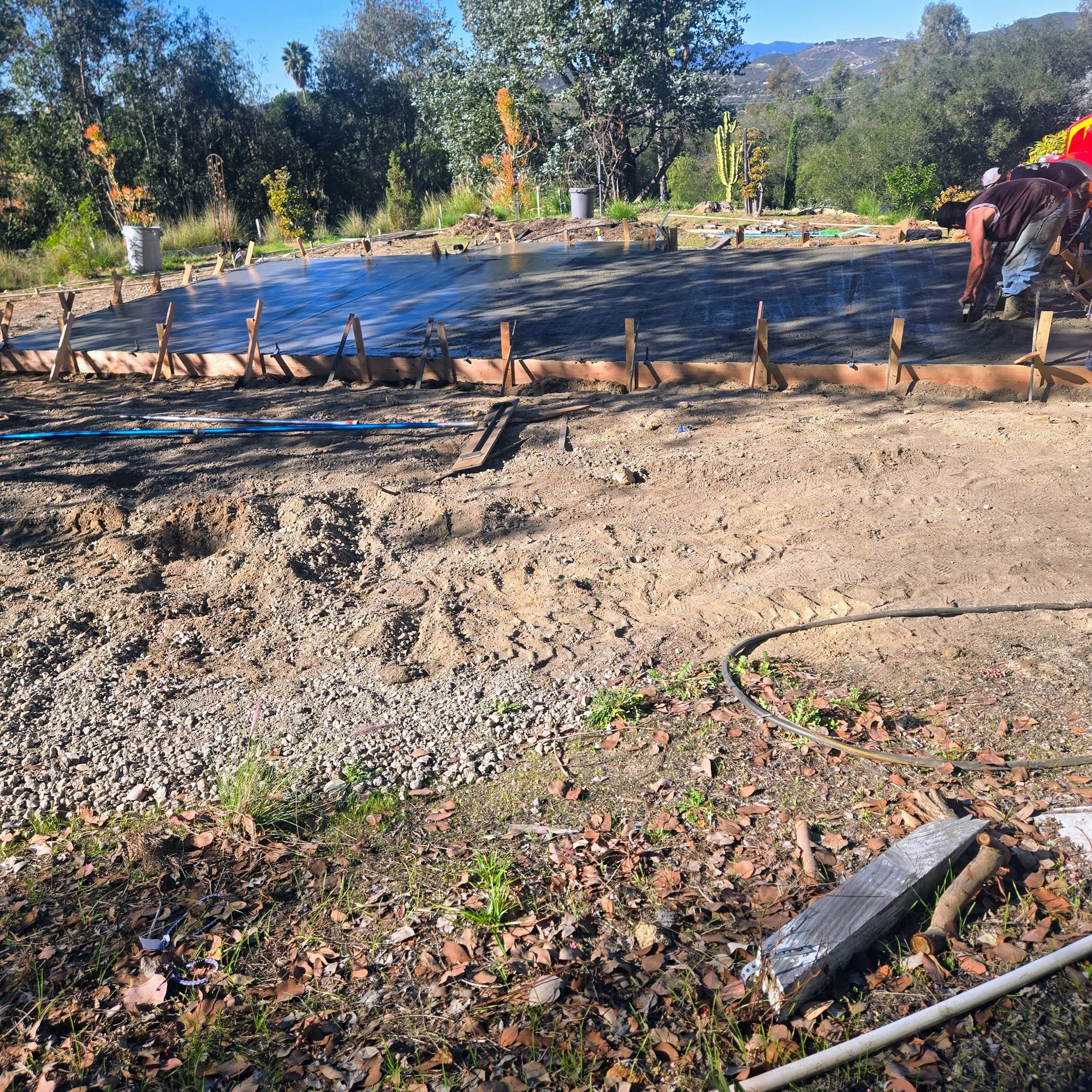
Poured once, done right
Oceanside driveways, patios, foundations and repair work. Licensed 1137822, fourth generation, and straight about what a job actually needs.
Talk to us about the job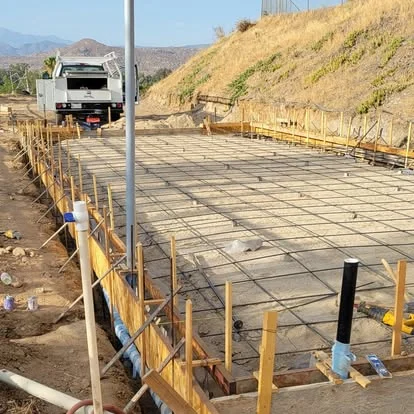
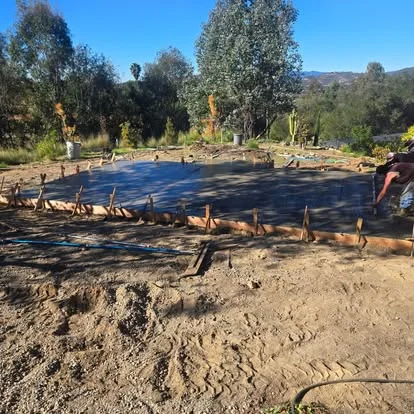
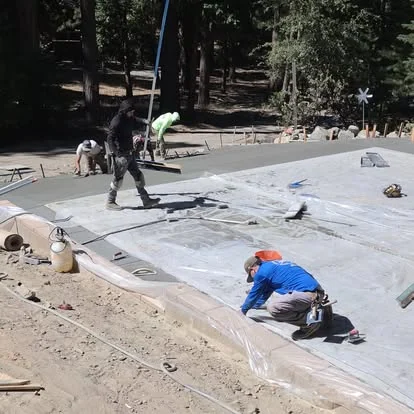
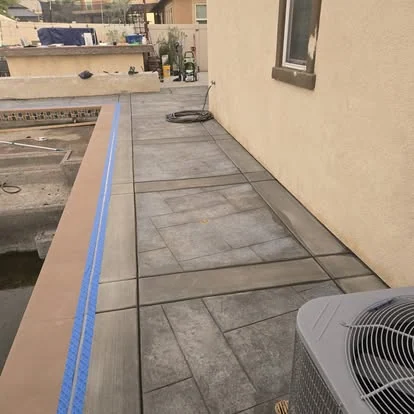
What concrete is up against around Oceanside
Older coastal slabs
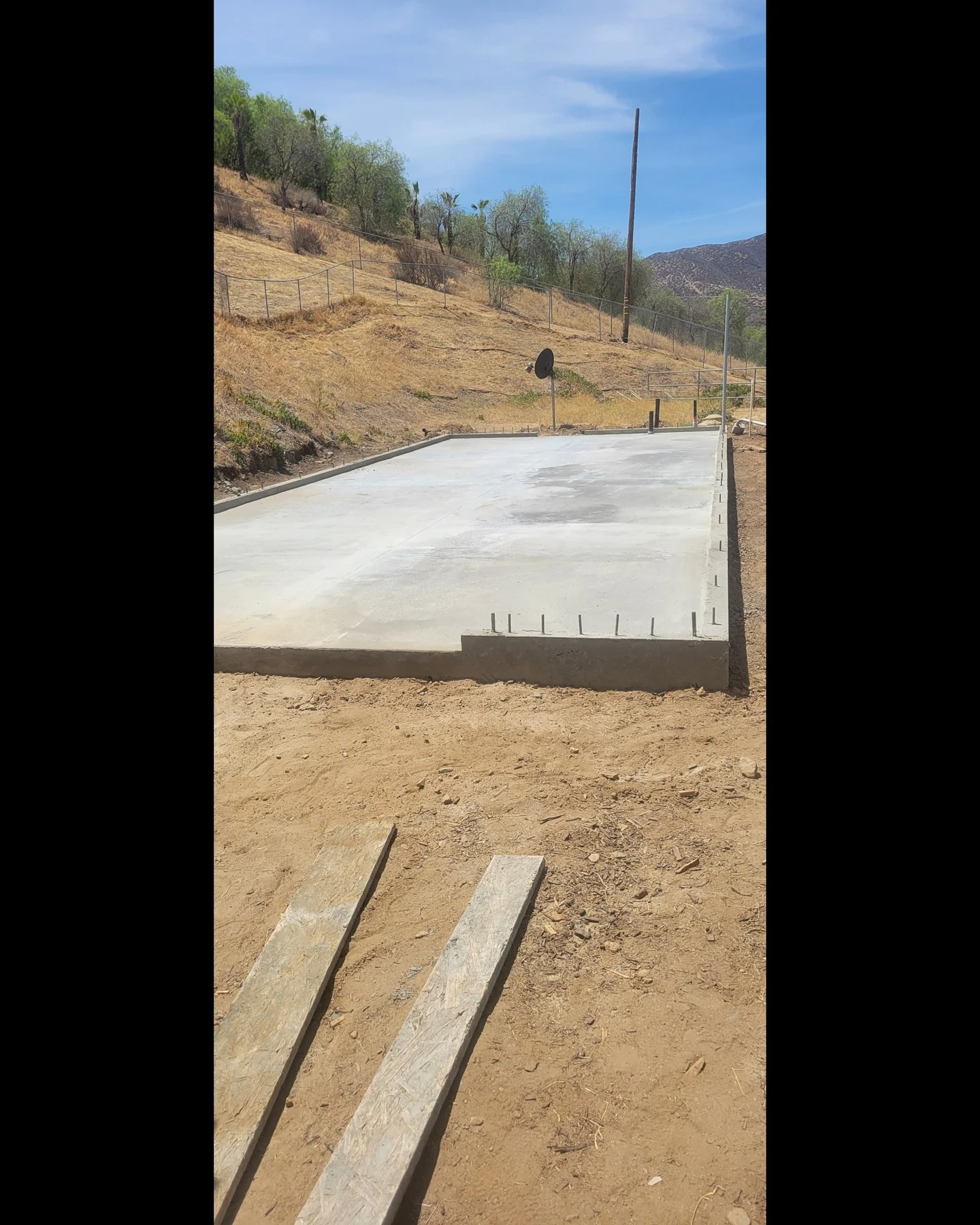
A lot of coastal flatwork is decades old and was poured with less cover over the steel than we would use now. Rust staining and edge spalling usually mean the steel is going, not just the surface.
Sealing against chloride
Sealing on the coast is about keeping chloride out of the pores rather than keeping water from freezing. Different reason, same maintenance.
Mild temperatures, different problem
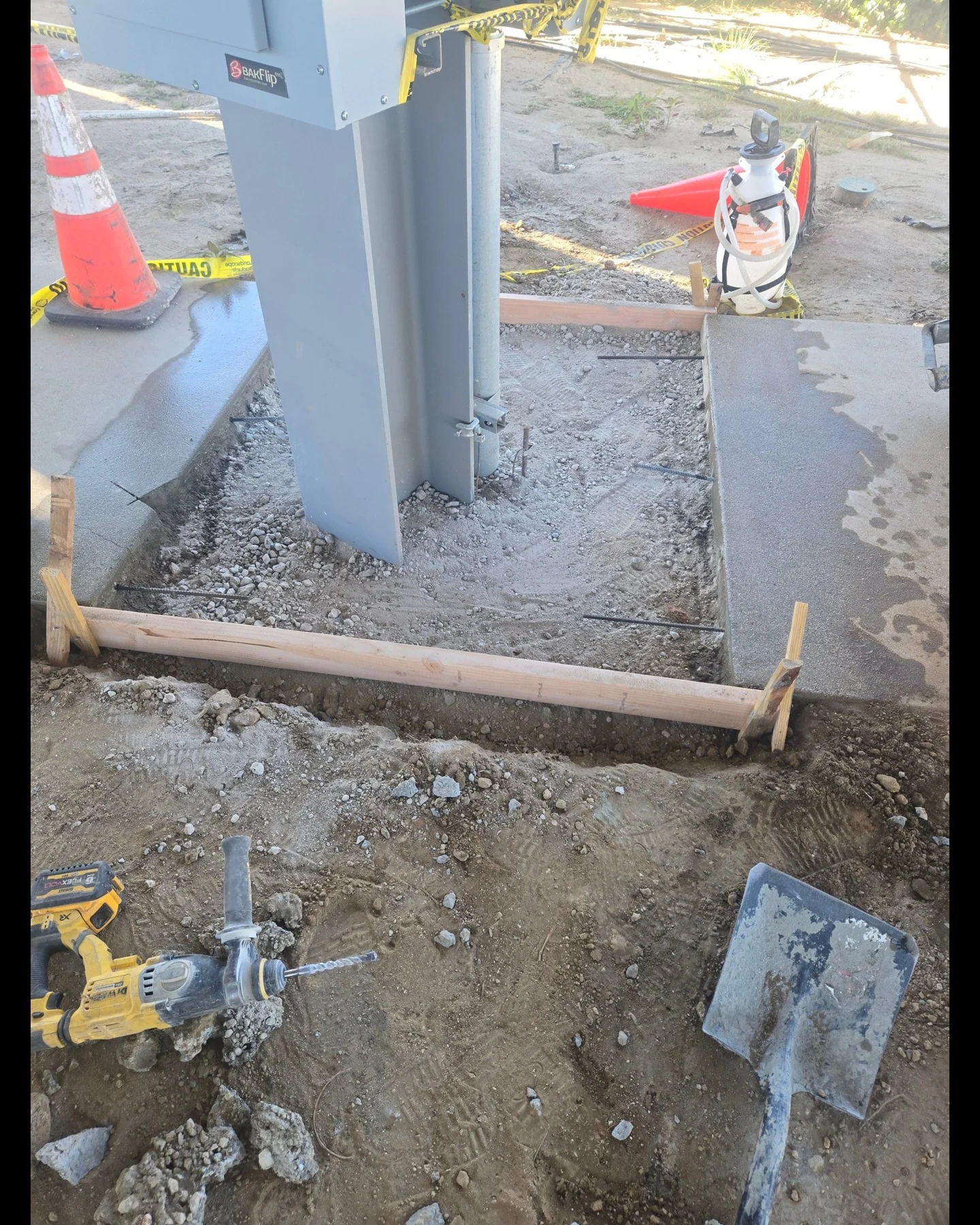
The coast does not give you the heat or the freezing that inland concrete fights. What it gives you is constant moisture and salt, which is a slower and more corrosive problem.
Steel sized to the movement
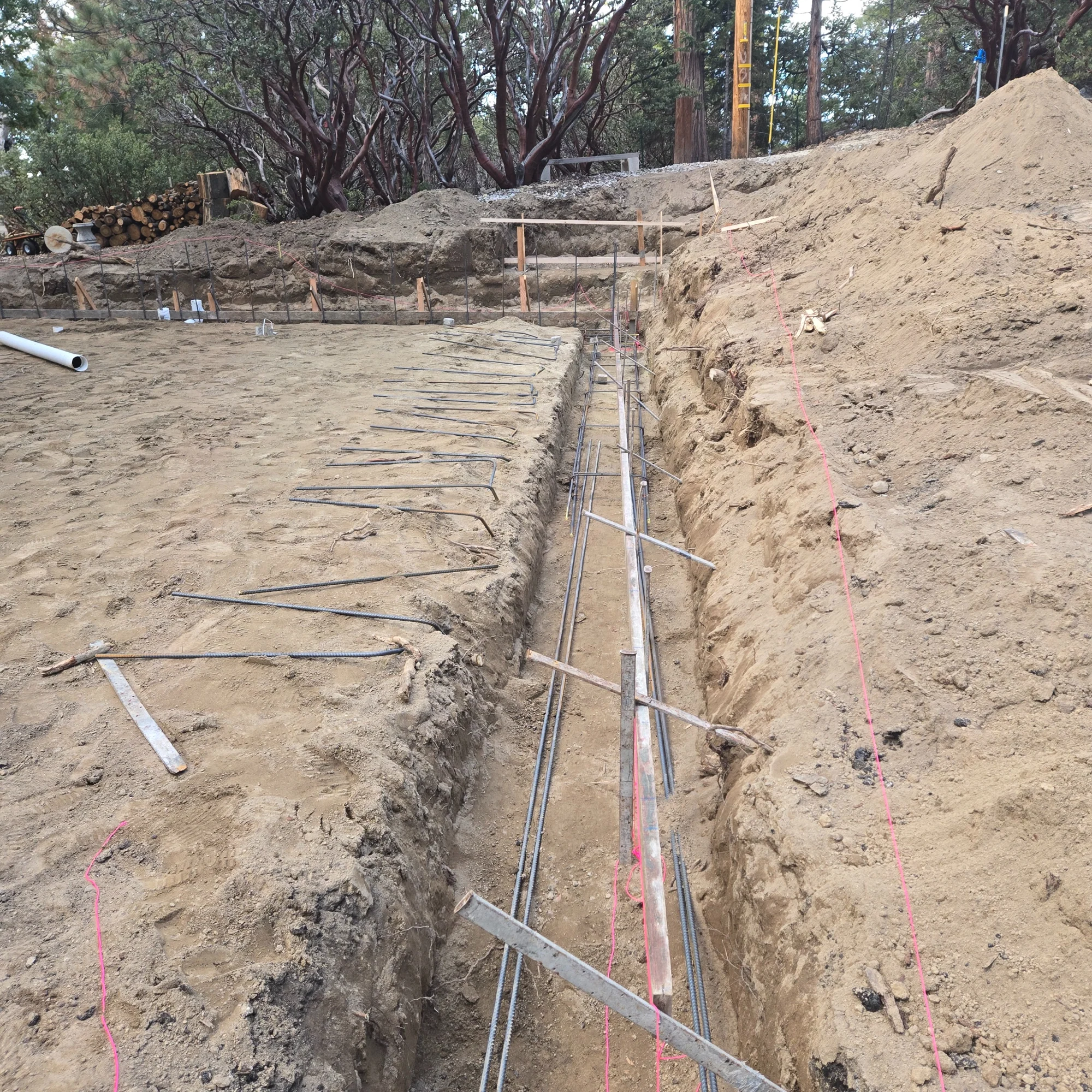
Reinforcement gets placed for what the soil is going to do, on chairs at the right height with real cover. Steel lying on the dirt does nothing at all.
One crew start to finish
The same people who form it pour it and finish it. There is no handoff where the details get lost.
Joints planned on paper
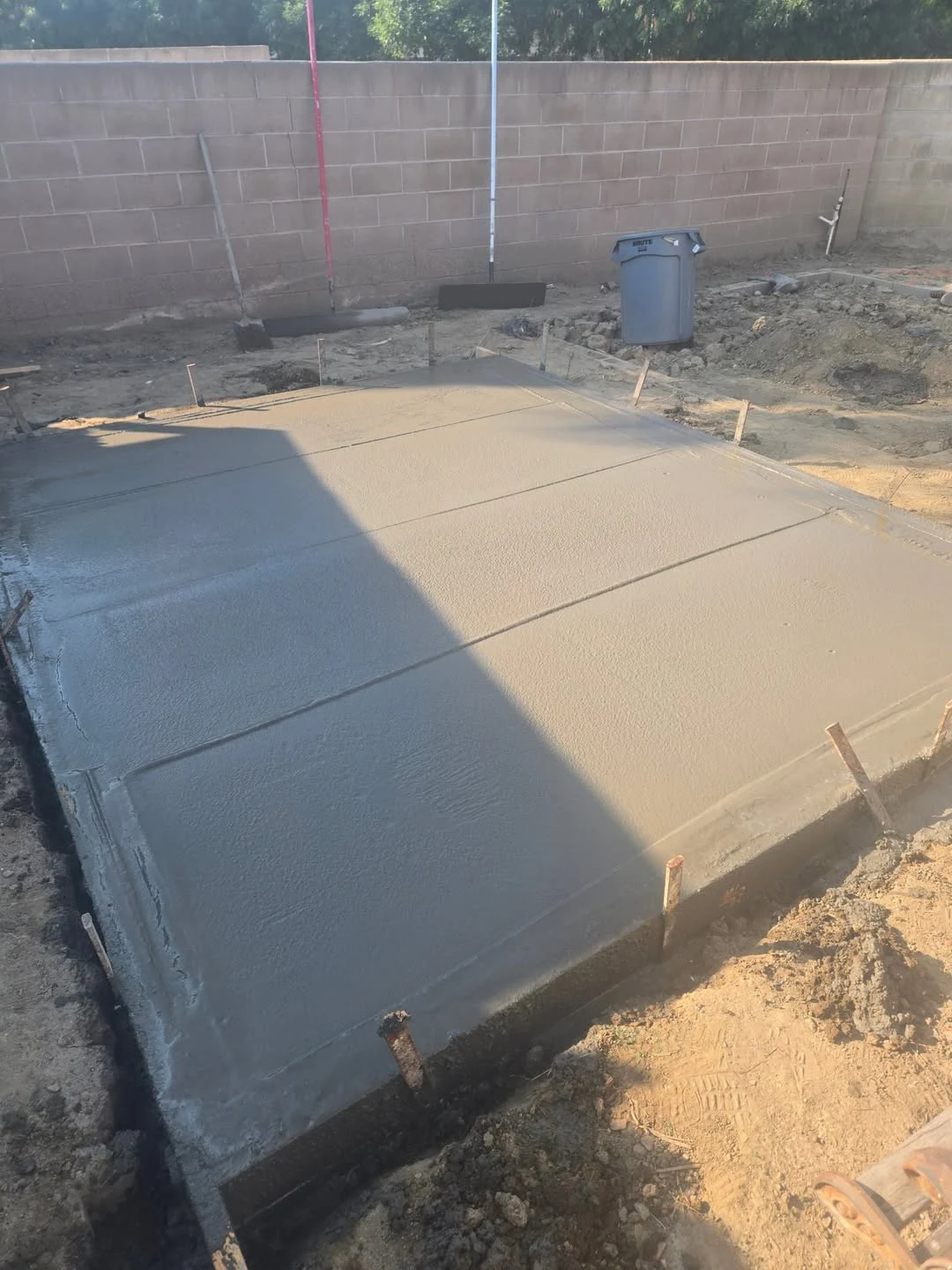
Joint layout gets worked out before the pour, spaced to the thickness and placed where the slab wants to move anyway. Then it gets cut at the right time.
What we build in Oceanside
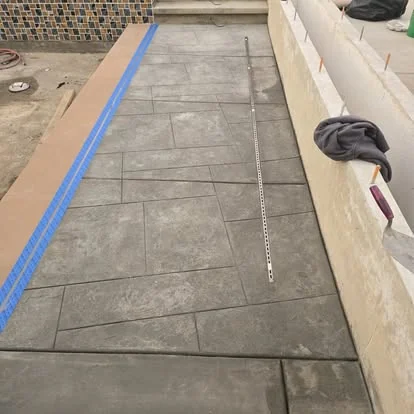
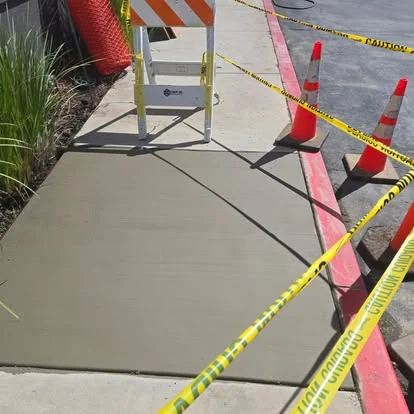
Concrete Sidewalks
Public-facing flatwork built to the spec the city will inspect.
Concrete Sidewalk Repair
Lifted, cracked, or spalled panels made safe again.
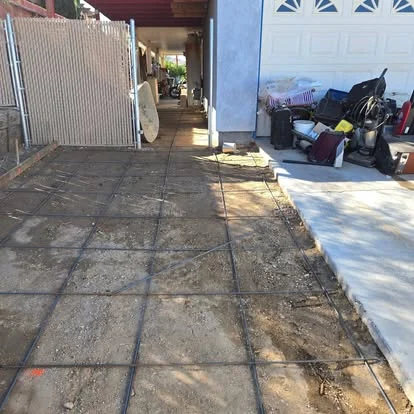
Concrete Sidewalk Replacement
Panel by panel, or the whole run.
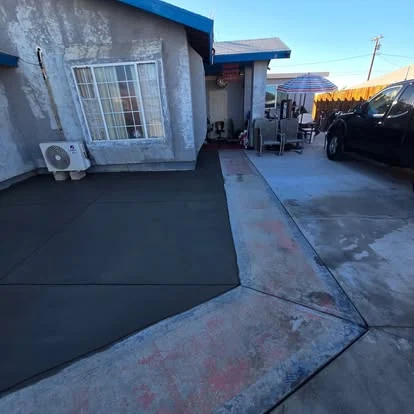
Concrete Steps
Rise and run the same on every step, which is the whole job.
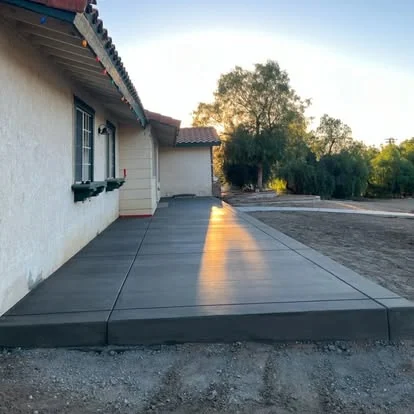
Concrete Stairs
A formed flight that carries load and holds its geometry.
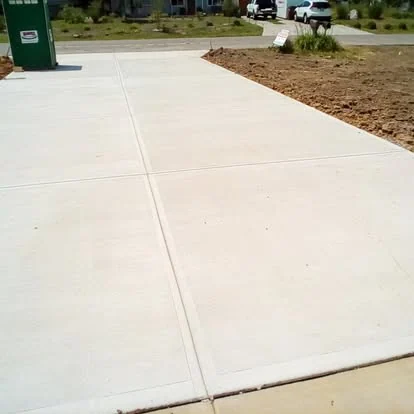
Front Porches
The first slab anybody sees.
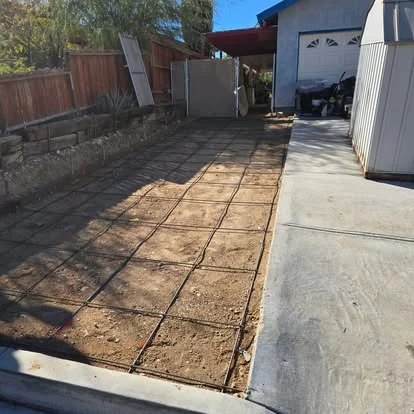
Control Joint Installation
Deciding where the crack goes.
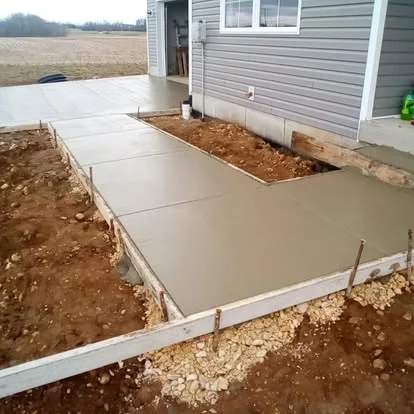
Concrete Repair
Fix the concrete that is worth fixing.
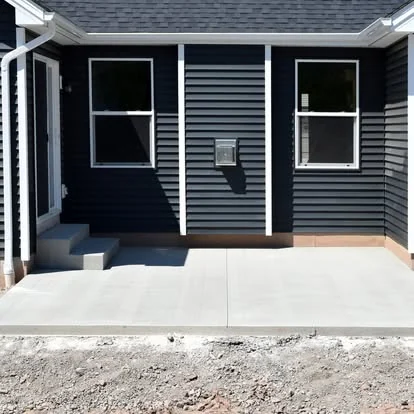
Concrete Crack Repair
Some cracks are cosmetic. Some are a message.
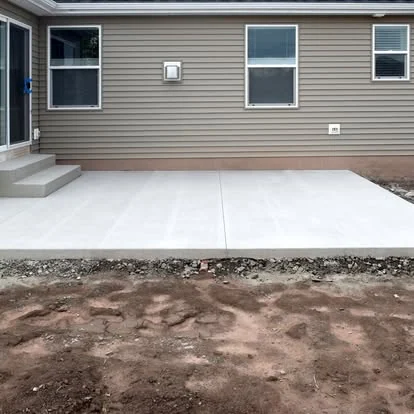
Concrete Aprons
The transition slab that takes the worst of it.
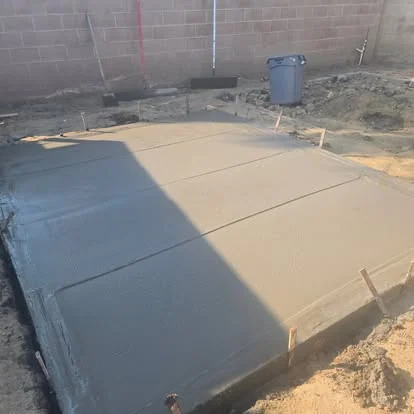
Drive Approaches
Where private property meets the public street.
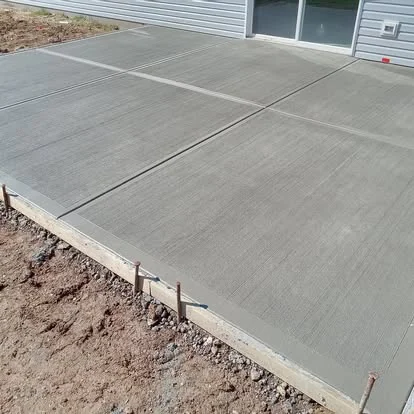
Concrete Curbs
Extruded or formed, straight and true.
Pouring concrete around Oceanside
A milder climate with a slower problem
The coast does not deliver the inland heat or the mountain freezing. What it delivers is constant moisture and salt, which is a slower and more corrosive problem, and it shows up as edge spalling and rust staining on older slabs.
Sandy soils and moving water
Coastal ground is frequently sand. It drains beautifully and it can be undermined by water moving through it, so compaction and understanding where water travels matter more than clay-style soil treatment.
Humidity changes the finishing
Higher humidity slows evaporation, which sounds helpful and actually changes the timing of every finishing step. Bleed water sits on the surface longer, and floating too early seals it in and weakens the top layer.
Pool decks near the ocean
A coastal pool deck takes salt from the air as well as chlorine from the water, plus bare feet. Slip resistance and a surface that holds up under both is the specification, not an upgrade.
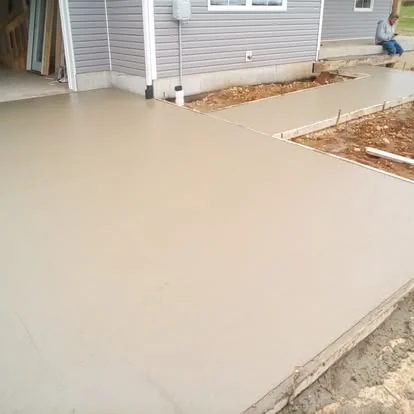
Concrete work around Oceanside
Flatwork, foundations and repair across Oceanside and the rest of San Diego County, poured by the same crew that answers the phone.
How concrete fails, and why
A slab that rocks
If you can feel movement walking across it, there is a void underneath. That is erosion, poor compaction, or soil that shrank away. Filling the void is the fix; replacing the slab without filling it is not.
Cracks that widen along their length
A crack that is hairline at one end and open at the other is reporting differential movement. That is a foundation and soil conversation, not a patching one.
Discolouration in patches
Blotchy color usually comes from inconsistent curing, adding water to part of a load, or finishing at different times across one pour. It is cosmetic and it is permanent.
Joint sealant failure
Open joints let water into the base, and the base is what holds the slab up. Resealing joints is cheap maintenance that prevents expensive failures.
How a job runs
The soil question
In expansive clay the soil drives the design. If there is a soils report we build to it; if not, what we find during excavation informs the base work.
Drainage
Where water goes gets decided before the pour, because afterward it is permanent. That sometimes means changing the plan to fix a problem you already had.
Steel lying on the dirt does nothing at all.On reinforcement
Joint layout
Joints are planned on paper and cut on time. Where they land is partly structural and partly how the finished slab reads.
Maintenance
Concrete is low maintenance, not no maintenance. Sealing and joint upkeep are the two things worth doing.
Around Oceanside
Straight answers
Is the mild weather here easier on concrete?
Easier than inland heat or mountain freezing, yes. What you get instead is constant moisture and salt, which is slower and more corrosive.
Should I seal coastal concrete?
Yes, and the reason is chloride rather than freezing. Different mechanism, same maintenance, and skipping it eventually costs you the reinforcement.
My lot is flat and water sits. What can be done?
Slope has to be designed in with planned low points and a drainage path. Gravity will not volunteer on a flat coastal lot.
Why are there rust stains and cracks in straight lines?
Those lines usually match the rebar spacing, which means the steel is corroding. It is a cover and chloride problem rather than a surface one, and it needs looking at properly.
My pool deck gets slippery. Can that be fixed?
Yes, with the right texture. A coastal pool deck takes salt from the air and chlorine from the water plus bare feet, so slip resistance is the specification rather than an upgrade.
Pouring in Oceanside
We would rather stand on the job than guess at it. Call and we will set a time to come and look.