
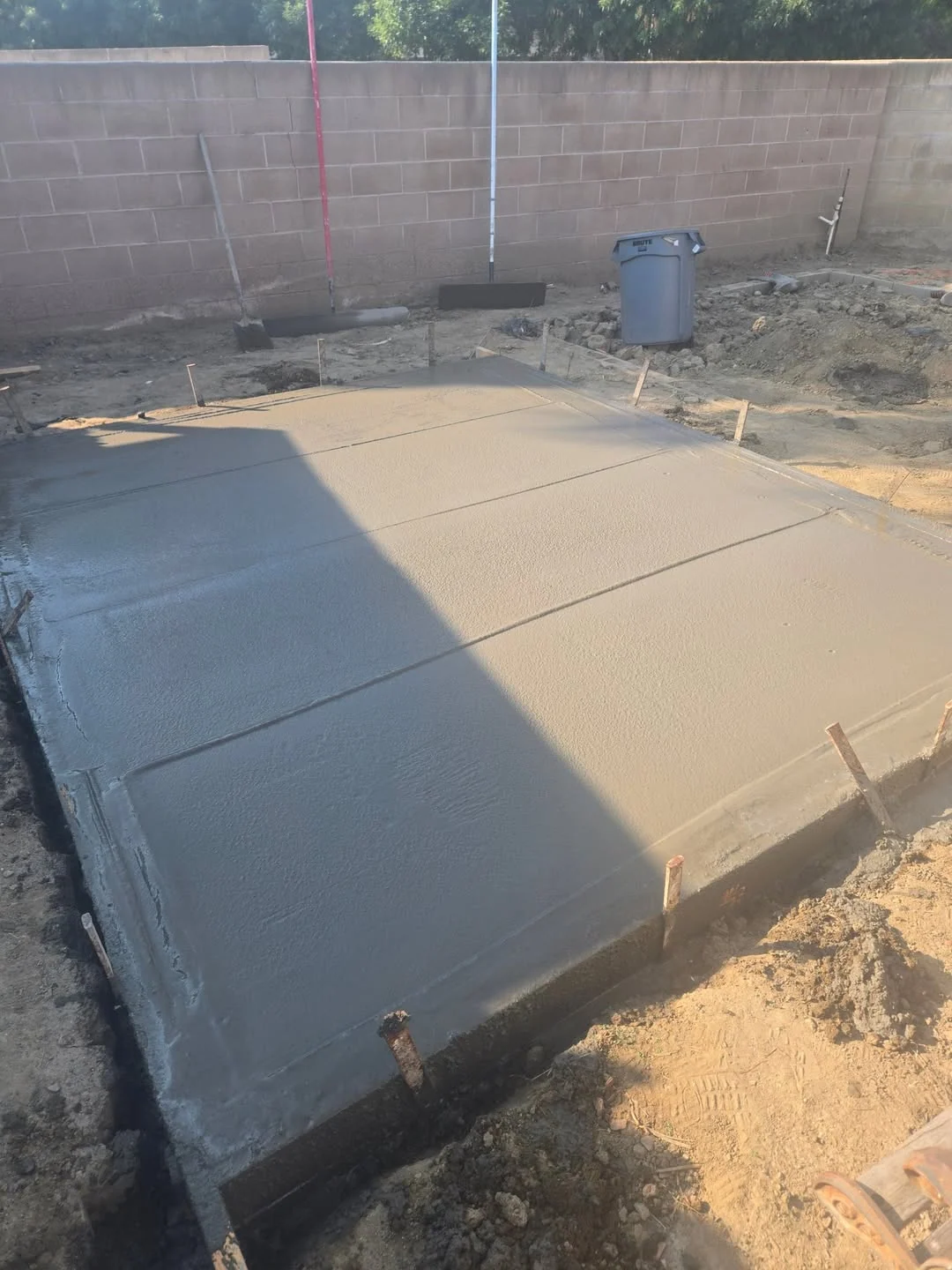
Coronado’s concrete crew
Flatwork, foundations and repair across Coronado and the rest of San Diego County. Fourth generation, 32 years in the trade, California license 1137822.
Talk to us about the job
What concrete is up against around Coronado
Older coastal slabs
A lot of coastal flatwork is decades old and was poured with less cover over the steel than we would use now. Rust staining and edge spalling usually mean the steel is going, not just the surface.
Sandy soils near the water
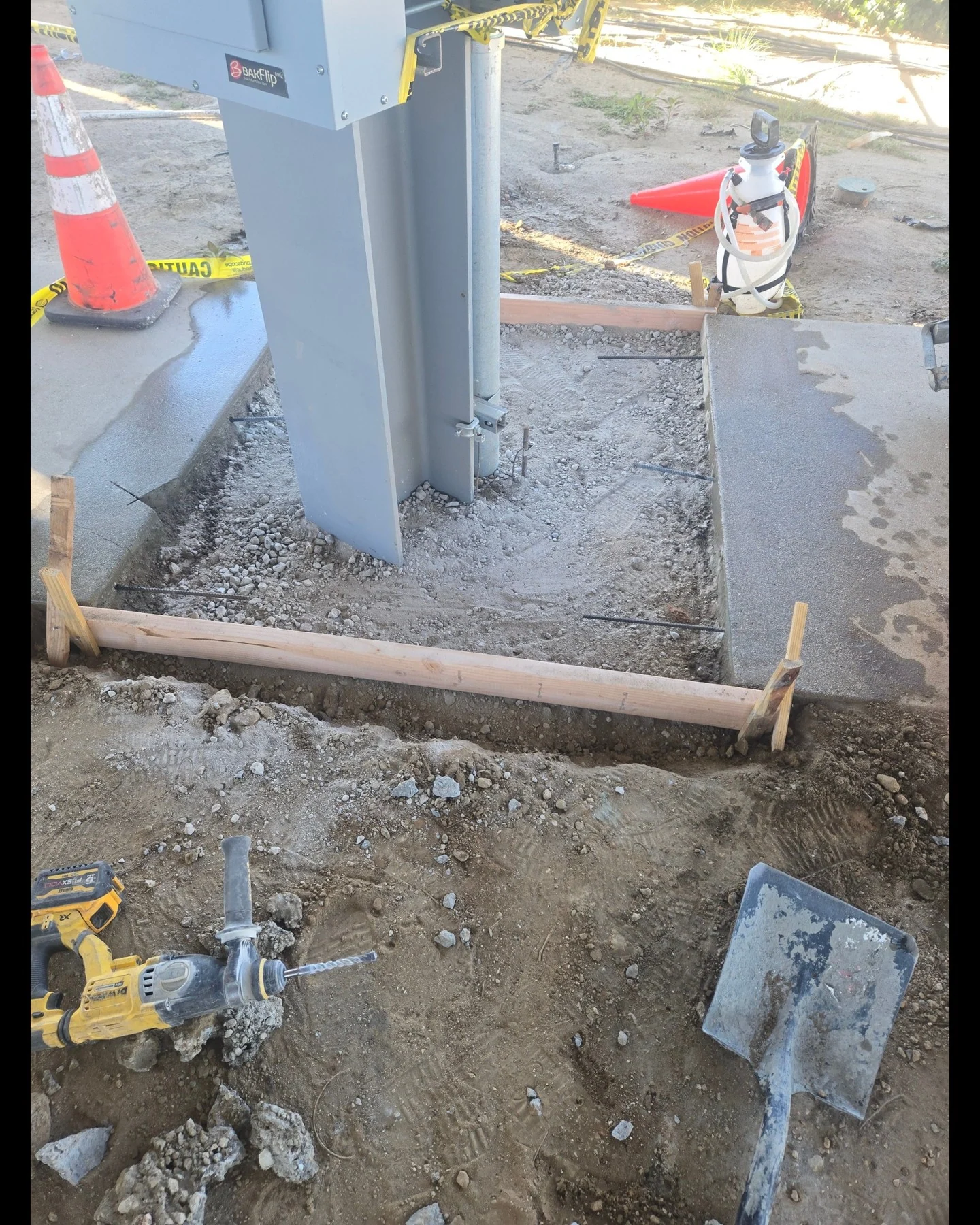
Coastal ground is often sand, which drains beautifully and can be undermined by moving water. Compaction and knowing where water travels matter more than clay-style soil treatment.
Humidity during finishing
Higher humidity slows evaporation, which sounds helpful and changes the timing of every finishing step. Bleed water sits longer and floating too early seals it in.
Base first, always
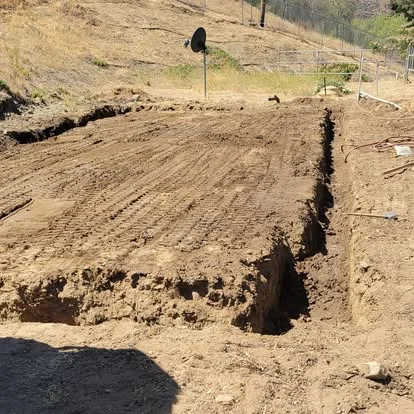
We cut to grade, fix the soft spots we find, and compact base in lifts before anything is formed. In expansive clay that step decides the whole outcome, so it is not where we save money.
Steel sized to the movement
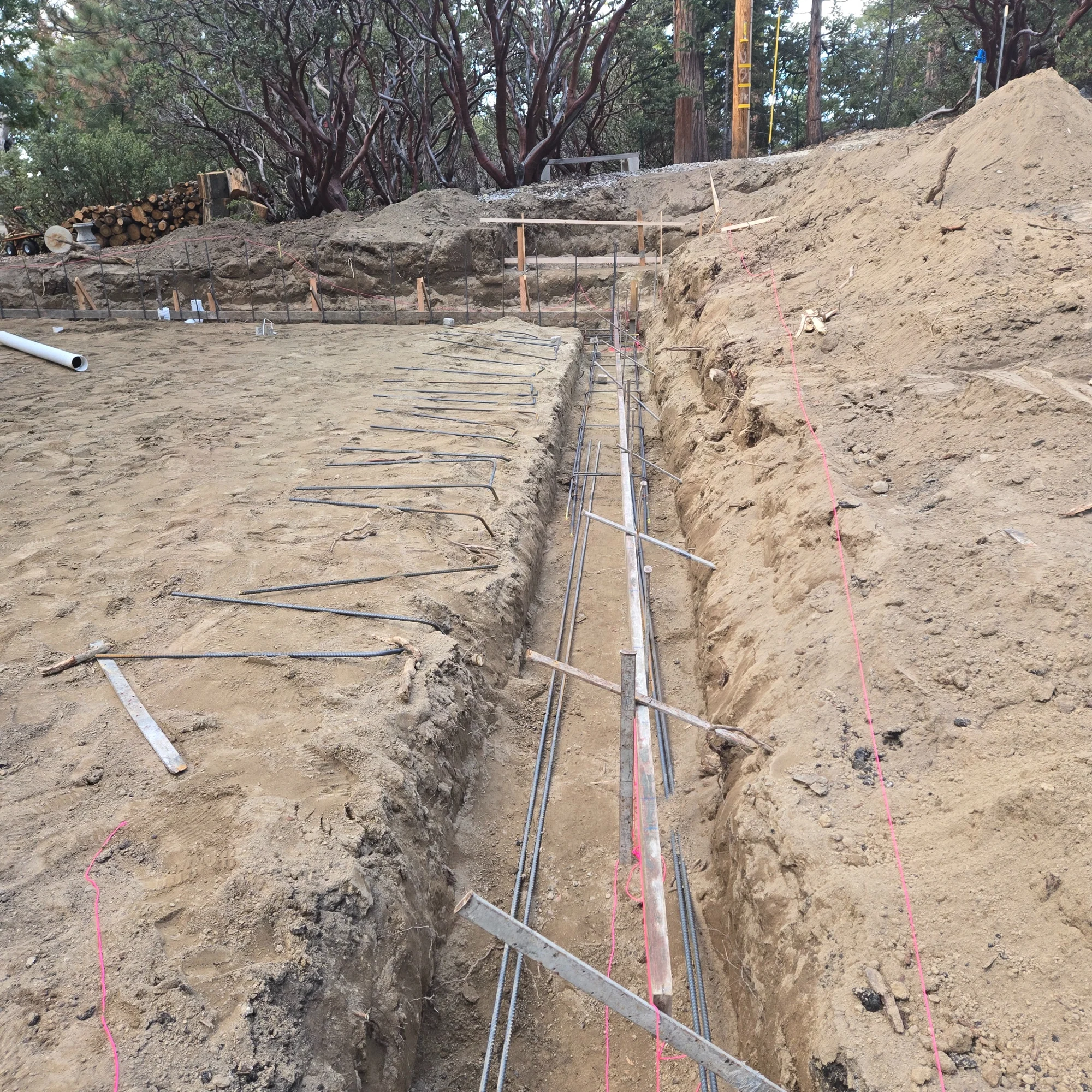
Reinforcement gets placed for what the soil is going to do, on chairs at the right height with real cover. Steel lying on the dirt does nothing at all.
One crew start to finish
The same people who form it pour it and finish it. There is no handoff where the details get lost.
What we build in Coronado
Garage Aprons
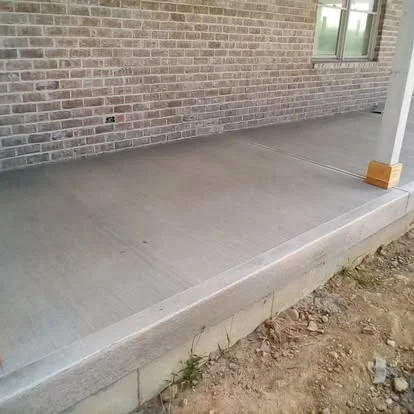
The strip between the driveway and the garage door.
Basement Floors
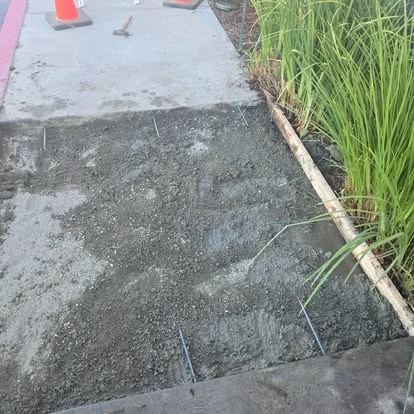
A slab poured inside, where moisture has nowhere to go.
RV Pads
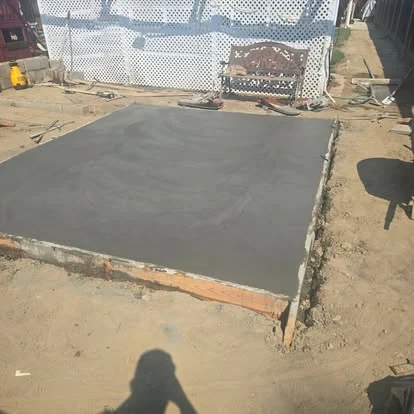
Heavy, concentrated, parked in one place for months.
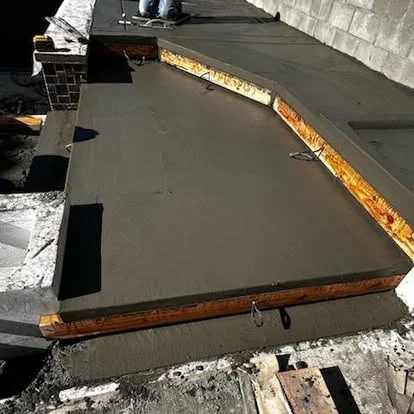
Boat Pads
Trailer tongue weight and a slab that has to stay level.
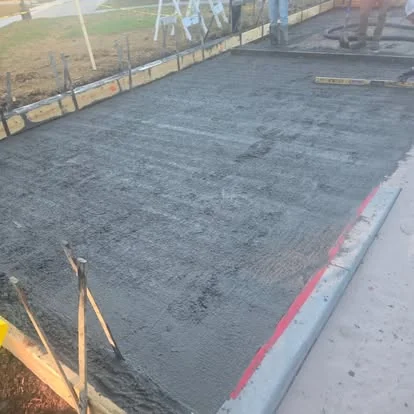
Parking Pads
Extra parking that is not the driveway.
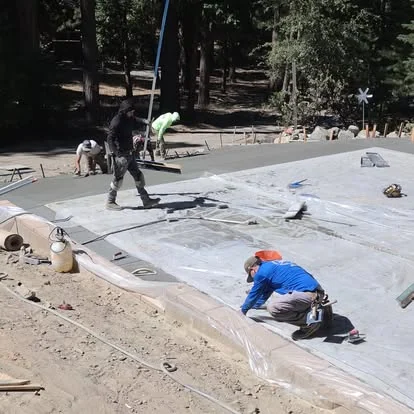
Concrete Pool Decks
Wet feet, chemicals, and sun all year.

Settled Concrete Repair
The slab dropped because something under it did.
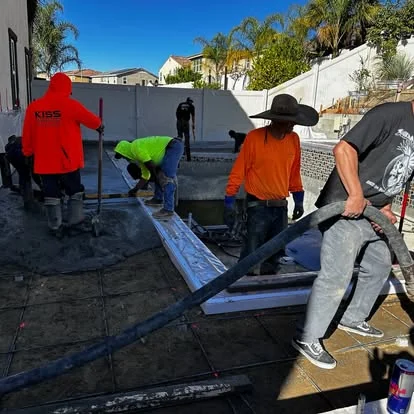
Uneven Concrete Repair
Lips, trip hazards, and panels out of plane.
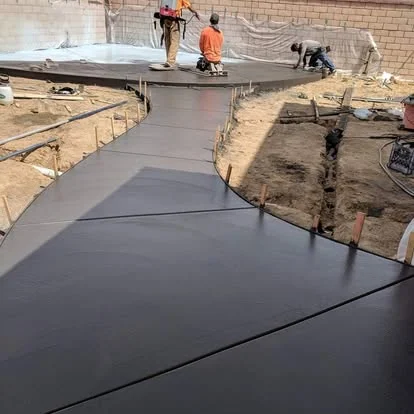
Concrete Joint Repair
The joints fail before the concrete does.
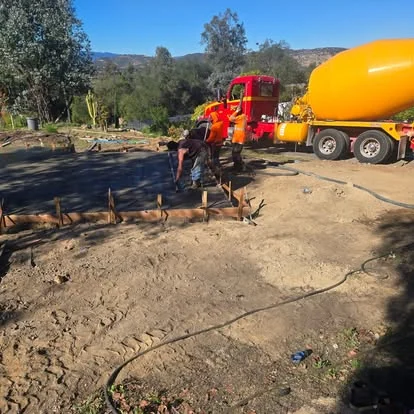
Tilt-Up Concrete
Panels cast flat on the slab, then stood up.
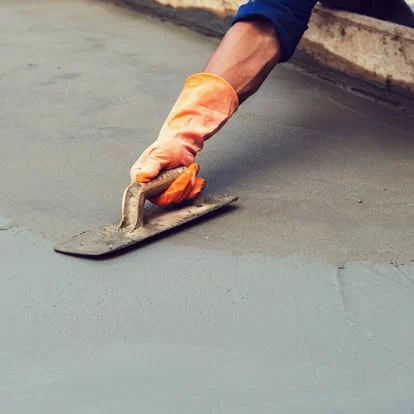
Concrete Drainage Channels
Formed channels that carry water on purpose.

Commercial Concrete Flatwork
Flatwork built to a plan set and an inspection.
Pouring concrete around Coronado
Sealing on the coast
Sealing here is about keeping chloride out of the pores rather than stopping water freezing in them. Different reason, same maintenance, and skipping it costs you the reinforcement eventually.
Salt air reaches the steel
Marine air carries chloride well inland, and chloride is what corrodes reinforcing steel inside concrete. Rusting steel expands and breaks the concrete off from the inside, which is why coastal flatwork often fails in straight lines that match the bar spacing. Concrete cover over the steel is the defense, and it is specified rather than guessed.
A milder climate with a slower problem
The coast does not deliver the inland heat or the mountain freezing. What it delivers is constant moisture and salt, which is a slower and more corrosive problem, and it shows up as edge spalling and rust staining on older slabs.
Sandy soils and moving water
Coastal ground is frequently sand. It drains beautifully and it can be undermined by water moving through it, so compaction and understanding where water travels matter more than clay-style soil treatment.
Concrete work around Coronado
Flatwork, foundations and repair across Coronado and the rest of San Diego County, poured by the same crew that answers the phone.
How concrete fails, and why
Failure that starts at the edge
Most slabs die from the outside in. Edges are thin, unsupported and exposed, which is why a thickened perimeter is worth the concrete it costs.
Water tracking under the slab
If water can get under concrete it will move fines out and leave voids. Drainage and base gradation both exist to stop that.
Cracks that open seasonally
A crack that closes in winter and opens in summer is expansive soil cycling. It is manageable and it is not going to be solved by filling it once.
Coatings peeling off
A coating is only as good as the prep under it. Profile, moisture content and cleanliness all decide whether it bonds or sheets off later.
How a job runs
Permits and inspection
Structural work and anything in the public right of way gets permitted and inspected. We raise that at the start rather than at the pour.
Utilities
Anything dug or cut starts with locating. Finding a line with a saw is expensive and avoidable.
Once the slab is down, the drainage is permanent.On grading
Noise and disruption
Breaking and cutting concrete is loud. We will tell you which days those are so you can plan around them.
Cleanup
Washout handled properly, spoil hauled off, surfaces washed. The site should look finished when we leave.
Around Coronado
Straight answers
Why are there rust stains and cracks in straight lines?
Those lines usually match the rebar spacing, which means the steel is corroding. It is a cover and chloride problem rather than a surface one, and it needs looking at properly.
My pool deck gets slippery. Can that be fixed?
Yes, with the right texture. A coastal pool deck takes salt from the air and chlorine from the water plus bare feet, so slip resistance is the specification rather than an upgrade.
How long before I can drive on it?
Foot traffic a day or two, vehicles longer. Mild coastal temperatures are kind to a cure and you still get the real numbers.
Does salt air actually damage concrete?
It damages the steel inside it. Marine air carries chloride well inland, chloride reaches the reinforcement, and corroding steel expands and breaks the concrete off from the inside. Concrete cover over the steel is the defense.
What about sandy soil near the water?
It drains beautifully and it can be undermined by moving water. Compaction and understanding where water travels matter more here than clay-style treatment.
Start with a site visit
No number goes out on a photograph. We come to Coronado, look at the ground and the access, and price the work from that.