
Concrete that outlasts the house
Driveways, patios, slabs and foundations for French Valley property owners. Fourth generation on the tools, licensed 1137822, working out of Hemet.
Talk to us about the job
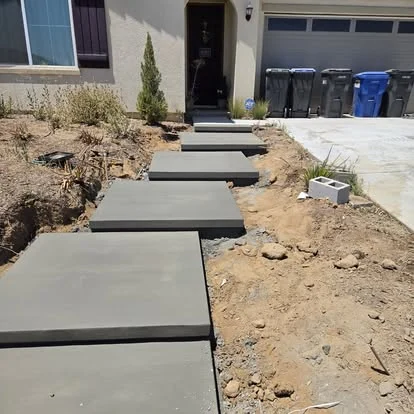
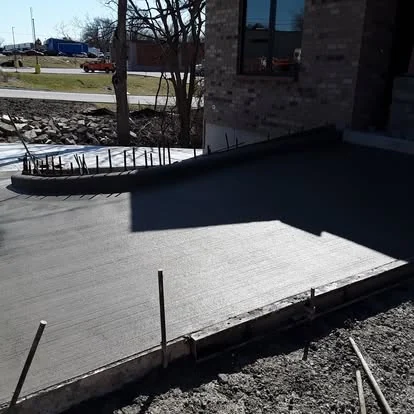
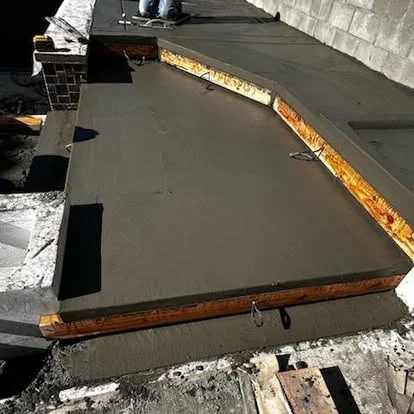
What concrete is up against around French Valley
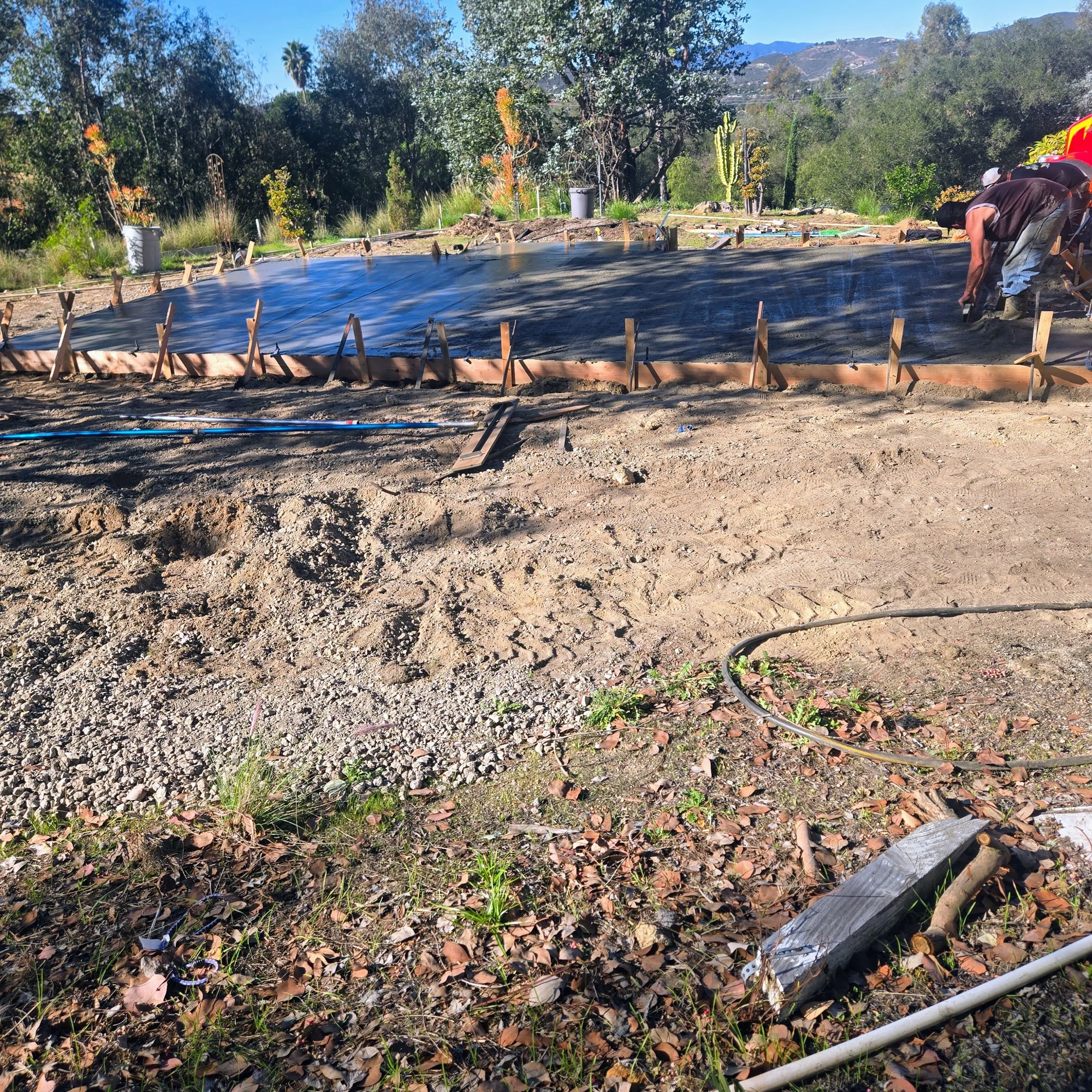
Joints decide where cracks go
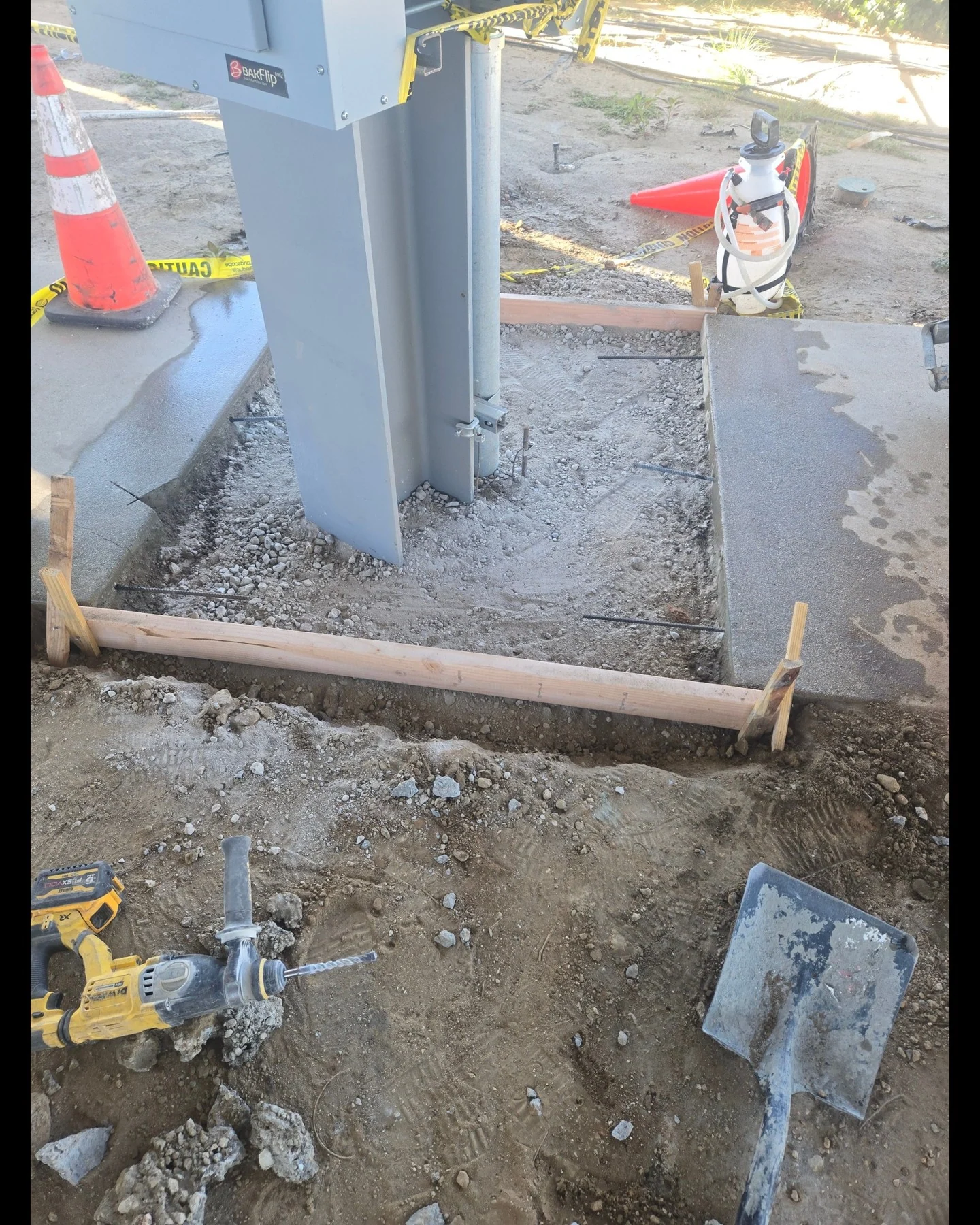
Concrete cracks. That is not a defect, it is the material. A control joint decides where, cut deep enough and early enough to work. Cut it late and the slab has already chosen.
Water is the whole story
Almost every failed slab we are called to look at failed because water got somewhere it should not have. Into the base, under a footing, or through a joint nobody sealed. Drainage gets designed before the pour, not discovered afterward.
The base is the job
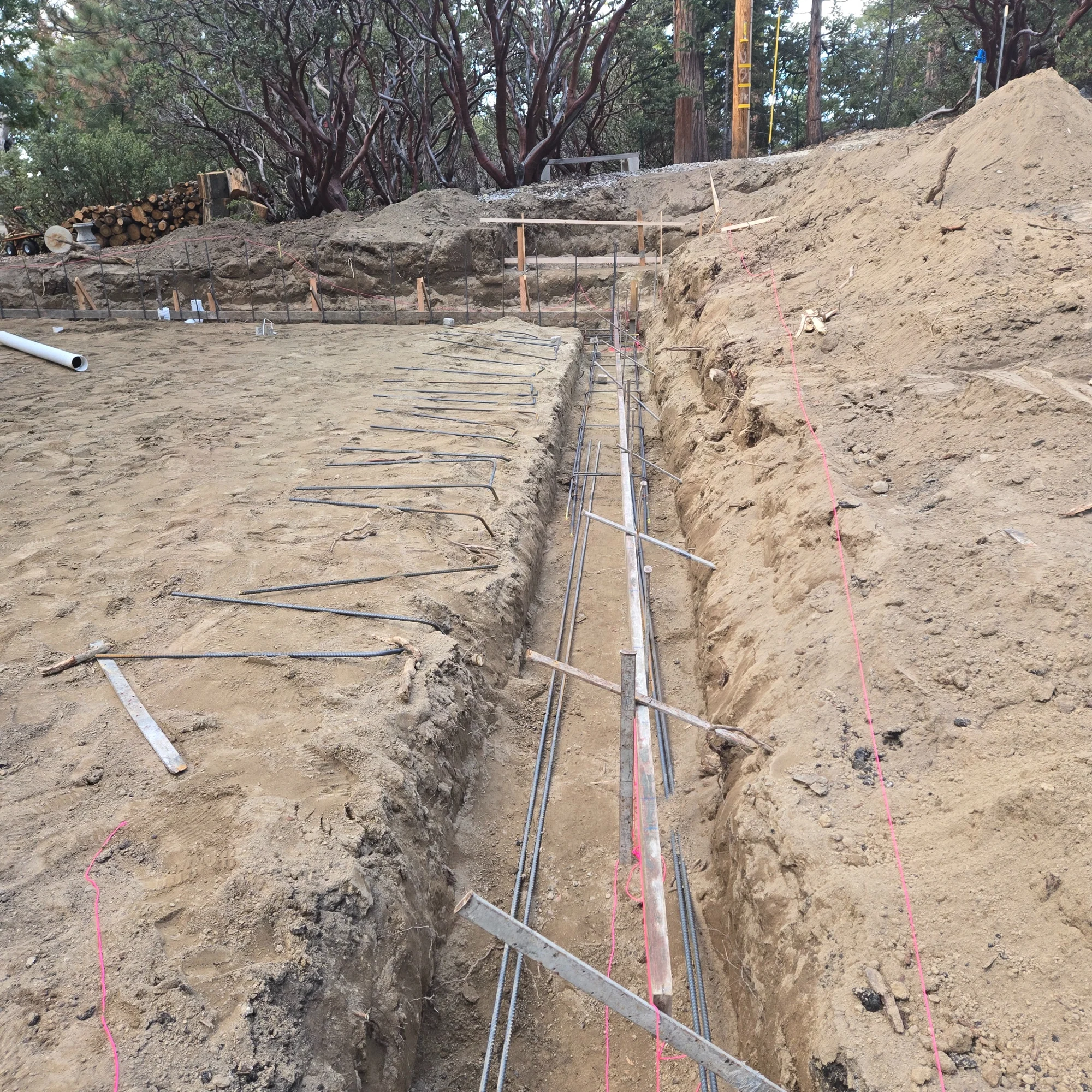
People judge concrete by the surface and it fails from underneath. Grade, material, lift thickness and compaction decide how a slab performs for thirty years. It is invisible when it is right.
Joints planned on paper
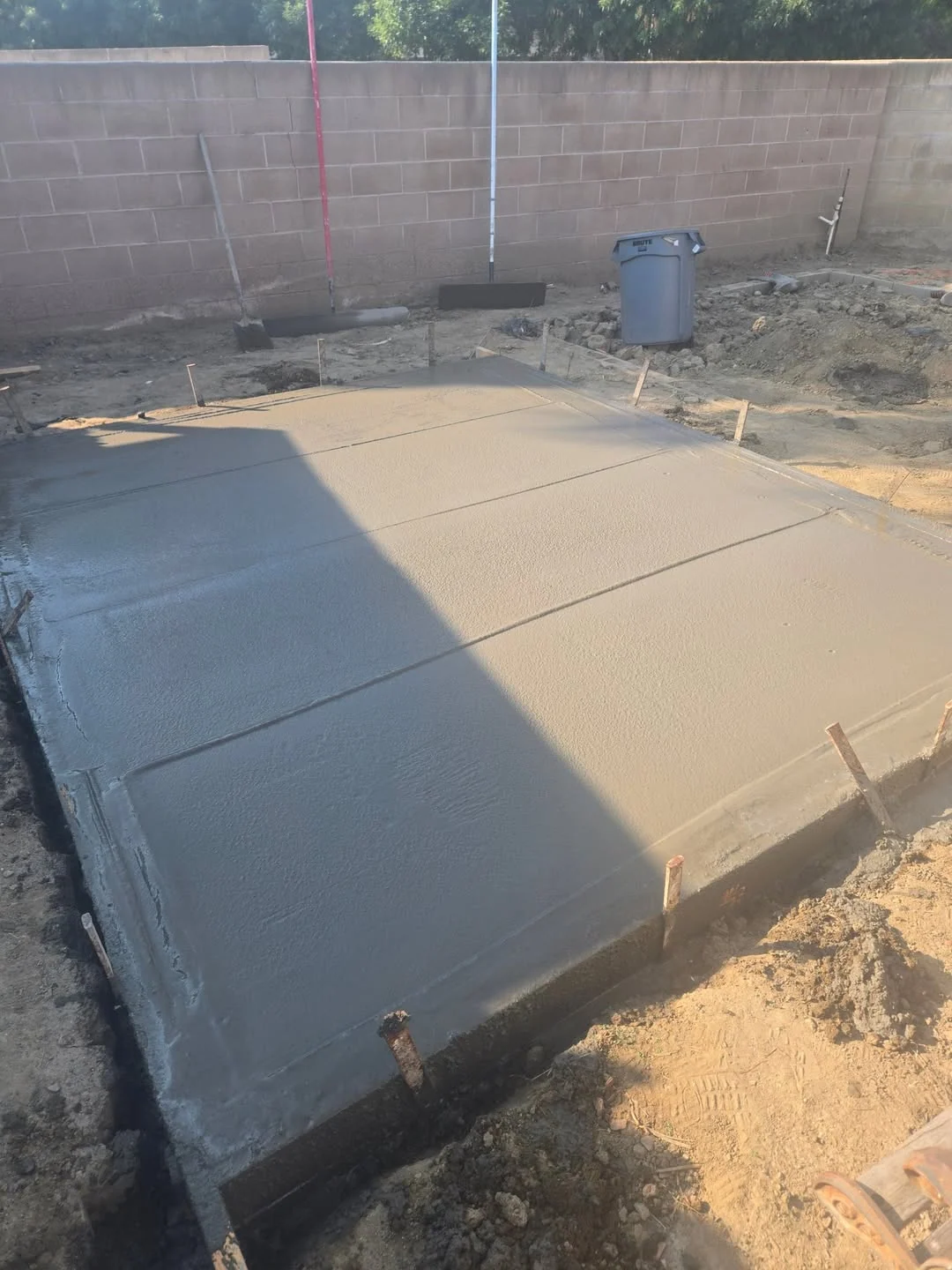
Joint layout gets worked out before the pour, spaced to the thickness and placed where the slab wants to move anyway. Then it gets cut at the right time.
Honest diagnosis before a number
We look at what failed and why before quoting. Sometimes the answer is a repair and sometimes it is a rebuild, and we will tell you which even when the smaller job is ours to lose.
Cleanup is part of the job
Washout handled properly, spoil hauled, surfaces cleaned. Concrete work is messy while it happens and should be invisible when it is done.
What we build in French Valley

Garage Aprons
The strip between the driveway and the garage door.
Basement Floors
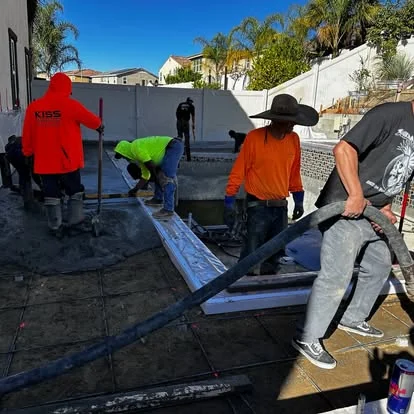
A slab poured inside, where moisture has nowhere to go.
RV Pads
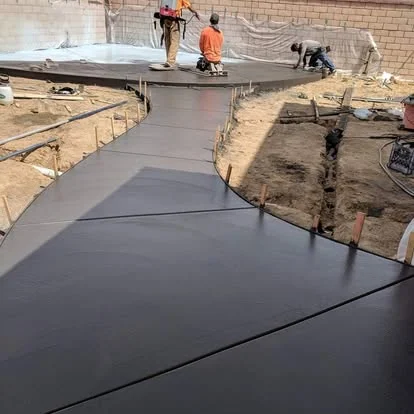
Heavy, concentrated, parked in one place for months.
Boat Pads
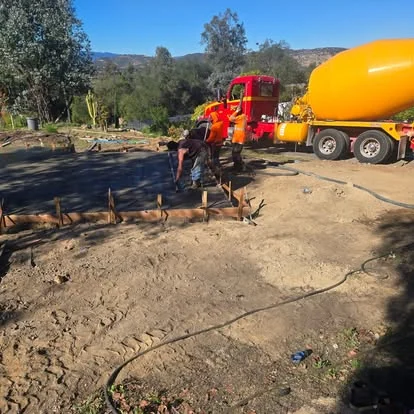
Trailer tongue weight and a slab that has to stay level.
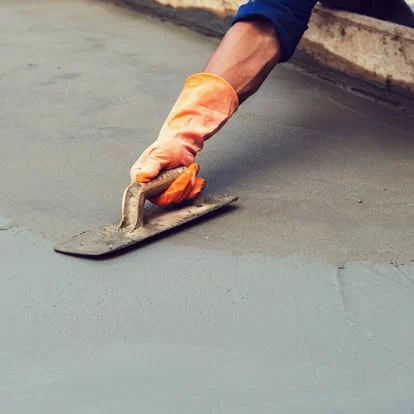
Parking Pads
Extra parking that is not the driveway.

Concrete Pool Decks
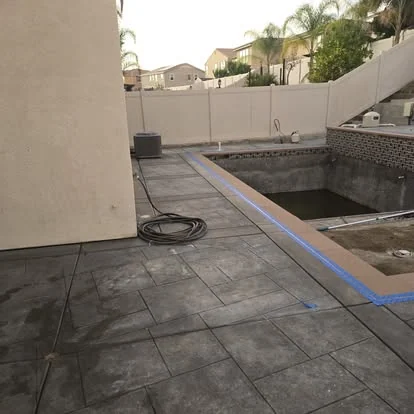
Wet feet, chemicals, and sun all year.
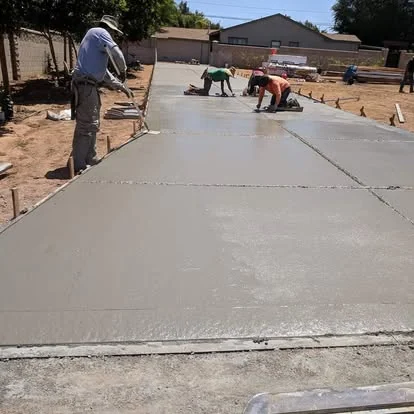
Concrete Joint Repair
The joints fail before the concrete does.
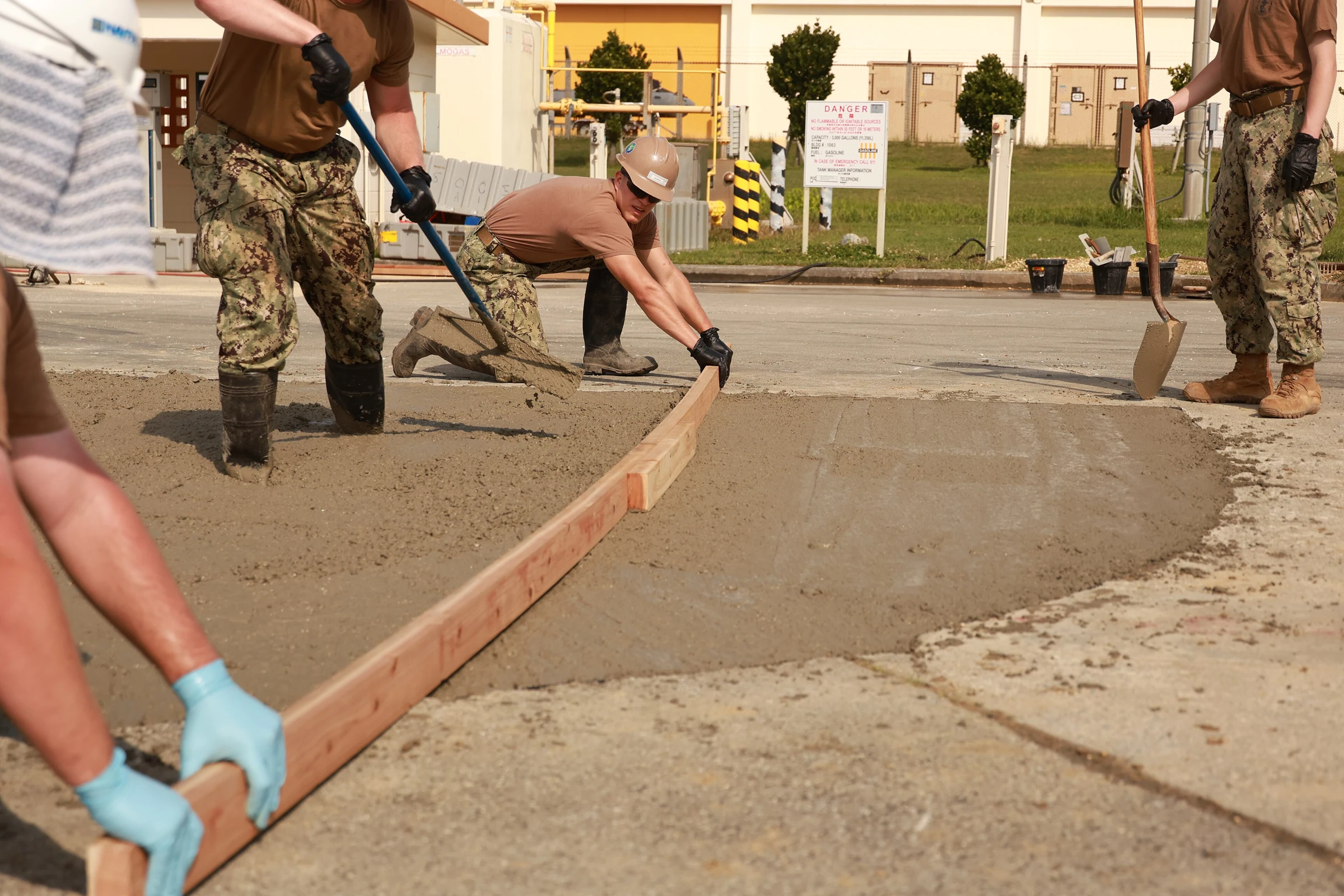
Concrete Resurfacing
A new surface on a sound slab.
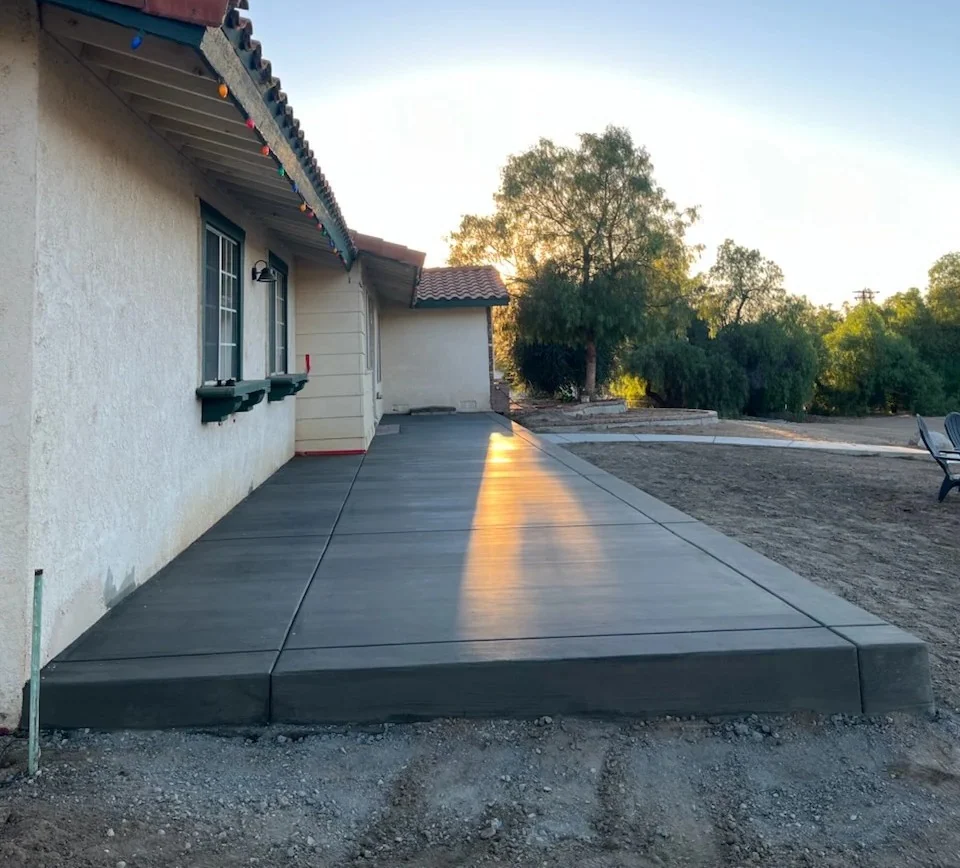
Concrete Leveling
Lifting a slab back to where it started.
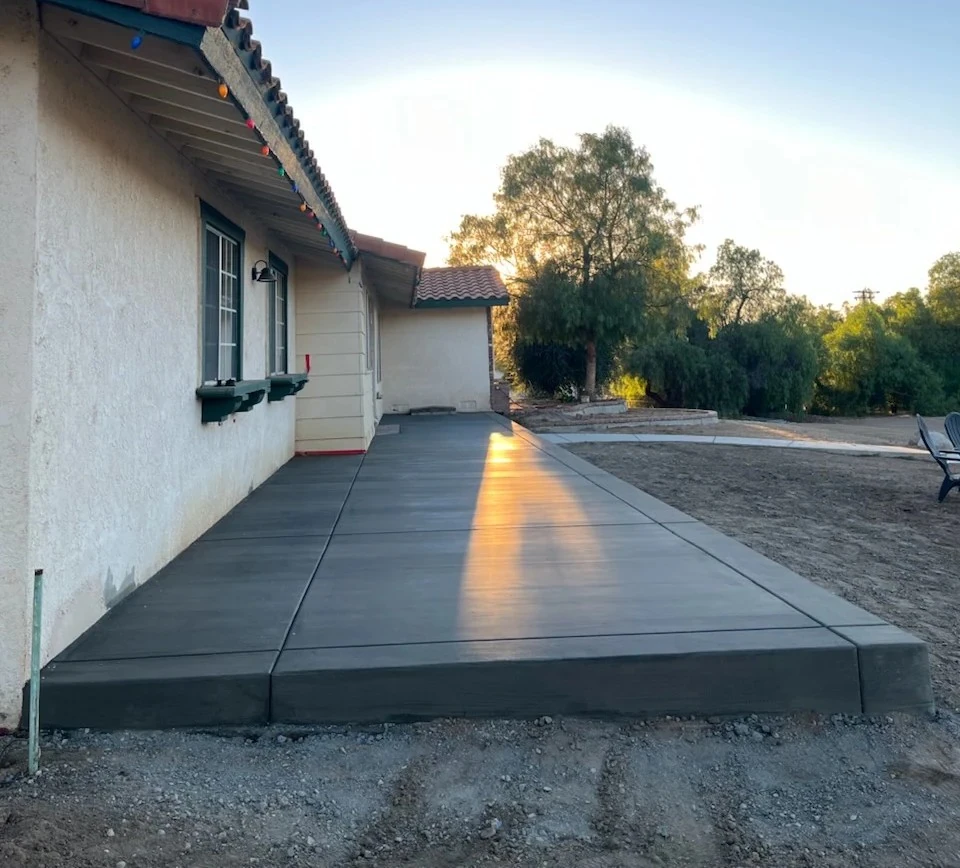
Concrete Parking Lots
Concrete instead of asphalt, for the life of it.
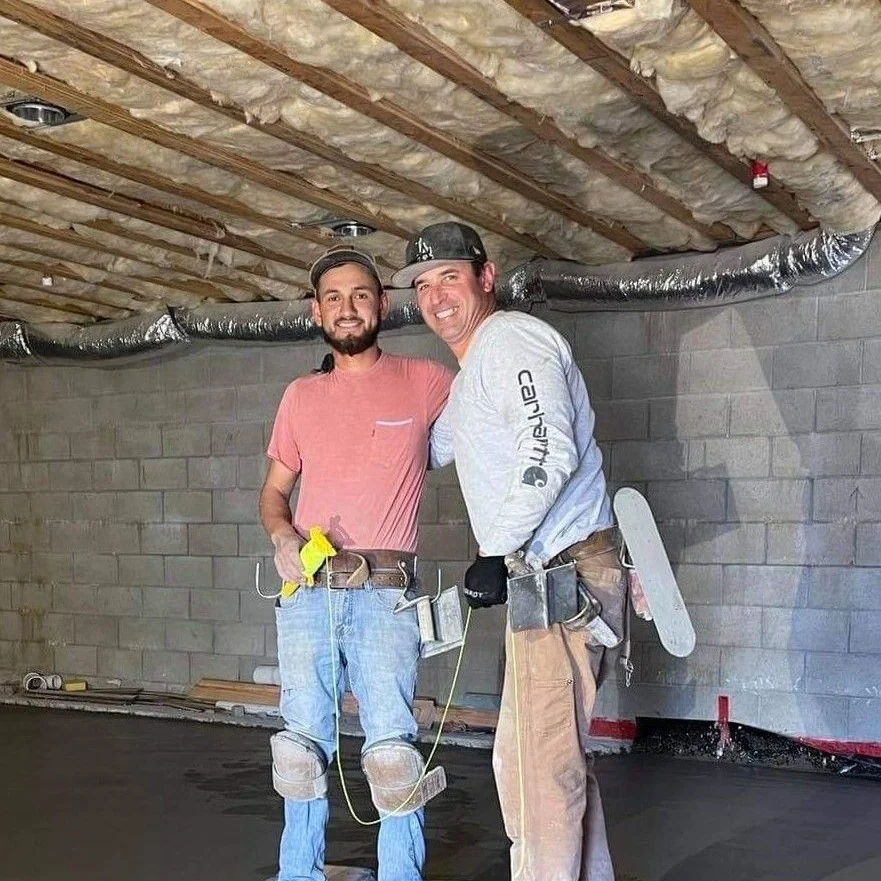
Concrete Parking Lot Repair
Failed panels replaced without closing the whole lot.
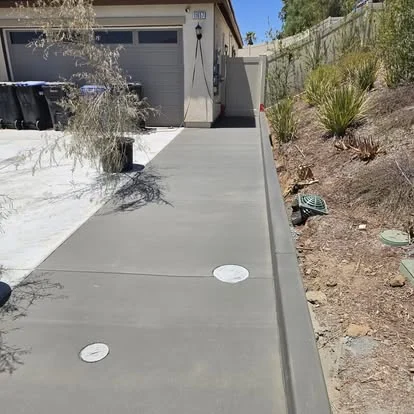
Concrete Parking Lot Replacement
A full lot rebuilt on a schedule that keeps you open.
Pouring concrete around French Valley
What lasts here
A properly based, properly jointed slab with reinforcement sized to the load will outlast the house it sits beside. The variables that decide it are all underneath and all invisible once the pour is done, which is exactly why they get cut on cheap jobs.
What the ground does here
The inland valleys run on expansive clay. It takes on water and swells, then dries out and shrinks, and it does that cycle every year. A slab poured on untreated clay rides that movement until something gives, which is why base preparation and reinforcement are the design rather than an upgrade. Where a soils report exists we build to it; where there is none, what we find during excavation tells us what the ground is going to do.
Summer pours
Triple digit afternoons change how concrete behaves. It stiffens before it can be finished properly, the surface skins over while the body underneath is still soft, and water leaves the slab faster than the cement can use it. Valley pours start early, the mix gets adjusted for the heat, and curing is treated as an active step instead of something that happens on its own.
Irrigation against the slab
Almost every valley property waters something, and sprinklers running along a slab edge keep the base saturated year round. In expansive soil that is a slow way to undermine your own driveway. Where the water lands is worth looking at before blaming the concrete.
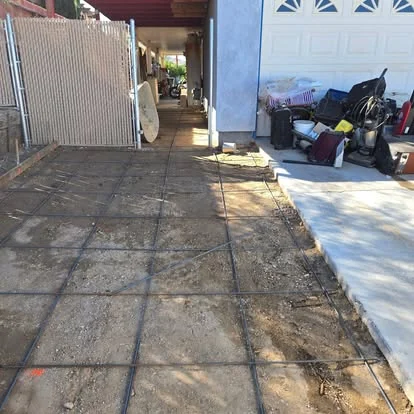
Concrete work around French Valley
Flatwork, foundations and repair across French Valley and the rest of Riverside County, poured by the same crew that answers the phone.
How concrete fails, and why
Thin slab cracking under vehicles
A four inch slab under a work truck or an RV will crack in the wheel path. Thickness has to come off the actual load, not off what is typical.
Joints in the wrong place
Joints spaced too far apart let the slab crack between them. The rule of thumb is roughly two to three feet of spacing per inch of thickness.
Surface loss at door thresholds
Water runs off a roof or a door and lands in the same line every time. Concentrated water wears concrete, and a drip line is a real design consideration.
Reinforcement too low
Steel sitting on the subgrade is doing nothing. It has to be lifted on chairs into the upper portion of the slab where tension actually occurs.
How a job runs
Preparation you may need to do
Moving vehicles, clearing the area, and sometimes irrigation being shut off. We will tell you in advance what is on you.
Demolition day
Saw cutting, breaking, loading and hauling. It is the loudest and dirtiest part and it usually happens first.
Width tells you less about a crack than movement does.On reading a slab
Pour day
Early start in summer. The crew works continuously until the slab is placed and finished, because concrete sets on its own schedule.
Keeping off it
How long depends on the pour and the weather. You will get a real number, not a generic one.
Around French Valley
Straight answers
What maintenance does concrete actually need?
Keep water moving off it, reseal when it needs it, and keep the joints maintained. Water is the common factor in nearly every concrete failure, so those three things buy years.
How long before I can drive on it?
Concrete takes most of its strength in the first week. Foot traffic is usually fine within a day or two; vehicles wait longer. On a valley summer pour the numbers shift, so you get the real ones for your slab rather than a generic answer.
Does the clay soil here really matter that much?
Yes. Expansive clay swells with water and shrinks when it dries, every year. That movement is what cracks slabs and foundations, and it is handled in the base, the reinforcement and the drainage rather than in the finish.
Should I worry about hairline cracks in the first month?
Usually not. Concrete gives up water as it cures and gets slightly smaller doing it, and fine shrinkage cracking in that window is the material behaving normally. Anything that widens or lifts is different, and worth a call.
Can you pour in the middle of summer?
We do, and we start early. Triple digit afternoons stiffen the mix before it can be finished and pull water out of the slab, so hot weather pours get scheduled, mixed and cured differently. Sometimes the right answer is moving the date.
French Valley concrete, quoted properly
Access, base condition, thickness and finish decide the price. That is why we walk it first and why the number holds.