
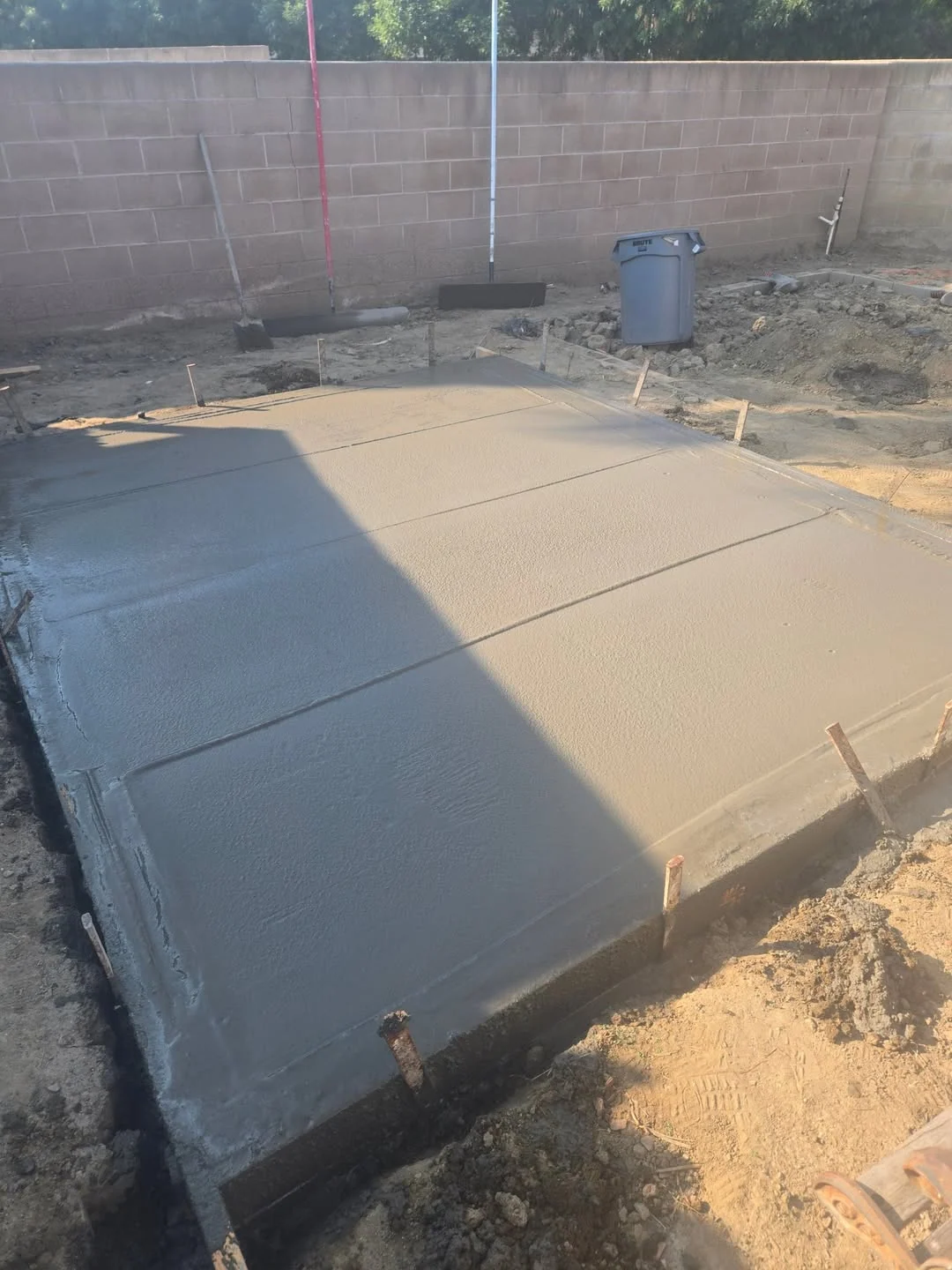
The crew Canyon Lake calls
Flatwork and structural concrete for homes and businesses around Canyon Lake. Fourth generation, California license 1137822.
Talk to us about the job


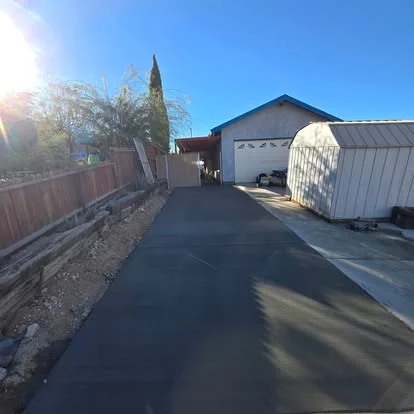
What concrete is up against around Canyon Lake
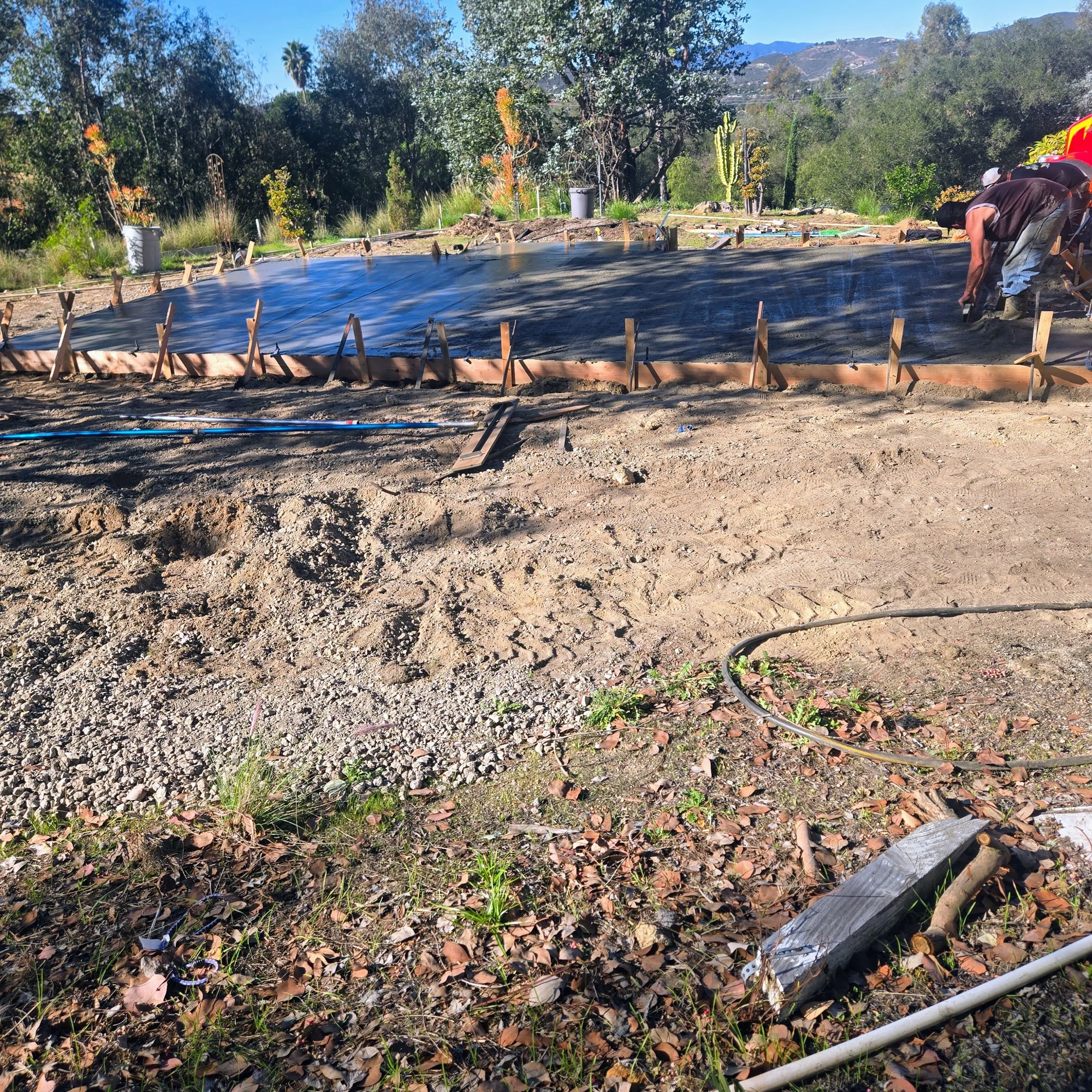
Curing in dry heat
Low humidity and wind pull water out of a fresh slab faster than the concrete can use it. That is surface crazing and a weak top layer. Curing is an active step here, not something that just happens.
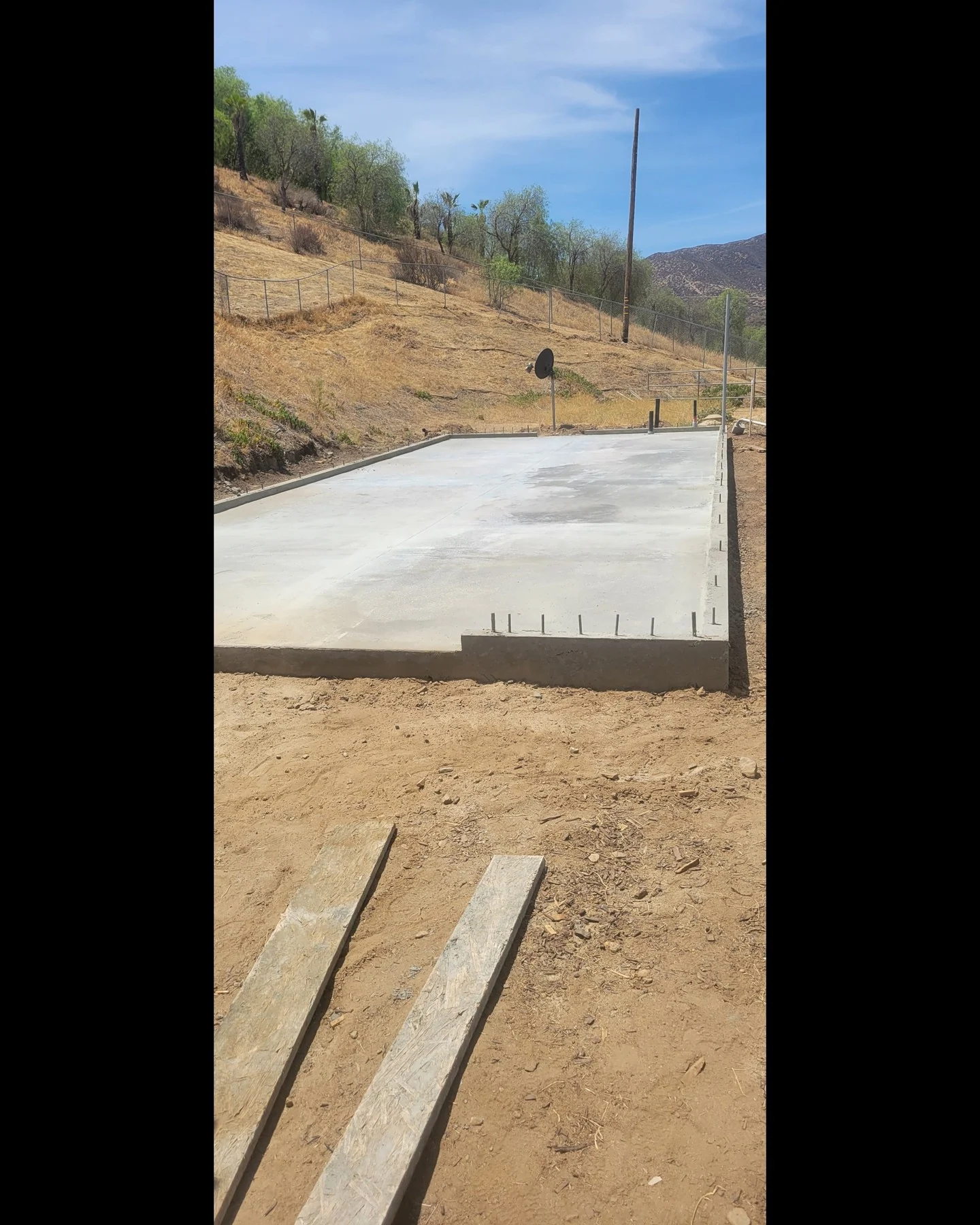
Old slabs and new ones together
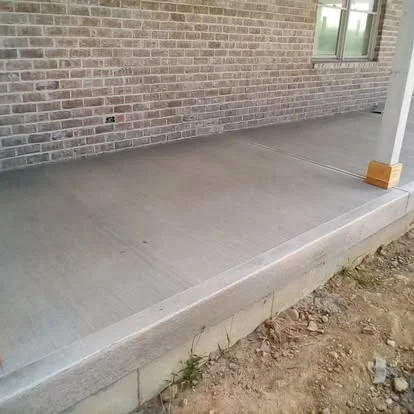
A new pour tied hard to an old slab will crack at the joint, because the two will never move the same. They get isolated on purpose so each one can do what it wants.
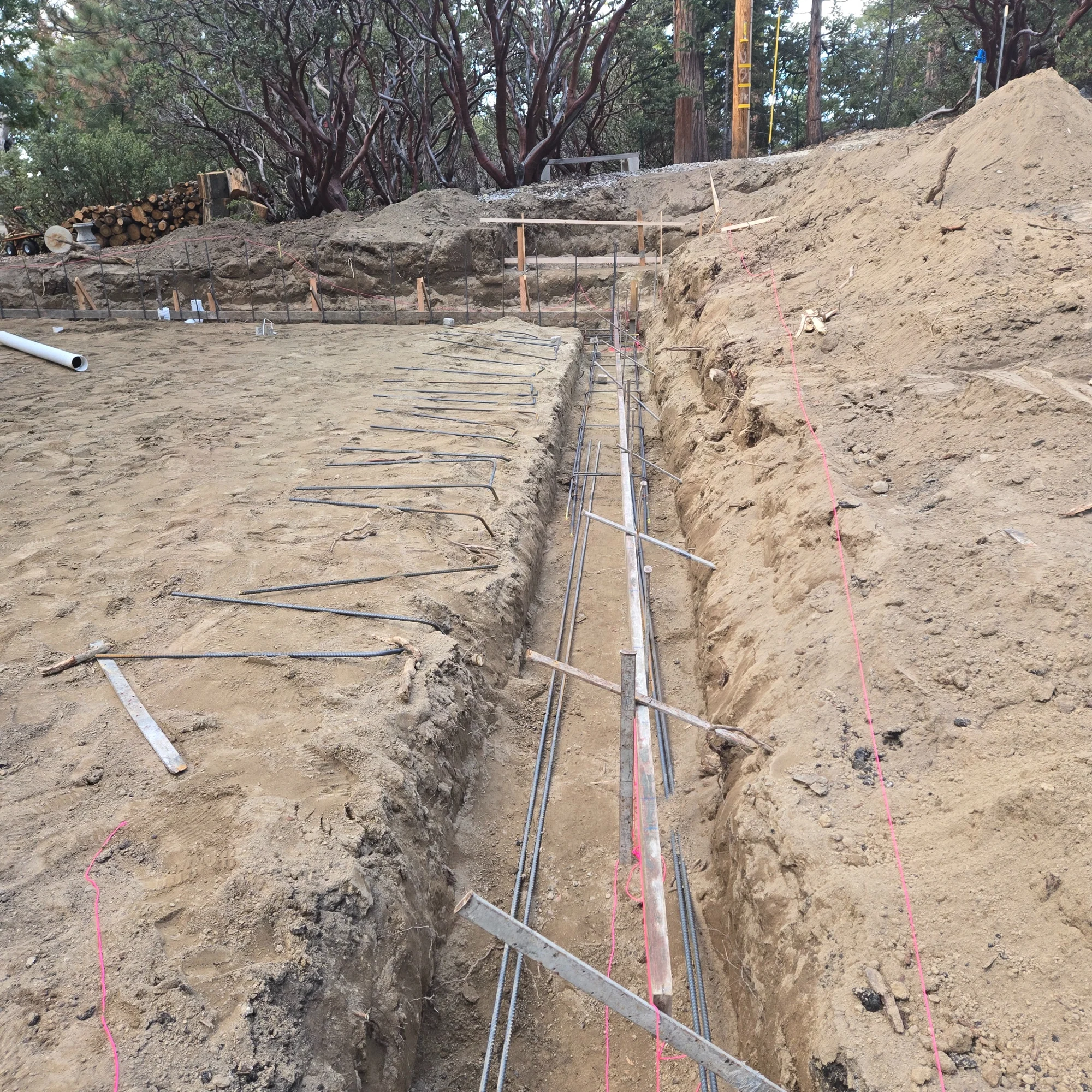
Clay that moves with the season
The soil through the San Jacinto Valley is expansive. It swells when it gets water and shrinks back when it dries, and it does that every year. A slab poured on untreated clay rides that movement until it cracks. The fix is in the base and the steel, decided before anybody orders concrete.
Water routed off the slab
Slopes, low points and a path for water to leave are set before the pour, because afterward the drainage is permanent.
Pours scheduled to the heat
In summer we start early and keep the mix and the crew ahead of the temperature. Concrete does not wait for anybody.
Curing treated as a step
Fresh concrete gets protected from dry wind and sun until it has what it needs. Skipping that is how you get a dusty, weak top layer.
What we build in Canyon Lake
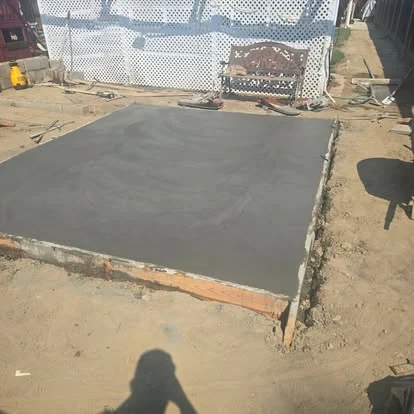
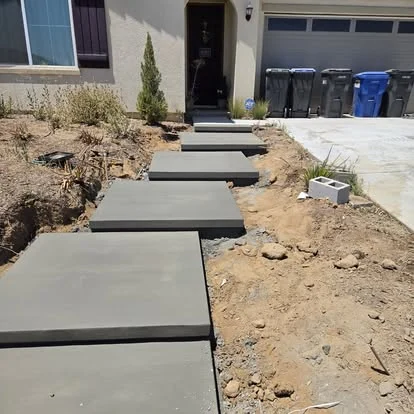
Concrete Walkways
Getting from the street to the door without a trip hazard.
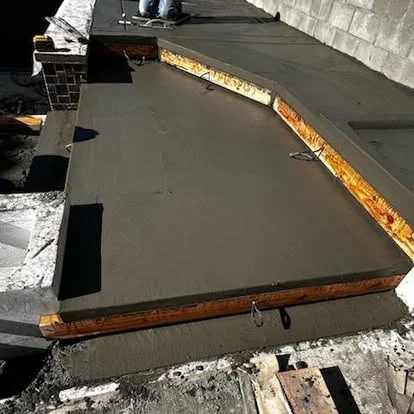
Concrete Sidewalks
Public-facing flatwork built to the spec the city will inspect.
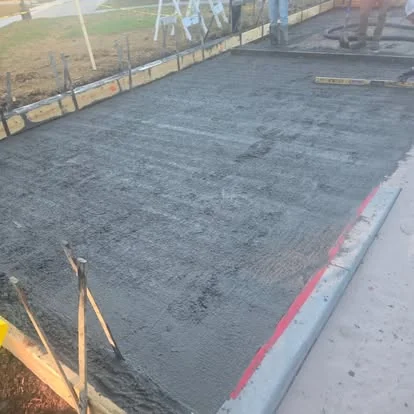
Concrete Sidewalk Repair
Lifted, cracked, or spalled panels made safe again.
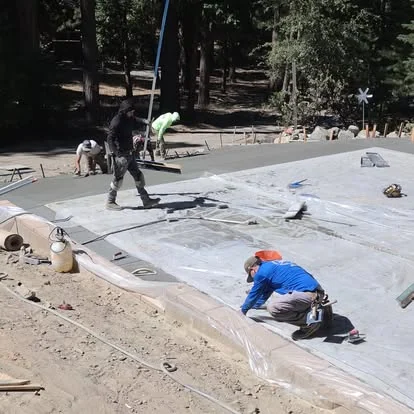
Concrete Sidewalk Replacement
Panel by panel, or the whole run.

Concrete Steps
Rise and run the same on every step, which is the whole job.
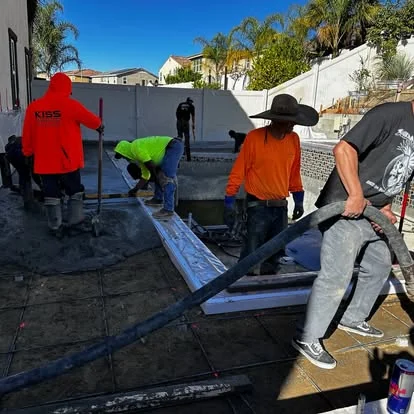
Concrete Stairs
A formed flight that carries load and holds its geometry.
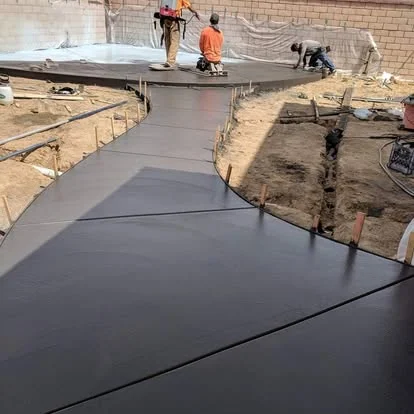
Concrete Grinding
Taking down high spots and trip lips.
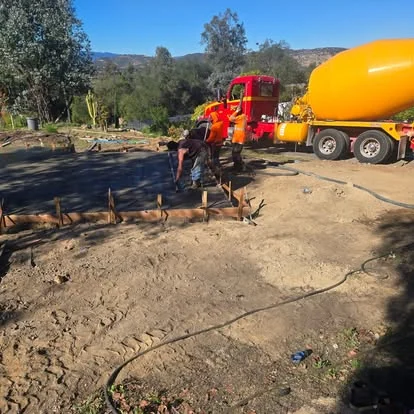
Concrete Sealing
Keeping water out of the pores.
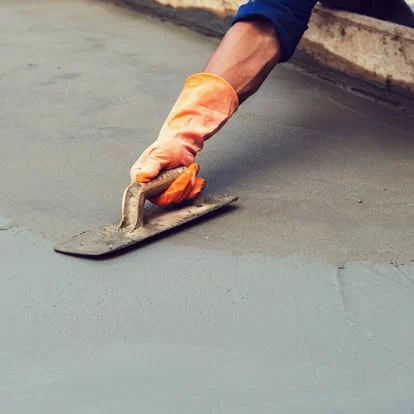
Concrete Replacement
Out with the old slab, in with one built right.

Commercial Concrete Foundations
Footings and stem walls under a commercial structure.
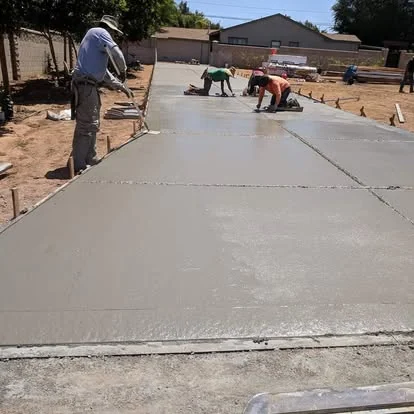
Commercial Sidewalks
Walks that carry public traffic and public liability.
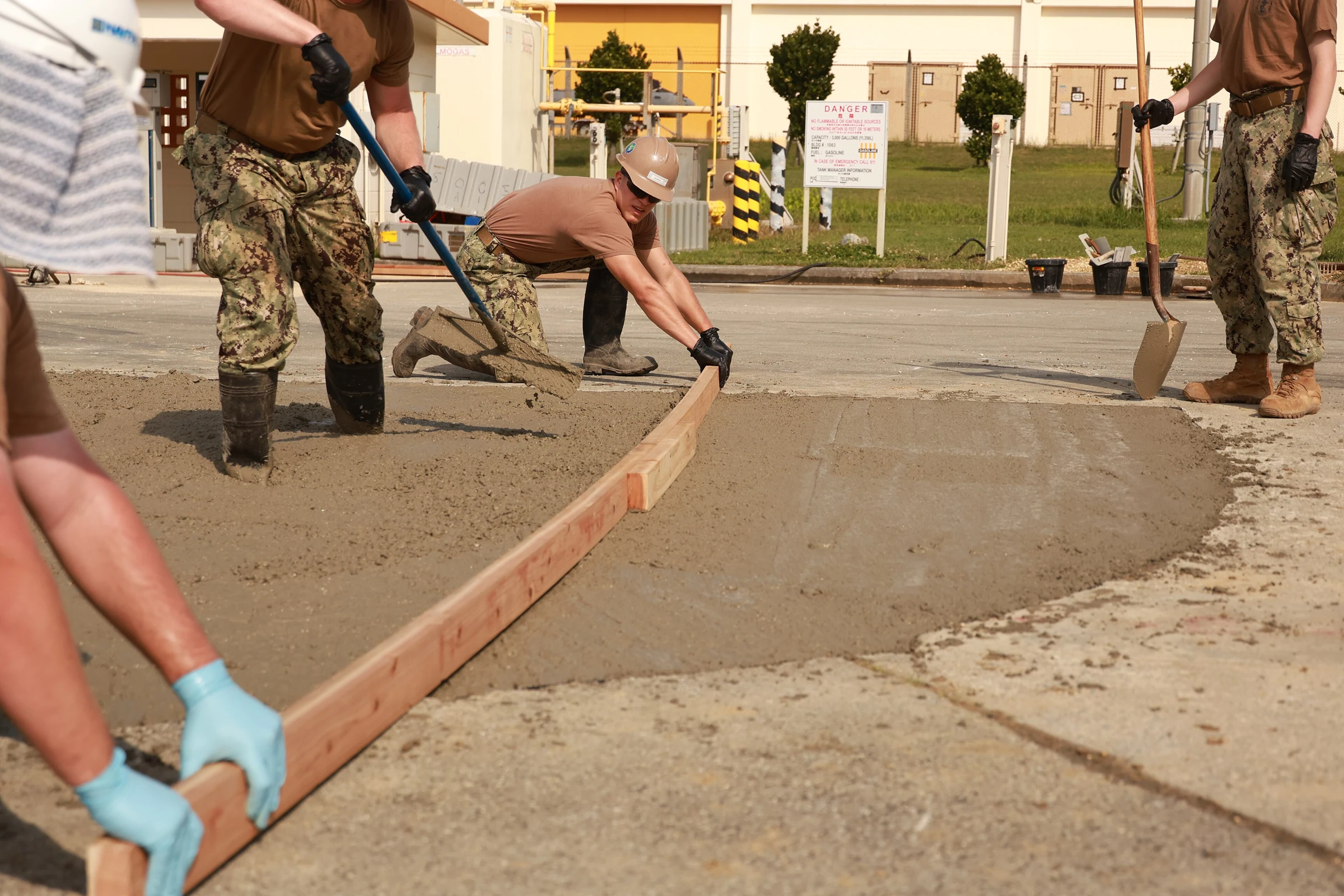
Commercial Patios
Restaurant and retail patios built for daily traffic.
Pouring concrete around Canyon Lake
Older flatwork around here
A lot of valley concrete was poured thin, with light reinforcement, on a base that was never properly compacted. When it fails it is usually reporting on the ground rather than on the mix, and that is the difference between a repair that holds and one that comes back in a year.
Drainage on a flat lot
Valley lots are often close to level, which makes slope hard to find and easy to get wrong. Low points, cross-fall and where water actually leaves the property get worked out before the pour, because once the concrete is down the drainage is permanent.
What lasts here
A properly based, properly jointed slab with reinforcement sized to the load will outlast the house it sits beside. The variables that decide it are all underneath and all invisible once the pour is done, which is exactly why they get cut on cheap jobs.
What the ground does here
The inland valleys run on expansive clay. It takes on water and swells, then dries out and shrinks, and it does that cycle every year. A slab poured on untreated clay rides that movement until something gives, which is why base preparation and reinforcement are the design rather than an upgrade. Where a soils report exists we build to it; where there is none, what we find during excavation tells us what the ground is going to do.
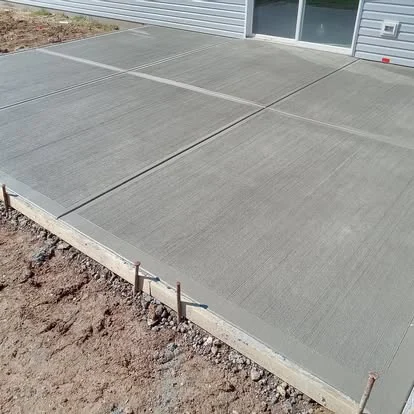
Concrete work around Canyon Lake
Flatwork, foundations and repair across Canyon Lake and the rest of Riverside County, poured by the same crew that answers the phone.
How concrete fails, and why
A slab that rocks
If you can feel movement walking across it, there is a void underneath. That is erosion, poor compaction, or soil that shrank away. Filling the void is the fix; replacing the slab without filling it is not.
Cracks that widen along their length
A crack that is hairline at one end and open at the other is reporting differential movement. That is a foundation and soil conversation, not a patching one.
Discolouration in patches
Blotchy color usually comes from inconsistent curing, adding water to part of a load, or finishing at different times across one pour. It is cosmetic and it is permanent.
Joint sealant failure
Open joints let water into the base, and the base is what holds the slab up. Resealing joints is cheap maintenance that prevents expensive failures.
How a job runs
Getting a number
We walk the job, measure, and quote what it needs. No number goes out on a photograph and nothing gets quoted thin to win it.
How long it takes
Most residential flatwork is a few days from demolition to pour, plus curing. Structural work runs longer because of inspections.
Almost every failure we get called to look at is base, not concrete.On diagnosis
Who is on site
The same crew that forms it pours it and finishes it. There is no handoff where the details get lost.
Afterwards
Sealing, joint maintenance, and keeping water off it are the things that decide whether you get twenty years or forty.
Around Canyon Lake
Straight answers
Do you handle the demolition and haul-off?
Yes. Saw cutting to a clean line, breaking out, loading and hauling is part of the job, and we protect what stays and leave the ground ready for the new pour.
How thick should my driveway be?
It comes off what parks on it. A passenger car drive and one carrying a loaded work truck or an RV are not the same slab, and the wheel path is where a thin one cracks first.
What maintenance does concrete actually need?
Keep water moving off it, reseal when it needs it, and keep the joints maintained. Water is the common factor in nearly every concrete failure, so those three things buy years.
Does the clay soil here really matter that much?
Yes. Expansive clay swells with water and shrinks when it dries, every year. That movement is what cracks slabs and foundations, and it is handled in the base, the reinforcement and the drainage rather than in the finish.
Can you pour in the middle of summer?
We do, and we start early. Triple digit afternoons stiffen the mix before it can be finished and pull water out of the slab, so hot weather pours get scheduled, mixed and cured differently. Sometimes the right answer is moving the date.
Talk to us about Canyon Lake
Describe the slab and we will tell you what it needs, including when that is less than you expected.