
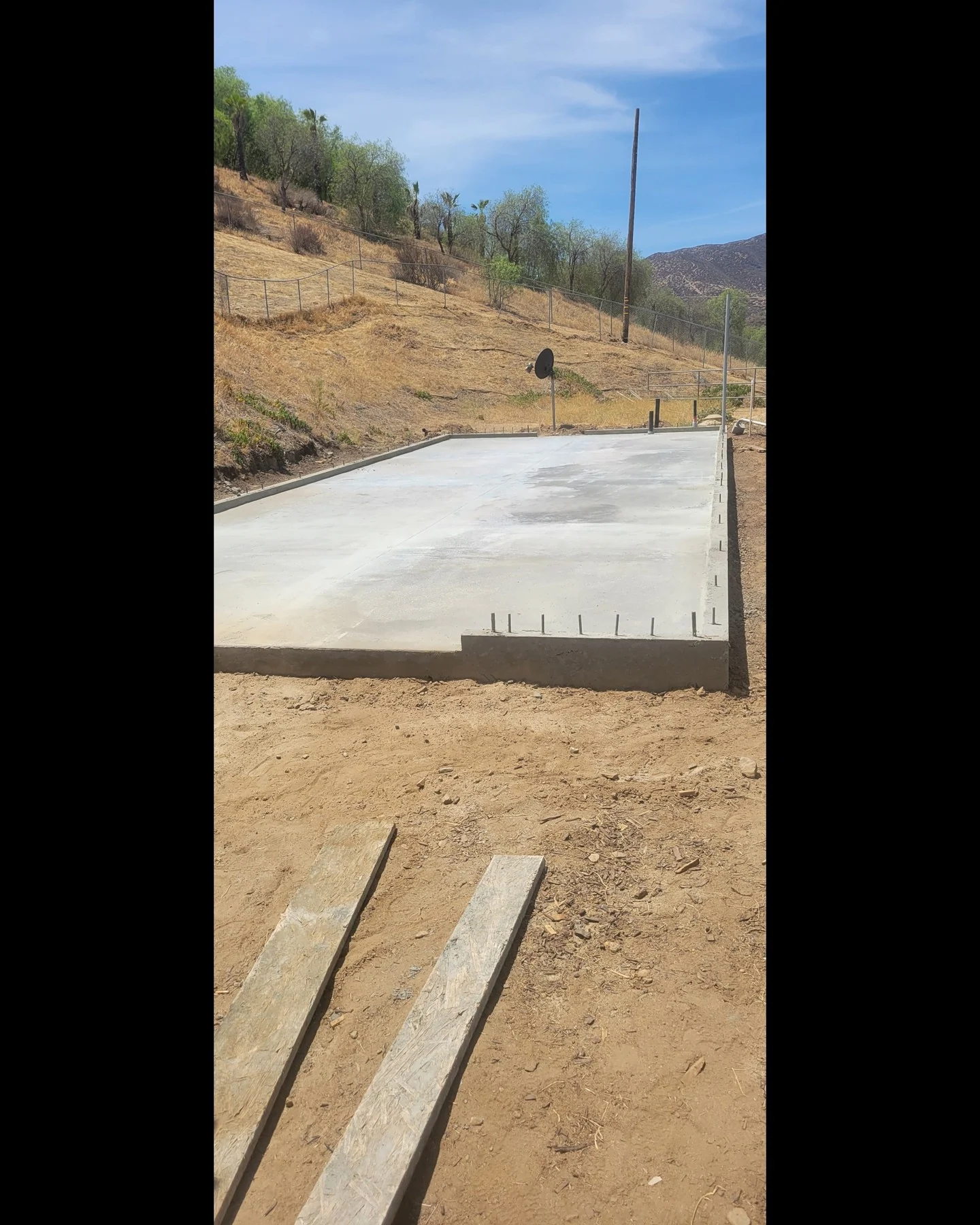
Mission Viejo concrete, no guesswork
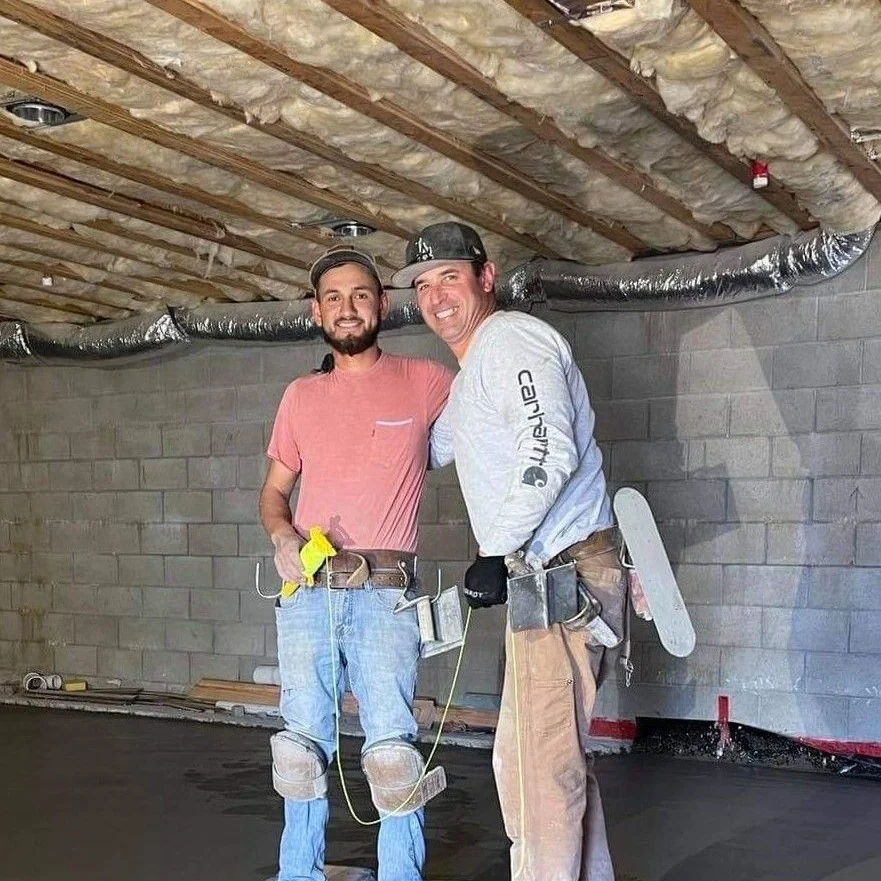
We walk the job, read the ground, and tell you what it needs. Mission Viejo and all of Orange County, 32 years in the trade.
Talk to us about the job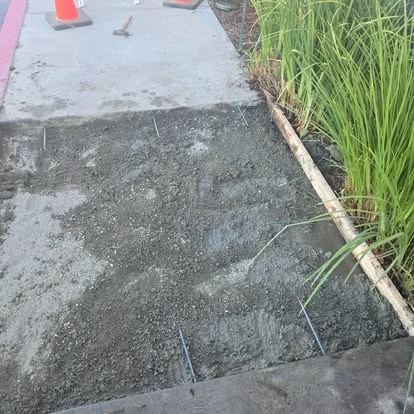
What concrete is up against around Mission Viejo
Irrigation next to flatwork
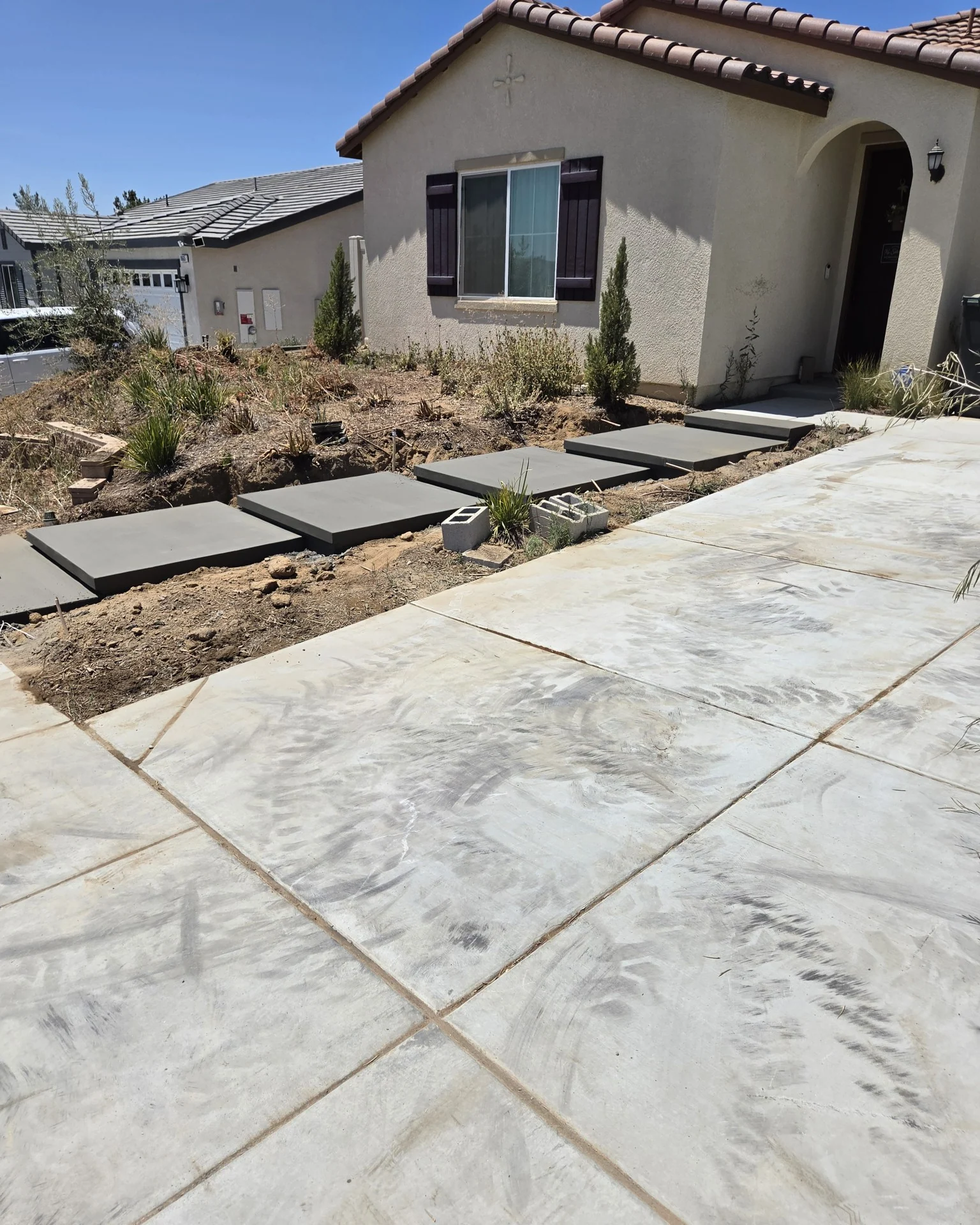
Sprinklers running against a slab edge keep the base saturated year round. In expansive soil that is a slow way to undermine your own driveway. Where the water lands matters.
Old slabs and new ones together
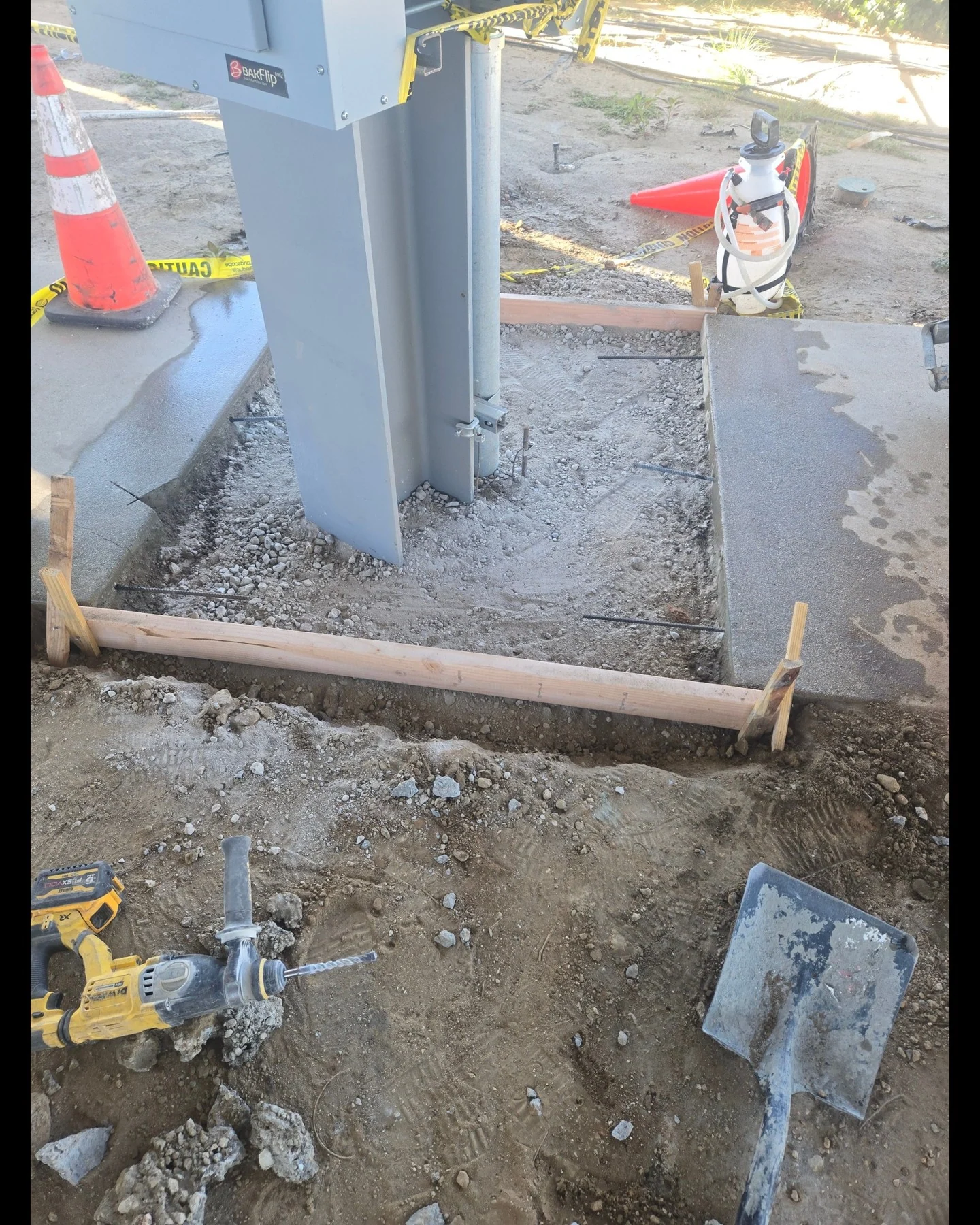
A new pour tied hard to an old slab will crack at the joint, because the two will never move the same. They get isolated on purpose so each one can do what it wants.
The base is the job
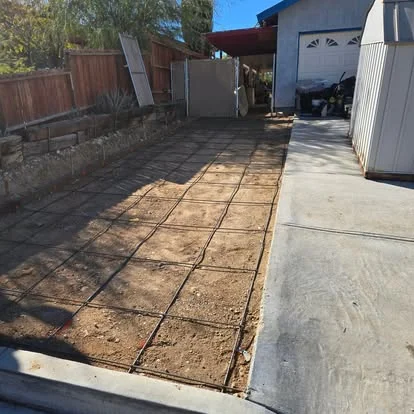
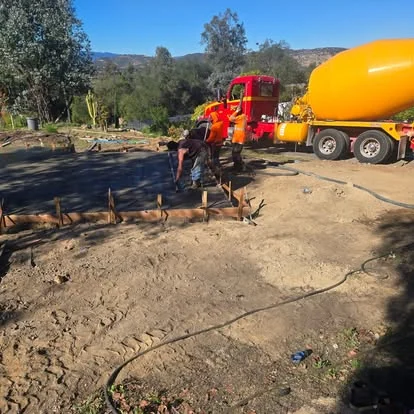
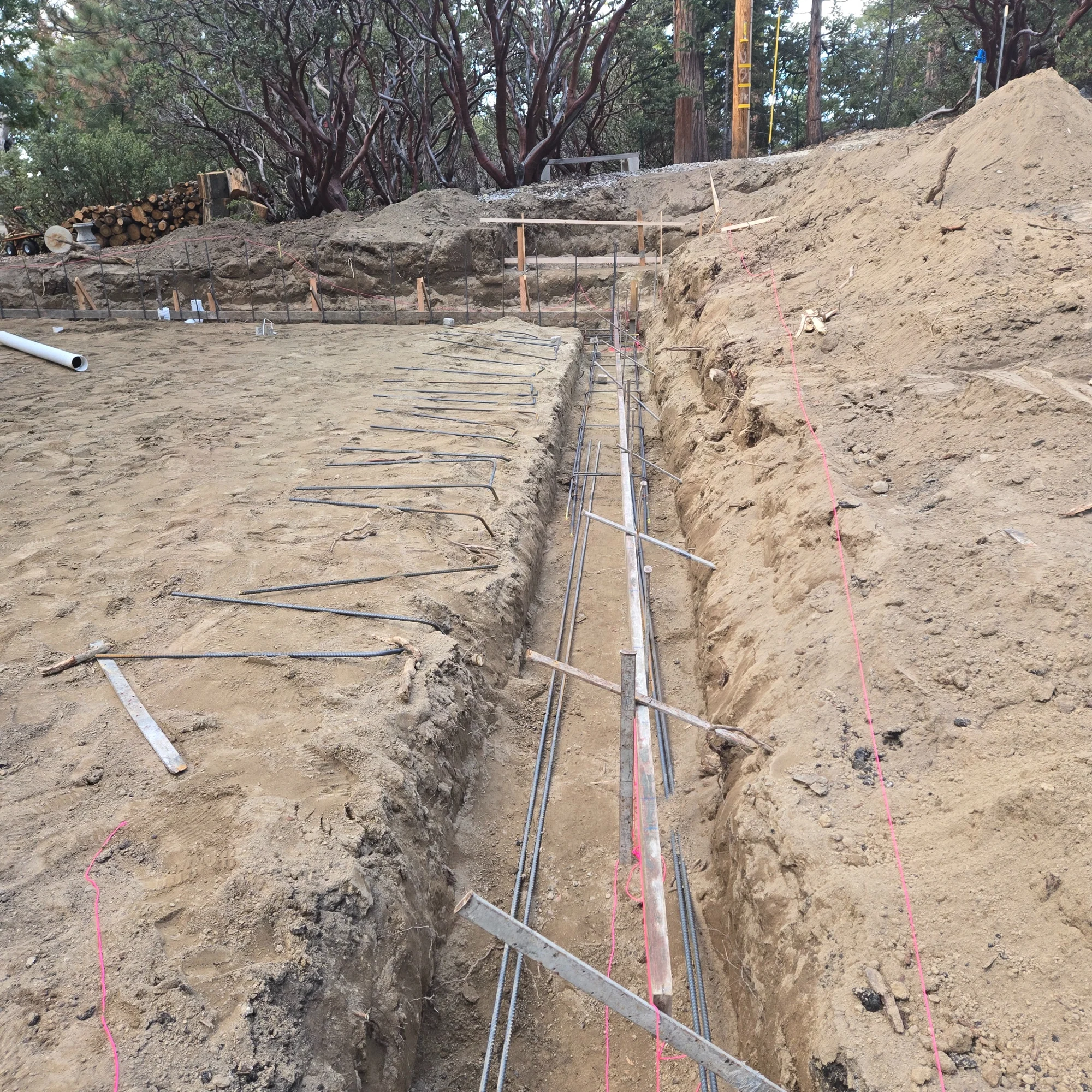
People judge concrete by the surface and it fails from underneath. Grade, material, lift thickness and compaction decide how a slab performs for thirty years. It is invisible when it is right.
Cleanup is part of the job
Washout handled properly, spoil hauled, surfaces cleaned. Concrete work is messy while it happens and should be invisible when it is done.
Water routed off the slab
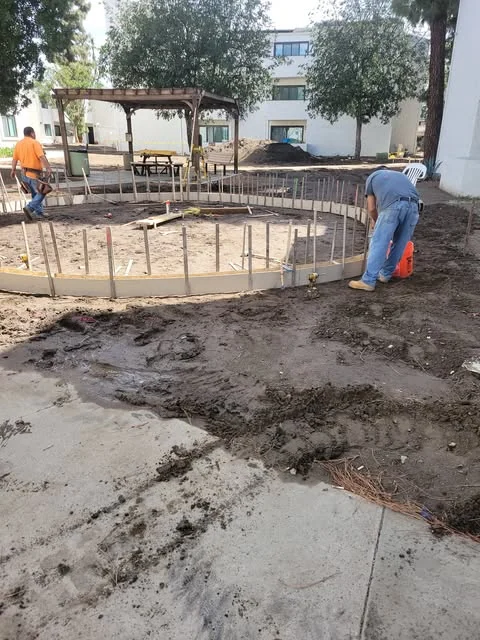
Slopes, low points and a path for water to leave are set before the pour, because afterward the drainage is permanent.
Curing treated as a step
Fresh concrete gets protected from dry wind and sun until it has what it needs. Skipping that is how you get a dusty, weak top layer.
What we build in Mission Viejo
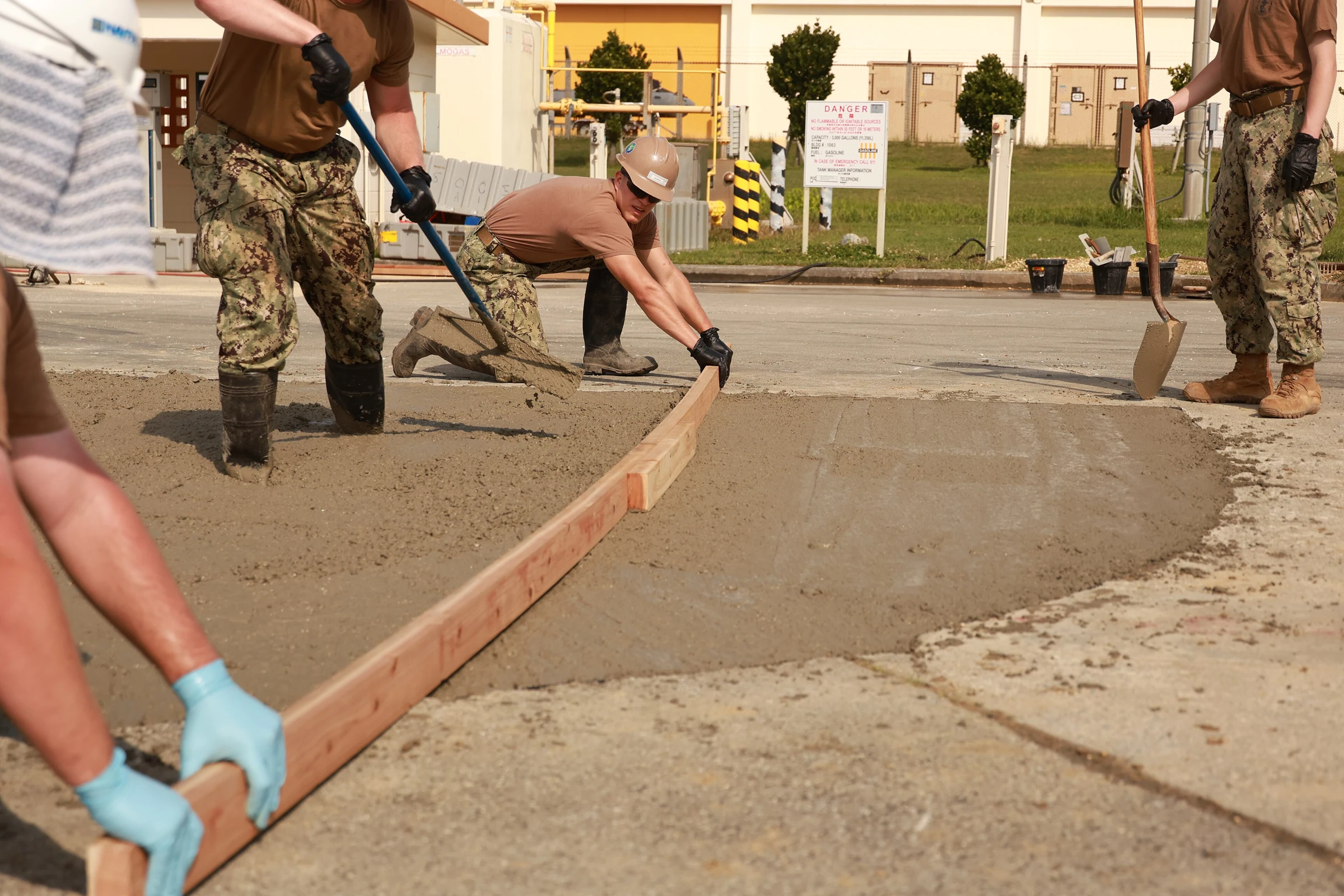
Concrete Patio Replacement
Take out the old slab, pour the one you actually wanted.
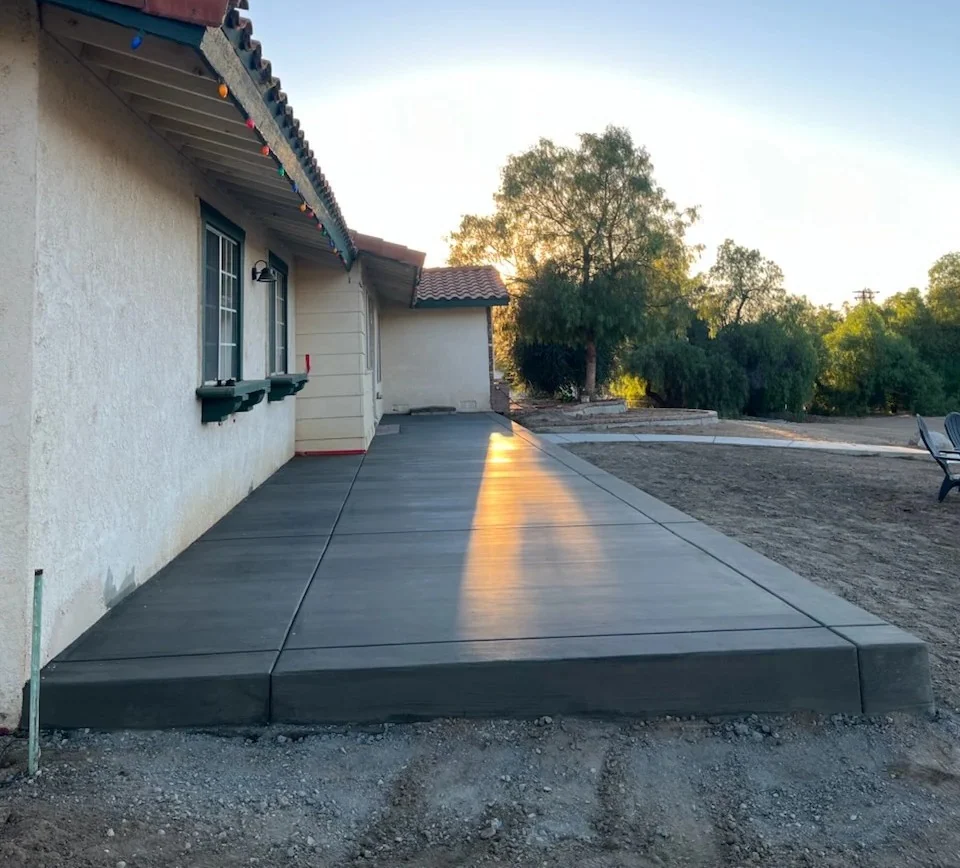
Concrete Patio Repair
Cracks, settled corners, and surfaces that have gone rough.
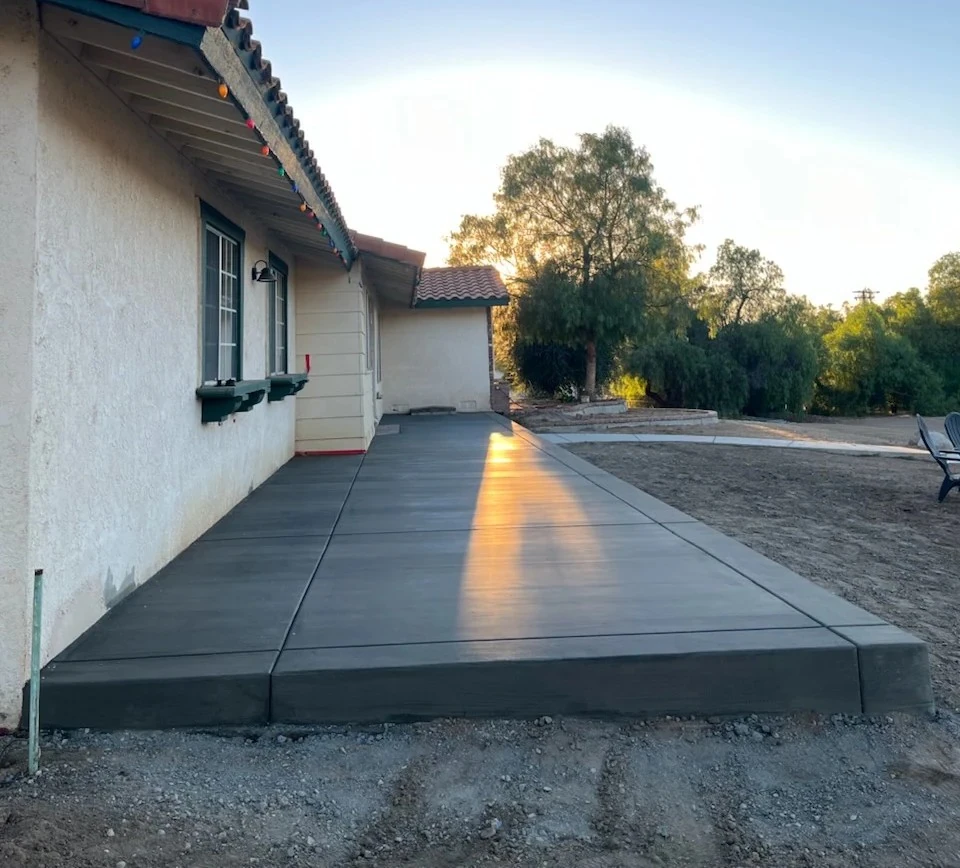
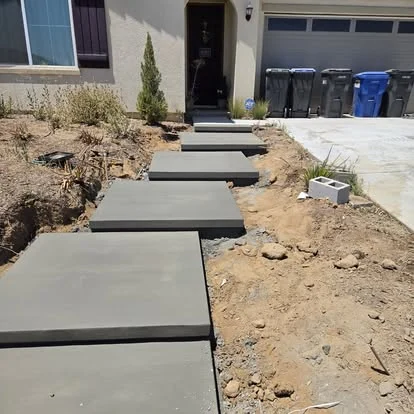
Concrete Walkways
Getting from the street to the door without a trip hazard.
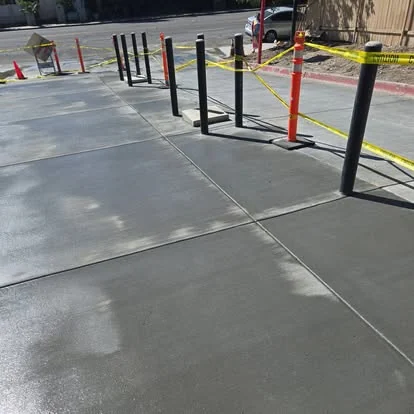
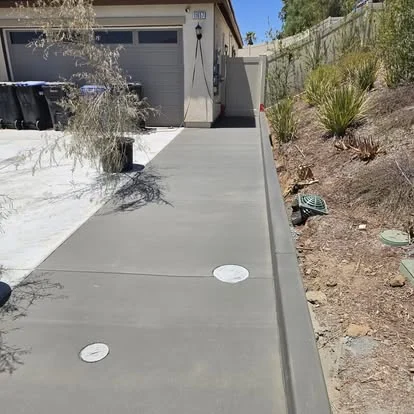
Concrete Sidewalks
Public-facing flatwork built to the spec the city will inspect.
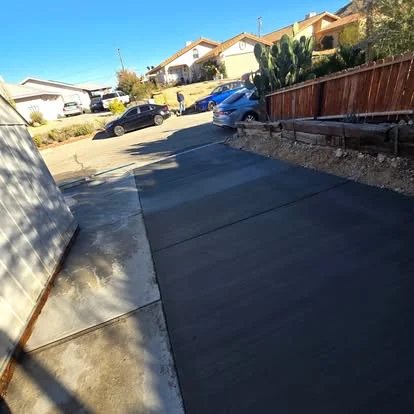
Concrete Sidewalk Repair
Lifted, cracked, or spalled panels made safe again.
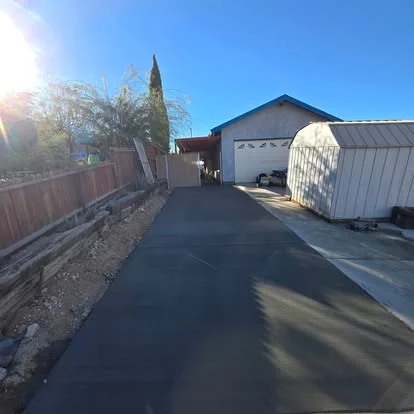
Concrete Sidewalk Replacement
Panel by panel, or the whole run.
Spalled Concrete Repair
Surface flaking down to the aggregate.
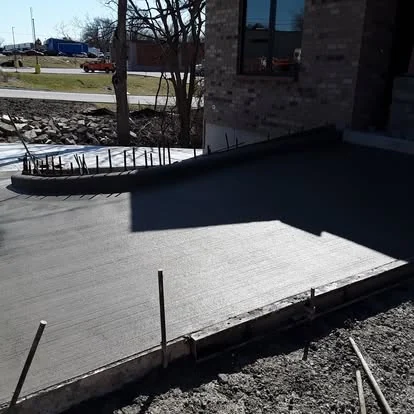
Settled Concrete Repair
The slab dropped because something under it did.
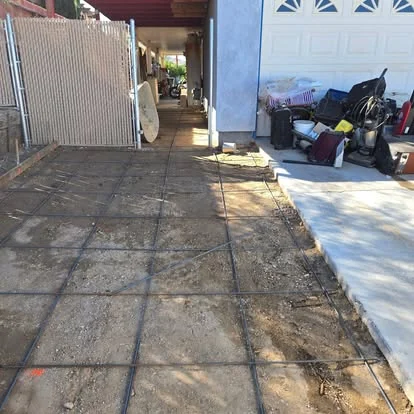
Uneven Concrete Repair
Lips, trip hazards, and panels out of plane.
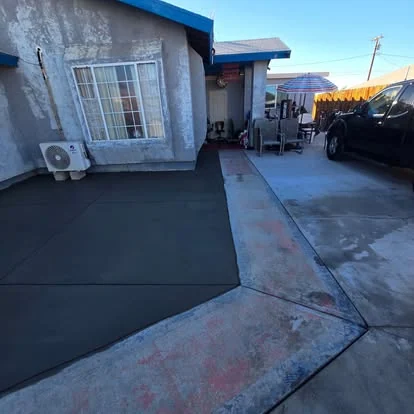
Concrete Parking Lot Repair
Failed panels replaced without closing the whole lot.
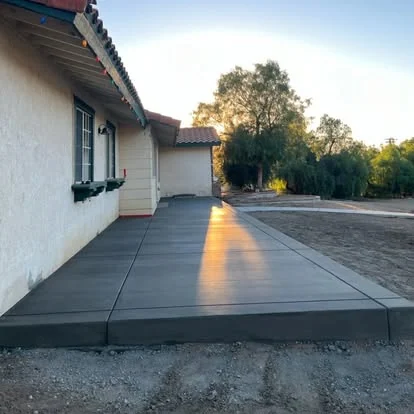
Concrete Parking Lot Replacement
A full lot rebuilt on a schedule that keeps you open.
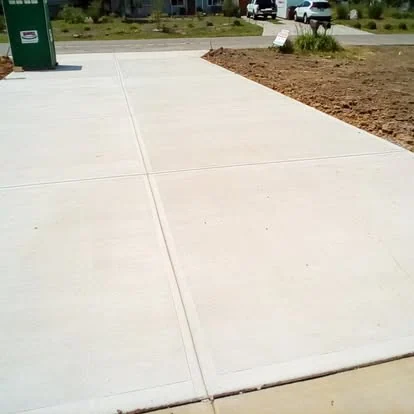
Concrete Loading Docks
The most abused concrete on any commercial property.
Pouring concrete around Mission Viejo
Irrigation against the slab
Almost every valley property waters something, and sprinklers running along a slab edge keep the base saturated year round. In expansive soil that is a slow way to undermine your own driveway. Where the water lands is worth looking at before blaming the concrete.
What the ground does here
The inland valleys run on expansive clay. It takes on water and swells, then dries out and shrinks, and it does that cycle every year. A slab poured on untreated clay rides that movement until something gives, which is why base preparation and reinforcement are the design rather than an upgrade. Where a soils report exists we build to it; where there is none, what we find during excavation tells us what the ground is going to do.
Older flatwork around here
A lot of valley concrete was poured thin, with light reinforcement, on a base that was never properly compacted. When it fails it is usually reporting on the ground rather than on the mix, and that is the difference between a repair that holds and one that comes back in a year.
Drainage on a flat lot
Valley lots are often close to level, which makes slope hard to find and easy to get wrong. Low points, cross-fall and where water actually leaves the property get worked out before the pour, because once the concrete is down the drainage is permanent.
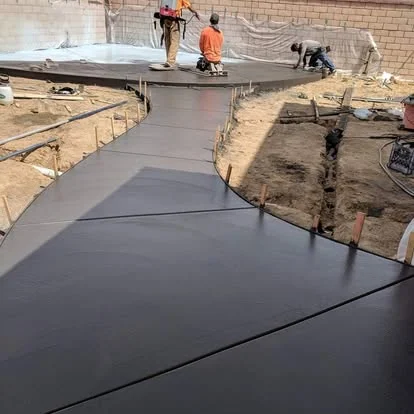
Concrete work around Mission Viejo
Flatwork, foundations and repair across Mission Viejo and the rest of Orange County, poured by the same crew that answers the phone.
How concrete fails, and why
A slab that rocks
If you can feel movement walking across it, there is a void underneath. That is erosion, poor compaction, or soil that shrank away. Filling the void is the fix; replacing the slab without filling it is not.
Cracks that widen along their length
A crack that is hairline at one end and open at the other is reporting differential movement. That is a foundation and soil conversation, not a patching one.
Discolouration in patches
Blotchy color usually comes from inconsistent curing, adding water to part of a load, or finishing at different times across one pour. It is cosmetic and it is permanent.
Joint sealant failure
Open joints let water into the base, and the base is what holds the slab up. Resealing joints is cheap maintenance that prevents expensive failures.
How a job runs
What a site visit covers
Soil, slope, drainage, access, existing concrete, and what you actually want the space to do. All of it changes the work.
Ordering the concrete
Mix design comes off the application. Strength, aggregate size and admixtures are decisions, and they are made before the truck is booked.
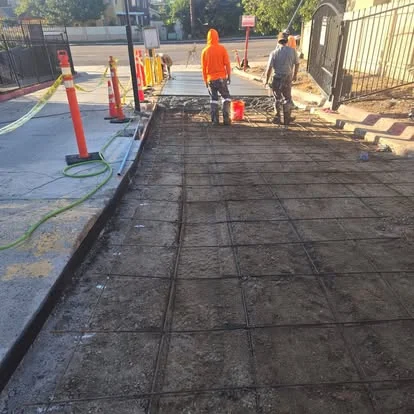
A slab with no cracking plan will still crack. It just picks the place.On control joints
Placement and finish
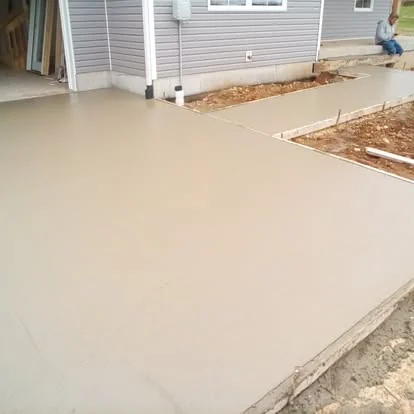
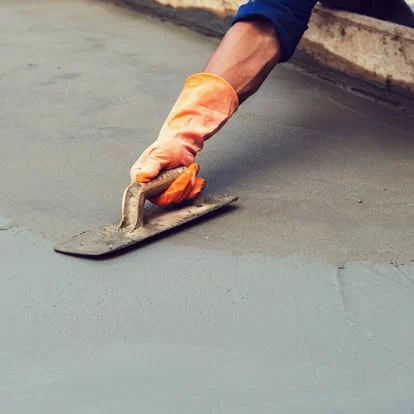
Placed, consolidated, screeded, floated and finished, each at the right moment. That timing is the trade.
Living with it
Keep water moving off it, reseal when it needs it, and keep an eye on the joints. That is most of concrete maintenance.
Around Mission Viejo
Straight answers
Should I worry about hairline cracks in the first month?
Usually not. Concrete gives up water as it cures and gets slightly smaller doing it, and fine shrinkage cracking in that window is the material behaving normally. Anything that widens or lifts is different, and worth a call.
My sprinklers run along the driveway. Is that a problem?
It can be. Constant water at a slab edge keeps the base saturated, and in expansive soil that undermines the concrete from underneath. Where the water lands is worth looking at before blaming the slab.
Do I need a permit?
Structural work and anything in the public right of way generally does. A straight replacement often does not. We raise it before anything is broken out rather than at inspection.
Can you match the concrete I already have?
Usually close, rarely exact, because concrete changes color as it ages. We match thickness, finish and joint pattern so the result reads as one surface rather than a patch.
How long before I can drive on it?
Concrete takes most of its strength in the first week. Foot traffic is usually fine within a day or two; vehicles wait longer. On a valley summer pour the numbers shift, so you get the real ones for your slab rather than a generic answer.
Talk to us about Mission Viejo
Describe the slab and we will tell you what it needs, including when that is less than you expected.