
Concrete work across Newport Beach
From a single pad to a full foundation. We cover Newport Beach and the rest of Orange County out of Hemet, with 32 years in the trade and a license to back it.
Talk to us about the job


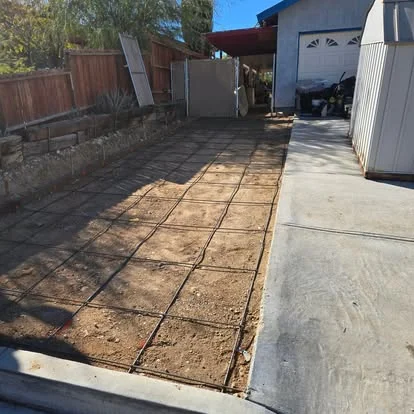
What concrete is up against around Newport Beach
Wind off the water
Onshore wind during a pour accelerates surface drying even when the air is humid. It gets managed the same way heat does.
Sandy soils near the water
Coastal ground is often sand, which drains beautifully and can be undermined by moving water. Compaction and knowing where water travels matter more than clay-style soil treatment.
Mild temperatures, different problem
The coast does not give you the heat or the freezing that inland concrete fights. What it gives you is constant moisture and salt, which is a slower and more corrosive problem.
Steel sized to the movement
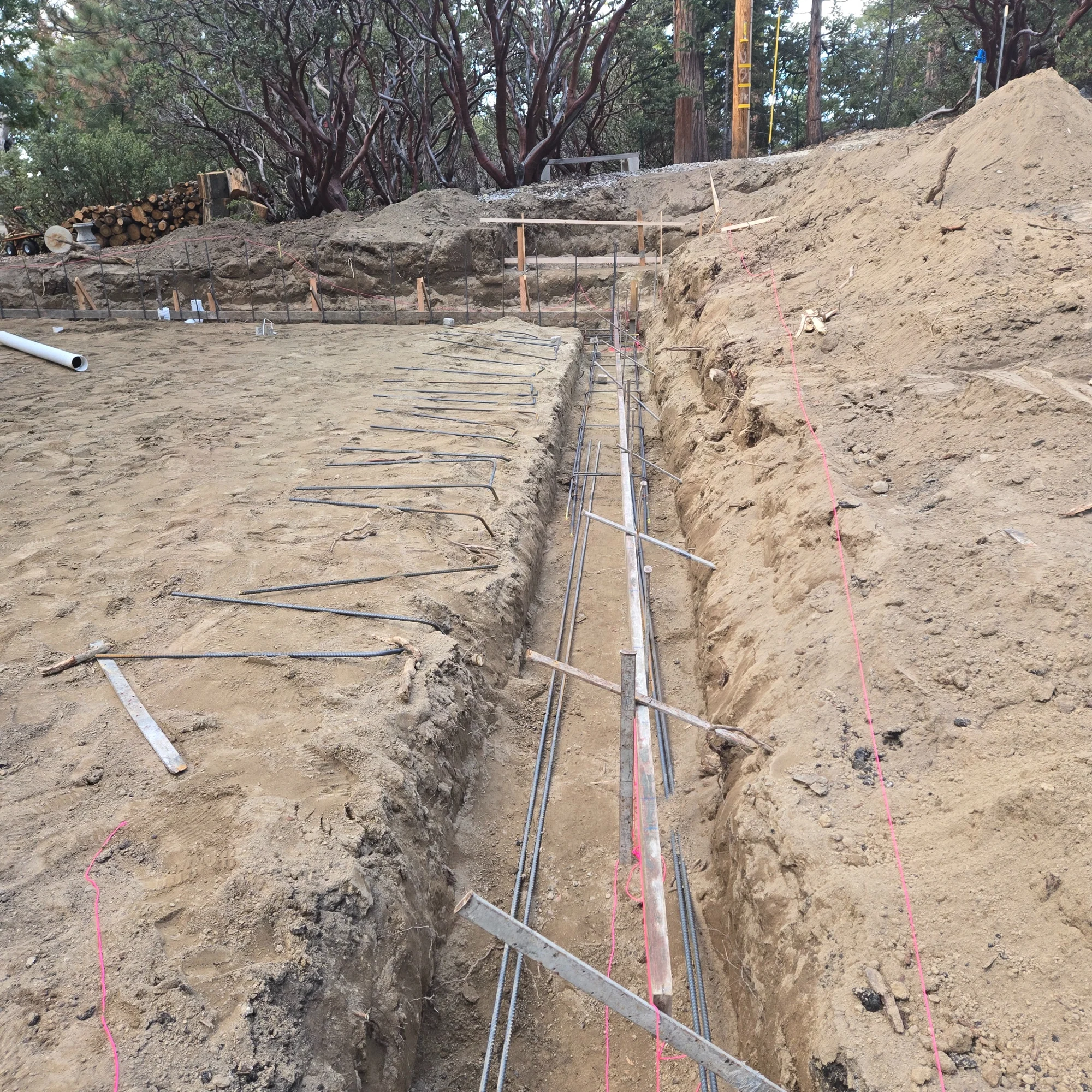
Reinforcement gets placed for what the soil is going to do, on chairs at the right height with real cover. Steel lying on the dirt does nothing at all.
Joints planned on paper
Joint layout gets worked out before the pour, spaced to the thickness and placed where the slab wants to move anyway. Then it gets cut at the right time.
Water routed off the slab
Slopes, low points and a path for water to leave are set before the pour, because afterward the drainage is permanent.
What we build in Newport Beach
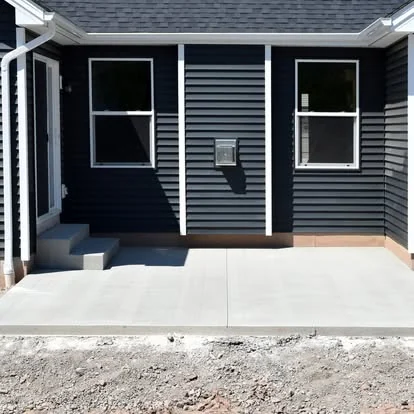
Concrete Steps
Rise and run the same on every step, which is the whole job.
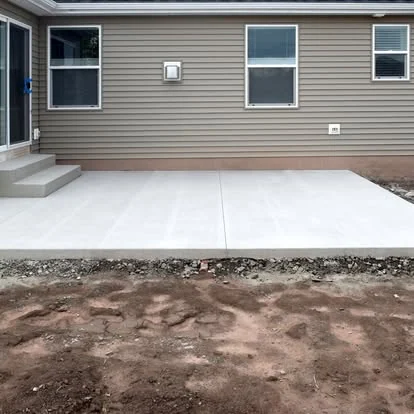
Concrete Stairs
A formed flight that carries load and holds its geometry.
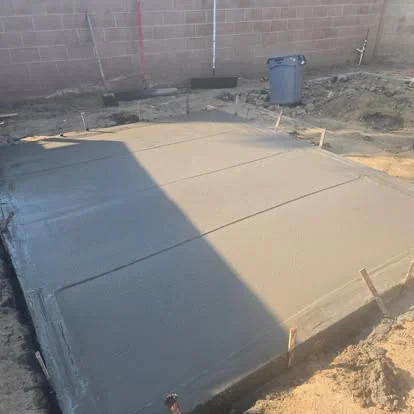
Front Porches
The first slab anybody sees.
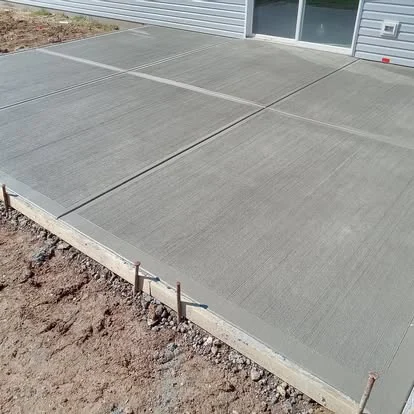
Back Porches
The slab that gets lived on.
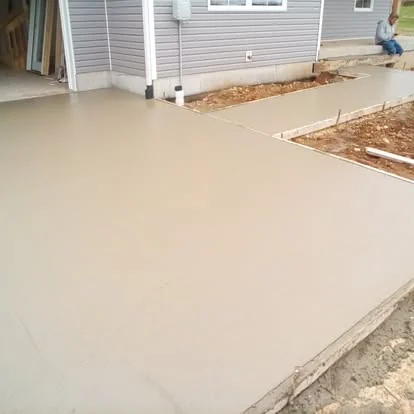
Concrete Courtyards
An enclosed slab where drainage has nowhere obvious to go.
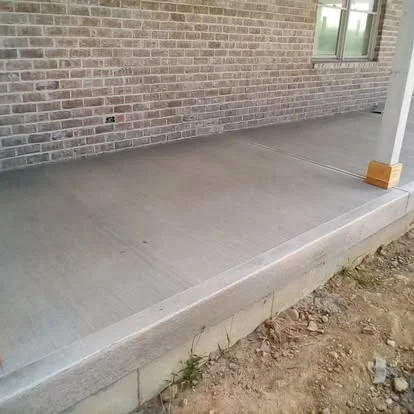
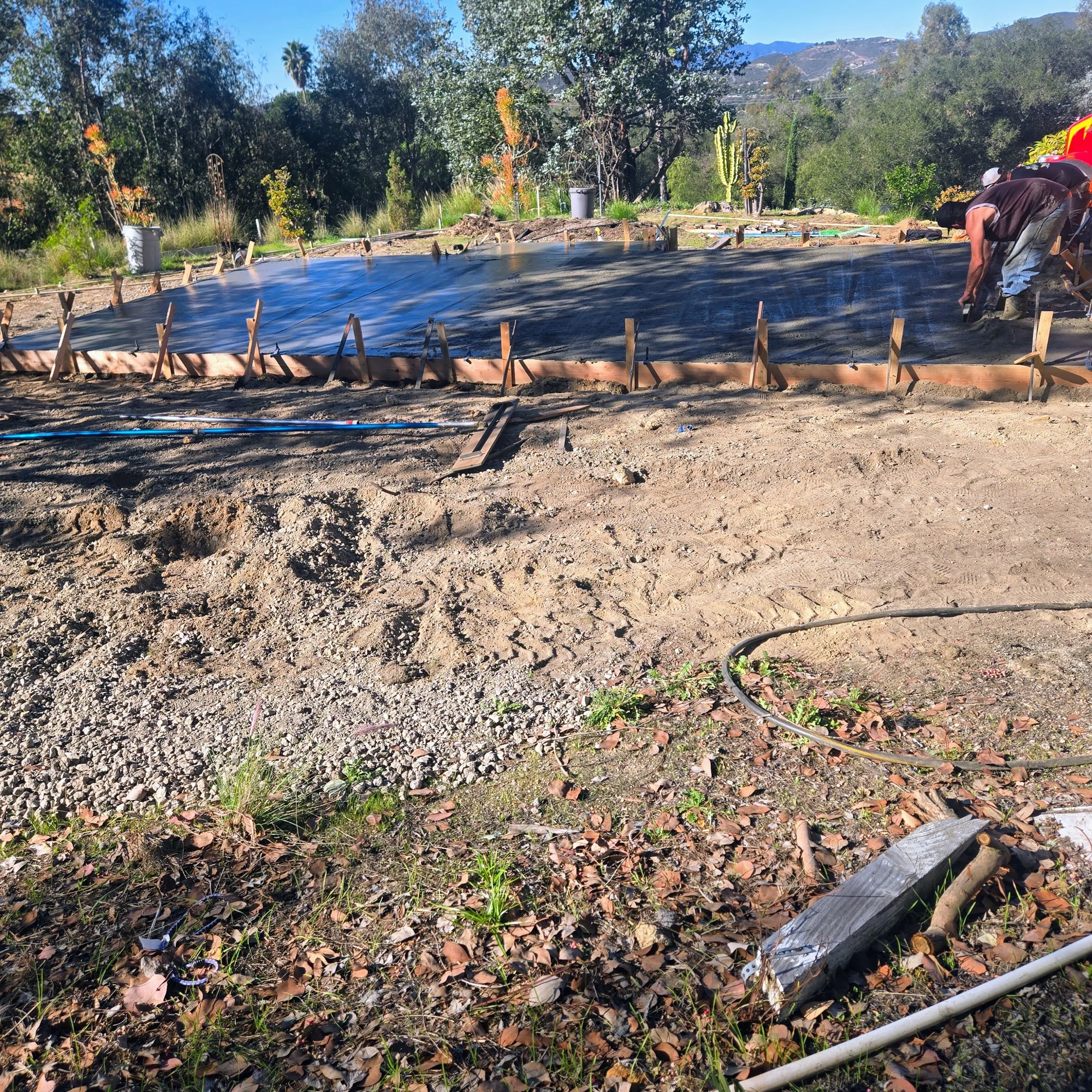
Concrete Slabs
The flat pour everything else is a version of.
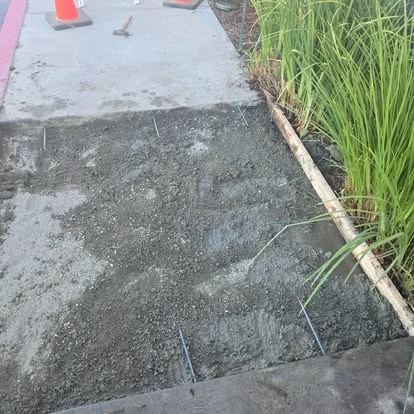
Concrete Repair
Fix the concrete that is worth fixing.
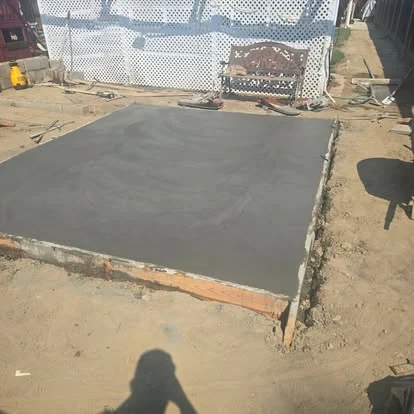
Concrete Crack Repair
Some cracks are cosmetic. Some are a message.
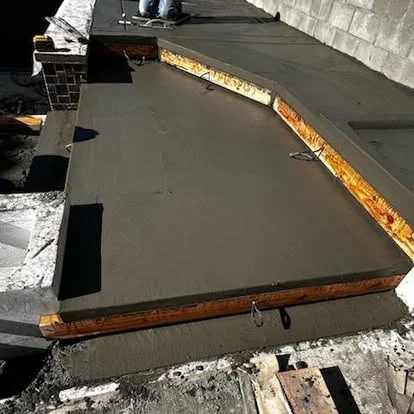
Spalled Concrete Repair
Surface flaking down to the aggregate.
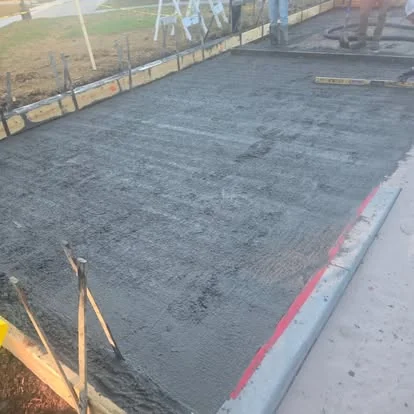
Equipment Pads
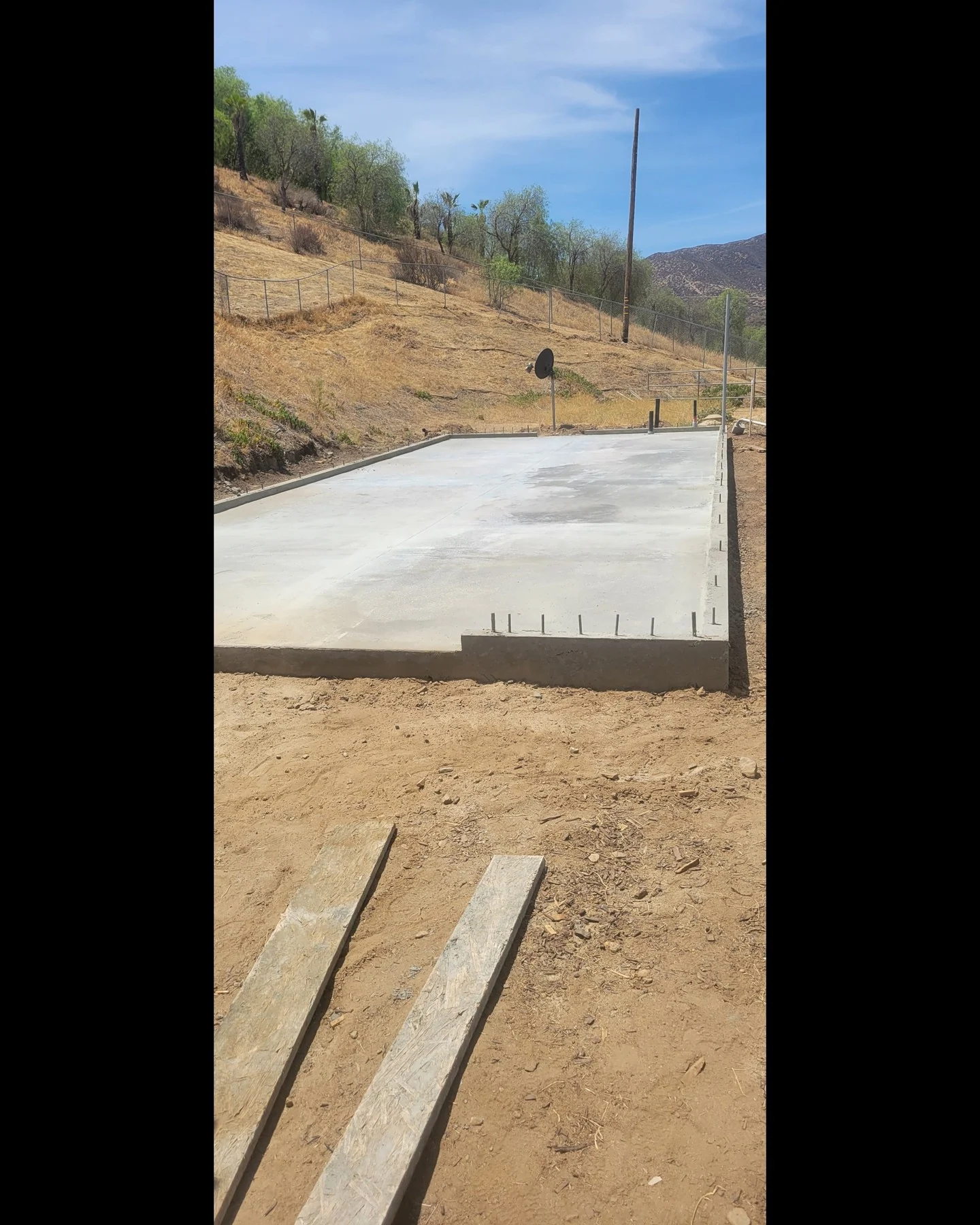
A level base for machinery that cannot move.
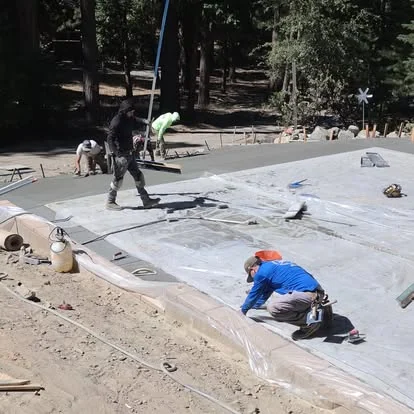
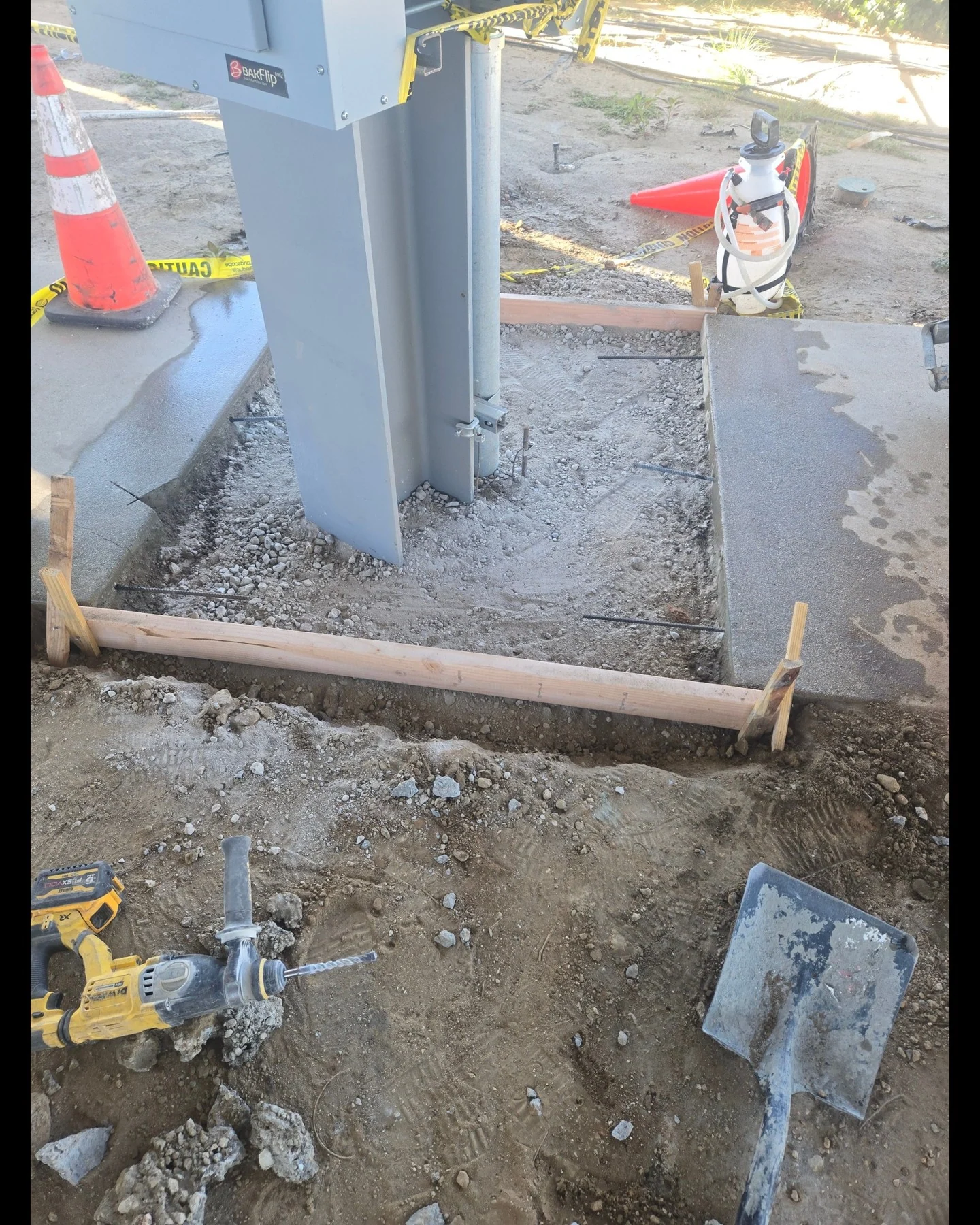
Transformer Pads
Utility pads built to the utility’s drawing.

Utility Pads
Pads for meters, generators, and mechanical gear.
Pouring concrete around Newport Beach
Humidity changes the finishing
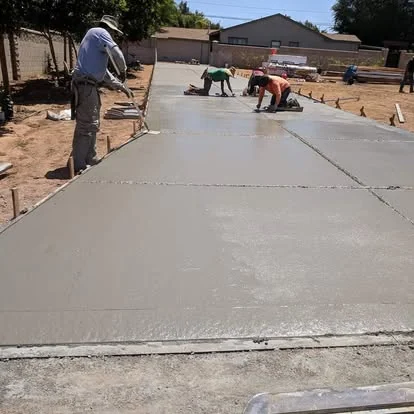
Higher humidity slows evaporation, which sounds helpful and actually changes the timing of every finishing step. Bleed water sits on the surface longer, and floating too early seals it in and weakens the top layer.
Pool decks near the ocean
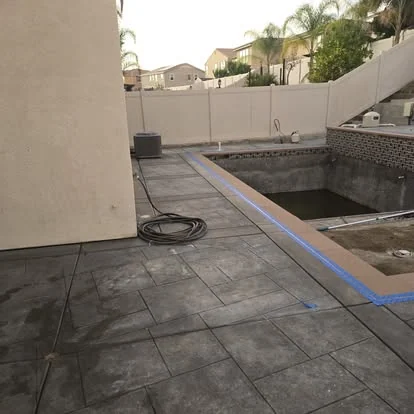
A coastal pool deck takes salt from the air as well as chlorine from the water, plus bare feet. Slip resistance and a surface that holds up under both is the specification, not an upgrade.
Sealing on the coast
Sealing here is about keeping chloride out of the pores rather than stopping water freezing in them. Different reason, same maintenance, and skipping it costs you the reinforcement eventually.
Salt air reaches the steel
Marine air carries chloride well inland, and chloride is what corrodes reinforcing steel inside concrete. Rusting steel expands and breaks the concrete off from the inside, which is why coastal flatwork often fails in straight lines that match the bar spacing. Concrete cover over the steel is the defense, and it is specified rather than guessed.
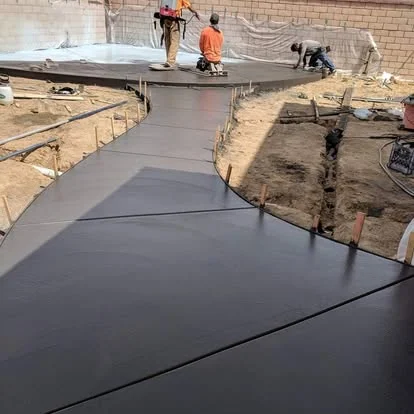
Concrete work around Newport Beach
Flatwork, foundations and repair across Newport Beach and the rest of Orange County, poured by the same crew that answers the phone.
How concrete fails, and why
Cracking that follows no joint
When a slab cracks in a line nobody cut, it is almost always telling you about restraint or about the ground. A slab poured tight against a footing cannot shrink, so it tears instead. A slab over a soft spot bends until it breaks. Neither is a concrete defect.
Spalling and surface loss
Flaking down to the aggregate is the top layer letting go. The usual causes are water working in and out, chloride from de-icing or fertiliser, and a surface that got sealed too early during finishing so bleed water was trapped under it.
Panels at different heights
A lip at a joint means one side moved. Sometimes that is a root, sometimes erosion under the slab, sometimes a void left by poor compaction. Grinding the lip removes the trip hazard and does nothing about the cause.
Standing water
Water that sits is a grading problem that got set in concrete. It accelerates every other failure mode, because water is what carries chloride in and what freezes in the pores.
How a job runs
The soil question
In expansive clay the soil drives the design. If there is a soils report we build to it; if not, what we find during excavation informs the base work.
Drainage
Where water goes gets decided before the pour, because afterward it is permanent. That sometimes means changing the plan to fix a problem you already had.
The base is the job. The concrete is the finish on top of it.On what actually matters
Joint layout
Joints are planned on paper and cut on time. Where they land is partly structural and partly how the finished slab reads.
Maintenance
Concrete is low maintenance, not no maintenance. Sealing and joint upkeep are the two things worth doing.
Around Newport Beach
Straight answers
Is the mild weather here easier on concrete?
Easier than inland heat or mountain freezing, yes. What you get instead is constant moisture and salt, which is slower and more corrosive.
Should I seal coastal concrete?
Yes, and the reason is chloride rather than freezing. Different mechanism, same maintenance, and skipping it eventually costs you the reinforcement.
My lot is flat and water sits. What can be done?
Slope has to be designed in with planned low points and a drainage path. Gravity will not volunteer on a flat coastal lot.
Why are there rust stains and cracks in straight lines?
Those lines usually match the rebar spacing, which means the steel is corroding. It is a cover and chloride problem rather than a surface one, and it needs looking at properly.
My pool deck gets slippery. Can that be fixed?
Yes, with the right texture. A coastal pool deck takes salt from the air and chlorine from the water plus bare feet, so slip resistance is the specification rather than an upgrade.
Get a number for your Newport Beach job
Tell us what you are building. Somebody comes out, reads the site, and prices what it actually needs rather than what fits a template.