

Glendale concrete, no guesswork
We walk the job, read the ground, and tell you what it needs. Glendale and all of Los Angeles County, 32 years in the trade.
Talk to us about the job

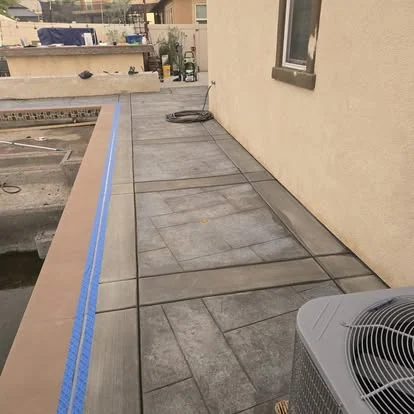
What concrete is up against around Glendale
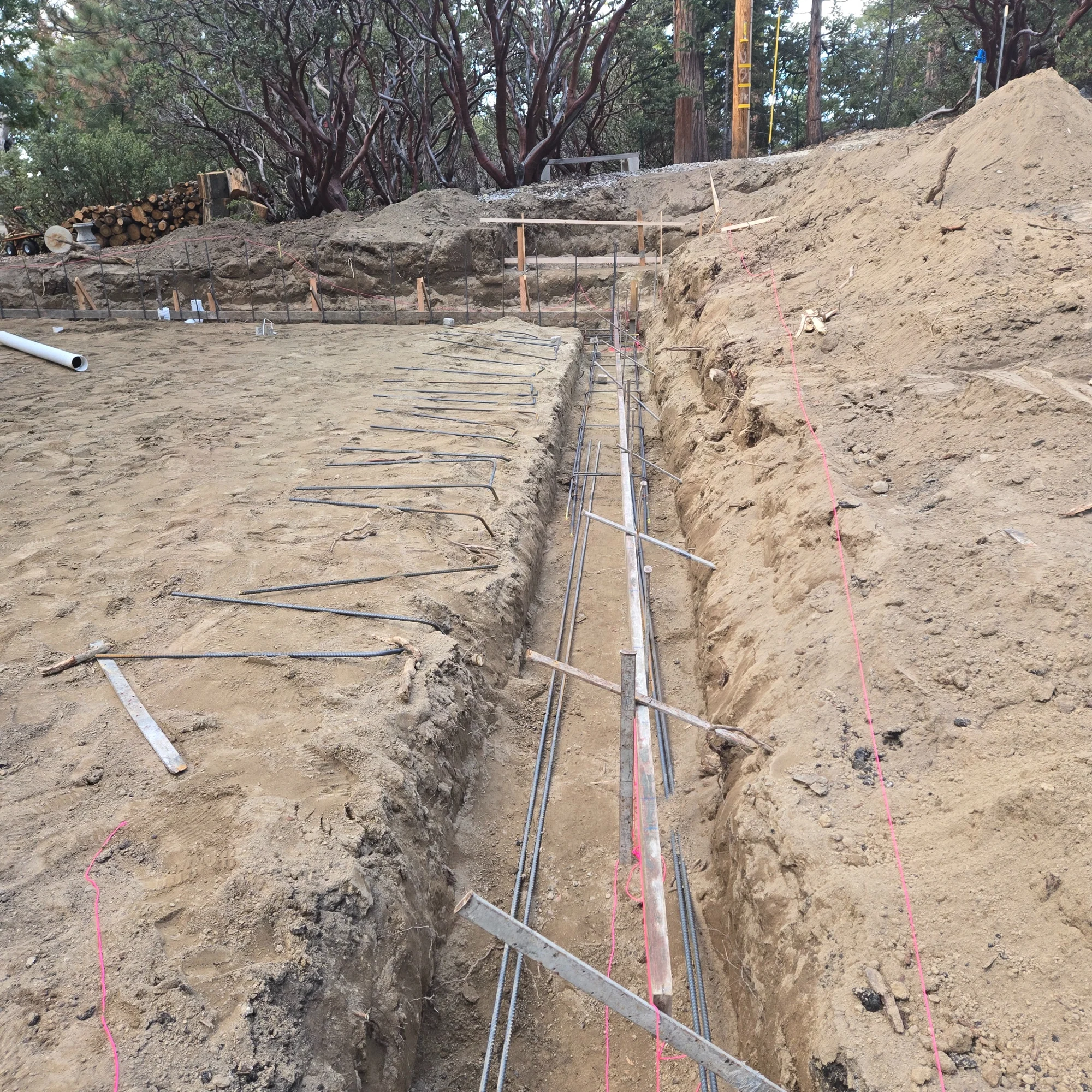
Tree roots under flatwork
Mature street trees lift sidewalks and drives, and they will do it again to a new slab unless the root is dealt with. Sometimes that means root pruning, sometimes rerouting the walk.
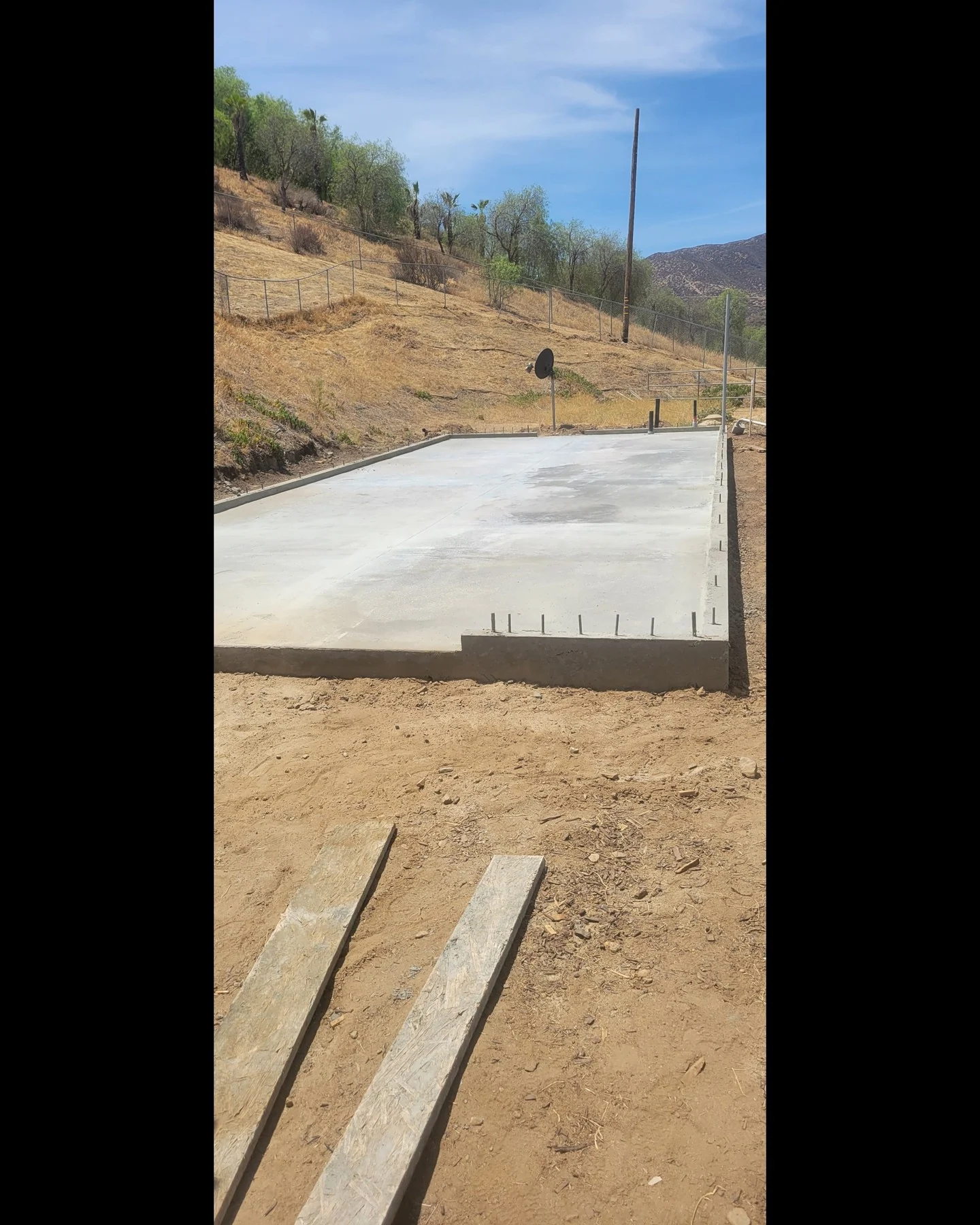
Neighbors and noise
Saw cutting and breaking concrete is loud, and in a dense neighborhood that is a real constraint. Hours get worked out in advance.
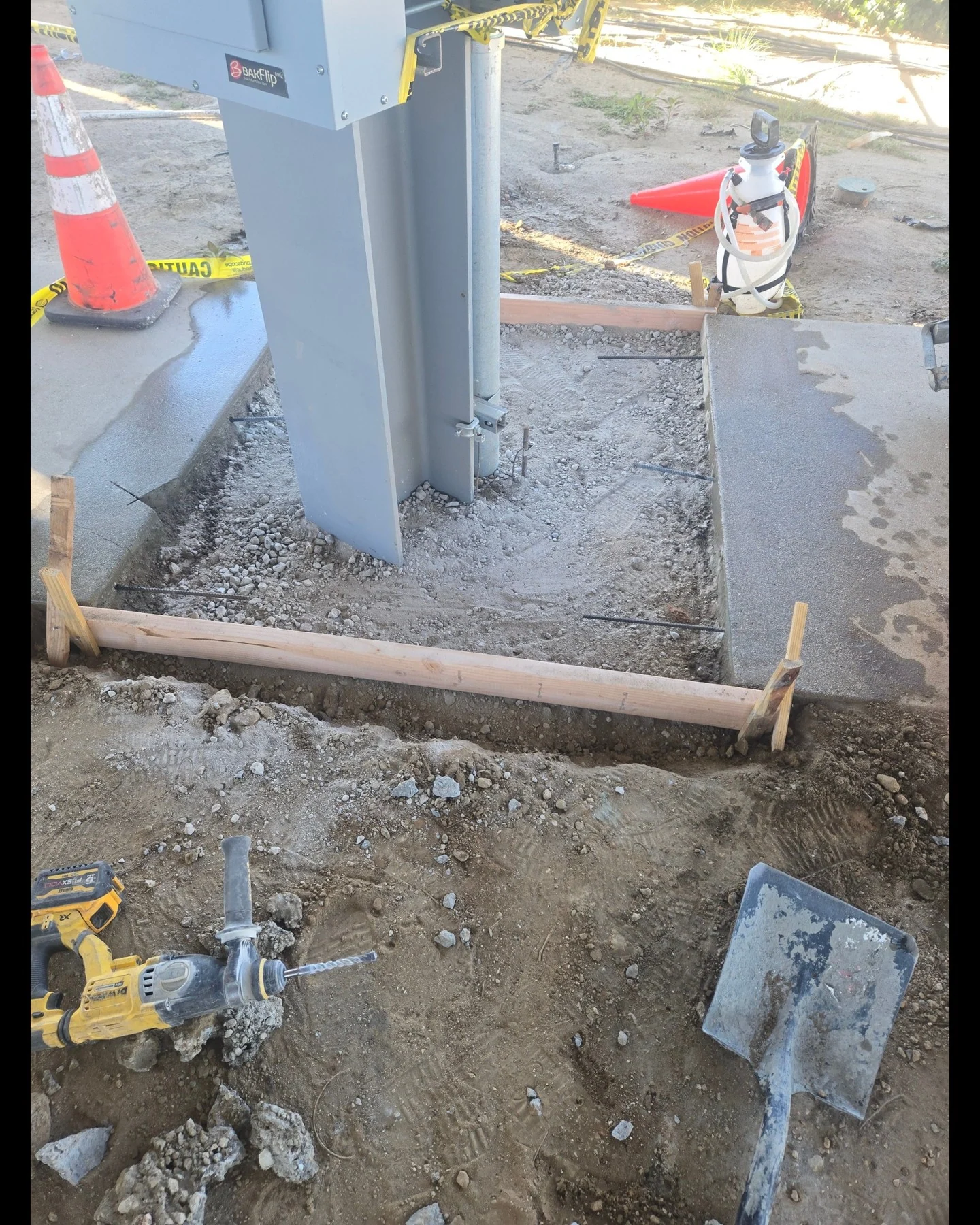
Matching what stays
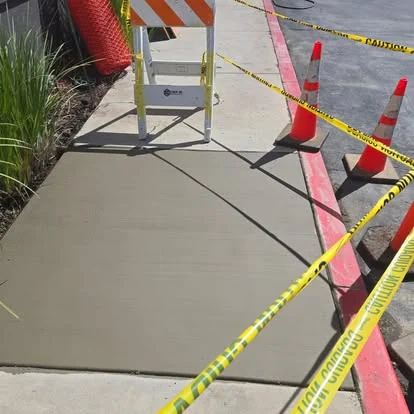
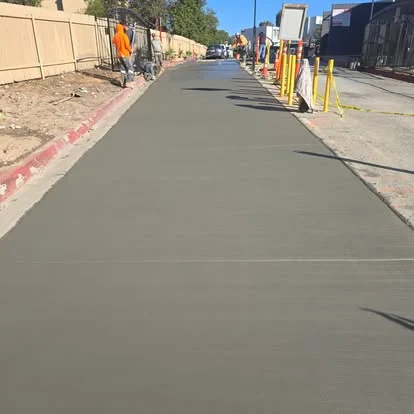
Replacing part of a run means matching the thickness, the finish and the joint pattern of what stays, so the job reads as one surface rather than a patch.
Cleanup is part of the job
Washout handled properly, spoil hauled, surfaces cleaned. Concrete work is messy while it happens and should be invisible when it is done.
Water routed off the slab
Slopes, low points and a path for water to leave are set before the pour, because afterward the drainage is permanent.
Pours scheduled to the heat
In summer we start early and keep the mix and the crew ahead of the temperature. Concrete does not wait for anybody.
What we build in Glendale
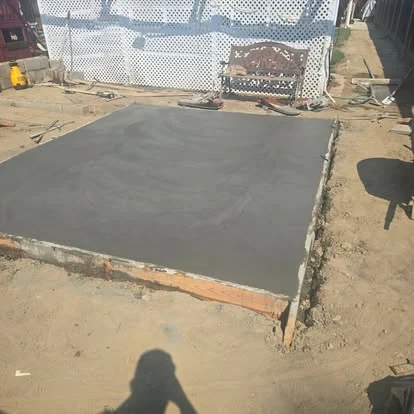
Backyard Concrete
The whole back of the property, planned as one pour.
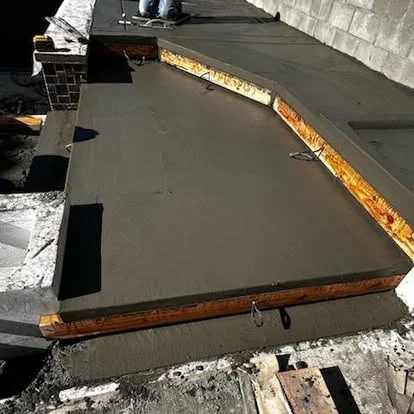
Outdoor Living Concrete
Kitchens, fire features, and seating built on concrete.
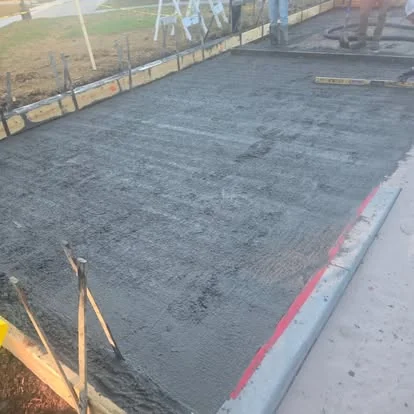
Concrete Driveways
The slab that carries a car every day of its life.
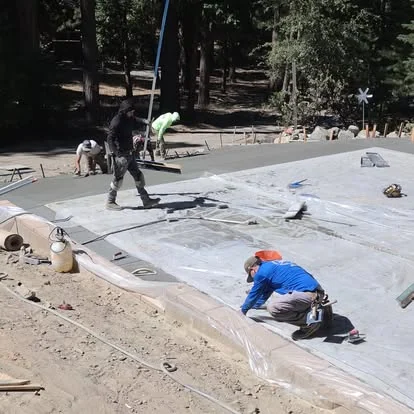
Concrete Driveway Replacement
Out to the dirt, rebuilt from the base up.

Concrete Driveway Repair
Fix what is broken and leave what is sound.
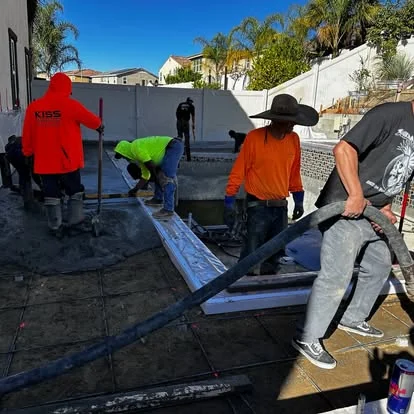
Concrete Patios
The outdoor room that starts as a flat pour.
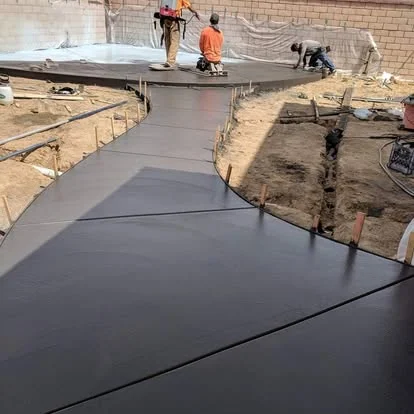
Concrete Joint Repair
The joints fail before the concrete does.
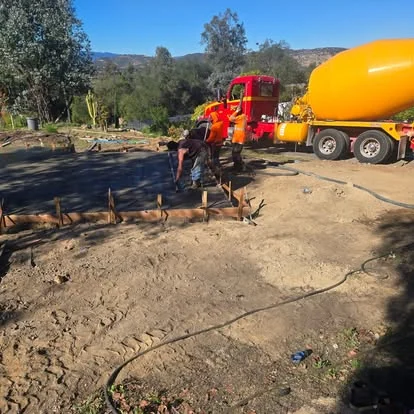
Concrete Resurfacing
A new surface on a sound slab.
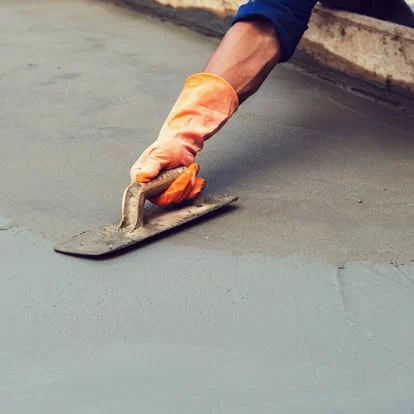
Concrete Leveling
Lifting a slab back to where it started.

Concrete Trash Enclosures
Walls, slab, and apron as one detail.
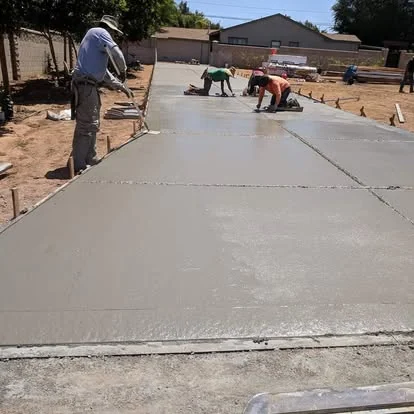
Concrete Aprons
The transition slab that takes the worst of it.
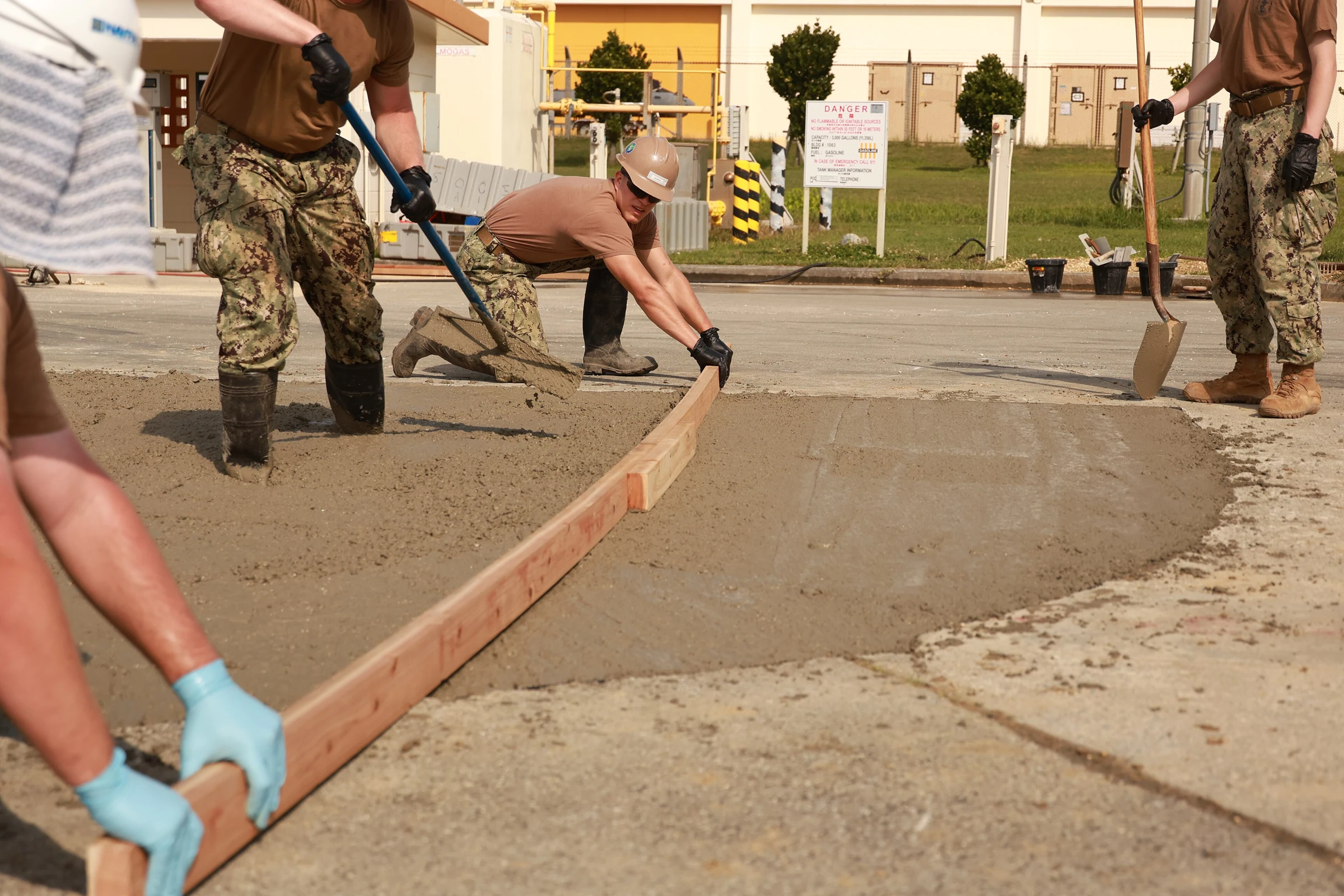
Drive Approaches
Where private property meets the public street.
Pouring concrete around Glendale
Matching a run that stays
Replacing part of a walk or drive means matching thickness, finish and joint pattern to what remains, so the result reads as one surface rather than a patch. Color takes time to blend as concrete ages and we will be straight about that up front.
Older slabs and older assumptions
Much of the concrete in these neighborhoods was poured decades ago, thinner than we would build now and with lighter reinforcement over a base nobody tested. When it fails it is usually reporting on what is underneath, which is why we look at the cause before quoting the cure.
Permits and the right of way
Work in the public right of way, anything structural, and most full replacements need permits and inspection. We would rather have that conversation before anything is broken out than discover it when an inspector arrives.
Street trees and roots
Mature trees lift sidewalks and driveways, and they will lift a new slab too unless the root is dealt with. Sometimes that means root pruning, sometimes rerouting the walk, sometimes a thicker slab with a root barrier. Replacing without addressing it just resets the clock.
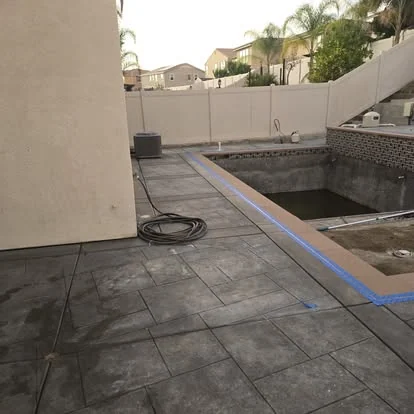
Concrete work around Glendale
Flatwork, foundations and repair across Glendale and the rest of Los Angeles County, poured by the same crew that answers the phone.
How concrete fails, and why
Thin slab cracking under vehicles
A four inch slab under a work truck or an RV will crack in the wheel path. Thickness has to come off the actual load, not off what is typical.
Joints in the wrong place
Joints spaced too far apart let the slab crack between them. The rule of thumb is roughly two to three feet of spacing per inch of thickness.
Surface loss at door thresholds
Water runs off a roof or a door and lands in the same line every time. Concentrated water wears concrete, and a drip line is a real design consideration.
Reinforcement too low
Steel sitting on the subgrade is doing nothing. It has to be lifted on chairs into the upper portion of the slab where tension actually occurs.
How a job runs
Permits and inspection
Structural work and anything in the public right of way gets permitted and inspected. We raise that at the start rather than at the pour.
Utilities
Anything dug or cut starts with locating. Finding a line with a saw is expensive and avoidable.
Knowing when to start floating is the part you cannot learn from a book.On finishing
Noise and disruption
Breaking and cutting concrete is loud. We will tell you which days those are so you can plan around them.
Cleanup
Washout handled properly, spoil hauled off, surfaces washed. The site should look finished when we leave.
Around Glendale
Straight answers
Can you match the neighboring concrete?
Close, not exact, since concrete ages. We match thickness, finish and joints so the run reads as one surface.
Do I need a permit for a replacement?
Work in the public right of way and anything structural generally does; a like-for-like private replacement often does not. We check before anything is broken out.
Can you replace just part of the walk?
Yes. Sidewalks fail in panels and can be replaced in panels, cut clean at the joints and matched to what stays in thickness, finish and joint pattern.
How long before I can park on it?
Foot traffic a day or two, vehicles longer. You get the real number for your pour.
Can you get a truck to my property?
That gets worked out before the date is set. Narrow drives, alley access and parked cars all decide whether the concrete arrives by chute or by pump.
Concrete work in Glendale
Call and we will come out, look at the job, and give you a number. Glendale sits inside the 100 mile radius we work out of Hemet.