
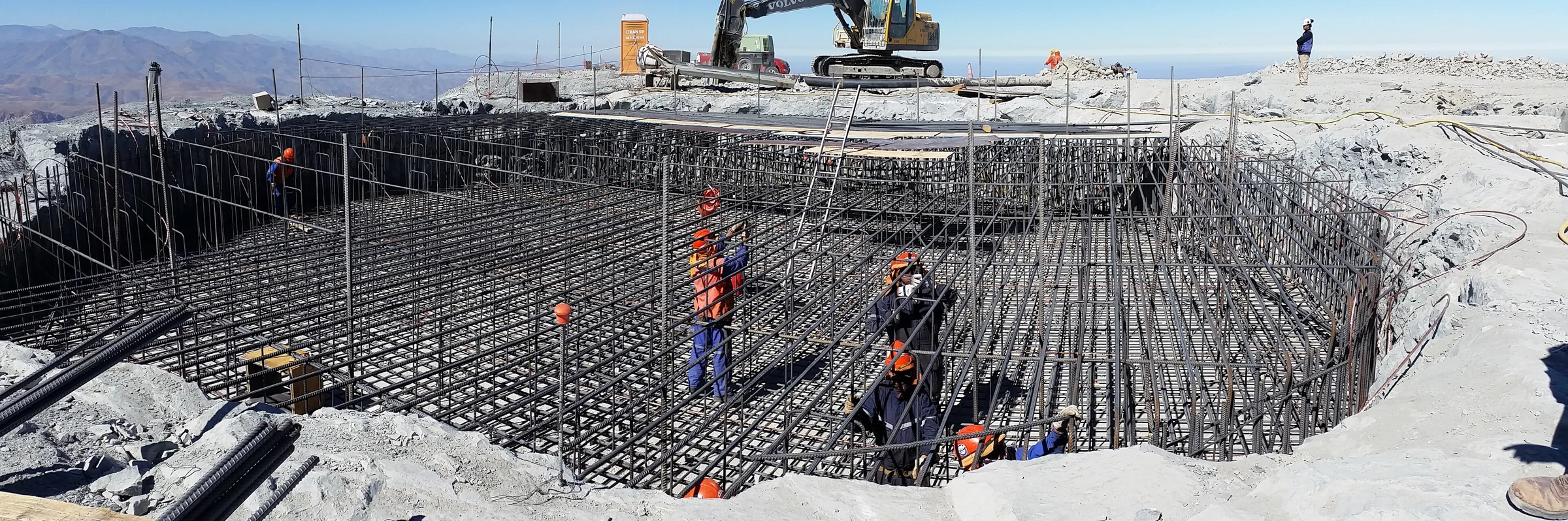
Commercial Development Concrete
Development work means long schedules, many inspections, and concrete that has to land in phases alongside every other trade. Coordination is most of the value.
Talk to us about the job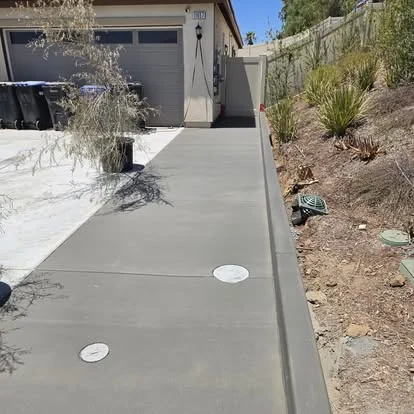


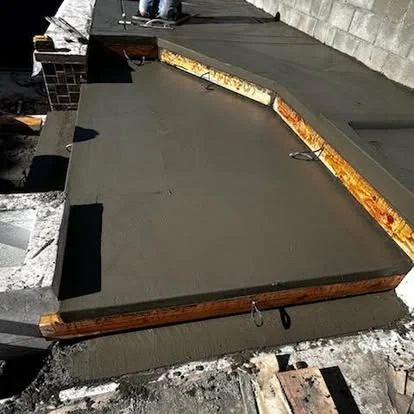
How the job runs
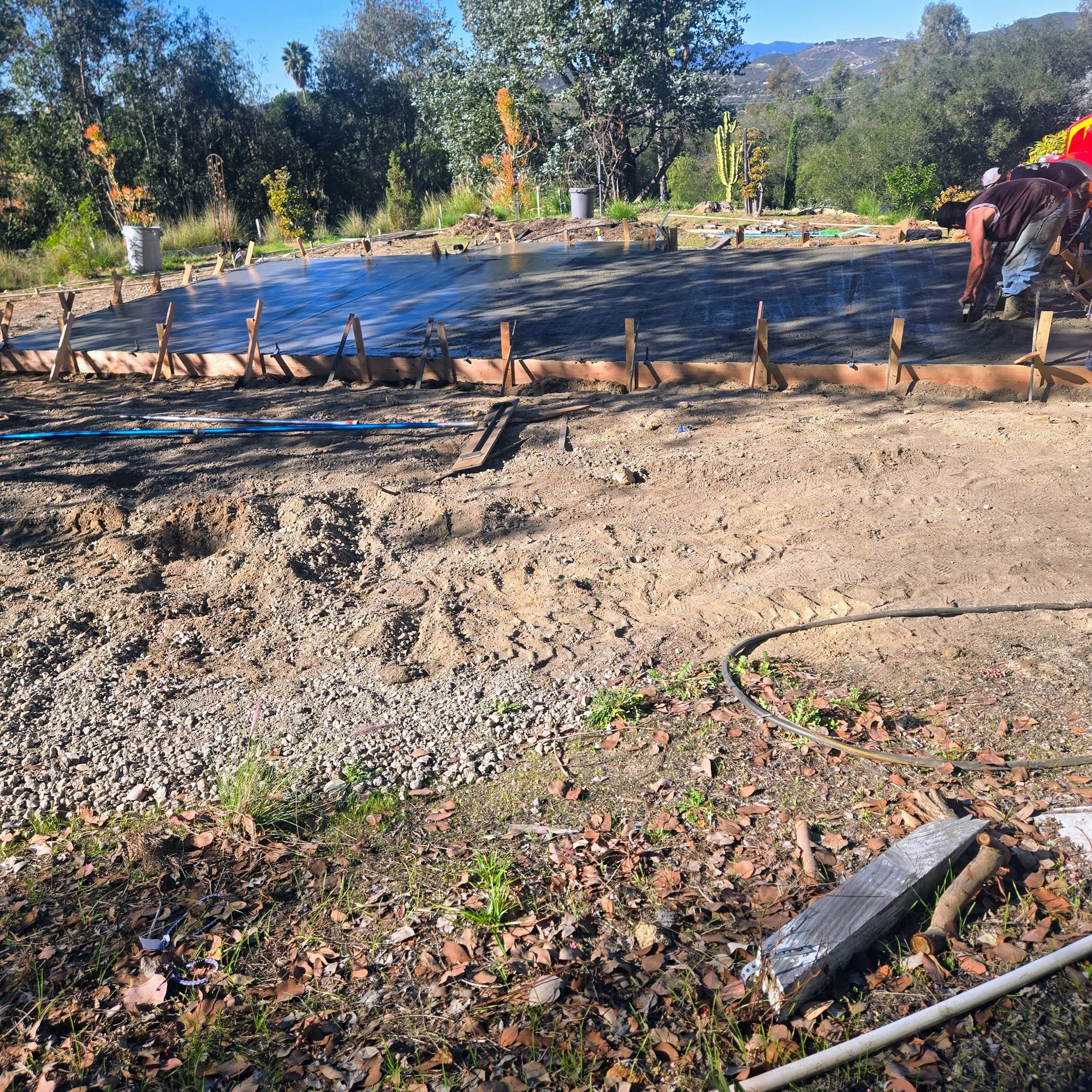
Walk the job first
Somebody comes out and looks at it. You cannot price concrete off a photo, because the questions that matter are what the ground is doing, where water goes, and how a truck gets in.
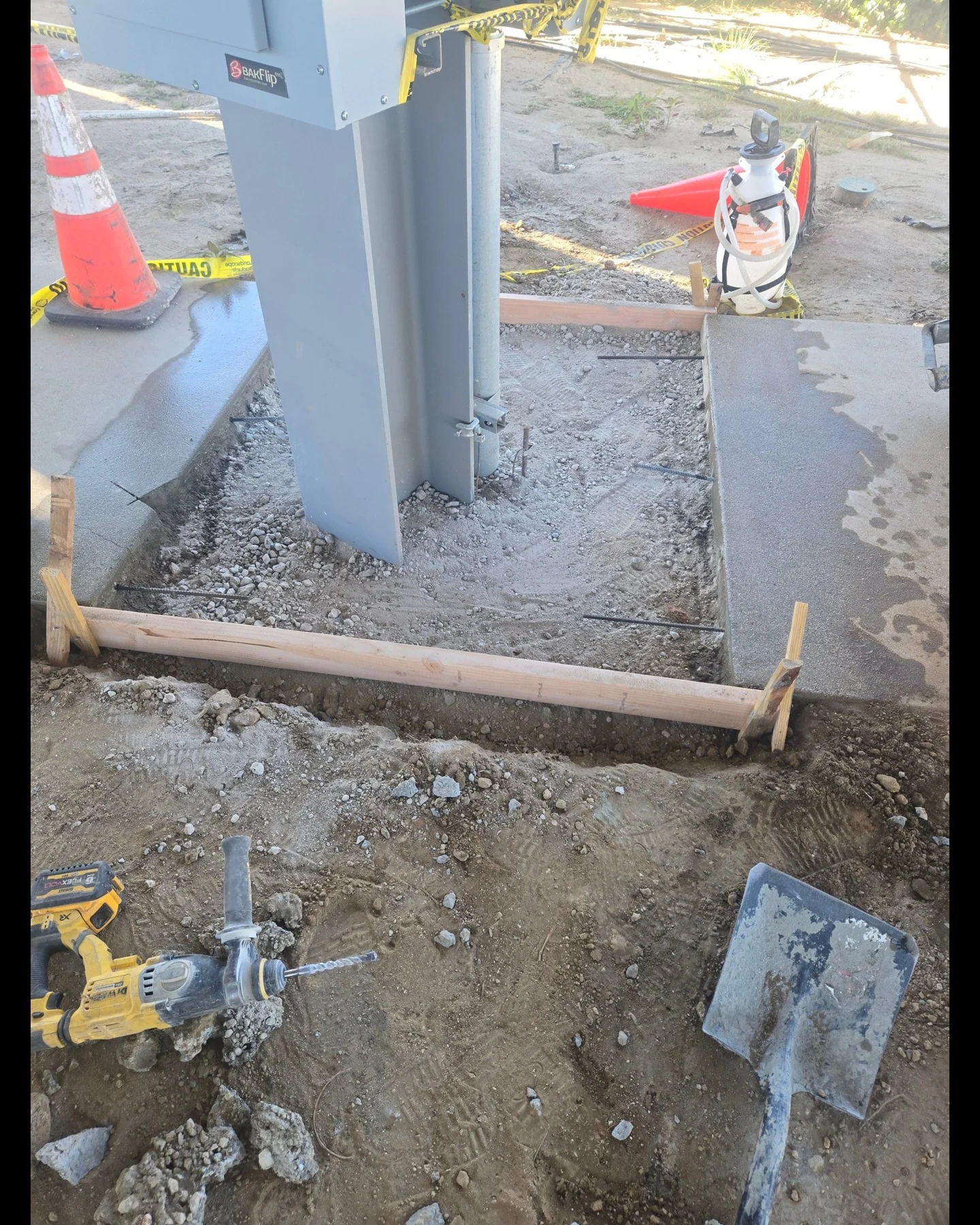
Say what it needs
We tell you what the job actually requires, including when that is less than you expected. A repair that will hold beats a replacement you did not need.
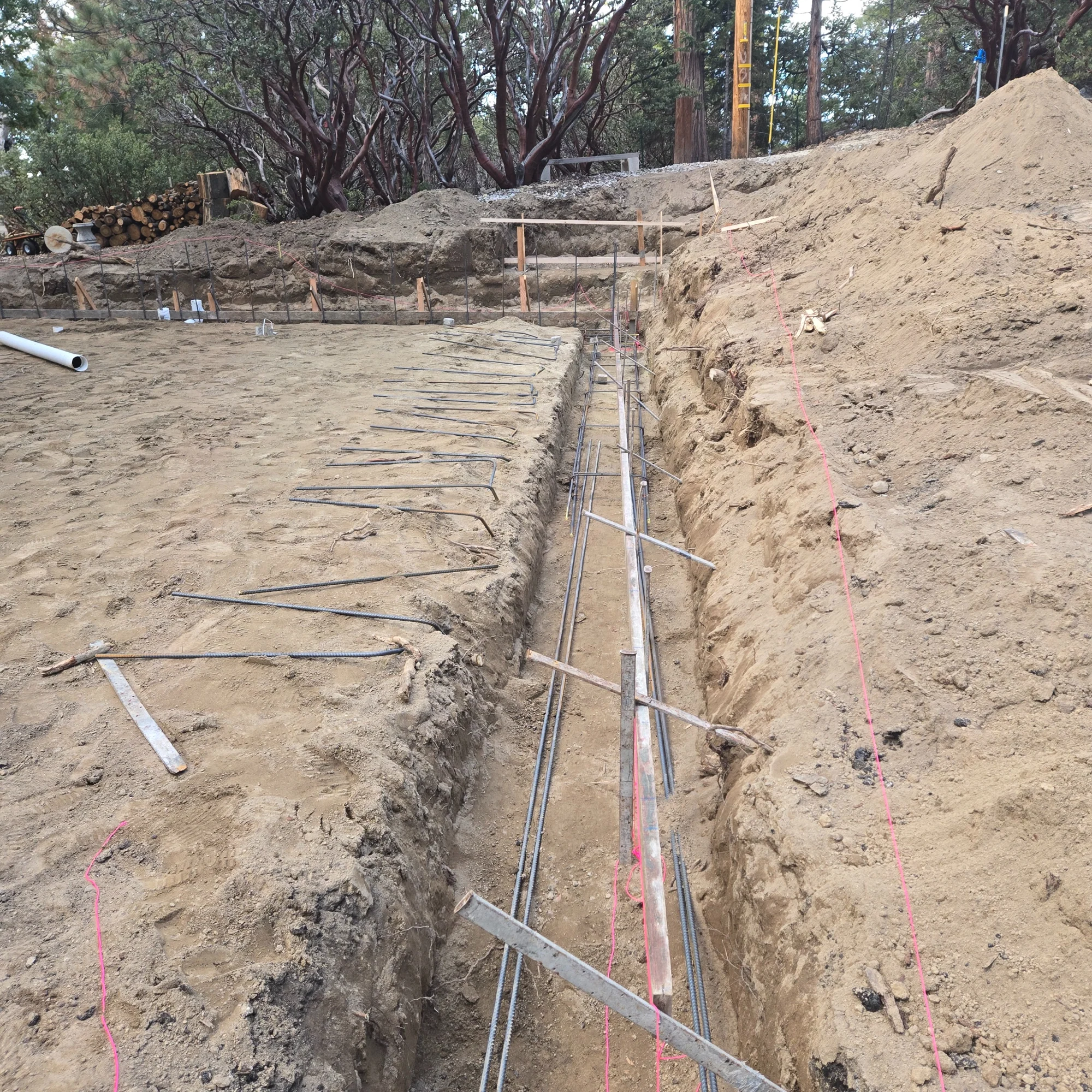
Build the base
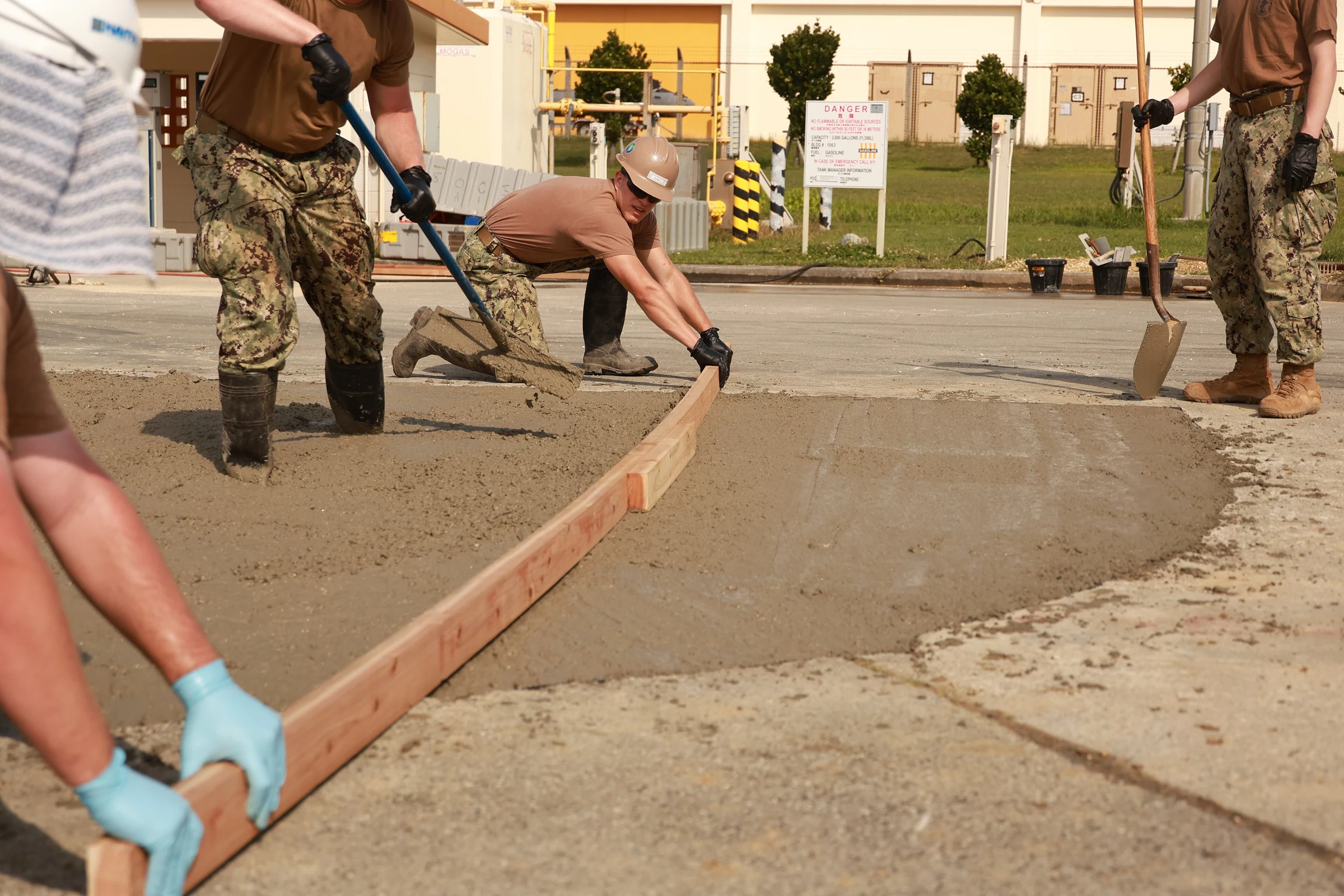
Grade, correct the soft spots, compact in lifts. This is the part nobody sees and the part that decides whether the slab is still flat in twenty years.
Form, steel, pour
Forms braced for real pressure, steel on chairs at the right height, then placed and consolidated properly. Then finished at the right moment, which is the part you cannot rush.
What this job actually needs
License, bond and insurance
California license 1137822, classification C-8 Concrete, with a contractor’s bond and workers compensation in place. Current certificates go out on request, and on public work the documentation requirements get met as specified.
Specifications and documentation
Institutional and public work is specification heavy. Mix tickets, inspection sign-offs and compliance records are part of what gets delivered alongside the finished concrete.
Working on an operating site
Phasing, access control, dust and noise management, and coordination with whoever runs the facility. On plant and campus work the coordination is harder than the pour.
Durability is the specification
Facility concrete is built for a service life under real abuse: point loads, impact, chemicals, thermal cycling. Mix design, thickness and joint detailing all follow from that rather than from appearance.
What decides whether it lasts
Concrete is judged on the surface and it fails from underneath. The base, the steel, the joints and the cure are the whole job. A slab that was poured on bad ground will tell you so, usually in the third or fourth year.
Why fourth generation matters here
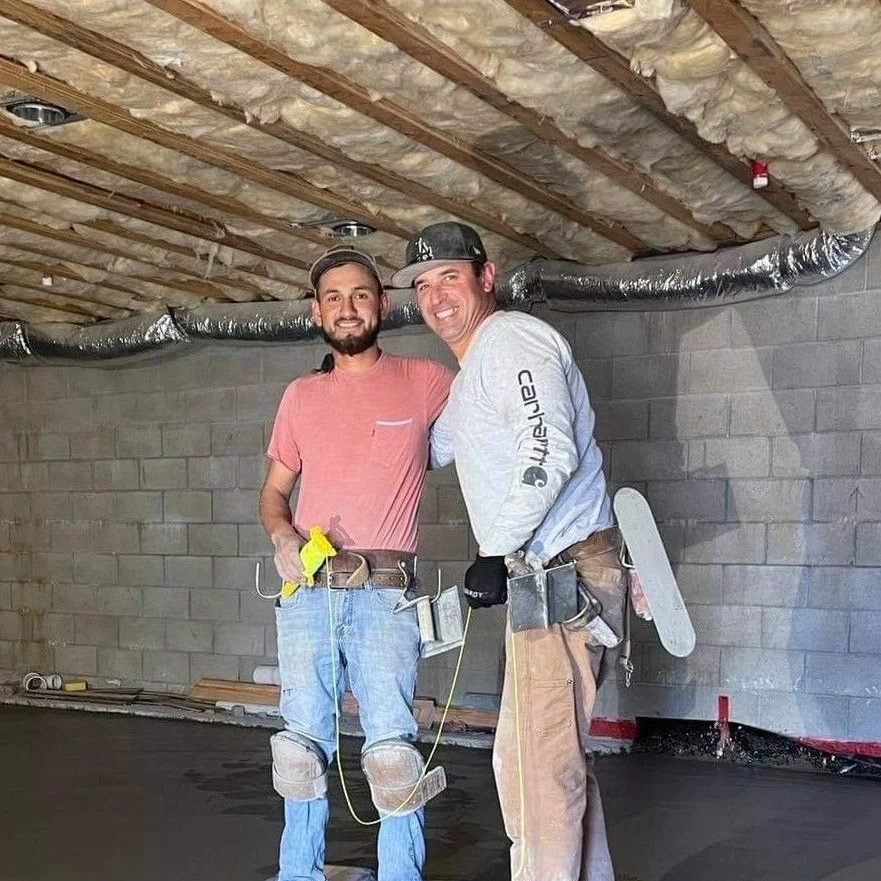
32 years on the tools means most of these problems have already been seen once. Reading a slab before quoting it is the part you cannot learn from a book, and it is the difference between a repair that holds and one that comes back.
What Southern California ground does to commercial development concrete
Drainage on a flat lot
Valley lots are often close to level, which makes slope hard to find and easy to get wrong. Low points, cross-fall and where water actually leaves the property get worked out before the pour, because once the concrete is down the drainage is permanent.
What lasts here
A properly based, properly jointed slab with reinforcement sized to the load will outlast the house it sits beside. The variables that decide it are all underneath and all invisible once the pour is done, which is exactly why they get cut on cheap jobs.
Irrigation against the slab
Almost every valley property waters something, and sprinklers running along a slab edge keep the base saturated year round. In expansive soil that is a slow way to undermine your own driveway. Where the water lands is worth looking at before blaming the concrete.
What the ground does here
The inland valleys run on expansive clay. It takes on water and swells, then dries out and shrinks, and it does that cycle every year. A slab poured on untreated clay rides that movement until something gives, which is why base preparation and reinforcement are the design rather than an upgrade. Where a soils report exists we build to it; where there is none, what we find during excavation tells us what the ground is going to do.
How concrete fails, and why
Cracks at re-entrant corners
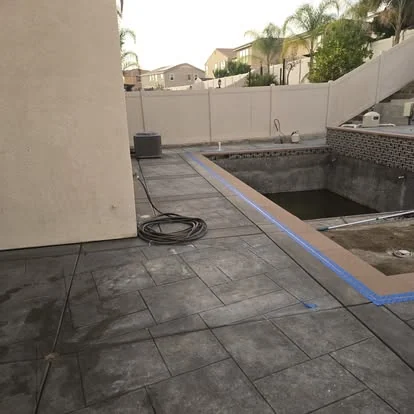
Any inside corner in a slab, around a pillar or at an L-shaped patio, concentrates stress. Concrete cracks diagonally out of those corners unless steel or a joint is placed to control it.
Water against the house
Flatwork that slopes toward a building sends water at the foundation. In expansive soil that is the most expensive drainage mistake available.
Tire marks and staining
Hot tires pull at a sealed surface and some sealers soften under them. On a garage floor the finish and the sealer choice both matter for that reason.
Sunken sections around utilities
Trenches backfilled loosely settle for years. Anything poured over a recent trench needs that backfill compacted properly first.
How a job runs
Scheduling
Weather moves concrete dates, particularly in summer. We would rather move a pour than place into conditions that will not finish or cure properly.
Site access
A mixer is a large, heavy vehicle. Where it can park and how far the concrete has to travel changes the method and sometimes the price. That is worked out in advance.
Concrete cracks. The job is deciding where.On the material
Protecting what stays
Existing flatwork, landscaping, and anything we are working next to gets protected. Concrete is messy while it happens.
Curing time
The slab is not finished when it looks finished. Curing continues for weeks and how it is protected in the first days affects the surface for the life of it.
Other industries work
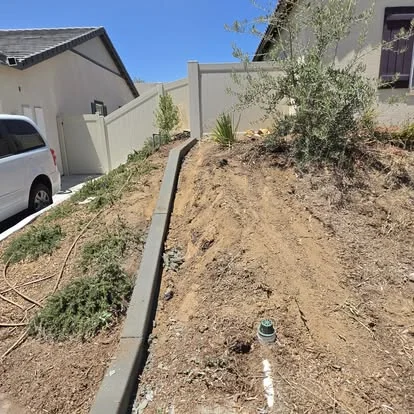
Apartment Complex Concrete
Foundations, walks, drives and pads across a whole complex.
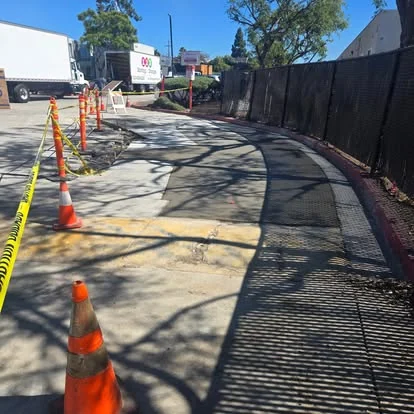
Retail Center Concrete
Storefront walks, drives, and service areas.
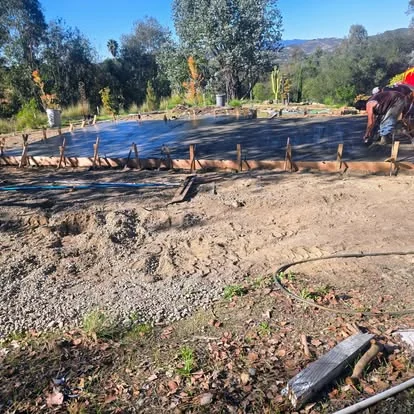
Office Building Concrete
Foundations, walks and parking for office property.
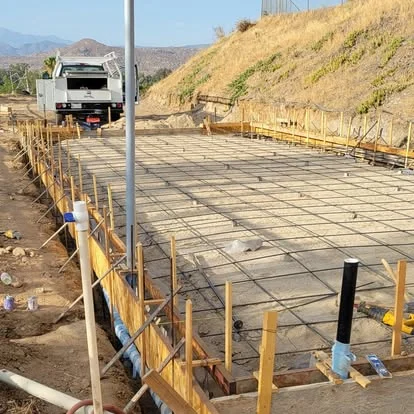
Warehouse Concrete
Slabs, docks and aprons for distribution buildings.
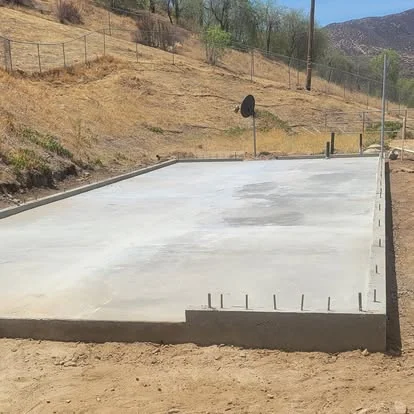
Industrial Facility Concrete
Concrete inside and around working plants.
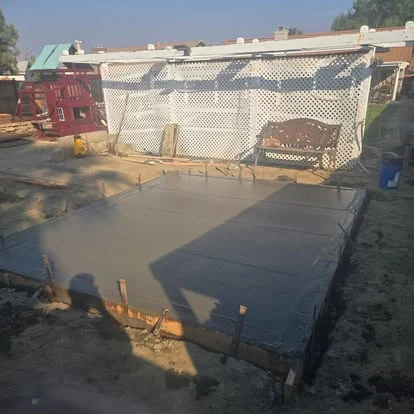
Restaurant Concrete
Patios, walks, and service-side flatwork.

School Institutional Concrete
Campus flatwork built to public specs and tight windows.
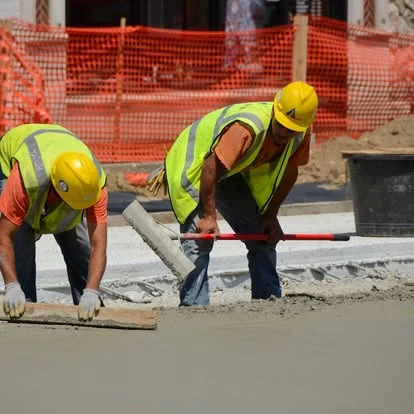
Municipal Concrete
Public work built to the agency’s standard drawings.
Straight answers
How do you work around an operating facility?
Phased, scheduled, and coordinated with whoever runs the site. On plant work the coordination is usually harder than the concrete.
What documentation do we get?
Mix tickets, inspection sign-offs and compliance records as the specification requires, alongside the finished work.
Can you meet a public agency specification?
Yes. Municipal and public work gets built to standard plans with inspection at each stage, and the documentation is part of what gets delivered.
Do you handle prevailing wage projects?
Public work carries its own contracting and reporting requirements and we work to them. Ask us about a specific project and we will be straight about fit.
Do you carry the license and insurance for commercial work?
Yes. California license 1137822, classification C-8 Concrete, with a contractor’s bond and workers compensation in place. We will send current certificates on request.
Tell us what the job is
We walk the job, tell you what it needs, and give you a number. Hemet and roughly 100 miles around it.