
Everything we pour
130 services, residential and commercial. Driveways and patios through structural concrete, site work and public works.
Talk to us about the job
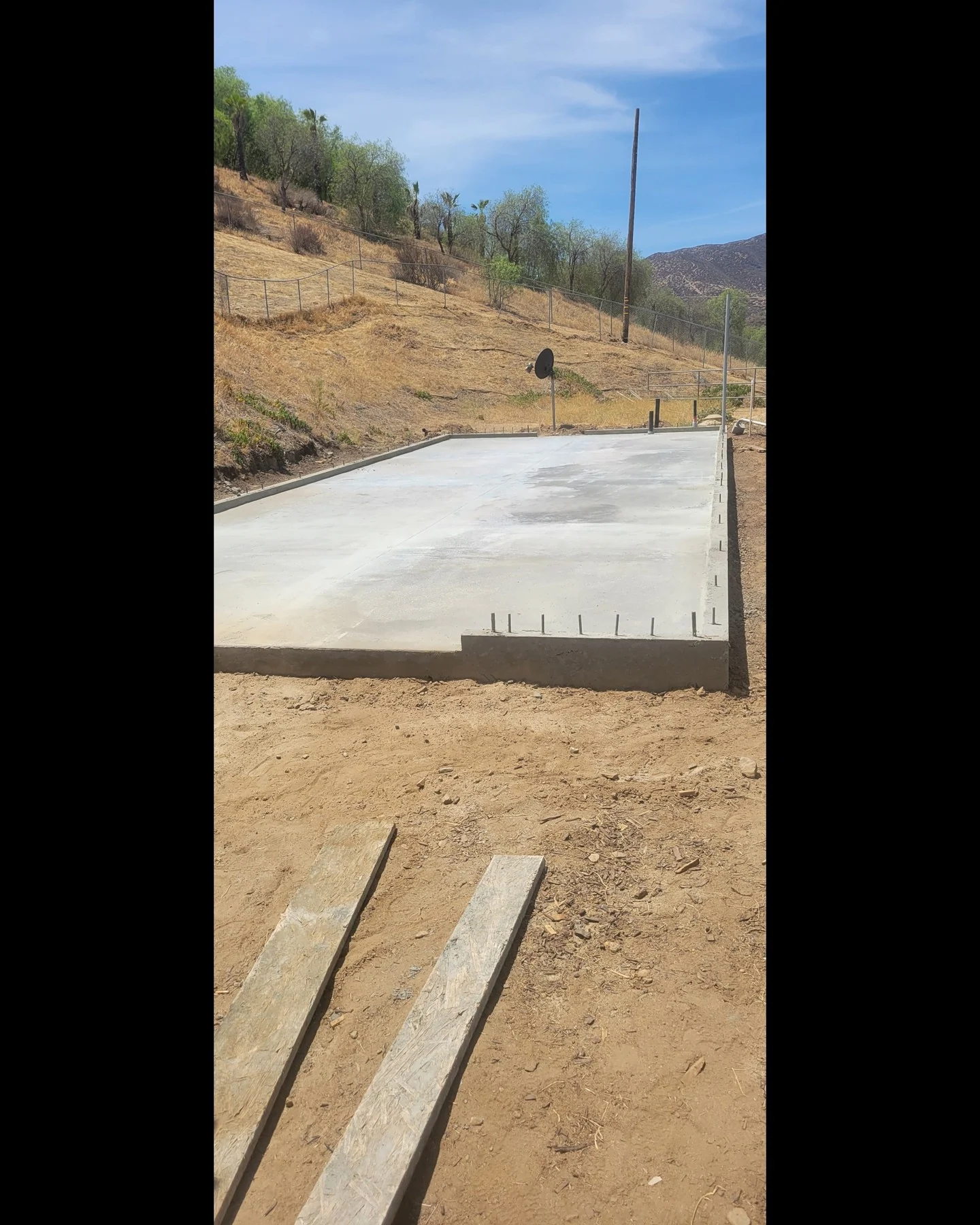

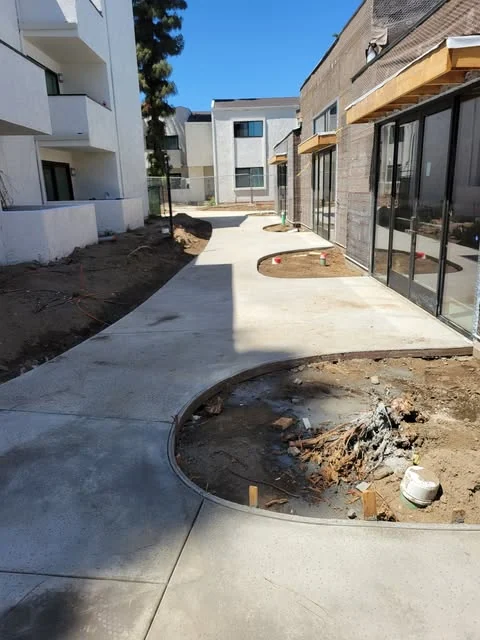
Residential
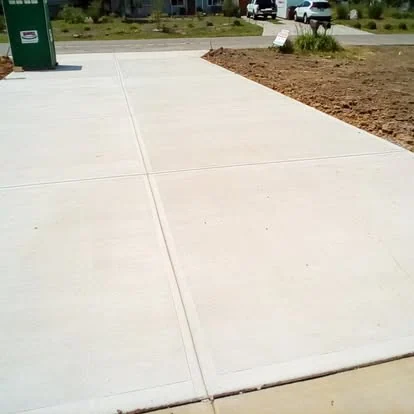
Concrete Driveways
The slab that carries a car every day of its life.
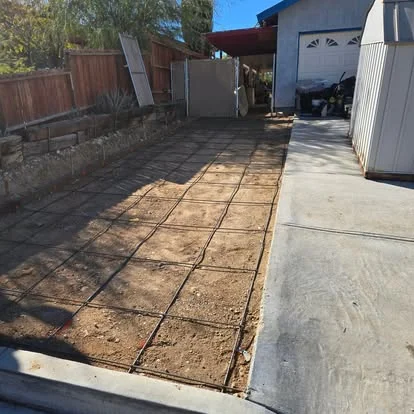
Concrete Driveway Replacement
Out to the dirt, rebuilt from the base up.
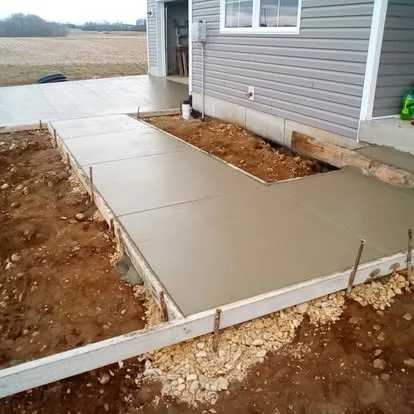
Concrete Driveway Repair
Fix what is broken and leave what is sound.
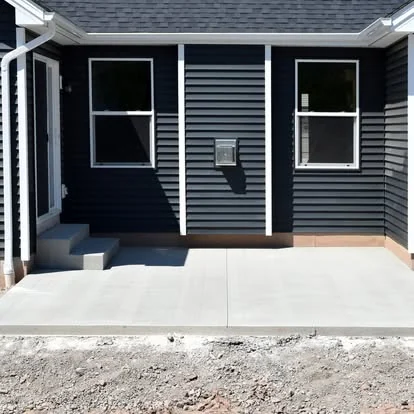
Concrete Patios
The outdoor room that starts as a flat pour.
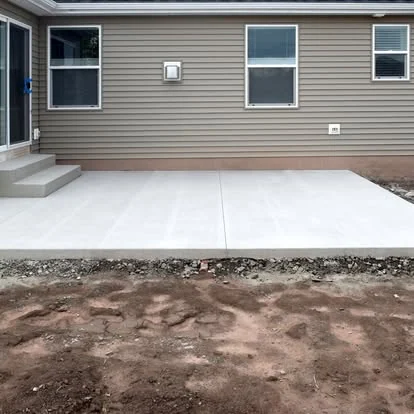
Concrete Patio Replacement
Take out the old slab, pour the one you actually wanted.
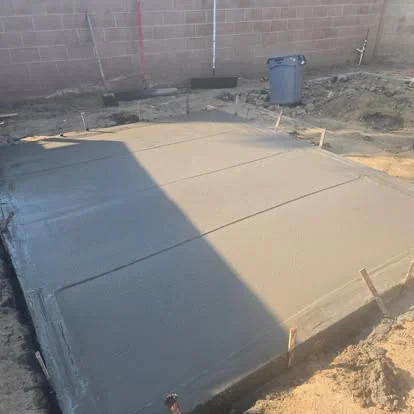
Concrete Patio Repair
Cracks, settled corners, and surfaces that have gone rough.
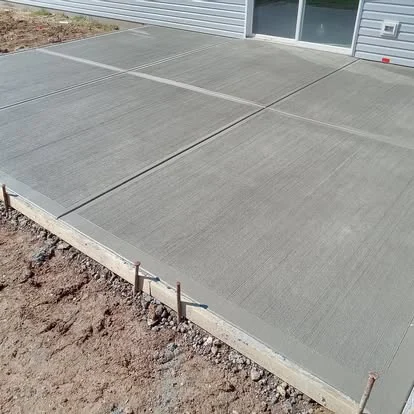
Concrete Walkways
Getting from the street to the door without a trip hazard.
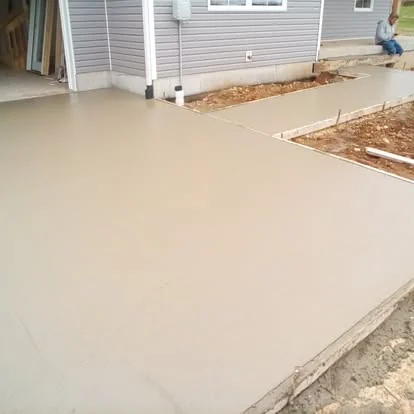
Concrete Sidewalks
Public-facing flatwork built to the spec the city will inspect.
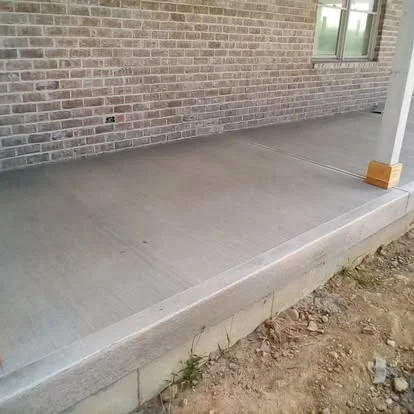
Concrete Sidewalk Repair
Lifted, cracked, or spalled panels made safe again.
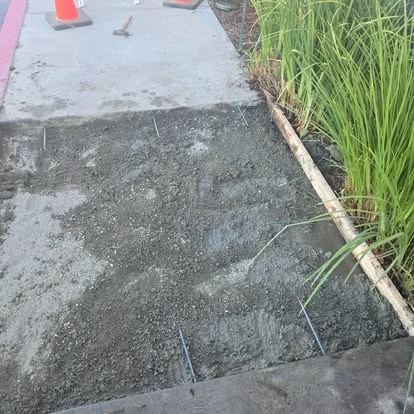
Concrete Sidewalk Replacement
Panel by panel, or the whole run.
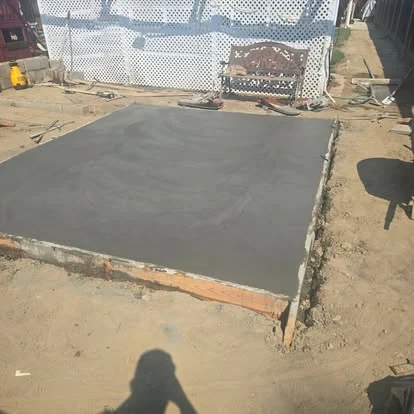
Concrete Steps
Rise and run the same on every step, which is the whole job.
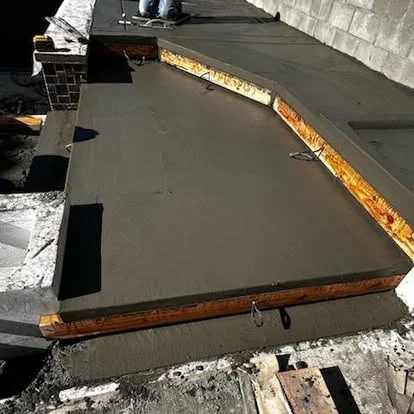
Concrete Stairs
A formed flight that carries load and holds its geometry.
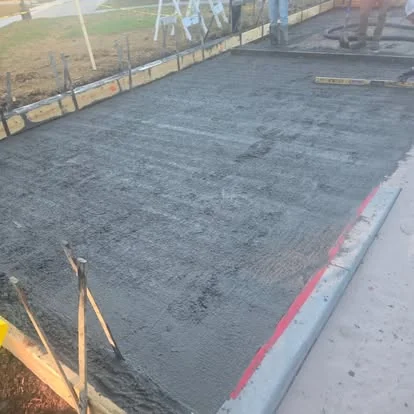
Front Porches
The first slab anybody sees.
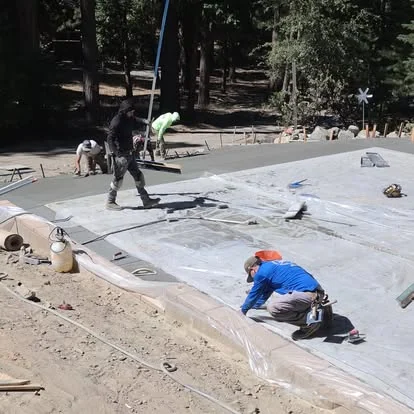
Back Porches
The slab that gets lived on.

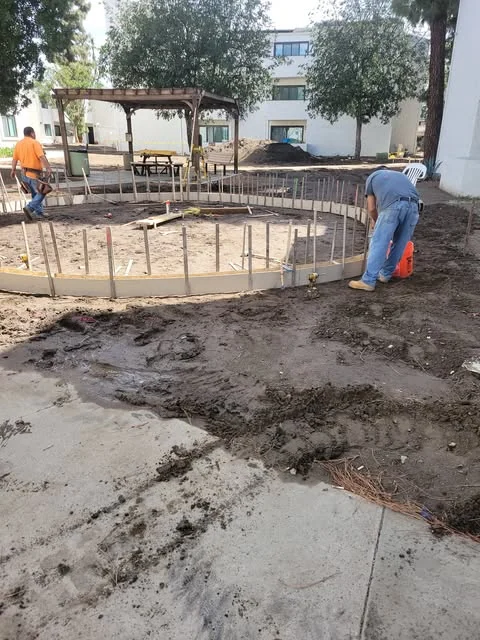
Concrete Courtyards
An enclosed slab where drainage has nowhere obvious to go.
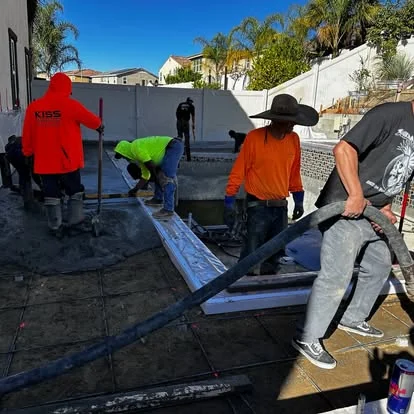
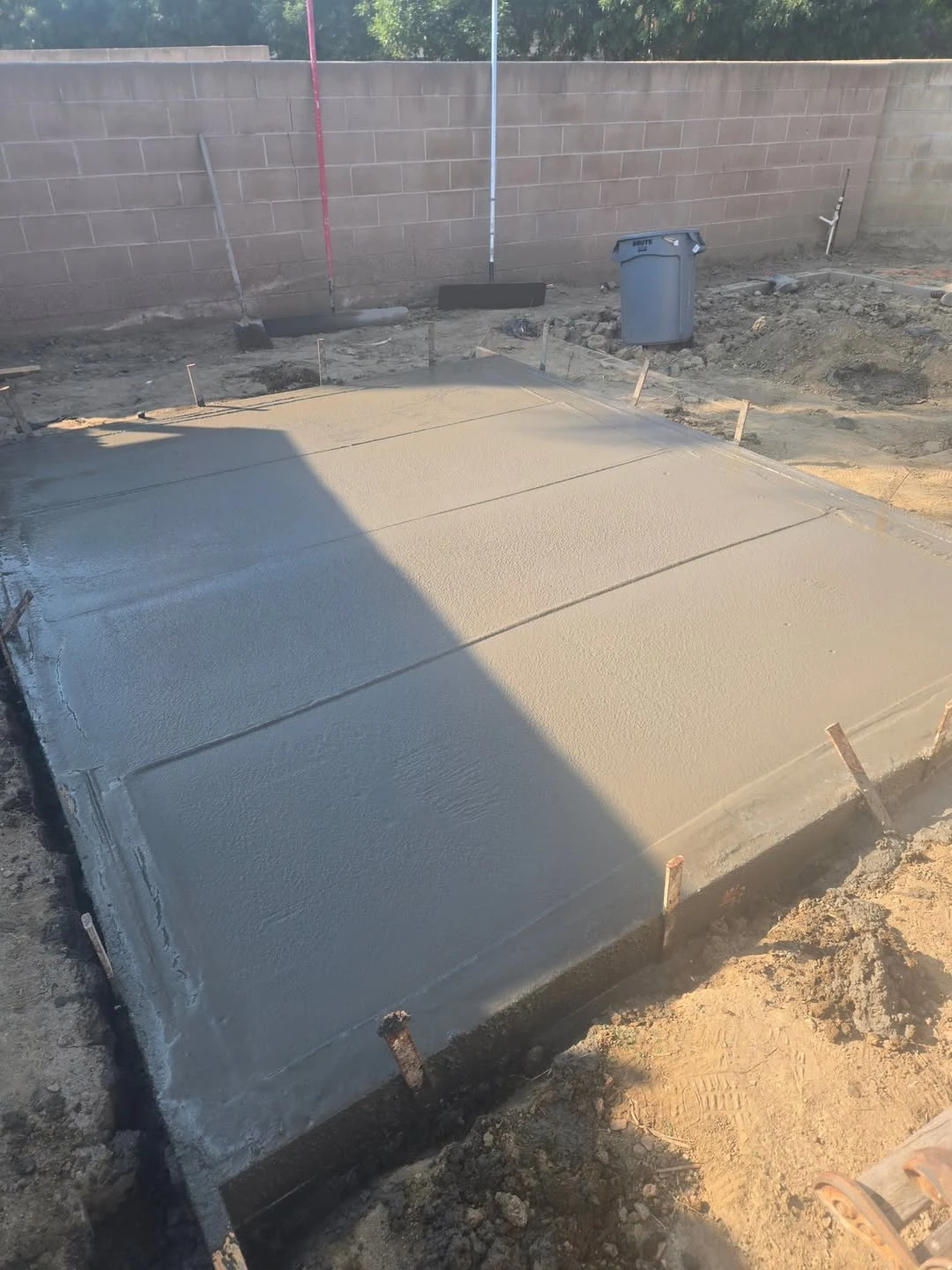
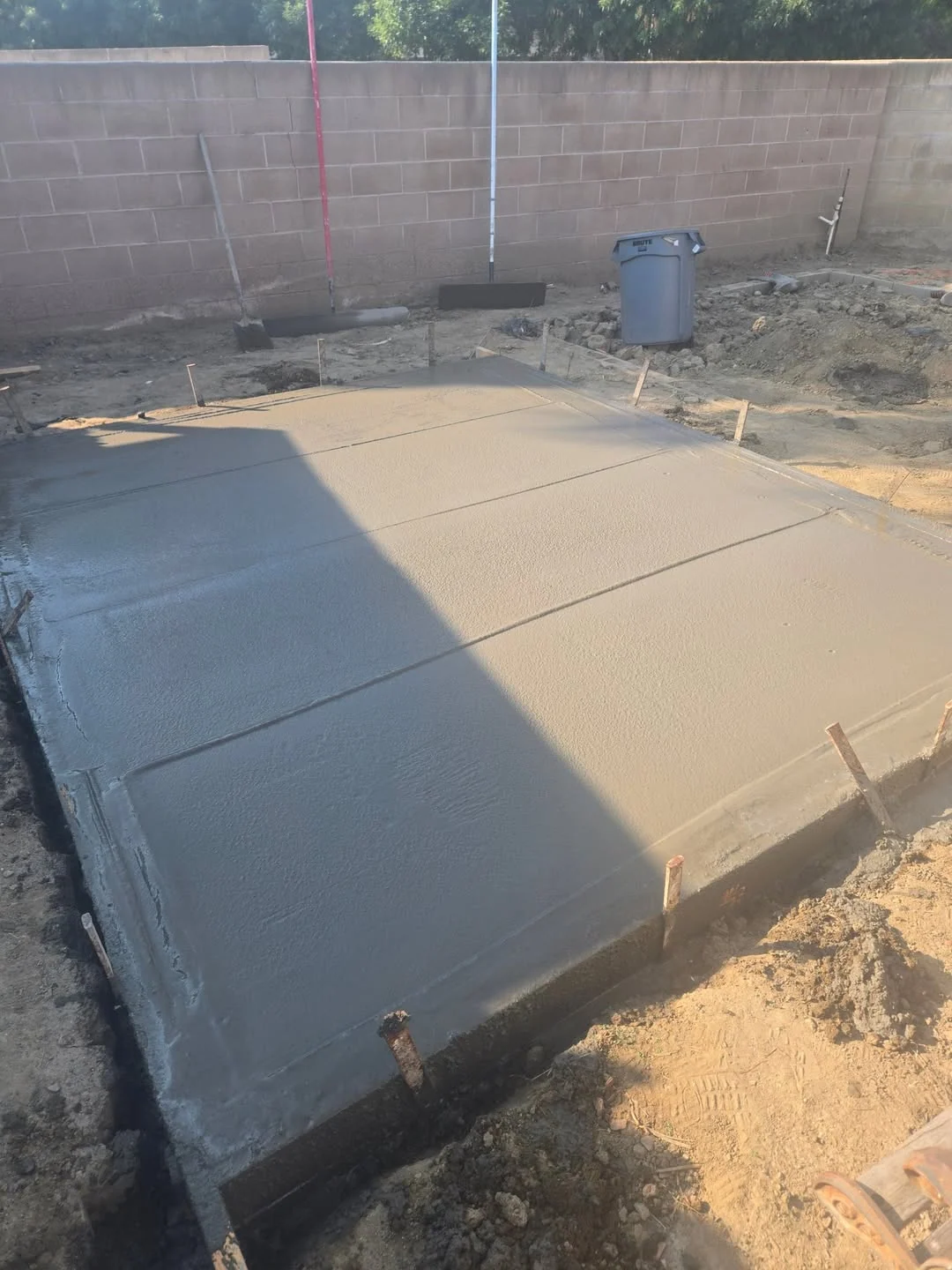
Concrete Slabs
The flat pour everything else is a version of.
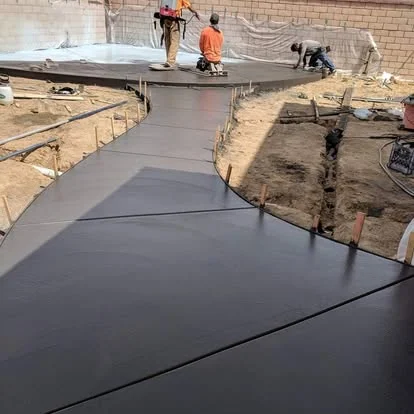
Concrete Slab Repair
Cracks and surface failure on a slab worth keeping.
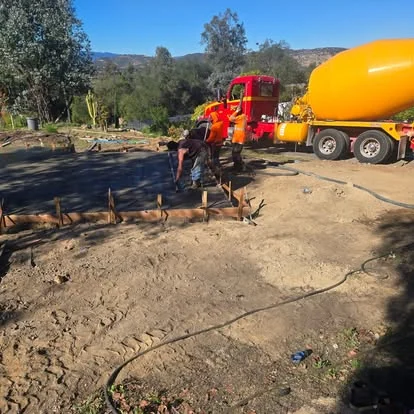
Concrete Slab Replacement
When the base failed, the slab follows.
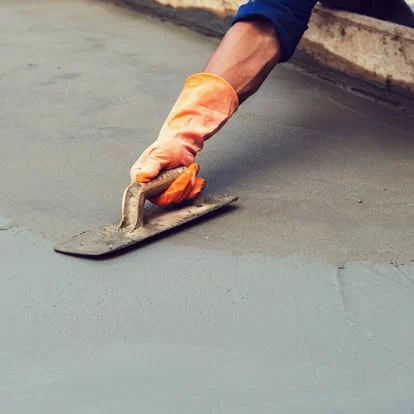
Garage Floors
Hot tires, dropped tools, and whatever ran off the car.

Garage Aprons
The strip between the driveway and the garage door.
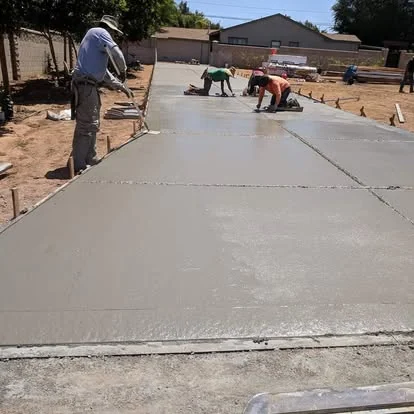
Basement Floors
A slab poured inside, where moisture has nowhere to go.
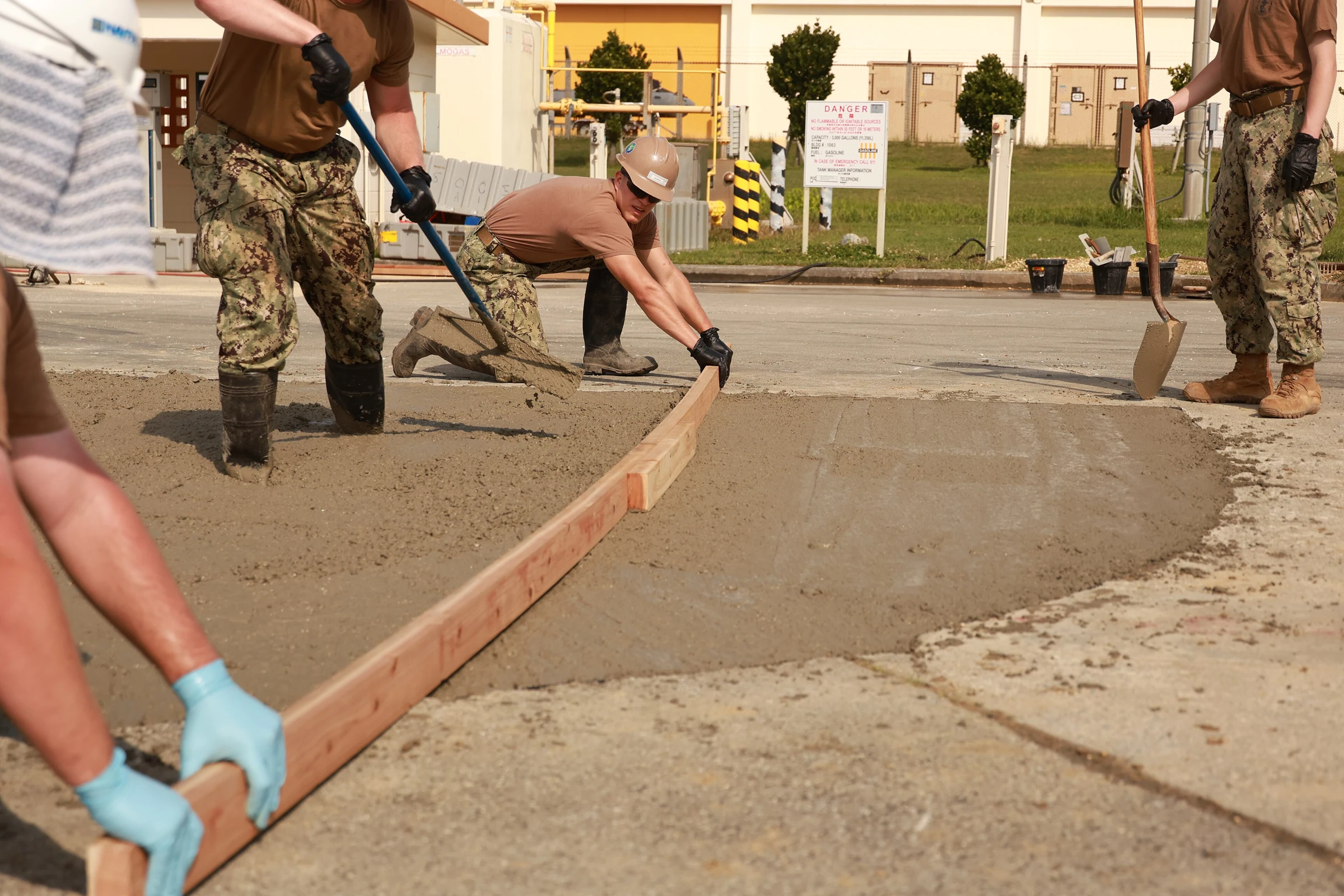
RV Pads
Heavy, concentrated, parked in one place for months.

Boat Pads
Trailer tongue weight and a slab that has to stay level.
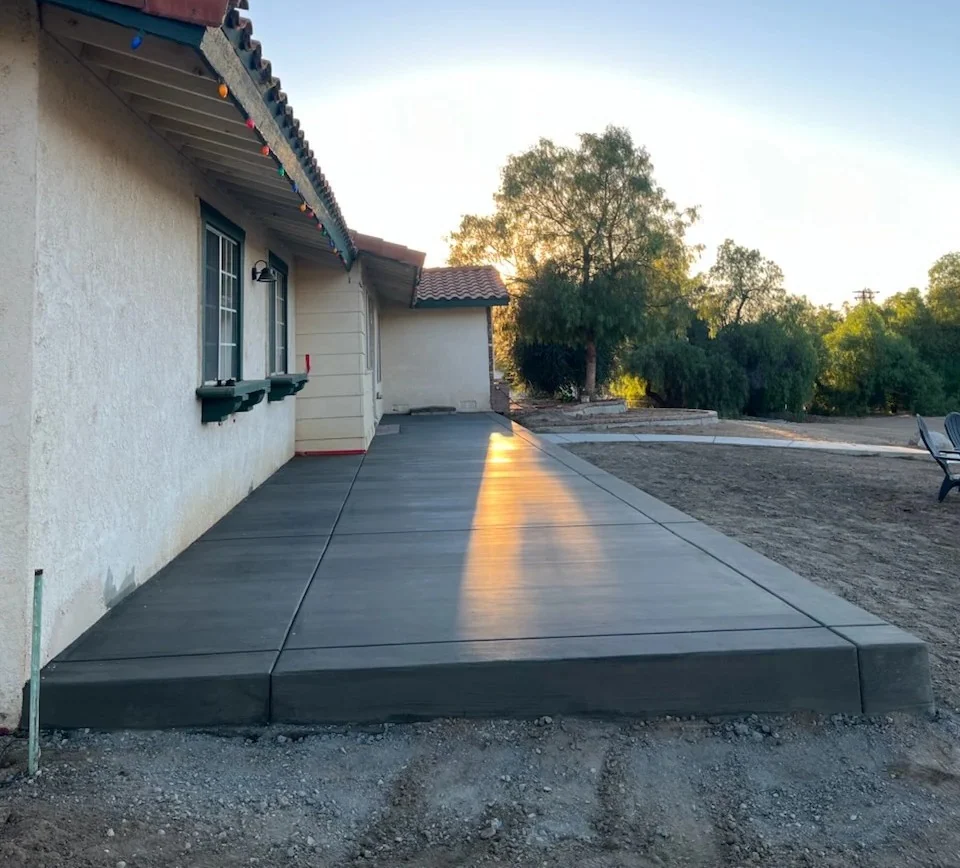
Parking Pads
Extra parking that is not the driveway.
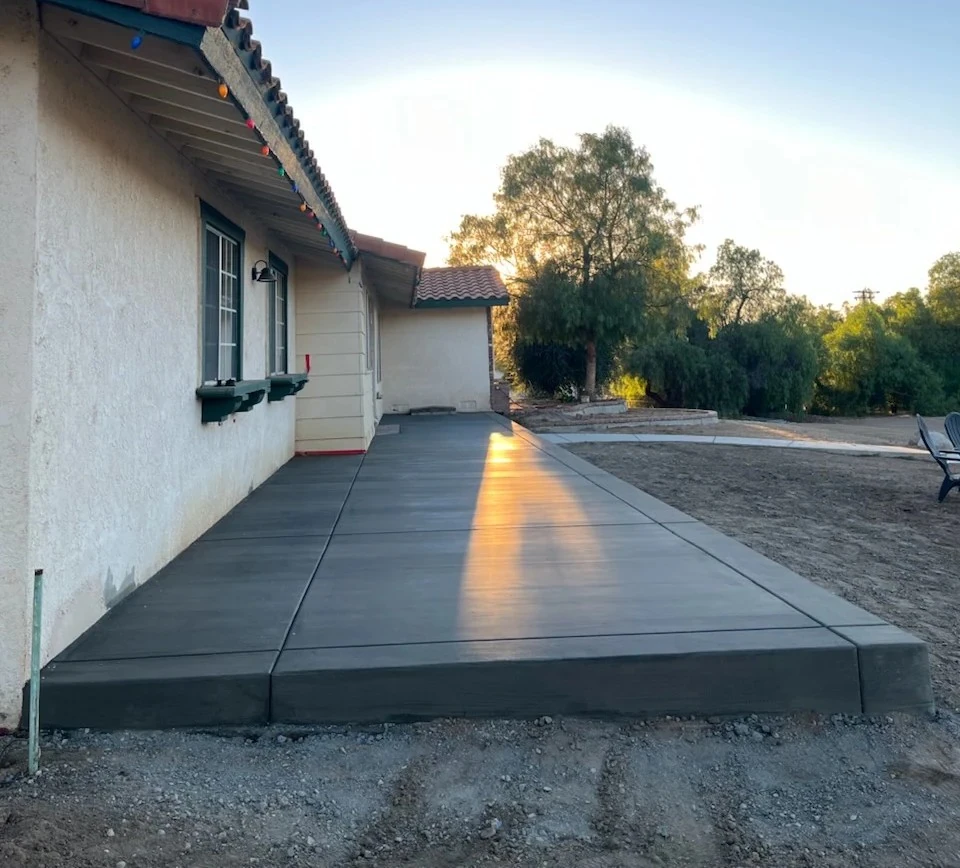
Concrete Pool Decks
Wet feet, chemicals, and sun all year.
Concrete Pads
A pad sized to the thing that is going on it.
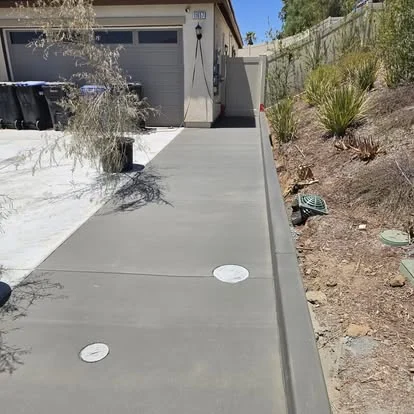
Residential Concrete Flatwork
All the flat concrete around a house, done by one crew.
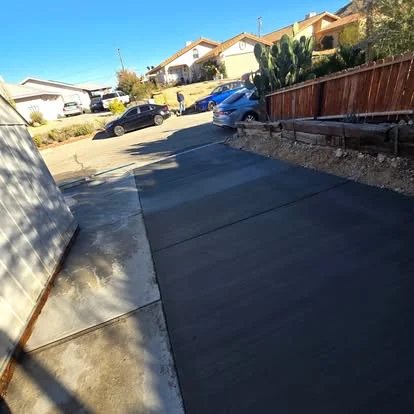
Backyard Concrete
The whole back of the property, planned as one pour.
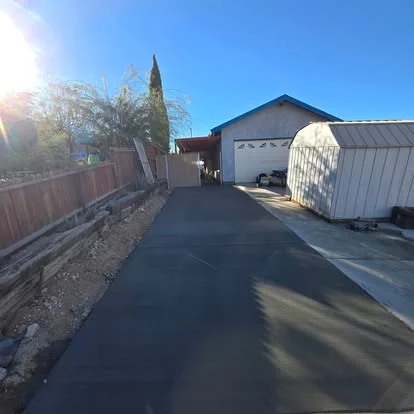
Outdoor Living Concrete
Kitchens, fire features, and seating built on concrete.
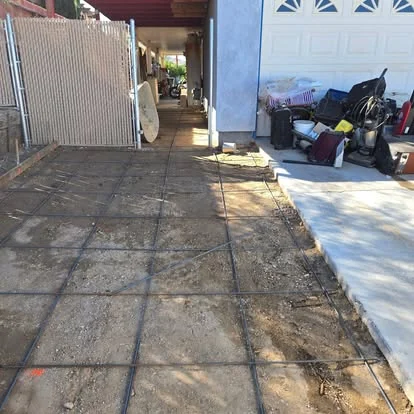
Concrete Repair
Fix the concrete that is worth fixing.
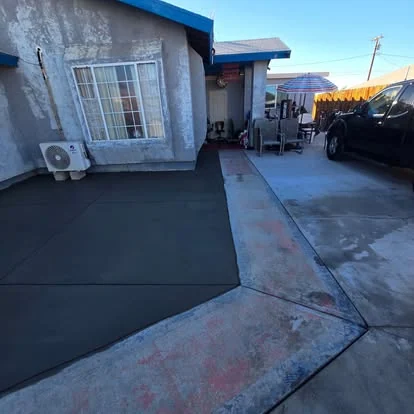
Concrete Crack Repair
Some cracks are cosmetic. Some are a message.
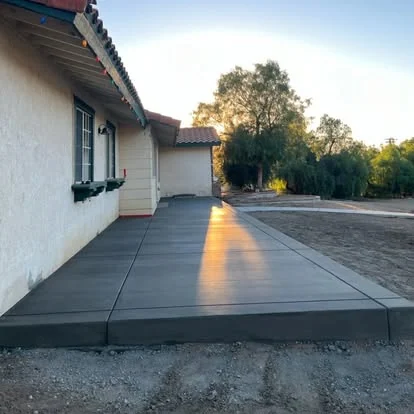
Spalled Concrete Repair
Surface flaking down to the aggregate.
Settled Concrete Repair
The slab dropped because something under it did.
Uneven Concrete Repair
Lips, trip hazards, and panels out of plane.
Concrete Joint Repair
The joints fail before the concrete does.
Concrete Resurfacing
A new surface on a sound slab.
Concrete Leveling
Lifting a slab back to where it started.
Concrete Grinding
Taking down high spots and trip lips.
Concrete Sealing
Keeping water out of the pores.
Concrete Replacement
Out with the old slab, in with one built right.
Concrete Removal
Break it out, haul it off, leave it clean.
Concrete Demolition
Controlled demolition, including reinforced sections.
Concrete Saw Cutting
A straight, clean cut to a measured depth.
Expansion Joint Installation
Giving the slab somewhere to go.
Control Joint Installation
Deciding where the crack goes.
Concrete Foundations
Everything above it depends on this.
Concrete Foundation Repair
Cracks, movement, and what is under the footing.
Concrete Footings
The spread that carries the load into the ground.
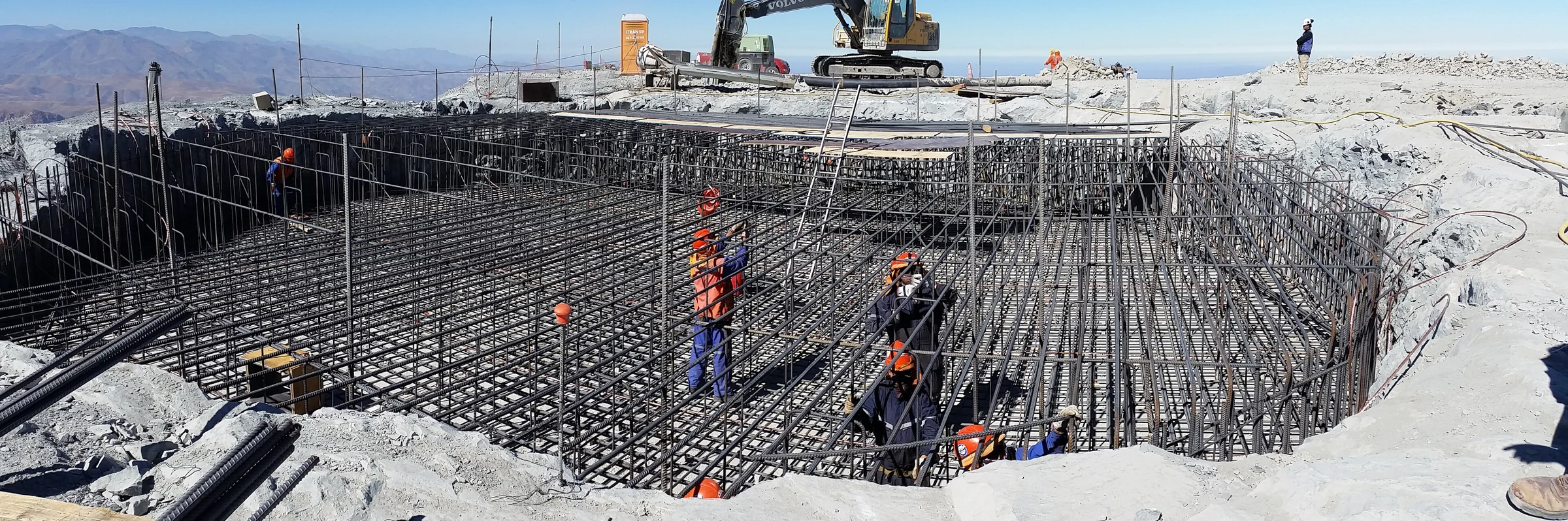
Stem Walls
The wall between footing and floor.
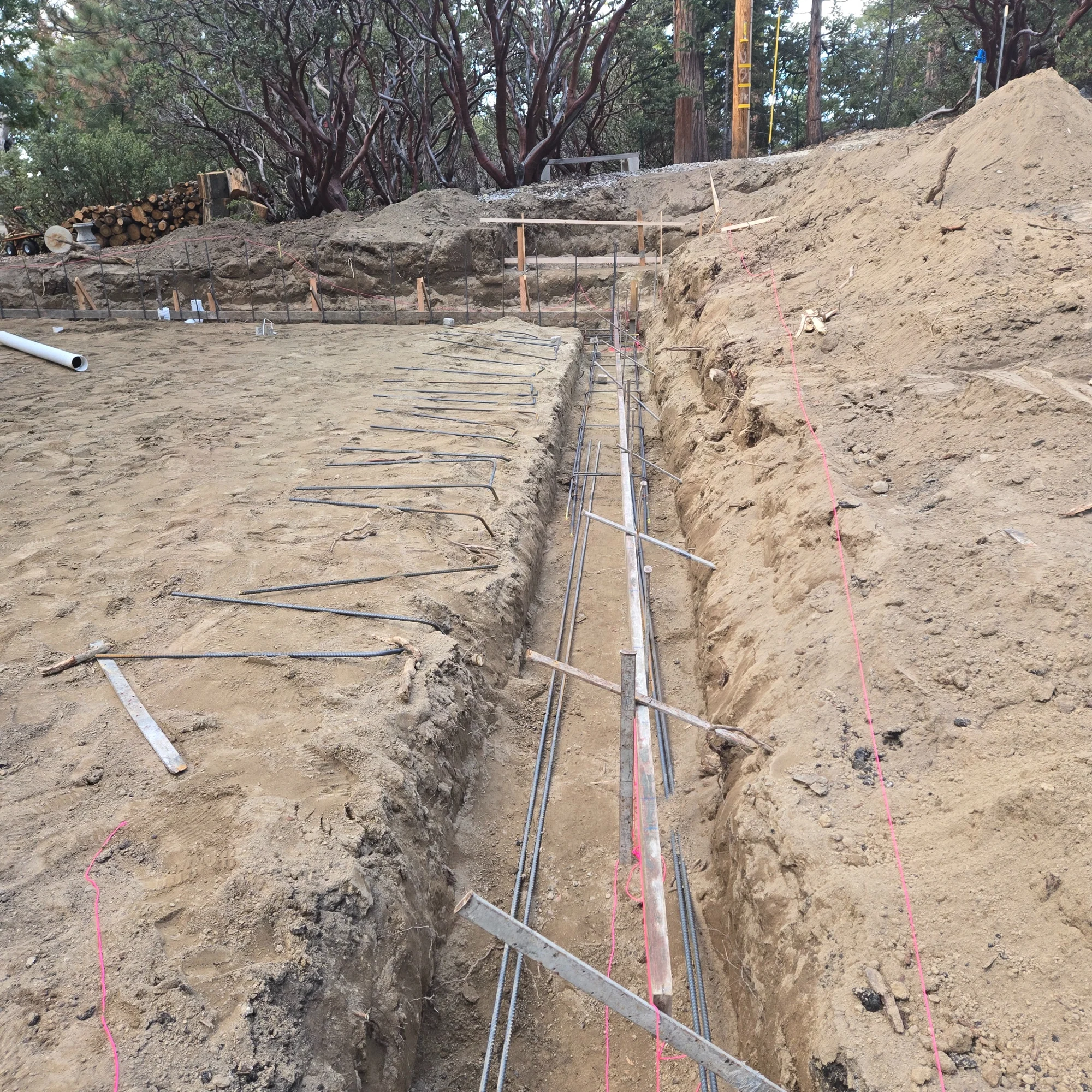
Foundation Walls
Formed walls that retain soil and carry structure.
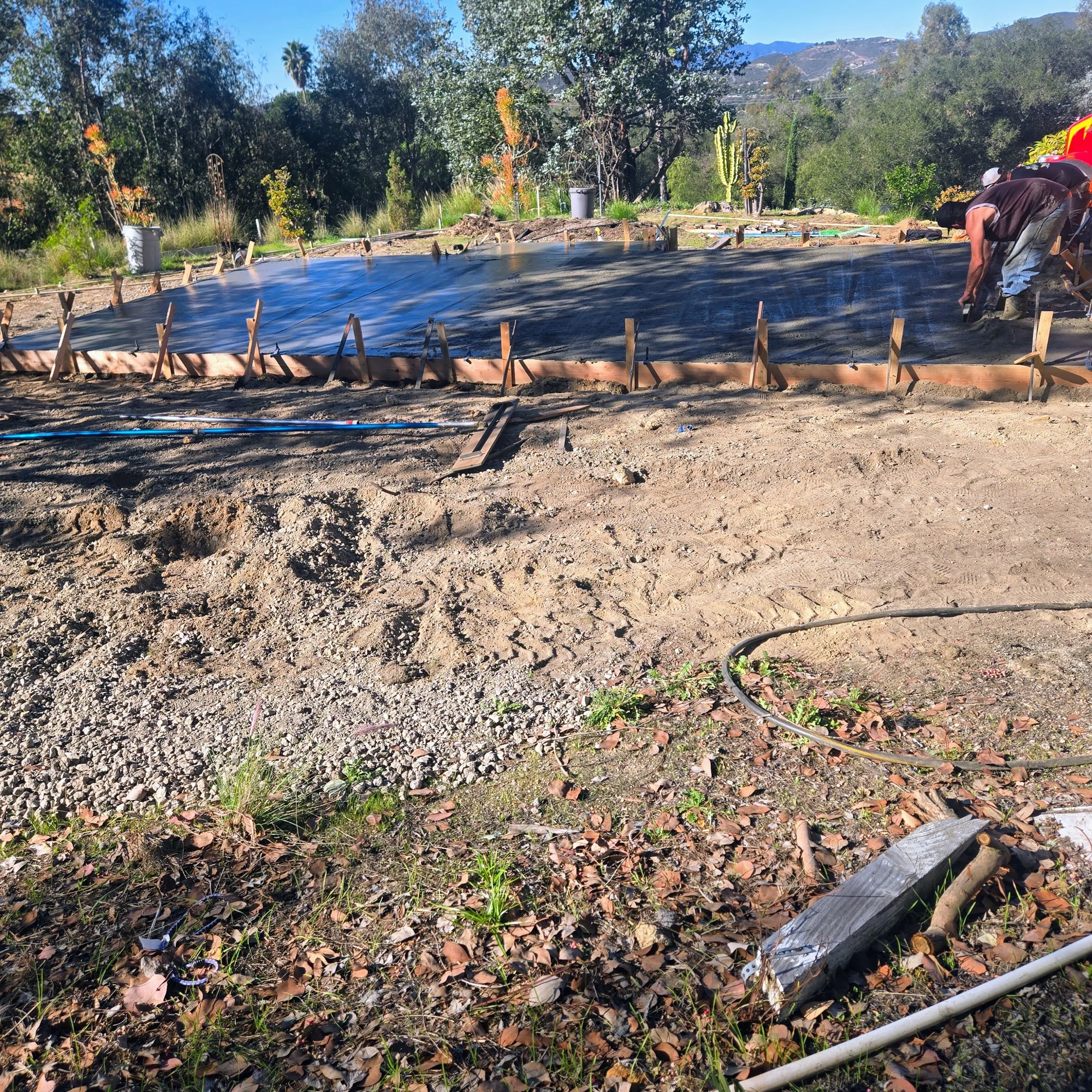
Slab-On-Grade Foundations
Footing and floor in one integrated pour.
Concrete Walls
Formed, poured, and straight.
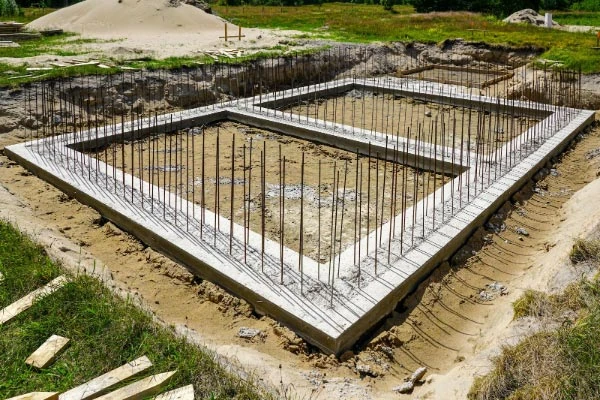
Concrete Retaining Walls
Holding a grade change without moving.
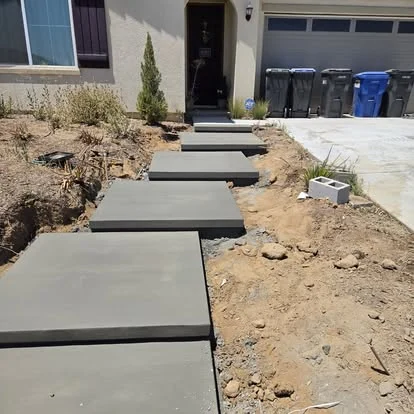
Stamped Concrete
Texture pressed into the slab while it is still open.
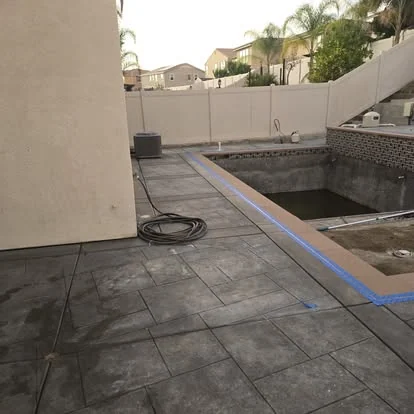
Colored Concrete
Color through the mix or worked into the surface.

Exposed Aggregate Concrete
Washing back the paste to show the stone.
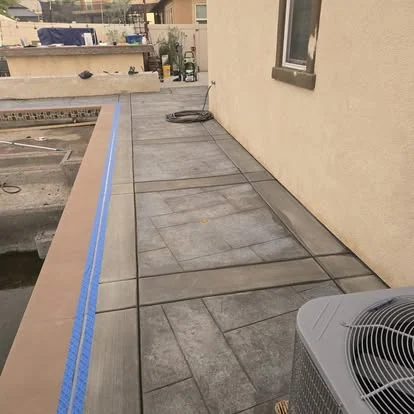
Broom-Finished Concrete
The working finish, done well.
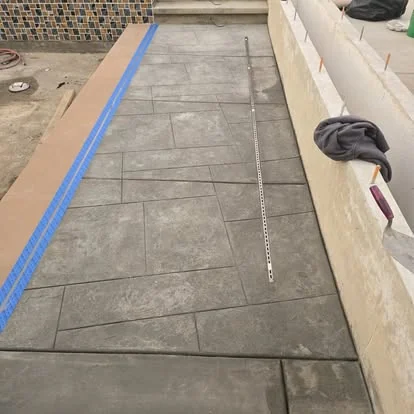
Salt Finish Concrete
Rock salt pressed in, then washed out.
Sand Finish Concrete
A fine, even surface texture.
Polished Concrete
Grinding the slab itself to a finish.
Concrete Overlays
A thin new wearing surface, bonded down.
Epoxy-Ready Concrete Floors
A slab finished so a coating will actually bond.
Custom Home Concrete
One-off houses where nothing is a standard detail.
ADU Concrete
Foundations and flatwork for accessory dwellings.
Hillside Concrete
Sloped sites, stepped footings, and retained grade.
A slab with no cracking plan will still crack. It just picks the place.On control joints
Commercial
Commercial Concrete Flatwork
Flatwork built to a plan set and an inspection.
Commercial Concrete Slabs
Slabs sized for racking, equipment, and forklifts.
Commercial Concrete Foundations
Footings and stem walls under a commercial structure.
Commercial Sidewalks
Walks that carry public traffic and public liability.
Commercial Patios
Restaurant and retail patios built for daily traffic.
Concrete Parking Lots
Concrete instead of asphalt, for the life of it.
Concrete Parking Lot Repair
Failed panels replaced without closing the whole lot.
Concrete Parking Lot Replacement
A full lot rebuilt on a schedule that keeps you open.
Concrete Loading Docks
The most abused concrete on any commercial property.
Dumpster Pads
A truck, a full bin, and the same spot every week.
Equipment Pads
A level base for machinery that cannot move.
Transformer Pads
Utility pads built to the utility’s drawing.
Utility Pads
Pads for meters, generators, and mechanical gear.
Bollard Foundations
The concrete that stops a vehicle.
Concrete Trash Enclosures
Walls, slab, and apron as one detail.
Concrete Aprons
The transition slab that takes the worst of it.
Drive Approaches
Where private property meets the public street.
Concrete Curbs
Extruded or formed, straight and true.
Concrete Gutters
Moving water where the grade will not.
ADA Concrete Ramps
Built to the slope the tape measure will confirm.
ADA Sidewalks
Accessible routes that hold their tolerances.
Warehouse Floors
Flat enough for racking and hard wheels.
Industrial Floors
Impact, chemicals, and equipment loads.
Industrial Concrete
Heavy concrete for working facilities.
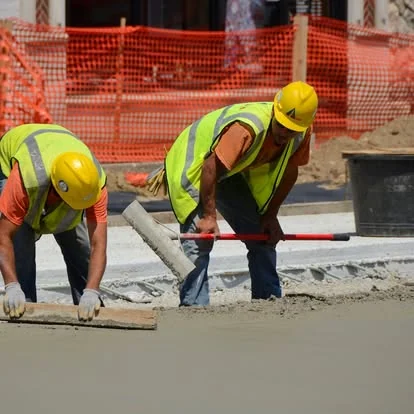
Tilt-Up Concrete
Panels cast flat on the slab, then stood up.
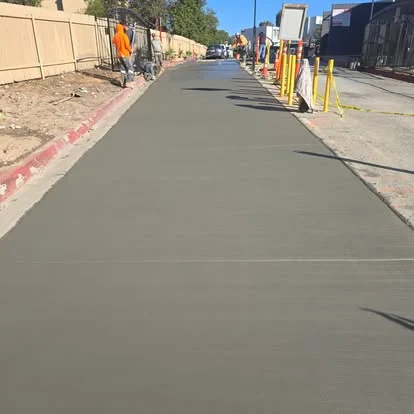
Concrete Drainage Channels
Formed channels that carry water on purpose.
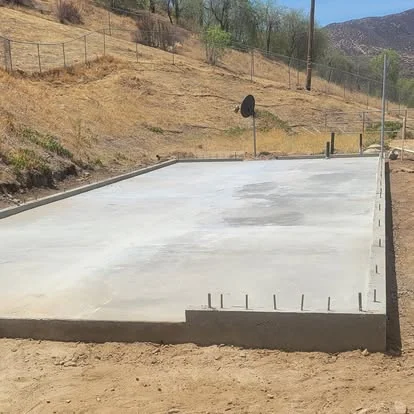
Concrete Building Pads
The engineered ground a building sits on.
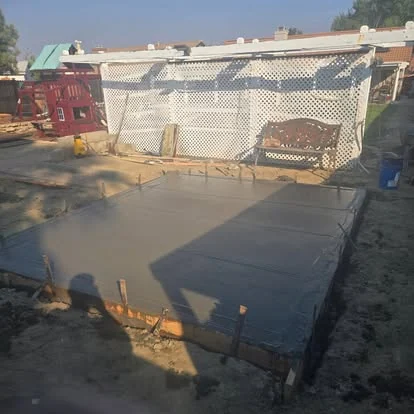
Rebar Installation
Steel placed where the drawing says, not where it lands.

Concrete Formwork
The shape before there is any concrete.
Structural Concrete
Concrete carrying calculated loads.
Concrete Columns
Vertical members that carry everything above.
Concrete Beams
Spanning a gap in reinforced concrete.
Structural Concrete Slabs
Slabs that span rather than sit on the ground.
Reinforced Concrete
Steel and concrete doing different jobs.
Fiber-Reinforced Concrete
Fibers through the mix for crack control.
High-Strength Concrete
Higher strength mixes where the design calls for it.
Heavy-Duty Concrete
Built for loads that break ordinary slabs.
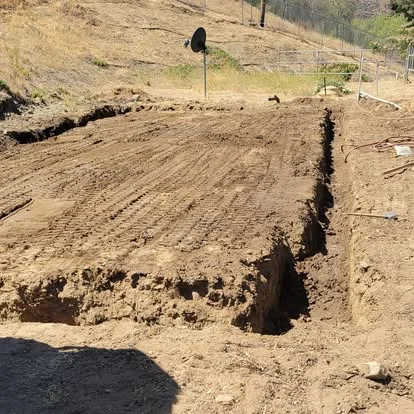
Concrete Excavation
Digging to grade for the pour that follows.
Grading Base Preparation
The half of the job that ends up buried.
Concrete Site Preparation
Getting a site ready to pour.
Subgrade Preparation
The native ground under the base.
Gravel Base Installation
Aggregate base, placed in lifts and compacted.
Concrete Drainage Preparation
Deciding where water goes before the concrete sets it.
Concrete Site Cleanup
Leaving it the way we would want it left.
Concrete Pouring
Placement, consolidation, and timing.
Concrete Finishing
Reading the slab and working it at the right moment.
New Construction Concrete
Concrete from footings through flatwork on a new build.
Multi-Family Concrete
Repeating foundations and flatwork at scale.
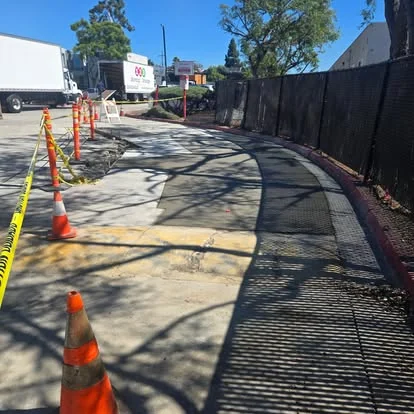
Commercial Development Concrete
Ground-up development concrete, phased to the build.
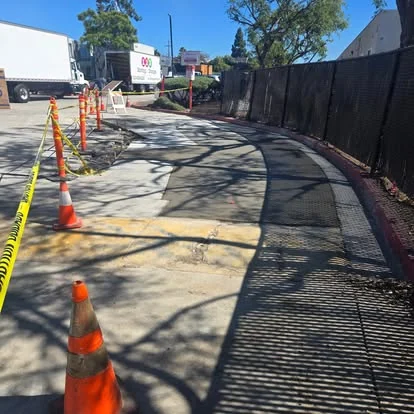
Apartment Complex Concrete
Foundations, walks, drives and pads across a whole complex.
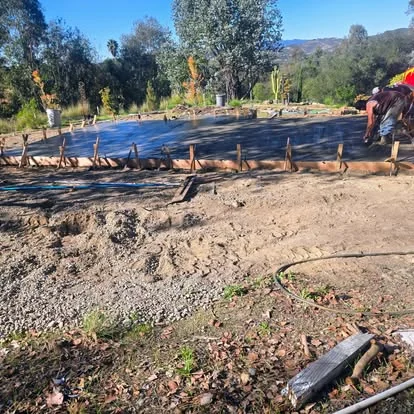
Retail Center Concrete
Storefront walks, drives, and service areas.
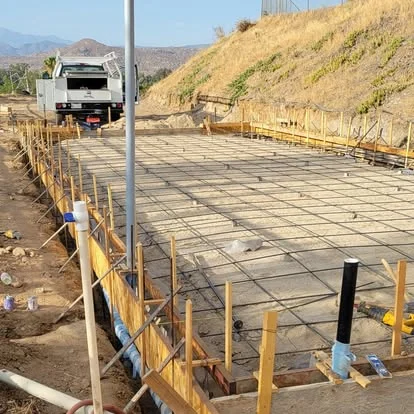
Office Building Concrete
Foundations, walks and parking for office property.
Warehouse Concrete
Slabs, docks and aprons for distribution buildings.
Industrial Facility Concrete
Concrete inside and around working plants.
Restaurant Concrete
Patios, walks, and service-side flatwork.
School Institutional Concrete
Campus flatwork built to public specs and tight windows.
Municipal Concrete
Public work built to the agency’s standard drawings.
Government Concrete Projects
Public agency concrete with full documentation.
Public Works Concrete
Curb, gutter, walk and ramp work in the public right of way.
Infrastructure Concrete
Structures and flatwork that serve public systems.
Concrete Parking Structures
Structural concrete for stacked parking.
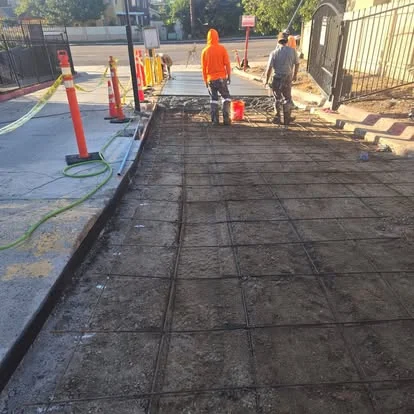
HOA Concrete Projects
Common-area concrete across a community.
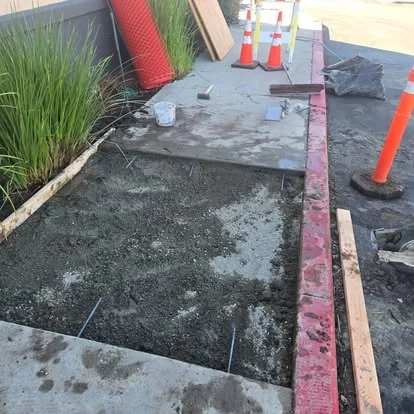
Multi-Family Housing Concrete
Concrete for apartment and condominium property.
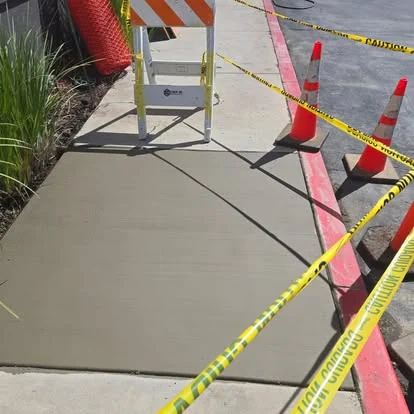
Site Concrete
Everything concrete outside the building line.
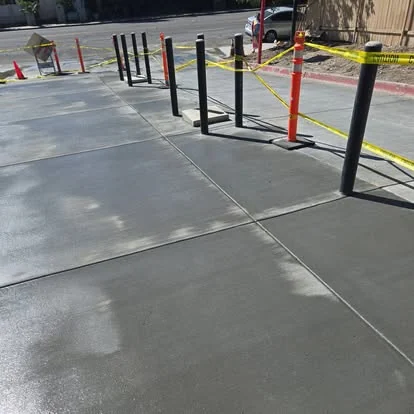
Tribal Concrete Projects
Concrete work on tribal land and facilities.
Concrete cracks. The job is deciding where.On the material
Straight answers
How long before I can drive on a new slab?
Concrete takes most of its strength in the first week and keeps gaining for a month. Foot traffic is usually fine after a day or two. Vehicles wait longer, and we will give you the actual number for your pour, because thickness and weather both change it.
Will it crack?
Yes, eventually, and that is the material rather than a defect. The job is deciding where. Control joints put the crack on a line we cut instead of one it picks. A slab with no cracking plan will still crack, just somewhere you did not want.
Do you fix the base or just pour over it?
We fix the base. Pouring new concrete on ground that already failed once is how you get the same crack in the same place. If the base is the problem, that is the work.
How much does concrete cost?
It depends on access, thickness, base condition and finish, which is why we walk the job before giving a number. We will not quote a driveway off a photograph.
Can you match my existing concrete?
Usually close, rarely exact. Concrete changes color as it ages, so a new pour next to a ten year old slab will read newer for a while. We match thickness, finish and joint pattern so it looks intentional.
Not sure which one you need?
Describe the job and we will tell you. Most calls are simpler than the list looks.