
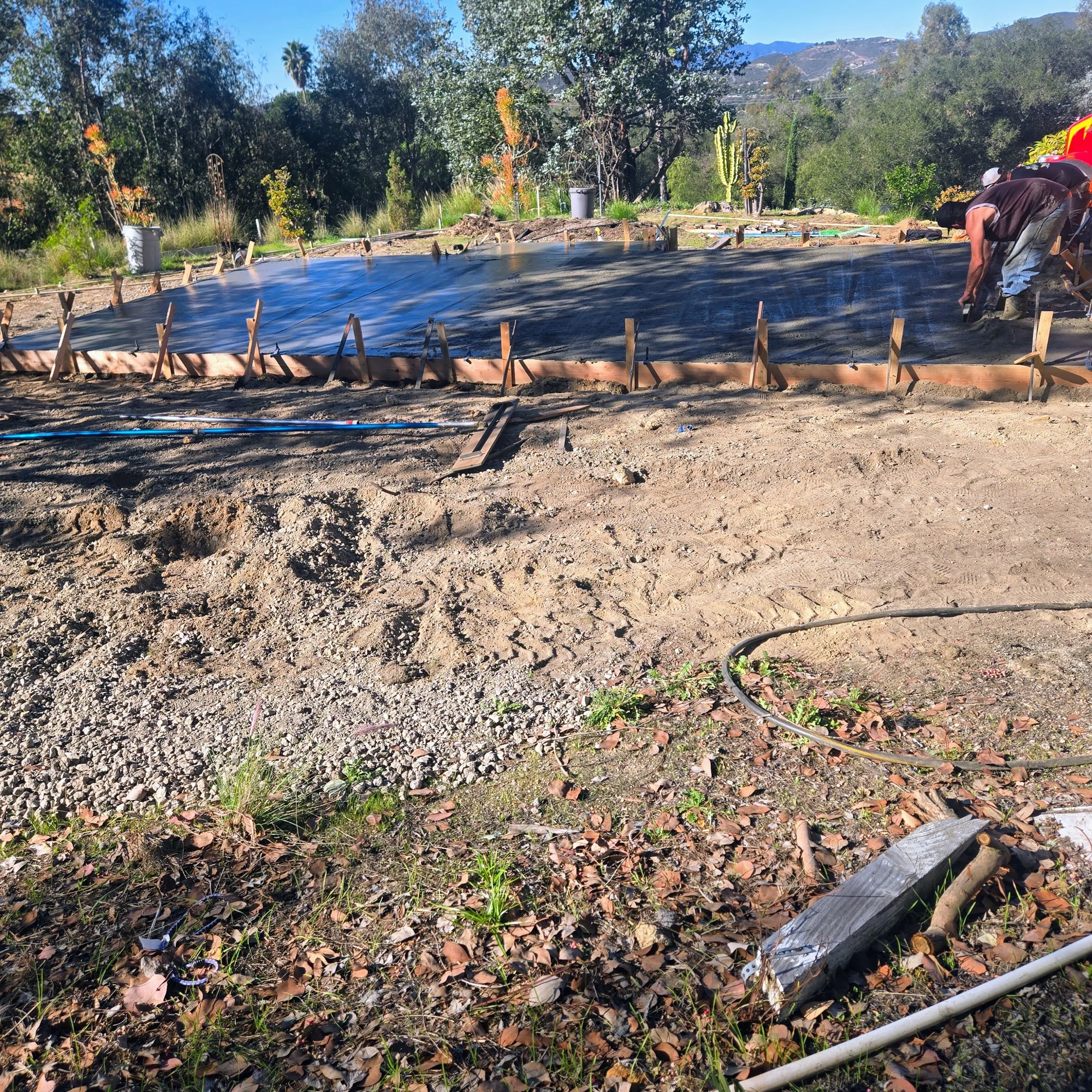
Concrete Site Cleanup
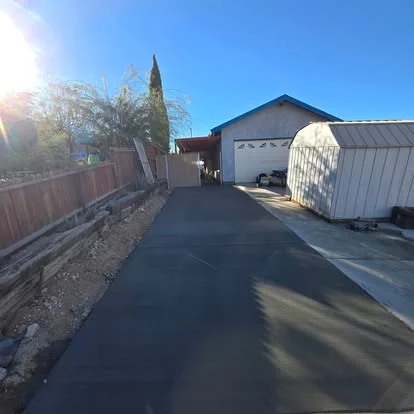
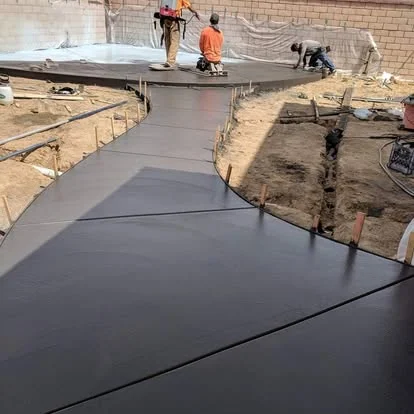
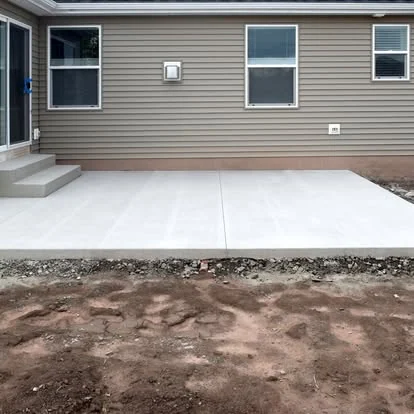
Cleanup is washout handled properly, spoil hauled off, and the surrounding surfaces cleaned. Concrete work is messy while it happens and should be invisible when it is done.
Talk to us about the job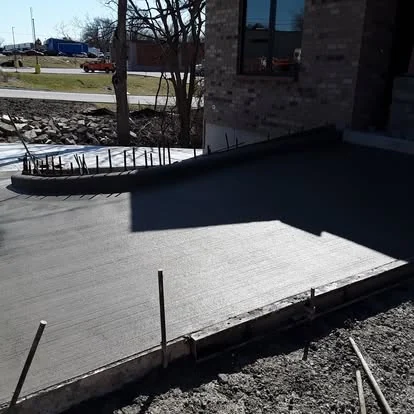
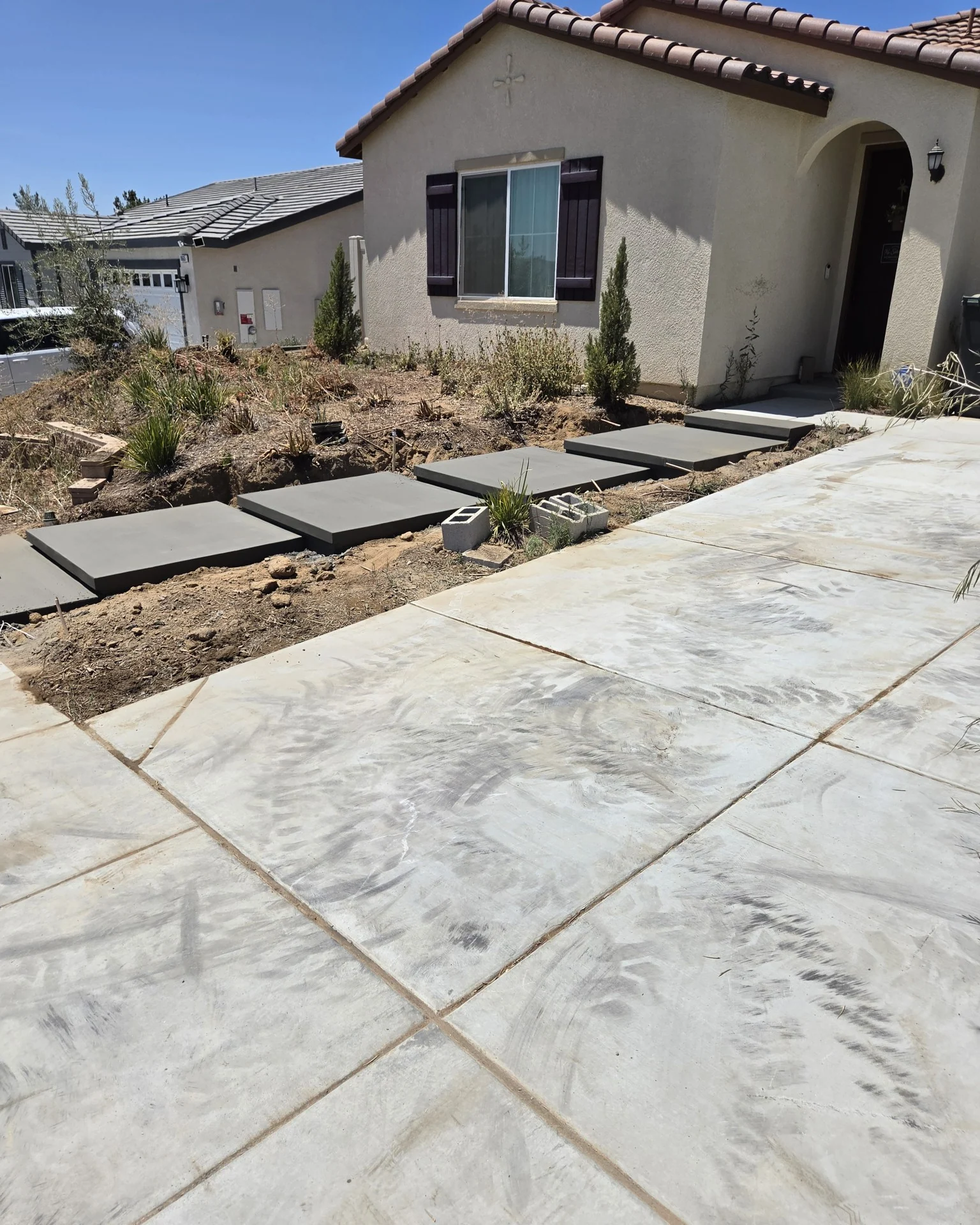
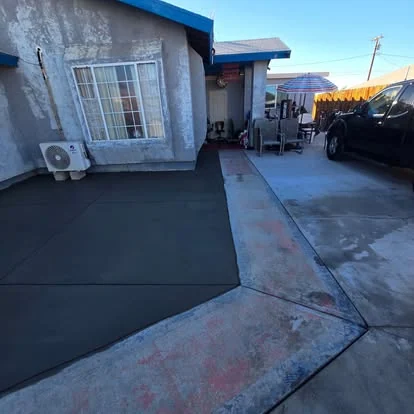
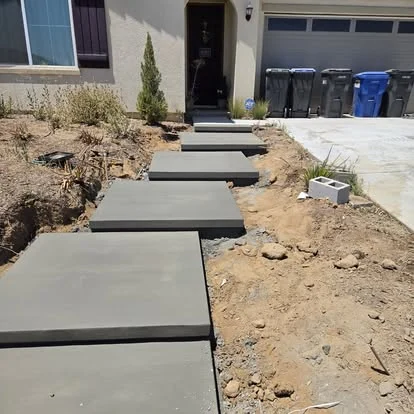
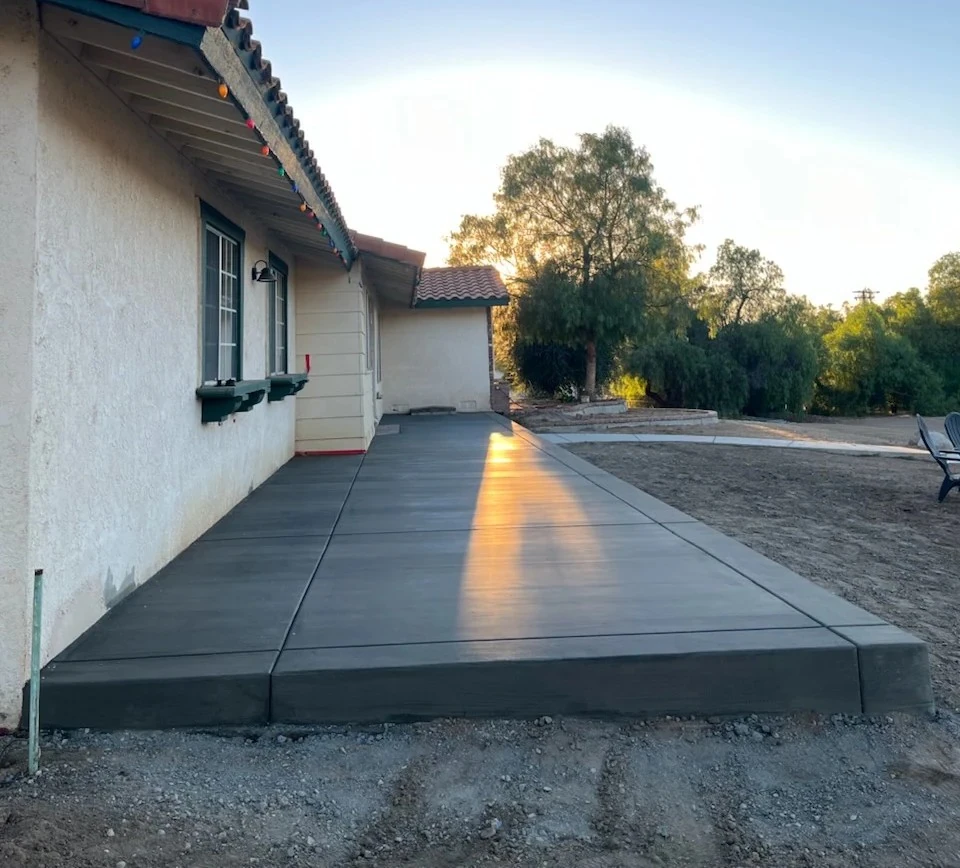

How the job runs
Somebody stands on it
Every job starts with a site visit, because the questions that decide the price are all about the ground and the access.
The direct answer
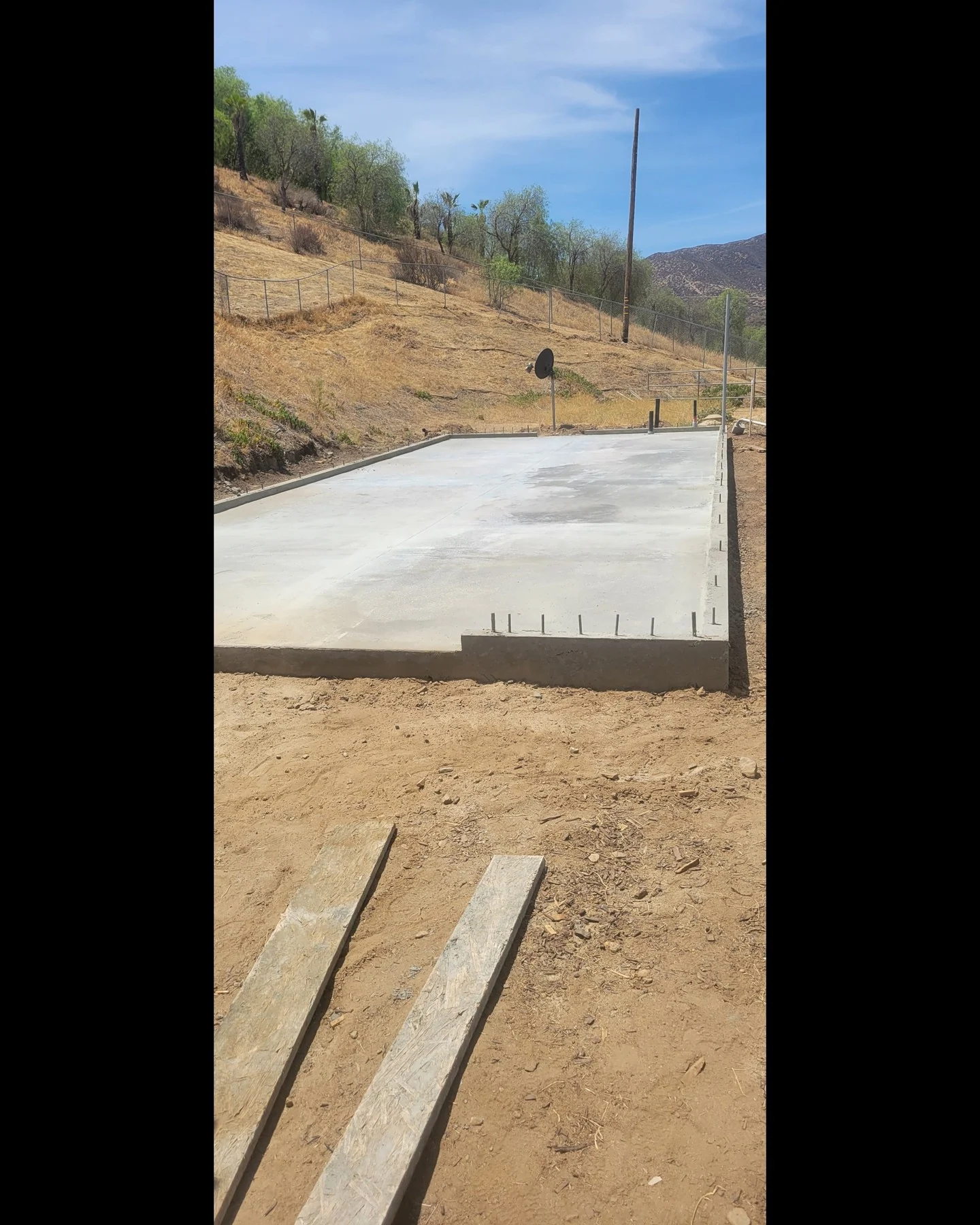
We will tell you what it needs, and we will tell you when it needs less than you thought.
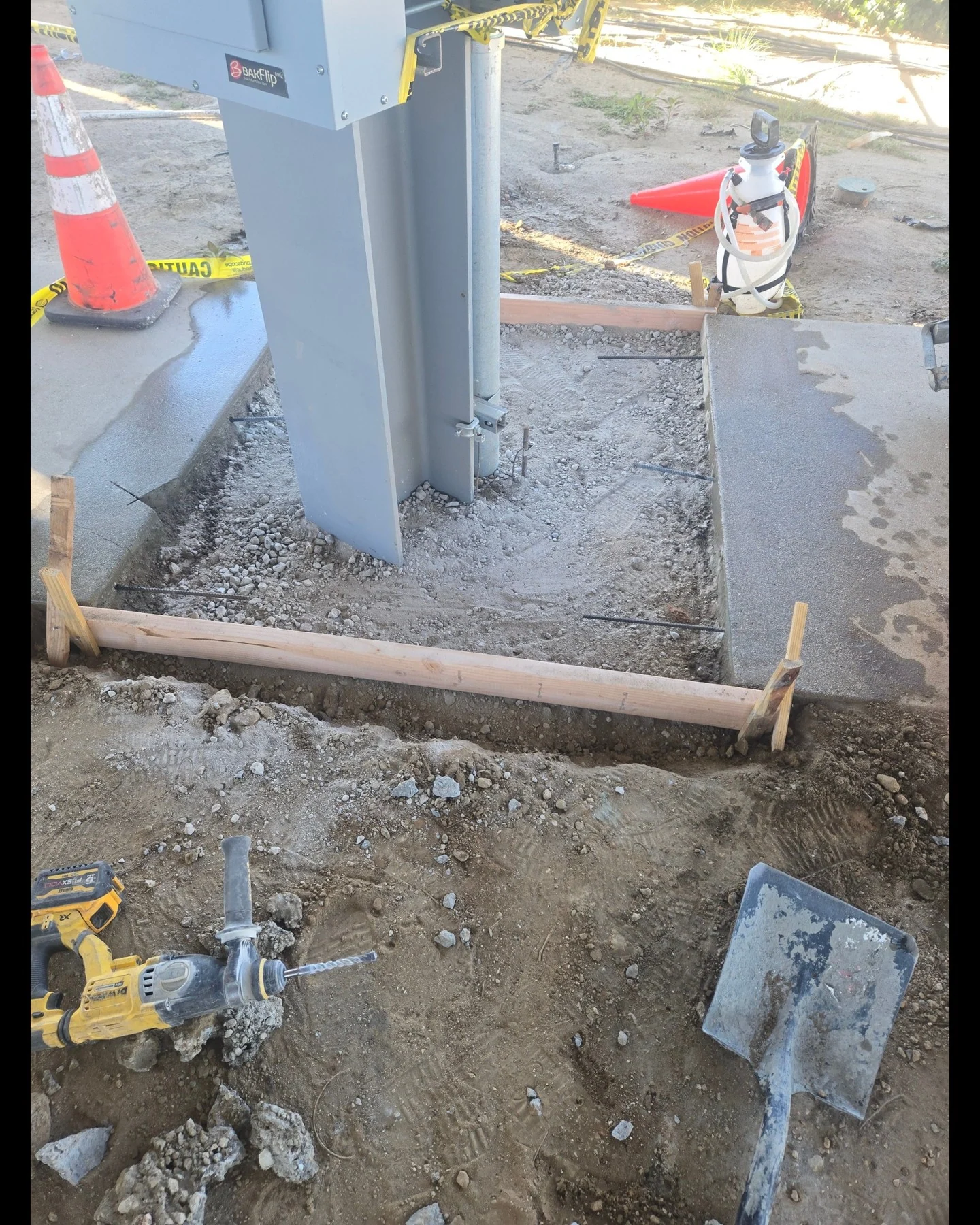
Correct the subgrade
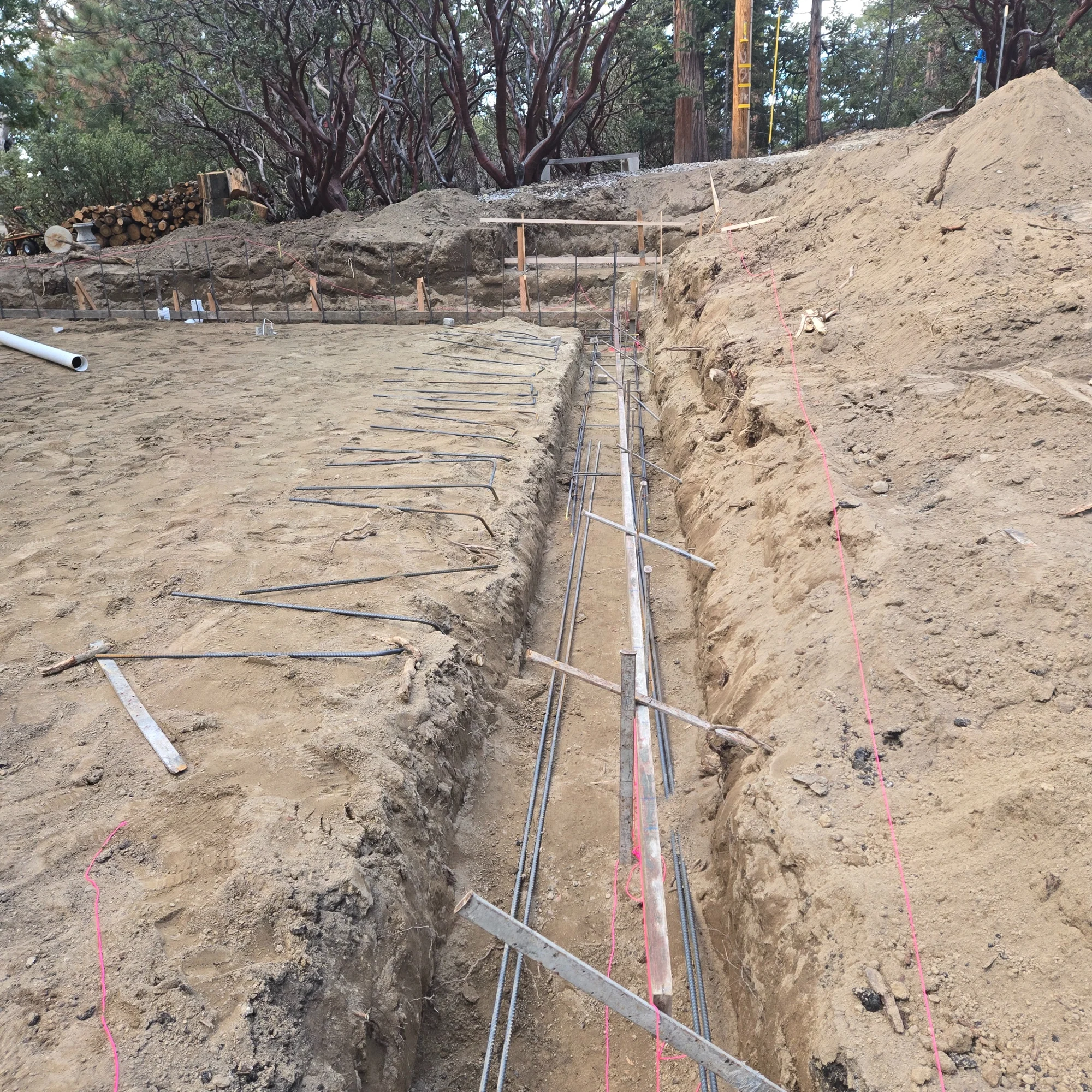
Soft spots found and fixed, base placed in lifts and compacted. Invisible when it is right, obvious when it is not.
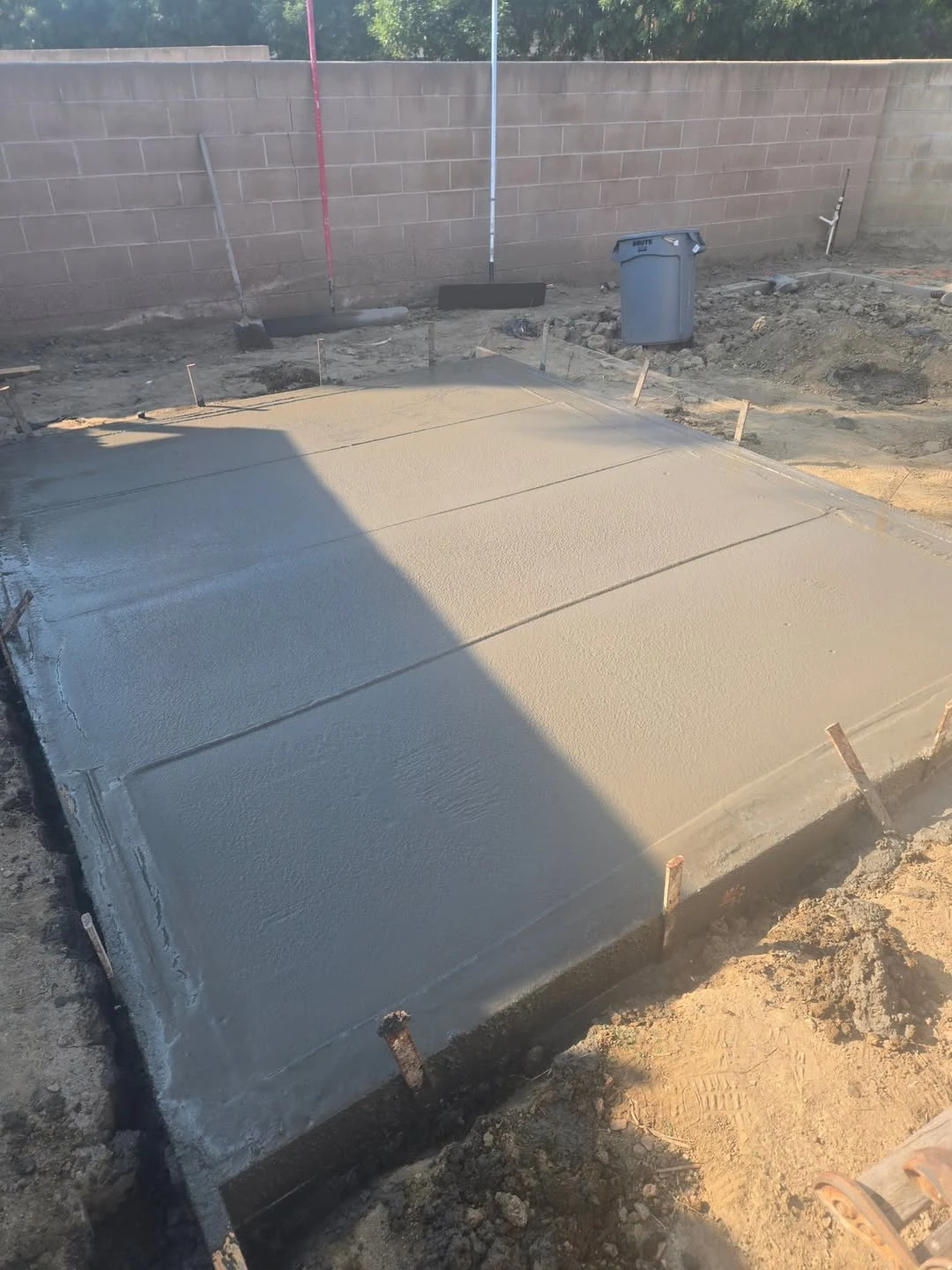
Form and place
Braced forms, steel on chairs, proper consolidation, and finishing worked to the concrete’s timing.
What this job actually needs
Compaction in lifts
Base goes down in controlled layers and each layer gets compacted before the next. Dumped and raked flat looks identical once concrete is over it and performs nothing like it. This is the step that decides whether a slab stays flat.
Grade and drainage are permanent
Once concrete is placed, the slopes are set. Where water goes gets decided before the pour, including low points and any drain structures, because water is what destroys concrete over time.
Subgrade problems get fixed now
Soft spots found during excavation get corrected before base goes in. They do not improve under load and they will find you later as a crack in the finished slab.
Clean handover
Washout handled properly, spoil hauled off, surrounding surfaces cleaned. Concrete work is messy while it happens and should be invisible when it is done.
What decides whether it lasts
Concrete is judged on the surface and it fails from underneath. The base, the steel, the joints and the cure are the whole job. A slab that was poured on bad ground will tell you so, usually in the third or fourth year.
Why fourth generation matters here
32 years on the tools means most of these problems have already been seen once. Reading a slab before quoting it is the part you cannot learn from a book, and it is the difference between a repair that holds and one that comes back.
What Southern California ground does to concrete site cleanup
What the ground does here
The inland valleys run on expansive clay. It takes on water and swells, then dries out and shrinks, and it does that cycle every year. A slab poured on untreated clay rides that movement until something gives, which is why base preparation and reinforcement are the design rather than an upgrade. Where a soils report exists we build to it; where there is none, what we find during excavation tells us what the ground is going to do.
Irrigation against the slab
Almost every valley property waters something, and sprinklers running along a slab edge keep the base saturated year round. In expansive soil that is a slow way to undermine your own driveway. Where the water lands is worth looking at before blaming the concrete.
Summer pours
Triple digit afternoons change how concrete behaves. It stiffens before it can be finished properly, the surface skins over while the body underneath is still soft, and water leaves the slab faster than the cement can use it. Valley pours start early, the mix gets adjusted for the heat, and curing is treated as an active step instead of something that happens on its own.
Drainage on a flat lot
Valley lots are often close to level, which makes slope hard to find and easy to get wrong. Low points, cross-fall and where water actually leaves the property get worked out before the pour, because once the concrete is down the drainage is permanent.
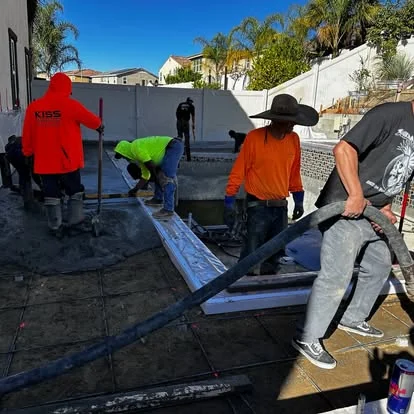
How concrete fails, and why
A slab that rocks
If you can feel movement walking across it, there is a void underneath. That is erosion, poor compaction, or soil that shrank away. Filling the void is the fix; replacing the slab without filling it is not.
Cracks that widen along their length
A crack that is hairline at one end and open at the other is reporting differential movement. That is a foundation and soil conversation, not a patching one.
Discolouration in patches
Blotchy color usually comes from inconsistent curing, adding water to part of a load, or finishing at different times across one pour. It is cosmetic and it is permanent.
Joint sealant failure
Open joints let water into the base, and the base is what holds the slab up. Resealing joints is cheap maintenance that prevents expensive failures.
How a job runs
Weather calls
Rain on fresh concrete damages the surface, and extreme heat shortens the finishing window. Both can move a date, and we will tell you why.
Sequence on bigger jobs
Demolition, earthwork, forming, steel, pour, joints, cure. Each step has to finish before the next one starts, and inspections land between some of them.
The base is the job. The concrete is the finish on top of it.On what actually matters
Changes mid-job
Anything found underground can change the scope. If that happens you hear about it before work continues, with what it means.
What normal looks like after
Some hairline cracking, some color variation, and joints doing their job. We will tell you what is expected so you know what is not.
Other site work work
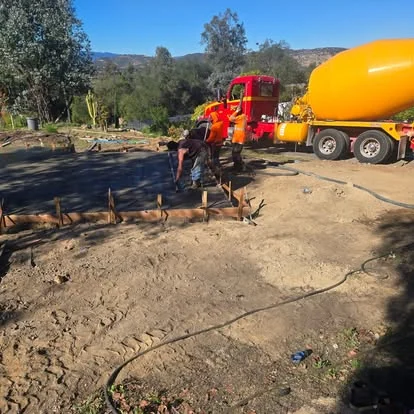
Concrete Excavation
Digging to grade for the pour that follows.
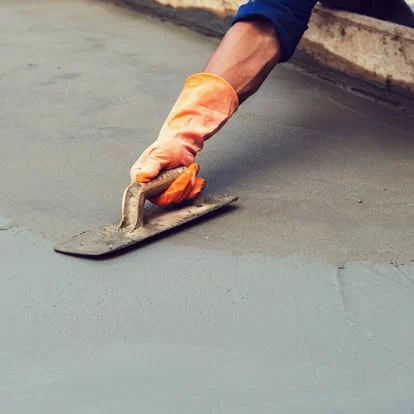
Grading Base Preparation
The half of the job that ends up buried.

Concrete Site Preparation
Getting a site ready to pour.
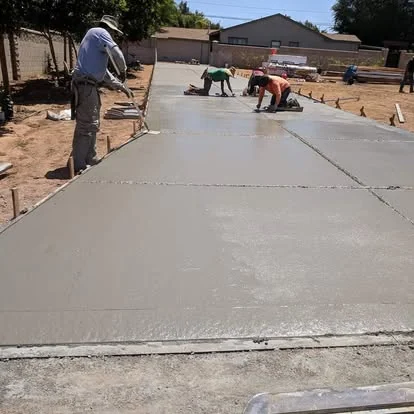
Subgrade Preparation
The native ground under the base.
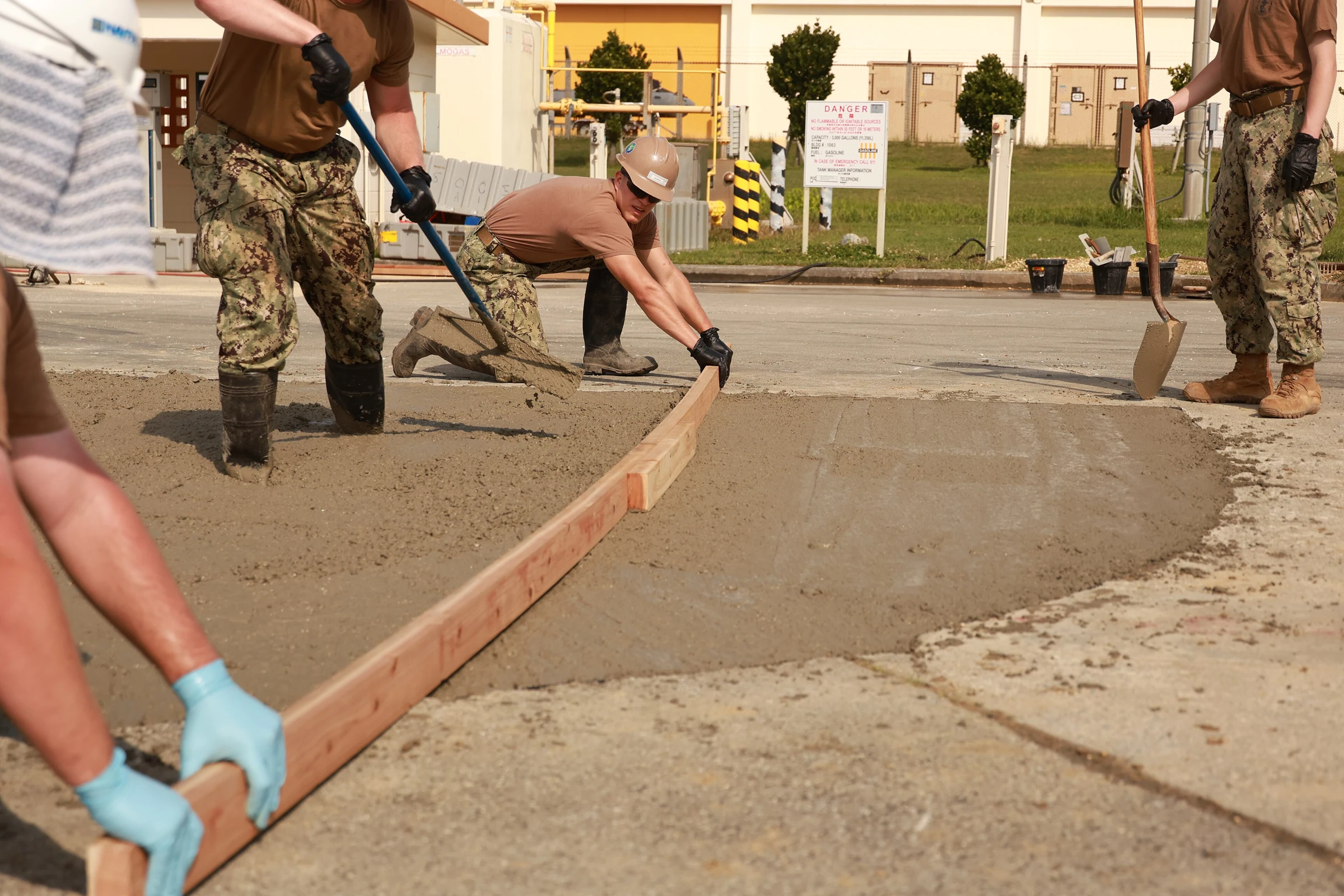
Gravel Base Installation
Aggregate base, placed in lifts and compacted.

Concrete Drainage Preparation
Deciding where water goes before the concrete sets it.
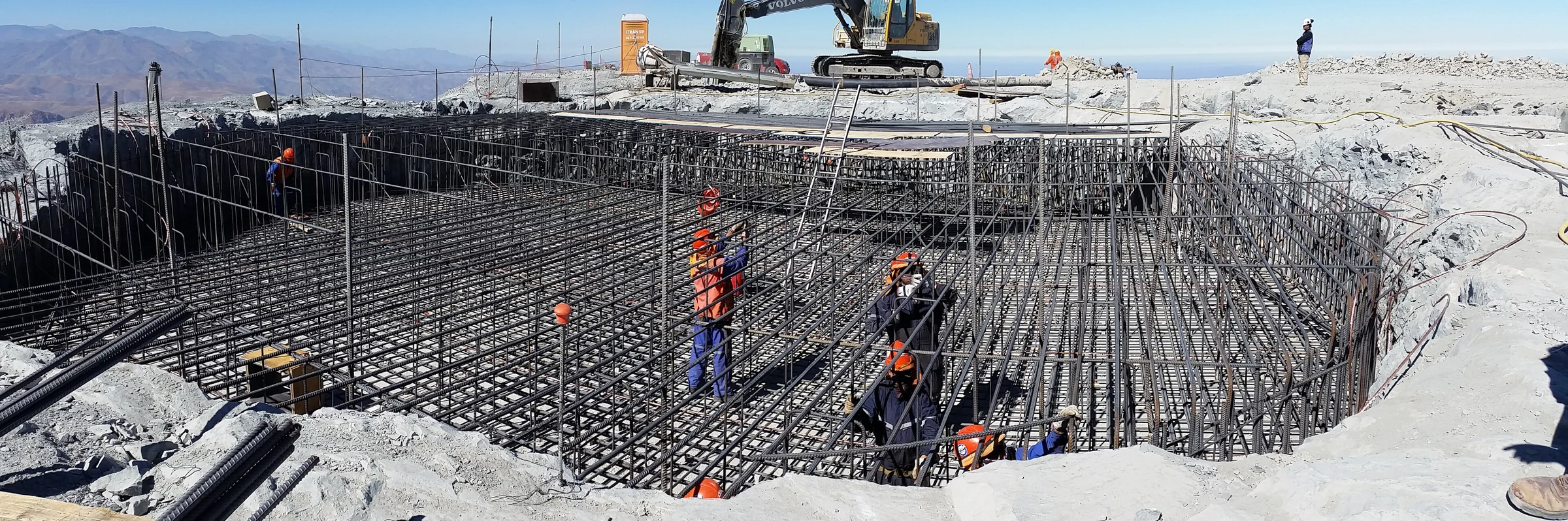
Concrete Pouring
Placement, consolidation, and timing.
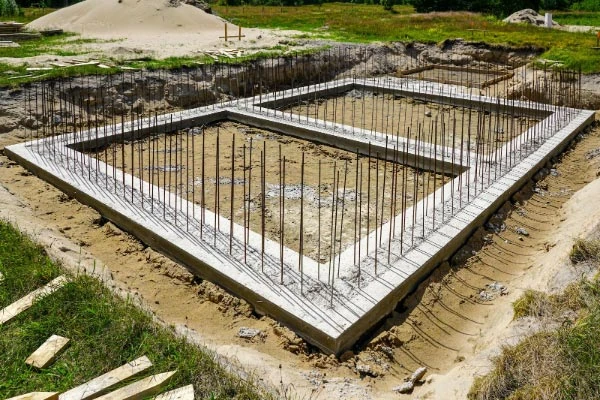
Concrete Finishing
Reading the slab and working it at the right moment.
Straight answers
What is compaction in lifts?
Base material goes down in controlled layers and each one gets compacted before the next. Dumped and raked flat is not base, even though it looks the same once concrete is on it.
Do you handle the excavation?
For our own pours, yes. Cutting to grade, dealing with soft spots and building the base is part of the concrete job rather than something we ask you to arrange.
What happens to the old concrete?
Saw cut to a clean line, broken out, loaded and hauled off. We protect what stays and leave the ground ready for the new pour.
How do you decide where water goes?
Before the pour, because afterward it is permanent. Slopes, low points and any drain structures are set while it can still be changed.
Why does the base matter so much?
Almost every slab failure we are called to look at is base, not concrete. Grade, material, lift thickness and compaction decide how the slab performs for decades.
Tell us what the job is
We walk the job, tell you what it needs, and give you a number. Hemet and roughly 100 miles around it.