
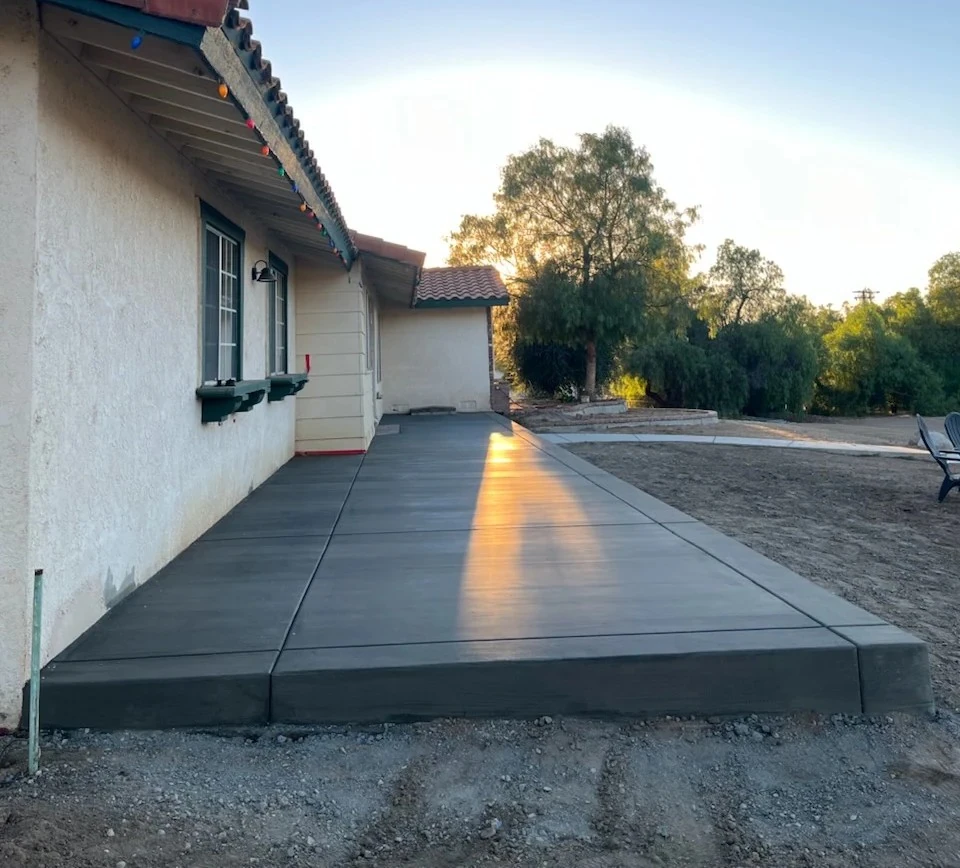
Concrete Demolition
Demolition of reinforced concrete is a different job from breaking a patio. Steel has to be cut, loads have to be understood, and the surroundings have to survive. We plan the sequence before anything starts.
Talk to us about the job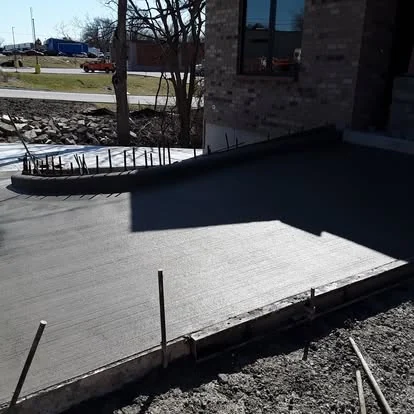

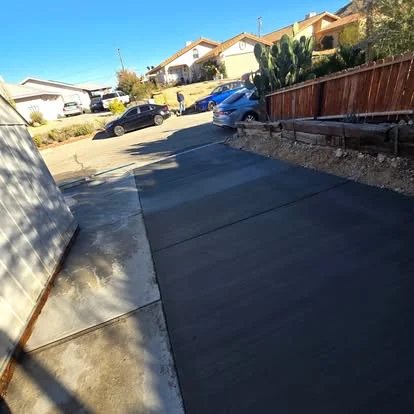

How the job runs
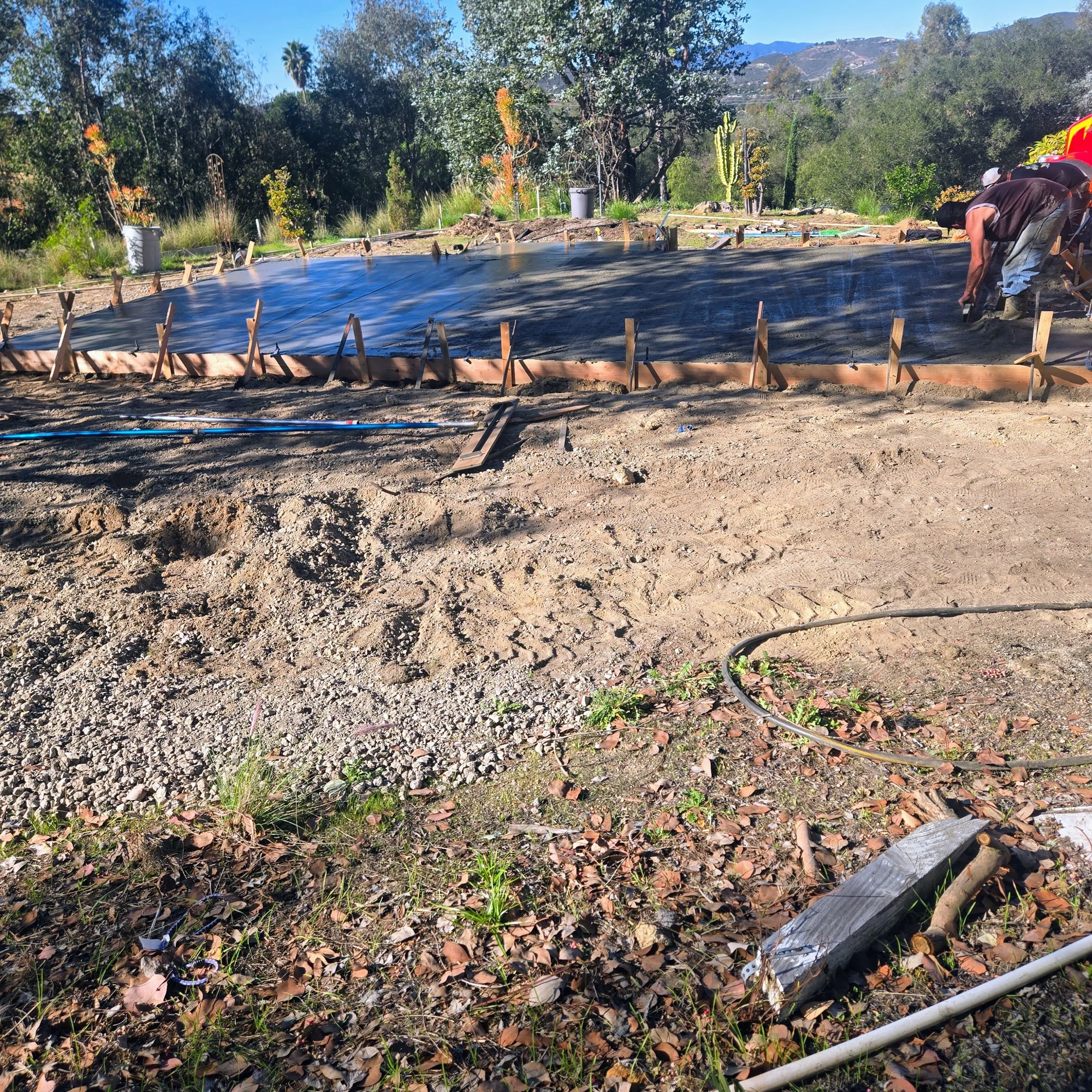
A visit, not a guess
Concrete gets quoted on site. The soil, the fall, the access and the existing slab all change the job, and none of them show up in a text message.
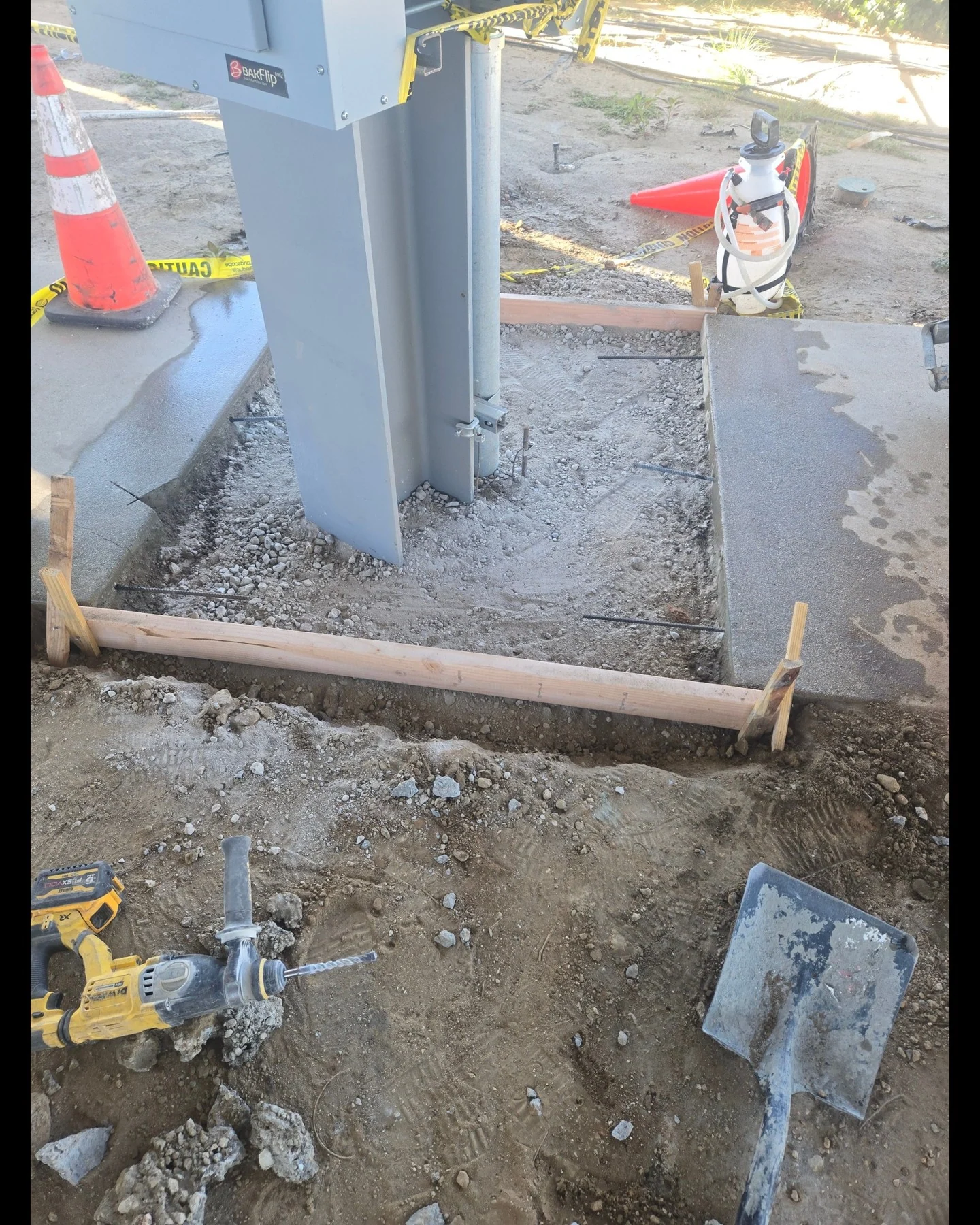
Honest scope
We say what the job needs. If a repair holds, we will tell you that instead of selling you a replacement.
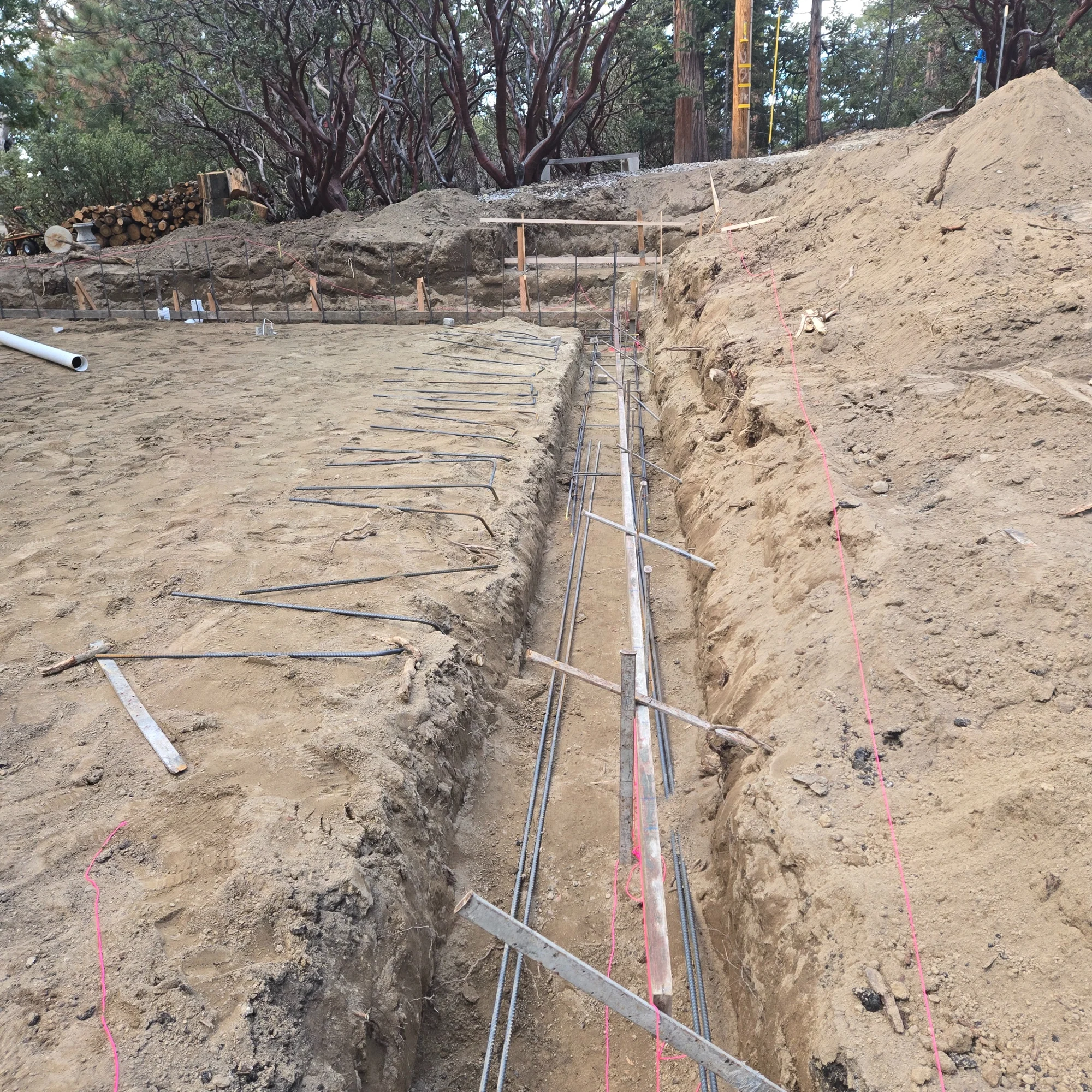
Earthwork first
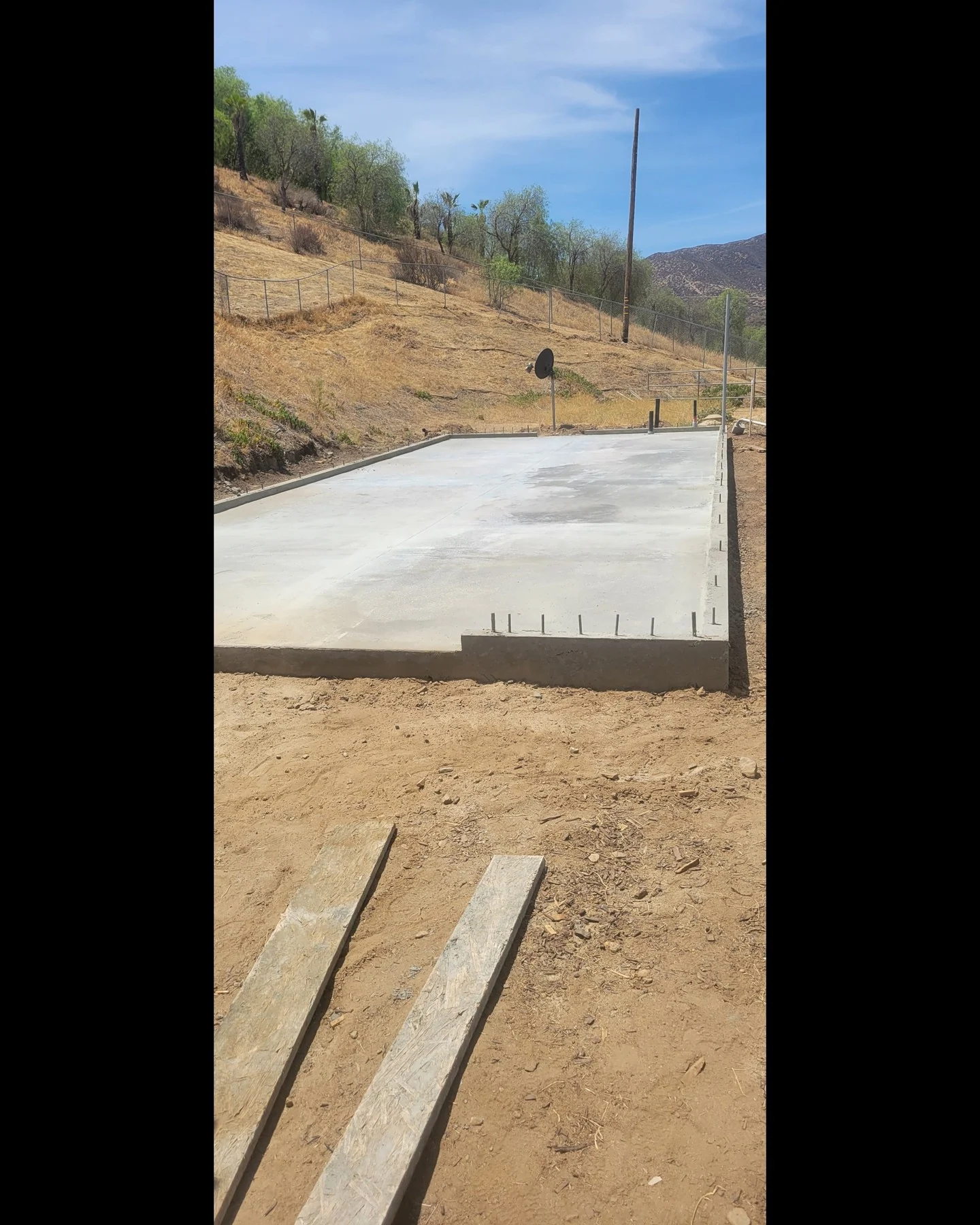
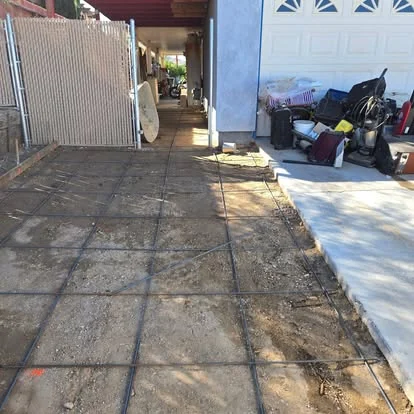
Cut, correct, compact. The base is the job and the concrete is the finish on top of it.

Steel and placement
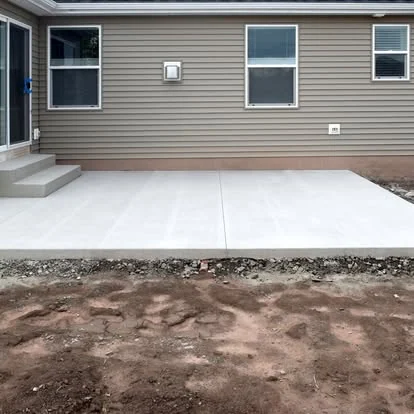
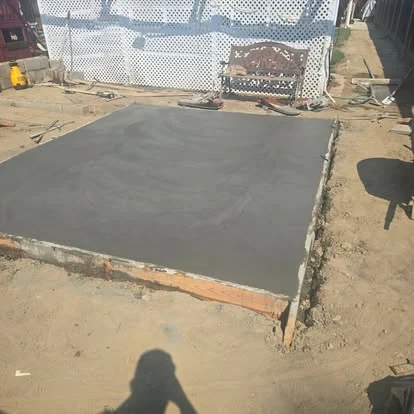
Reinforcement where the drawing puts it, forms that do not bow, concrete consolidated into every corner.
What this job actually needs
Find the cause first
Repair without diagnosis is guesswork. Movement, drainage, base condition and the original construction all have to be understood, because the same visible damage has several different causes and they need different work.
Preparation decides whether it holds
Everything unsound comes off, down to solid concrete, and the surface gets a mechanical profile before anything new goes on. Repairs fail at the bond line far more often than in the new material.
Repair, resurface or replace
Surface damage on a sound slab is a repair or an overlay. A slab that has moved is a replacement, because covering movement just relocates the crack. We give you the honest version even when it is the smaller job.
What maintenance actually prevents
Sealing the surface and maintaining the joints keeps water out of the pores and out of the base. Water is the common factor in nearly every concrete failure, so those two things buy years.
What decides whether it lasts
Concrete is judged on the surface and it fails from underneath. The base, the steel, the joints and the cure are the whole job. A slab that was poured on bad ground will tell you so, usually in the third or fourth year.
Why fourth generation matters here
32 years on the tools means most of these problems have already been seen once. Reading a slab before quoting it is the part you cannot learn from a book, and it is the difference between a repair that holds and one that comes back.
What Southern California ground does to concrete demolition
Summer pours
Triple digit afternoons change how concrete behaves. It stiffens before it can be finished properly, the surface skins over while the body underneath is still soft, and water leaves the slab faster than the cement can use it. Valley pours start early, the mix gets adjusted for the heat, and curing is treated as an active step instead of something that happens on its own.
What lasts here
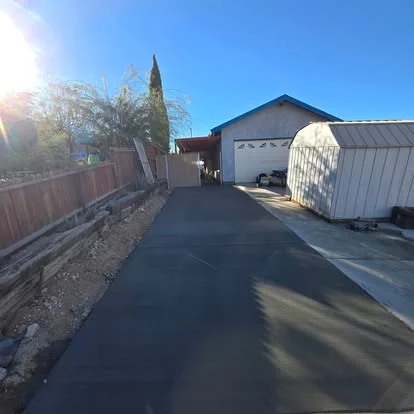
A properly based, properly jointed slab with reinforcement sized to the load will outlast the house it sits beside. The variables that decide it are all underneath and all invisible once the pour is done, which is exactly why they get cut on cheap jobs.
Irrigation against the slab
Almost every valley property waters something, and sprinklers running along a slab edge keep the base saturated year round. In expansive soil that is a slow way to undermine your own driveway. Where the water lands is worth looking at before blaming the concrete.
Older flatwork around here
A lot of valley concrete was poured thin, with light reinforcement, on a base that was never properly compacted. When it fails it is usually reporting on the ground rather than on the mix, and that is the difference between a repair that holds and one that comes back in a year.
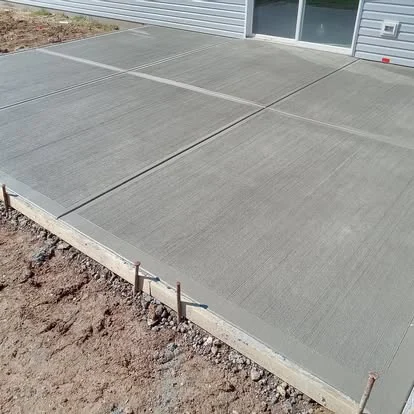
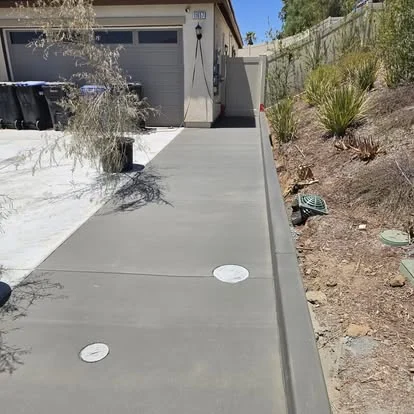

How concrete fails, and why
Cracks through a control joint
If a crack runs past a joint that was supposed to catch it, the joint was cut too shallow or too late. Depth needs to be about a quarter of the slab thickness.
Flatwork lifting at tree lines
Roots follow moisture, and the moisture is under your slab. Removing the slab without addressing the root just resets the clock.
Soft spots that appear later
Ground that was never properly compacted keeps consolidating under load. That is why compaction gets tested rather than eyeballed.
Efflorescence
White powder on the surface is salts carried out by moisture moving through the slab. It signals water movement, which is worth understanding even though the powder itself is harmless.
How a job runs
What a site visit covers
Soil, slope, drainage, access, existing concrete, and what you actually want the space to do. All of it changes the work.
Ordering the concrete
Mix design comes off the application. Strength, aggregate size and admixtures are decisions, and they are made before the truck is booked.
Once the slab is down, the drainage is permanent.On grading
Placement and finish
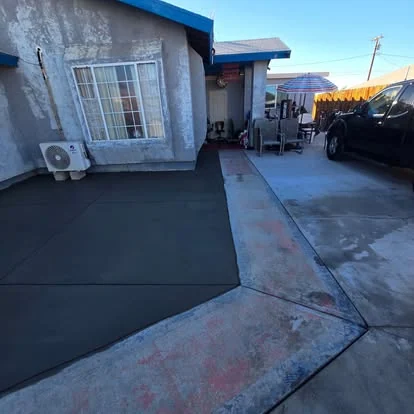
Placed, consolidated, screeded, floated and finished, each at the right moment. That timing is the trade.
Living with it
Keep water moving off it, reseal when it needs it, and keep an eye on the joints. That is most of concrete maintenance.
Other repair work
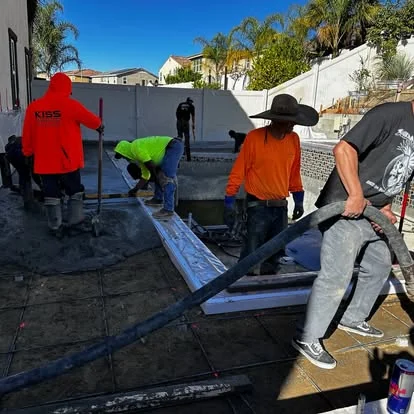
Concrete Repair
Fix the concrete that is worth fixing.
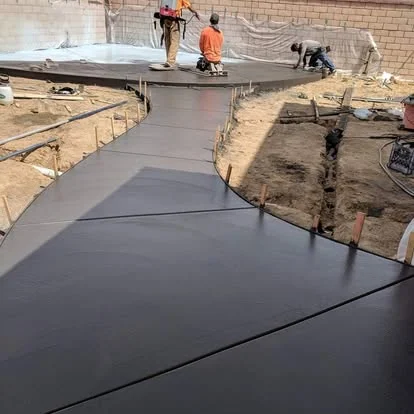
Concrete Crack Repair
Some cracks are cosmetic. Some are a message.
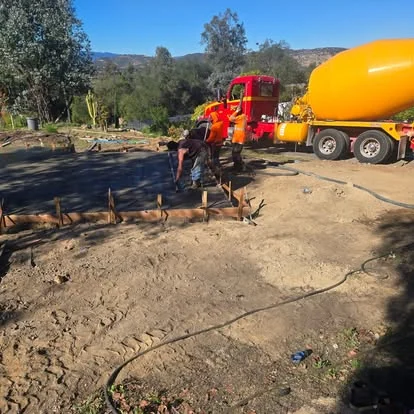
Spalled Concrete Repair
Surface flaking down to the aggregate.
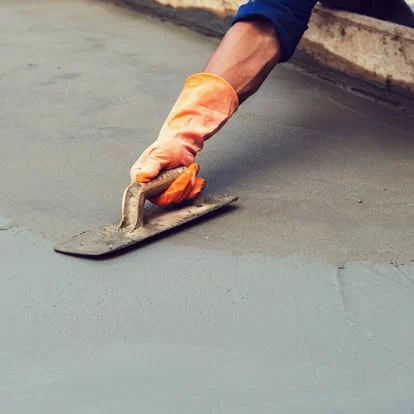
Settled Concrete Repair
The slab dropped because something under it did.
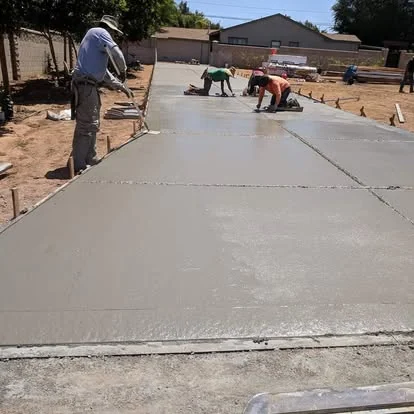
Uneven Concrete Repair
Lips, trip hazards, and panels out of plane.
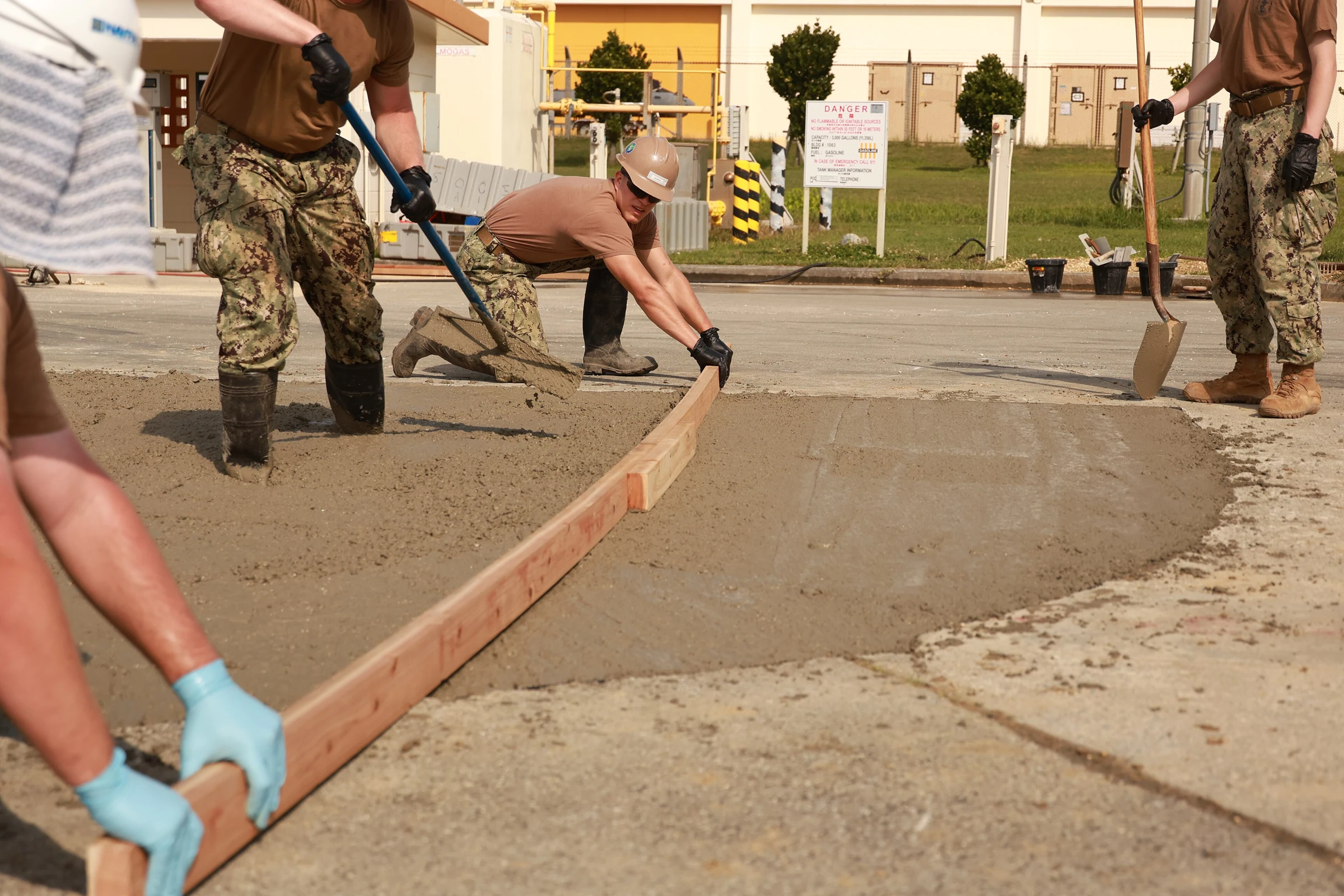
Concrete Joint Repair
The joints fail before the concrete does.
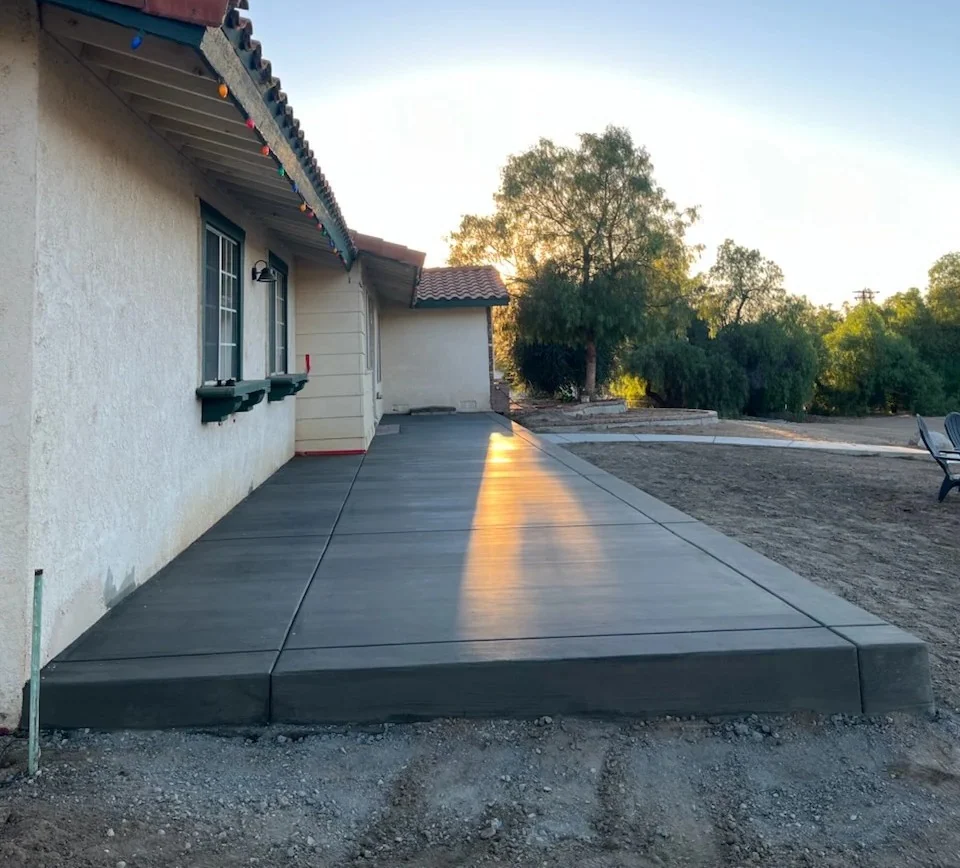
Concrete Resurfacing
A new surface on a sound slab.
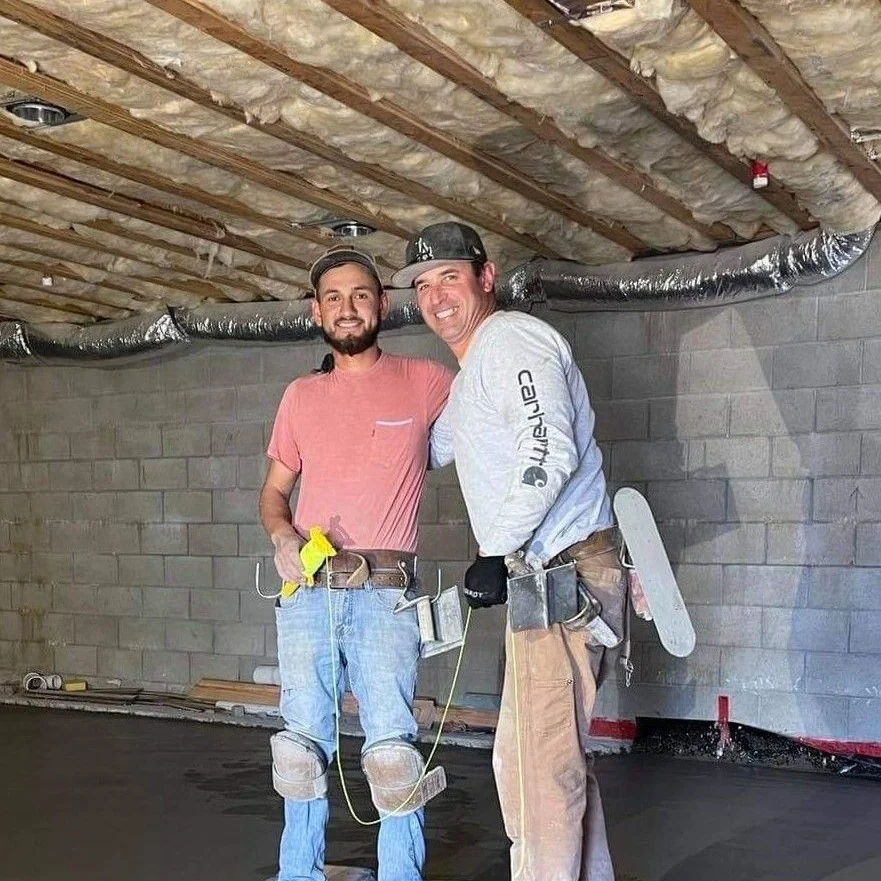
Concrete Leveling
Lifting a slab back to where it started.
Straight answers
Repair or replace?
If the slab is sitting flat and the base is stable, it is a repair. If it has moved, the concrete is reporting on the soil and replacing without fixing that buys the same failure again.
Can you resurface instead of replacing?
If the damage is only in the top layer and the slab underneath is sound, yes. If the slab is moving, an overlay hides the problem for a season and then telegraphs through.
Why is my concrete flaking?
That is spalling, and it is usually water, salt, or a surface that was closed too early during finishing. Repair means getting off everything loose, down to sound concrete, and bonding new material properly.
Can a sunken slab be lifted?
Often, if the slab is still in one piece and the problem is a void underneath. If it has broken up, lifting the pieces just gives you level pieces.
Is my crack serious?
Width tells you less than movement. If the edges have shifted vertically, or it runs corner to corner, the ground moved and a surface fix will crack again in the same line. We look before we quote.
Tell us what the job is
We walk the job, tell you what it needs, and give you a number. Hemet and roughly 100 miles around it.