
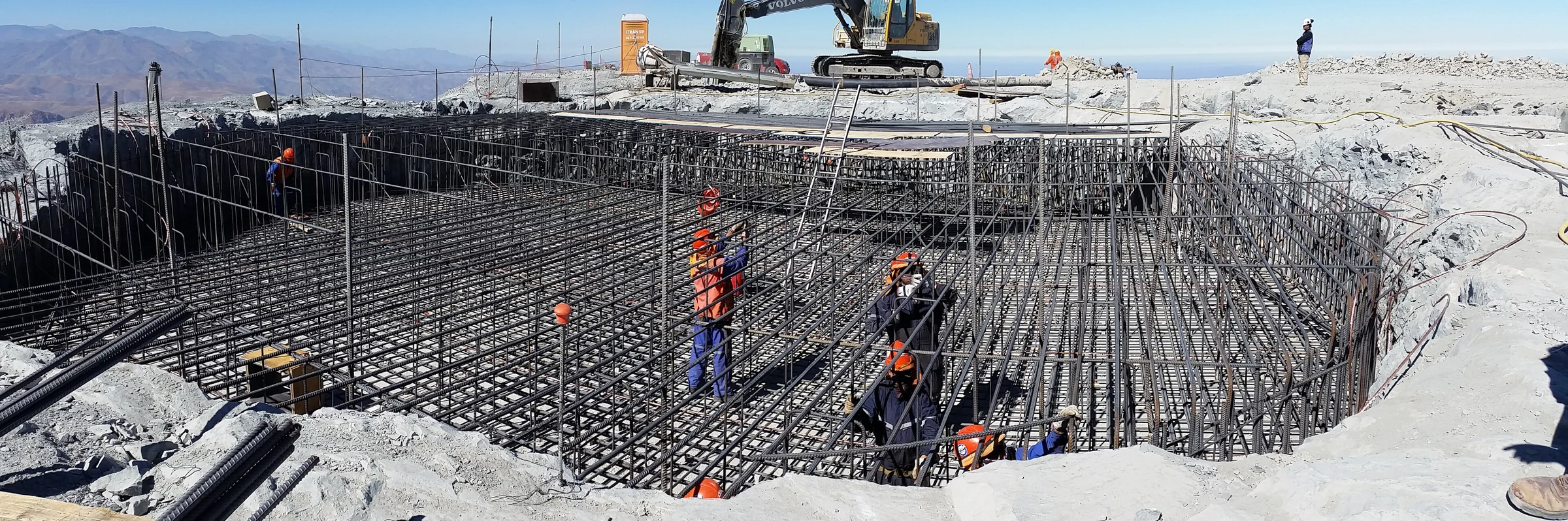
Yucca Valley slabs, built from the base up
Most concrete fails from underneath, so that is where we start. Serving Yucca Valley and San Bernardino County with 32 years in the trade behind every pour.
Talk to us about the job
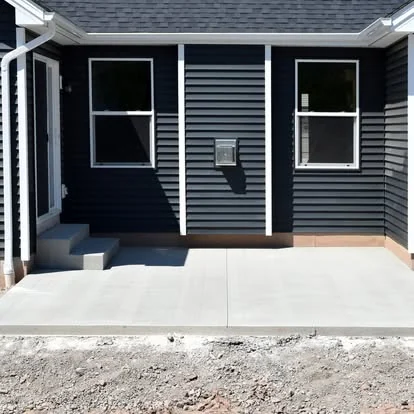
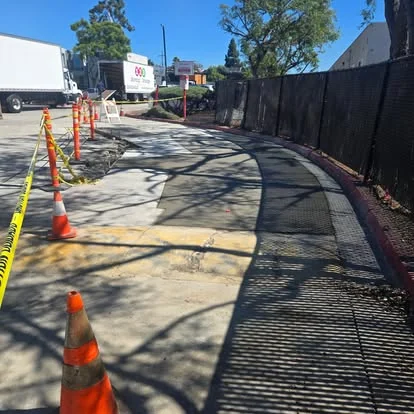
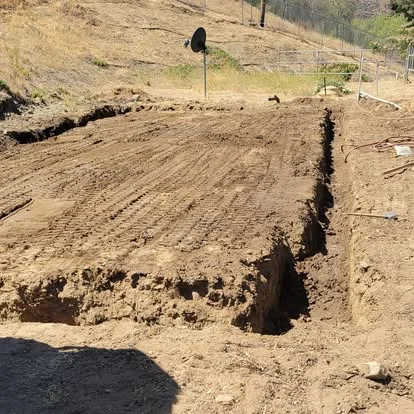
What concrete is up against around Yucca Valley
Long runs and long cracks
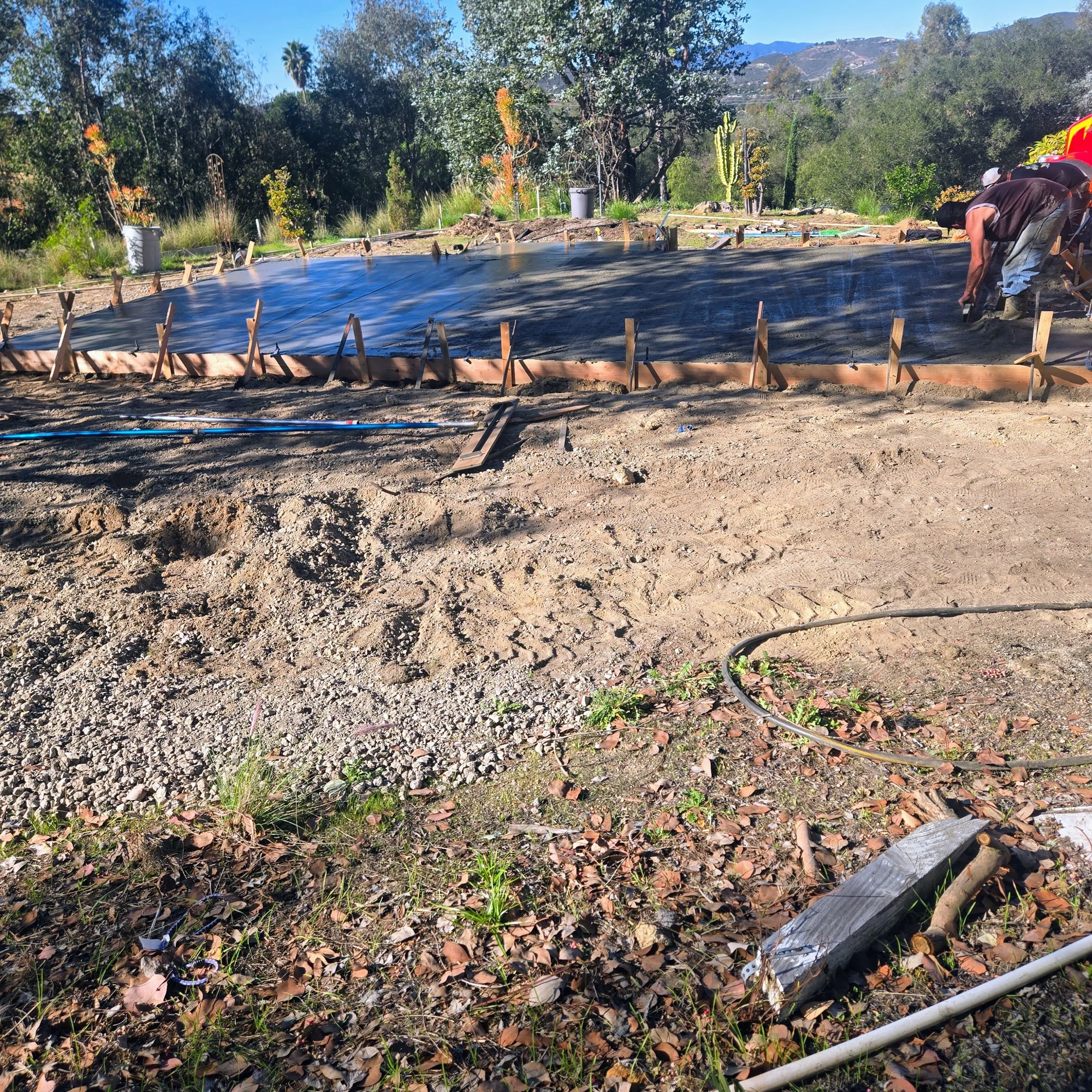
High desert lots are often big, which means long driveways and long slabs. Length multiplies movement, so joint spacing and layout matter more than on a small urban pad.
Granitic and decomposed soils
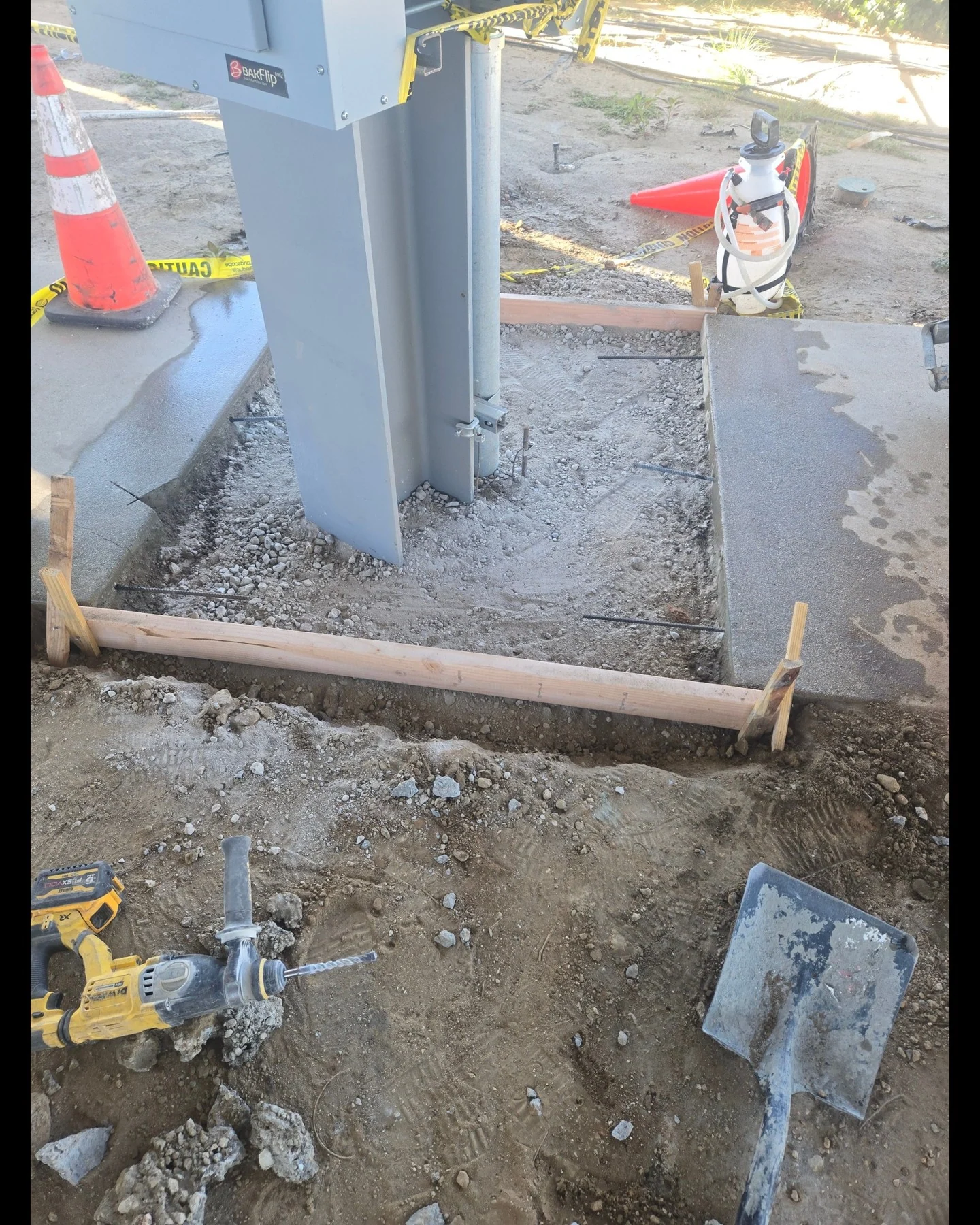
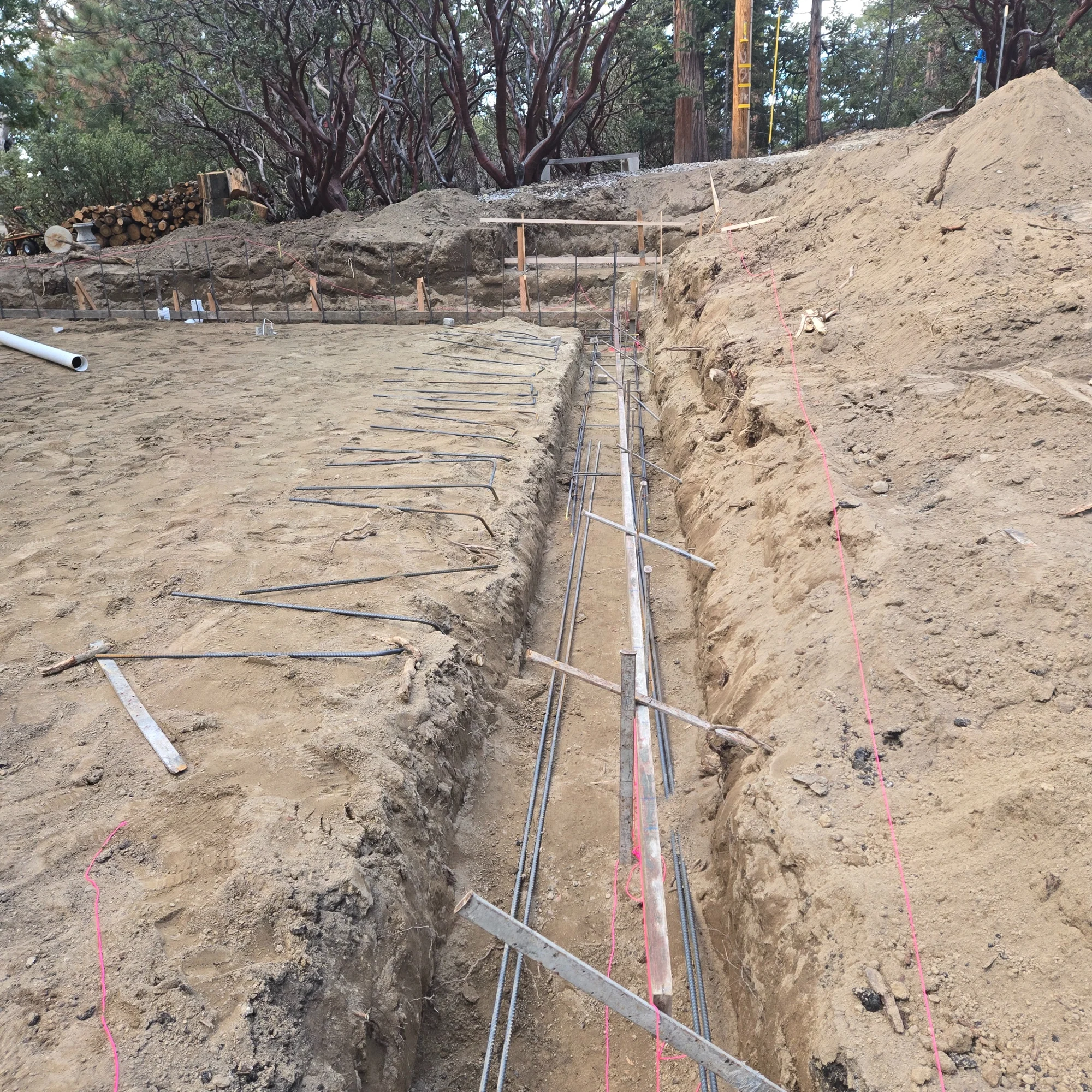
A lot of high desert ground is decomposed granite and alluvium. It compacts well when it is worked properly in lifts and behaves badly when it is dumped and raked.
UV on the surface
Sun exposure at elevation is intense and it ages surface treatments faster. Anything applied on top of the slab needs to be rated for it.
Honest diagnosis before a number
We look at what failed and why before quoting. Sometimes the answer is a repair and sometimes it is a rebuild, and we will tell you which even when the smaller job is ours to lose.
Base first, always
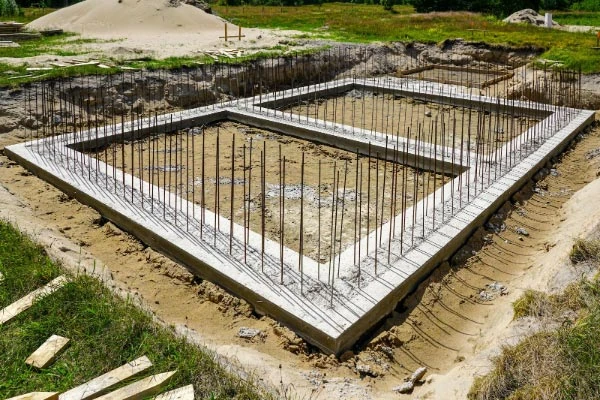
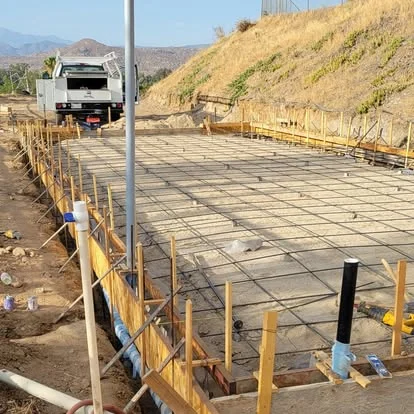
We cut to grade, fix the soft spots we find, and compact base in lifts before anything is formed. In expansive clay that step decides the whole outcome, so it is not where we save money.
Steel sized to the movement
Reinforcement gets placed for what the soil is going to do, on chairs at the right height with real cover. Steel lying on the dirt does nothing at all.
What we build in Yucca Valley
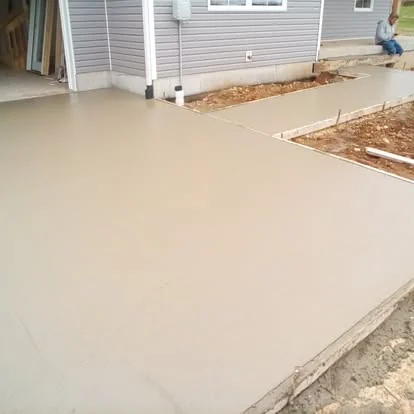
Concrete Walkways
Getting from the street to the door without a trip hazard.
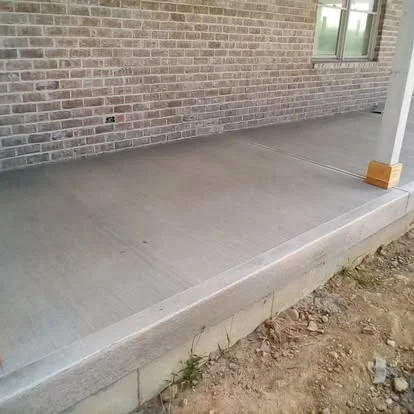
Concrete Sidewalks
Public-facing flatwork built to the spec the city will inspect.
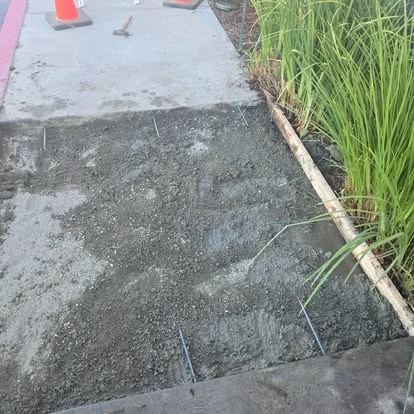
Concrete Sidewalk Repair
Lifted, cracked, or spalled panels made safe again.
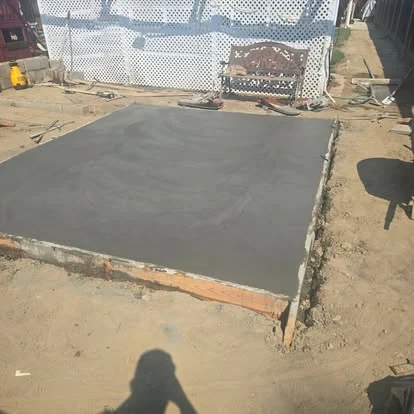
Concrete Sidewalk Replacement
Panel by panel, or the whole run.
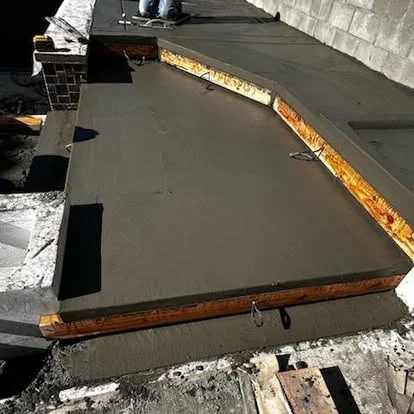
Concrete Steps
Rise and run the same on every step, which is the whole job.
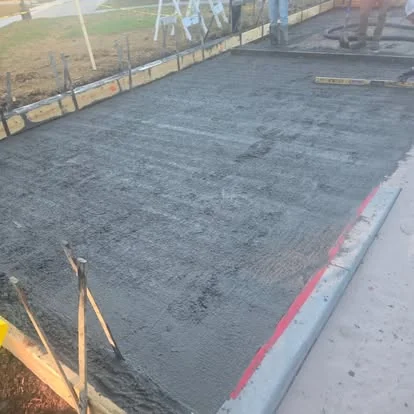
Concrete Stairs
A formed flight that carries load and holds its geometry.
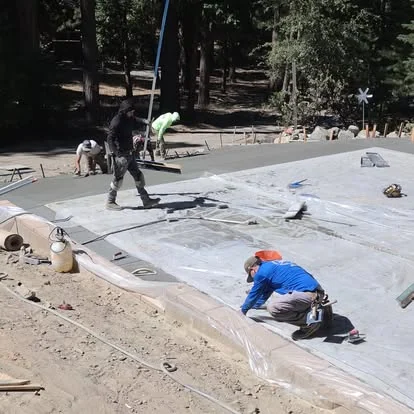
Uneven Concrete Repair
Lips, trip hazards, and panels out of plane.

Concrete Joint Repair
The joints fail before the concrete does.
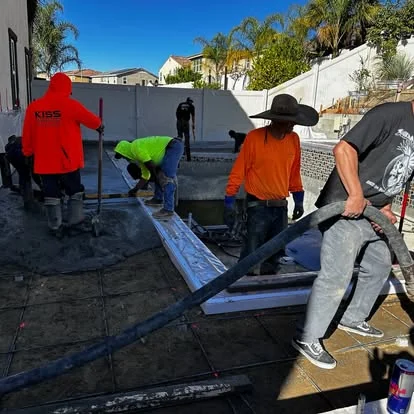
Concrete Resurfacing
A new surface on a sound slab.
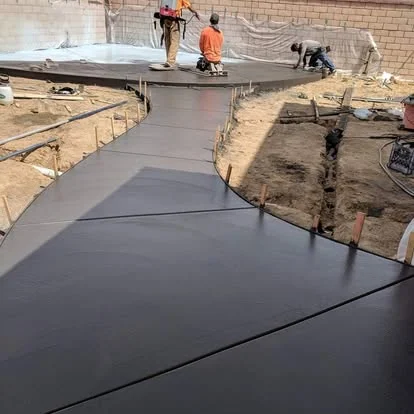
Commercial Concrete Slabs
Slabs sized for racking, equipment, and forklifts.
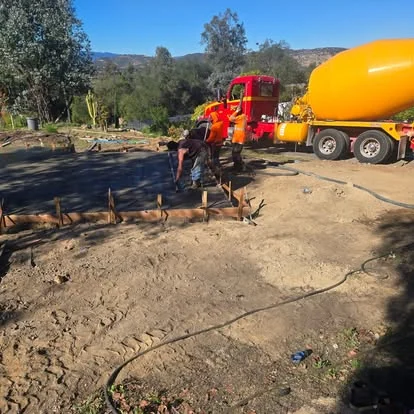
Commercial Concrete Foundations
Footings and stem walls under a commercial structure.
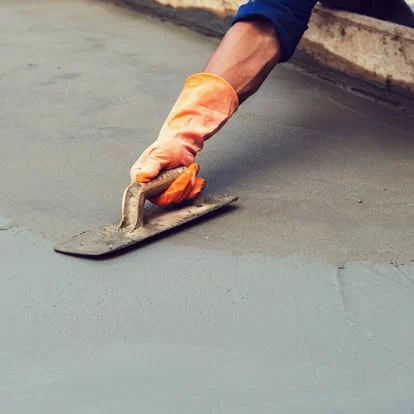
Commercial Sidewalks
Walks that carry public traffic and public liability.
Pouring concrete around Yucca Valley
Triple digits and hard freezes in one year
High desert concrete takes both extremes within twelve months, so it has to be built for both. That means the right mix, joints that allow real movement, and a sealing plan that gets followed rather than mentioned once.
Decomposed granite and alluvium
Much of the high desert is decomposed granite and alluvial material. Worked properly in lifts it compacts into an excellent base; dumped and raked flat it behaves badly and the slab tells you so within a few years.
Long runs on big lots
High desert properties are often large, which means long driveways and big slabs. Length multiplies movement, so joint spacing and layout matter more here than on a small urban pad, and a long drive poured without a joint plan will crack wherever it likes.
Distance and delivery
Some of these properties are a long way from a batch plant, which affects the delivery window and how a pour gets staged. That is worth planning honestly up front rather than discovering it with a truck on site.
Concrete work around Yucca Valley
Flatwork, foundations and repair across Yucca Valley and the rest of San Bernardino County, poured by the same crew that answers the phone.
How concrete fails, and why
Thin slab cracking under vehicles
A four inch slab under a work truck or an RV will crack in the wheel path. Thickness has to come off the actual load, not off what is typical.
Joints in the wrong place
Joints spaced too far apart let the slab crack between them. The rule of thumb is roughly two to three feet of spacing per inch of thickness.
Surface loss at door thresholds
Water runs off a roof or a door and lands in the same line every time. Concentrated water wears concrete, and a drip line is a real design consideration.
Reinforcement too low
Steel sitting on the subgrade is doing nothing. It has to be lifted on chairs into the upper portion of the slab where tension actually occurs.
How a job runs
The soil question
In expansive clay the soil drives the design. If there is a soils report we build to it; if not, what we find during excavation informs the base work.
Drainage
Where water goes gets decided before the pour, because afterward it is permanent. That sometimes means changing the plan to fix a problem you already had.
Once the slab is down, the drainage is permanent.On grading
Joint layout
Joints are planned on paper and cut on time. Where they land is partly structural and partly how the finished slab reads.
Maintenance
Concrete is low maintenance, not no maintenance. Sealing and joint upkeep are the two things worth doing.
Around Yucca Valley
Straight answers
How does the wind affect a pour?
Sustained wind with very low humidity closes the finishing window early and crazes the surface. Pours get planned around the forecast, not just the calendar.
What soil is under most of these lots?
Decomposed granite and alluvium, mostly. Worked in lifts it compacts into excellent base; dumped and raked flat it behaves badly.
Does concrete really freeze up here?
Yes, and that changes the whole conversation. Water in the pores freezes, expands and works the surface apart from inside, which is why high desert slabs pit and spall in a way valley slabs do not. Air entrainment and sealing both matter here.
Is sealing worth it here?
More than anywhere else we work. Where freeze cycling is real, keeping water out of the pores is the difference between a slab that lasts and one that spalls.
Is delivery a problem this far out?
It can affect the window and how the pour is staged. We plan it honestly rather than discovering it with a truck on site.
Yucca Valley concrete, quoted properly
Access, base condition, thickness and finish decide the price. That is why we walk it first and why the number holds.