
Anaheim concrete, no guesswork
We walk the job, read the ground, and tell you what it needs. Anaheim and all of Orange County, 32 years in the trade.
Talk to us about the job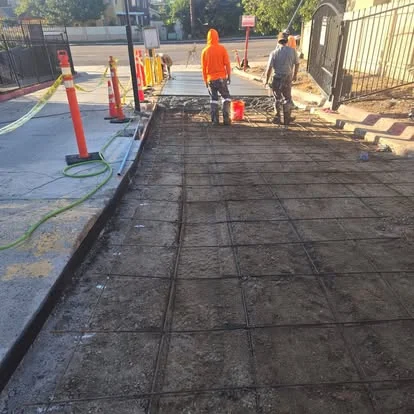
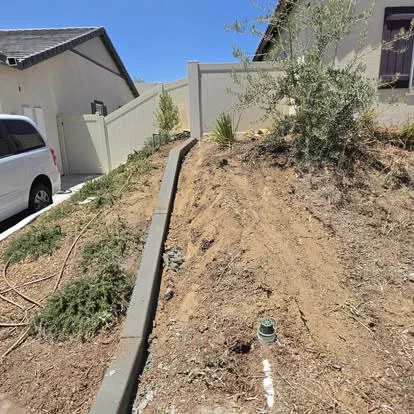
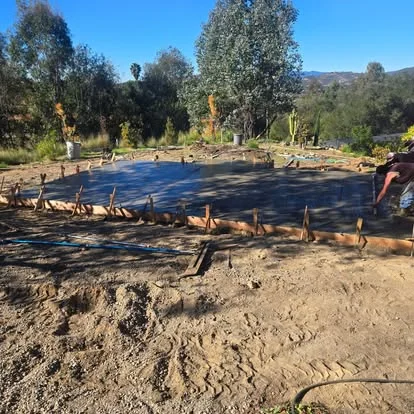
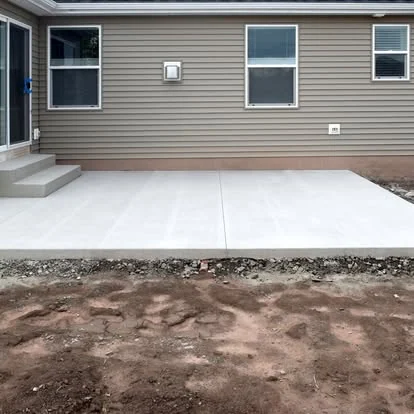
What concrete is up against around Anaheim
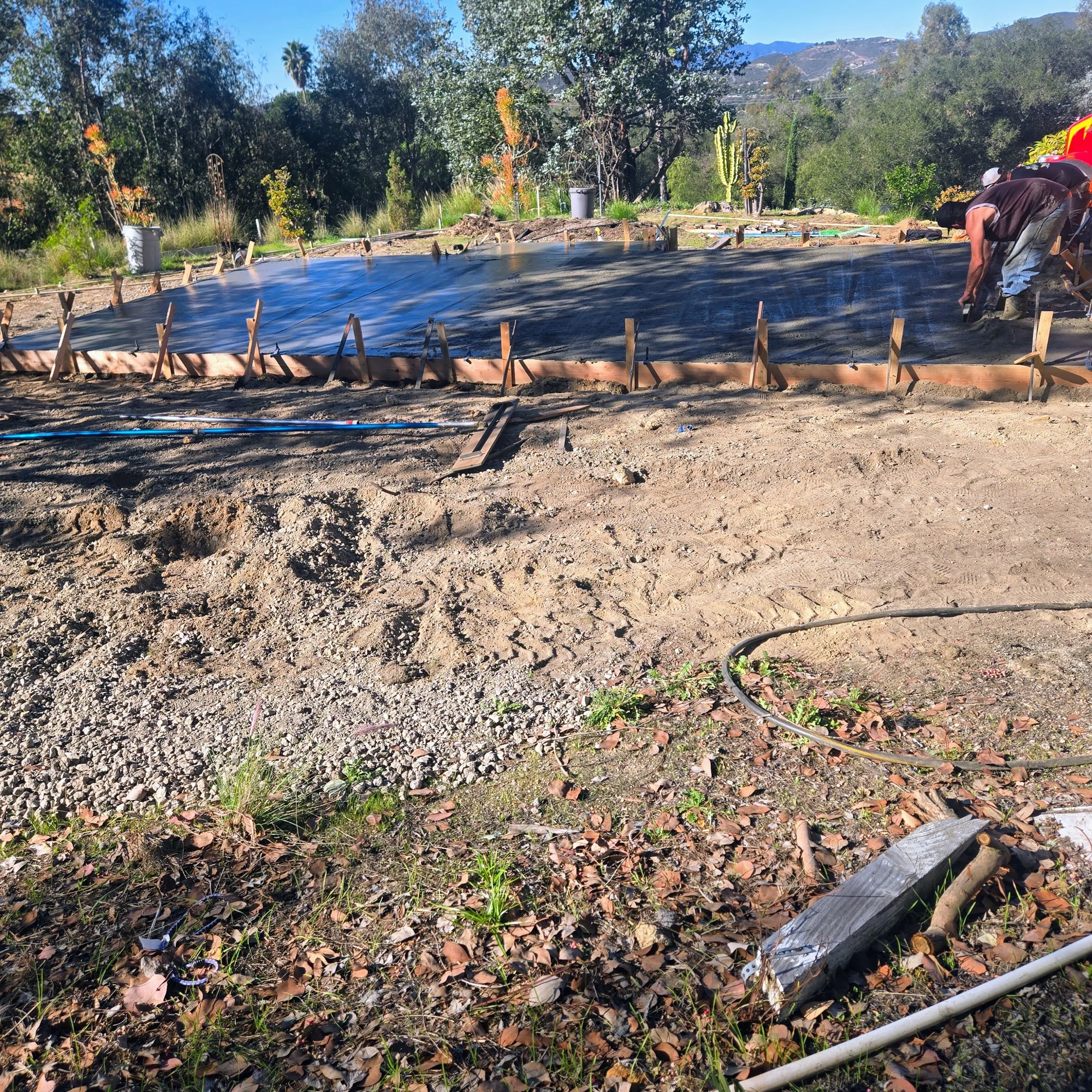
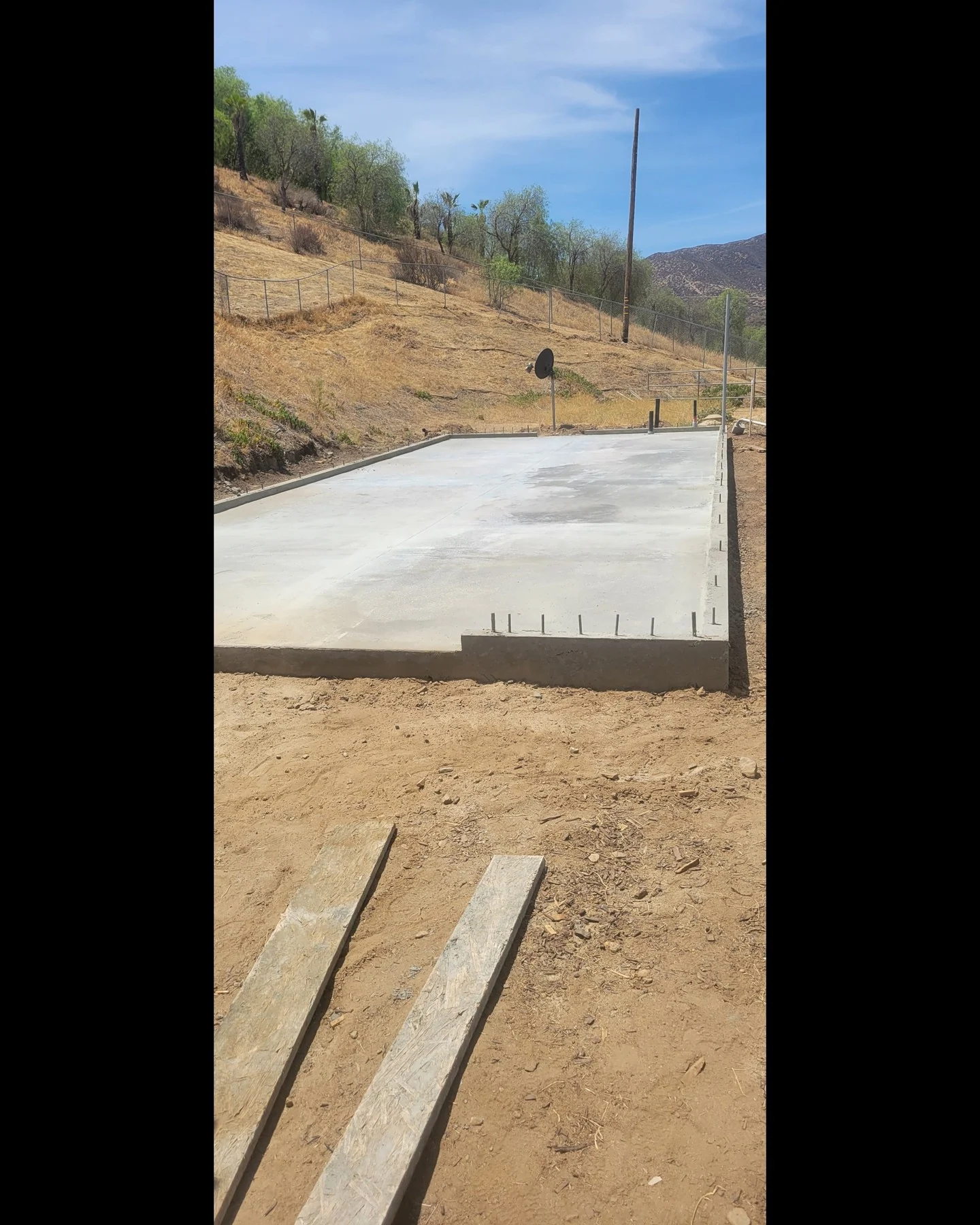
Permits and inspection
Work in the public right of way, anything structural, and most replacements need permits and an inspection. We would rather have that conversation before we break anything out.
Neighbors and noise
Saw cutting and breaking concrete is loud, and in a dense neighborhood that is a real constraint. Hours get worked out in advance.
Matching what stays
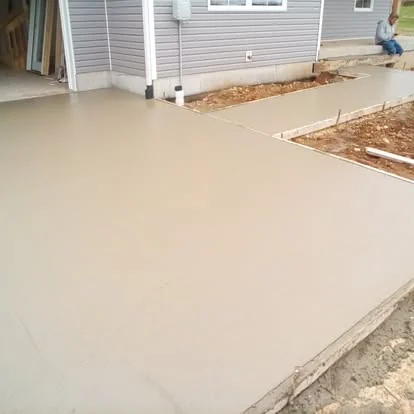
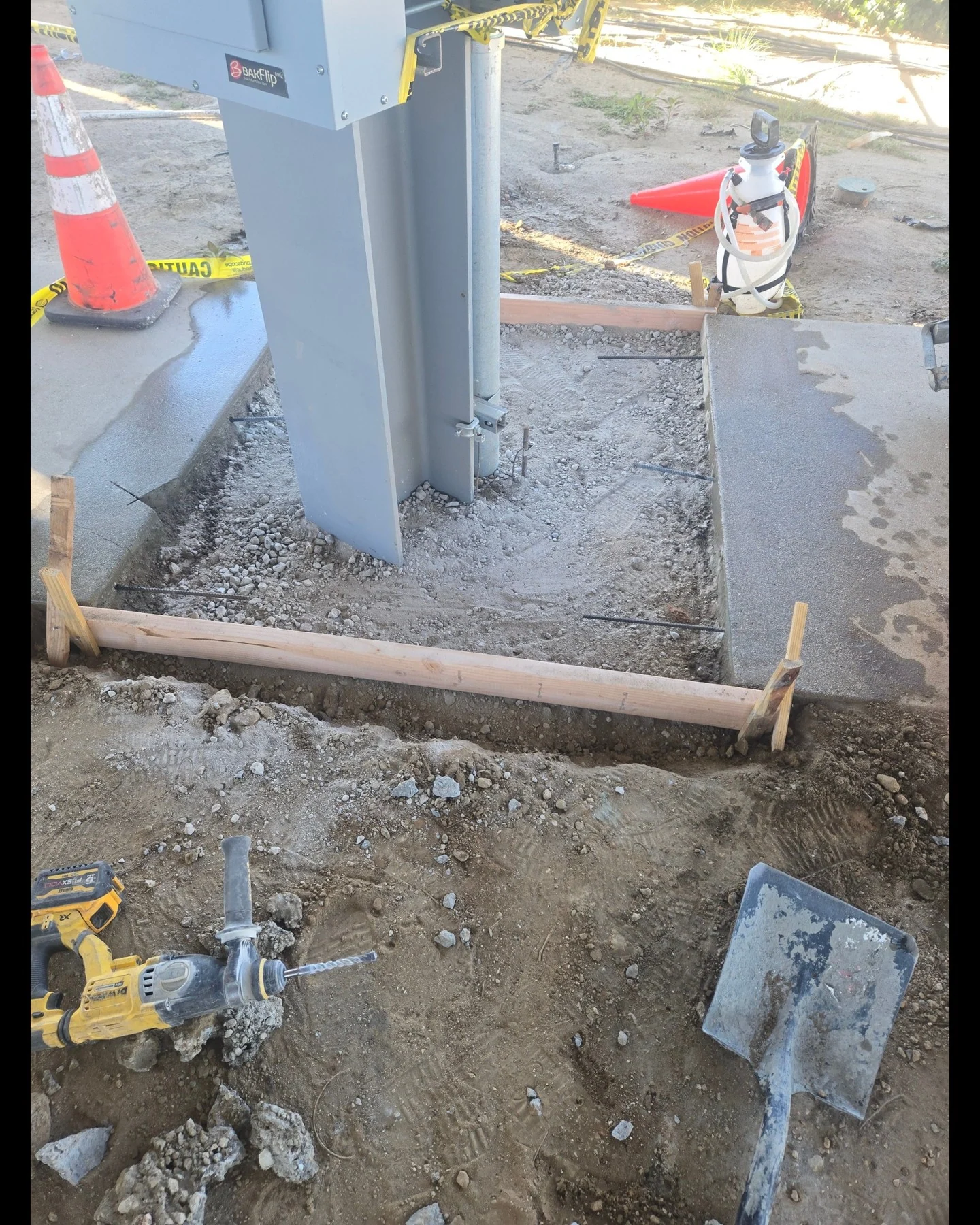
Replacing part of a run means matching the thickness, the finish and the joint pattern of what stays, so the job reads as one surface rather than a patch.
Base first, always
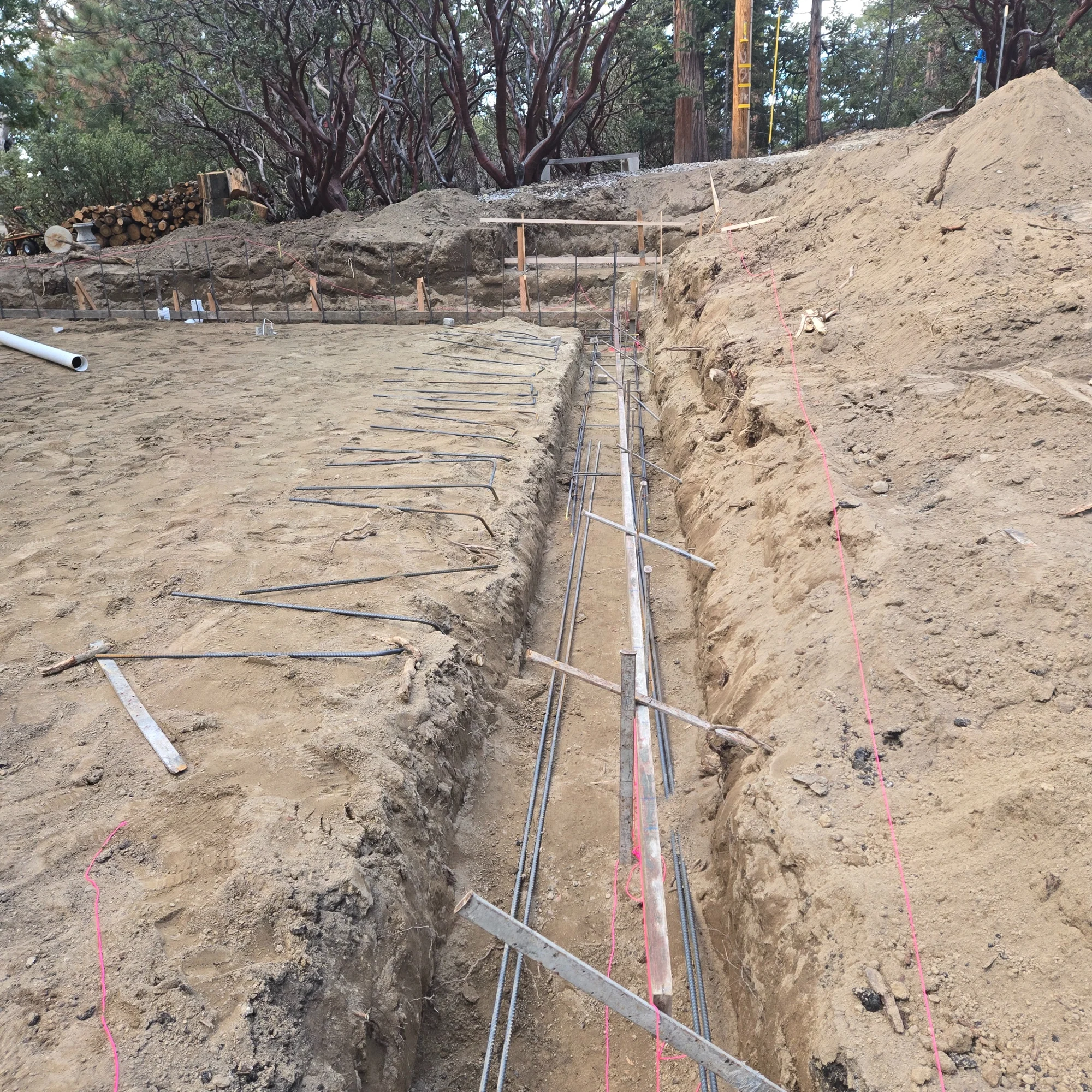
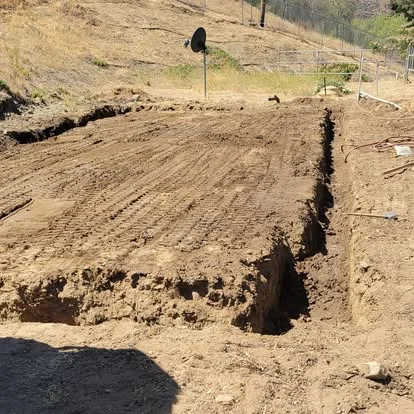
We cut to grade, fix the soft spots we find, and compact base in lifts before anything is formed. In expansive clay that step decides the whole outcome, so it is not where we save money.
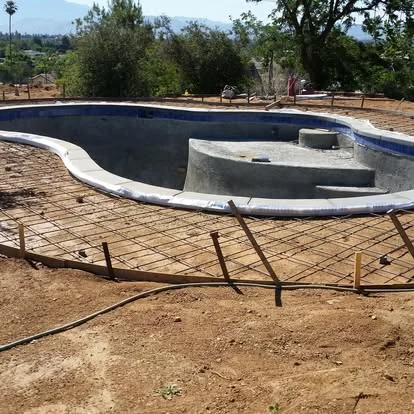
Steel sized to the movement
Reinforcement gets placed for what the soil is going to do, on chairs at the right height with real cover. Steel lying on the dirt does nothing at all.
Cleanup is part of the job
Washout handled properly, spoil hauled, surfaces cleaned. Concrete work is messy while it happens and should be invisible when it is done.
What we build in Anaheim
Front Porches
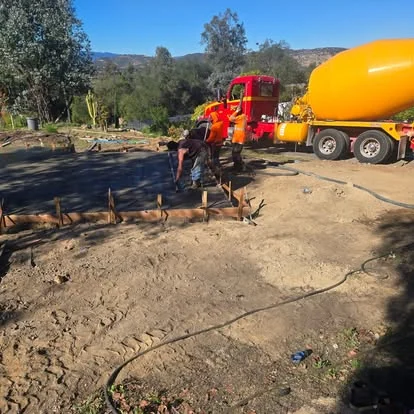
The first slab anybody sees.
Back Porches
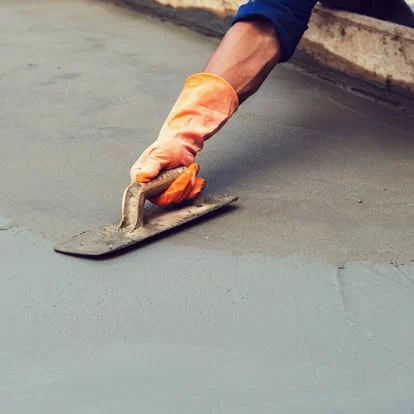
The slab that gets lived on.

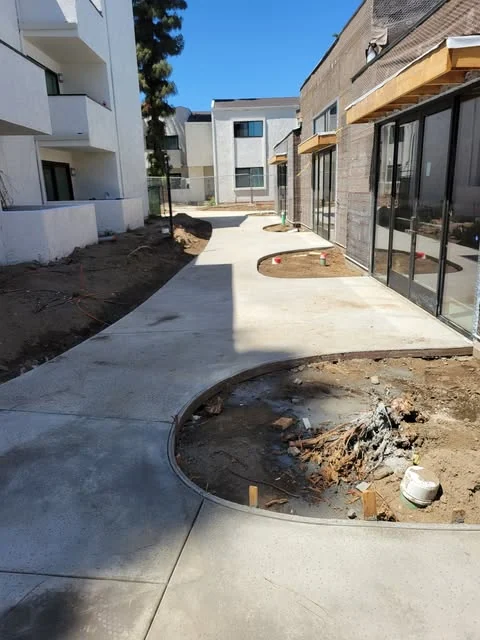
Concrete Courtyards
An enclosed slab where drainage has nowhere obvious to go.
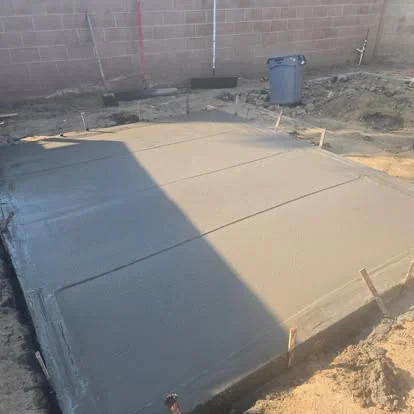
Concrete Slabs
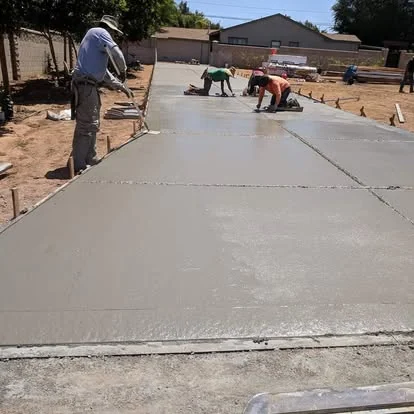
The flat pour everything else is a version of.
Concrete Slab Repair
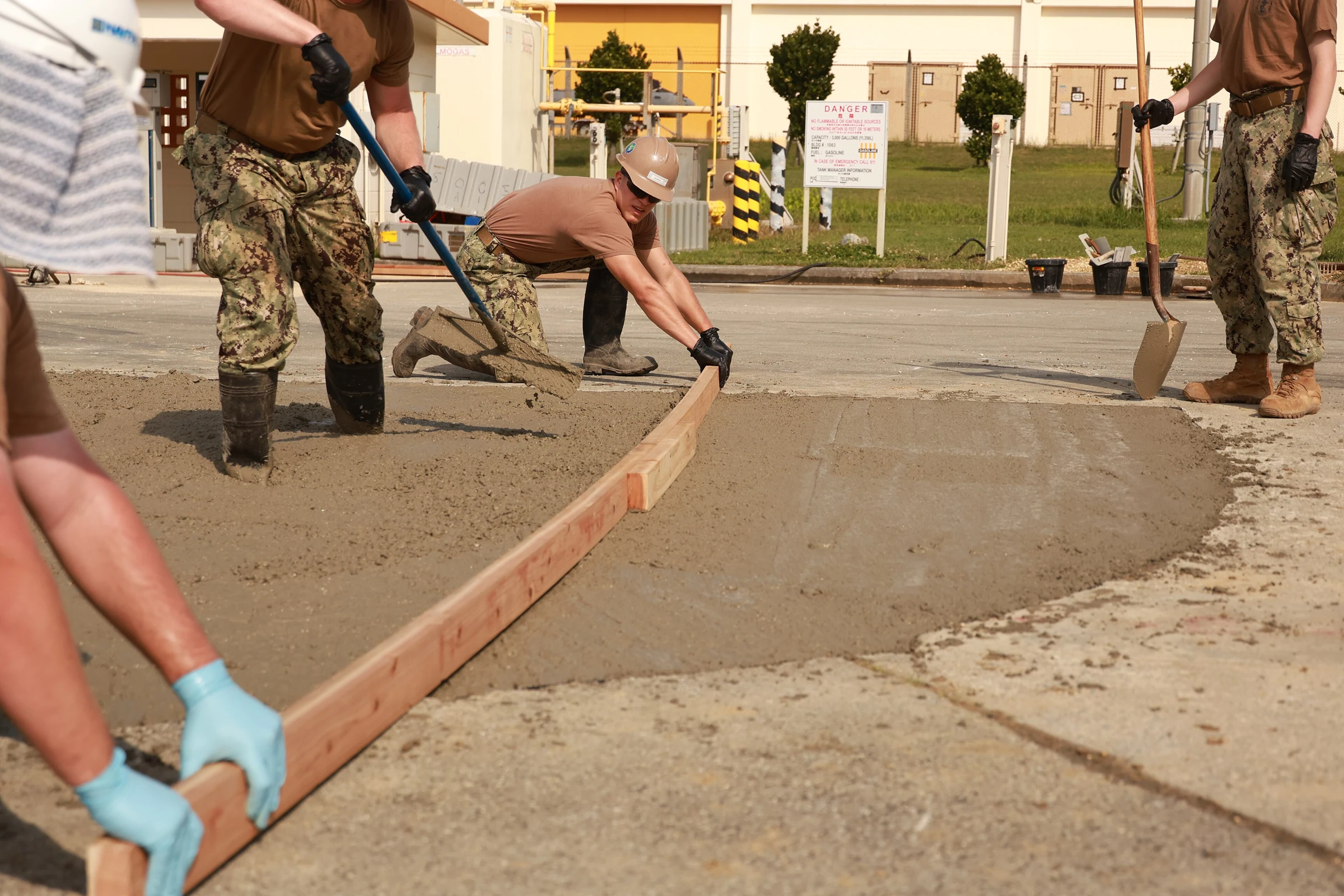
Cracks and surface failure on a slab worth keeping.

Concrete Slab Replacement
When the base failed, the slab follows.
Concrete Removal
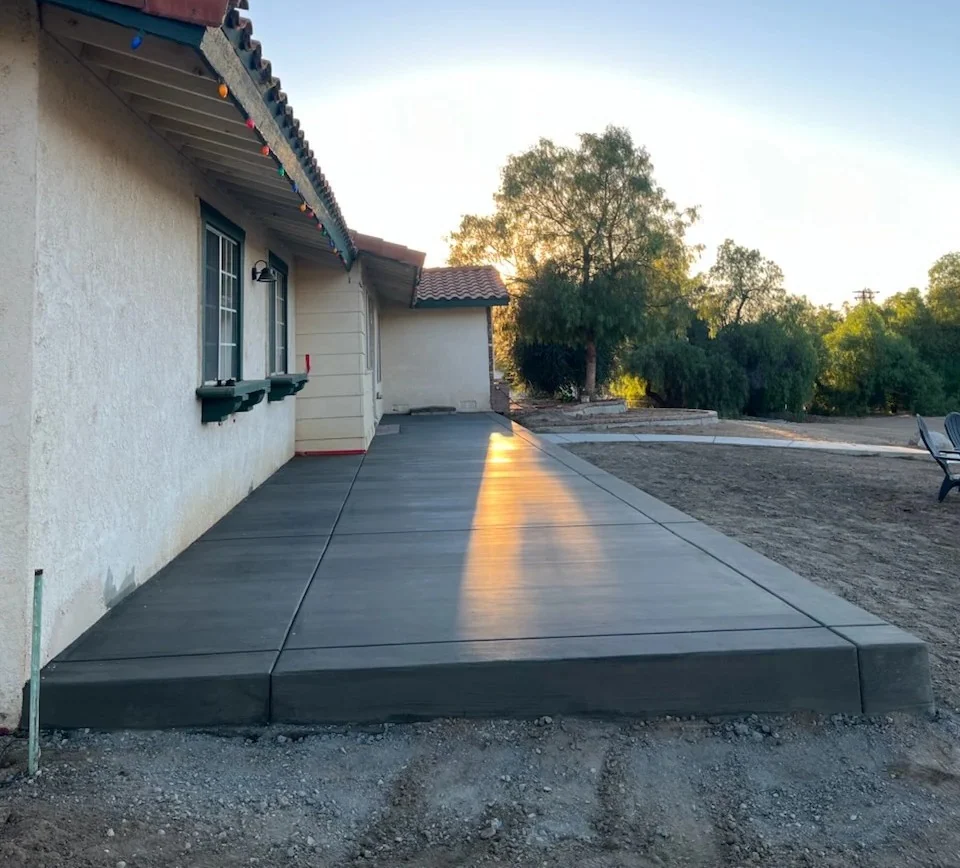
Break it out, haul it off, leave it clean.
Concrete Demolition
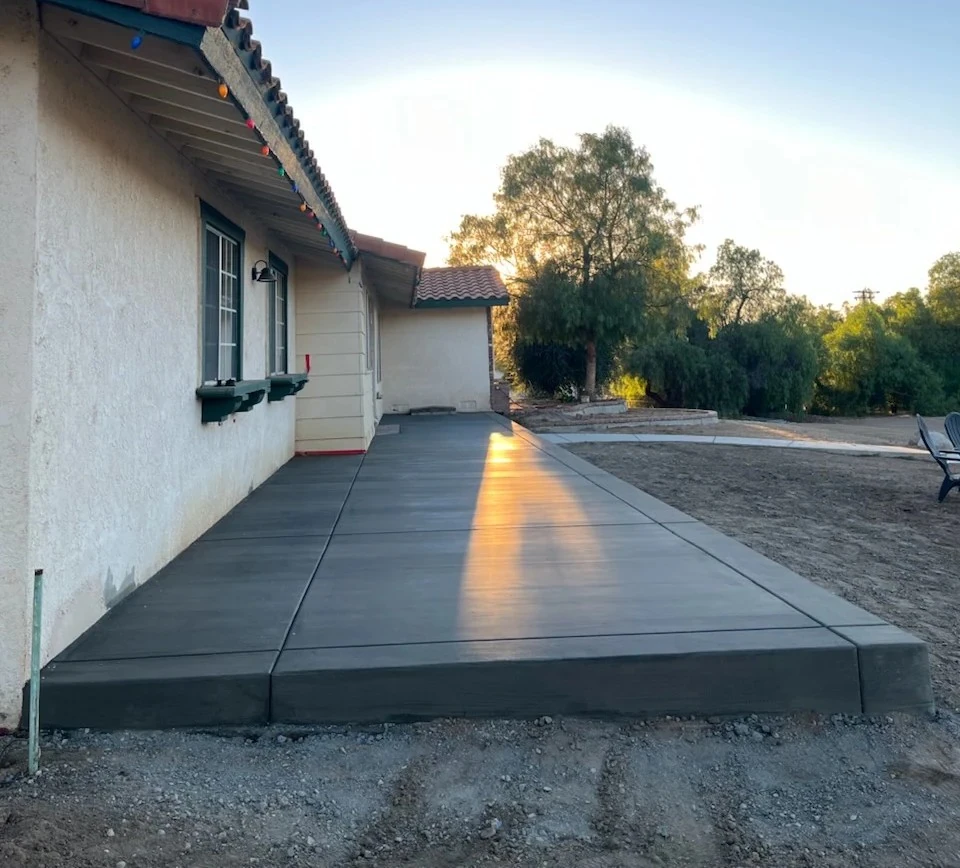
Controlled demolition, including reinforced sections.
Concrete Saw Cutting
A straight, clean cut to a measured depth.
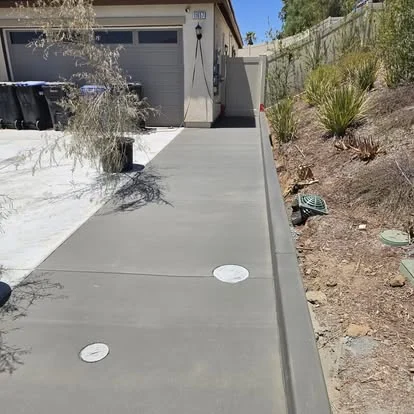
Warehouse Floors
Flat enough for racking and hard wheels.
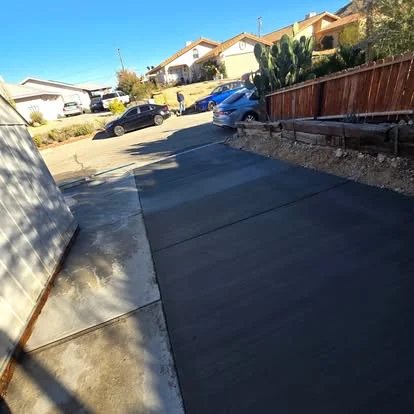
Industrial Floors
Impact, chemicals, and equipment loads.
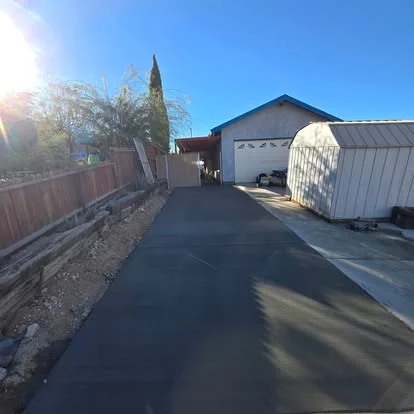
Industrial Concrete
Heavy concrete for working facilities.
Pouring concrete around Anaheim
Utilities nobody recorded
Older urban lots have services running in places no drawing shows. Anything cut or dug starts with locating, because finding a line with a saw is expensive and entirely avoidable.
Matching a run that stays
Replacing part of a walk or drive means matching thickness, finish and joint pattern to what remains, so the result reads as one surface rather than a patch. Color takes time to blend as concrete ages and we will be straight about that up front.
Access and staging
Dense lots mean narrow drives, alley access, parked cars and nowhere obvious to put a truck. Getting concrete to the pour is often harder than the pour itself, so access is worked out before the date is set, including whether the job needs a pump.
Permits and the right of way
Work in the public right of way, anything structural, and most full replacements need permits and inspection. We would rather have that conversation before anything is broken out than discover it when an inspector arrives.
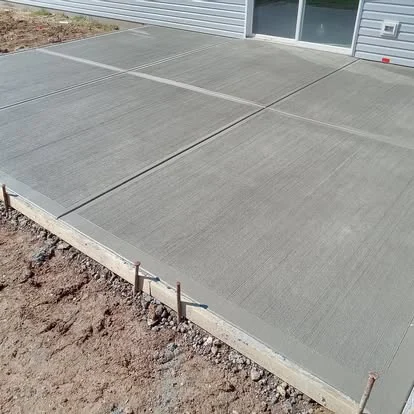
Concrete work around Anaheim
Flatwork, foundations and repair across Anaheim and the rest of Orange County, poured by the same crew that answers the phone.
How concrete fails, and why
Cracking that follows no joint
When a slab cracks in a line nobody cut, it is almost always telling you about restraint or about the ground. A slab poured tight against a footing cannot shrink, so it tears instead. A slab over a soft spot bends until it breaks. Neither is a concrete defect.
Spalling and surface loss
Flaking down to the aggregate is the top layer letting go. The usual causes are water working in and out, chloride from de-icing or fertiliser, and a surface that got sealed too early during finishing so bleed water was trapped under it.
Panels at different heights
A lip at a joint means one side moved. Sometimes that is a root, sometimes erosion under the slab, sometimes a void left by poor compaction. Grinding the lip removes the trip hazard and does nothing about the cause.
Standing water
Water that sits is a grading problem that got set in concrete. It accelerates every other failure mode, because water is what carries chloride in and what freezes in the pores.
How a job runs
Getting a number
We walk the job, measure, and quote what it needs. No number goes out on a photograph and nothing gets quoted thin to win it.
How long it takes
Most residential flatwork is a few days from demolition to pour, plus curing. Structural work runs longer because of inspections.
Steel lying on the dirt does nothing at all.On reinforcement
Who is on site
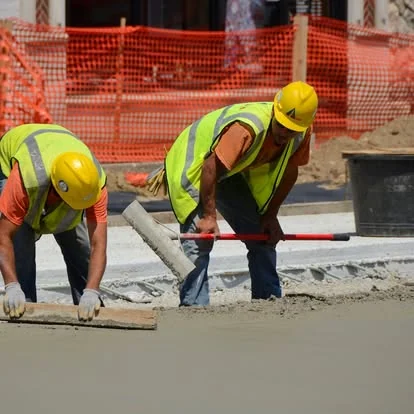
The same crew that forms it pours it and finishes it. There is no handoff where the details get lost.
Afterwards
Sealing, joint maintenance, and keeping water off it are the things that decide whether you get twenty years or forty.
Around Anaheim
Straight answers
What about utilities under the slab?
Anything cut or dug starts with locating, because older urban lots have services in places no drawing records.
Am I liable for a lifted panel out front?
Generally the property owner carries that risk on a public walk, which is why grinding a lip or replacing a panel is cheap next to a claim.
How long before I can park on it?
Foot traffic a day or two, vehicles longer. You get the real number for your pour.
Can you match the neighboring concrete?
Close, not exact, since concrete ages. We match thickness, finish and joints so the run reads as one surface.
My sidewalk is lifted by a tree root. What are the options?
Grinding the lip removes the trip hazard; cutting and repouring the panel fixes the surface. Neither lasts unless the root is addressed, which can mean pruning, a root barrier or rerouting the walk.
Ready to talk about it?
Call the shop. We cover Anaheim and the rest of the county from Hemet, and we will come out and read the job before quoting.