
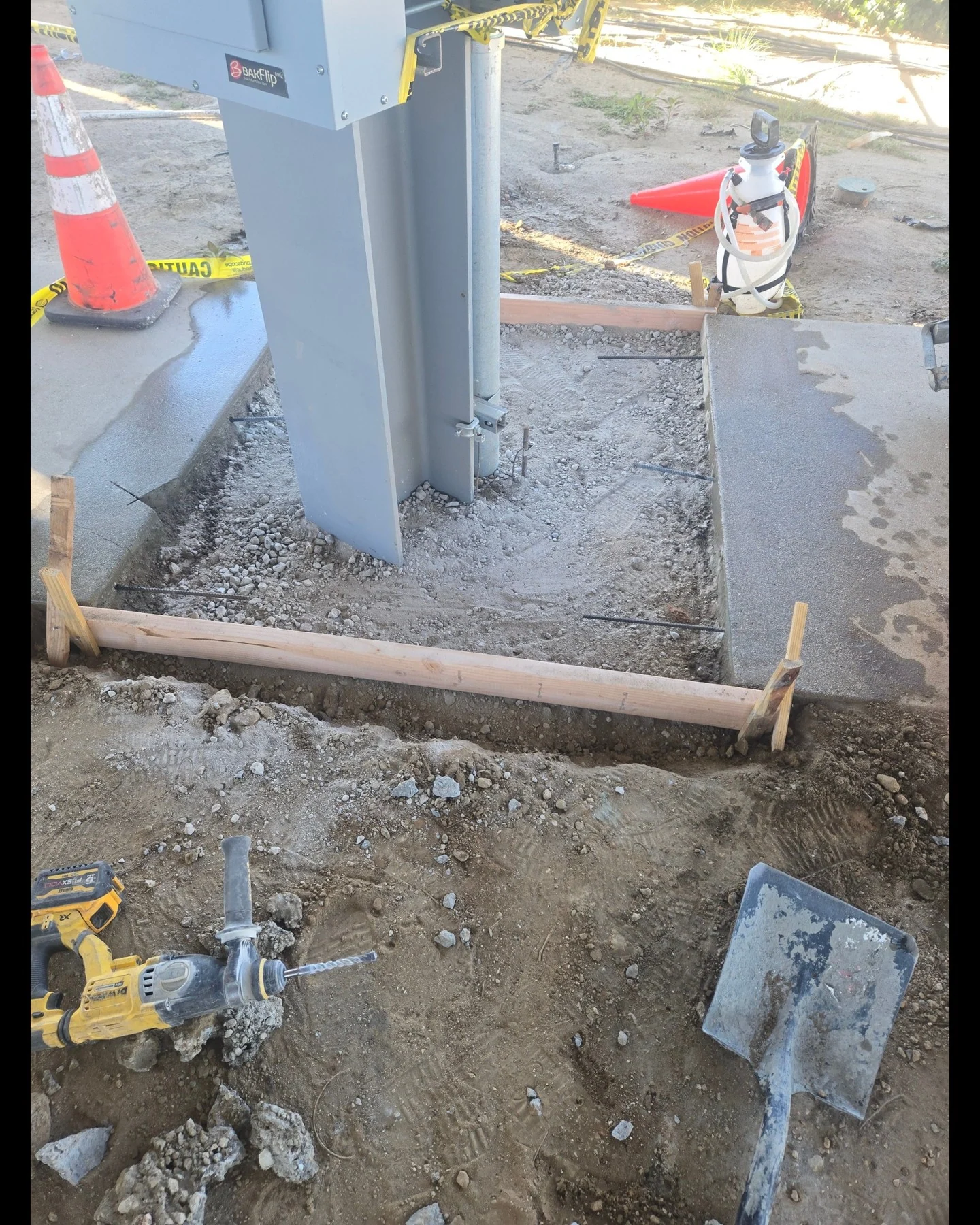
Lake Los Angeles slabs, built from the base up
Most concrete fails from underneath, so that is where we start. Serving Lake Los Angeles and Los Angeles County with 32 years in the trade behind every pour.
Talk to us about the job
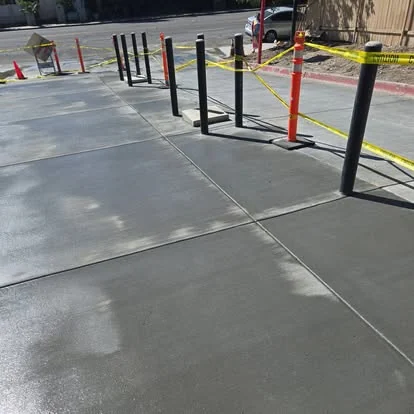
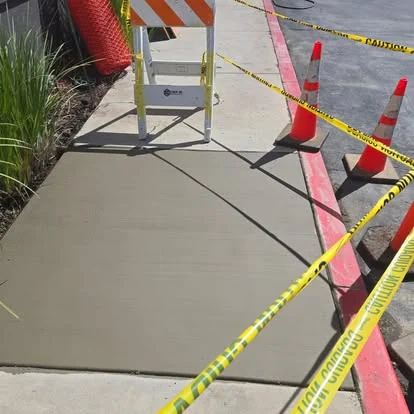
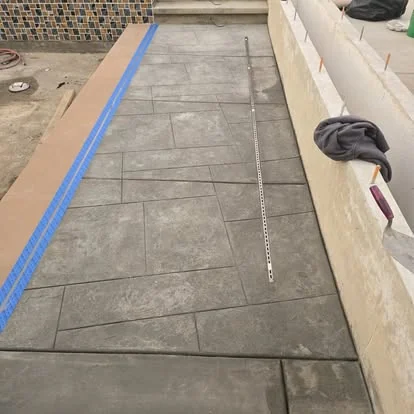
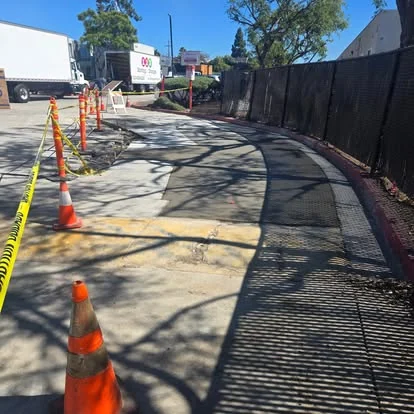
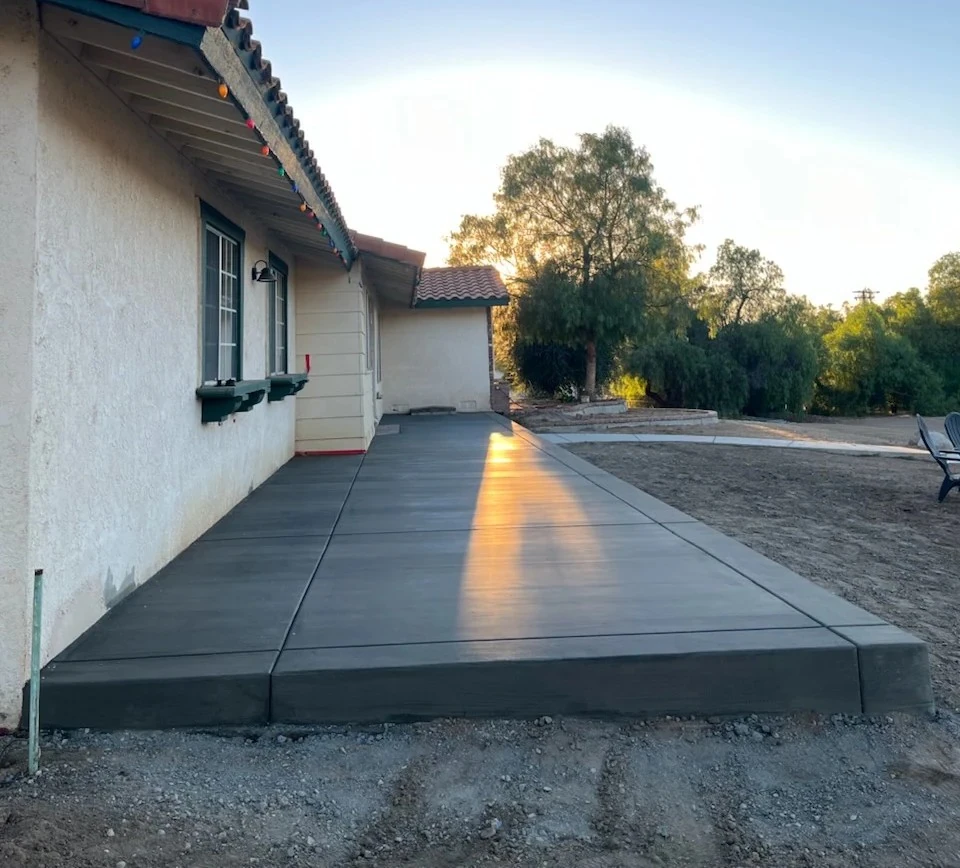
What concrete is up against around Lake Los Angeles
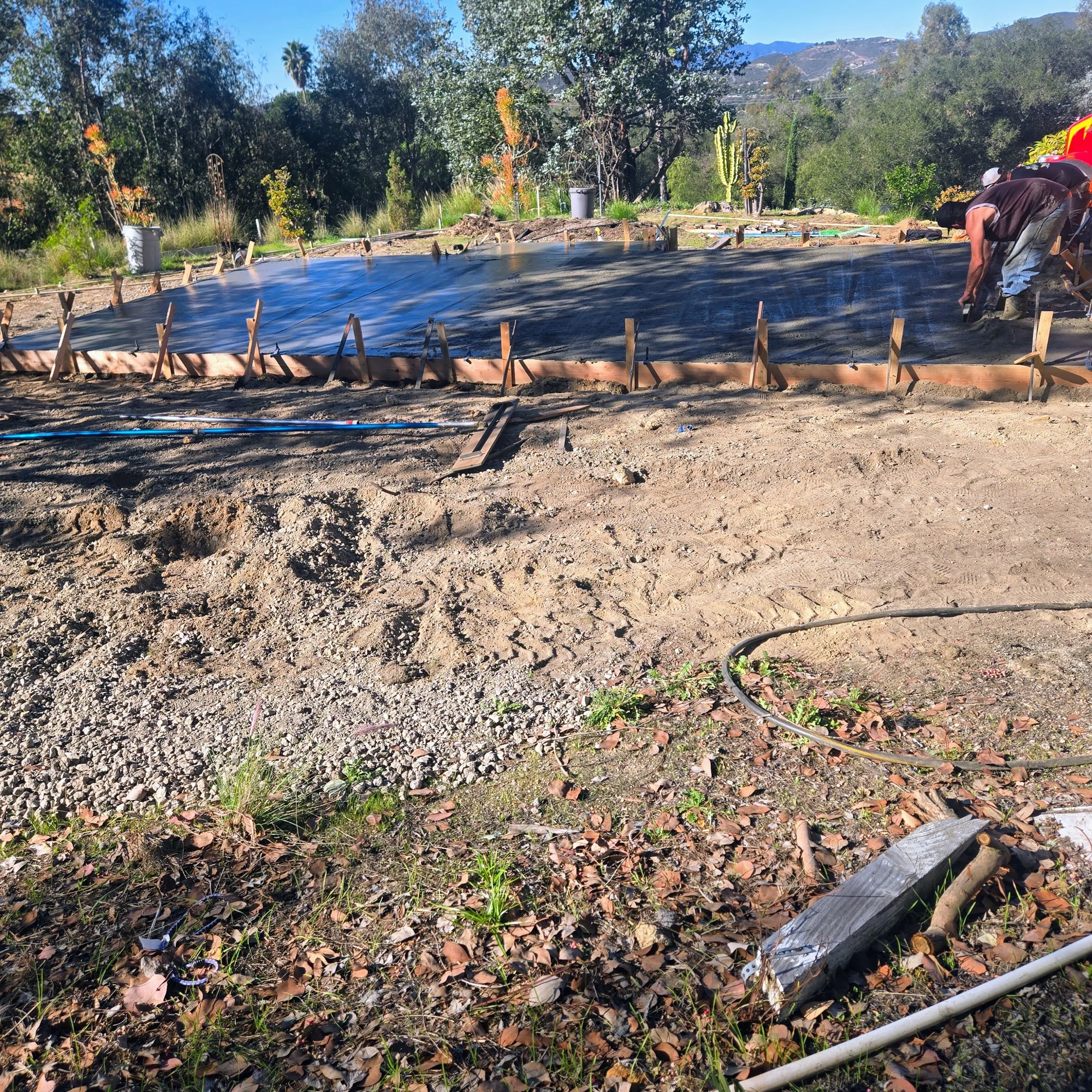
Freeze and thaw is real up here
The high desert genuinely freezes. Water gets into bare concrete, freezes, expands, and works the slab apart from the inside. That is why an unsealed high desert driveway pits and spalls in a way a valley slab does not.
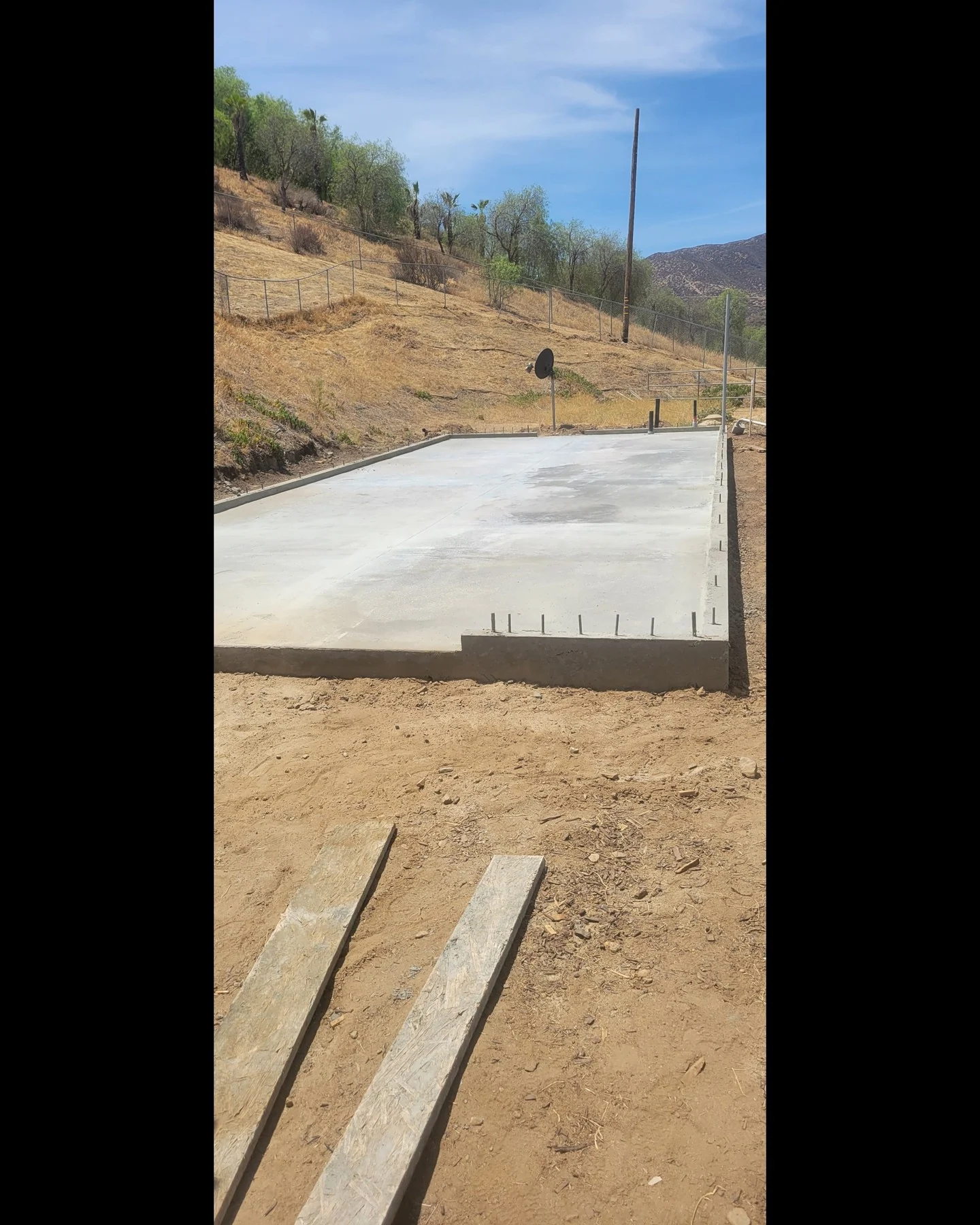
Long runs and long cracks
High desert lots are often big, which means long driveways and long slabs. Length multiplies movement, so joint spacing and layout matter more than on a small urban pad.
Sealing actually matters here
Where freeze cycling is real, keeping water out of the pores is the difference between a slab that lasts and one that spalls. Sealing is maintenance that pays for itself at this elevation.
Pours scheduled to the heat
In summer we start early and keep the mix and the crew ahead of the temperature. Concrete does not wait for anybody.
One crew start to finish
The same people who form it pour it and finish it. There is no handoff where the details get lost.
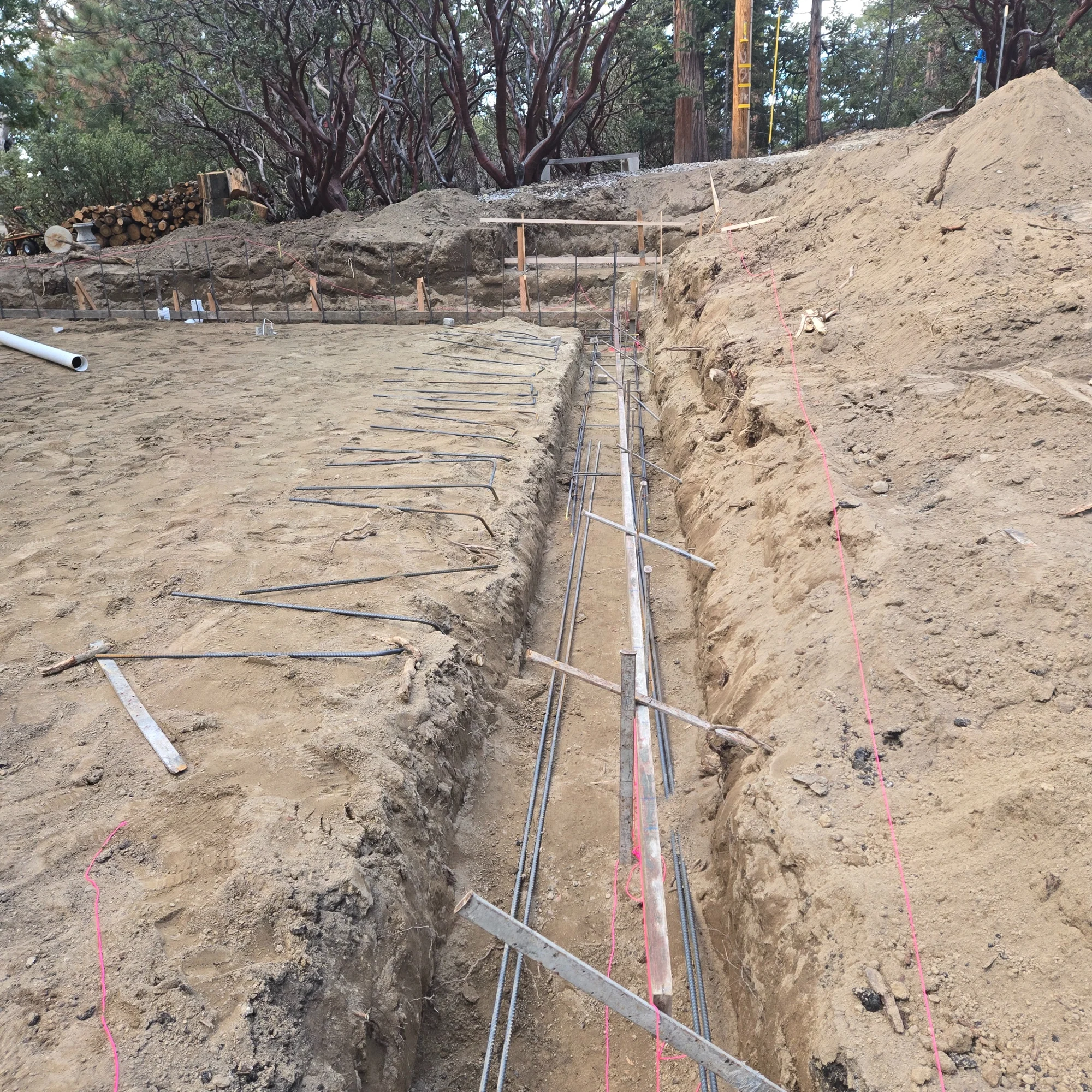
Base first, always
We cut to grade, fix the soft spots we find, and compact base in lifts before anything is formed. In expansive clay that step decides the whole outcome, so it is not where we save money.
What we build in Lake Los Angeles
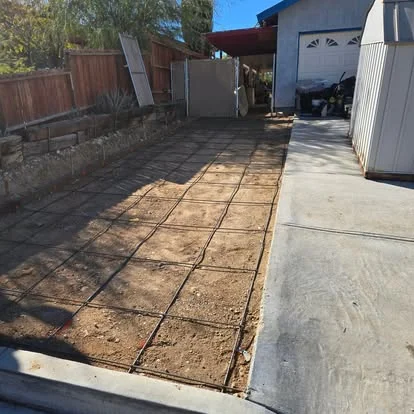
Concrete Patios
The outdoor room that starts as a flat pour.
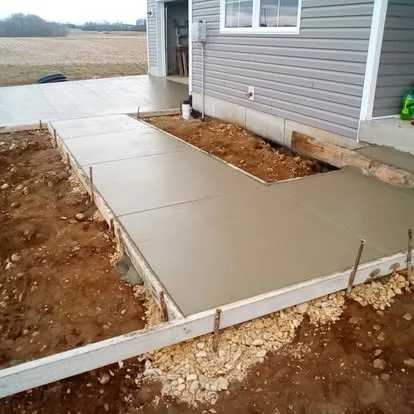
Concrete Patio Replacement
Take out the old slab, pour the one you actually wanted.
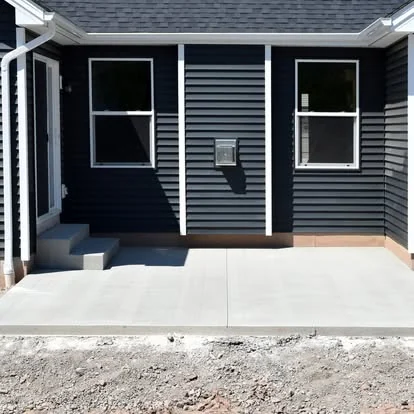
Concrete Patio Repair
Cracks, settled corners, and surfaces that have gone rough.
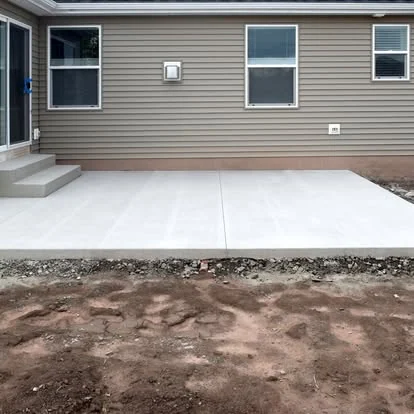
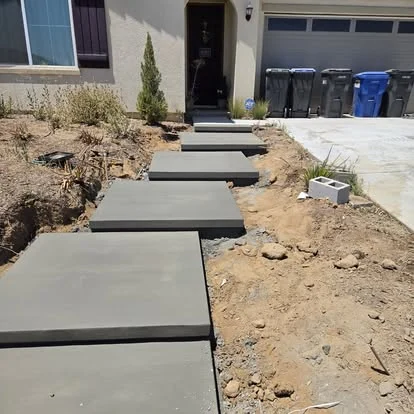
Concrete Walkways
Getting from the street to the door without a trip hazard.
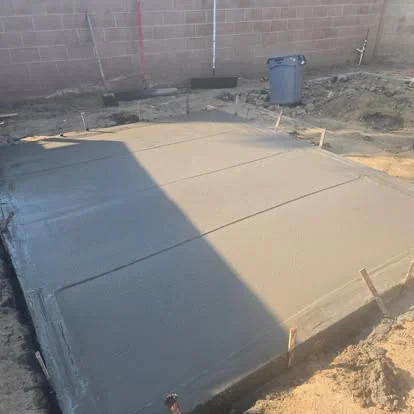
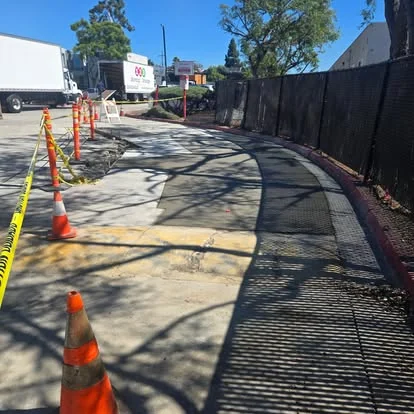
Concrete Sidewalks
Public-facing flatwork built to the spec the city will inspect.
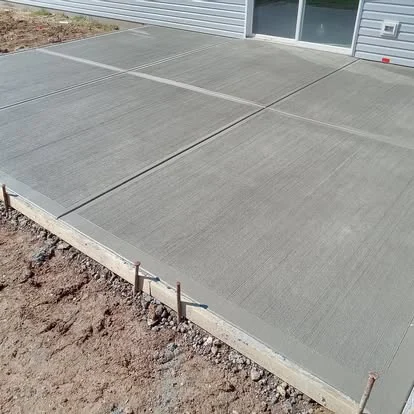
Concrete Sidewalk Repair
Lifted, cracked, or spalled panels made safe again.
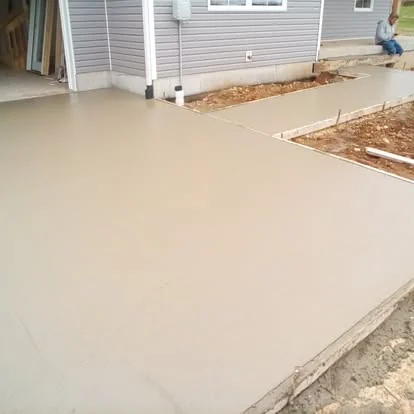
Concrete Resurfacing
A new surface on a sound slab.
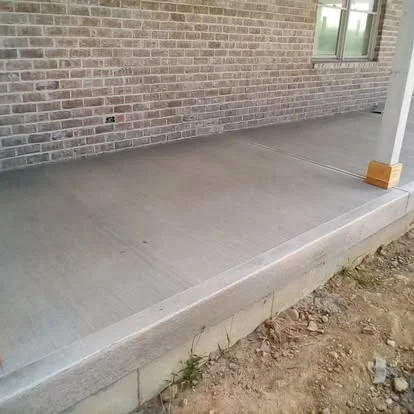
Concrete Leveling
Lifting a slab back to where it started.
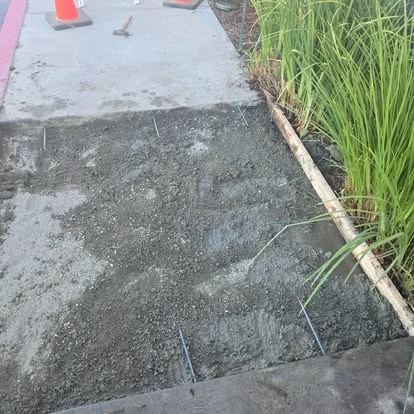
Concrete Grinding
Taking down high spots and trip lips.
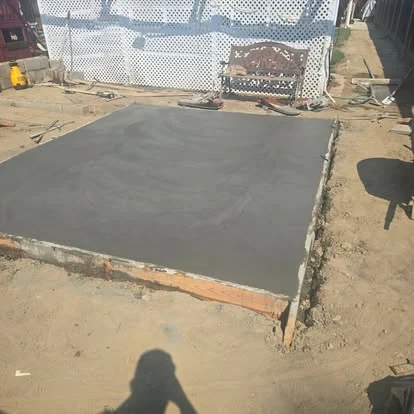
Equipment Pads
A level base for machinery that cannot move.
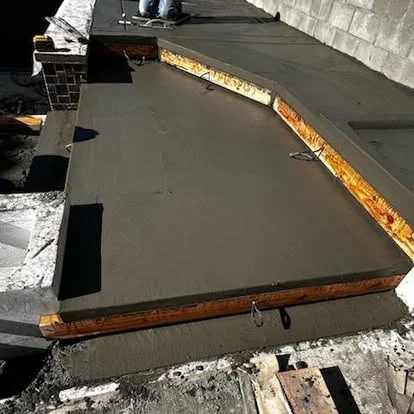
Transformer Pads
Utility pads built to the utility’s drawing.
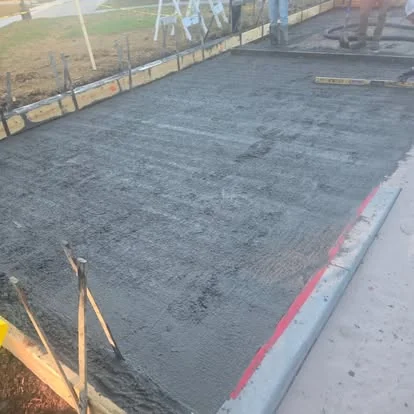
Utility Pads
Pads for meters, generators, and mechanical gear.
Pouring concrete around Lake Los Angeles
Distance and delivery
Some of these properties are a long way from a batch plant, which affects the delivery window and how a pour gets staged. That is worth planning honestly up front rather than discovering it with a truck on site.
Decomposed granite and alluvium
Much of the high desert is decomposed granite and alluvial material. Worked properly in lifts it compacts into an excellent base; dumped and raked flat it behaves badly and the slab tells you so within a few years.
Long runs on big lots
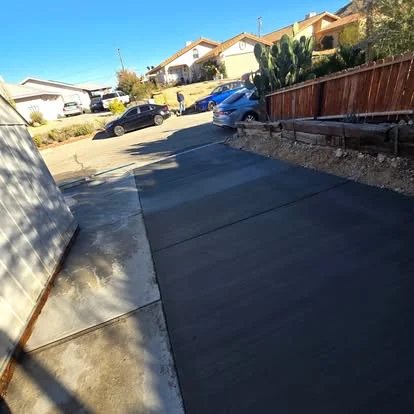
High desert properties are often large, which means long driveways and big slabs. Length multiplies movement, so joint spacing and layout matter more here than on a small urban pad, and a long drive poured without a joint plan will crack wherever it likes.
Freeze and thaw is real at this elevation
The high desert genuinely freezes, and that changes the concrete conversation completely. Water gets into the pores, freezes, expands and works the surface apart from inside. Over a decade that is the difference between a sound slab and a pitted, spalling one. Air entrainment and sealing both matter here in a way they do not down in the valley.
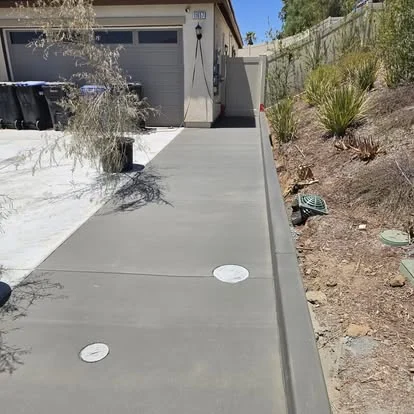
Concrete work around Lake Los Angeles
Flatwork, foundations and repair across Lake Los Angeles and the rest of Los Angeles County, poured by the same crew that answers the phone.
How concrete fails, and why
Failure that starts at the edge
Most slabs die from the outside in. Edges are thin, unsupported and exposed, which is why a thickened perimeter is worth the concrete it costs.
Water tracking under the slab
If water can get under concrete it will move fines out and leave voids. Drainage and base gradation both exist to stop that.
Cracks that open seasonally
A crack that closes in winter and opens in summer is expansive soil cycling. It is manageable and it is not going to be solved by filling it once.
Coatings peeling off
A coating is only as good as the prep under it. Profile, moisture content and cleanliness all decide whether it bonds or sheets off later.
How a job runs
What a site visit covers
Soil, slope, drainage, access, existing concrete, and what you actually want the space to do. All of it changes the work.
Ordering the concrete
Mix design comes off the application. Strength, aggregate size and admixtures are decisions, and they are made before the truck is booked.
The honest answer is sometimes the cheaper one.On quoting
Placement and finish
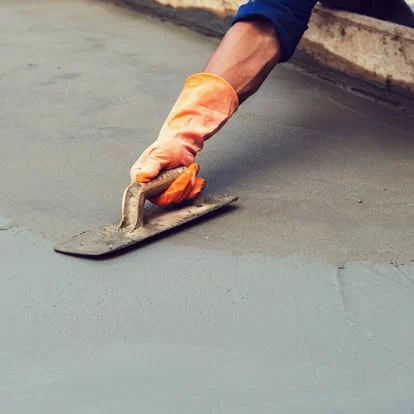
Placed, consolidated, screeded, floated and finished, each at the right moment. That timing is the trade.
Living with it
Keep water moving off it, reseal when it needs it, and keep an eye on the joints. That is most of concrete maintenance.
Around Lake Los Angeles
Straight answers
Do you handle demolition and haul-off?
Yes, cut clean, broken out, loaded and hauled, with the ground left ready for the new pour.
Can you pour in winter?
Sometimes, with protection. Concrete cures by chemical reaction and cold slows that reaction down, so a slab placed into a hard freeze may never reach strength. We would rather move a date than pour into conditions that will not cure.
Is sealing worth it here?
More than anywhere else we work. Where freeze cycling is real, keeping water out of the pores is the difference between a slab that lasts and one that spalls.
My lot is large. Does that change anything?
Length multiplies movement, so a long driveway needs a real joint plan. Poured without one it will crack wherever it likes.
What soil is under most of these lots?
Decomposed granite and alluvium, mostly. Worked in lifts it compacts into excellent base; dumped and raked flat it behaves badly.
Lake Los Angeles concrete, quoted properly
Access, base condition, thickness and finish decide the price. That is why we walk it first and why the number holds.