
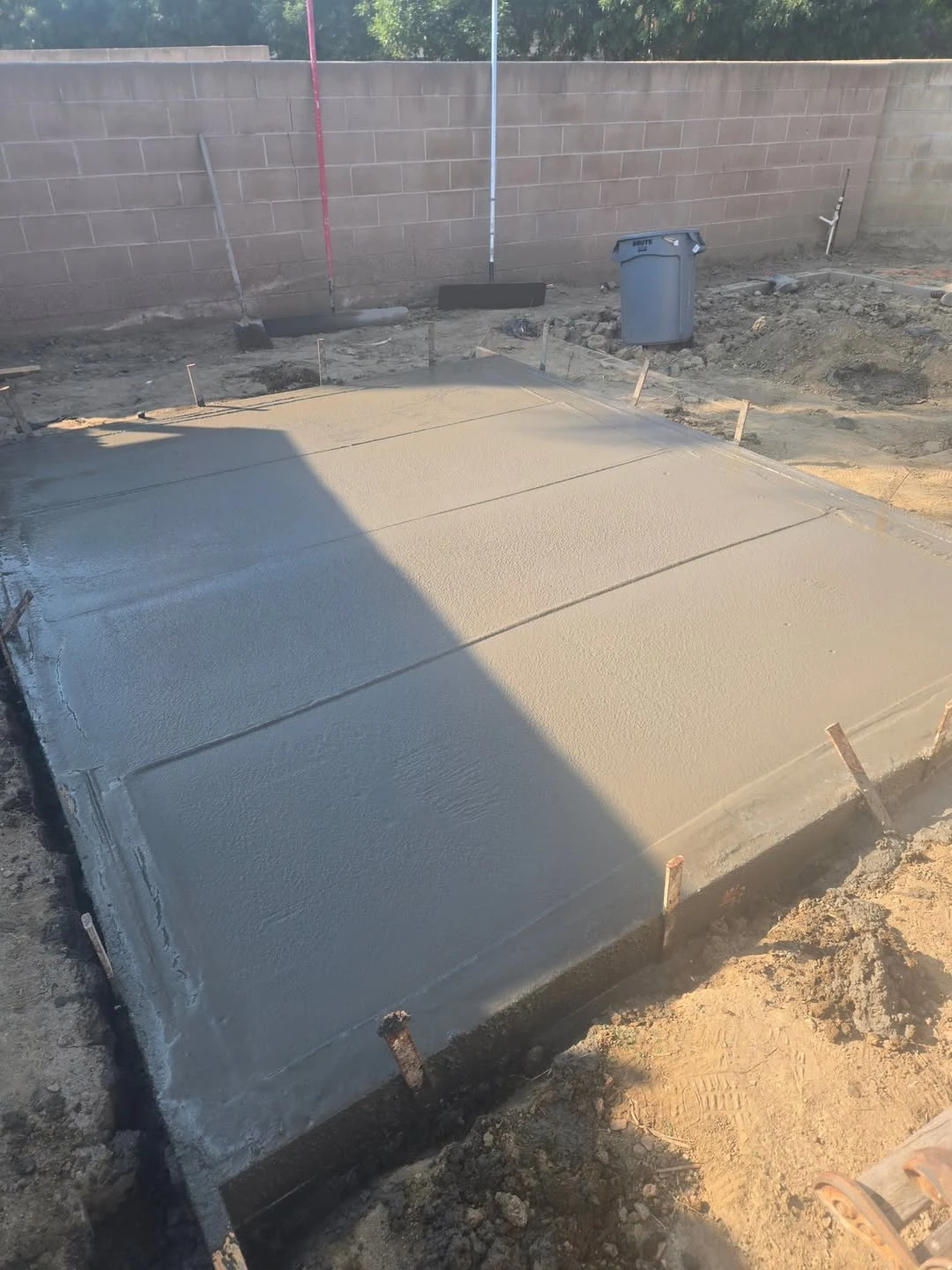
Salton City concrete, no guesswork
We walk the job, read the ground, and tell you what it needs. Salton City and all of Riverside County, 32 years in the trade.
Talk to us about the job
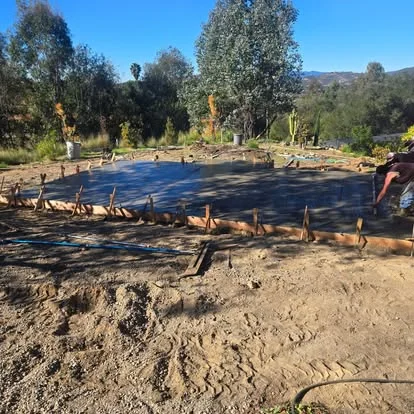
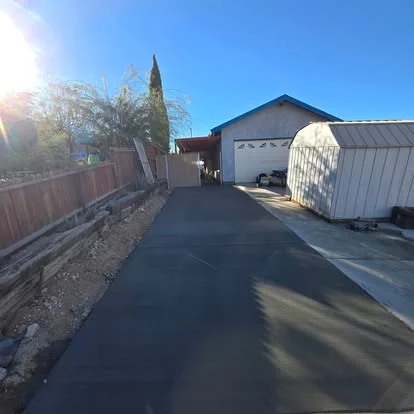
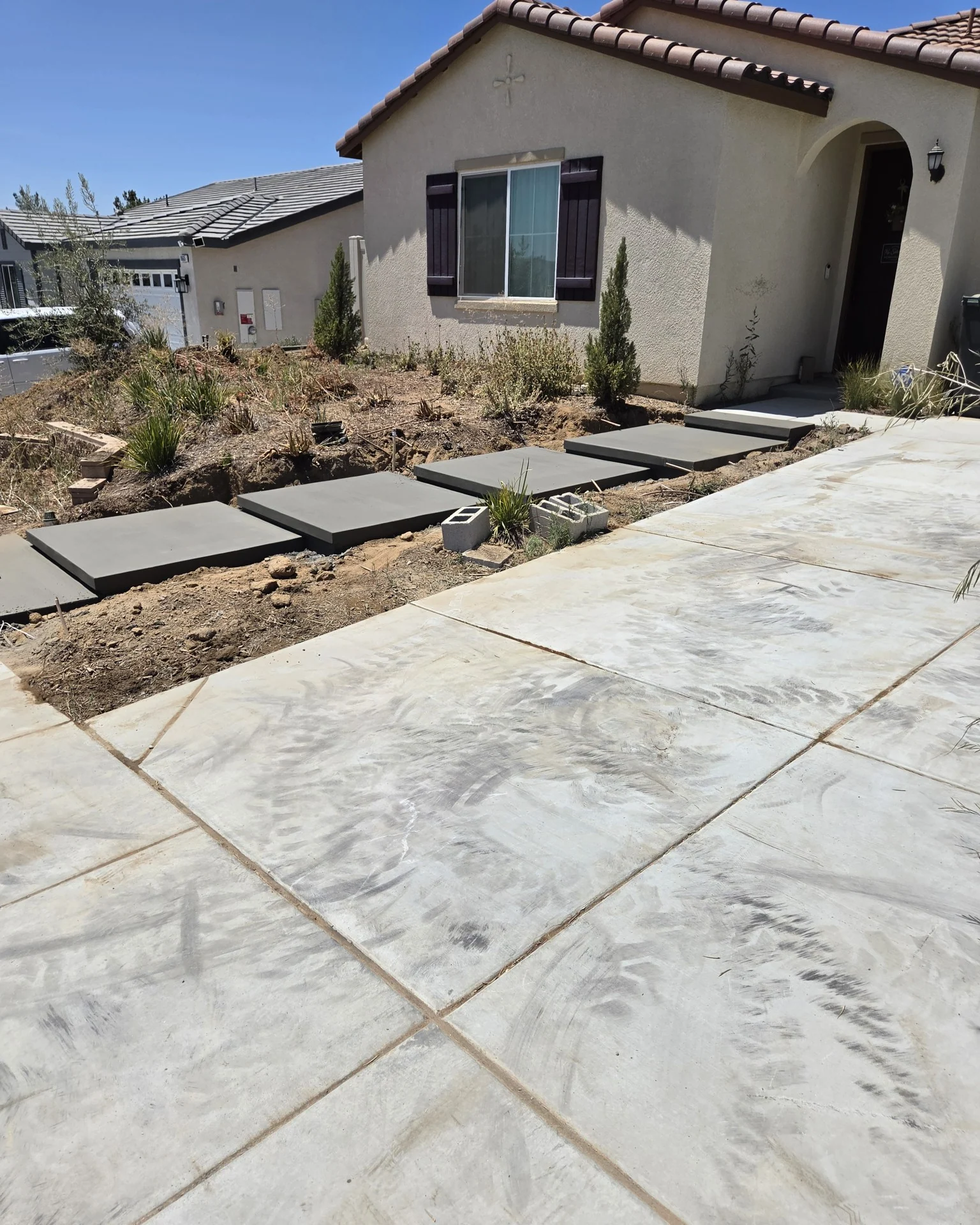
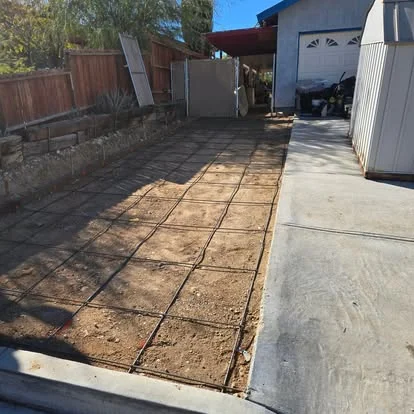
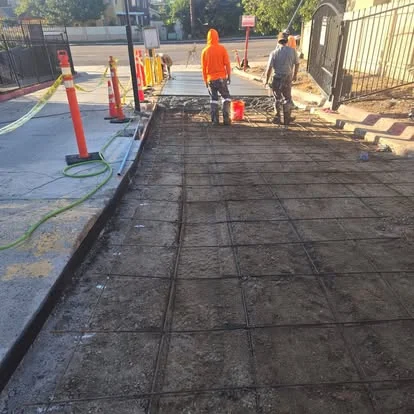
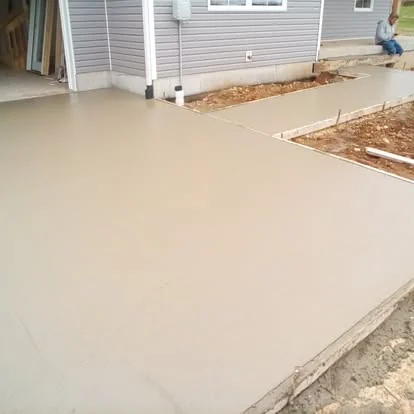
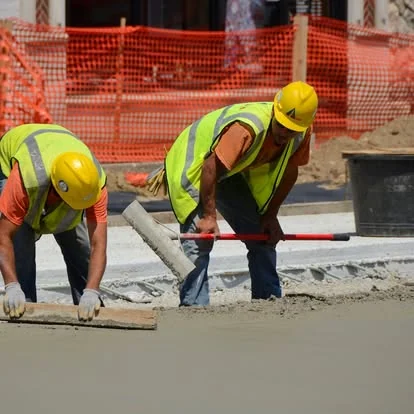
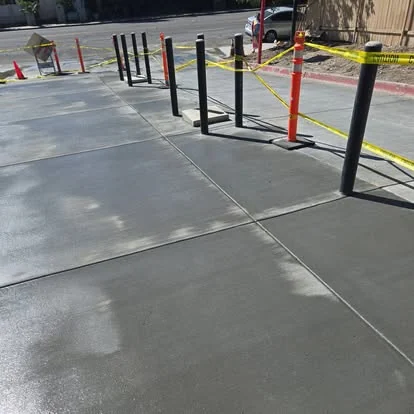
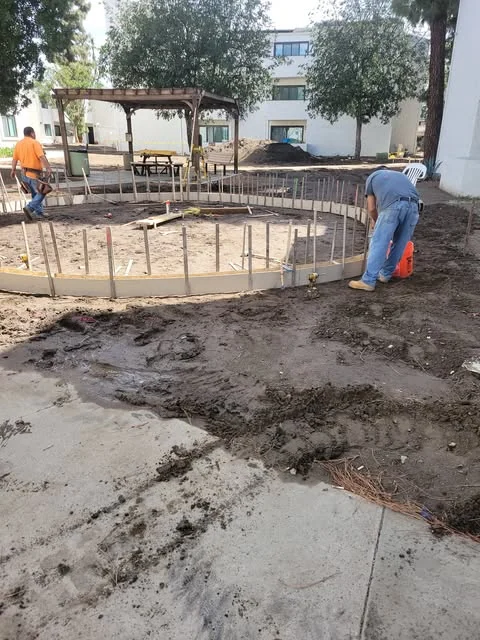
What concrete is up against around Salton City
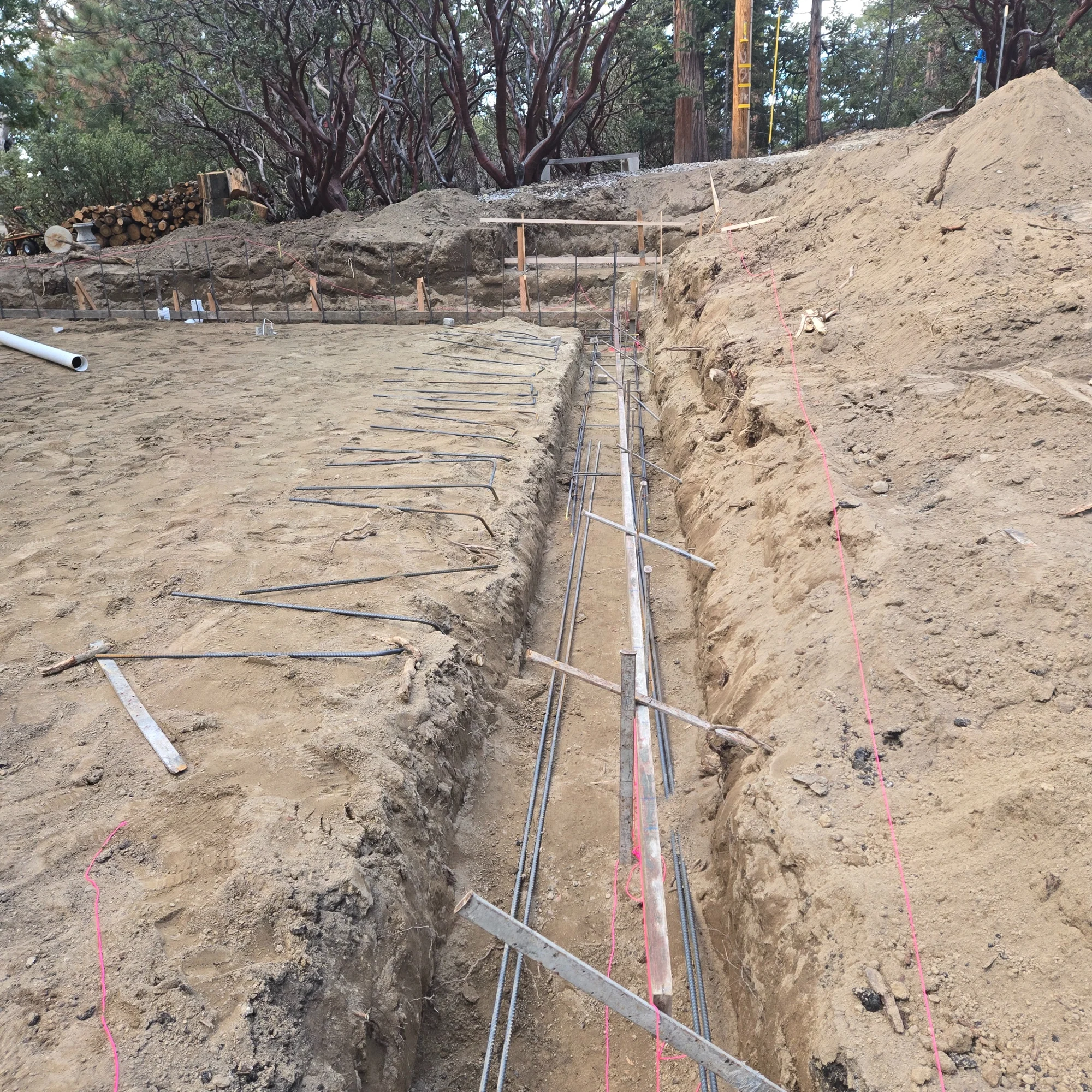
Blowing sand during finishing
Wind-driven sand landing on a slab during the finishing window gets worked into the surface. Wind is a scheduling factor here the same way rain is elsewhere.
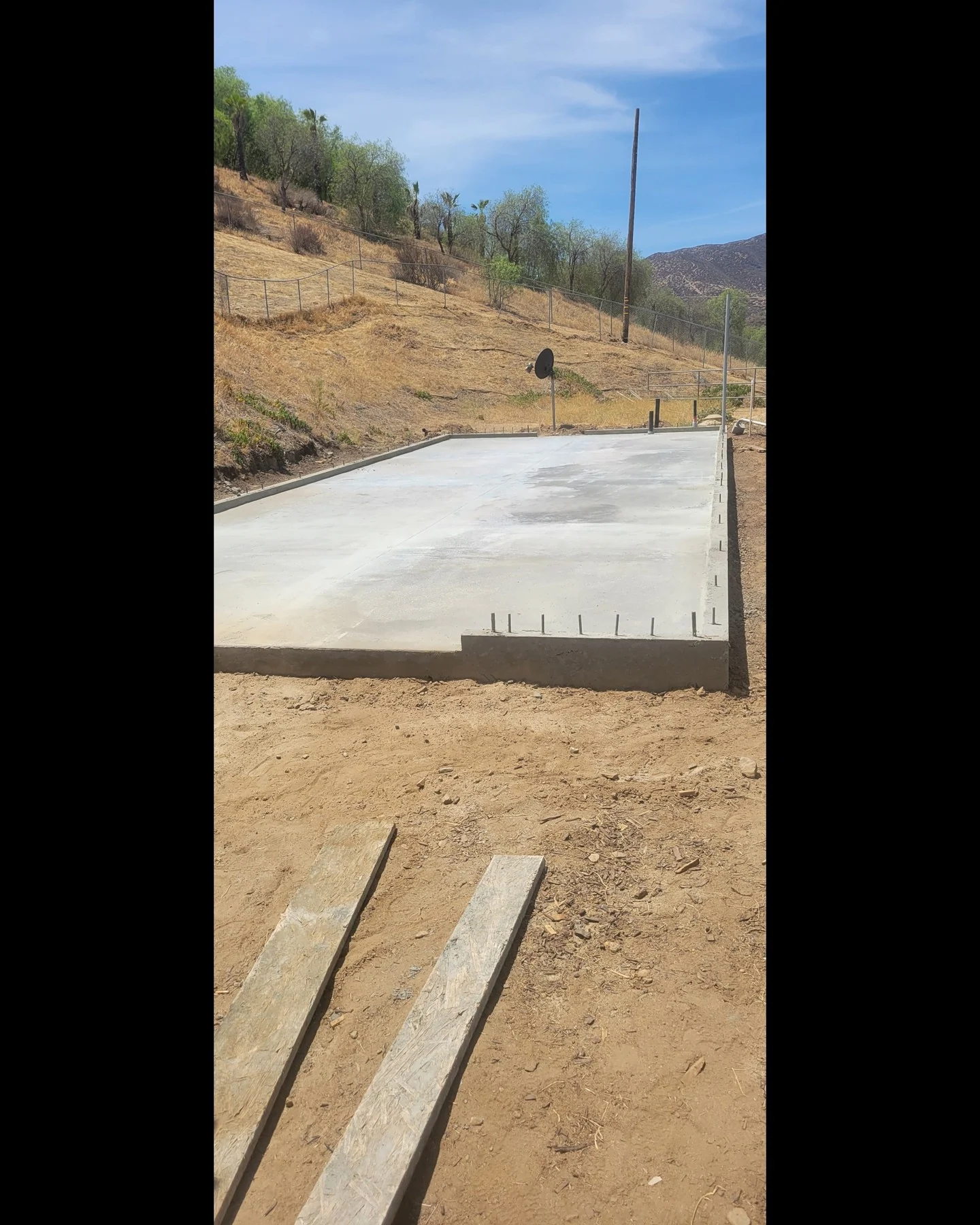
Sun on the finished surface
A dark slab in full desert sun gets hot enough to be unusable barefoot. Around pools and patios the color and the finish are a comfort decision as much as an appearance one.
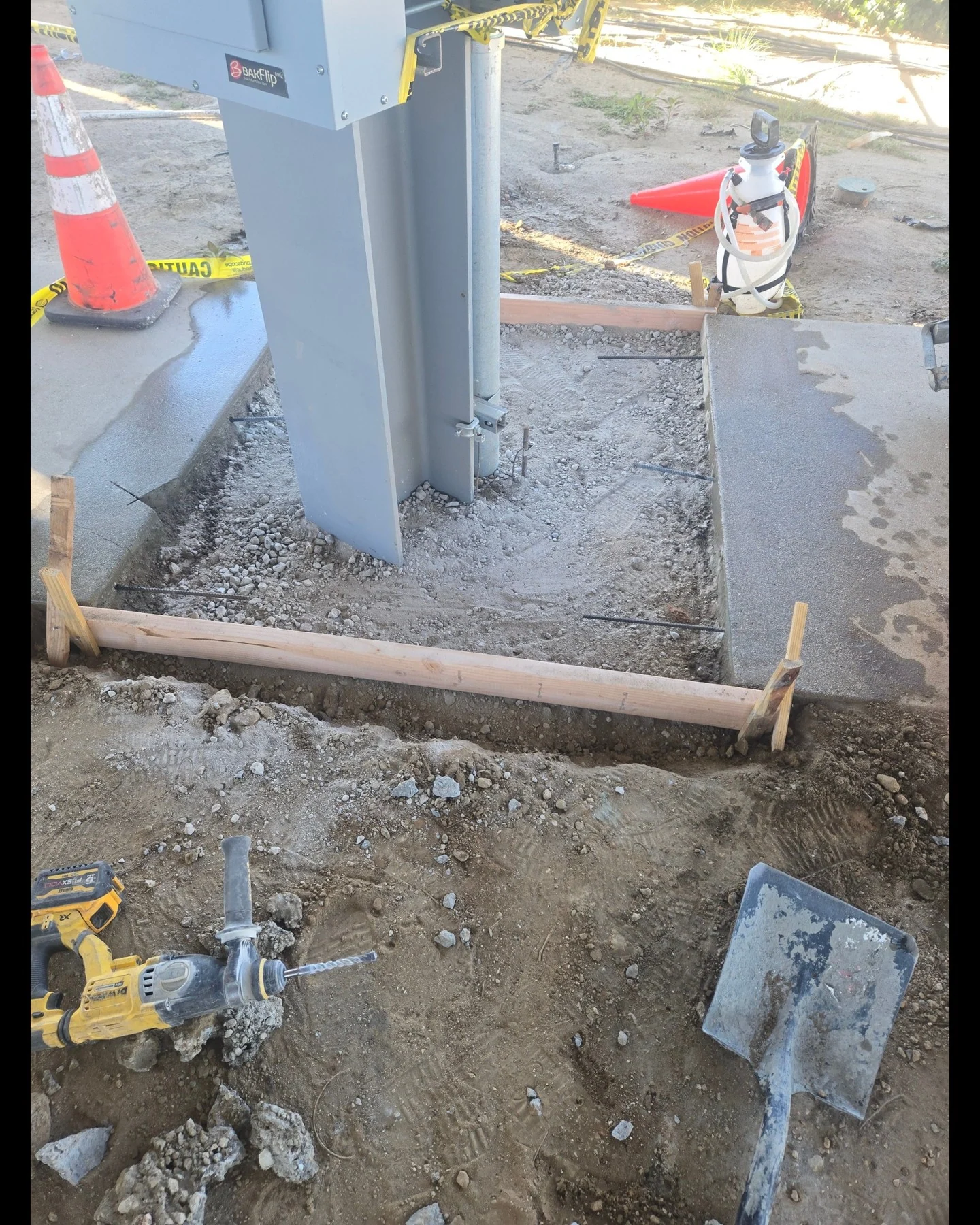
Salts in the soil
Parts of the low desert carry high salt and sulfate levels in the ground. Those attack cement paste and corrode steel. Where it is a factor, the mix and the cover over the steel both change.
Curing treated as a step
Fresh concrete gets protected from dry wind and sun until it has what it needs. Skipping that is how you get a dusty, weak top layer.
Honest diagnosis before a number
We look at what failed and why before quoting. Sometimes the answer is a repair and sometimes it is a rebuild, and we will tell you which even when the smaller job is ours to lose.
One crew start to finish
The same people who form it pour it and finish it. There is no handoff where the details get lost.
What we build in Salton City
Concrete Pool Decks
Wet feet, chemicals, and sun all year.

Concrete Pads
A pad sized to the thing that is going on it.
Residential Concrete Flatwork
All the flat concrete around a house, done by one crew.
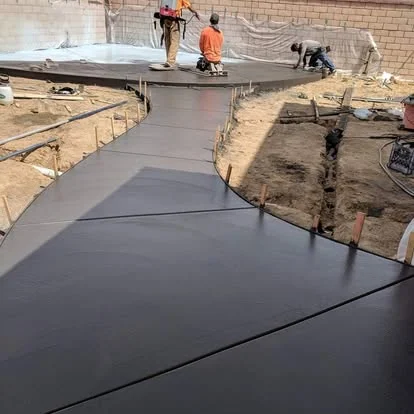
Backyard Concrete
The whole back of the property, planned as one pour.
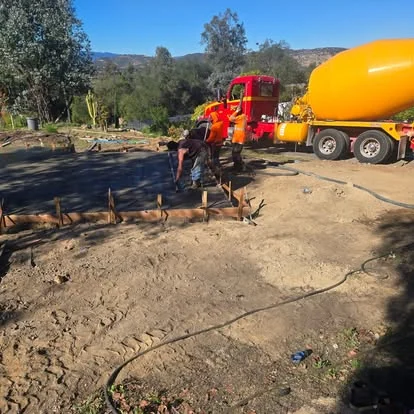
Outdoor Living Concrete
Kitchens, fire features, and seating built on concrete.
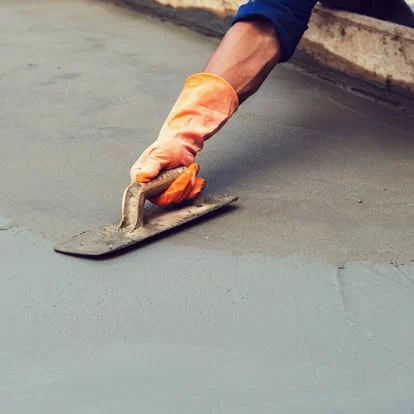
Concrete Driveways
The slab that carries a car every day of its life.

Concrete Removal
Break it out, haul it off, leave it clean.
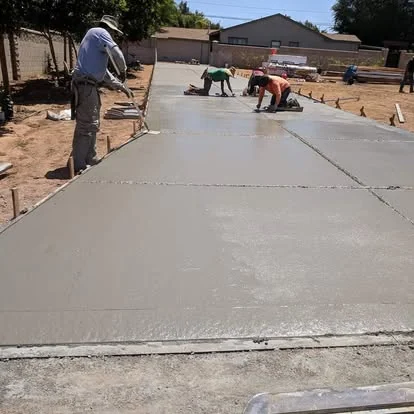
Concrete Demolition
Controlled demolition, including reinforced sections.

Concrete Saw Cutting
A straight, clean cut to a measured depth.
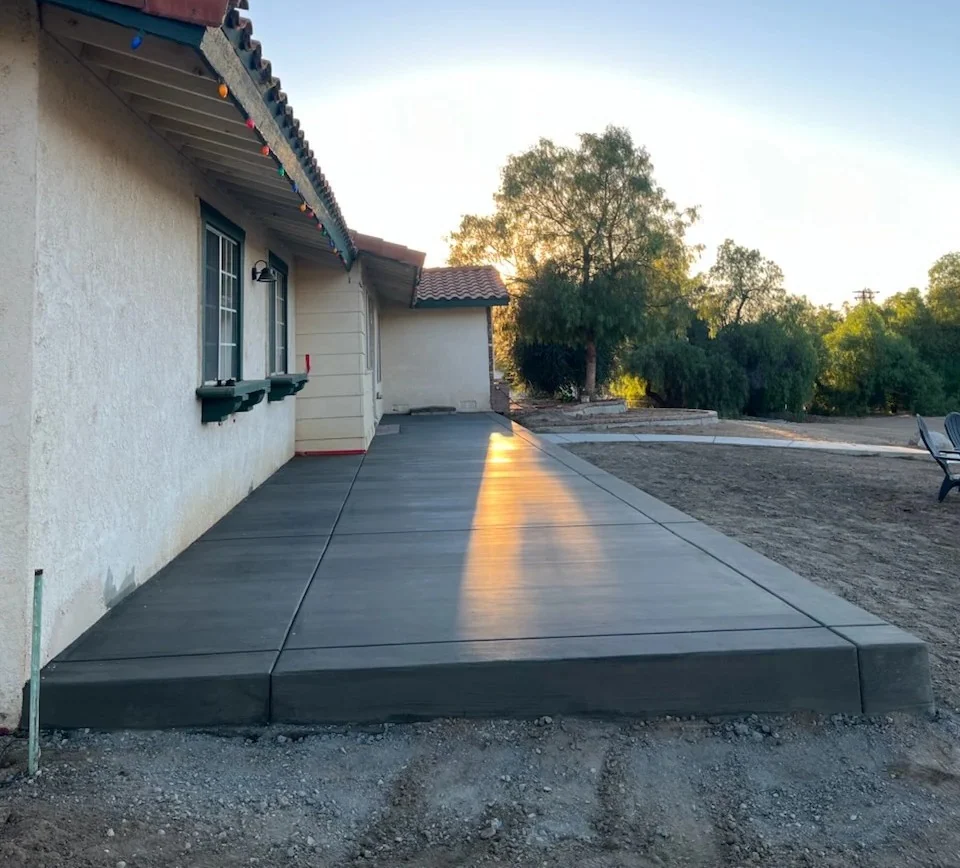
Concrete Drainage Channels
Formed channels that carry water on purpose.
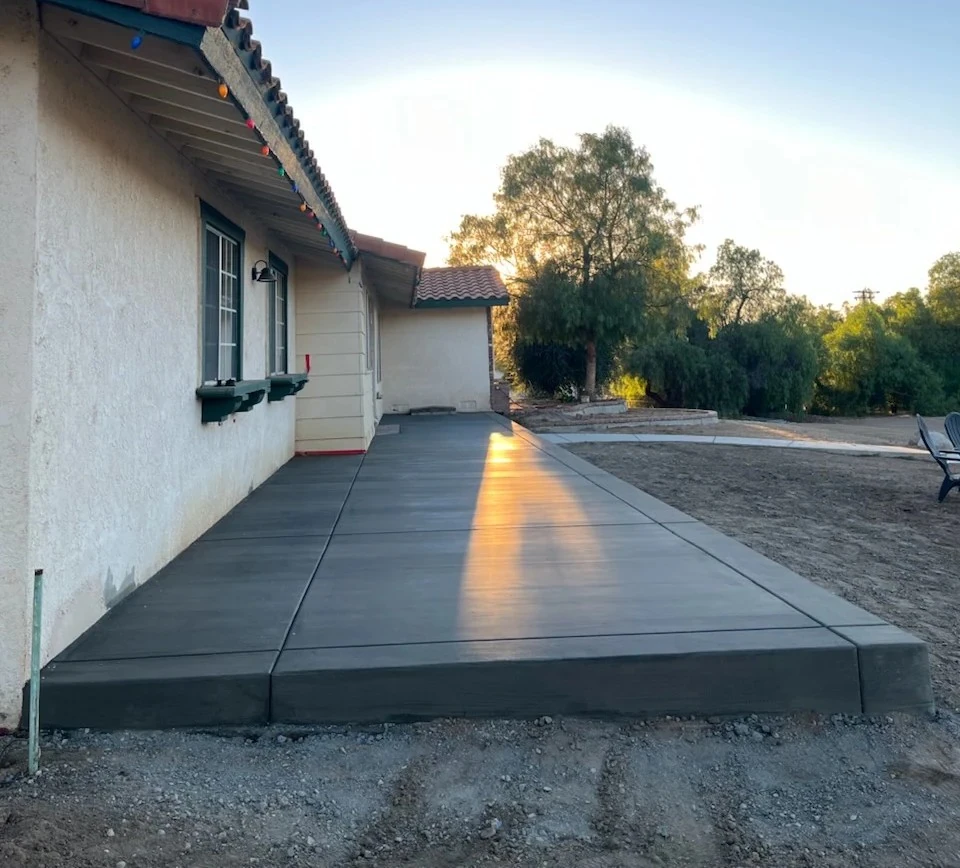
Commercial Concrete Flatwork
Flatwork built to a plan set and an inspection.
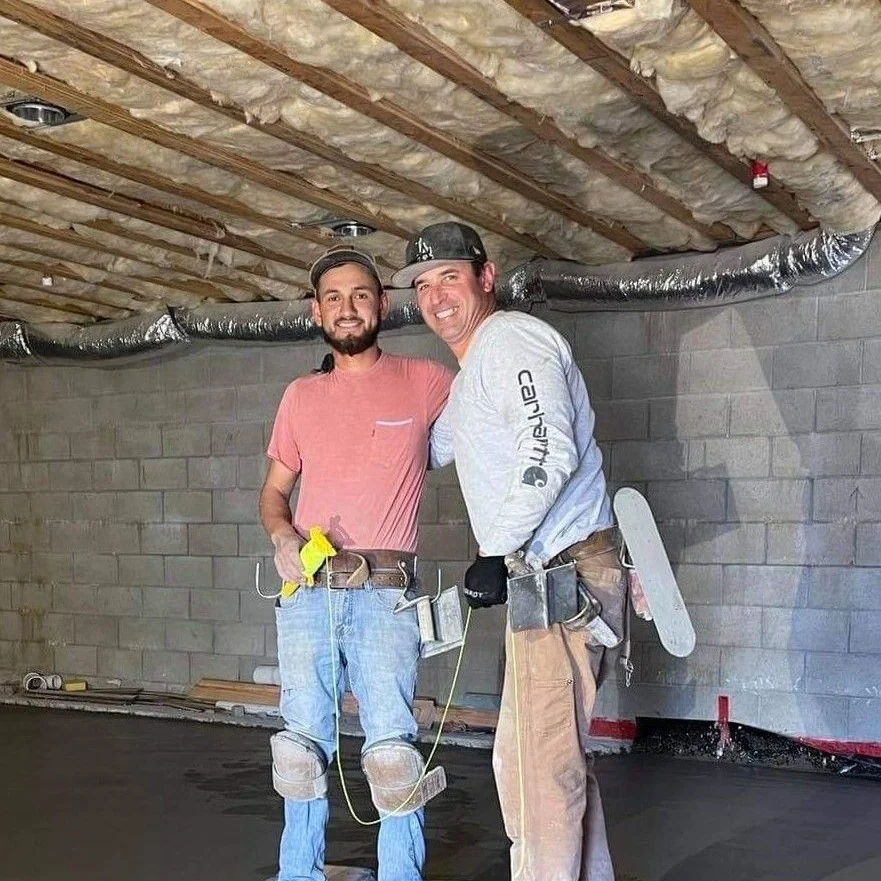
Commercial Concrete Slabs
Slabs sized for racking, equipment, and forklifts.
Pouring concrete around Salton City
Wind during finishing
Blowing sand landing on a slab inside the finishing window gets worked into the surface and stays there. Wind is a scheduling factor in the desert the same way rain is elsewhere.
Salts and sulfates in the soil
Parts of the low desert carry high salt and sulfate levels. Those attack cement paste and corrode reinforcing steel, and where it is a factor both the mix design and the concrete cover over the steel change. It is worth knowing before pouring rather than after.
Heat is a design input
Low desert summers put concrete through conditions most of the country never sees. Placing at a hundred and fifteen means the mix is stiffening as it comes off the chute, and the finishing window can close in minutes. Pours move to first light, the mix is ordered for the conditions, and evaporation control during placement is not optional.
Sun on the finished surface
A dark slab in full desert sun becomes genuinely unusable barefoot, which matters around pools and on patios. Color and finish are a comfort decision here as much as an appearance one, and lighter, more textured surfaces earn their place.
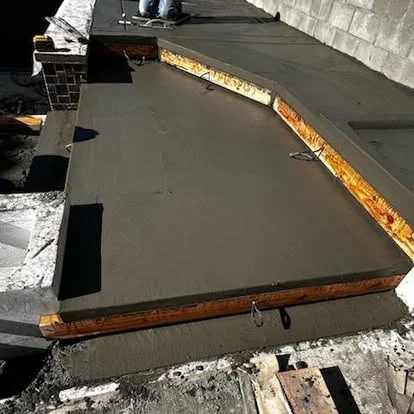
Concrete work around Salton City
Flatwork, foundations and repair across Salton City and the rest of Riverside County, poured by the same crew that answers the phone.
How concrete fails, and why
Shrinkage cracks in the first month
Concrete gives up water as it cures and gets slightly smaller doing it. Where it cannot shrink freely it cracks. This is why joints exist, and why a slab with no joint plan cracks wherever it likes within the first few weeks.
Crazing on the surface
A fine map of hairlines across the top is usually a finishing and curing issue, not structural. Working the surface with water on it, or letting a slab dry too fast in wind, both produce it.
Edges breaking away
Corners and edges are the least supported concrete on any slab and the first to go. Thin edges, vehicles cutting corners, and no thickened perimeter all contribute.
Rust stains and cracks over the steel
When cracks run in straight lines that match the rebar spacing, the steel is corroding and expanding. That means water and chloride reached it, which is a cover problem.
How a job runs
The walkthrough
Somebody comes out and looks. That visit decides the scope, and it is also when you should ask everything, because the answers get cheaper before the concrete is ordered.
What you decide
Finish, color, joint layout and edge detail are choices. We will make recommendations based on where the slab is and what it has to do.
A slab with no cracking plan will still crack. It just picks the place.On control joints
What we decide
Thickness, base, steel and mix come off the load and the soil. Those are not preference items and we will not build them thin to win a job.
Handover
You get told how to look after it: when to seal, what not to put on it, and what normal looks like in the first year.
Around Salton City
Straight answers
Should a desert slab be sealed?
Sealing slows what gets into the pores, which slows staining and surface wear. It is maintenance rather than a one-time step.
Why does the daily temperature swing matter?
The desert can drop forty degrees after sundown, and the slab expands and contracts with that every day for its whole life. Joint spacing has to allow for concrete that never stops moving.
What about salts in the desert soil?
Parts of the low desert carry high salt and sulfate levels that attack cement paste and corrode reinforcing steel. Where it is a factor the mix design and the cover over the steel both change.
Does wind affect the pour?
It does. Blowing sand landing inside the finishing window gets worked into the surface and stays there, so wind is a scheduling factor here the way rain is elsewhere.
Can you pour in desert summer heat?
Yes, with the schedule and the mix built around it. Placing at a hundred and fifteen means the concrete is stiffening as it leaves the chute, so pours move to first light and evaporation control during placement is not optional.
Concrete work in Salton City
Call and we will come out, look at the job, and give you a number. Salton City sits inside the 100 mile radius we work out of Hemet.