
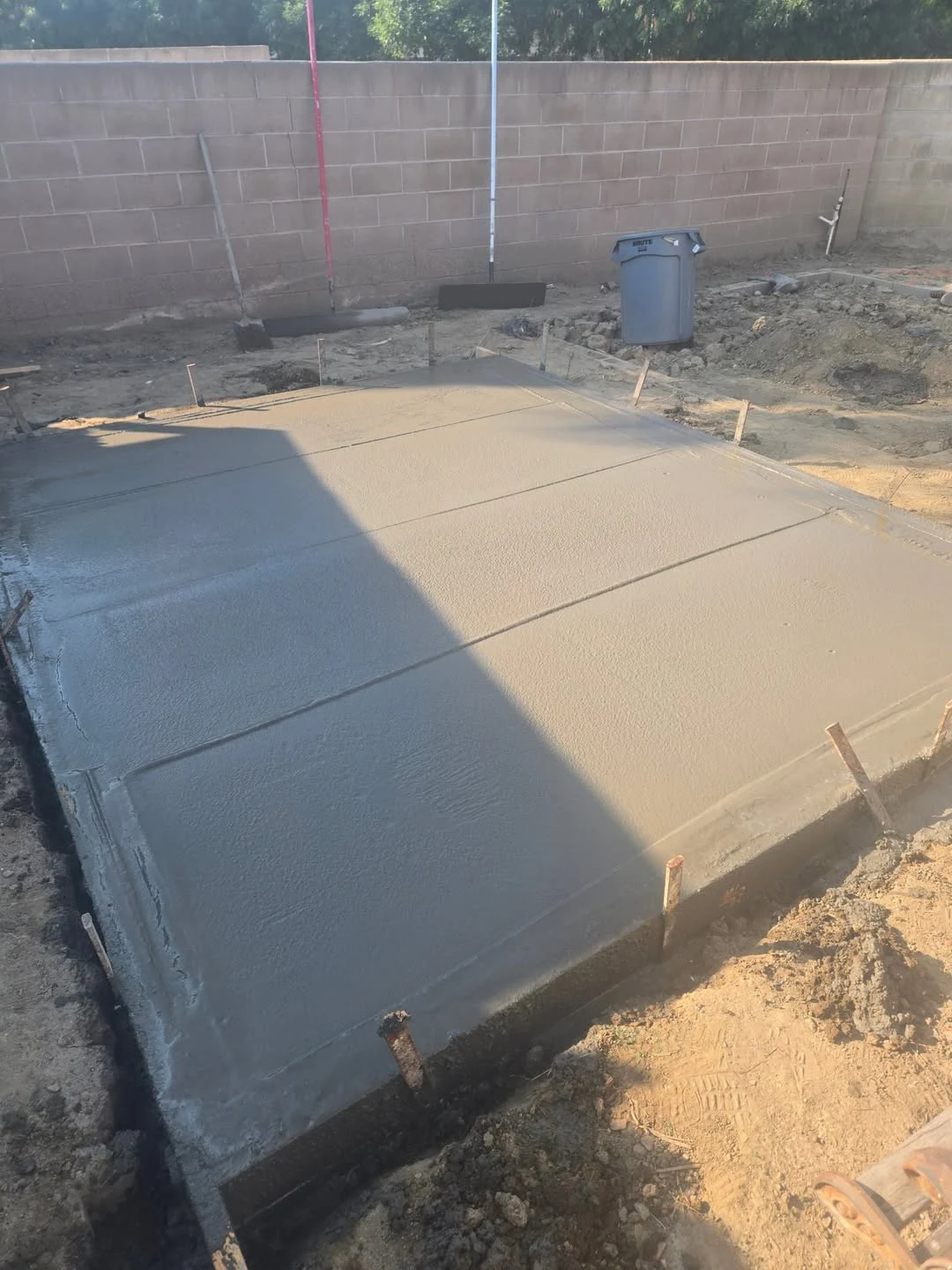
Rancho Santa Margarita slabs, built from the base up
Most concrete fails from underneath, so that is where we start. Serving Rancho Santa Margarita and Orange County with 32 years in the trade behind every pour.
Talk to us about the job

What concrete is up against around Rancho Santa Margarita
Water is the whole story
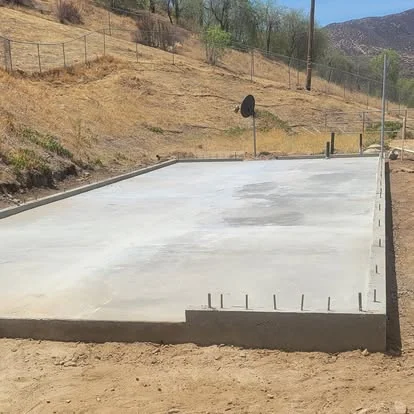
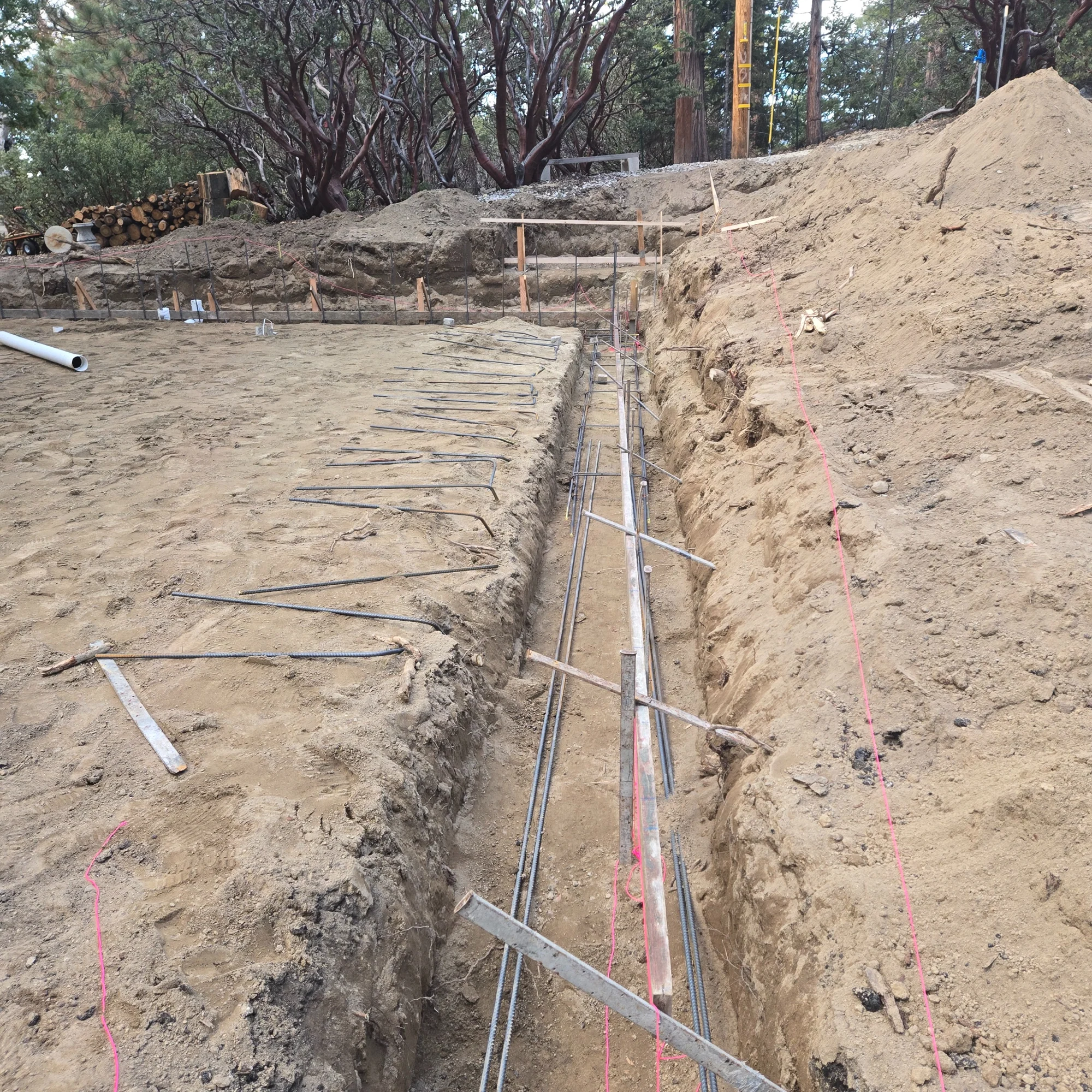
Almost every failed slab we are called to look at failed because water got somewhere it should not have. Into the base, under a footing, or through a joint nobody sealed. Drainage gets designed before the pour, not discovered afterward.
Curing in dry heat
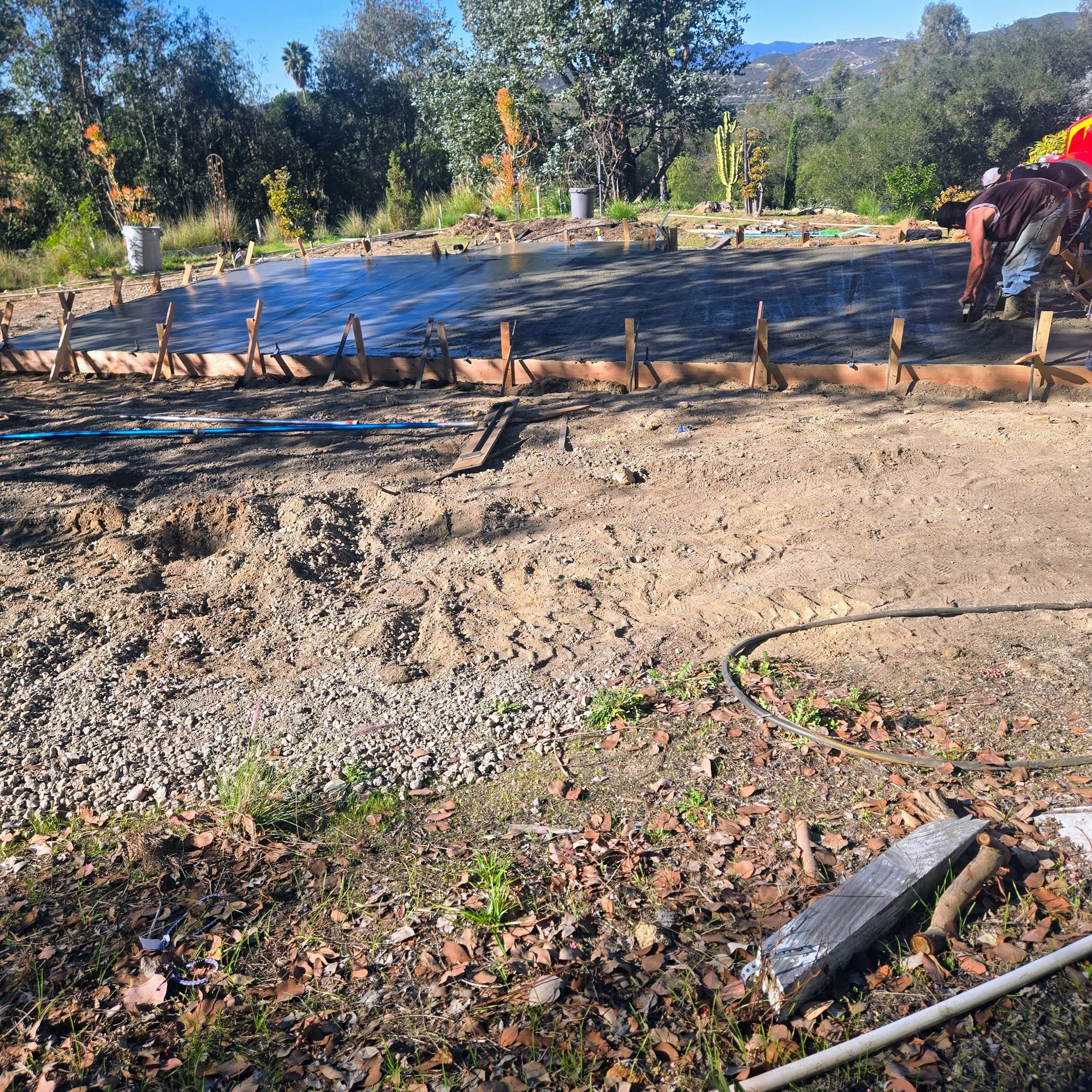
Low humidity and wind pull water out of a fresh slab faster than the concrete can use it. That is surface crazing and a weak top layer. Curing is an active step here, not something that just happens.
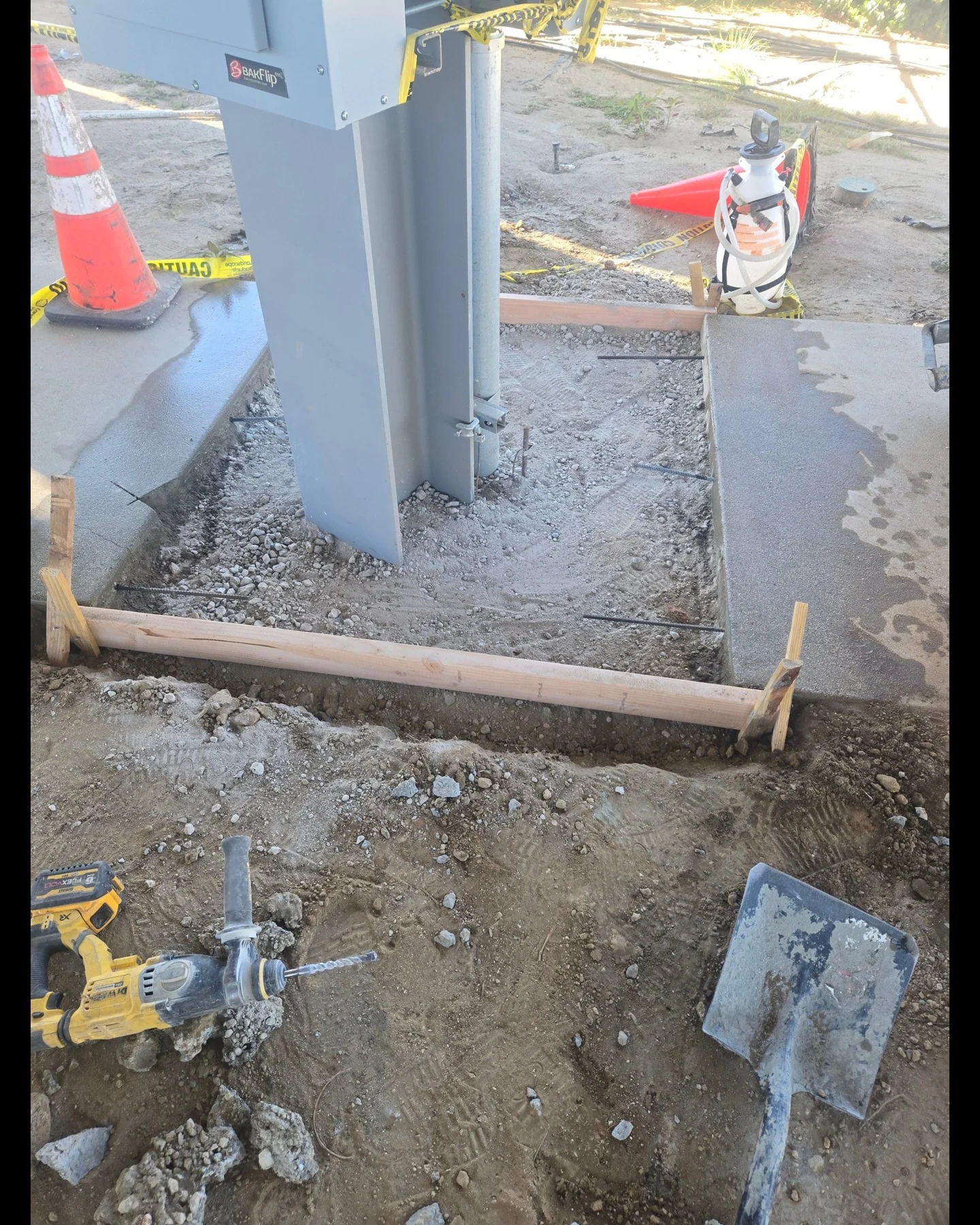
Summer heat during the pour
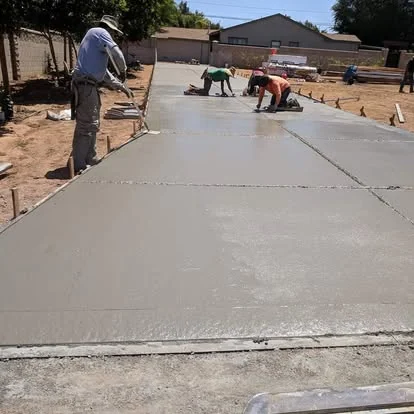
Concrete placed at a hundred and five degrees behaves nothing like concrete placed at seventy. It stiffens fast, the surface skins over while the body is still soft, and you get a finish that looks closed but is not. Hot weather pours get scheduled early and treated differently.
Honest diagnosis before a number
We look at what failed and why before quoting. Sometimes the answer is a repair and sometimes it is a rebuild, and we will tell you which even when the smaller job is ours to lose.
Pours scheduled to the heat
In summer we start early and keep the mix and the crew ahead of the temperature. Concrete does not wait for anybody.
Steel sized to the movement
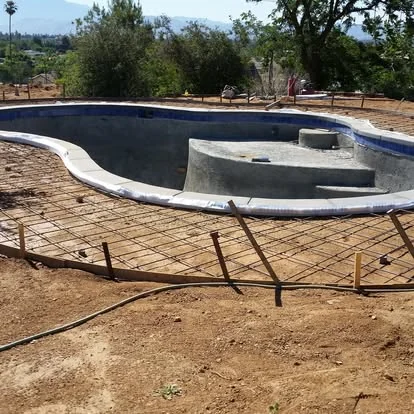
Reinforcement gets placed for what the soil is going to do, on chairs at the right height with real cover. Steel lying on the dirt does nothing at all.
What we build in Rancho Santa Margarita
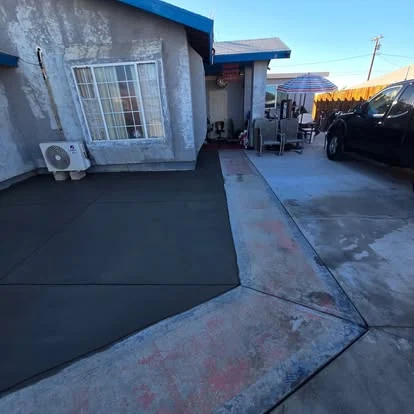
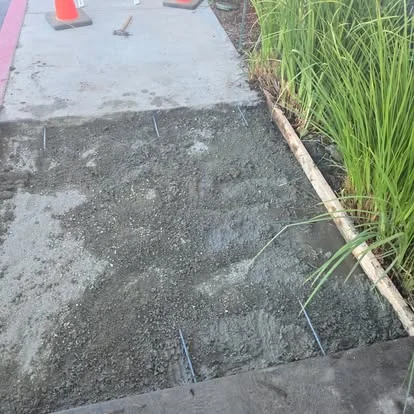
Concrete Sidewalk Repair
Lifted, cracked, or spalled panels made safe again.
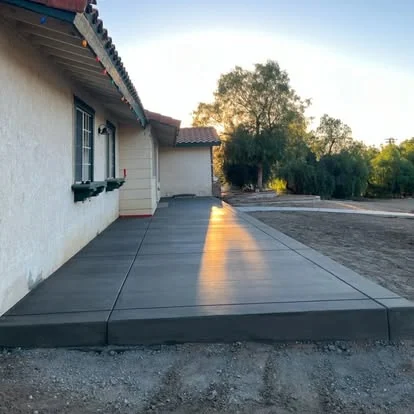
Concrete Sidewalk Replacement
Panel by panel, or the whole run.
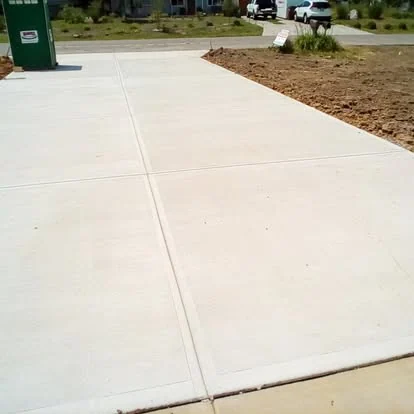
Concrete Steps
Rise and run the same on every step, which is the whole job.
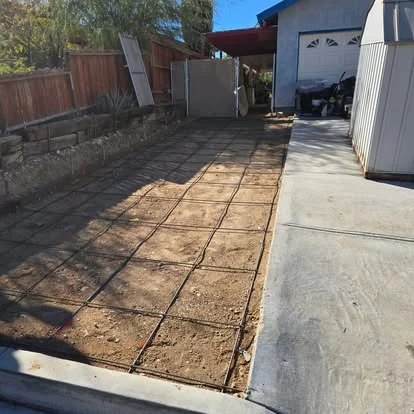
Concrete Stairs
A formed flight that carries load and holds its geometry.
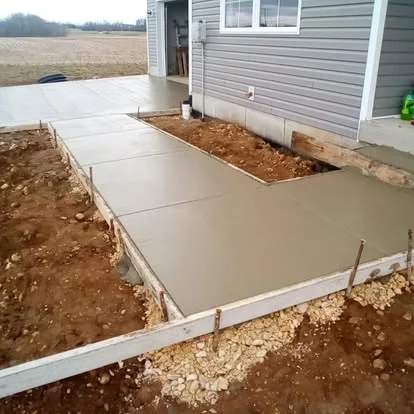
Front Porches
The first slab anybody sees.
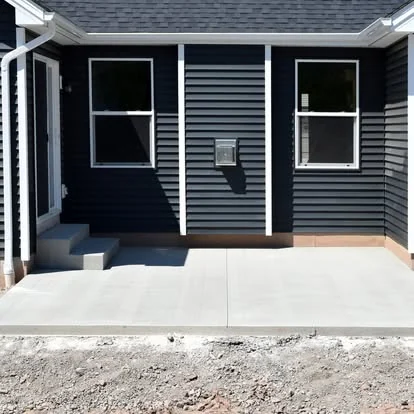
Back Porches
The slab that gets lived on.
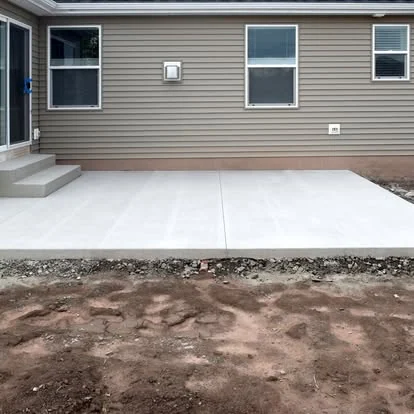
Concrete Grinding
Taking down high spots and trip lips.
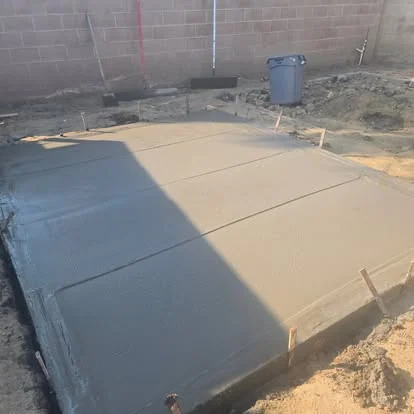
Concrete Sealing
Keeping water out of the pores.
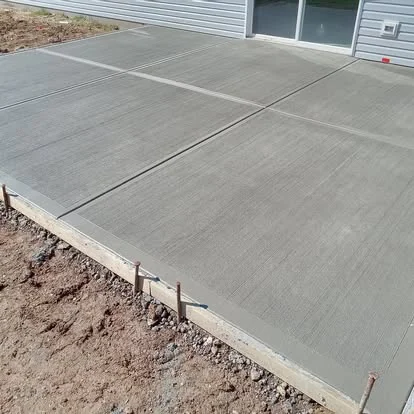
Concrete Replacement
Out with the old slab, in with one built right.
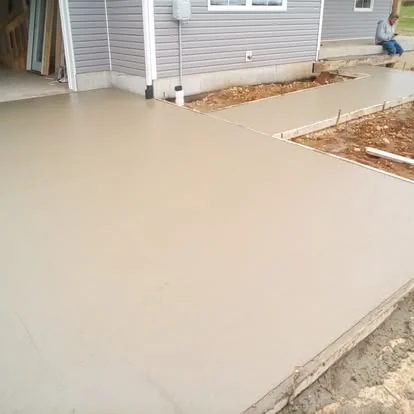
Dumpster Pads
A truck, a full bin, and the same spot every week.
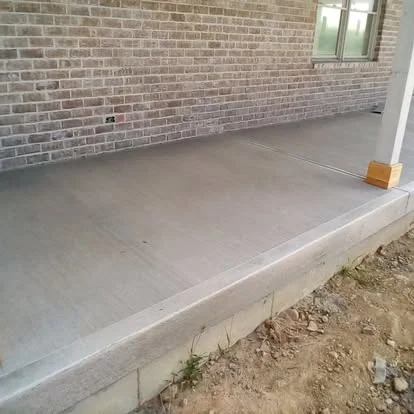
Equipment Pads
A level base for machinery that cannot move.
Transformer Pads
Utility pads built to the utility’s drawing.
Pouring concrete around Rancho Santa Margarita
Summer pours
Triple digit afternoons change how concrete behaves. It stiffens before it can be finished properly, the surface skins over while the body underneath is still soft, and water leaves the slab faster than the cement can use it. Valley pours start early, the mix gets adjusted for the heat, and curing is treated as an active step instead of something that happens on its own.
Older flatwork around here
A lot of valley concrete was poured thin, with light reinforcement, on a base that was never properly compacted. When it fails it is usually reporting on the ground rather than on the mix, and that is the difference between a repair that holds and one that comes back in a year.
Irrigation against the slab
Almost every valley property waters something, and sprinklers running along a slab edge keep the base saturated year round. In expansive soil that is a slow way to undermine your own driveway. Where the water lands is worth looking at before blaming the concrete.
Drainage on a flat lot
Valley lots are often close to level, which makes slope hard to find and easy to get wrong. Low points, cross-fall and where water actually leaves the property get worked out before the pour, because once the concrete is down the drainage is permanent.
Concrete work around Rancho Santa Margarita
Flatwork, foundations and repair across Rancho Santa Margarita and the rest of Orange County, poured by the same crew that answers the phone.
How concrete fails, and why
Settlement at the apron
The strip where a driveway meets a garage takes every vehicle and sits over backfill that was disturbed during construction. It settles more than the rest of the drive and it needs its own thickness and joint.
Heaving
A slab pushed upward is usually roots or expansive soil taking on water. Both get worse with irrigation, and neither is fixed by resurfacing the top.
Pop-outs
Small conical craters come from a particle of reactive aggregate near the surface expanding and blowing the concrete off above it. Cosmetic, and a repairable surface defect.
Dusting
A surface that chalks under a broom was finished or cured badly, or had water worked into it. Sealing helps; grinding and resurfacing fixes it.
How a job runs
Preparation you may need to do
Moving vehicles, clearing the area, and sometimes irrigation being shut off. We will tell you in advance what is on you.
Demolition day
Saw cutting, breaking, loading and hauling. It is the loudest and dirtiest part and it usually happens first.
Pouring new concrete on ground that already failed once buys you the same crack.On replacement
Pour day
Early start in summer. The crew works continuously until the slab is placed and finished, because concrete sets on its own schedule.
Keeping off it
How long depends on the pour and the weather. You will get a real number, not a generic one.
Around Rancho Santa Margarita
Straight answers
How long before I can drive on it?
Concrete takes most of its strength in the first week. Foot traffic is usually fine within a day or two; vehicles wait longer. On a valley summer pour the numbers shift, so you get the real ones for your slab rather than a generic answer.
Does the clay soil here really matter that much?
Yes. Expansive clay swells with water and shrinks when it dries, every year. That movement is what cracks slabs and foundations, and it is handled in the base, the reinforcement and the drainage rather than in the finish.
Should I worry about hairline cracks in the first month?
Usually not. Concrete gives up water as it cures and gets slightly smaller doing it, and fine shrinkage cracking in that window is the material behaving normally. Anything that widens or lifts is different, and worth a call.
Can you pour in the middle of summer?
We do, and we start early. Triple digit afternoons stiffen the mix before it can be finished and pull water out of the slab, so hot weather pours get scheduled, mixed and cured differently. Sometimes the right answer is moving the date.
My sprinklers run along the driveway. Is that a problem?
It can be. Constant water at a slab edge keeps the base saturated, and in expansive soil that undermines the concrete from underneath. Where the water lands is worth looking at before blaming the slab.
Your Rancho Santa Margarita slab
Tell us what it is and what it has to carry. We will be straight about what it needs and what it does not.