
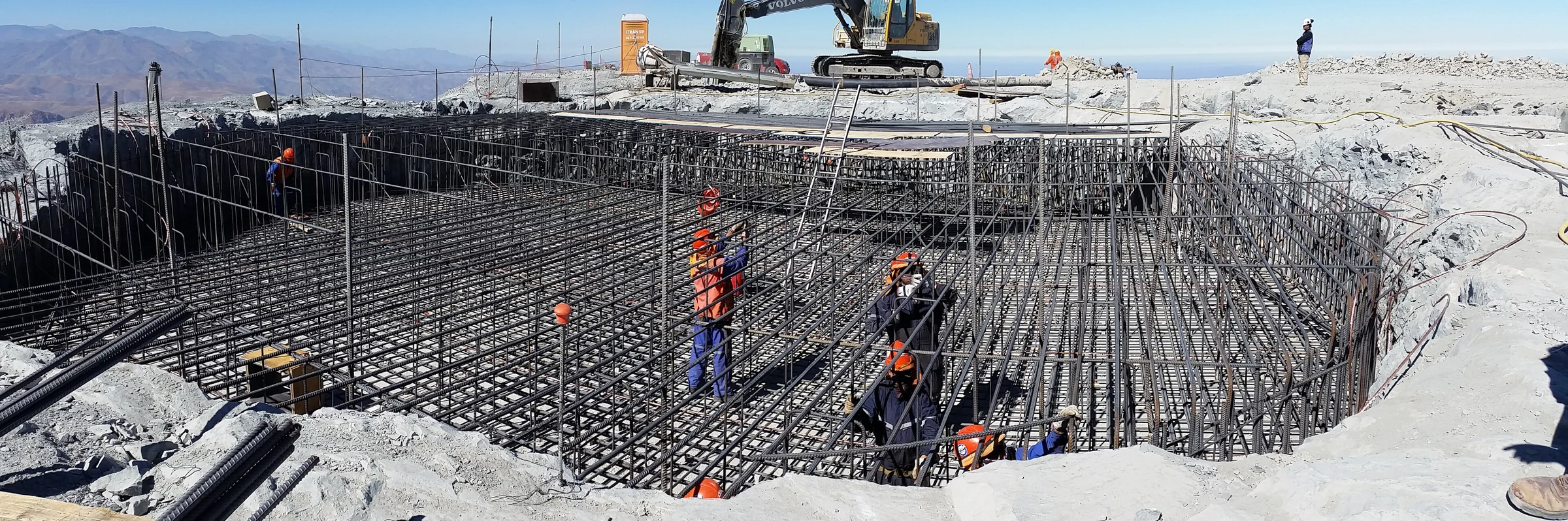
Poured once, done right
Cerritos driveways, patios, foundations and repair work. Licensed 1137822, fourth generation, and straight about what a job actually needs.
Talk to us about the job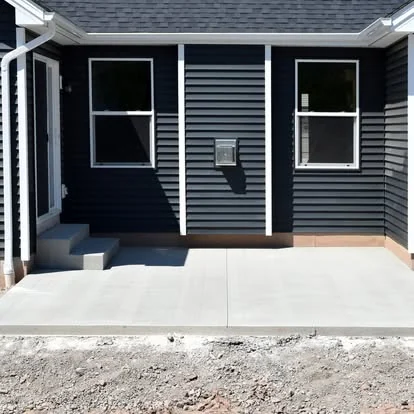
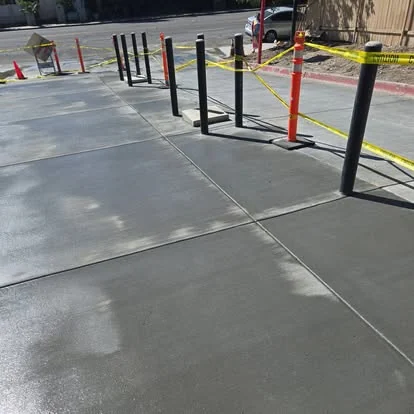
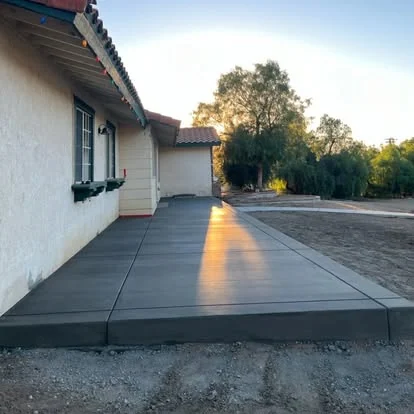
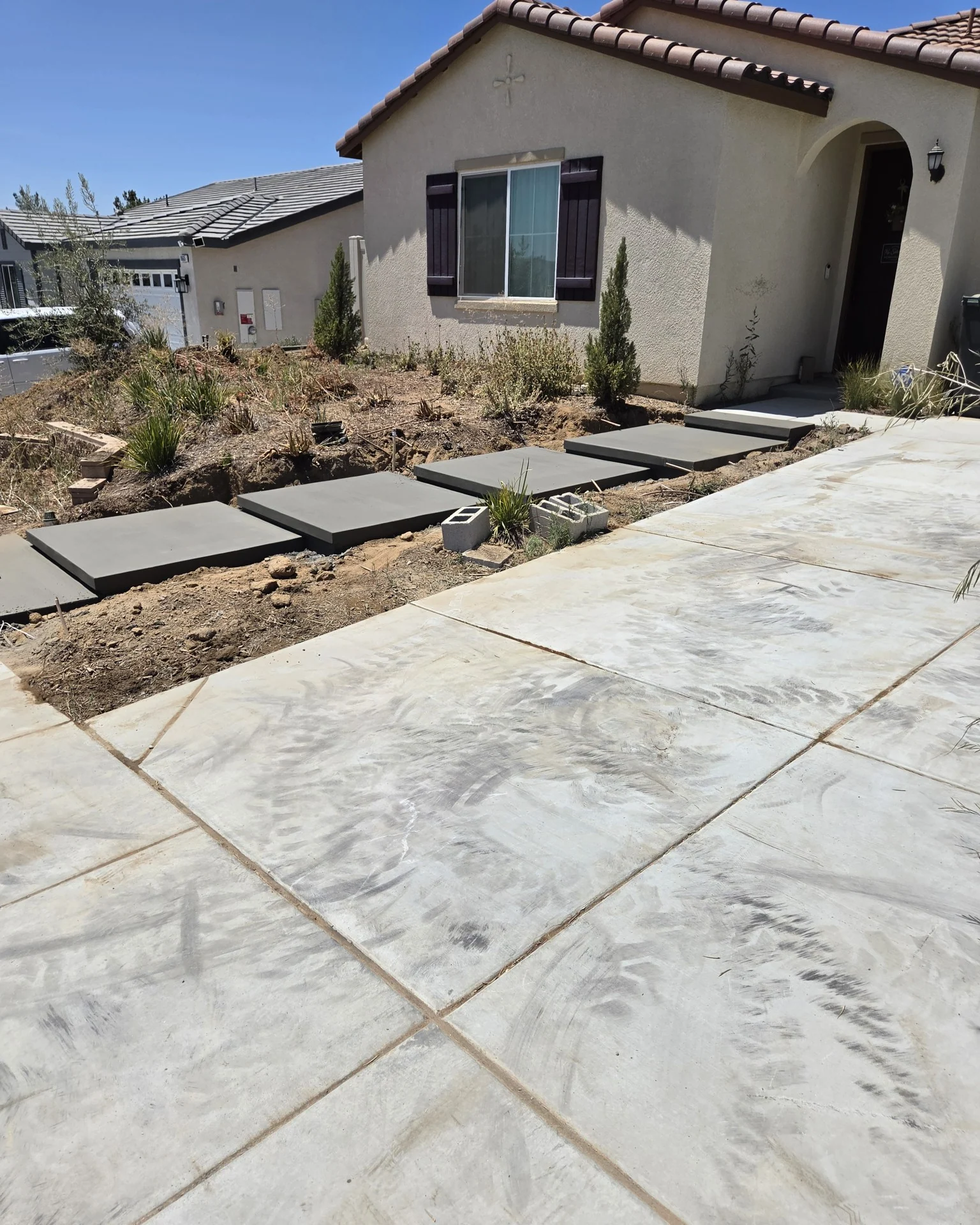
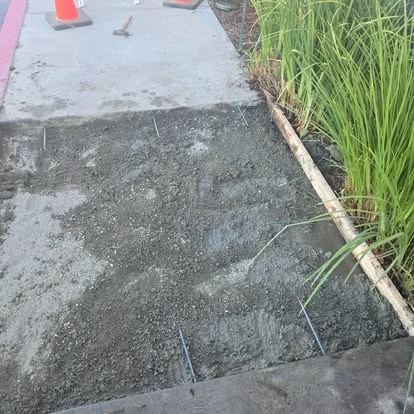
What concrete is up against around Cerritos
Permits and inspection
Work in the public right of way, anything structural, and most replacements need permits and an inspection. We would rather have that conversation before we break anything out.
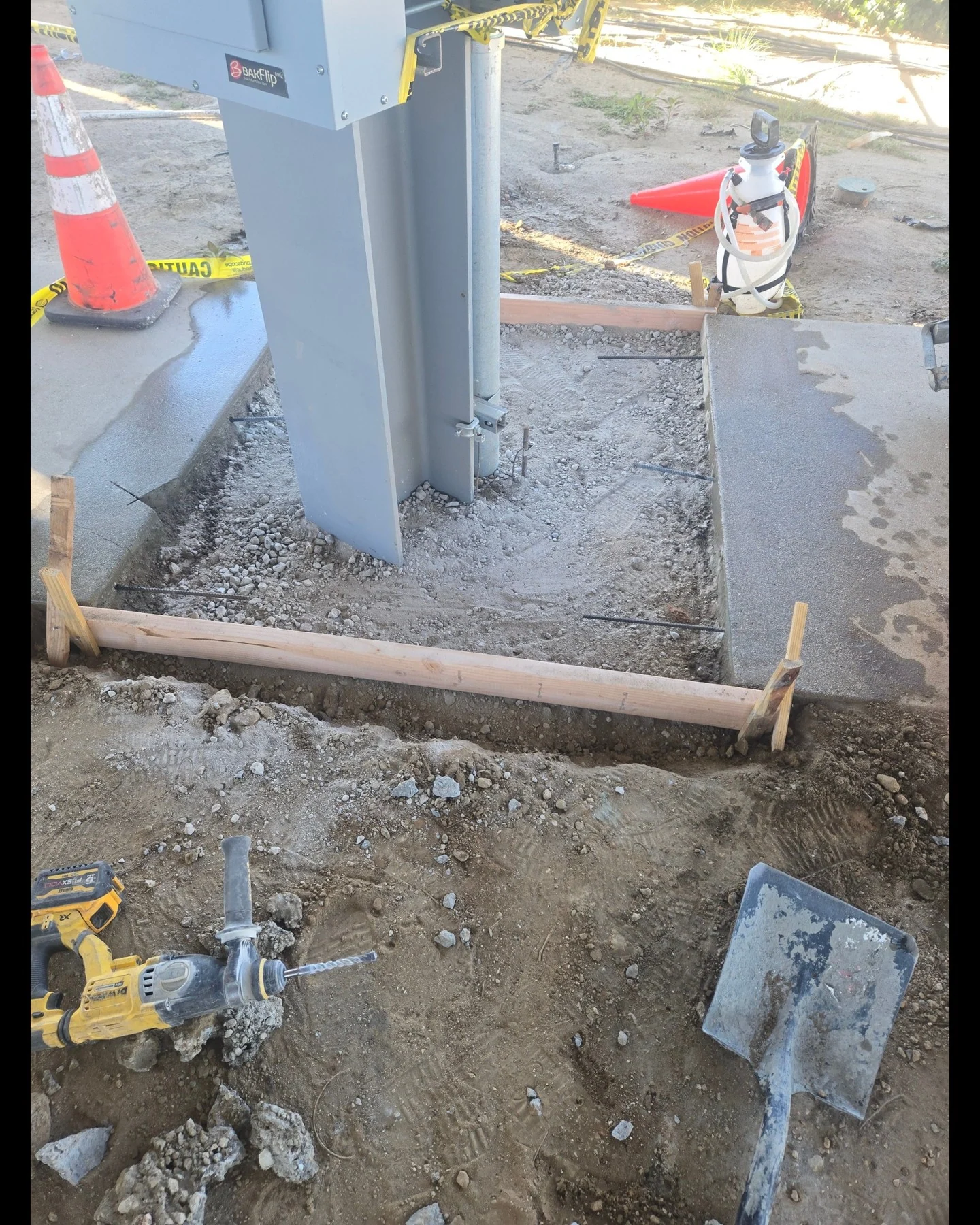
Access and staging
Dense lots mean narrow driveways, alley access, parked cars and nowhere to put a truck. Getting concrete to the pour is often harder than the pour, and it gets planned first.
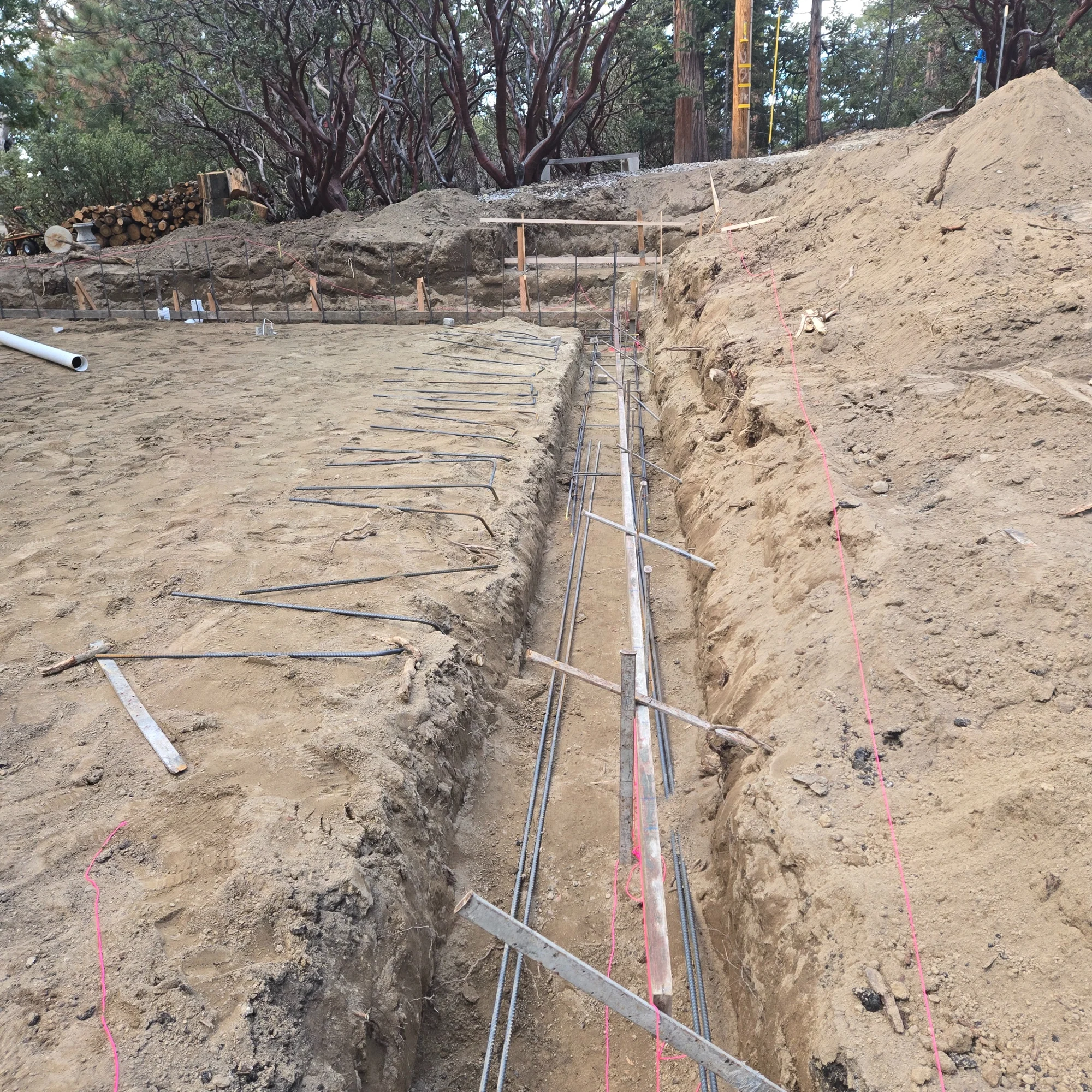
Heat island on dark flatwork
Dense paving with no shade gets hot and stays hot, which means more thermal movement day to day. Joint layout accounts for it.
Base first, always
We cut to grade, fix the soft spots we find, and compact base in lifts before anything is formed. In expansive clay that step decides the whole outcome, so it is not where we save money.
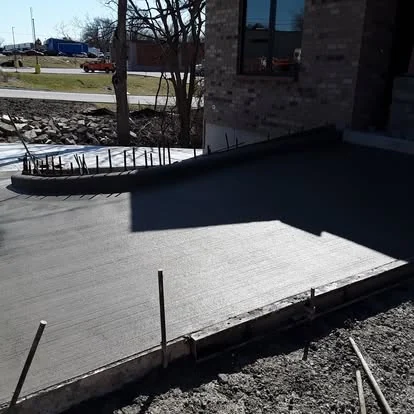
Pours scheduled to the heat
In summer we start early and keep the mix and the crew ahead of the temperature. Concrete does not wait for anybody.
Water routed off the slab
Slopes, low points and a path for water to leave are set before the pour, because afterward the drainage is permanent.
What we build in Cerritos
Boat Pads
Trailer tongue weight and a slab that has to stay level.
Parking Pads
Extra parking that is not the driveway.

Concrete Pool Decks
Wet feet, chemicals, and sun all year.
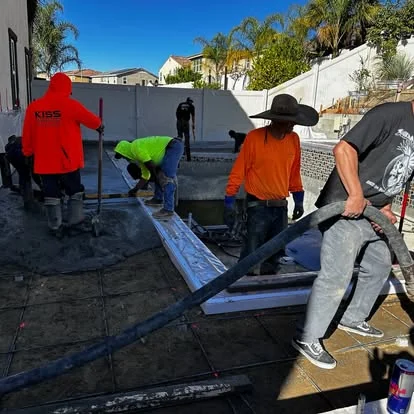
Concrete Pads
A pad sized to the thing that is going on it.
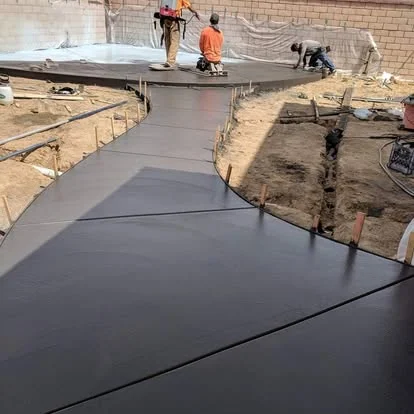
Residential Concrete Flatwork
All the flat concrete around a house, done by one crew.
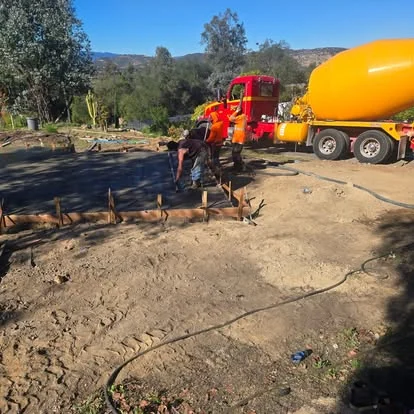
Backyard Concrete
The whole back of the property, planned as one pour.
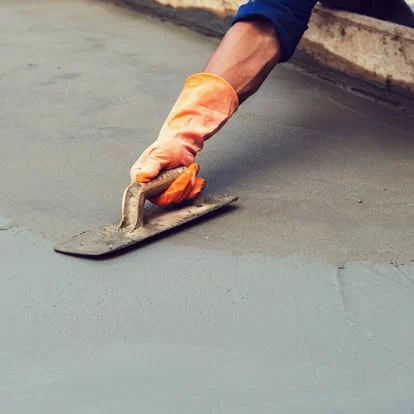
Concrete Grinding
Taking down high spots and trip lips.

Concrete Sealing
Keeping water out of the pores.
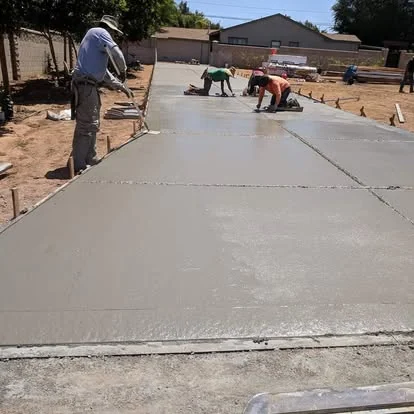
Concrete Replacement
Out with the old slab, in with one built right.
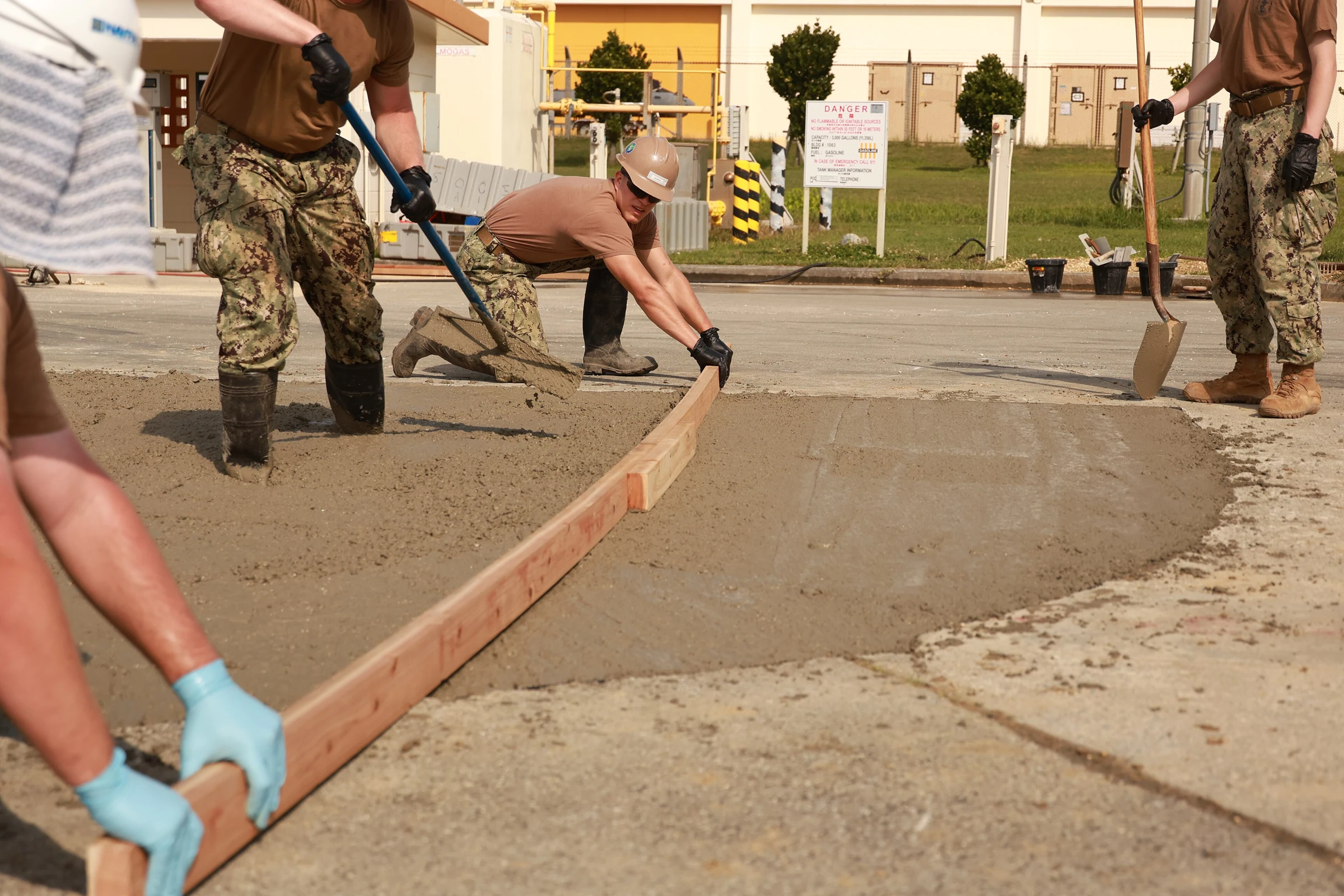
Concrete Parking Lot Replacement
A full lot rebuilt on a schedule that keeps you open.

Concrete Loading Docks
The most abused concrete on any commercial property.
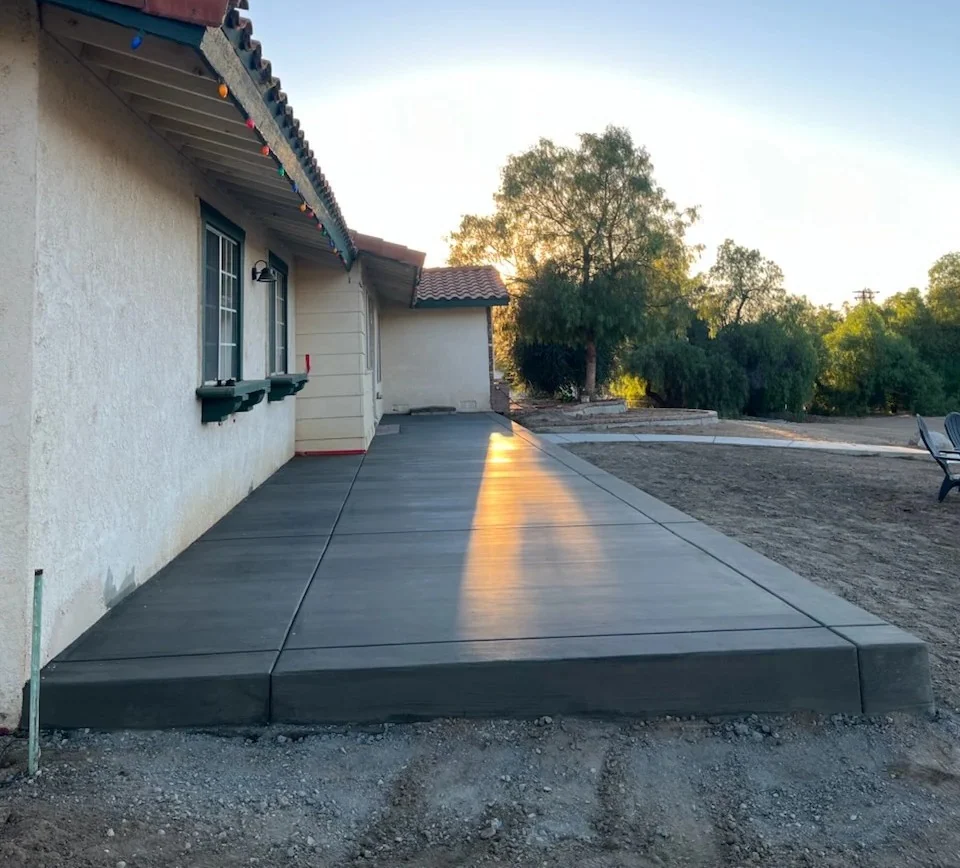
Dumpster Pads
A truck, a full bin, and the same spot every week.
Pouring concrete around Cerritos
Access and staging
Dense lots mean narrow drives, alley access, parked cars and nowhere obvious to put a truck. Getting concrete to the pour is often harder than the pour itself, so access is worked out before the date is set, including whether the job needs a pump.
Utilities nobody recorded
Older urban lots have services running in places no drawing shows. Anything cut or dug starts with locating, because finding a line with a saw is expensive and entirely avoidable.
Older slabs and older assumptions
Much of the concrete in these neighborhoods was poured decades ago, thinner than we would build now and with lighter reinforcement over a base nobody tested. When it fails it is usually reporting on what is underneath, which is why we look at the cause before quoting the cure.
Permits and the right of way
Work in the public right of way, anything structural, and most full replacements need permits and inspection. We would rather have that conversation before anything is broken out than discover it when an inspector arrives.
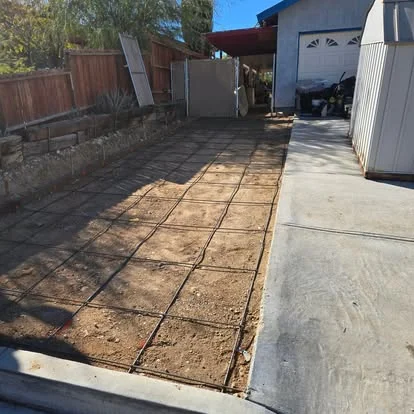
Concrete work around Cerritos
Flatwork, foundations and repair across Cerritos and the rest of Los Angeles County, poured by the same crew that answers the phone.
How concrete fails, and why
Cracks at re-entrant corners
Any inside corner in a slab, around a pillar or at an L-shaped patio, concentrates stress. Concrete cracks diagonally out of those corners unless steel or a joint is placed to control it.
Water against the house
Flatwork that slopes toward a building sends water at the foundation. In expansive soil that is the most expensive drainage mistake available.
Tire marks and staining
Hot tires pull at a sealed surface and some sealers soften under them. On a garage floor the finish and the sealer choice both matter for that reason.
Sunken sections around utilities
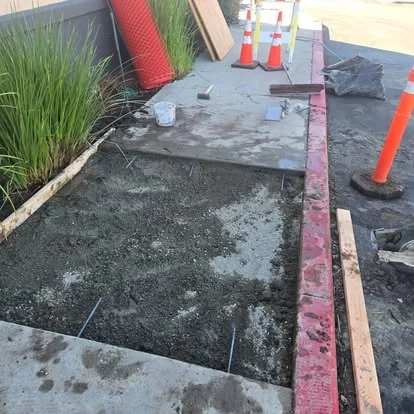
Trenches backfilled loosely settle for years. Anything poured over a recent trench needs that backfill compacted properly first.
How a job runs
Preparation you may need to do
Moving vehicles, clearing the area, and sometimes irrigation being shut off. We will tell you in advance what is on you.
Demolition day
Saw cutting, breaking, loading and hauling. It is the loudest and dirtiest part and it usually happens first.
A repair aimed at the wrong cause is money spent twice.On repair work
Pour day
Early start in summer. The crew works continuously until the slab is placed and finished, because concrete sets on its own schedule.
Keeping off it
How long depends on the pour and the weather. You will get a real number, not a generic one.
Around Cerritos
Straight answers
How long before I can park on it?
Foot traffic a day or two, vehicles longer. You get the real number for your pour.
Can you match the neighboring concrete?
Close, not exact, since concrete ages. We match thickness, finish and joints so the run reads as one surface.
My sidewalk is lifted by a tree root. What are the options?
Grinding the lip removes the trip hazard; cutting and repouring the panel fixes the surface. Neither lasts unless the root is addressed, which can mean pruning, a root barrier or rerouting the walk.
Can you get a truck to my property?
That gets worked out before the date is set. Narrow drives, alley access and parked cars all decide whether the concrete arrives by chute or by pump.
Do I need a permit for a replacement?
Work in the public right of way and anything structural generally does; a like-for-like private replacement often does not. We check before anything is broken out.
Ready to talk about it?
Call the shop. We cover Cerritos and the rest of the county from Hemet, and we will come out and read the job before quoting.