

Homeland’s concrete crew
Flatwork, foundations and repair across Homeland and the rest of Riverside County. Fourth generation, 32 years in the trade, California license 1137822.
Talk to us about the job


What concrete is up against around Homeland
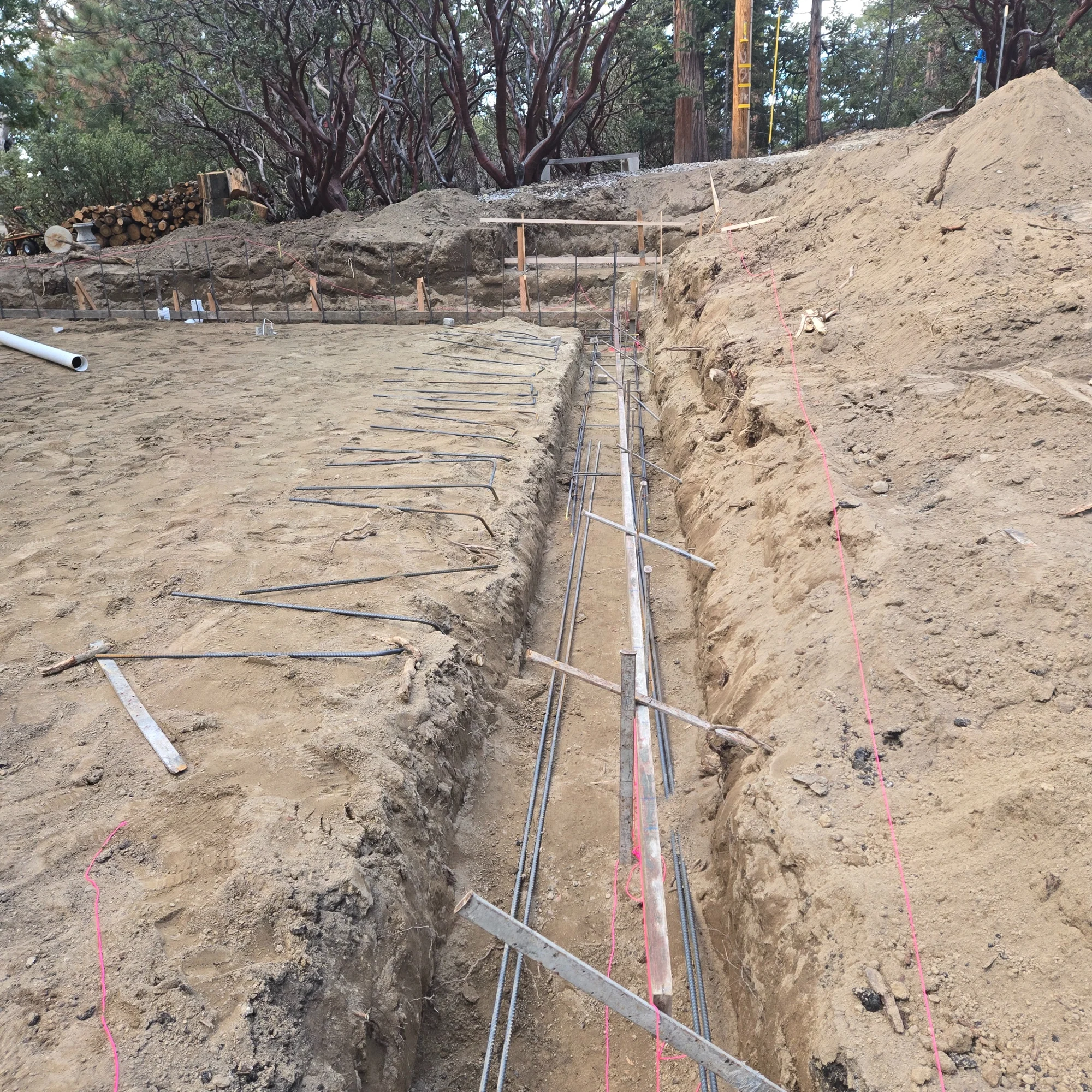
Joints decide where cracks go
Concrete cracks. That is not a defect, it is the material. A control joint decides where, cut deep enough and early enough to work. Cut it late and the slab has already chosen.
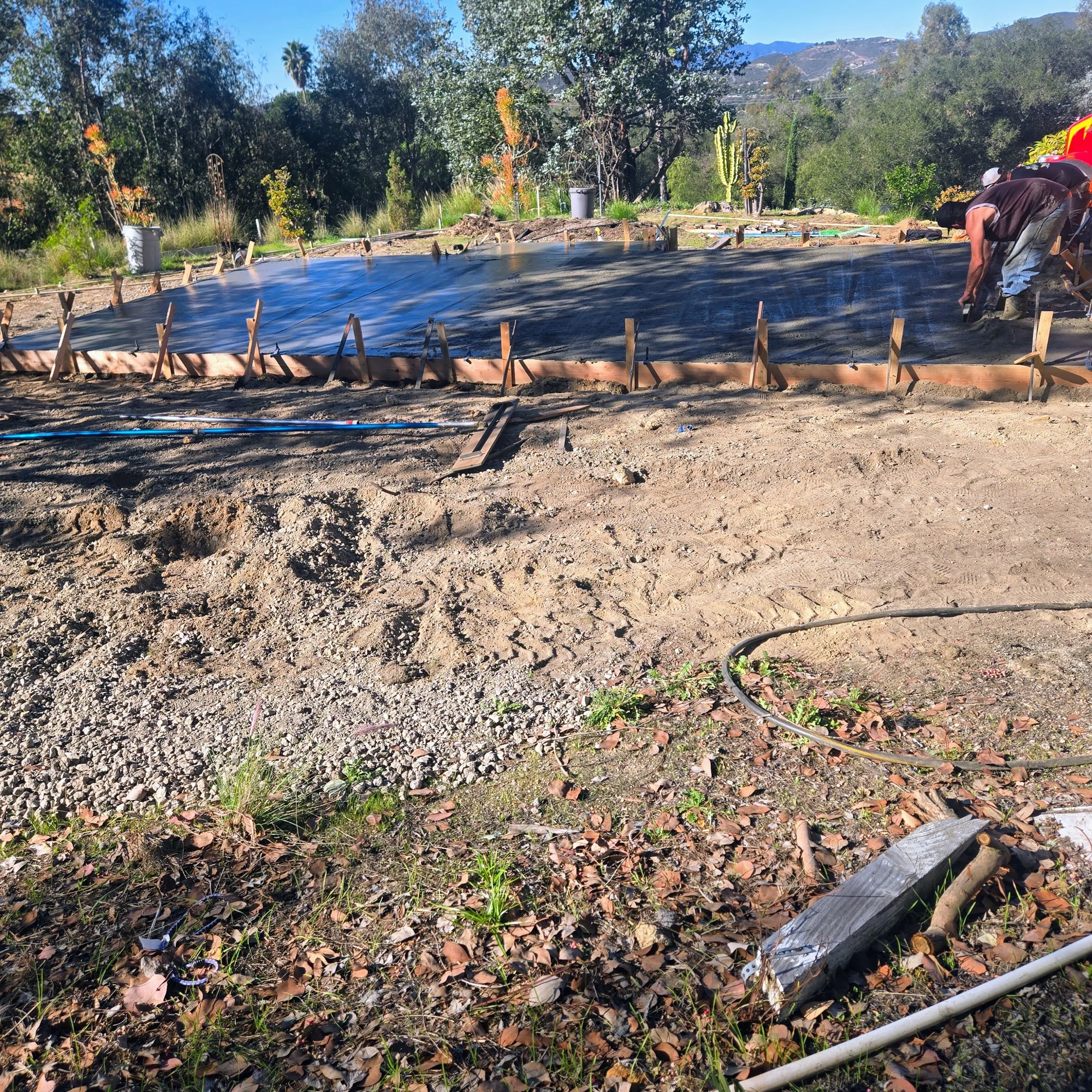
Water is the whole story
Almost every failed slab we are called to look at failed because water got somewhere it should not have. Into the base, under a footing, or through a joint nobody sealed. Drainage gets designed before the pour, not discovered afterward.
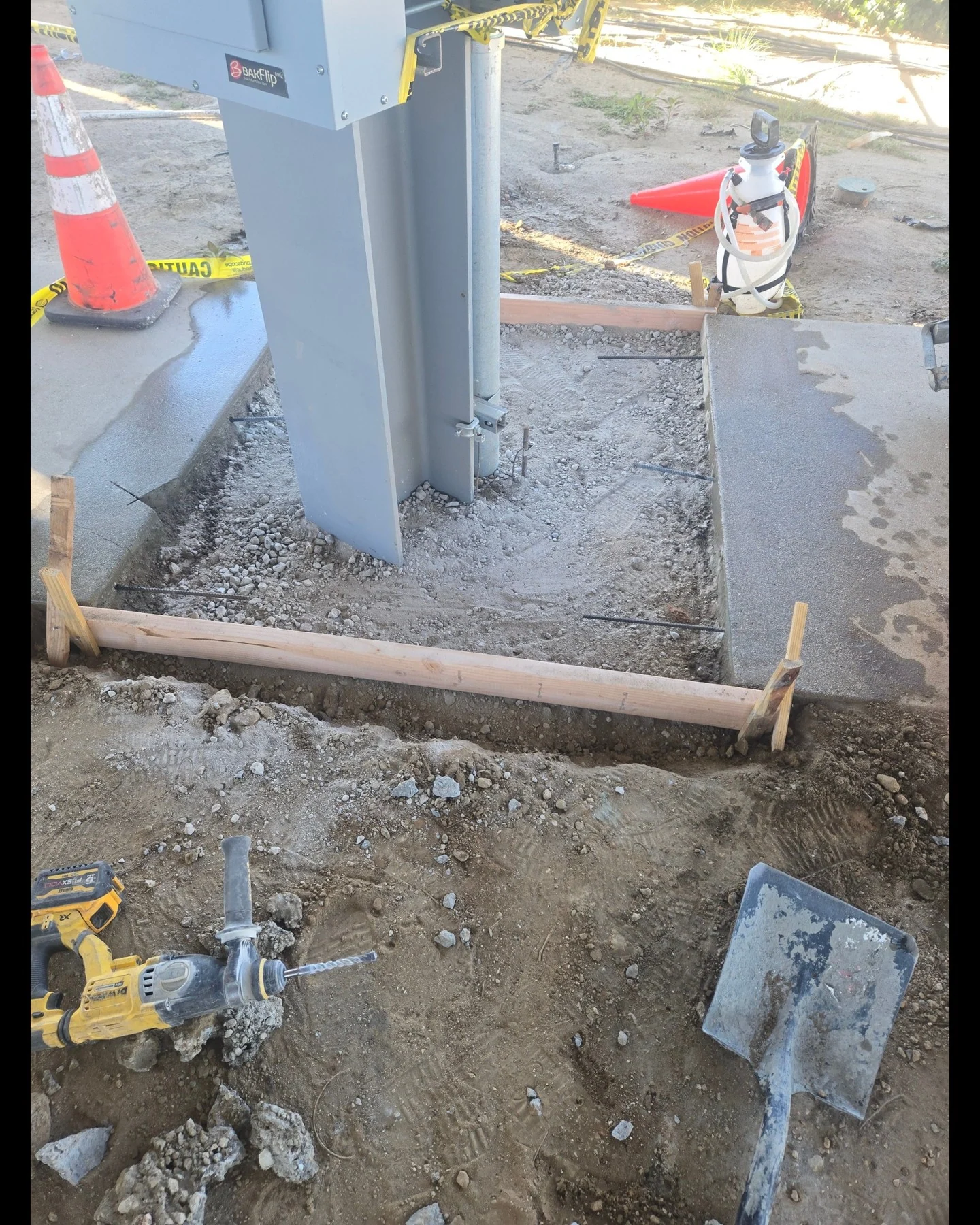
Clay that moves with the season
The soil through the San Jacinto Valley is expansive. It swells when it gets water and shrinks back when it dries, and it does that every year. A slab poured on untreated clay rides that movement until it cracks. The fix is in the base and the steel, decided before anybody orders concrete.
Water routed off the slab
Slopes, low points and a path for water to leave are set before the pour, because afterward the drainage is permanent.
One crew start to finish
The same people who form it pour it and finish it. There is no handoff where the details get lost.
Honest diagnosis before a number
We look at what failed and why before quoting. Sometimes the answer is a repair and sometimes it is a rebuild, and we will tell you which even when the smaller job is ours to lose.
What we build in Homeland
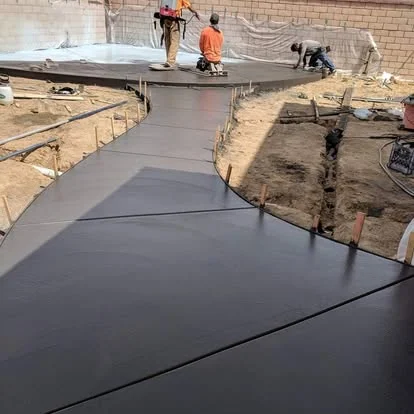
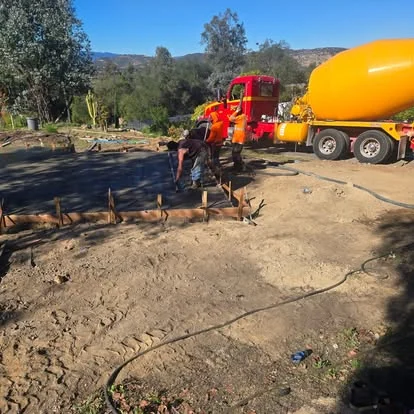
Concrete Patio Replacement
Take out the old slab, pour the one you actually wanted.
Concrete Patio Repair
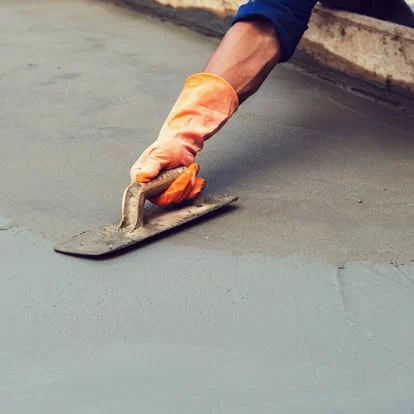
Cracks, settled corners, and surfaces that have gone rough.
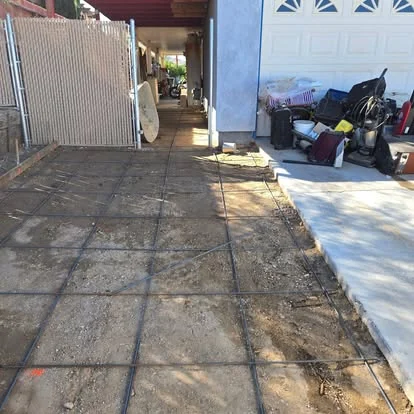
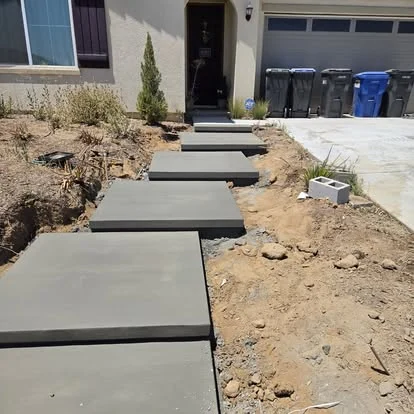
Concrete Walkways
Getting from the street to the door without a trip hazard.

Concrete Sidewalks
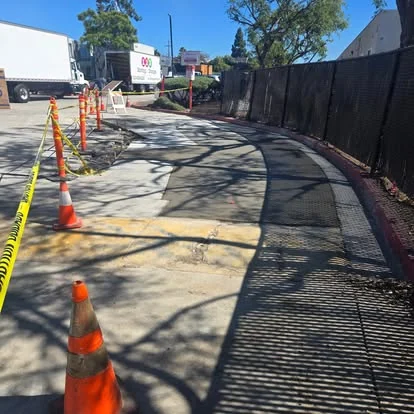
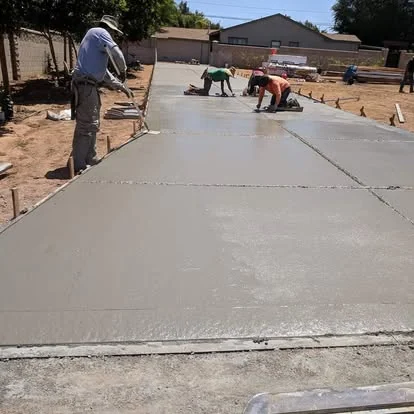
Public-facing flatwork built to the spec the city will inspect.
Concrete Sidewalk Repair
Lifted, cracked, or spalled panels made safe again.
Concrete Sidewalk Replacement
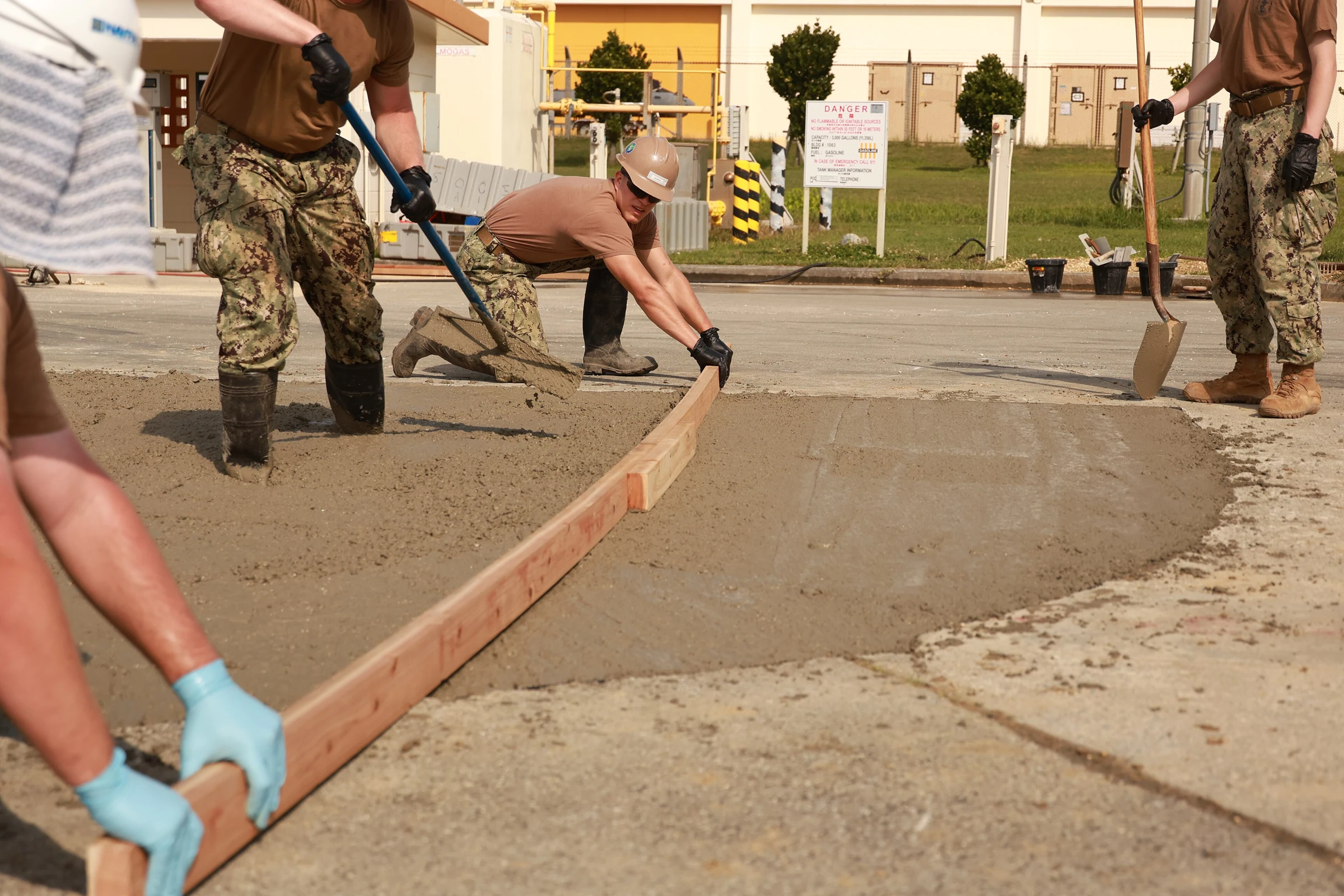
Panel by panel, or the whole run.

Settled Concrete Repair
The slab dropped because something under it did.
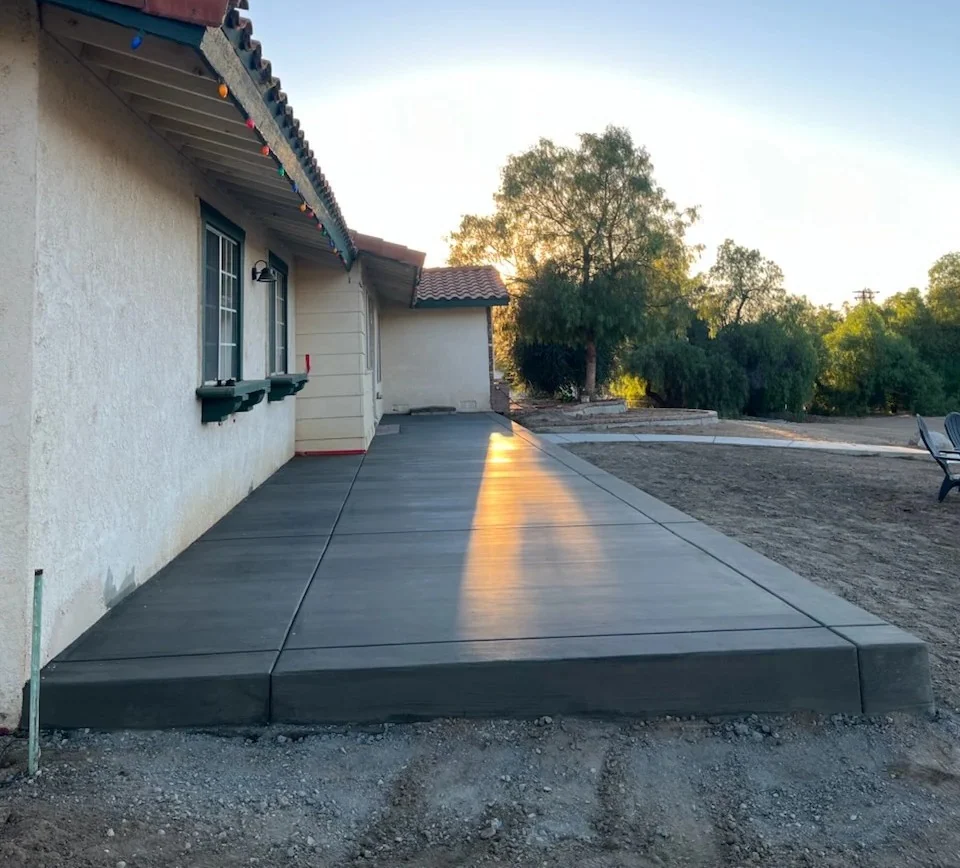
Uneven Concrete Repair
Lips, trip hazards, and panels out of plane.
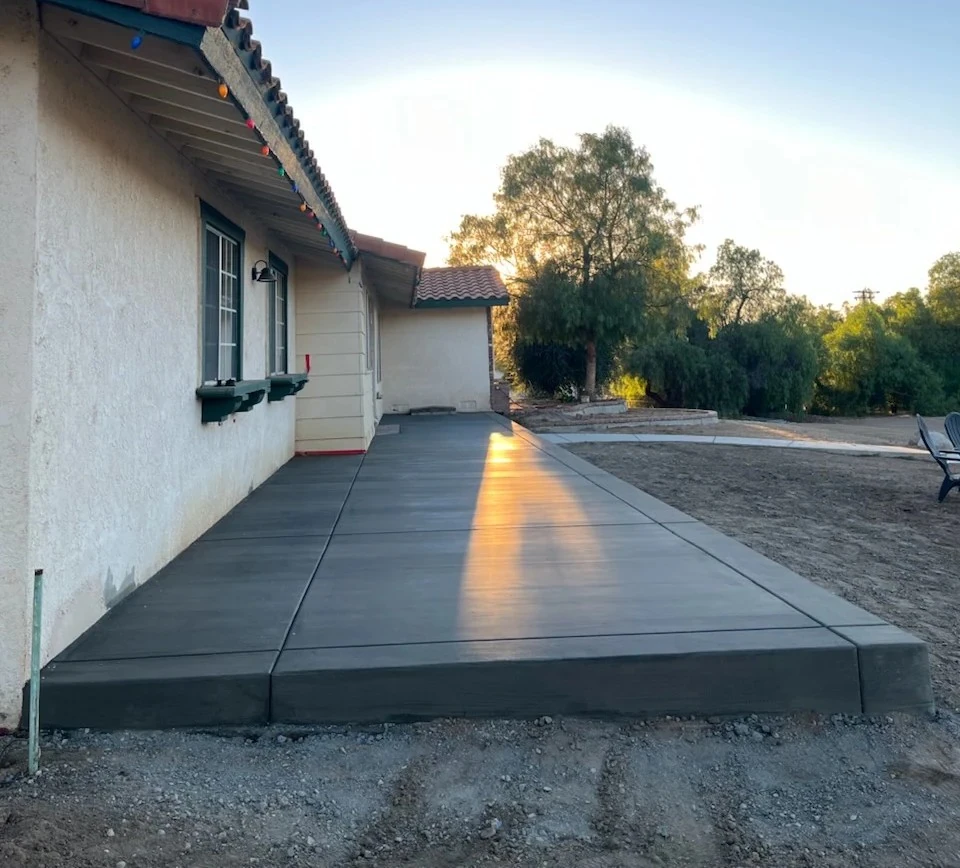
Concrete Joint Repair
The joints fail before the concrete does.
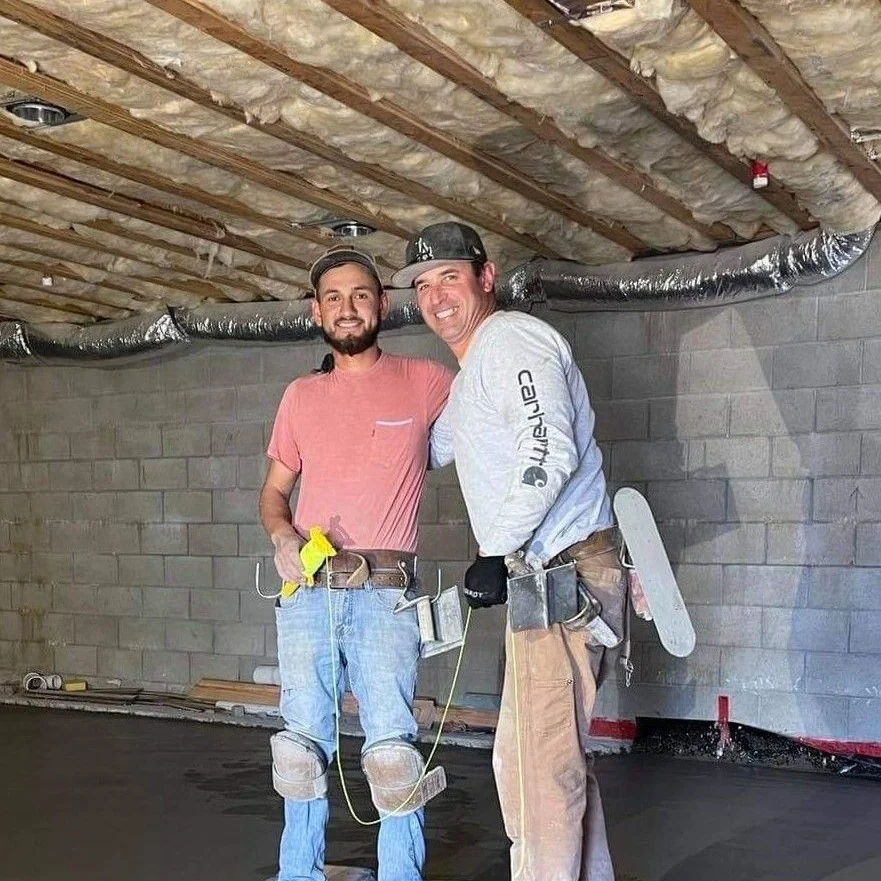
ADA Sidewalks
Accessible routes that hold their tolerances.
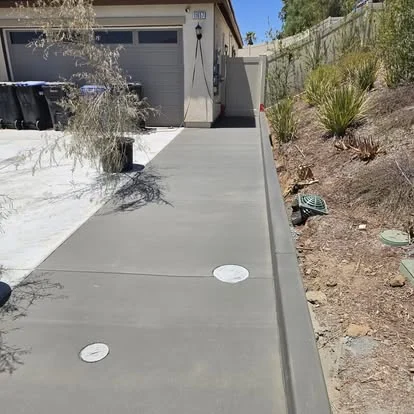
Warehouse Floors
Flat enough for racking and hard wheels.
Industrial Floors
Impact, chemicals, and equipment loads.
Pouring concrete around Homeland
Older flatwork around here
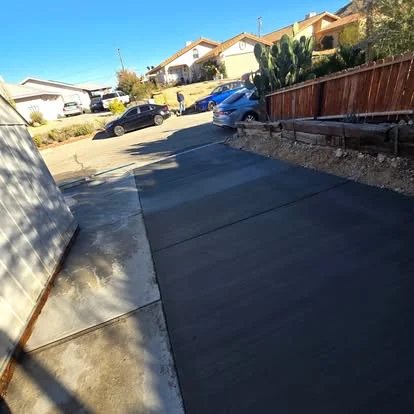
A lot of valley concrete was poured thin, with light reinforcement, on a base that was never properly compacted. When it fails it is usually reporting on the ground rather than on the mix, and that is the difference between a repair that holds and one that comes back in a year.
Summer pours
Triple digit afternoons change how concrete behaves. It stiffens before it can be finished properly, the surface skins over while the body underneath is still soft, and water leaves the slab faster than the cement can use it. Valley pours start early, the mix gets adjusted for the heat, and curing is treated as an active step instead of something that happens on its own.
What lasts here
A properly based, properly jointed slab with reinforcement sized to the load will outlast the house it sits beside. The variables that decide it are all underneath and all invisible once the pour is done, which is exactly why they get cut on cheap jobs.
Irrigation against the slab
Almost every valley property waters something, and sprinklers running along a slab edge keep the base saturated year round. In expansive soil that is a slow way to undermine your own driveway. Where the water lands is worth looking at before blaming the concrete.
Concrete work around Homeland
Flatwork, foundations and repair across Homeland and the rest of Riverside County, poured by the same crew that answers the phone.
How concrete fails, and why
Cracks radiating from a drain
Anything cast into a slab is a stress point. Drains, posts and penetrations all need isolation or steel around them, otherwise cracks start there.
Uneven cure color on a big pour
A large slab poured across changing weather or with loads arriving at different times can finish in visibly different shades. Sequencing and consistent mix control prevent it.
Deterioration at sprinkler heads
Constant water in one spot saturates the base and leaches the surface. It is a landscaping-meets-concrete problem and it is common.
Broken corners at driveways
Vehicles cut the corner where a drive meets the street, over the least supported concrete on the property. A thickened edge and steel at the corner fix it.
How a job runs
The soil question
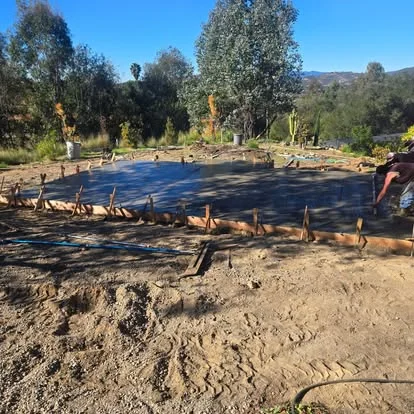
In expansive clay the soil drives the design. If there is a soils report we build to it; if not, what we find during excavation informs the base work.
Drainage
Where water goes gets decided before the pour, because afterward it is permanent. That sometimes means changing the plan to fix a problem you already had.
Concrete cracks. The job is deciding where.On the material
Joint layout
Joints are planned on paper and cut on time. Where they land is partly structural and partly how the finished slab reads.
Maintenance
Concrete is low maintenance, not no maintenance. Sealing and joint upkeep are the two things worth doing.
Around Homeland
Straight answers
How thick should my driveway be?
It comes off what parks on it. A passenger car drive and one carrying a loaded work truck or an RV are not the same slab, and the wheel path is where a thin one cracks first.
How long before I can drive on it?
Concrete takes most of its strength in the first week. Foot traffic is usually fine within a day or two; vehicles wait longer. On a valley summer pour the numbers shift, so you get the real ones for your slab rather than a generic answer.
Can you pour in the middle of summer?
We do, and we start early. Triple digit afternoons stiffen the mix before it can be finished and pull water out of the slab, so hot weather pours get scheduled, mixed and cured differently. Sometimes the right answer is moving the date.
Do I need a permit?
Structural work and anything in the public right of way generally does. A straight replacement often does not. We raise it before anything is broken out rather than at inspection.
What maintenance does concrete actually need?
Keep water moving off it, reseal when it needs it, and keep the joints maintained. Water is the common factor in nearly every concrete failure, so those three things buy years.
Start with a site visit
No number goes out on a photograph. We come to Homeland, look at the ground and the access, and price the work from that.