
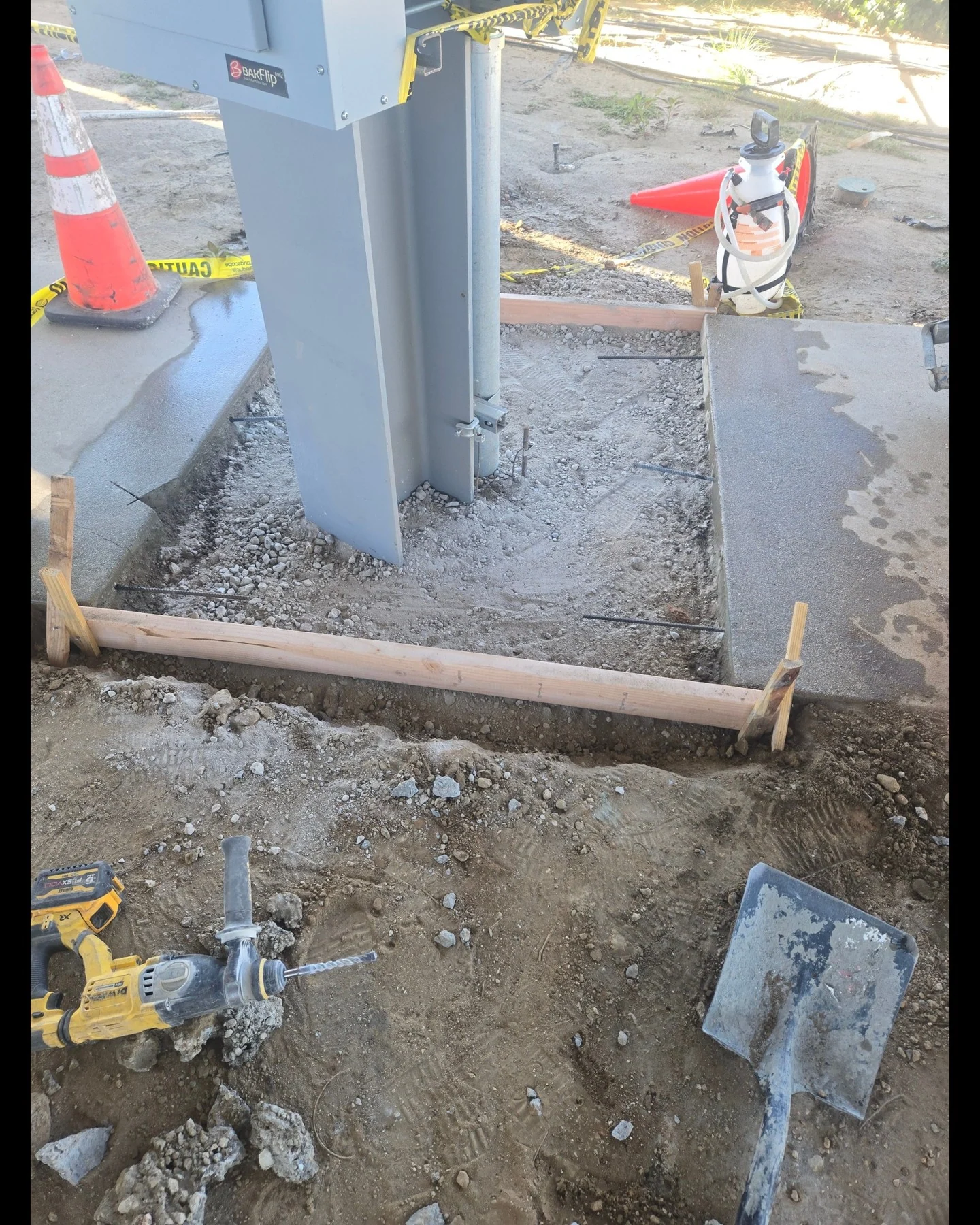
Temple City’s concrete crew
Flatwork, foundations and repair across Temple City and the rest of Los Angeles County. Fourth generation, 32 years in the trade, California license 1137822.
Talk to us about the job


What concrete is up against around Temple City
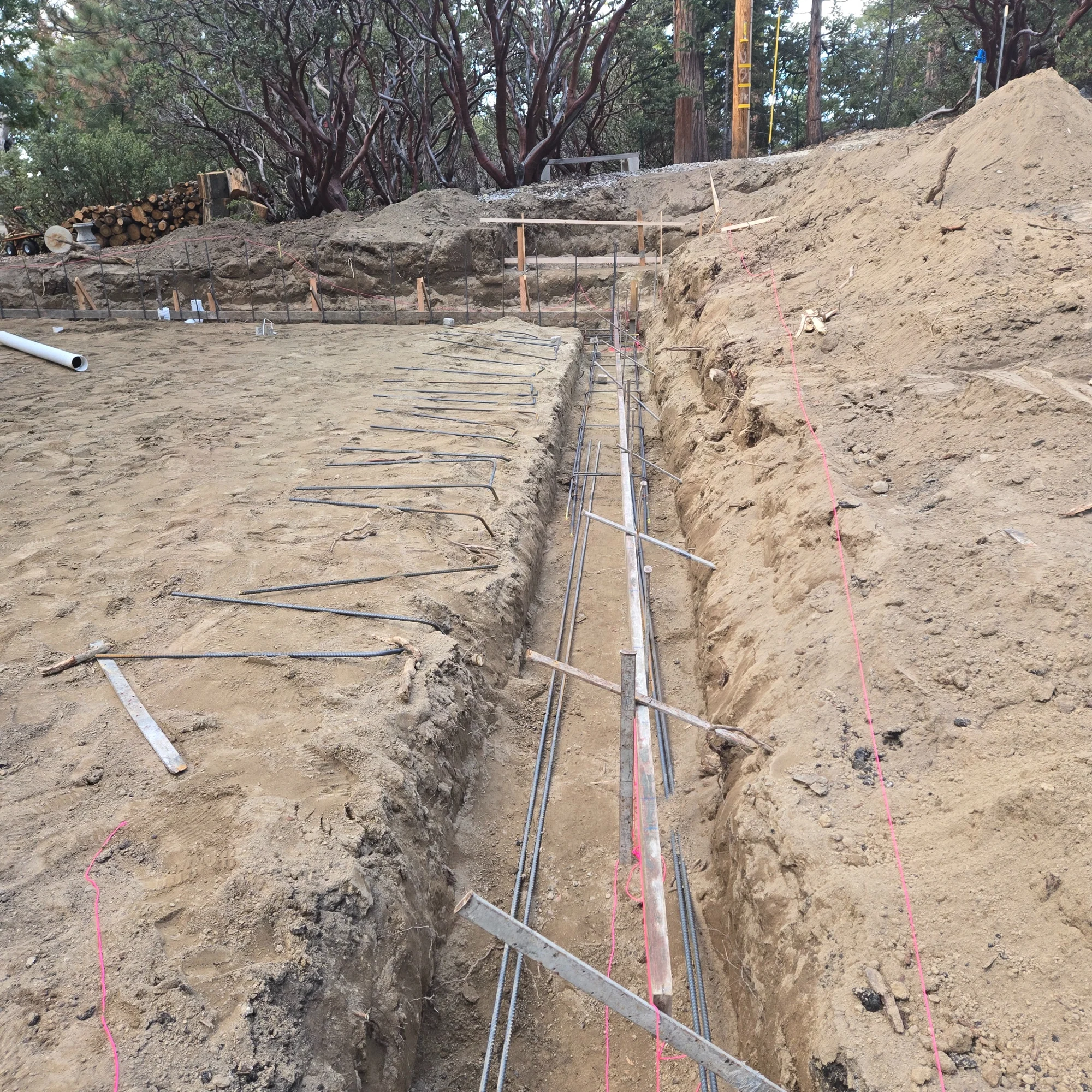
Tree roots under flatwork
Mature street trees lift sidewalks and drives, and they will do it again to a new slab unless the root is dealt with. Sometimes that means root pruning, sometimes rerouting the walk.
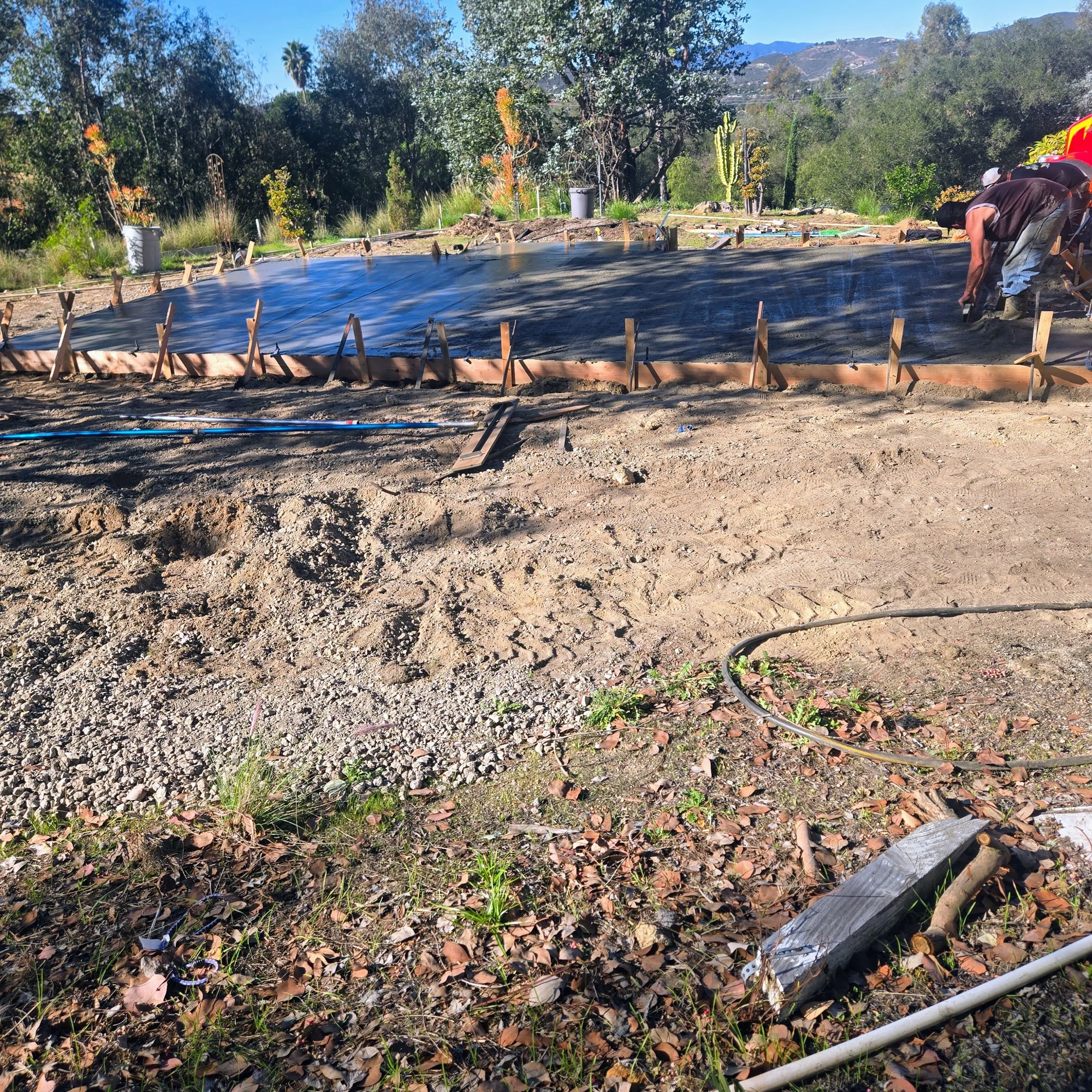
Heat island on dark flatwork
Dense paving with no shade gets hot and stays hot, which means more thermal movement day to day. Joint layout accounts for it.
Matching what stays
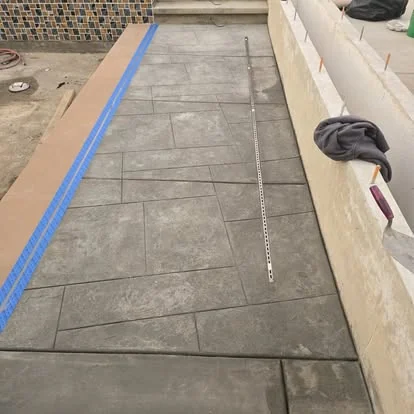
Replacing part of a run means matching the thickness, the finish and the joint pattern of what stays, so the job reads as one surface rather than a patch.
Pours scheduled to the heat
In summer we start early and keep the mix and the crew ahead of the temperature. Concrete does not wait for anybody.
Cleanup is part of the job
Washout handled properly, spoil hauled, surfaces cleaned. Concrete work is messy while it happens and should be invisible when it is done.
One crew start to finish
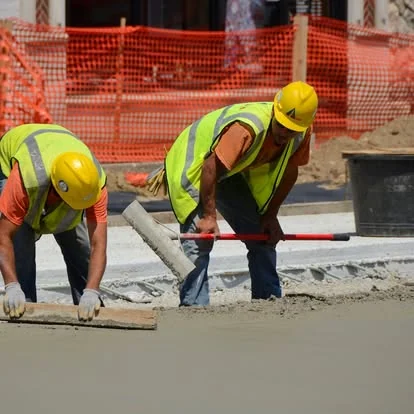
The same people who form it pour it and finish it. There is no handoff where the details get lost.
What we build in Temple City
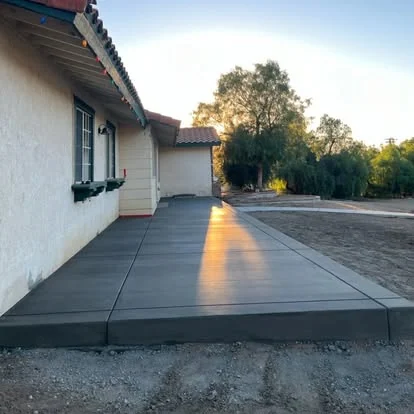
Concrete Stairs
A formed flight that carries load and holds its geometry.
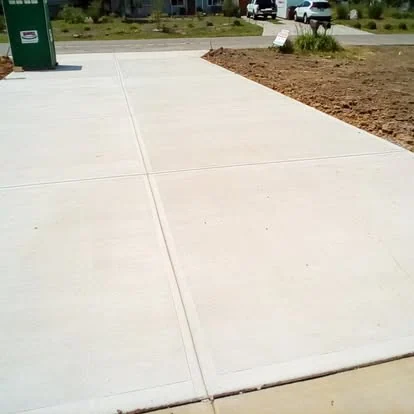
Front Porches
The first slab anybody sees.
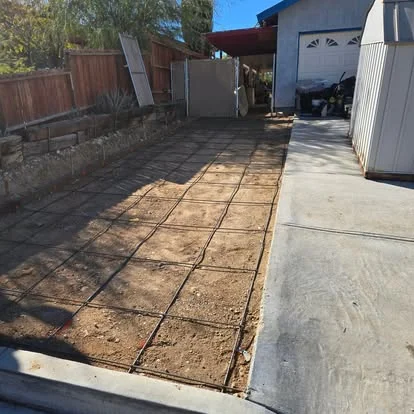
Back Porches
The slab that gets lived on.
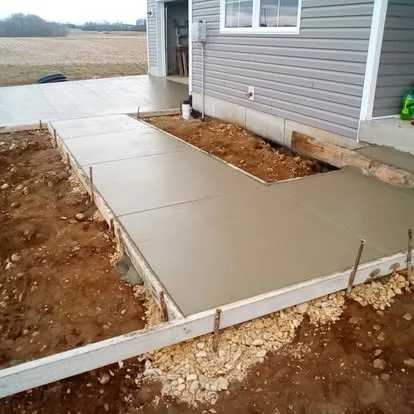
Concrete Courtyards
An enclosed slab where drainage has nowhere obvious to go.
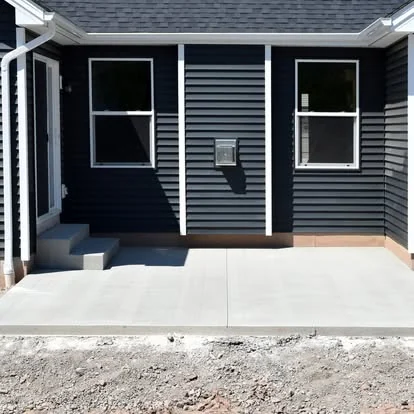
Concrete Slabs
The flat pour everything else is a version of.
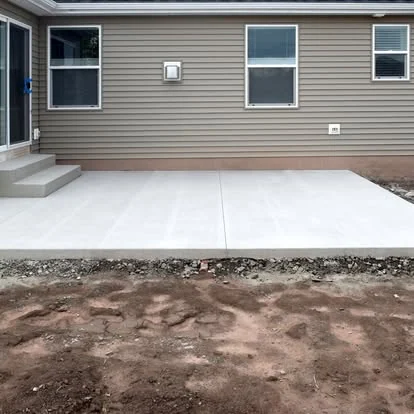
Concrete Slab Repair
Cracks and surface failure on a slab worth keeping.
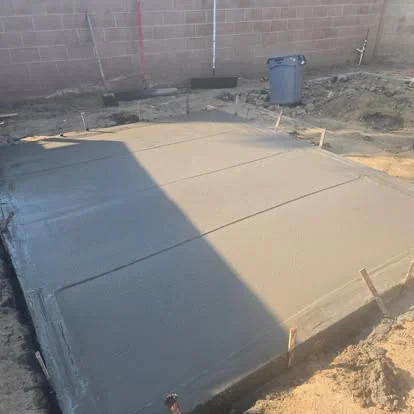
Concrete Joint Repair
The joints fail before the concrete does.
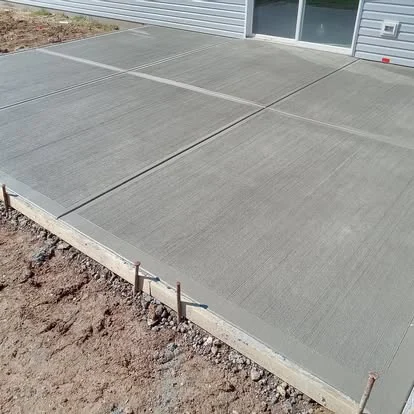
Concrete Resurfacing
A new surface on a sound slab.
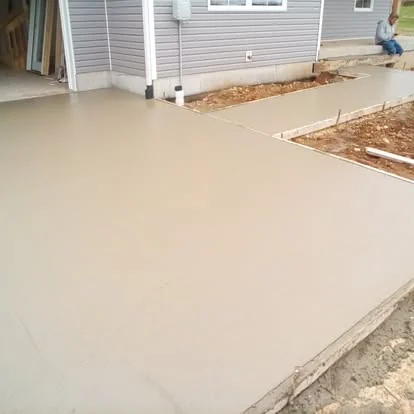
Concrete Leveling
Lifting a slab back to where it started.
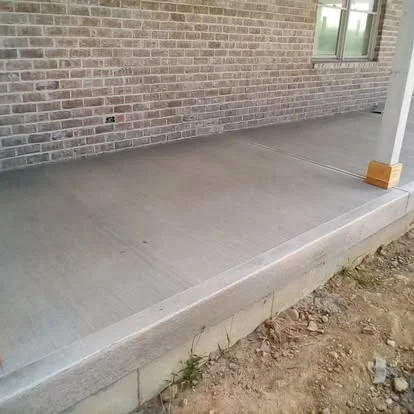
Commercial Sidewalks
Walks that carry public traffic and public liability.
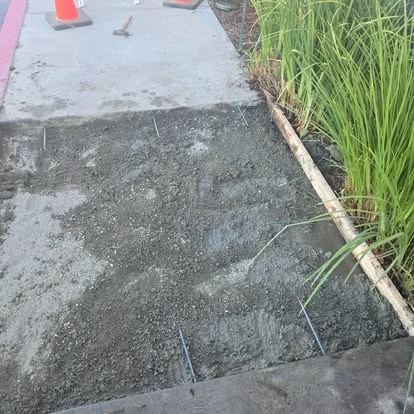
Commercial Patios
Restaurant and retail patios built for daily traffic.
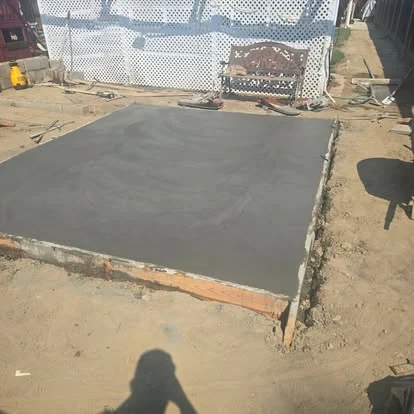
Concrete Parking Lots
Concrete instead of asphalt, for the life of it.
Pouring concrete around Temple City
Street trees and roots
Mature trees lift sidewalks and driveways, and they will lift a new slab too unless the root is dealt with. Sometimes that means root pruning, sometimes rerouting the walk, sometimes a thicker slab with a root barrier. Replacing without addressing it just resets the clock.
Access and staging
Dense lots mean narrow drives, alley access, parked cars and nowhere obvious to put a truck. Getting concrete to the pour is often harder than the pour itself, so access is worked out before the date is set, including whether the job needs a pump.
Permits and the right of way
Work in the public right of way, anything structural, and most full replacements need permits and inspection. We would rather have that conversation before anything is broken out than discover it when an inspector arrives.
Utilities nobody recorded
Older urban lots have services running in places no drawing shows. Anything cut or dug starts with locating, because finding a line with a saw is expensive and entirely avoidable.
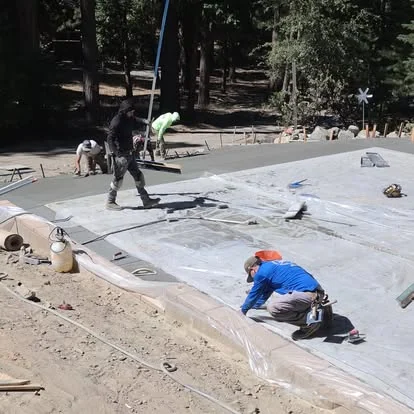
Concrete work around Temple City
Flatwork, foundations and repair across Temple City and the rest of Los Angeles County, poured by the same crew that answers the phone.
How concrete fails, and why
Settlement at the apron
The strip where a driveway meets a garage takes every vehicle and sits over backfill that was disturbed during construction. It settles more than the rest of the drive and it needs its own thickness and joint.
Heaving
A slab pushed upward is usually roots or expansive soil taking on water. Both get worse with irrigation, and neither is fixed by resurfacing the top.
Pop-outs
Small conical craters come from a particle of reactive aggregate near the surface expanding and blowing the concrete off above it. Cosmetic, and a repairable surface defect.
Dusting
A surface that chalks under a broom was finished or cured badly, or had water worked into it. Sealing helps; grinding and resurfacing fixes it.
How a job runs
Preparation you may need to do
Moving vehicles, clearing the area, and sometimes irrigation being shut off. We will tell you in advance what is on you.
Demolition day
Saw cutting, breaking, loading and hauling. It is the loudest and dirtiest part and it usually happens first.
A repair aimed at the wrong cause is money spent twice.On repair work
Pour day
Early start in summer. The crew works continuously until the slab is placed and finished, because concrete sets on its own schedule.
Keeping off it
How long depends on the pour and the weather. You will get a real number, not a generic one.
Around Temple City
Straight answers
How loud and disruptive is it?
Saw cutting and breaking concrete is loud and it is usually the first day. We will tell you which days those are so you can plan around them.
What about utilities under the slab?
Anything cut or dug starts with locating, because older urban lots have services in places no drawing records.
How long before I can park on it?
Foot traffic a day or two, vehicles longer. You get the real number for your pour.
My sidewalk is lifted by a tree root. What are the options?
Grinding the lip removes the trip hazard; cutting and repouring the panel fixes the surface. Neither lasts unless the root is addressed, which can mean pruning, a root barrier or rerouting the walk.
Do I need a permit for a replacement?
Work in the public right of way and anything structural generally does; a like-for-like private replacement often does not. We check before anything is broken out.
Start with a site visit
No number goes out on a photograph. We come to Temple City, look at the ground and the access, and price the work from that.