
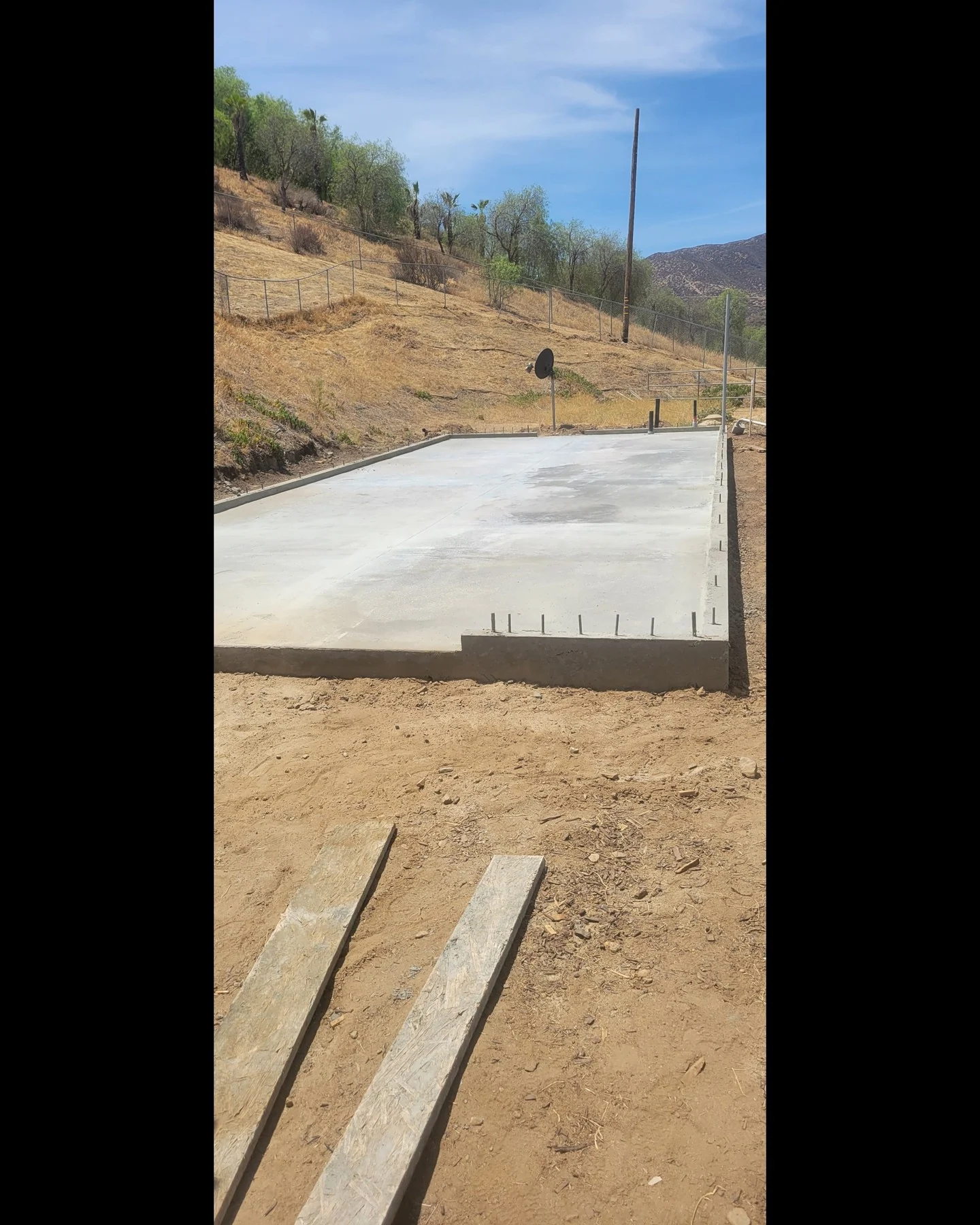
Built for Baldwin Park ground
The soil and the weather here decide how a slab is built. Driveways, patios, slabs and foundations across Baldwin Park, licensed 1137822.
Talk to us about the job
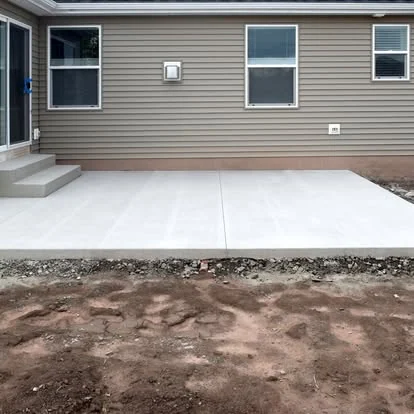
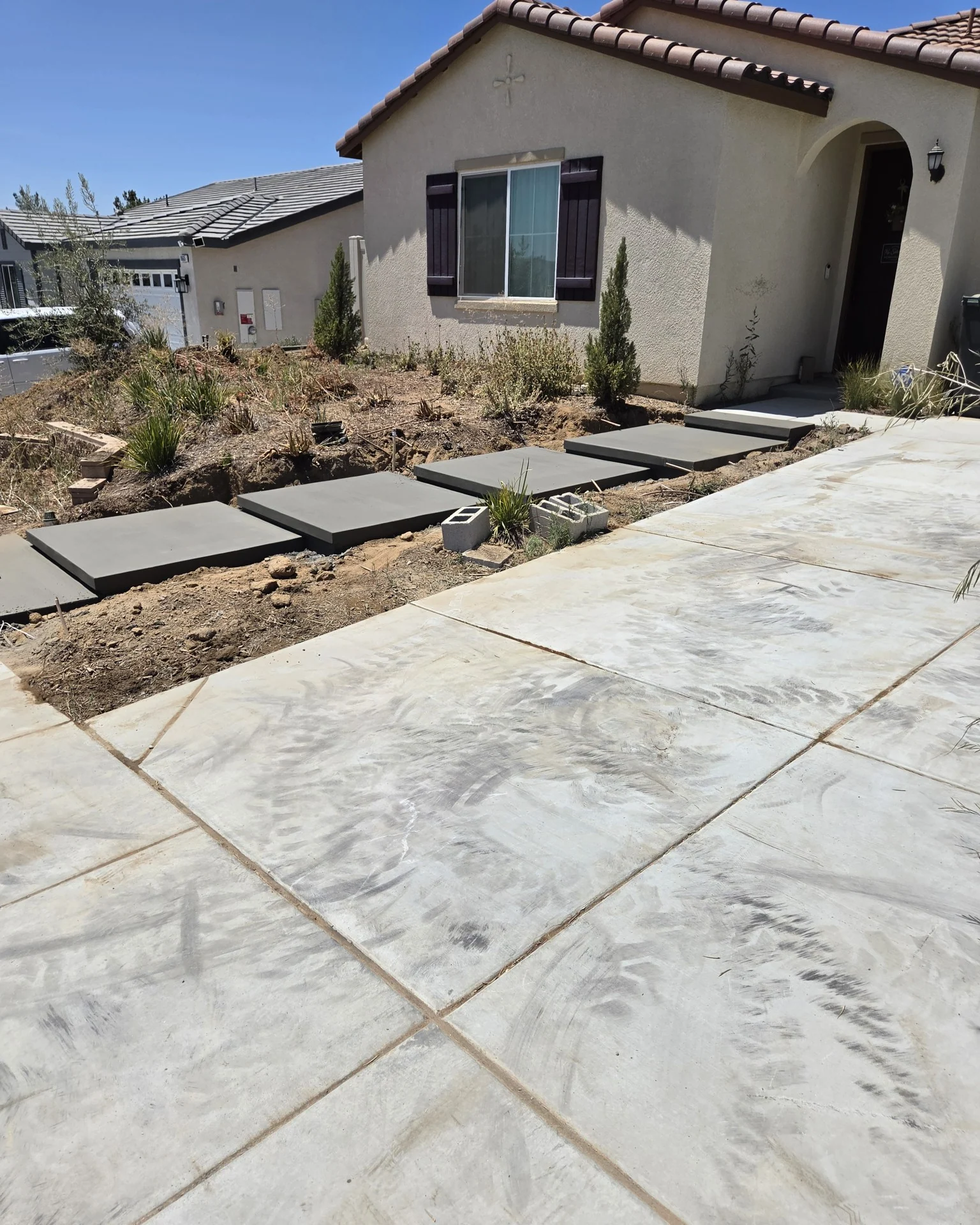
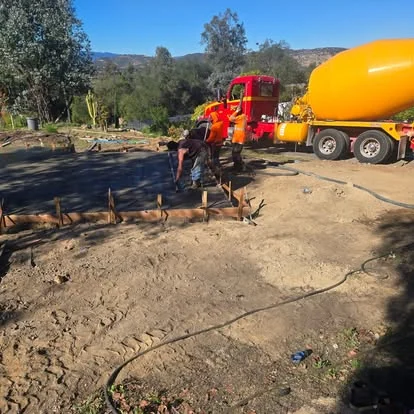
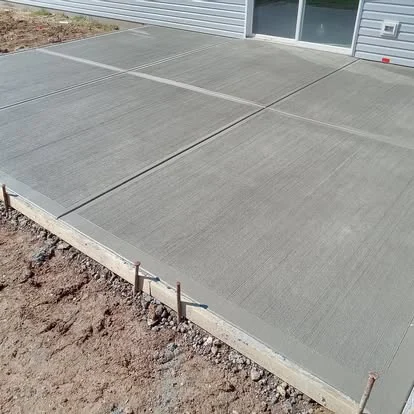
What concrete is up against around Baldwin Park
Permits and inspection
Work in the public right of way, anything structural, and most replacements need permits and an inspection. We would rather have that conversation before we break anything out.
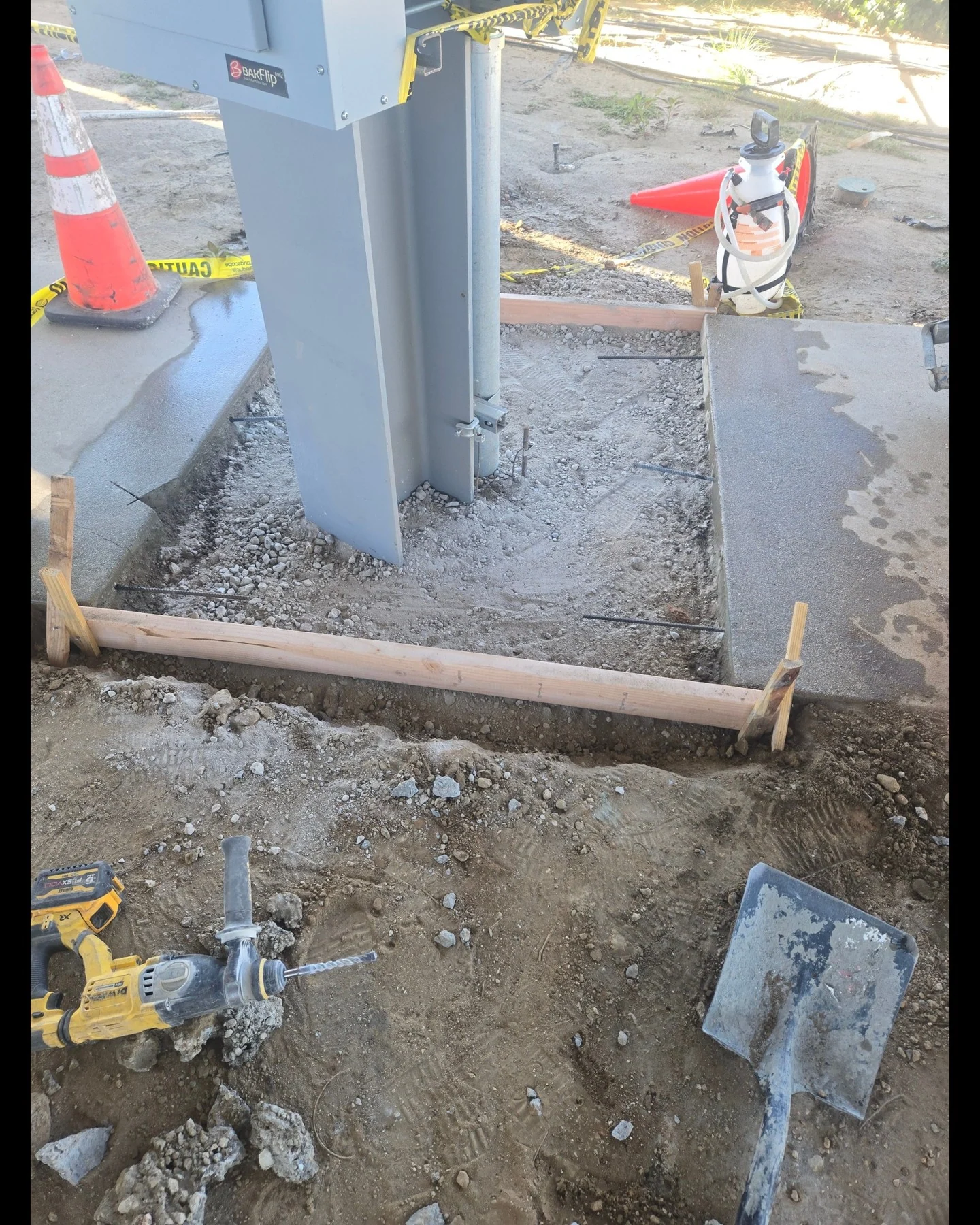
Heat island on dark flatwork
Dense paving with no shade gets hot and stays hot, which means more thermal movement day to day. Joint layout accounts for it.
Older slabs, older assumptions
A lot of concrete in these neighborhoods was poured decades ago, thinner than we would build now and with less steel. When it fails it is usually telling you about the base under it, not the mix.
Joints planned on paper
Joint layout gets worked out before the pour, spaced to the thickness and placed where the slab wants to move anyway. Then it gets cut at the right time.
Base first, always
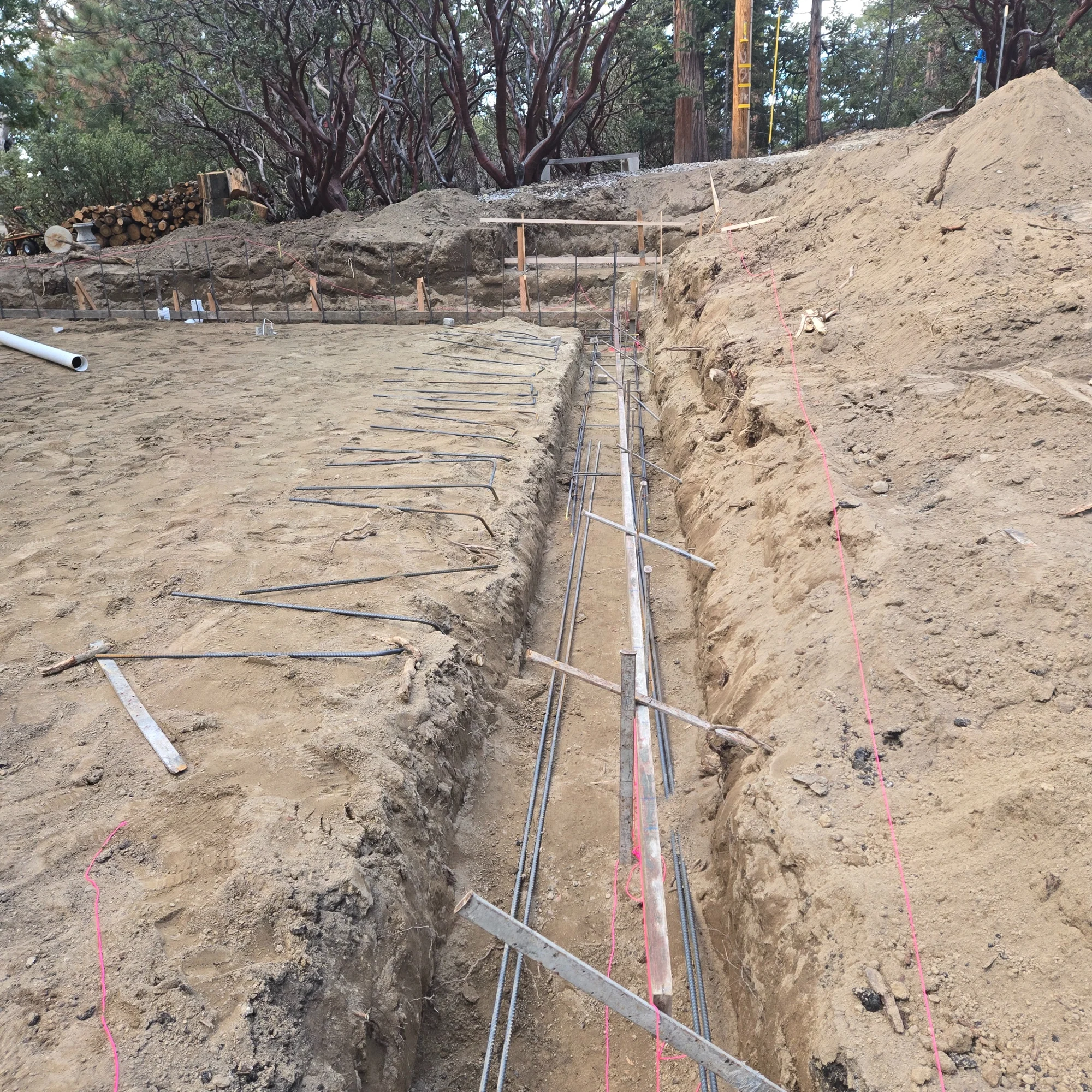
We cut to grade, fix the soft spots we find, and compact base in lifts before anything is formed. In expansive clay that step decides the whole outcome, so it is not where we save money.
Curing treated as a step
Fresh concrete gets protected from dry wind and sun until it has what it needs. Skipping that is how you get a dusty, weak top layer.
What we build in Baldwin Park
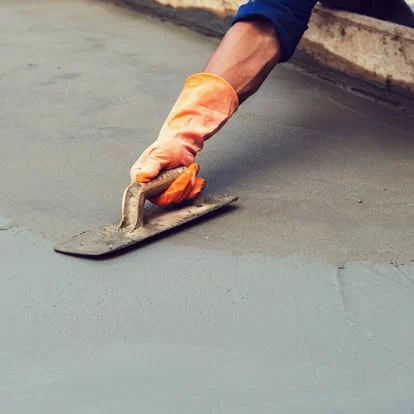
Concrete Courtyards
An enclosed slab where drainage has nowhere obvious to go.

Concrete Slabs
The flat pour everything else is a version of.
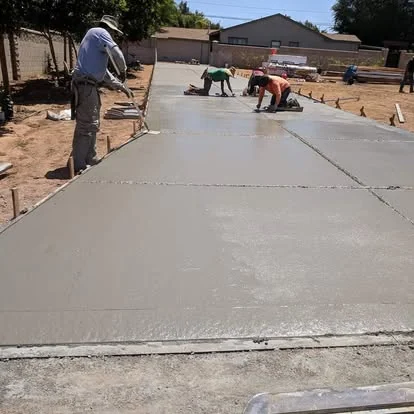
Concrete Slab Repair
Cracks and surface failure on a slab worth keeping.

Concrete Slab Replacement
When the base failed, the slab follows.
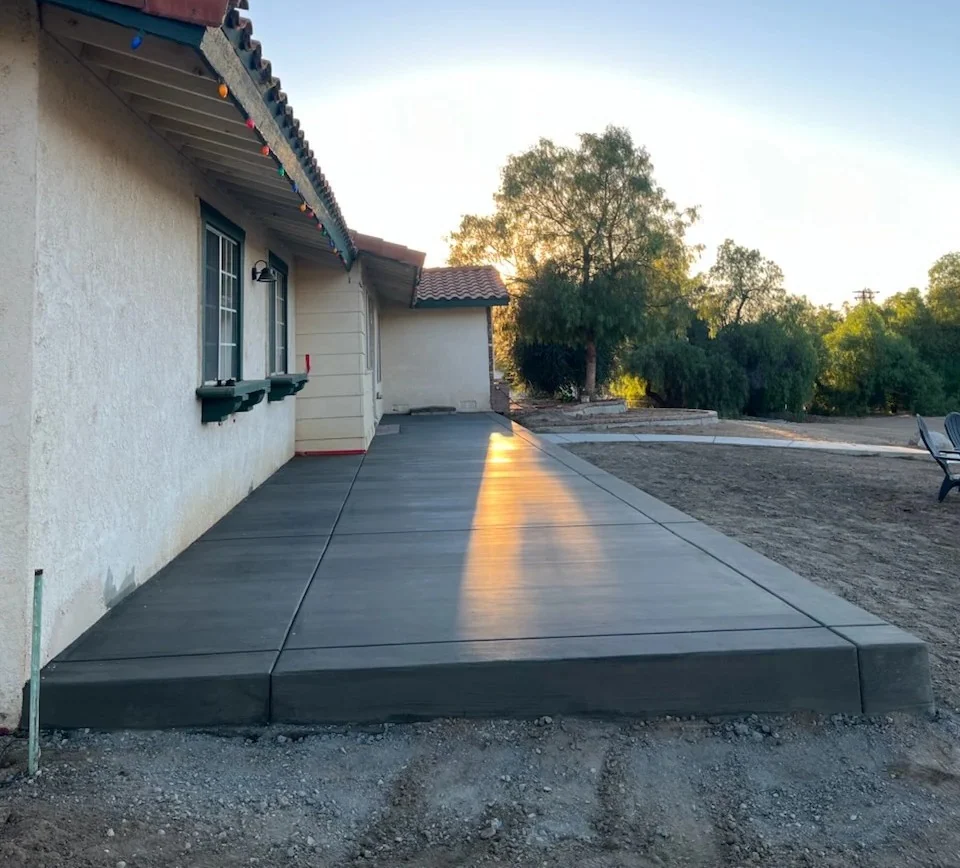
Garage Floors
Hot tires, dropped tools, and whatever ran off the car.
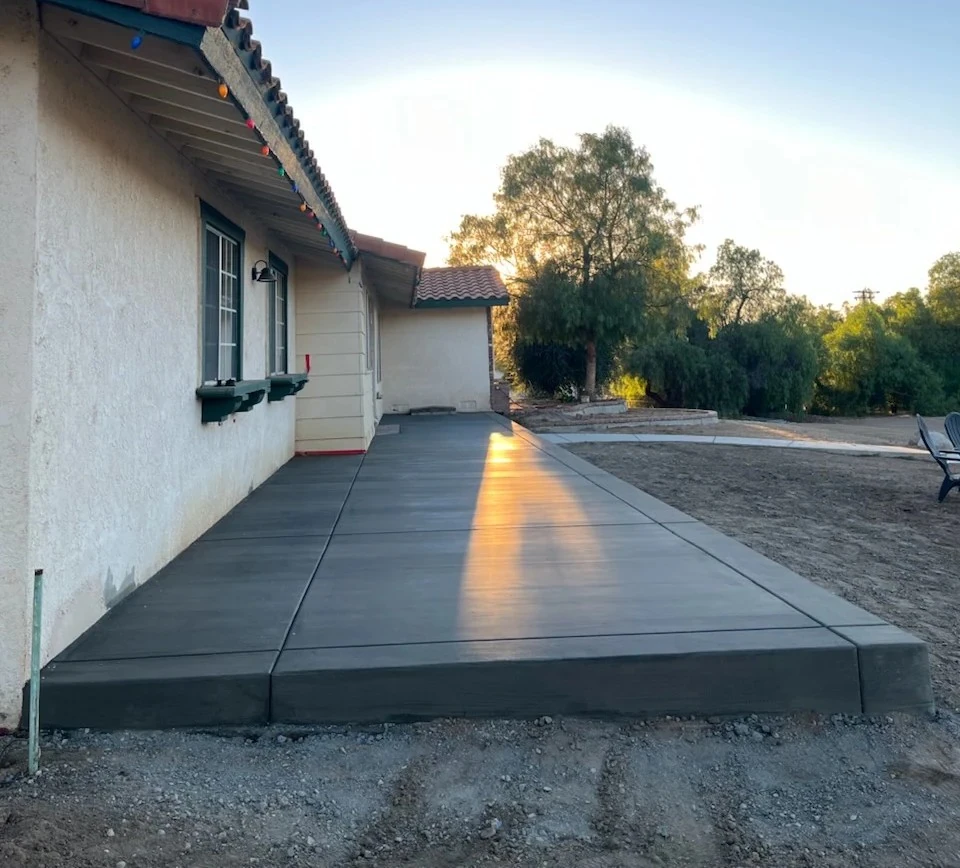
Garage Aprons
The strip between the driveway and the garage door.
Concrete Sealing
Keeping water out of the pores.
Concrete Replacement
Out with the old slab, in with one built right.
Concrete Removal
Break it out, haul it off, leave it clean.
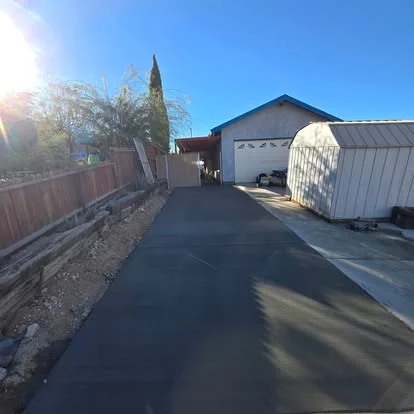
Equipment Pads
A level base for machinery that cannot move.
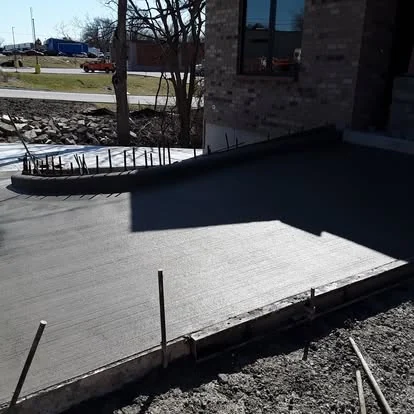
Transformer Pads
Utility pads built to the utility’s drawing.
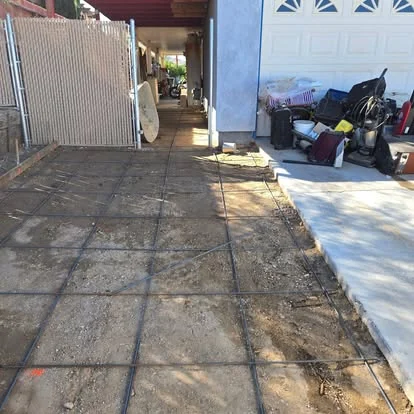
Utility Pads
Pads for meters, generators, and mechanical gear.
Pouring concrete around Baldwin Park
Access and staging
Dense lots mean narrow drives, alley access, parked cars and nowhere obvious to put a truck. Getting concrete to the pour is often harder than the pour itself, so access is worked out before the date is set, including whether the job needs a pump.
Permits and the right of way
Work in the public right of way, anything structural, and most full replacements need permits and inspection. We would rather have that conversation before anything is broken out than discover it when an inspector arrives.
Older slabs and older assumptions
Much of the concrete in these neighborhoods was poured decades ago, thinner than we would build now and with lighter reinforcement over a base nobody tested. When it fails it is usually reporting on what is underneath, which is why we look at the cause before quoting the cure.
Utilities nobody recorded
Older urban lots have services running in places no drawing shows. Anything cut or dug starts with locating, because finding a line with a saw is expensive and entirely avoidable.
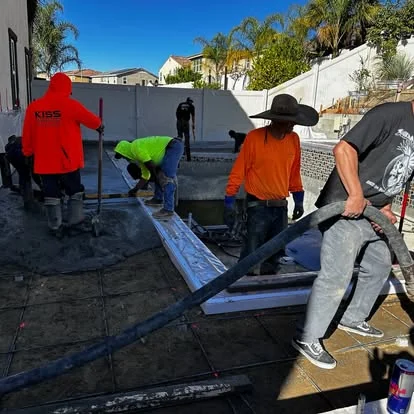
Concrete work around Baldwin Park
Flatwork, foundations and repair across Baldwin Park and the rest of Los Angeles County, poured by the same crew that answers the phone.
How concrete fails, and why
Cracks after a hot pour
Concrete placed into extreme heat stiffens before it can be finished properly and shrinks harder as it cools. Hot weather practice exists for exactly this reason.
Wide joints that collect debris
Joints that were cut too wide or have lost their sealant fill with grit, which then prevents the slab from closing and spalls the joint edges.
A patch that failed
New material on old concrete only holds if the substrate was prepared and a bonding agent used. A patch troweled onto a dusty surface lets go within a season.
Movement at a retaining wall
Retaining walls fail from water pressure behind them more often than from the soil weight. Drainage behind the wall is the design.
How a job runs
The walkthrough
Somebody comes out and looks. That visit decides the scope, and it is also when you should ask everything, because the answers get cheaper before the concrete is ordered.
What you decide
Finish, color, joint layout and edge detail are choices. We will make recommendations based on where the slab is and what it has to do.
The honest answer is sometimes the cheaper one.On quoting
What we decide
Thickness, base, steel and mix come off the load and the soil. Those are not preference items and we will not build them thin to win a job.
Handover
You get told how to look after it: when to seal, what not to put on it, and what normal looks like in the first year.
Around Baldwin Park
Straight answers
The concrete here is old and thin. Is that why it failed?
Often, along with a base nobody tested. Older urban flatwork was poured thinner with lighter steel, and when it fails it is usually reporting on what is underneath.
What about utilities under the slab?
Anything cut or dug starts with locating, because older urban lots have services in places no drawing records.
Can you match the neighboring concrete?
Close, not exact, since concrete ages. We match thickness, finish and joints so the run reads as one surface.
Do I need a permit for a replacement?
Work in the public right of way and anything structural generally does; a like-for-like private replacement often does not. We check before anything is broken out.
Can you replace just part of the walk?
Yes. Sidewalks fail in panels and can be replaced in panels, cut clean at the joints and matched to what stays in thickness, finish and joint pattern.
Get a number for your Baldwin Park job
Tell us what you are building. Somebody comes out, reads the site, and prices what it actually needs rather than what fits a template.