
Fallbrook slabs, built from the base up
Most concrete fails from underneath, so that is where we start. Serving Fallbrook and San Diego County with 32 years in the trade behind every pour.
Talk to us about the job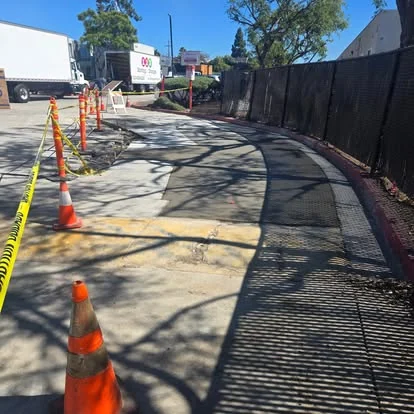
What concrete is up against around Fallbrook
The base is the job
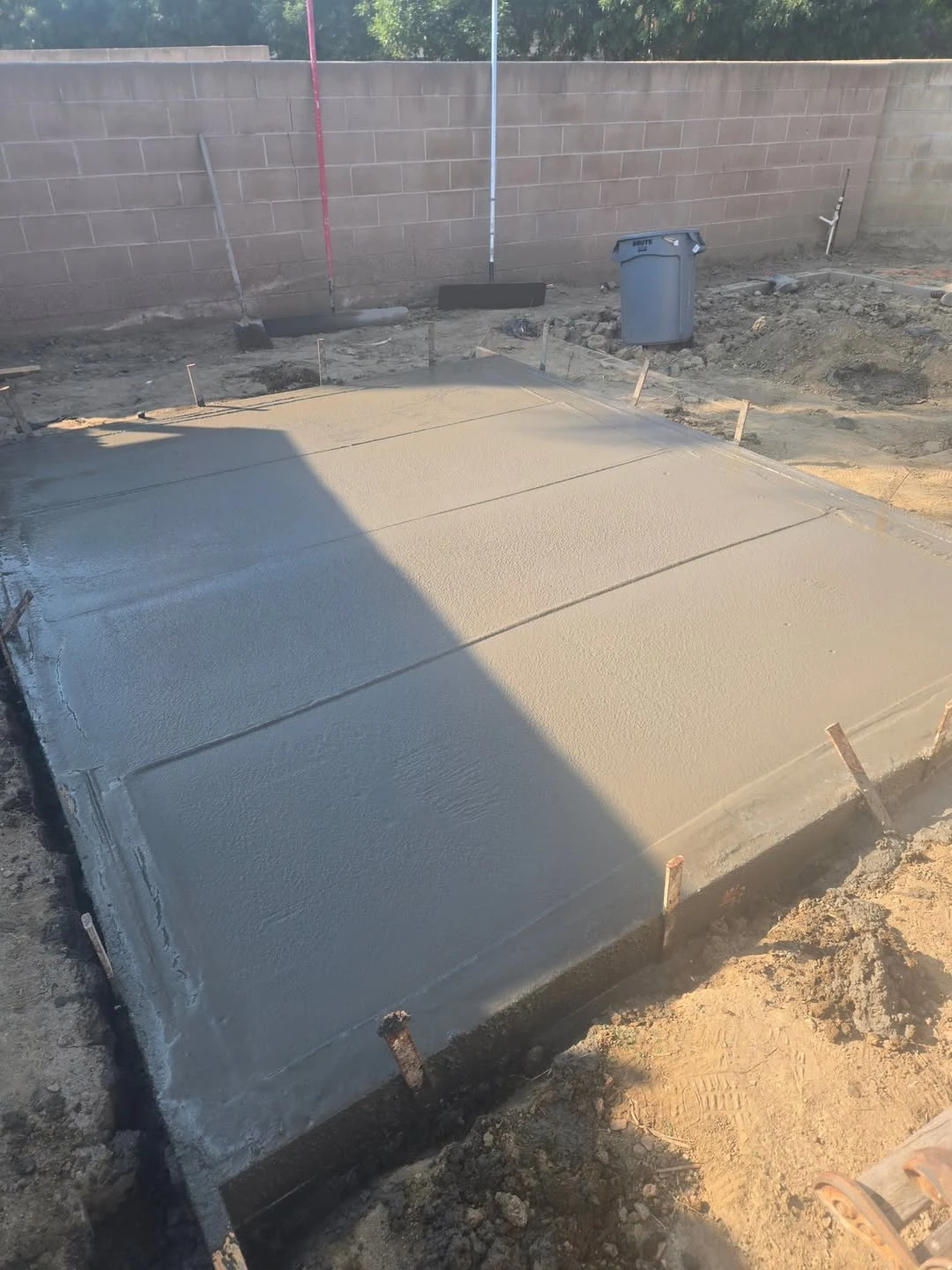
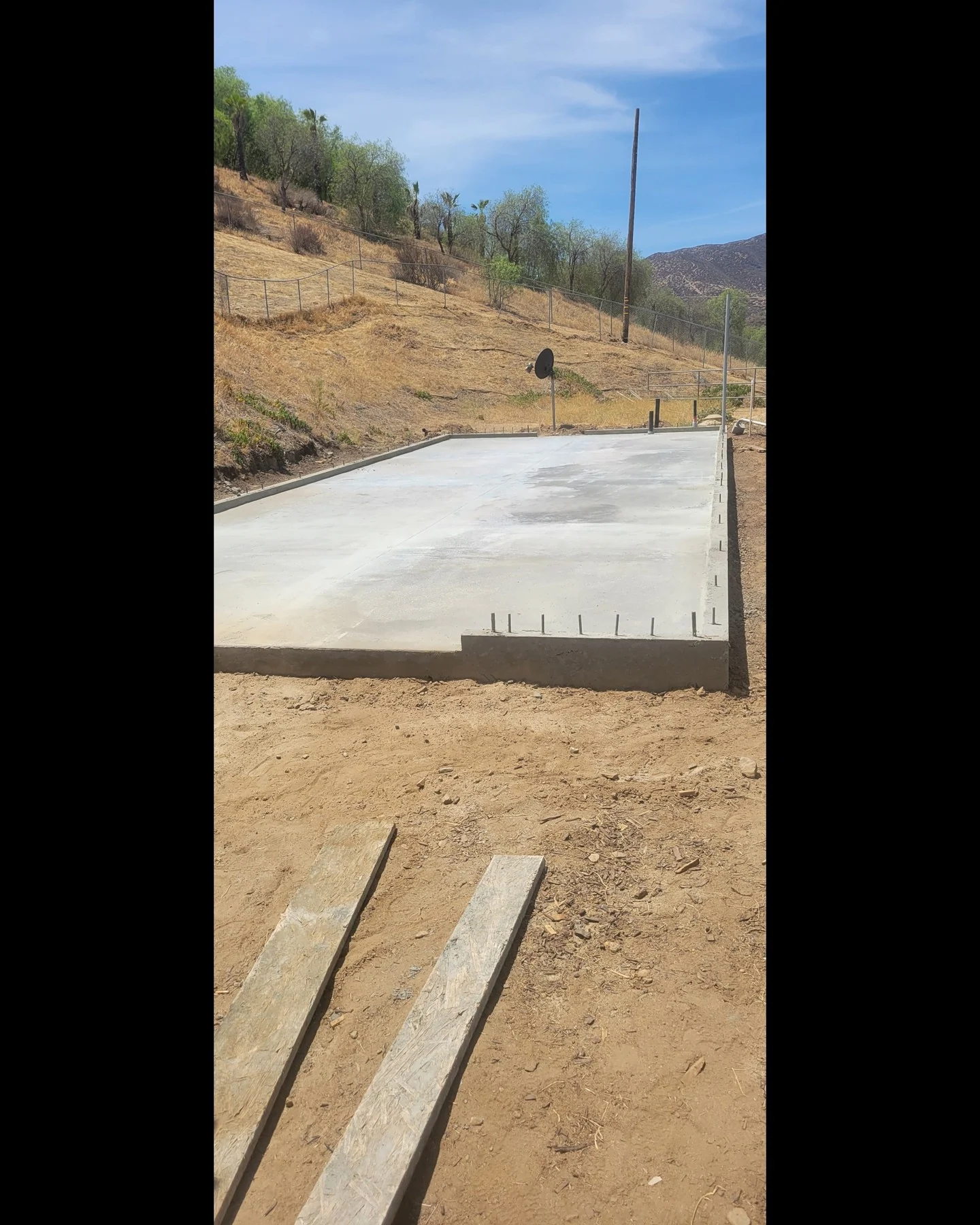
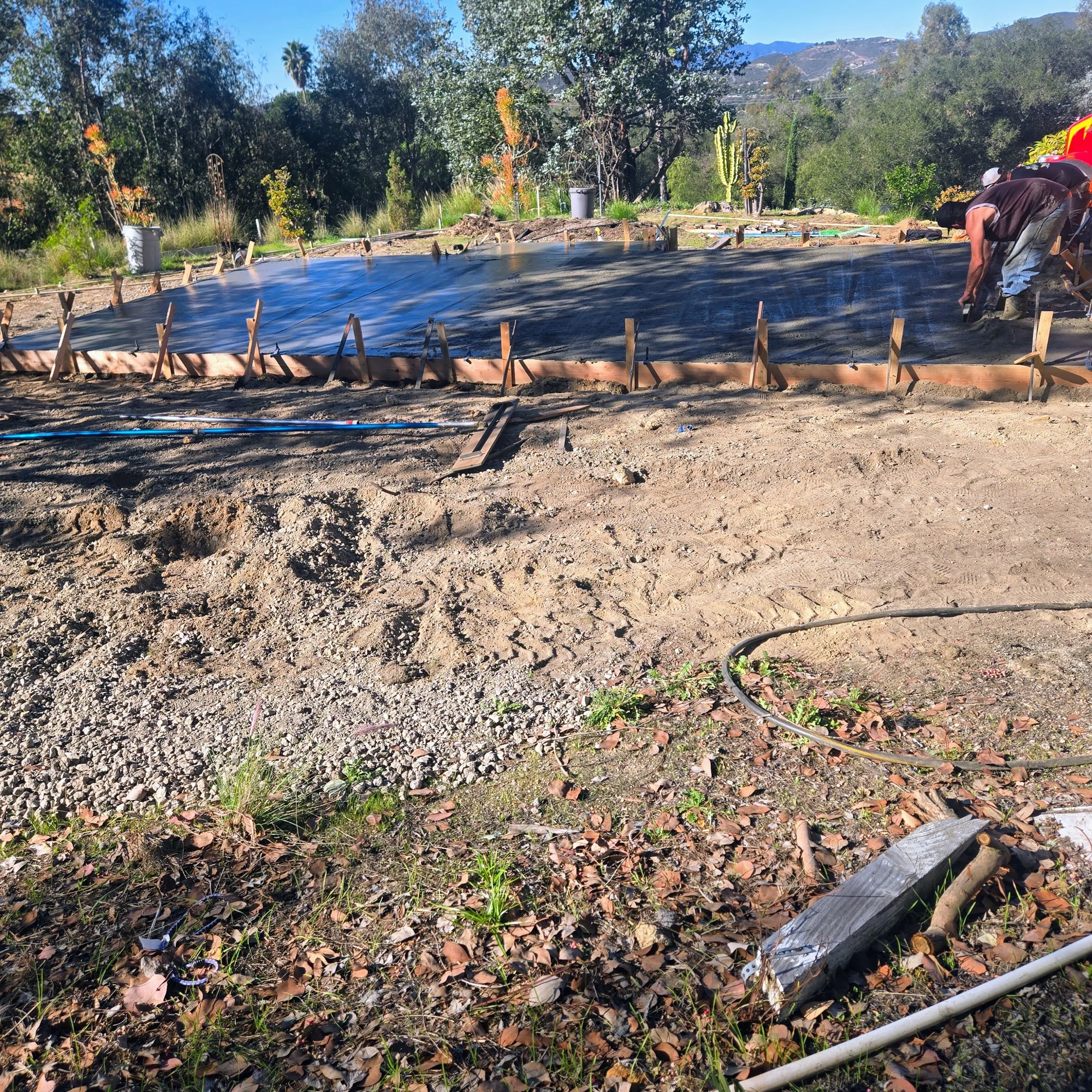
People judge concrete by the surface and it fails from underneath. Grade, material, lift thickness and compaction decide how a slab performs for thirty years. It is invisible when it is right.
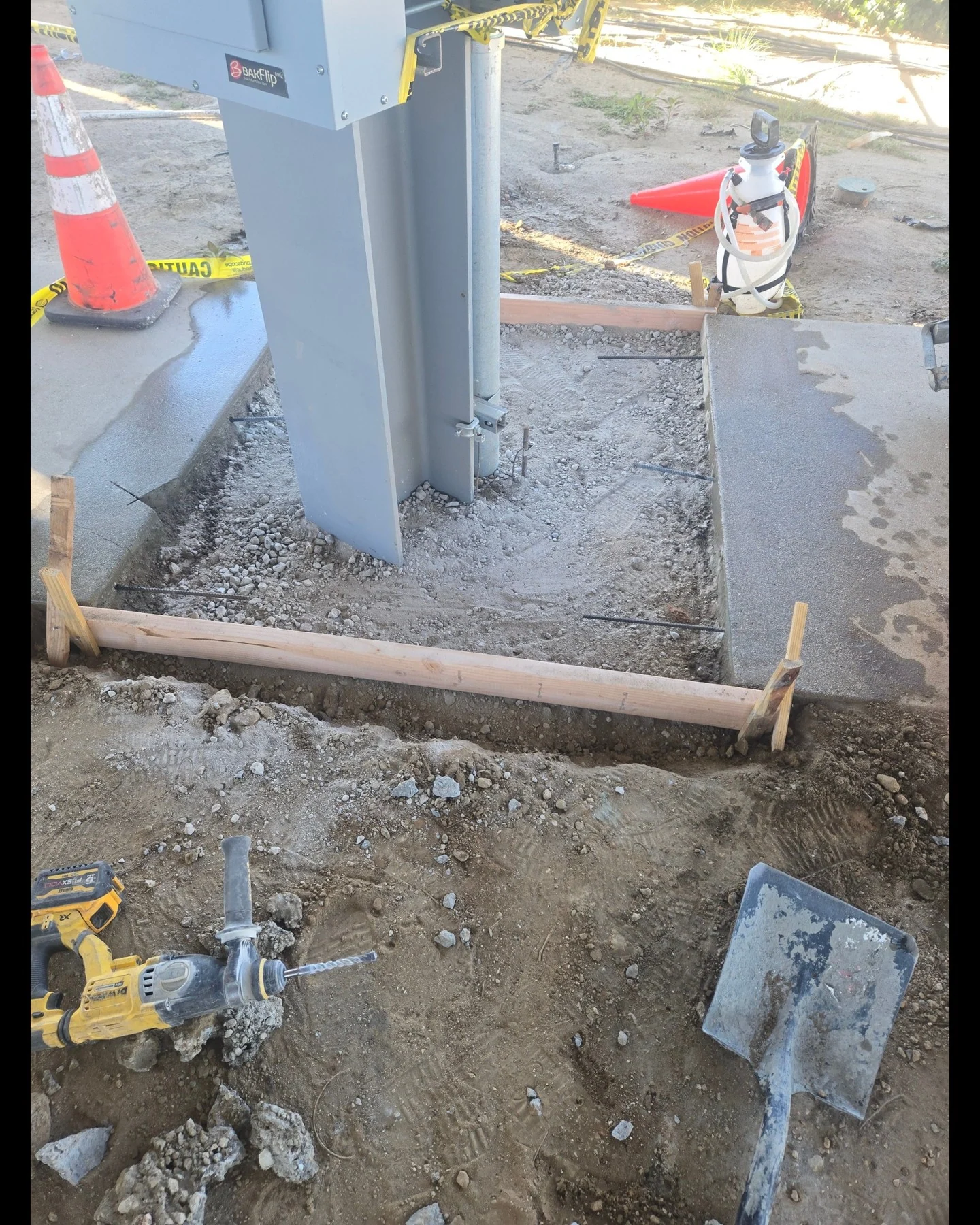
Irrigation next to flatwork
Sprinklers running against a slab edge keep the base saturated year round. In expansive soil that is a slow way to undermine your own driveway. Where the water lands matters.
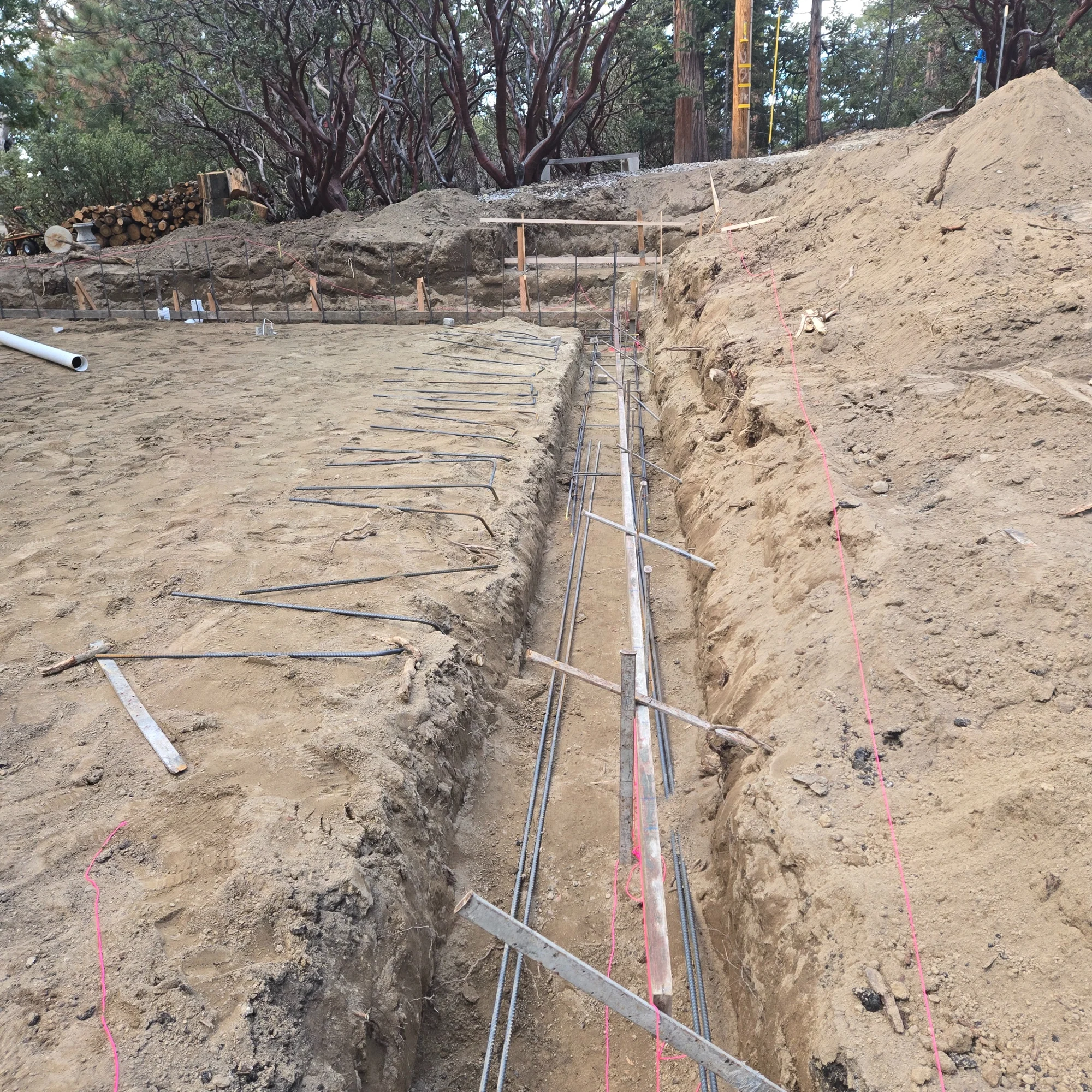
Joints decide where cracks go
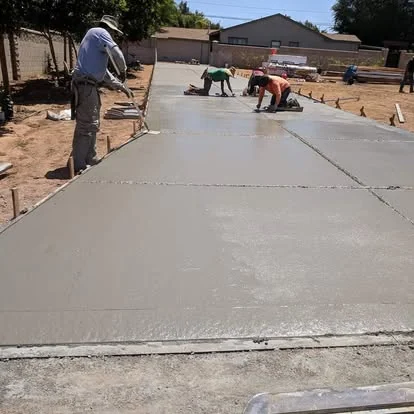
Concrete cracks. That is not a defect, it is the material. A control joint decides where, cut deep enough and early enough to work. Cut it late and the slab has already chosen.
Base first, always
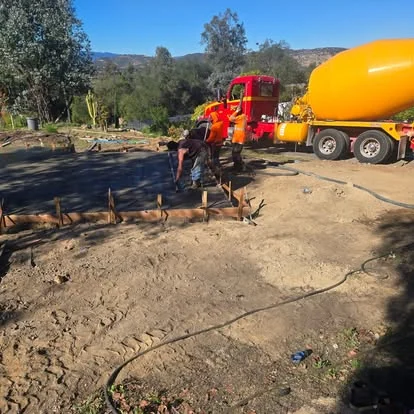
We cut to grade, fix the soft spots we find, and compact base in lifts before anything is formed. In expansive clay that step decides the whole outcome, so it is not where we save money.
One crew start to finish
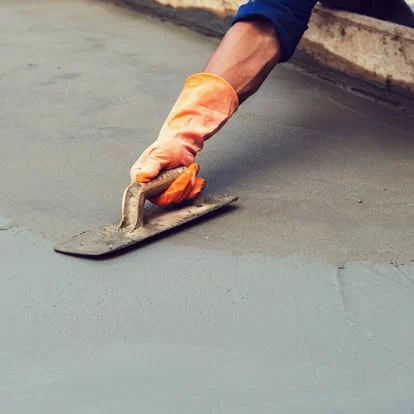
The same people who form it pour it and finish it. There is no handoff where the details get lost.
Steel sized to the movement
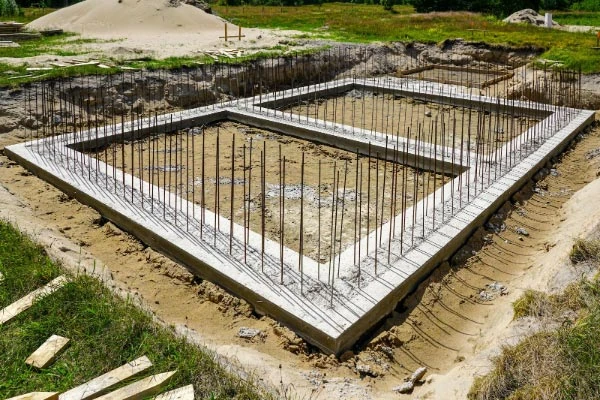
Reinforcement gets placed for what the soil is going to do, on chairs at the right height with real cover. Steel lying on the dirt does nothing at all.
What we build in Fallbrook
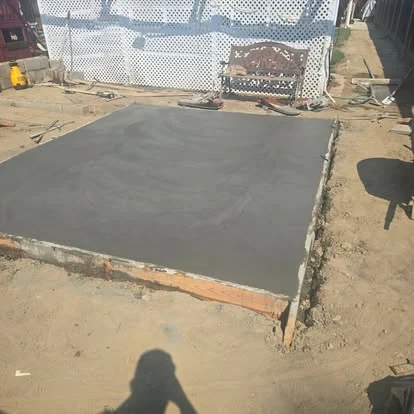
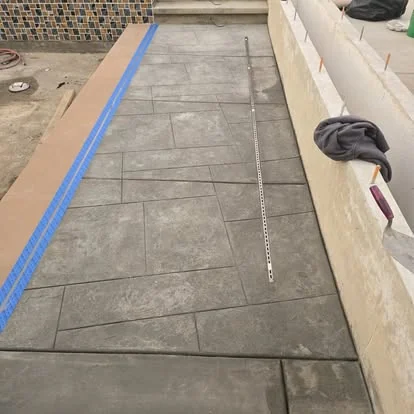
Concrete Pool Decks
Wet feet, chemicals, and sun all year.
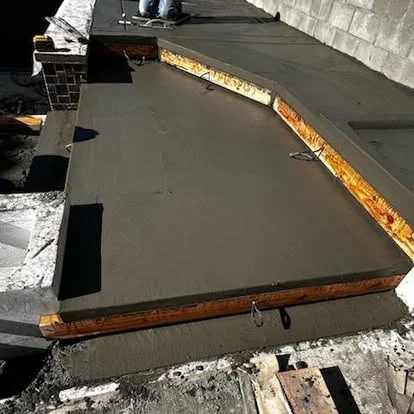
Concrete Pads
A pad sized to the thing that is going on it.
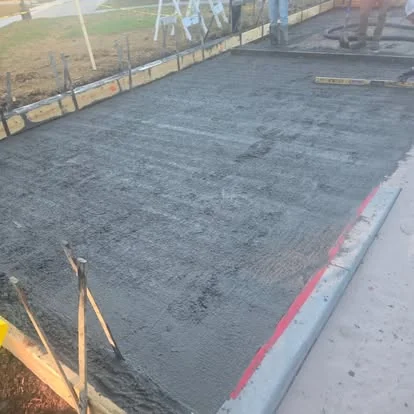
Residential Concrete Flatwork
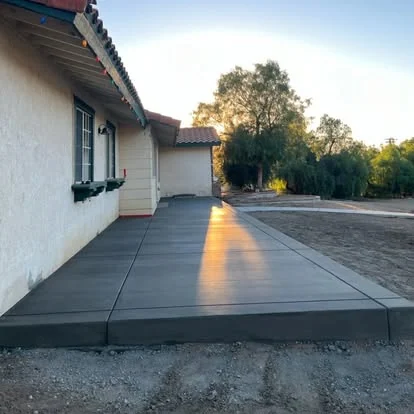
All the flat concrete around a house, done by one crew.
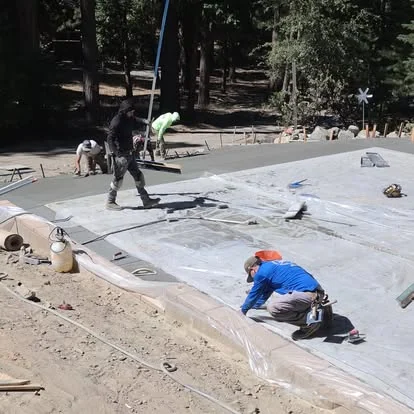
Backyard Concrete
The whole back of the property, planned as one pour.

Outdoor Living Concrete
Kitchens, fire features, and seating built on concrete.
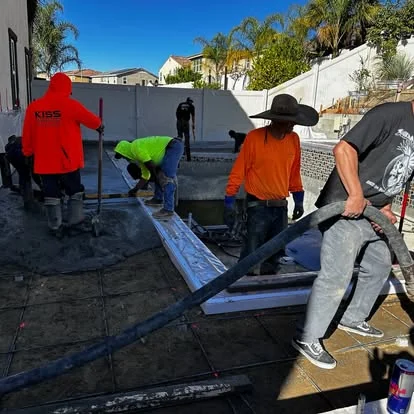
Concrete Driveways
The slab that carries a car every day of its life.
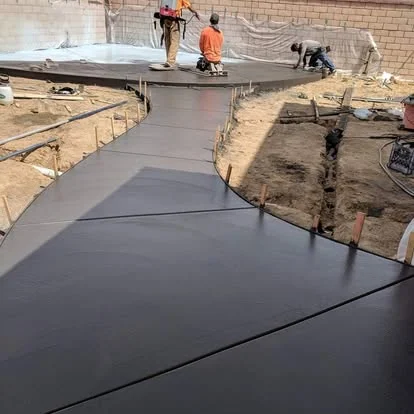
Expansion Joint Installation
Giving the slab somewhere to go.
Control Joint Installation
Deciding where the crack goes.
Concrete Repair
Fix the concrete that is worth fixing.

Drive Approaches
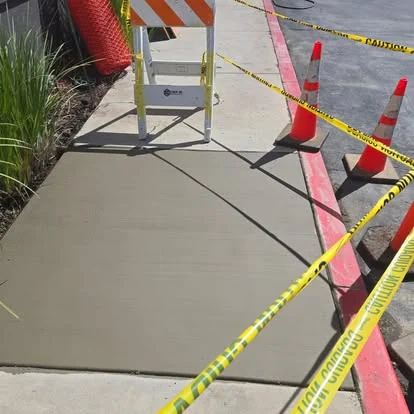
Where private property meets the public street.
Concrete Curbs
Extruded or formed, straight and true.

Concrete Gutters
Moving water where the grade will not.
Pouring concrete around Fallbrook
What lasts here
A properly based, properly jointed slab with reinforcement sized to the load will outlast the house it sits beside. The variables that decide it are all underneath and all invisible once the pour is done, which is exactly why they get cut on cheap jobs.
Older flatwork around here
A lot of valley concrete was poured thin, with light reinforcement, on a base that was never properly compacted. When it fails it is usually reporting on the ground rather than on the mix, and that is the difference between a repair that holds and one that comes back in a year.
Summer pours
Triple digit afternoons change how concrete behaves. It stiffens before it can be finished properly, the surface skins over while the body underneath is still soft, and water leaves the slab faster than the cement can use it. Valley pours start early, the mix gets adjusted for the heat, and curing is treated as an active step instead of something that happens on its own.
Irrigation against the slab
Almost every valley property waters something, and sprinklers running along a slab edge keep the base saturated year round. In expansive soil that is a slow way to undermine your own driveway. Where the water lands is worth looking at before blaming the concrete.
Concrete work around Fallbrook
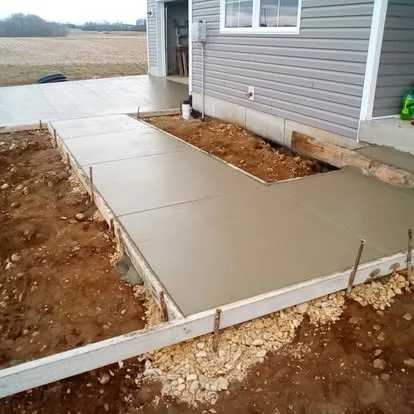
Flatwork, foundations and repair across Fallbrook and the rest of San Diego County, poured by the same crew that answers the phone.
How concrete fails, and why
Settlement at the apron
The strip where a driveway meets a garage takes every vehicle and sits over backfill that was disturbed during construction. It settles more than the rest of the drive and it needs its own thickness and joint.
Heaving
A slab pushed upward is usually roots or expansive soil taking on water. Both get worse with irrigation, and neither is fixed by resurfacing the top.
Pop-outs
Small conical craters come from a particle of reactive aggregate near the surface expanding and blowing the concrete off above it. Cosmetic, and a repairable surface defect.
Dusting
A surface that chalks under a broom was finished or cured badly, or had water worked into it. Sealing helps; grinding and resurfacing fixes it.
How a job runs
Preparation you may need to do
Moving vehicles, clearing the area, and sometimes irrigation being shut off. We will tell you in advance what is on you.
Demolition day
Saw cutting, breaking, loading and hauling. It is the loudest and dirtiest part and it usually happens first.
Pouring new concrete on ground that already failed once buys you the same crack.On replacement
Pour day
Early start in summer. The crew works continuously until the slab is placed and finished, because concrete sets on its own schedule.
Keeping off it
How long depends on the pour and the weather. You will get a real number, not a generic one.
Around Fallbrook
Straight answers
Can you pour in the middle of summer?
We do, and we start early. Triple digit afternoons stiffen the mix before it can be finished and pull water out of the slab, so hot weather pours get scheduled, mixed and cured differently. Sometimes the right answer is moving the date.
Do you handle the demolition and haul-off?
Yes. Saw cutting to a clean line, breaking out, loading and hauling is part of the job, and we protect what stays and leave the ground ready for the new pour.
How thick should my driveway be?
It comes off what parks on it. A passenger car drive and one carrying a loaded work truck or an RV are not the same slab, and the wheel path is where a thin one cracks first.
What maintenance does concrete actually need?
Keep water moving off it, reseal when it needs it, and keep the joints maintained. Water is the common factor in nearly every concrete failure, so those three things buy years.
Does the clay soil here really matter that much?
Yes. Expansive clay swells with water and shrinks when it dries, every year. That movement is what cracks slabs and foundations, and it is handled in the base, the reinforcement and the drainage rather than in the finish.
Talk to us about Fallbrook
Describe the slab and we will tell you what it needs, including when that is less than you expected.