
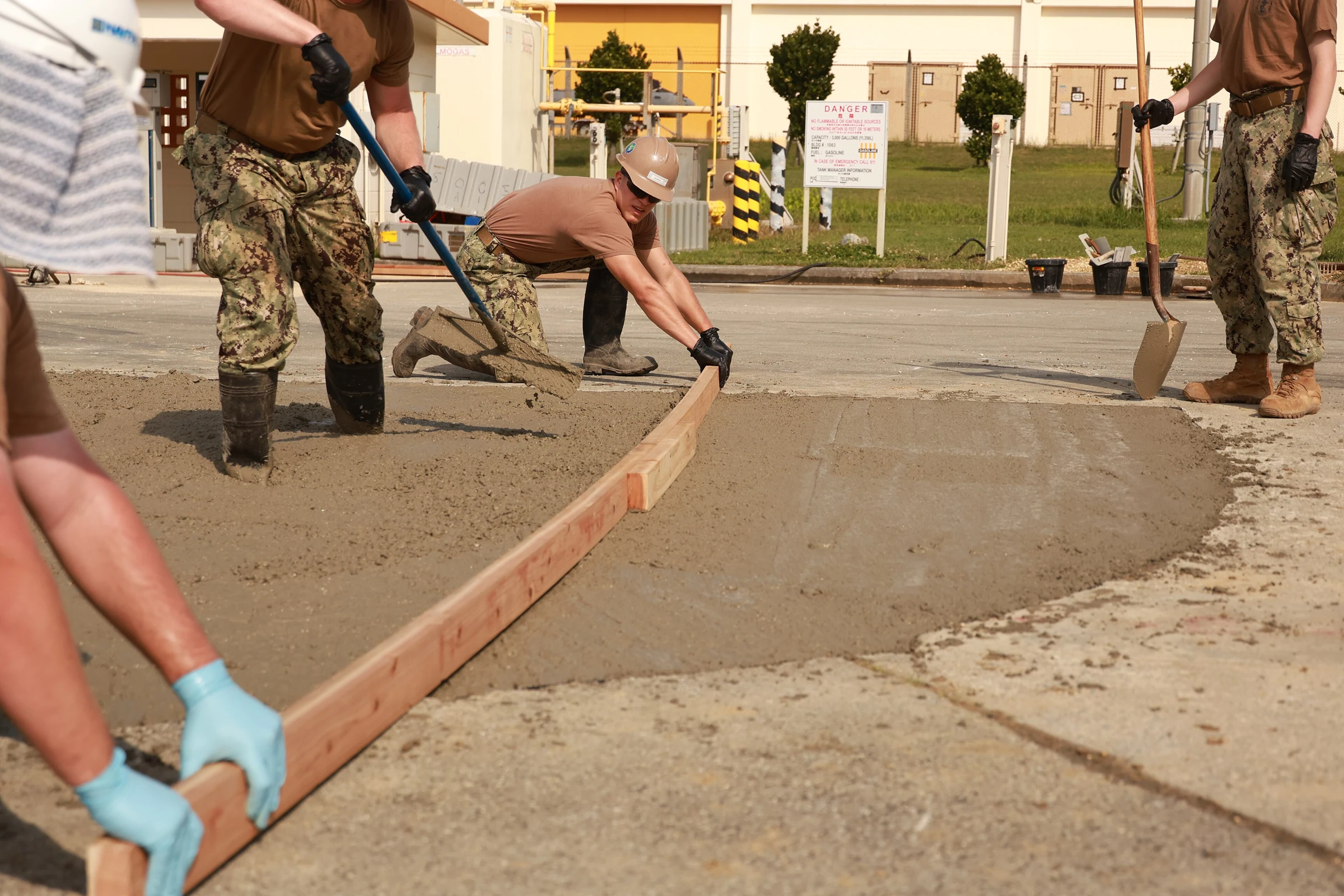
Front Porches
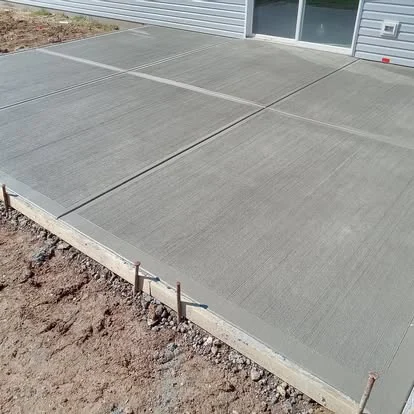
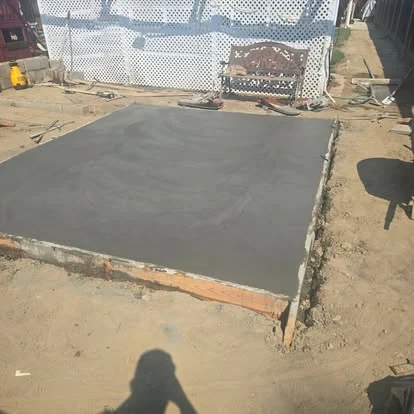
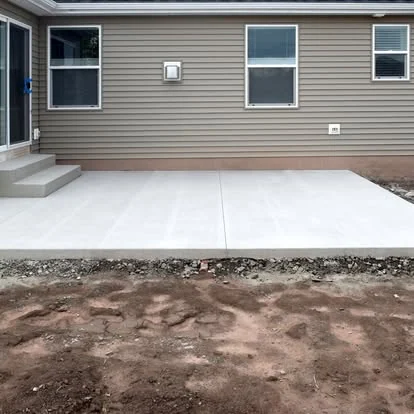
A porch is small, which means the finish carries the whole job. It also has to shed water away from the door and tie into the house without cracking at the joint. We detail that joint on purpose.
Talk to us about the job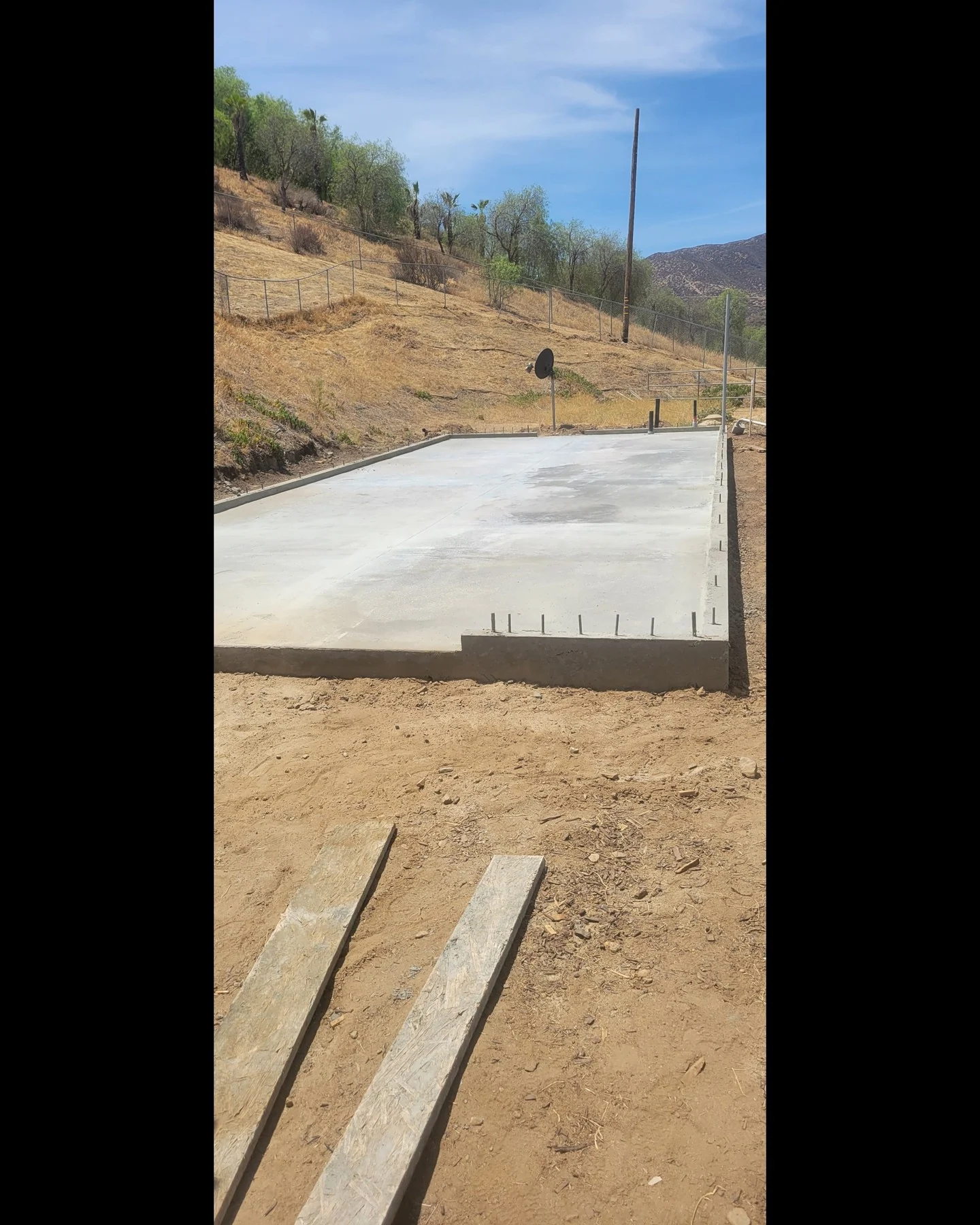


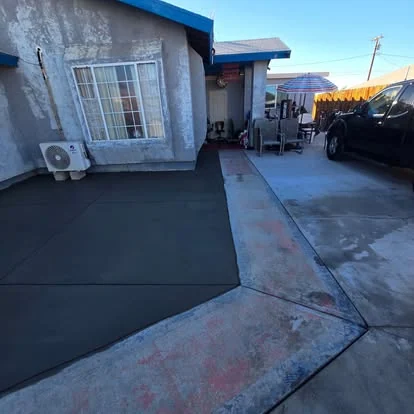
How the job runs
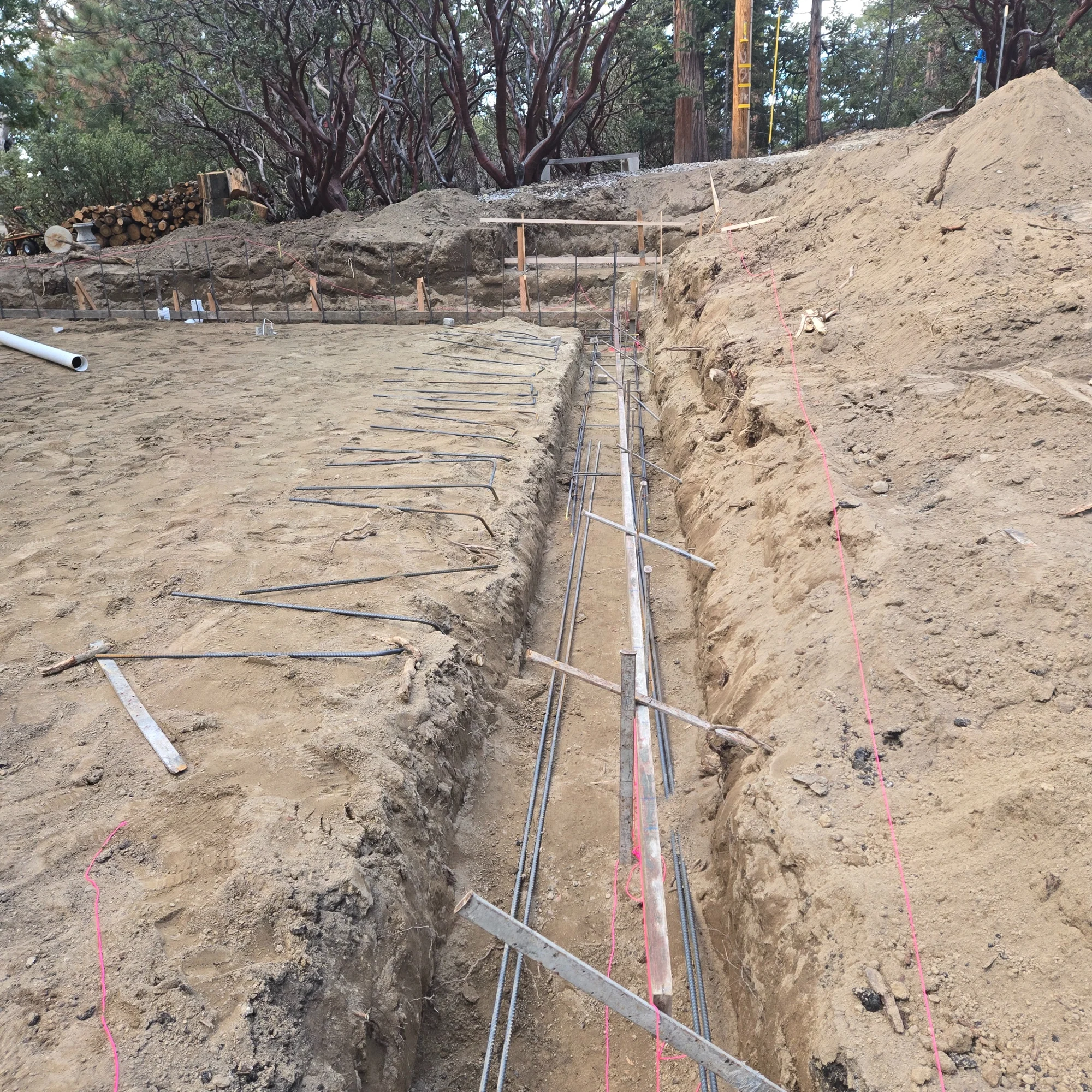
Walk it with you
A site visit before anything else, so the scope is built on what is actually there.
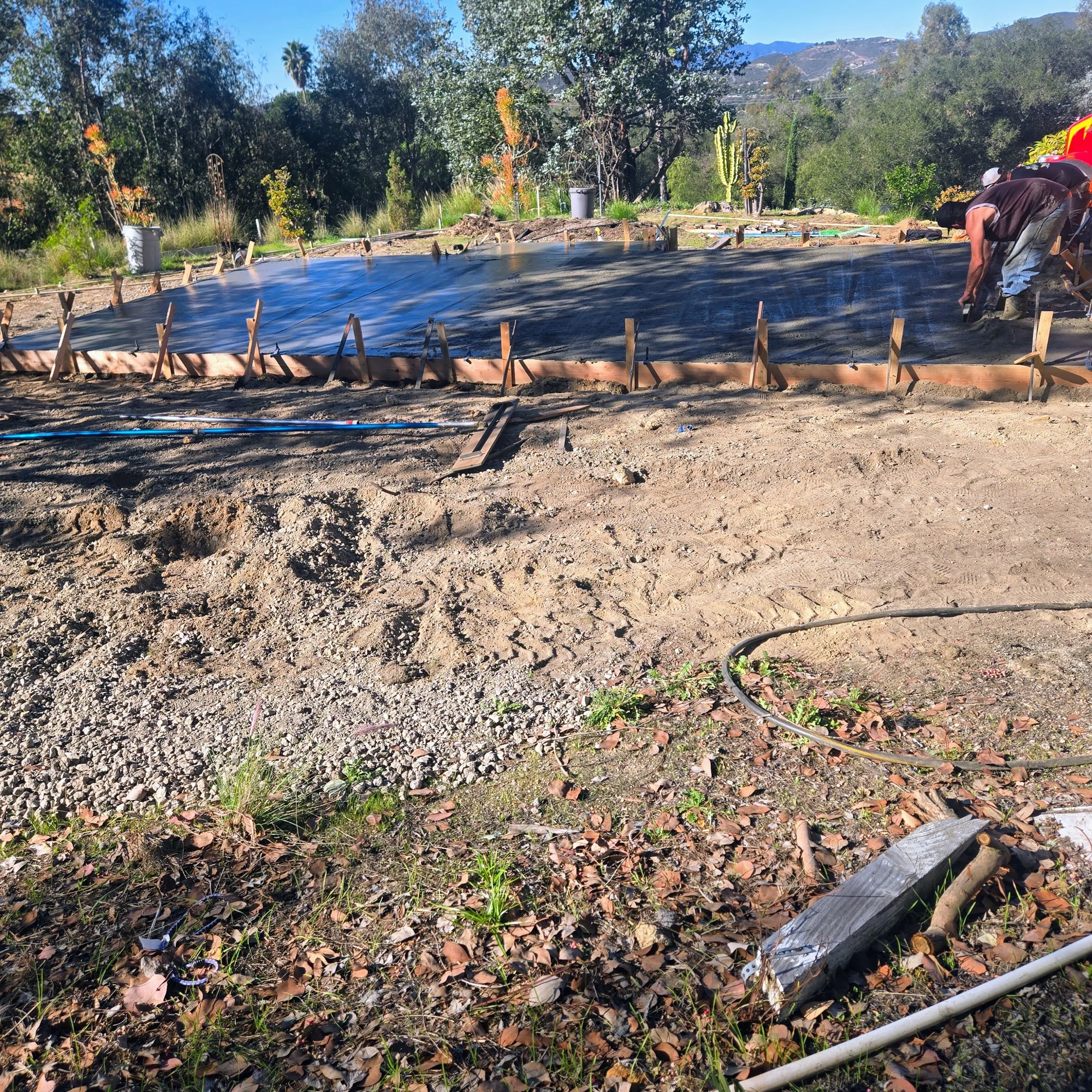
Tell you what it needs
Including when the honest answer is the smaller job.
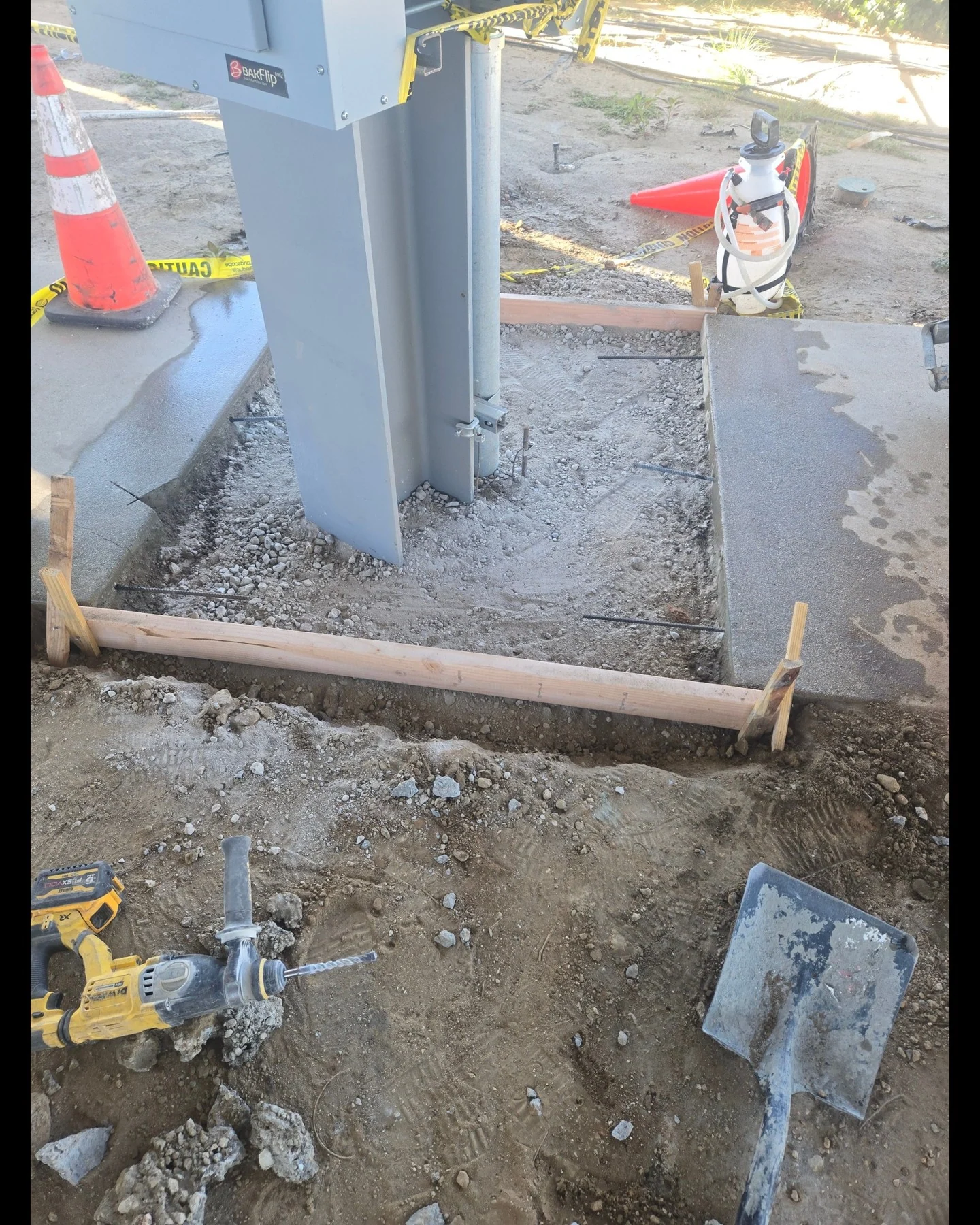
Fix what is under it
Grade and compaction done properly, because that is what the slab rides on.
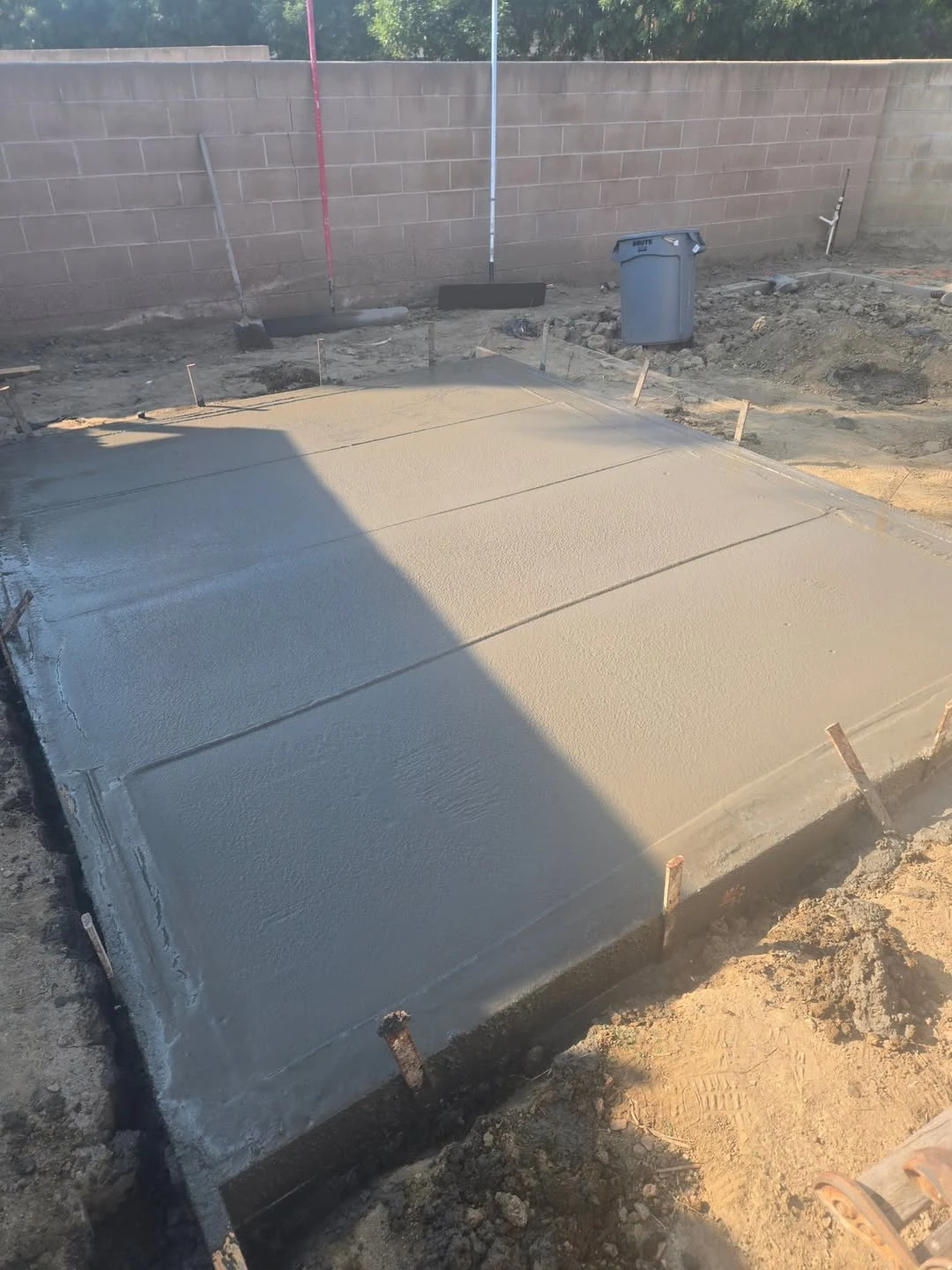
Build and pour
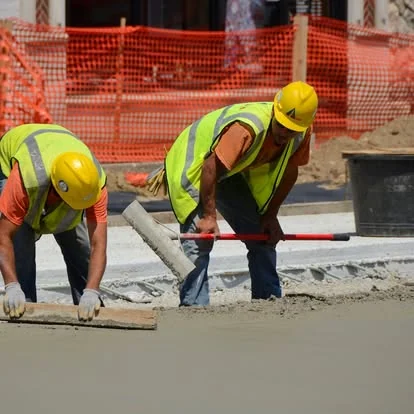
Forms, steel, placement, consolidation, finish. Each one in order and none of them rushed.
What this job actually needs
What decides the price
Access, thickness, the state of the base, how much demolition there is, and the finish. Square footage is the least interesting number. That is why somebody comes out and stands on the job rather than quoting off a photograph.
Base preparation
Cut to grade, find and fix the soft spots, place base in controlled lifts and compact it. Almost every residential slab failure we are called to look at started here rather than in the concrete.
Reinforcement and joints
Steel lifted into the upper part of the slab where tension happens, and control joints spaced to the thickness and cut early enough to work. Those two decisions are why some slabs look fine at twenty years and others are a map of cracks at five.
Curing in inland heat
Low humidity, wind and triple digit afternoons pull water out of a fresh slab faster than the concrete can use it. Curing is an active step here, not something that just happens, and it decides the strength of the surface.
What decides whether it lasts
Concrete is judged on the surface and it fails from underneath. The base, the steel, the joints and the cure are the whole job. A slab that was poured on bad ground will tell you so, usually in the third or fourth year.
Why fourth generation matters here
32 years on the tools means most of these problems have already been seen once. Reading a slab before quoting it is the part you cannot learn from a book, and it is the difference between a repair that holds and one that comes back.
What Southern California ground does to front porches
Irrigation against the slab
Almost every valley property waters something, and sprinklers running along a slab edge keep the base saturated year round. In expansive soil that is a slow way to undermine your own driveway. Where the water lands is worth looking at before blaming the concrete.
What the ground does here
The inland valleys run on expansive clay. It takes on water and swells, then dries out and shrinks, and it does that cycle every year. A slab poured on untreated clay rides that movement until something gives, which is why base preparation and reinforcement are the design rather than an upgrade. Where a soils report exists we build to it; where there is none, what we find during excavation tells us what the ground is going to do.
Older flatwork around here
A lot of valley concrete was poured thin, with light reinforcement, on a base that was never properly compacted. When it fails it is usually reporting on the ground rather than on the mix, and that is the difference between a repair that holds and one that comes back in a year.
Summer pours
Triple digit afternoons change how concrete behaves. It stiffens before it can be finished properly, the surface skins over while the body underneath is still soft, and water leaves the slab faster than the cement can use it. Valley pours start early, the mix gets adjusted for the heat, and curing is treated as an active step instead of something that happens on its own.
How concrete fails, and why
Cracks along a plumbing run
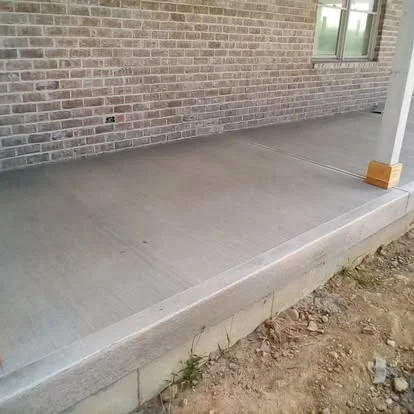
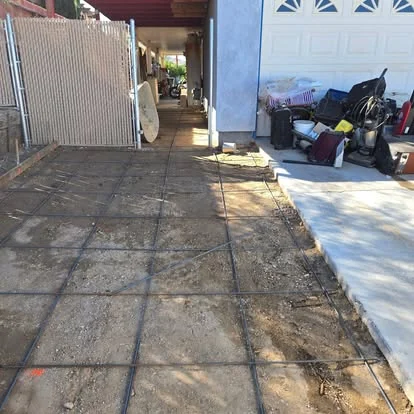
A trench under a slab that was not compacted is a soft line, and the slab cracks along it. Compaction in the trench matters as much as in the open.
Glazed surfaces that are slippery when wet
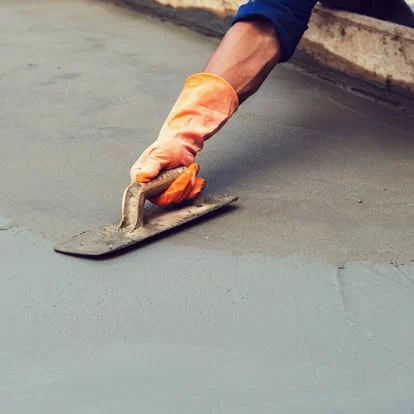
Over-troweling closes the surface to a polish. Indoors that can be a choice; on an exterior walk it is a hazard.
Deterioration under planters
Soil and constant moisture held against concrete leaches it and stains it. Anything permanently wet against a slab shortens its life.
Repairs that do not match
A repair poured with a different mix, finished differently, or cured differently will always read as a patch. Matching the finish and joint pattern is part of the job.
How a job runs
Getting a number
We walk the job, measure, and quote what it needs. No number goes out on a photograph and nothing gets quoted thin to win it.
How long it takes
Most residential flatwork is a few days from demolition to pour, plus curing. Structural work runs longer because of inspections.
Concrete cracks. The job is deciding where.On the material
Who is on site
The same crew that forms it pours it and finishes it. There is no handoff where the details get lost.
Afterwards
Sealing, joint maintenance, and keeping water off it are the things that decide whether you get twenty years or forty.
Other residential work
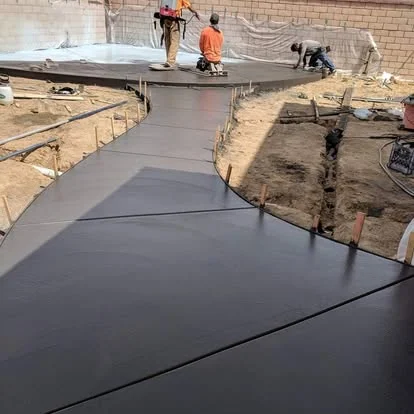
Concrete Driveways
The slab that carries a car every day of its life.
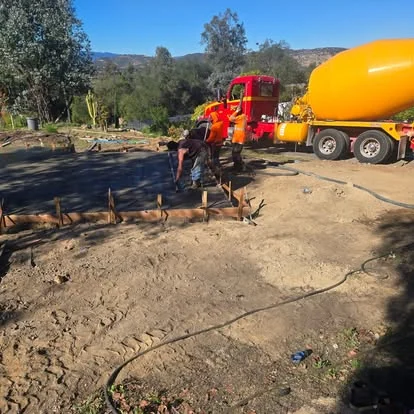
Concrete Driveway Replacement
Out to the dirt, rebuilt from the base up.

Concrete Driveway Repair
Fix what is broken and leave what is sound.
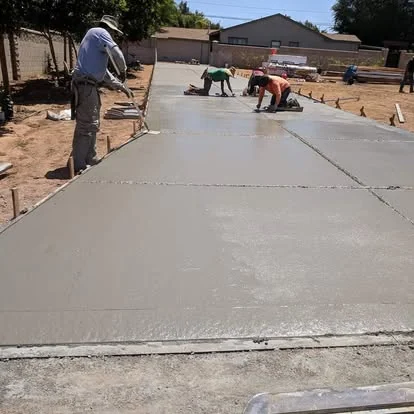
Concrete Patios
The outdoor room that starts as a flat pour.

Concrete Patio Replacement
Take out the old slab, pour the one you actually wanted.
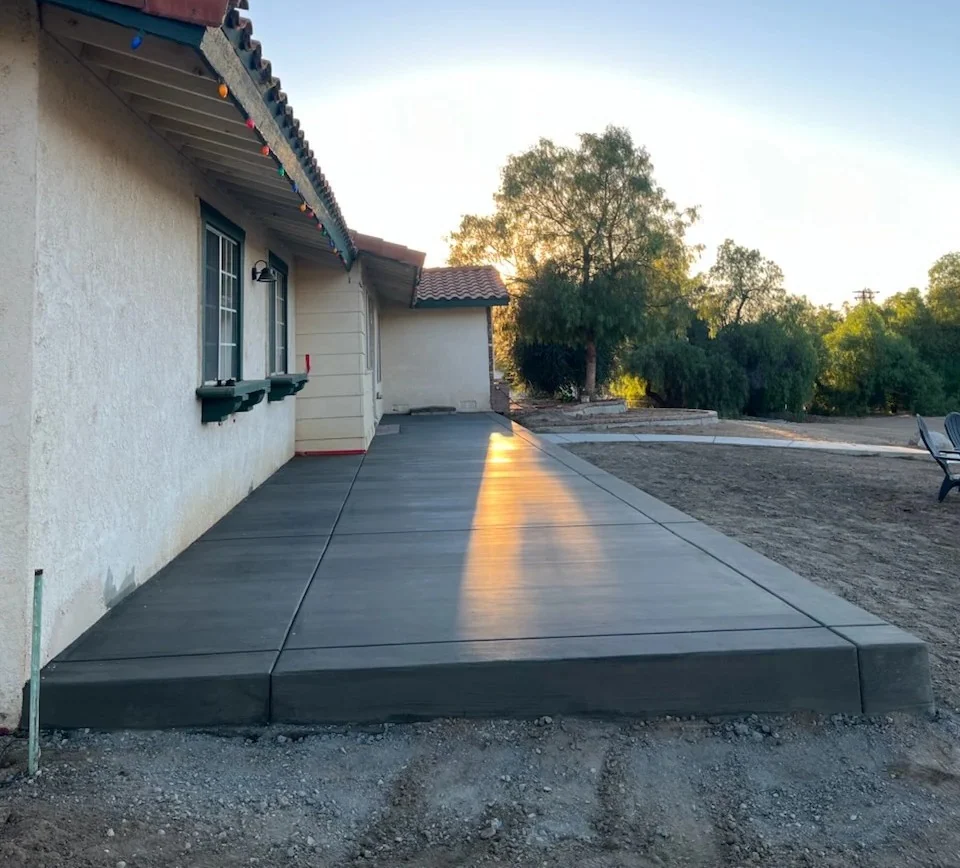
Concrete Patio Repair
Cracks, settled corners, and surfaces that have gone rough.
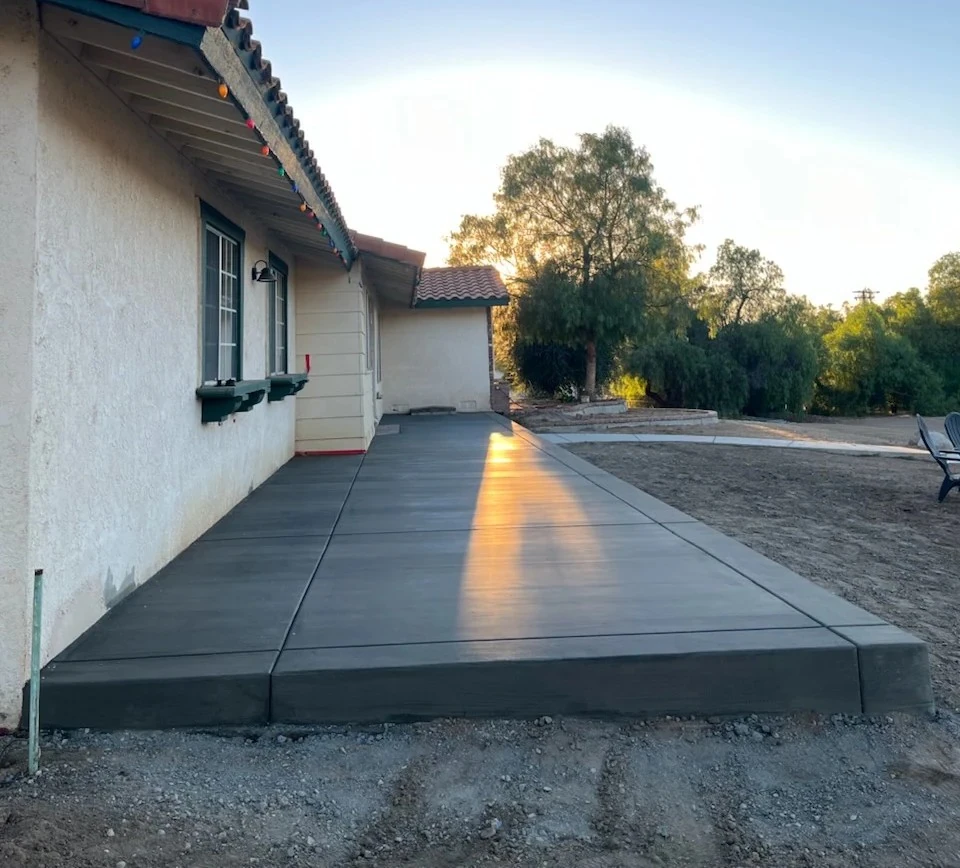
Concrete Walkways
Getting from the street to the door without a trip hazard.
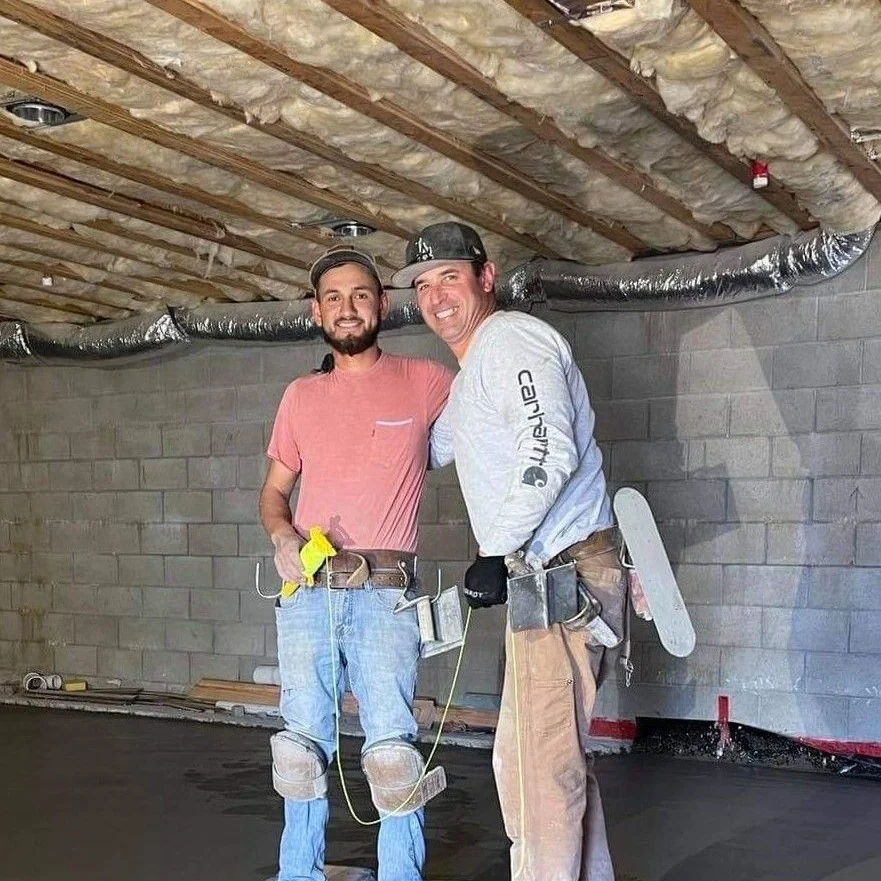
Concrete Sidewalks
Public-facing flatwork built to the spec the city will inspect.
Straight answers
How much does concrete cost?
It depends on access, thickness, base condition and finish, which is why we walk the job before giving a number. We will not quote a driveway off a photograph.
Can you match my existing concrete?
Usually close, rarely exact. Concrete changes color as it ages, so a new pour next to a ten year old slab will read newer for a while. We match thickness, finish and joint pattern so it looks intentional.
How long before I can drive on a new slab?
Concrete takes most of its strength in the first week and keeps gaining for a month. Foot traffic is usually fine after a day or two. Vehicles wait longer, and we will give you the actual number for your pour, because thickness and weather both change it.
Will it crack?
Yes, eventually, and that is the material rather than a defect. The job is deciding where. Control joints put the crack on a line we cut instead of one it picks. A slab with no cracking plan will still crack, just somewhere you did not want.
Do you fix the base or just pour over it?
We fix the base. Pouring new concrete on ground that already failed once is how you get the same crack in the same place. If the base is the problem, that is the work.
Tell us what the job is
We walk the job, tell you what it needs, and give you a number. Hemet and roughly 100 miles around it.