
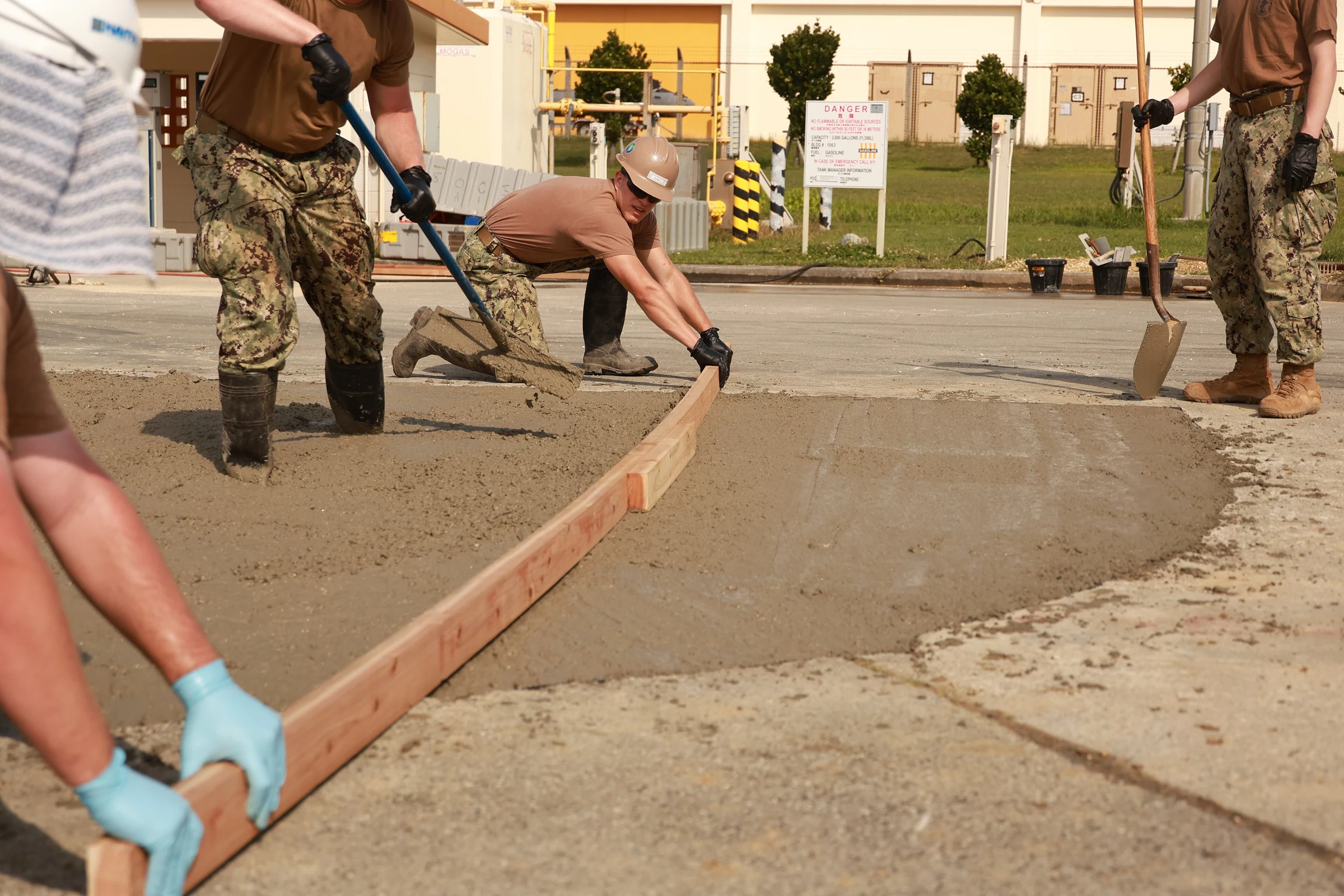
Concrete work across Imperial Beach
From a single pad to a full foundation. We cover Imperial Beach and the rest of San Diego County out of Hemet, with 32 years in the trade and a license to back it.
Talk to us about the job
What concrete is up against around Imperial Beach
Older coastal slabs
A lot of coastal flatwork is decades old and was poured with less cover over the steel than we would use now. Rust staining and edge spalling usually mean the steel is going, not just the surface.
Humidity during finishing
Higher humidity slows evaporation, which sounds helpful and changes the timing of every finishing step. Bleed water sits longer and floating too early seals it in.
Sealing against chloride
Sealing on the coast is about keeping chloride out of the pores rather than keeping water from freezing. Different reason, same maintenance.
One crew start to finish
The same people who form it pour it and finish it. There is no handoff where the details get lost.
Water routed off the slab
Slopes, low points and a path for water to leave are set before the pour, because afterward the drainage is permanent.
Pours scheduled to the heat
In summer we start early and keep the mix and the crew ahead of the temperature. Concrete does not wait for anybody.
What we build in Imperial Beach
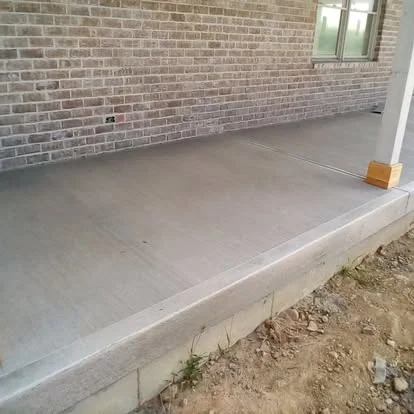
Outdoor Living Concrete
Kitchens, fire features, and seating built on concrete.
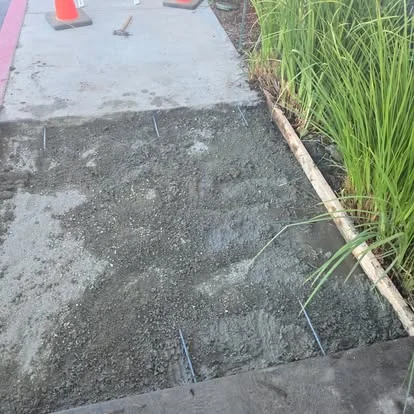
Concrete Driveways
The slab that carries a car every day of its life.
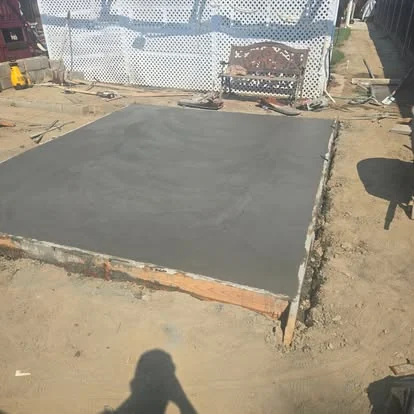
Concrete Driveway Replacement
Out to the dirt, rebuilt from the base up.
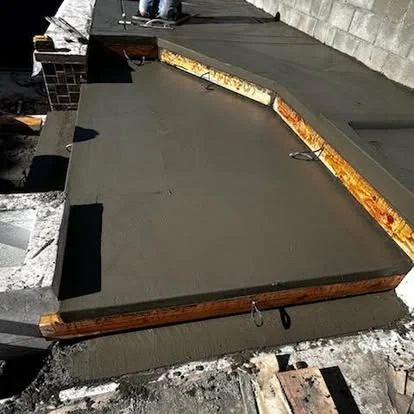
Concrete Driveway Repair
Fix what is broken and leave what is sound.
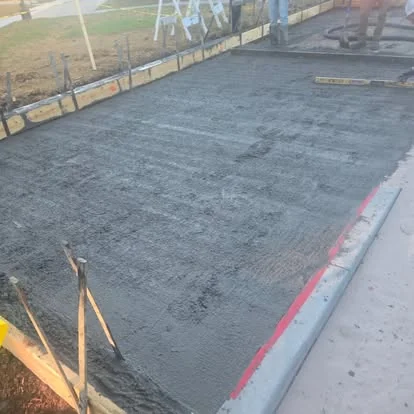
Concrete Patios
The outdoor room that starts as a flat pour.
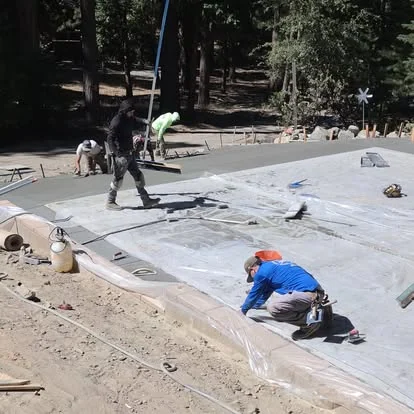
Concrete Patio Replacement
Take out the old slab, pour the one you actually wanted.

Control Joint Installation
Deciding where the crack goes.
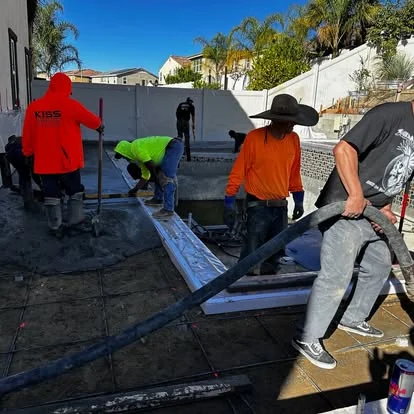
Concrete Repair
Fix the concrete that is worth fixing.
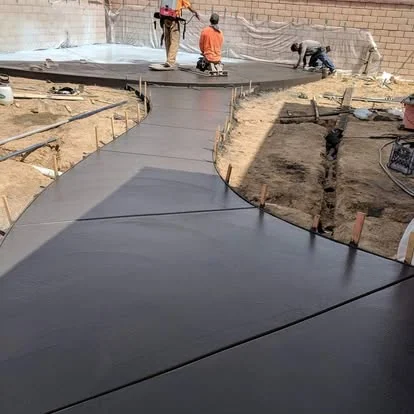
Concrete Crack Repair
Some cracks are cosmetic. Some are a message.
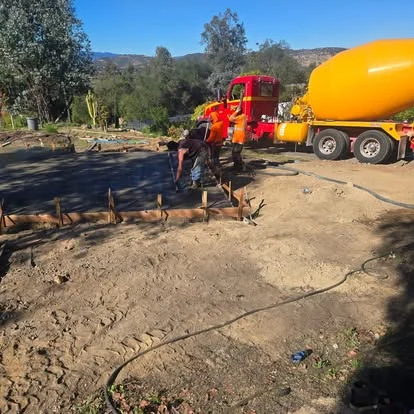
Concrete Curbs
Extruded or formed, straight and true.
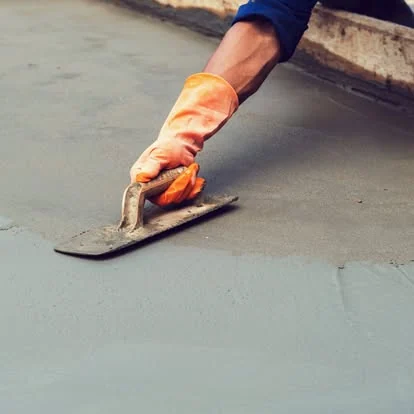
Concrete Gutters
Moving water where the grade will not.

ADA Concrete Ramps
Built to the slope the tape measure will confirm.
Pouring concrete around Imperial Beach
A milder climate with a slower problem
The coast does not deliver the inland heat or the mountain freezing. What it delivers is constant moisture and salt, which is a slower and more corrosive problem, and it shows up as edge spalling and rust staining on older slabs.
Humidity changes the finishing
Higher humidity slows evaporation, which sounds helpful and actually changes the timing of every finishing step. Bleed water sits on the surface longer, and floating too early seals it in and weakens the top layer.
Sealing on the coast
Sealing here is about keeping chloride out of the pores rather than stopping water freezing in them. Different reason, same maintenance, and skipping it costs you the reinforcement eventually.
Sandy soils and moving water
Coastal ground is frequently sand. It drains beautifully and it can be undermined by water moving through it, so compaction and understanding where water travels matter more than clay-style soil treatment.
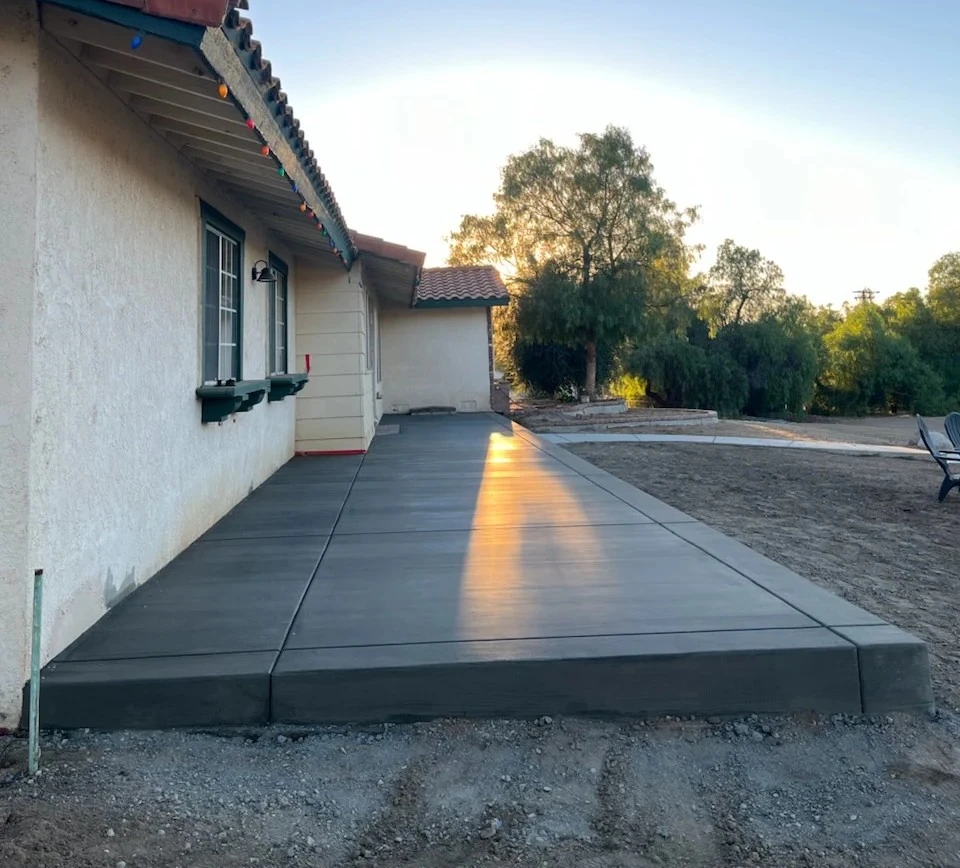
Concrete work around Imperial Beach
Flatwork, foundations and repair across Imperial Beach and the rest of San Diego County, poured by the same crew that answers the phone.
How concrete fails, and why
Failure at a cold joint
Where one pour met another and was not detailed, the two never bonded and the line opens. Planned cold joints are fine; accidental ones are a leak path and a crack.
Curling at the edges
Slab edges lifting off the base happens when the top dries faster than the bottom. It shows as a hollow sound near joints and it is a curing and moisture-gradient issue.
Scaling in freeze zones
Surface peeling in sheets, common at elevation and in the high desert, is freeze damage in concrete that was not air entrained or was sealed too late.
Blisters
Raised bubbles under a finished surface mean the top was closed while air or water was still coming up. They break under traffic and leave holes.
How a job runs
Weather calls
Rain on fresh concrete damages the surface, and extreme heat shortens the finishing window. Both can move a date, and we will tell you why.
Sequence on bigger jobs
Demolition, earthwork, forming, steel, pour, joints, cure. Each step has to finish before the next one starts, and inspections land between some of them.
The base is the job. The concrete is the finish on top of it.On what actually matters
Changes mid-job
Anything found underground can change the scope. If that happens you hear about it before work continues, with what it means.
What normal looks like after
Some hairline cracking, some color variation, and joints doing their job. We will tell you what is expected so you know what is not.
Around Imperial Beach
Straight answers
Why are there rust stains and cracks in straight lines?
Those lines usually match the rebar spacing, which means the steel is corroding. It is a cover and chloride problem rather than a surface one, and it needs looking at properly.
Is the mild weather here easier on concrete?
Easier than inland heat or mountain freezing, yes. What you get instead is constant moisture and salt, which is slower and more corrosive.
What about sandy soil near the water?
It drains beautifully and it can be undermined by moving water. Compaction and understanding where water travels matter more here than clay-style treatment.
My pool deck gets slippery. Can that be fixed?
Yes, with the right texture. A coastal pool deck takes salt from the air and chlorine from the water plus bare feet, so slip resistance is the specification rather than an upgrade.
Should I seal coastal concrete?
Yes, and the reason is chloride rather than freezing. Different mechanism, same maintenance, and skipping it eventually costs you the reinforcement.
Get a number for your Imperial Beach job
Tell us what you are building. Somebody comes out, reads the site, and prices what it actually needs rather than what fits a template.