

Poured once, done right
Cathedral City driveways, patios, foundations and repair work. Licensed 1137822, fourth generation, and straight about what a job actually needs.
Talk to us about the job


What concrete is up against around Cathedral City
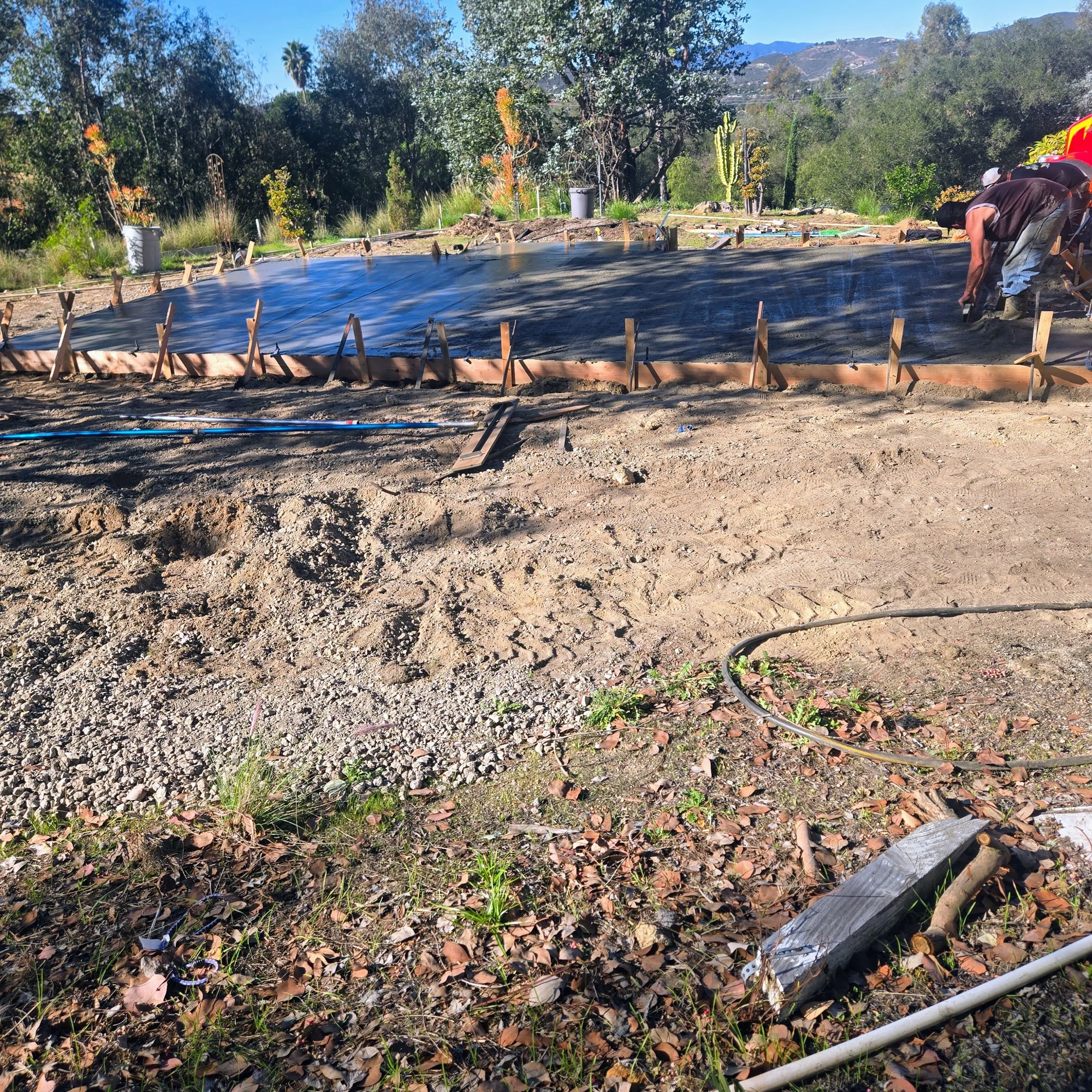
Irrigation on a desert lot
Landscape watering in the desert concentrates water in narrow bands right where the planting is. Next to a slab edge that creates exactly the moisture differential that moves concrete.
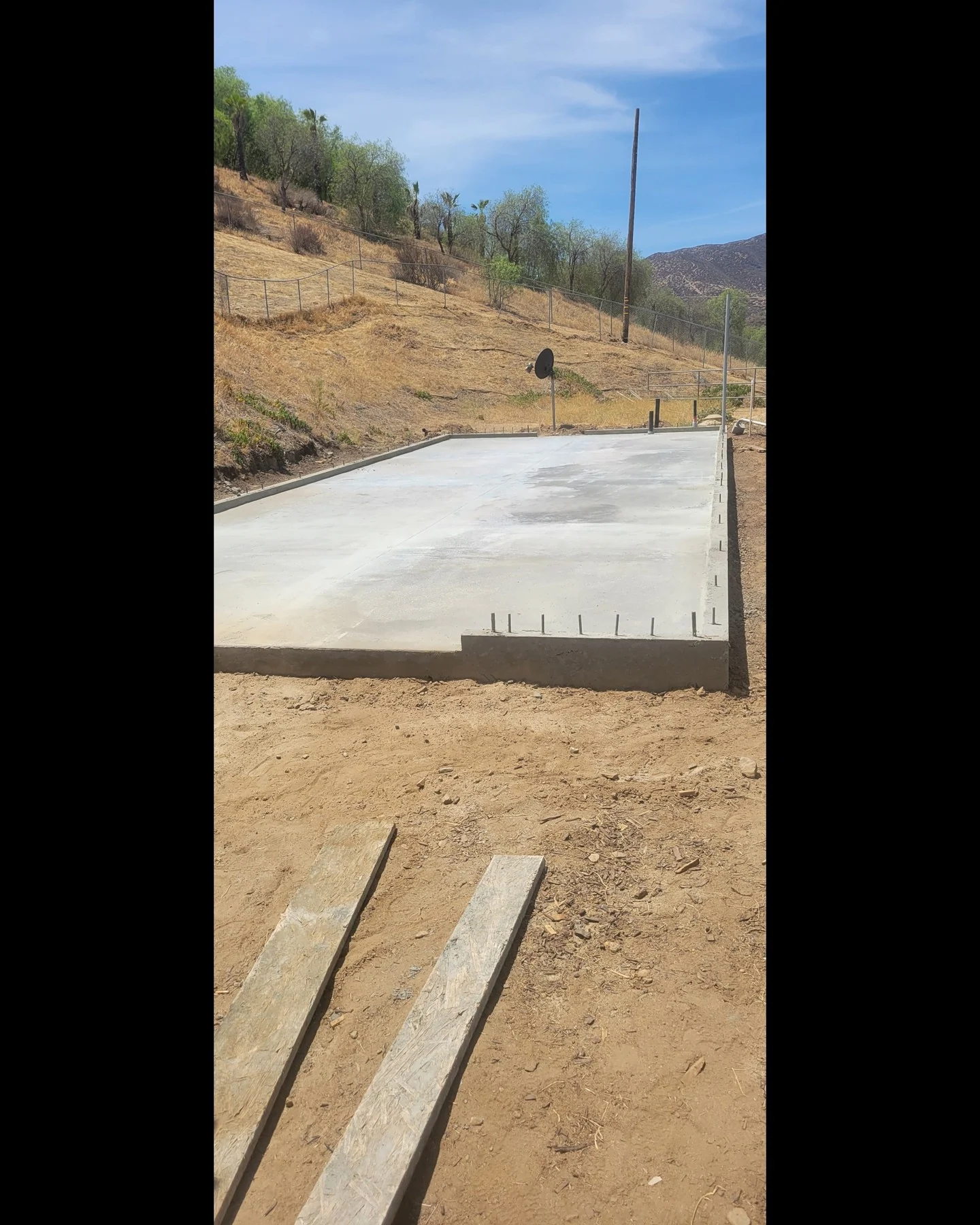
Sandy and alluvial ground
Desert soils drain well and compact differently from clay. That can be an advantage, but loose alluvial material has to be properly compacted in lifts or the slab settles unevenly.
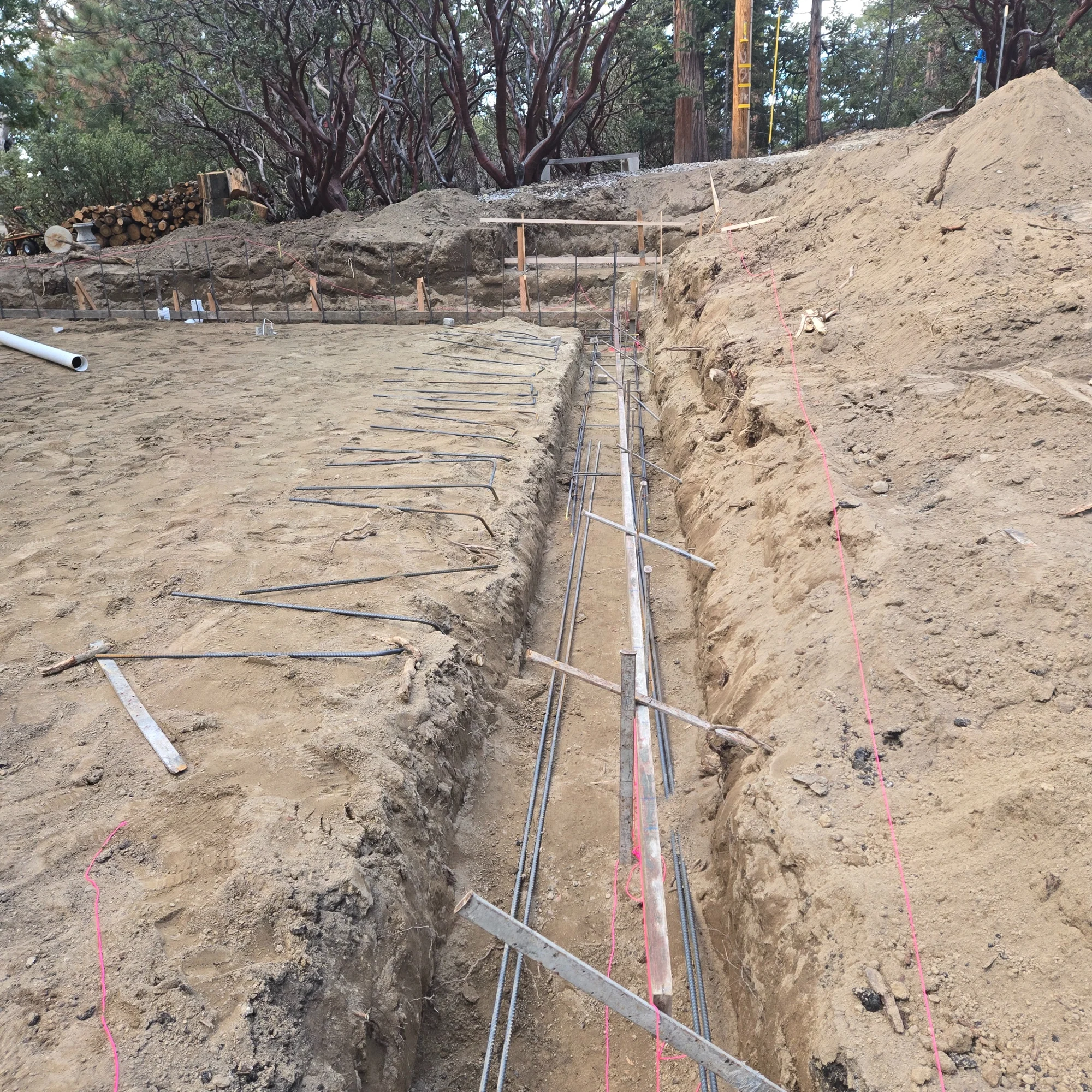
Scheduling around the season
There are weeks in a desert summer where pouring flatwork in the afternoon is simply the wrong decision. We would rather move a date than place concrete into conditions that will not finish.
Water routed off the slab
Slopes, low points and a path for water to leave are set before the pour, because afterward the drainage is permanent.
Cleanup is part of the job
Washout handled properly, spoil hauled, surfaces cleaned. Concrete work is messy while it happens and should be invisible when it is done.
Pours scheduled to the heat
In summer we start early and keep the mix and the crew ahead of the temperature. Concrete does not wait for anybody.
What we build in Cathedral City
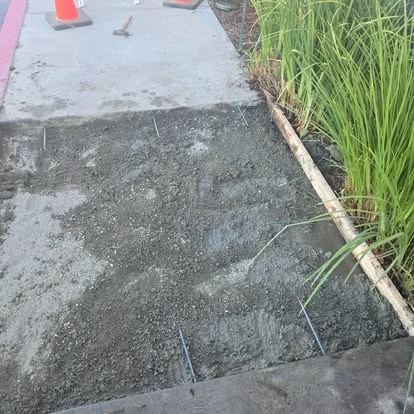
Concrete Slab Replacement
When the base failed, the slab follows.
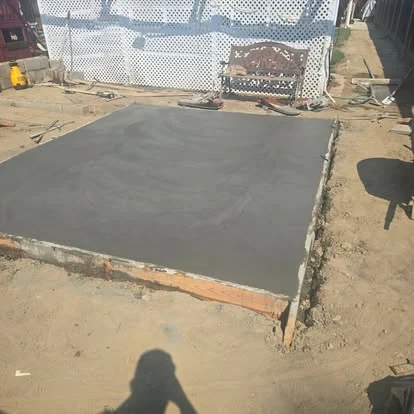
Garage Floors
Hot tires, dropped tools, and whatever ran off the car.
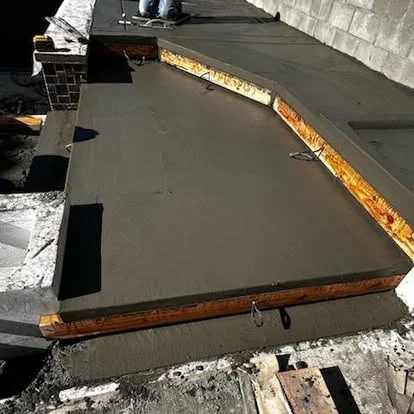
Garage Aprons
The strip between the driveway and the garage door.
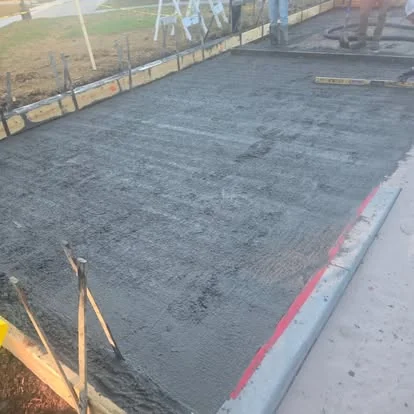
Basement Floors
A slab poured inside, where moisture has nowhere to go.
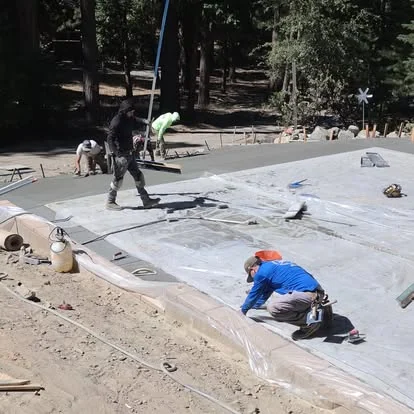
RV Pads
Heavy, concentrated, parked in one place for months.

Boat Pads
Trailer tongue weight and a slab that has to stay level.
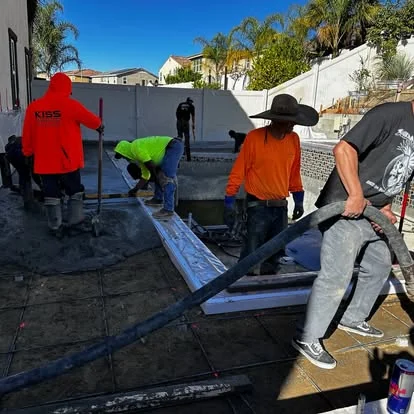
Concrete Grinding
Taking down high spots and trip lips.
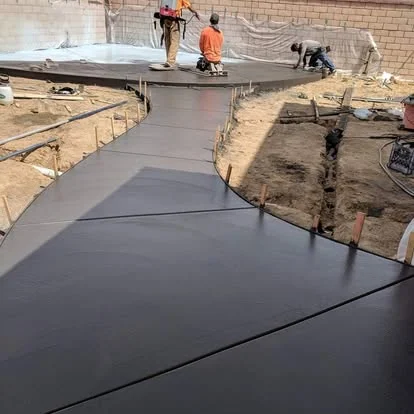
Concrete Sealing
Keeping water out of the pores.
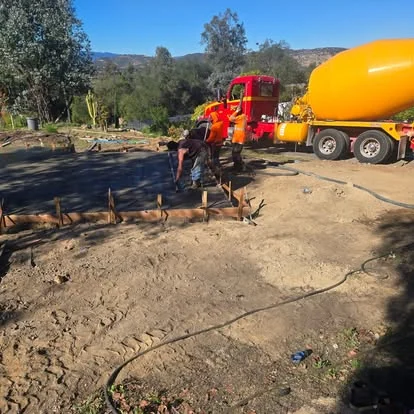
Concrete Replacement
Out with the old slab, in with one built right.
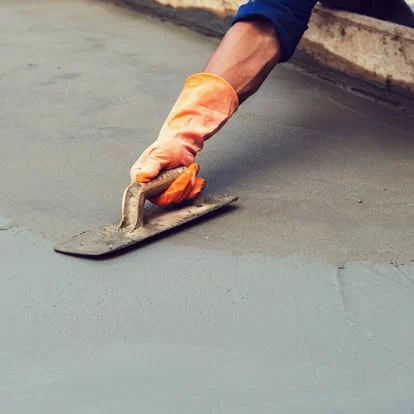
Concrete Trash Enclosures
Walls, slab, and apron as one detail.

Concrete Aprons
The transition slab that takes the worst of it.
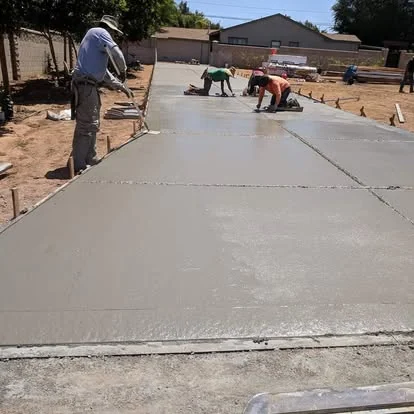
Drive Approaches
Where private property meets the public street.
Pouring concrete around Cathedral City
Sun on the finished surface
A dark slab in full desert sun becomes genuinely unusable barefoot, which matters around pools and on patios. Color and finish are a comfort decision here as much as an appearance one, and lighter, more textured surfaces earn their place.
Alluvial and sandy ground
Desert soils drain well and compact differently from clay. That can work in your favor, but loose alluvial material has to be placed and compacted in controlled lifts or the slab settles unevenly and cracks along the soft line.
Wind during finishing
Blowing sand landing on a slab inside the finishing window gets worked into the surface and stays there. Wind is a scheduling factor in the desert the same way rain is elsewhere.
Salts and sulfates in the soil
Parts of the low desert carry high salt and sulfate levels. Those attack cement paste and corrode reinforcing steel, and where it is a factor both the mix design and the concrete cover over the steel change. It is worth knowing before pouring rather than after.
Concrete work around Cathedral City
Flatwork, foundations and repair across Cathedral City and the rest of Riverside County, poured by the same crew that answers the phone.
How concrete fails, and why
Cracks along a plumbing run
A trench under a slab that was not compacted is a soft line, and the slab cracks along it. Compaction in the trench matters as much as in the open.
Glazed surfaces that are slippery when wet
Over-troweling closes the surface to a polish. Indoors that can be a choice; on an exterior walk it is a hazard.
Deterioration under planters
Soil and constant moisture held against concrete leaches it and stains it. Anything permanently wet against a slab shortens its life.
Repairs that do not match
A repair poured with a different mix, finished differently, or cured differently will always read as a patch. Matching the finish and joint pattern is part of the job.
How a job runs
What a site visit covers
Soil, slope, drainage, access, existing concrete, and what you actually want the space to do. All of it changes the work.
Ordering the concrete
Mix design comes off the application. Strength, aggregate size and admixtures are decisions, and they are made before the truck is booked.
The base is the job. The concrete is the finish on top of it.On what actually matters
Placement and finish
Placed, consolidated, screeded, floated and finished, each at the right moment. That timing is the trade.
Living with it
Keep water moving off it, reseal when it needs it, and keep an eye on the joints. That is most of concrete maintenance.
Around Cathedral City
Straight answers
What about salts in the desert soil?
Parts of the low desert carry high salt and sulfate levels that attack cement paste and corrode reinforcing steel. Where it is a factor the mix design and the cover over the steel both change.
How long before I can drive on it?
Foot traffic is usually a day or two, vehicles longer. Desert heat changes the early curve, so you get the real numbers for your pour.
Do you handle the demolition and haul-off?
Yes, including saw cutting to a clean line and hauling the spoil. The site gets left ready to pour.
Does wind affect the pour?
It does. Blowing sand landing inside the finishing window gets worked into the surface and stays there, so wind is a scheduling factor here the way rain is elsewhere.
Should a desert slab be sealed?
Sealing slows what gets into the pores, which slows staining and surface wear. It is maintenance rather than a one-time step.
Start with a site visit
No number goes out on a photograph. We come to Cathedral City, look at the ground and the access, and price the work from that.