
Built for Pico Rivera ground
The soil and the weather here decide how a slab is built. Driveways, patios, slabs and foundations across Pico Rivera, licensed 1137822.
Talk to us about the job
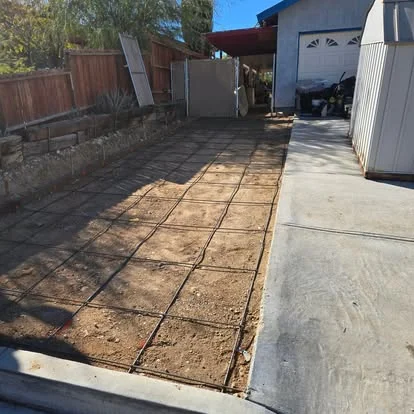
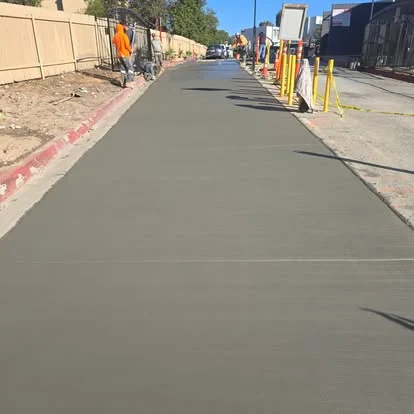
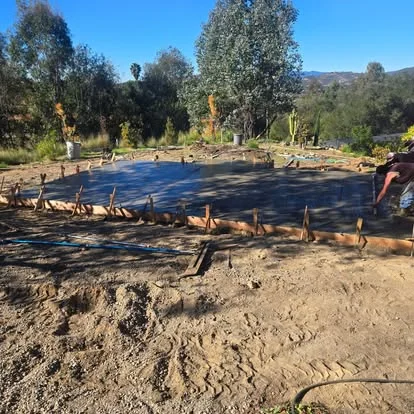
What concrete is up against around Pico Rivera
Matching what stays
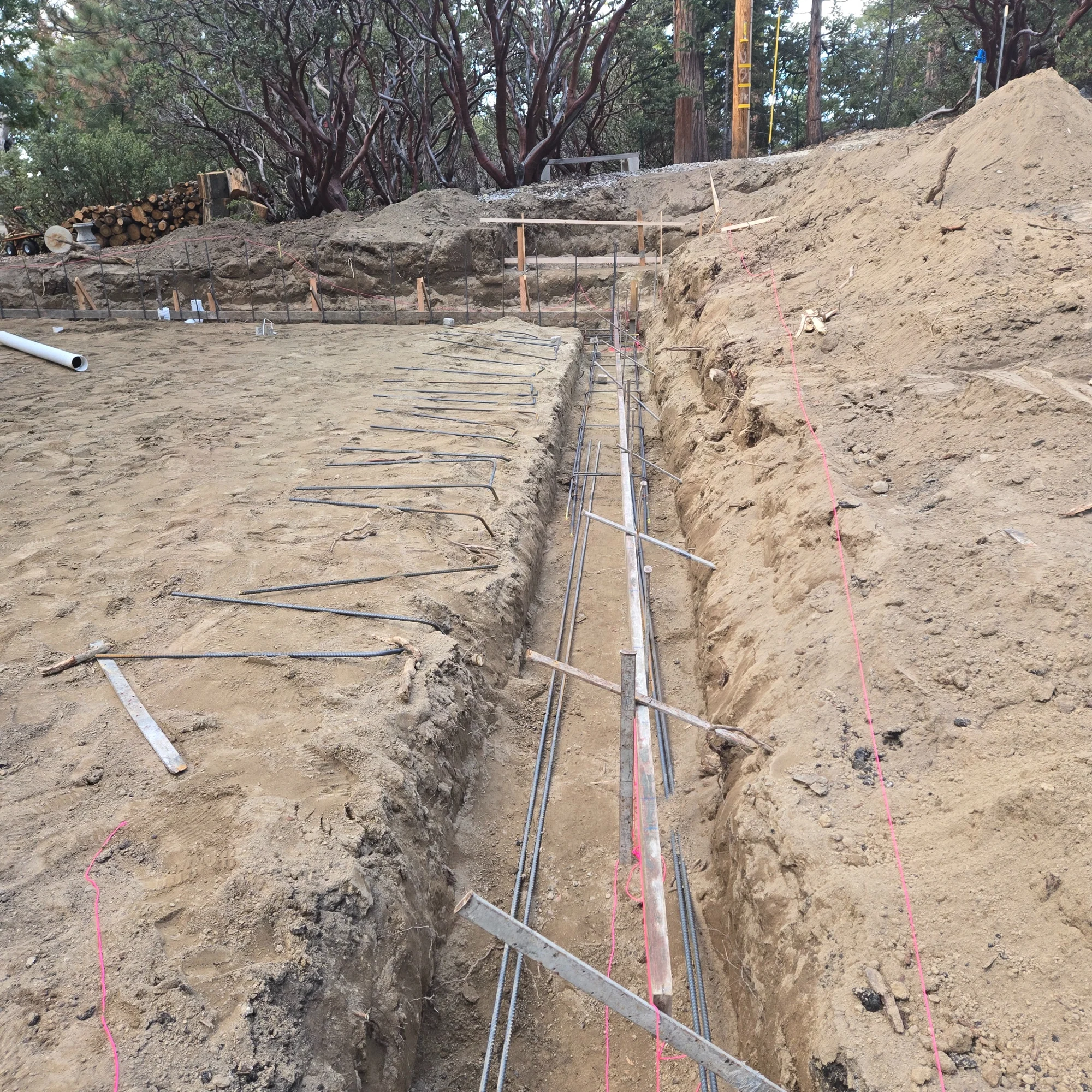
Replacing part of a run means matching the thickness, the finish and the joint pattern of what stays, so the job reads as one surface rather than a patch.
Utilities under the slab
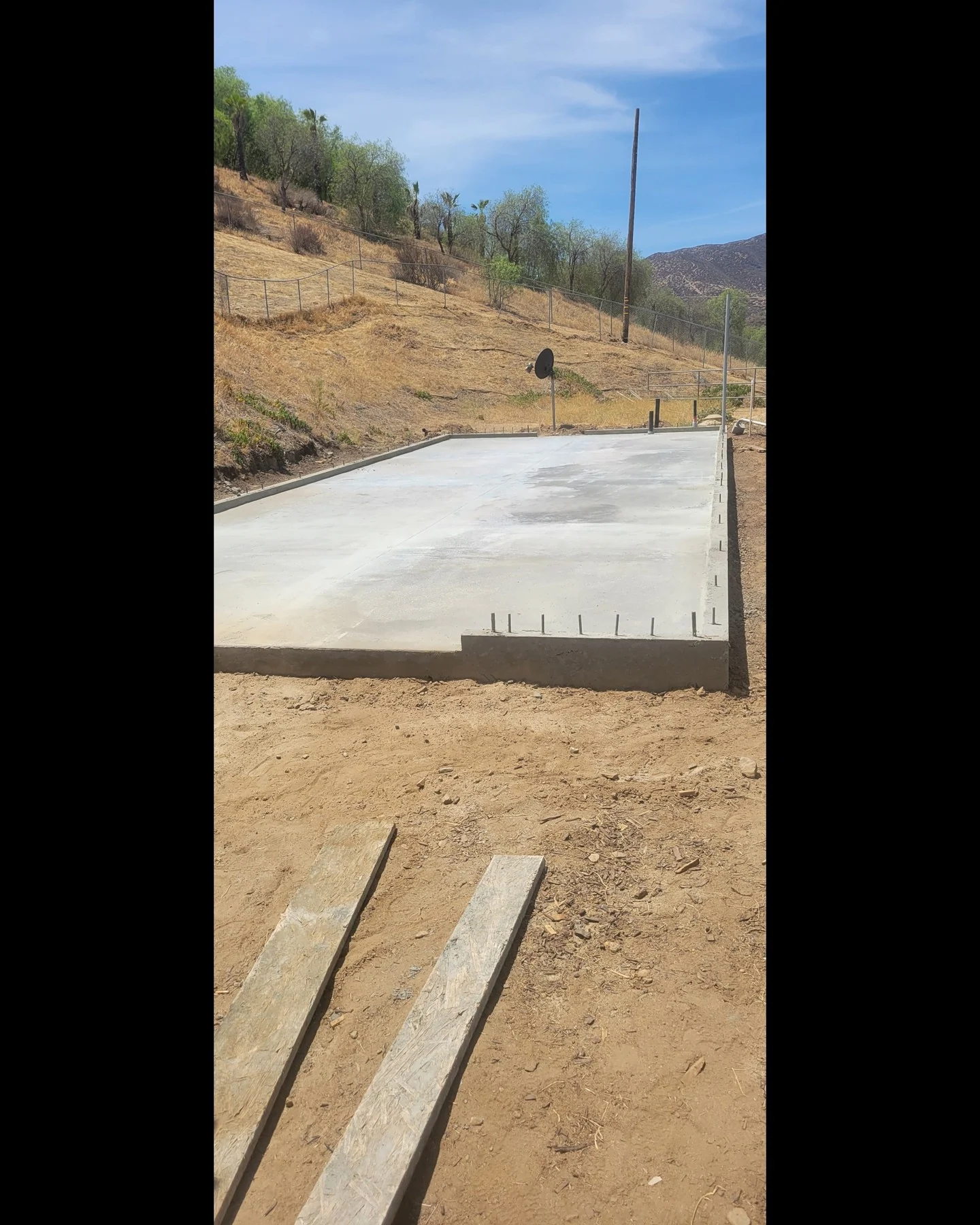
Older urban lots have utilities running in places no drawing records. Anything that gets cut or dug starts with locating, because finding a line with a saw is expensive.
Access and staging
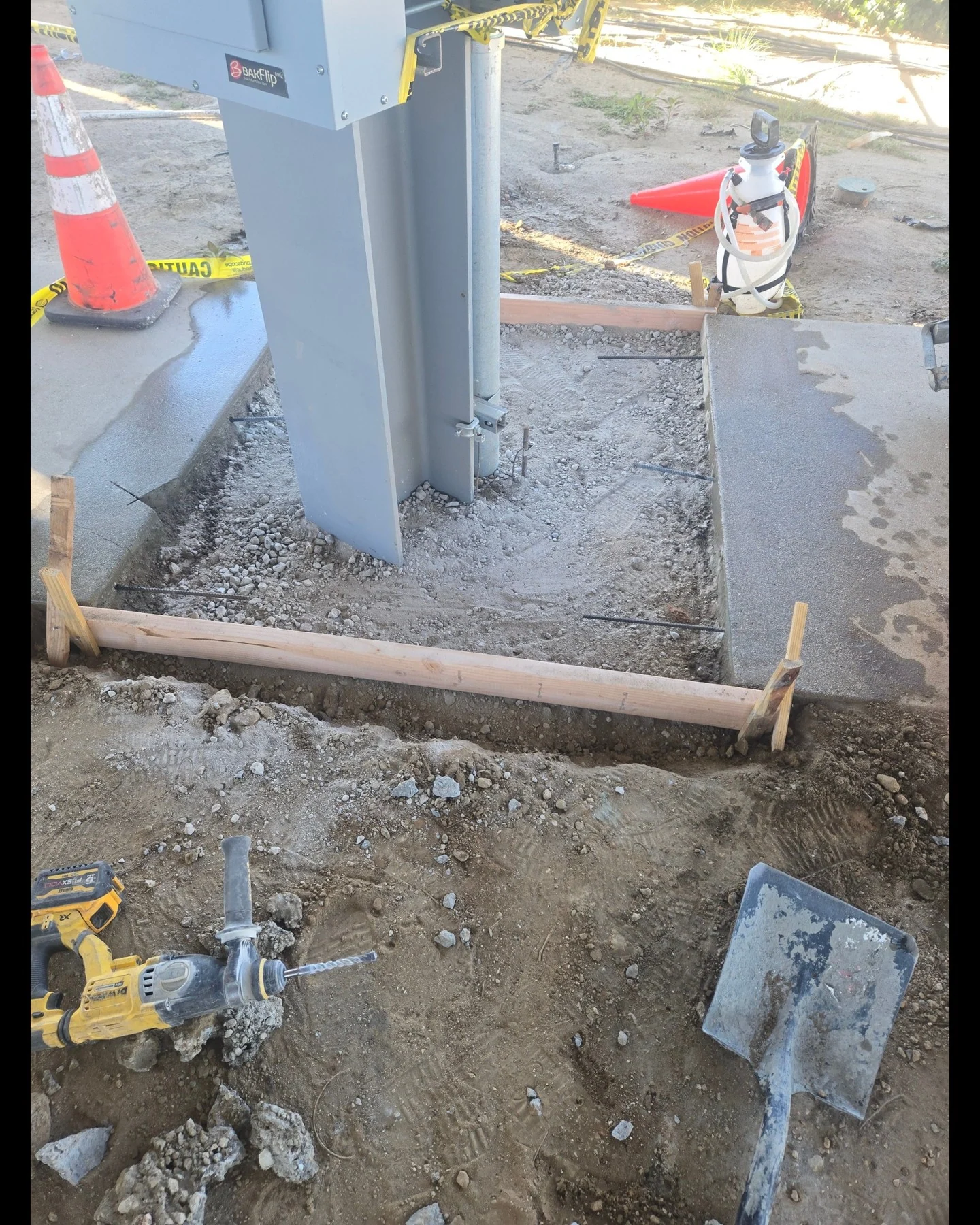
Dense lots mean narrow driveways, alley access, parked cars and nowhere to put a truck. Getting concrete to the pour is often harder than the pour, and it gets planned first.
Honest diagnosis before a number
We look at what failed and why before quoting. Sometimes the answer is a repair and sometimes it is a rebuild, and we will tell you which even when the smaller job is ours to lose.
Joints planned on paper
Joint layout gets worked out before the pour, spaced to the thickness and placed where the slab wants to move anyway. Then it gets cut at the right time.
One crew start to finish
The same people who form it pour it and finish it. There is no handoff where the details get lost.
What we build in Pico Rivera
Concrete Slab Repair
Cracks and surface failure on a slab worth keeping.
Concrete Slab Replacement
When the base failed, the slab follows.
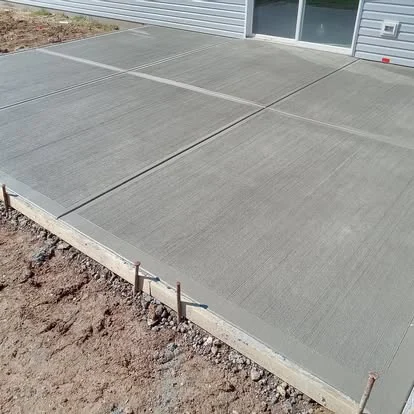
Garage Floors
Hot tires, dropped tools, and whatever ran off the car.
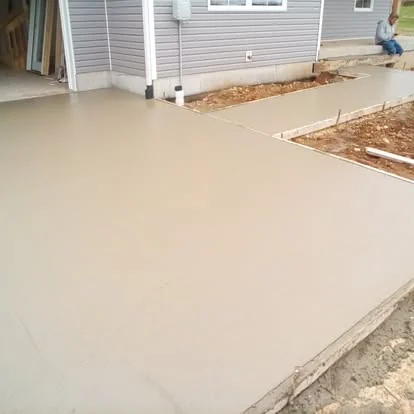
Garage Aprons
The strip between the driveway and the garage door.
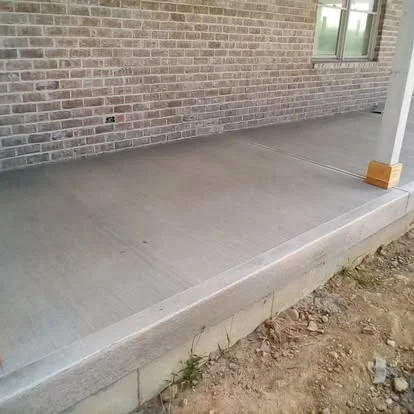
Basement Floors
A slab poured inside, where moisture has nowhere to go.
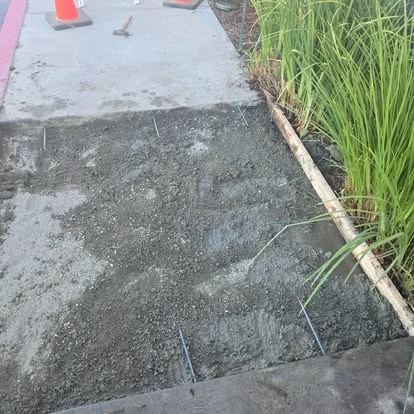
RV Pads
Heavy, concentrated, parked in one place for months.
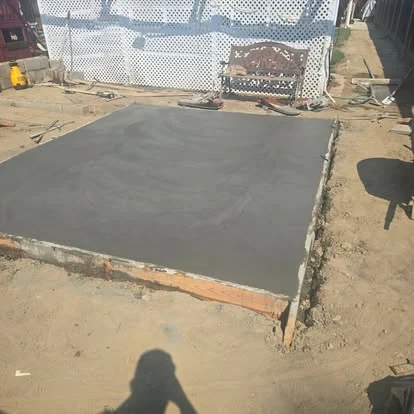
Spalled Concrete Repair
Surface flaking down to the aggregate.
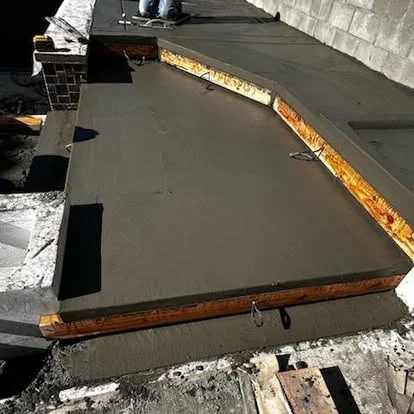
Settled Concrete Repair
The slab dropped because something under it did.
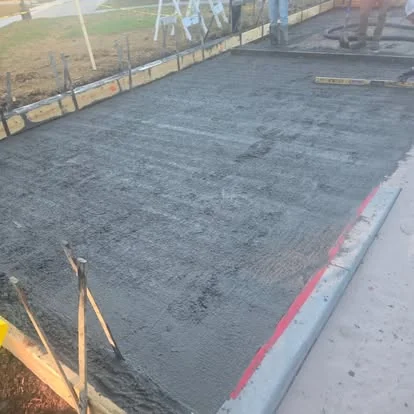
Uneven Concrete Repair
Lips, trip hazards, and panels out of plane.
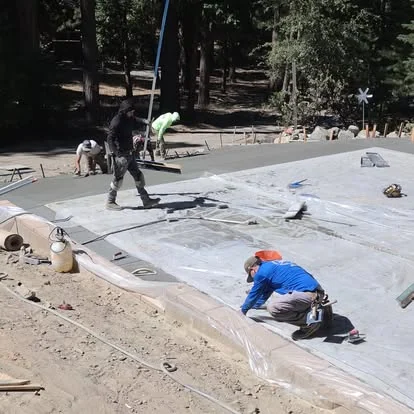
Concrete Gutters
Moving water where the grade will not.

ADA Concrete Ramps
Built to the slope the tape measure will confirm.
ADA Sidewalks
Accessible routes that hold their tolerances.
Pouring concrete around Pico Rivera
Older slabs and older assumptions
Much of the concrete in these neighborhoods was poured decades ago, thinner than we would build now and with lighter reinforcement over a base nobody tested. When it fails it is usually reporting on what is underneath, which is why we look at the cause before quoting the cure.
Street trees and roots
Mature trees lift sidewalks and driveways, and they will lift a new slab too unless the root is dealt with. Sometimes that means root pruning, sometimes rerouting the walk, sometimes a thicker slab with a root barrier. Replacing without addressing it just resets the clock.
Utilities nobody recorded
Older urban lots have services running in places no drawing shows. Anything cut or dug starts with locating, because finding a line with a saw is expensive and entirely avoidable.
Access and staging
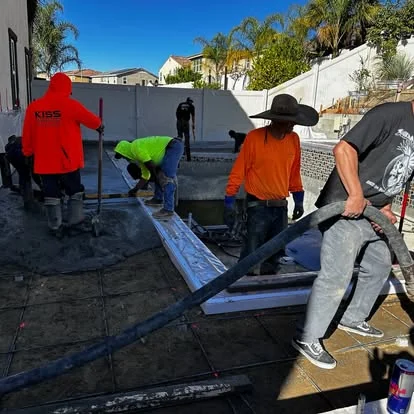
Dense lots mean narrow drives, alley access, parked cars and nowhere obvious to put a truck. Getting concrete to the pour is often harder than the pour itself, so access is worked out before the date is set, including whether the job needs a pump.
Concrete work around Pico Rivera
Flatwork, foundations and repair across Pico Rivera and the rest of Los Angeles County, poured by the same crew that answers the phone.
How concrete fails, and why
Cracks at re-entrant corners
Any inside corner in a slab, around a pillar or at an L-shaped patio, concentrates stress. Concrete cracks diagonally out of those corners unless steel or a joint is placed to control it.
Water against the house
Flatwork that slopes toward a building sends water at the foundation. In expansive soil that is the most expensive drainage mistake available.
Tire marks and staining
Hot tires pull at a sealed surface and some sealers soften under them. On a garage floor the finish and the sealer choice both matter for that reason.
Sunken sections around utilities
Trenches backfilled loosely settle for years. Anything poured over a recent trench needs that backfill compacted properly first.
How a job runs
Scheduling
Weather moves concrete dates, particularly in summer. We would rather move a pour than place into conditions that will not finish or cure properly.
Site access
A mixer is a large, heavy vehicle. Where it can park and how far the concrete has to travel changes the method and sometimes the price. That is worked out in advance.
The honest answer is sometimes the cheaper one.On quoting
Protecting what stays
Existing flatwork, landscaping, and anything we are working next to gets protected. Concrete is messy while it happens.
Curing time
The slab is not finished when it looks finished. Curing continues for weeks and how it is protected in the first days affects the surface for the life of it.
Around Pico Rivera
Straight answers
Can you match the neighboring concrete?
Close, not exact, since concrete ages. We match thickness, finish and joints so the run reads as one surface.
Can you get a truck to my property?
That gets worked out before the date is set. Narrow drives, alley access and parked cars all decide whether the concrete arrives by chute or by pump.
The concrete here is old and thin. Is that why it failed?
Often, along with a base nobody tested. Older urban flatwork was poured thinner with lighter steel, and when it fails it is usually reporting on what is underneath.
Can you replace just part of the walk?
Yes. Sidewalks fail in panels and can be replaced in panels, cut clean at the joints and matched to what stays in thickness, finish and joint pattern.
Am I liable for a lifted panel out front?
Generally the property owner carries that risk on a public walk, which is why grinding a lip or replacing a panel is cheap next to a claim.
Get a number for your Pico Rivera job
Tell us what you are building. Somebody comes out, reads the site, and prices what it actually needs rather than what fits a template.