
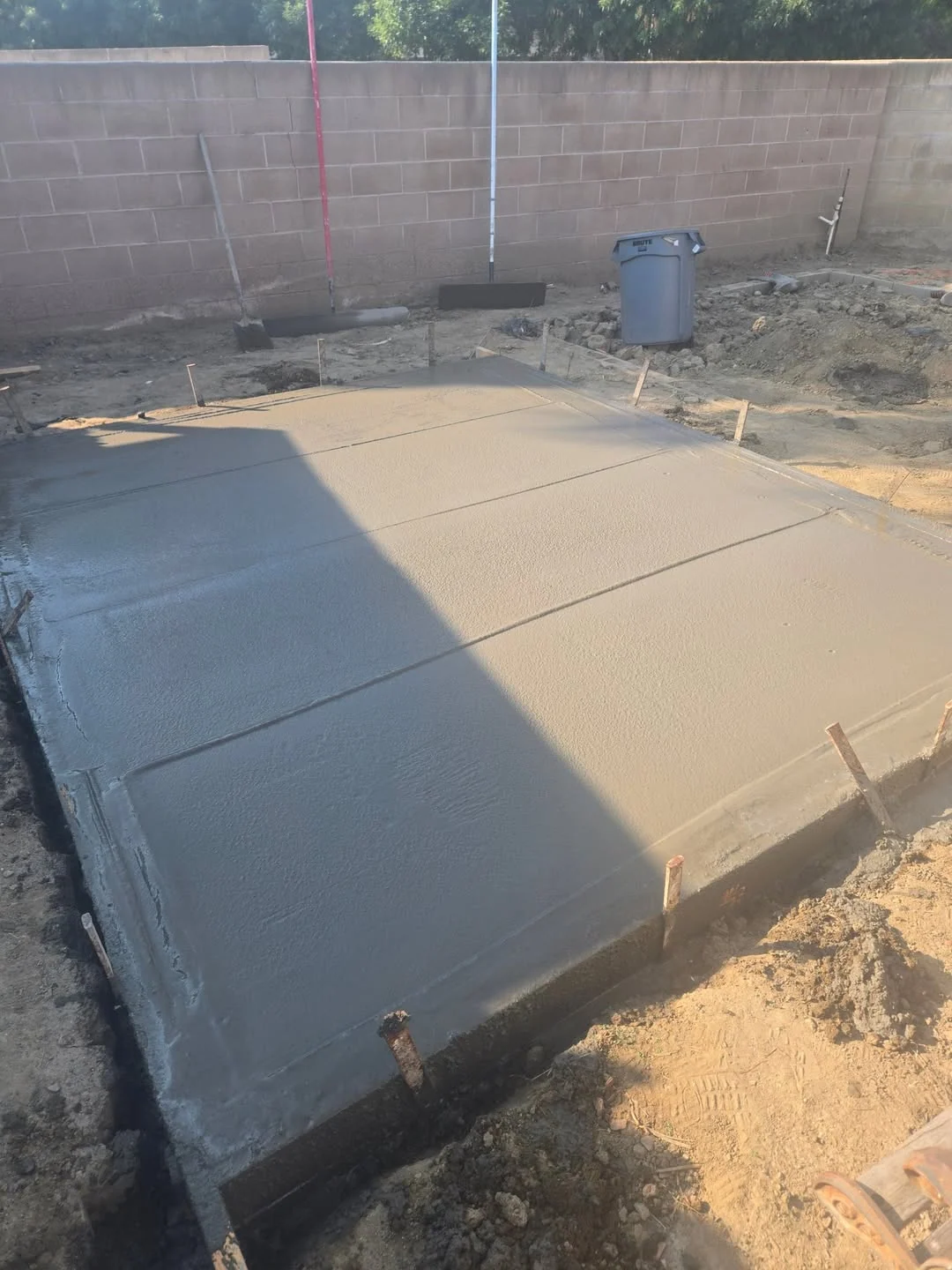
The crew Fullerton calls
Flatwork and structural concrete for homes and businesses around Fullerton. Fourth generation, California license 1137822.
Talk to us about the job
What concrete is up against around Fullerton
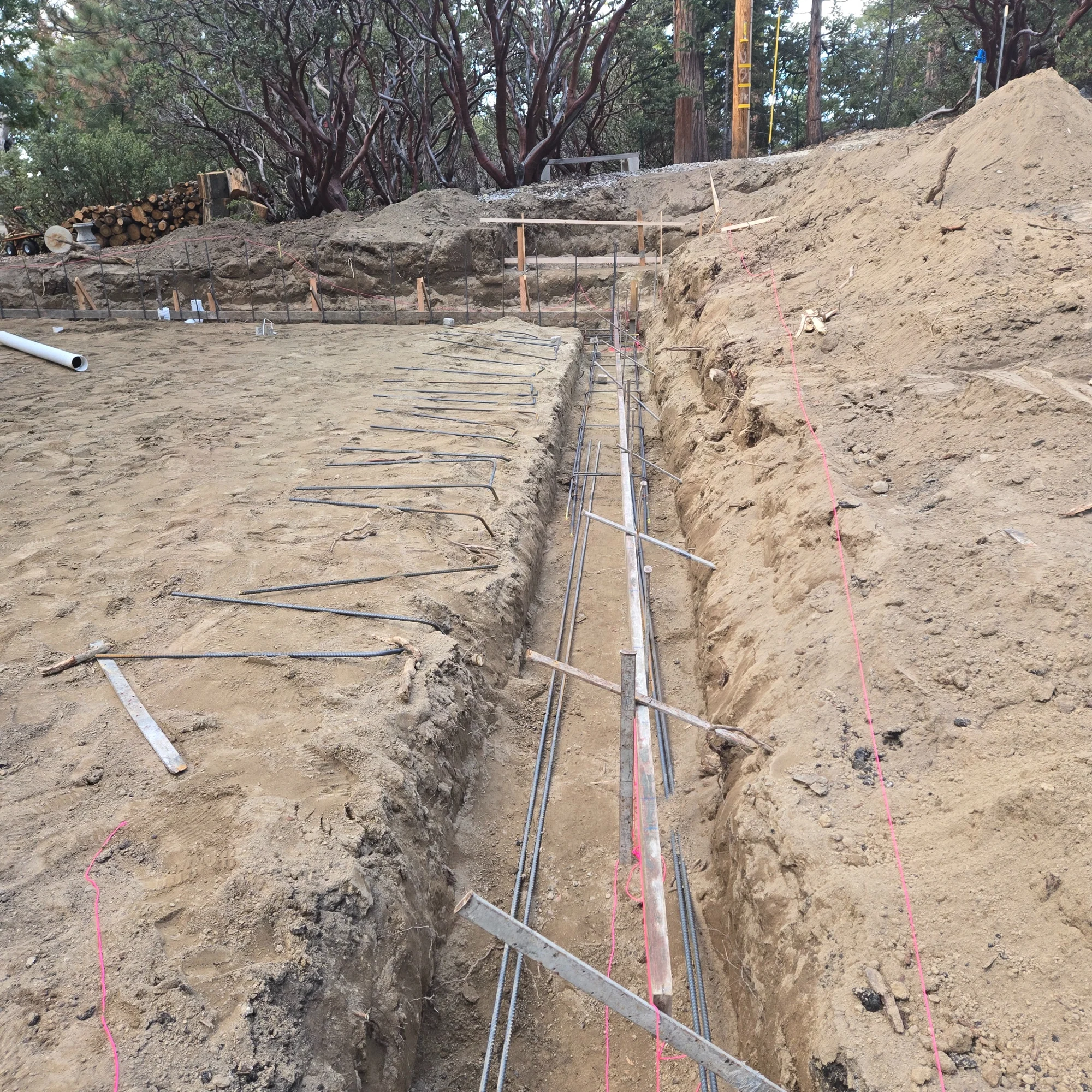
Permits and inspection
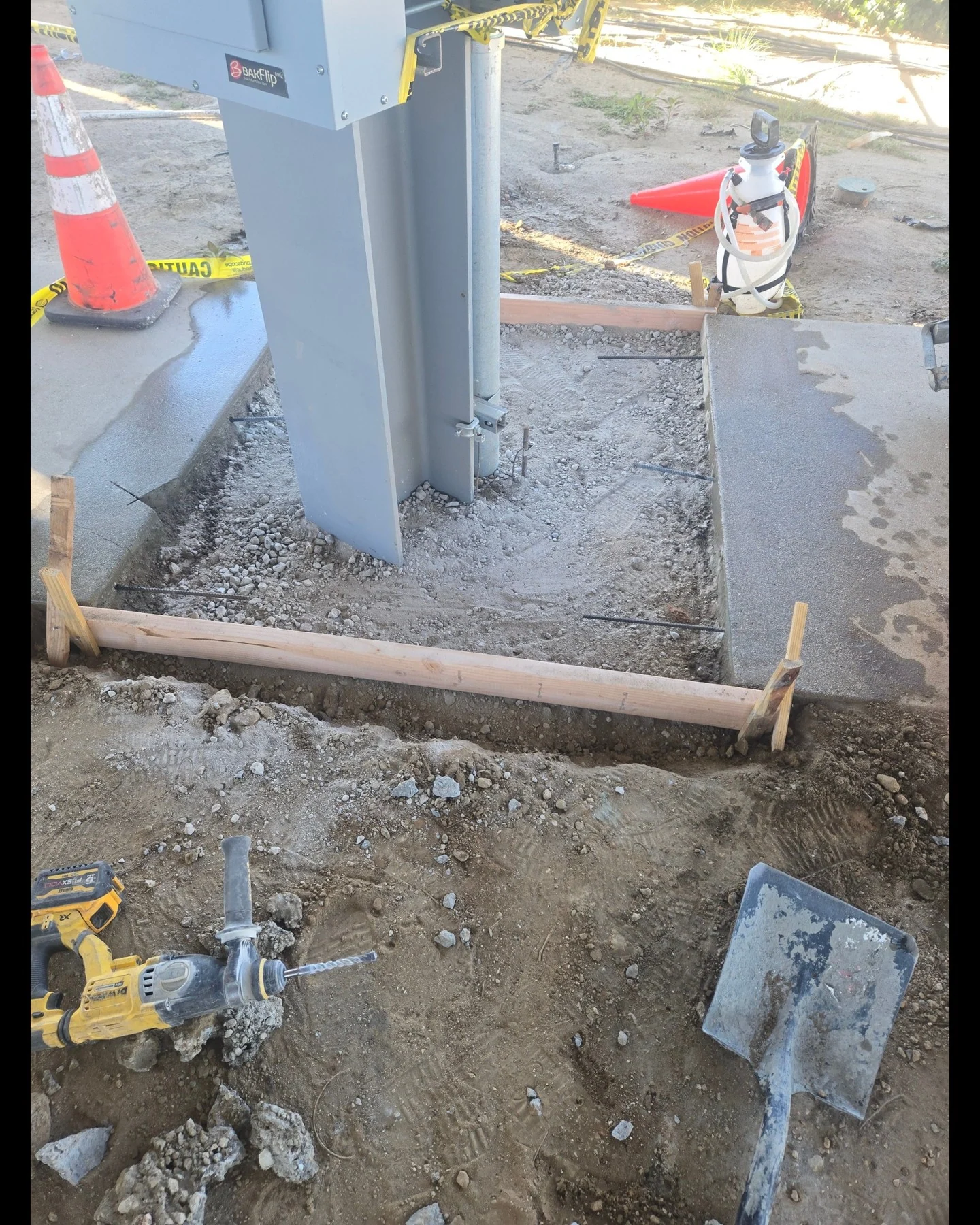
Work in the public right of way, anything structural, and most replacements need permits and an inspection. We would rather have that conversation before we break anything out.
Trip hazards and liability
A lifted panel on a public walk is a liability the property owner carries. Grinding a lip or replacing the panel is cheap next to a claim.
Tree roots under flatwork
Mature street trees lift sidewalks and drives, and they will do it again to a new slab unless the root is dealt with. Sometimes that means root pruning, sometimes rerouting the walk.
Water routed off the slab
Slopes, low points and a path for water to leave are set before the pour, because afterward the drainage is permanent.
Pours scheduled to the heat
In summer we start early and keep the mix and the crew ahead of the temperature. Concrete does not wait for anybody.
Honest diagnosis before a number
We look at what failed and why before quoting. Sometimes the answer is a repair and sometimes it is a rebuild, and we will tell you which even when the smaller job is ours to lose.
What we build in Fullerton
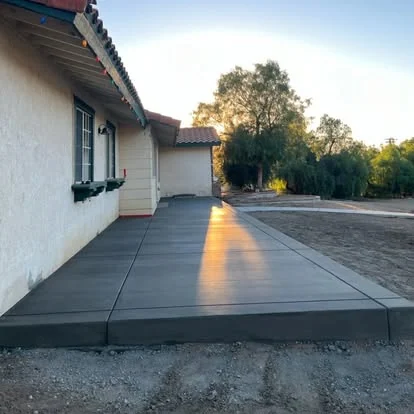
Concrete Patios
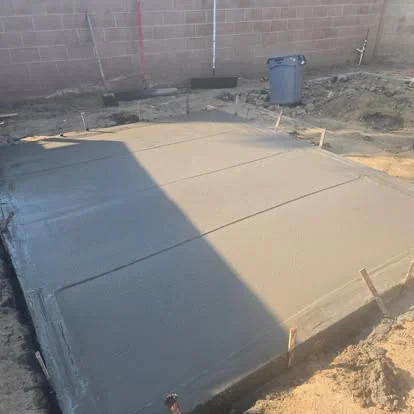
The outdoor room that starts as a flat pour.
Concrete Patio Replacement
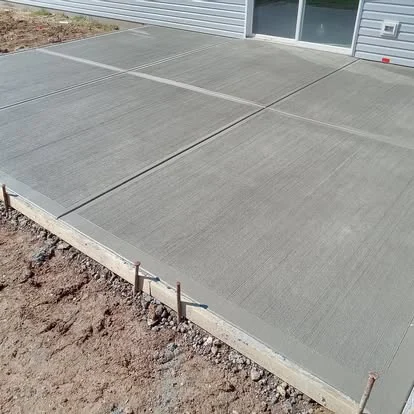
Take out the old slab, pour the one you actually wanted.
Concrete Patio Repair
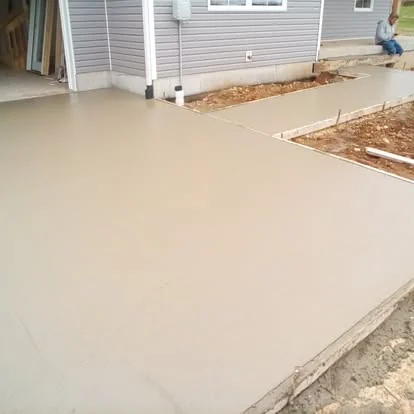
Cracks, settled corners, and surfaces that have gone rough.
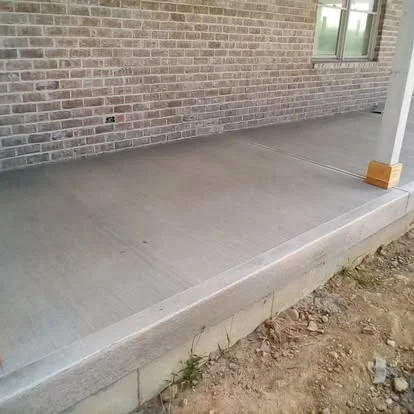
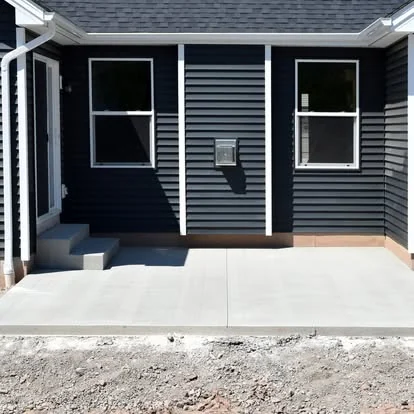
Concrete Walkways
Getting from the street to the door without a trip hazard.
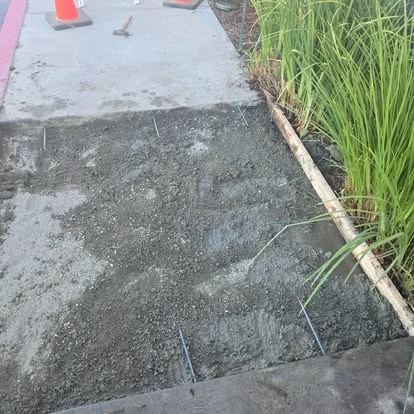
Concrete Sidewalks
Public-facing flatwork built to the spec the city will inspect.
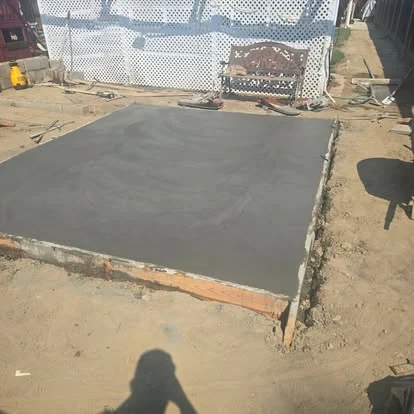
Concrete Sidewalk Repair
Lifted, cracked, or spalled panels made safe again.
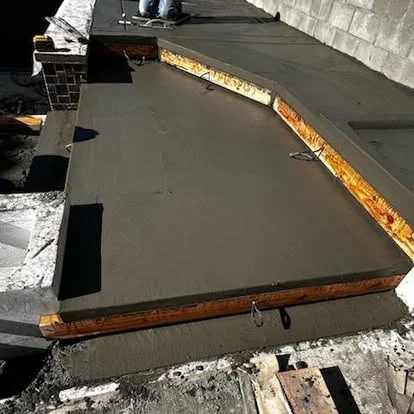
Concrete Crack Repair
Some cracks are cosmetic. Some are a message.
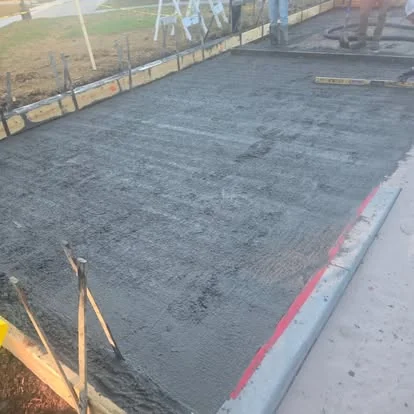
Spalled Concrete Repair
Surface flaking down to the aggregate.
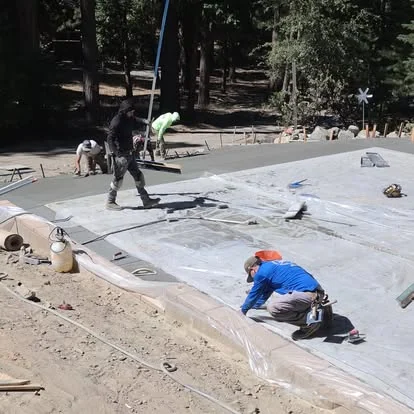
Settled Concrete Repair
The slab dropped because something under it did.

Transformer Pads
Utility pads built to the utility’s drawing.
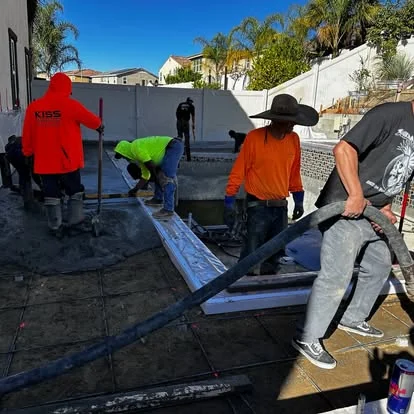
Utility Pads
Pads for meters, generators, and mechanical gear.
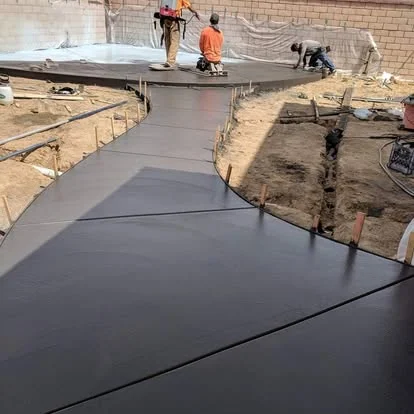
Bollard Foundations
The concrete that stops a vehicle.
Pouring concrete around Fullerton
Street trees and roots
Mature trees lift sidewalks and driveways, and they will lift a new slab too unless the root is dealt with. Sometimes that means root pruning, sometimes rerouting the walk, sometimes a thicker slab with a root barrier. Replacing without addressing it just resets the clock.
Access and staging
Dense lots mean narrow drives, alley access, parked cars and nowhere obvious to put a truck. Getting concrete to the pour is often harder than the pour itself, so access is worked out before the date is set, including whether the job needs a pump.
Permits and the right of way
Work in the public right of way, anything structural, and most full replacements need permits and inspection. We would rather have that conversation before anything is broken out than discover it when an inspector arrives.
Utilities nobody recorded
Older urban lots have services running in places no drawing shows. Anything cut or dug starts with locating, because finding a line with a saw is expensive and entirely avoidable.
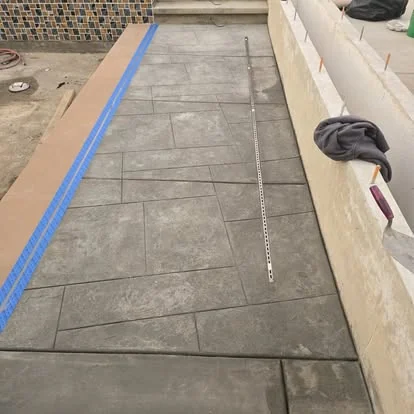
Concrete work around Fullerton
Flatwork, foundations and repair across Fullerton and the rest of Orange County, poured by the same crew that answers the phone.
How concrete fails, and why
Cracks after a hot pour
Concrete placed into extreme heat stiffens before it can be finished properly and shrinks harder as it cools. Hot weather practice exists for exactly this reason.
Wide joints that collect debris
Joints that were cut too wide or have lost their sealant fill with grit, which then prevents the slab from closing and spalls the joint edges.
A patch that failed
New material on old concrete only holds if the substrate was prepared and a bonding agent used. A patch troweled onto a dusty surface lets go within a season.
Movement at a retaining wall
Retaining walls fail from water pressure behind them more often than from the soil weight. Drainage behind the wall is the design.
How a job runs
The soil question
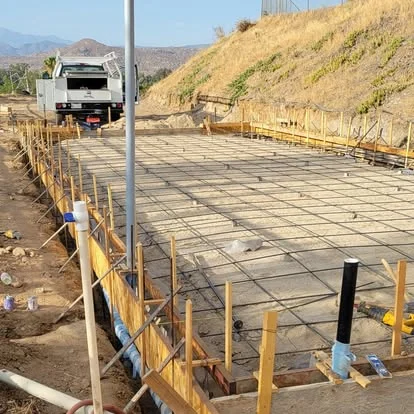
In expansive clay the soil drives the design. If there is a soils report we build to it; if not, what we find during excavation informs the base work.
Drainage
Where water goes gets decided before the pour, because afterward it is permanent. That sometimes means changing the plan to fix a problem you already had.
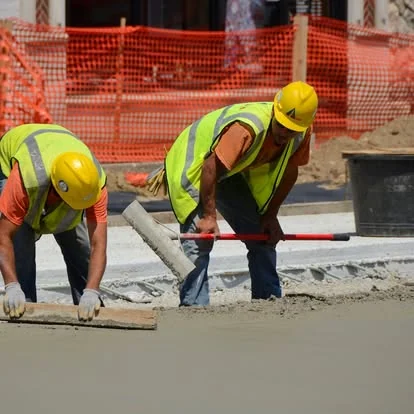
Knowing when to start floating is the part you cannot learn from a book.On finishing
Joint layout
Joints are planned on paper and cut on time. Where they land is partly structural and partly how the finished slab reads.
Maintenance
Concrete is low maintenance, not no maintenance. Sealing and joint upkeep are the two things worth doing.
Around Fullerton
Straight answers
What about utilities under the slab?
Anything cut or dug starts with locating, because older urban lots have services in places no drawing records.
Can you match the neighboring concrete?
Close, not exact, since concrete ages. We match thickness, finish and joints so the run reads as one surface.
Do I need a permit for a replacement?
Work in the public right of way and anything structural generally does; a like-for-like private replacement often does not. We check before anything is broken out.
Can you replace just part of the walk?
Yes. Sidewalks fail in panels and can be replaced in panels, cut clean at the joints and matched to what stays in thickness, finish and joint pattern.
How long before I can park on it?
Foot traffic a day or two, vehicles longer. You get the real number for your pour.
Fullerton concrete, quoted properly
Access, base condition, thickness and finish decide the price. That is why we walk it first and why the number holds.