
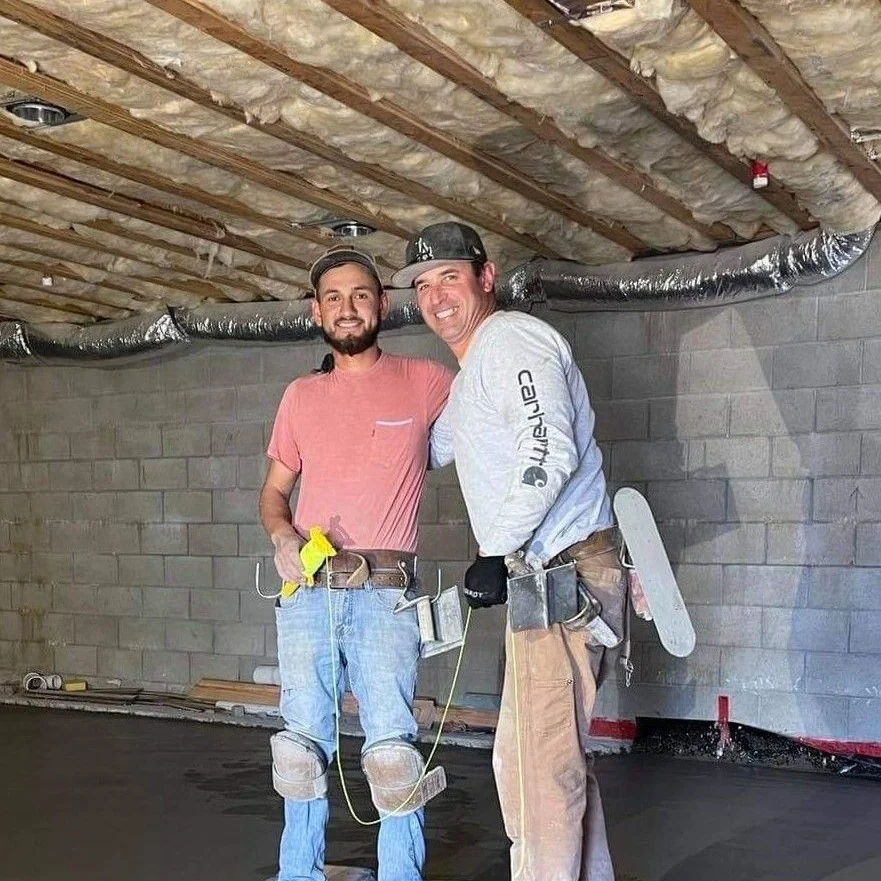
Concrete Grinding
Grinding fixes differential at a joint, removes a coating, or flattens a slab before something goes on top of it. It is fast and it is permanent, but it takes material off, so there is a limit.
Talk to us about the job
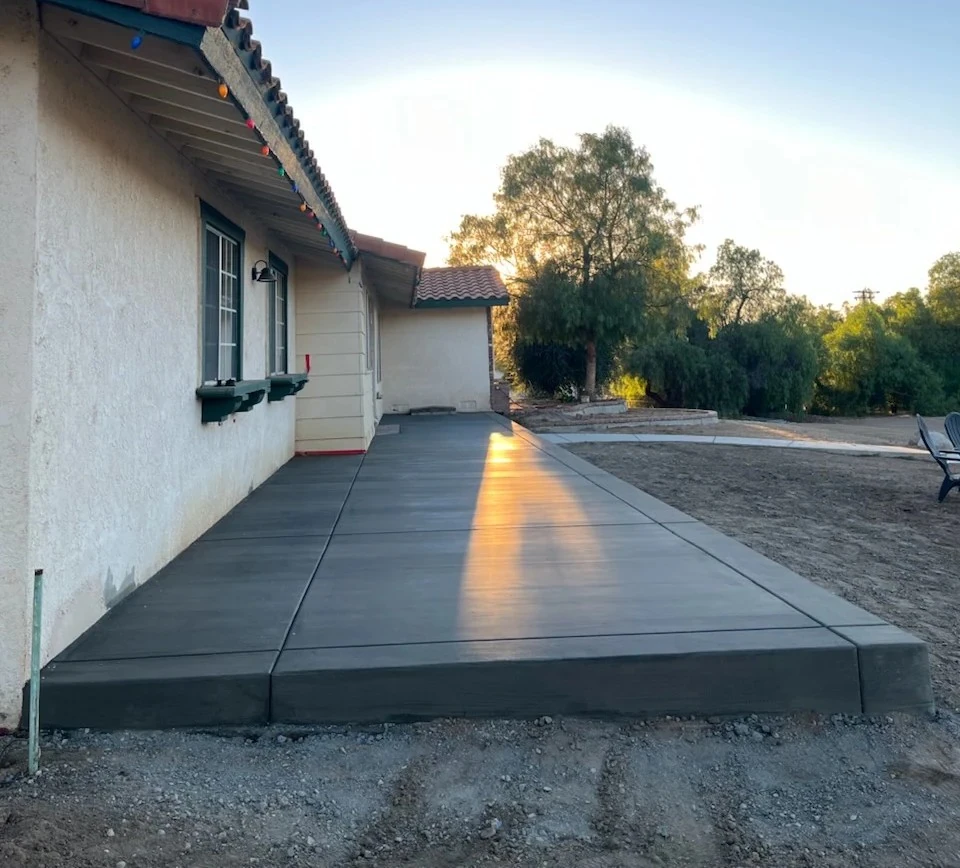

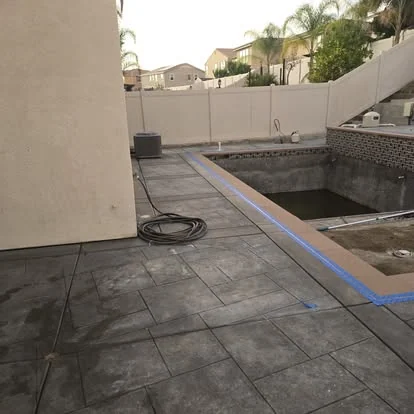
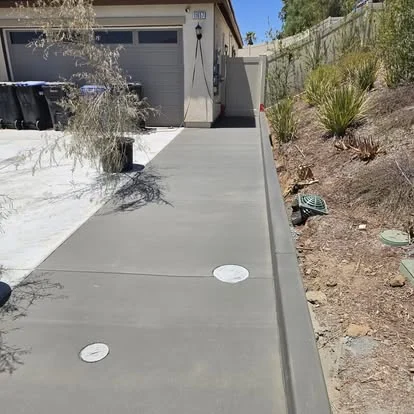
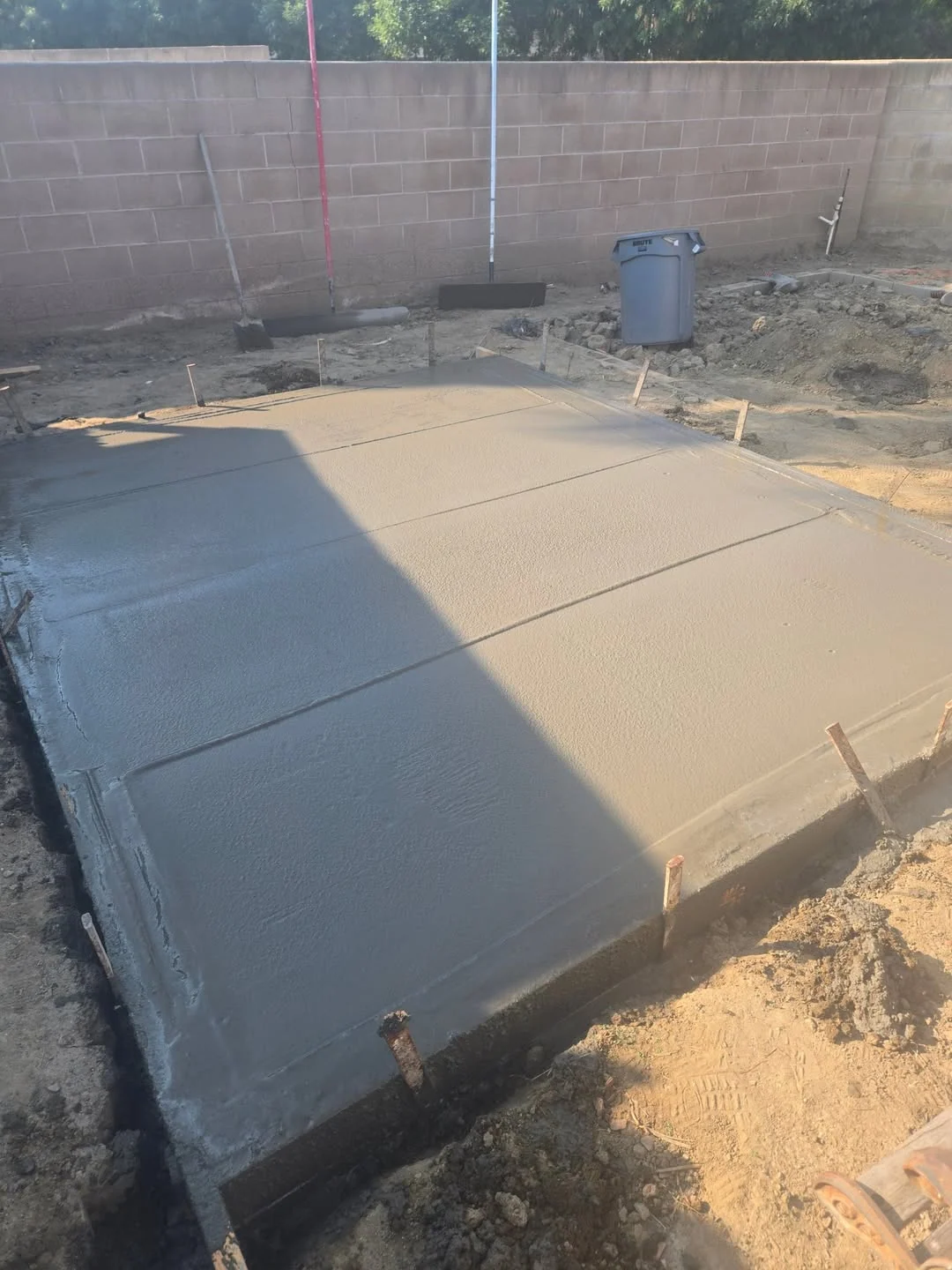
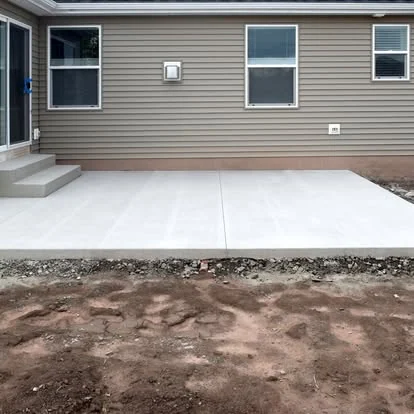
How the job runs
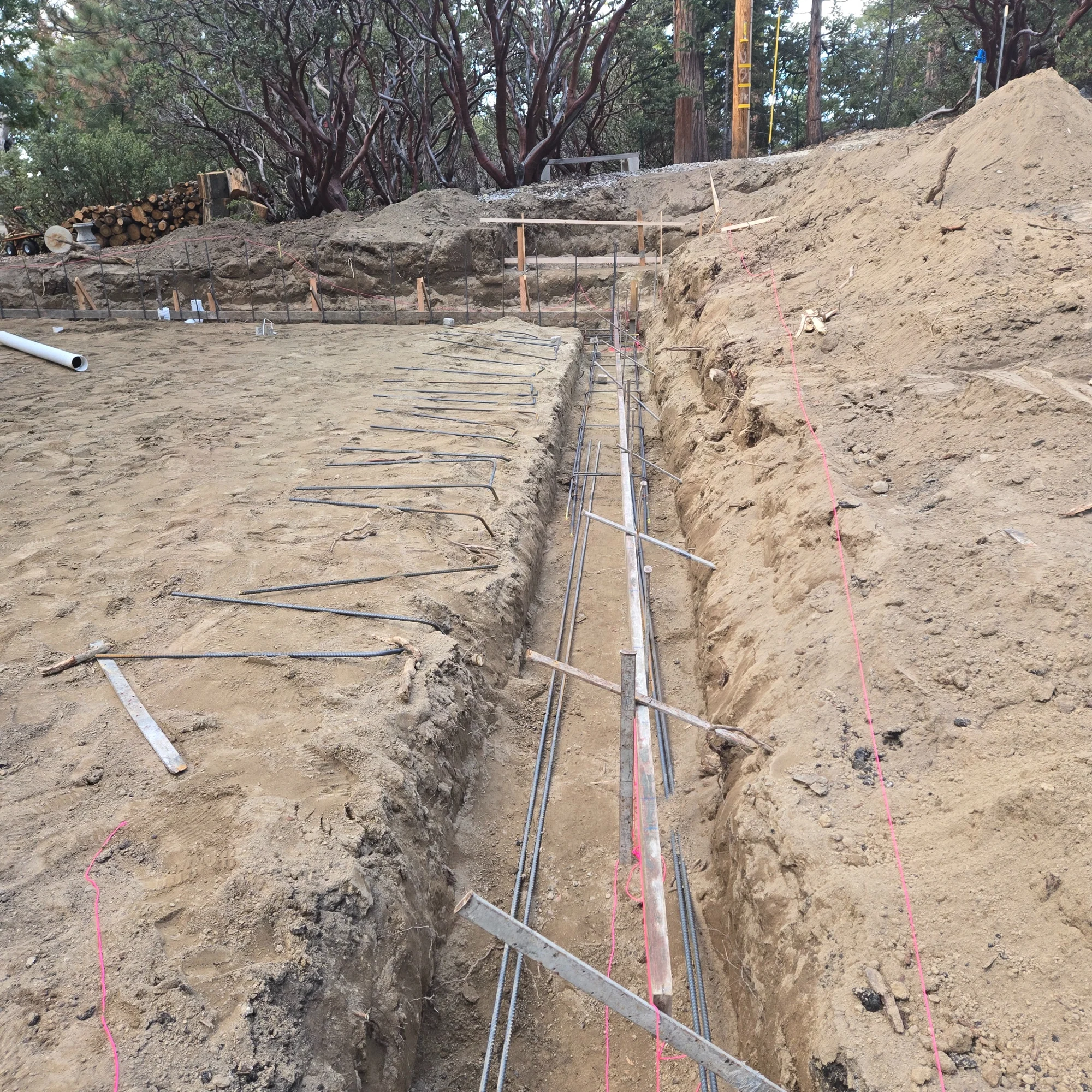
A visit, not a guess
Concrete gets quoted on site. The soil, the fall, the access and the existing slab all change the job, and none of them show up in a text message.
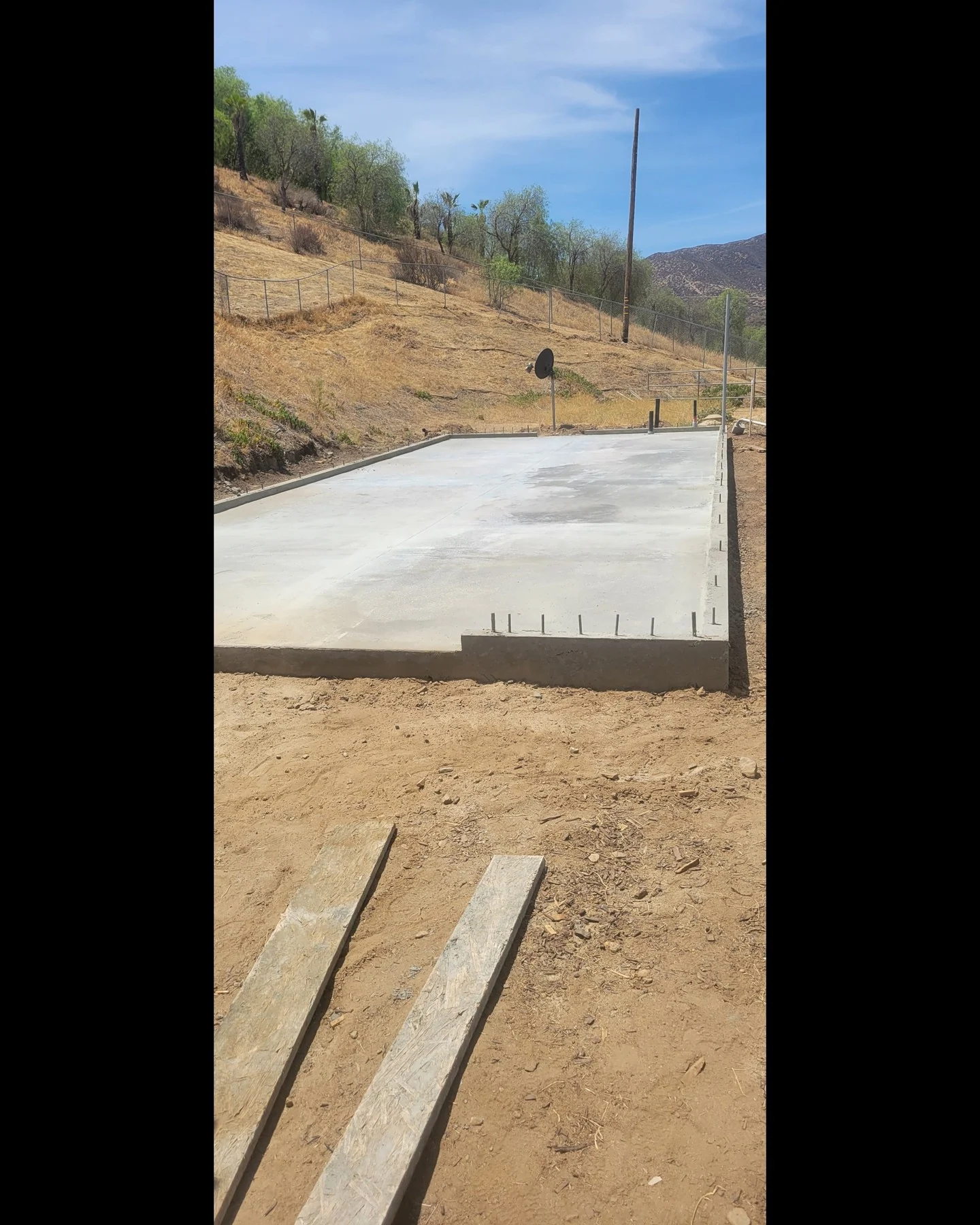
Honest scope
We say what the job needs. If a repair holds, we will tell you that instead of selling you a replacement.
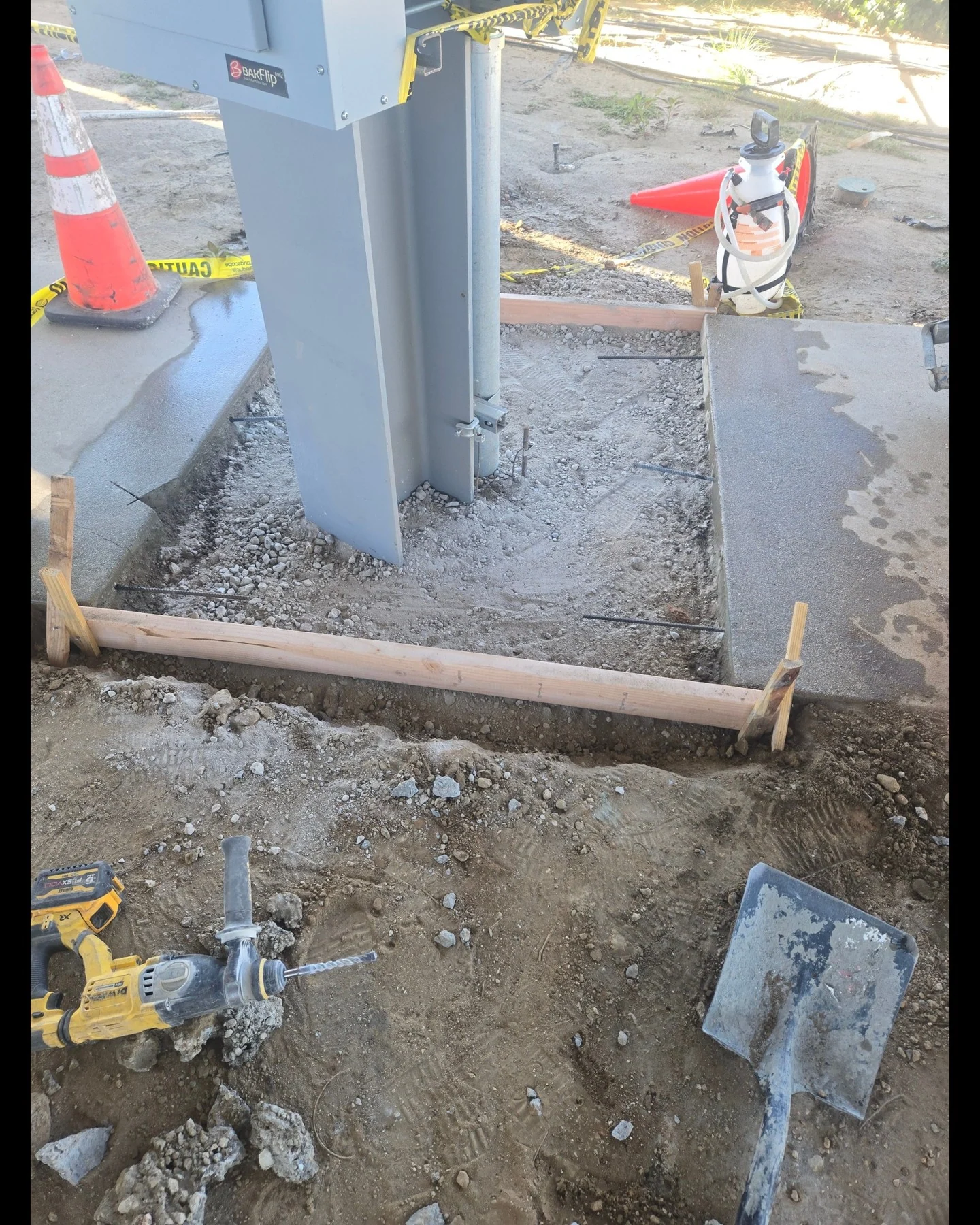
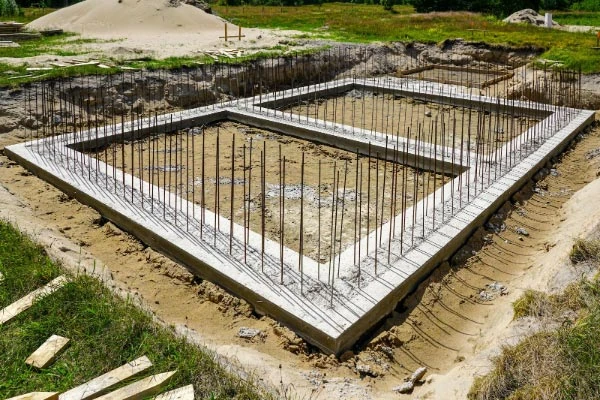
Earthwork first
Cut, correct, compact. The base is the job and the concrete is the finish on top of it.

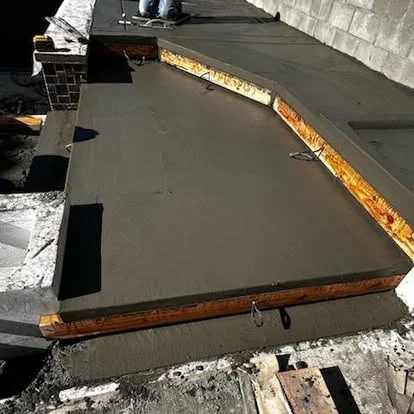
Steel and placement
Reinforcement where the drawing puts it, forms that do not bow, concrete consolidated into every corner.
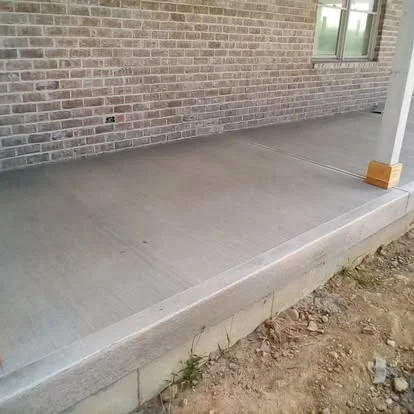
What this job actually needs
Find the cause first
Repair without diagnosis is guesswork. Movement, drainage, base condition and the original construction all have to be understood, because the same visible damage has several different causes and they need different work.
Preparation decides whether it holds
Everything unsound comes off, down to solid concrete, and the surface gets a mechanical profile before anything new goes on. Repairs fail at the bond line far more often than in the new material.
Repair, resurface or replace
Surface damage on a sound slab is a repair or an overlay. A slab that has moved is a replacement, because covering movement just relocates the crack. We give you the honest version even when it is the smaller job.
What maintenance actually prevents
Sealing the surface and maintaining the joints keeps water out of the pores and out of the base. Water is the common factor in nearly every concrete failure, so those two things buy years.
What decides whether it lasts
Concrete is judged on the surface and it fails from underneath. The base, the steel, the joints and the cure are the whole job. A slab that was poured on bad ground will tell you so, usually in the third or fourth year.
Why fourth generation matters here
32 years on the tools means most of these problems have already been seen once. Reading a slab before quoting it is the part you cannot learn from a book, and it is the difference between a repair that holds and one that comes back.
What Southern California ground does to concrete grinding
Drainage on a flat lot
Valley lots are often close to level, which makes slope hard to find and easy to get wrong. Low points, cross-fall and where water actually leaves the property get worked out before the pour, because once the concrete is down the drainage is permanent.
What lasts here
A properly based, properly jointed slab with reinforcement sized to the load will outlast the house it sits beside. The variables that decide it are all underneath and all invisible once the pour is done, which is exactly why they get cut on cheap jobs.
What the ground does here
The inland valleys run on expansive clay. It takes on water and swells, then dries out and shrinks, and it does that cycle every year. A slab poured on untreated clay rides that movement until something gives, which is why base preparation and reinforcement are the design rather than an upgrade. Where a soils report exists we build to it; where there is none, what we find during excavation tells us what the ground is going to do.
Irrigation against the slab
Almost every valley property waters something, and sprinklers running along a slab edge keep the base saturated year round. In expansive soil that is a slow way to undermine your own driveway. Where the water lands is worth looking at before blaming the concrete.
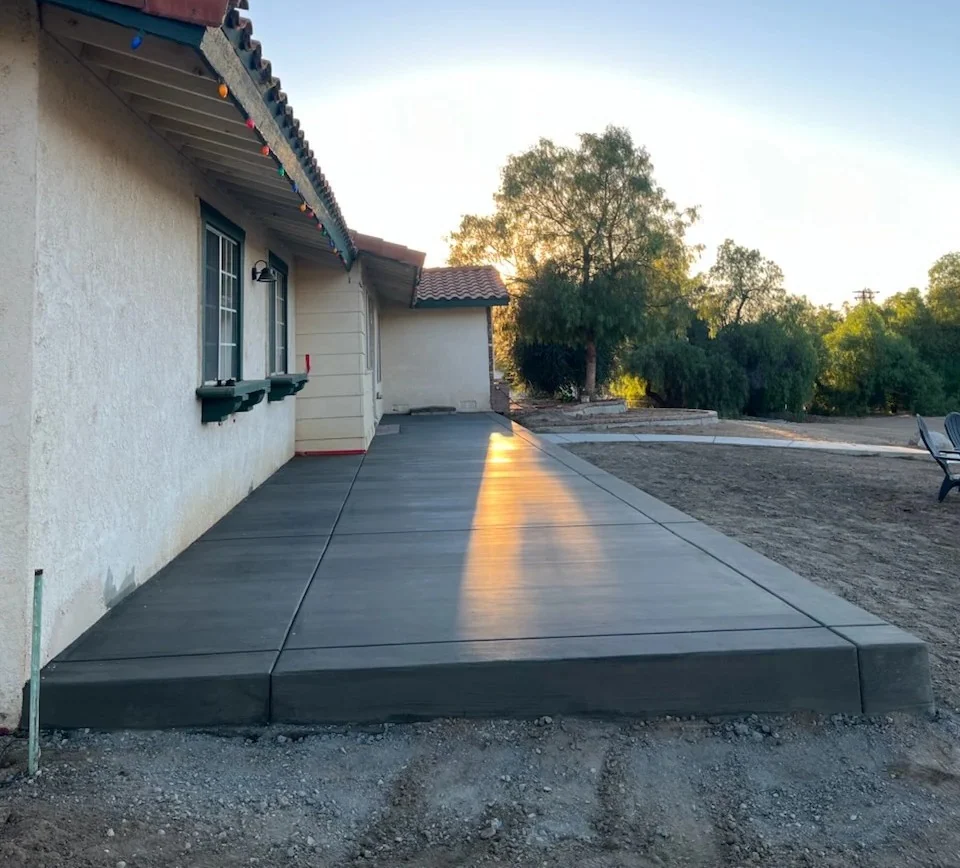
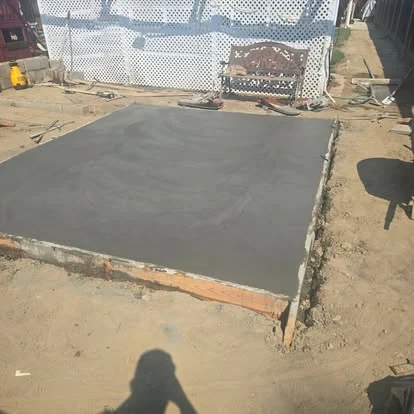
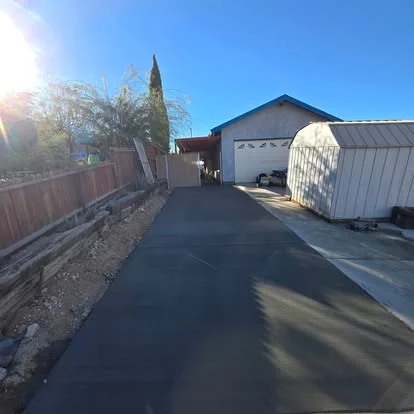
How concrete fails, and why
Shrinkage cracks in the first month
Concrete gives up water as it cures and gets slightly smaller doing it. Where it cannot shrink freely it cracks. This is why joints exist, and why a slab with no joint plan cracks wherever it likes within the first few weeks.
Crazing on the surface
A fine map of hairlines across the top is usually a finishing and curing issue, not structural. Working the surface with water on it, or letting a slab dry too fast in wind, both produce it.
Edges breaking away
Corners and edges are the least supported concrete on any slab and the first to go. Thin edges, vehicles cutting corners, and no thickened perimeter all contribute.
Rust stains and cracks over the steel
When cracks run in straight lines that match the rebar spacing, the steel is corroding and expanding. That means water and chloride reached it, which is a cover problem.
How a job runs
Getting a number
We walk the job, measure, and quote what it needs. No number goes out on a photograph and nothing gets quoted thin to win it.
How long it takes
Most residential flatwork is a few days from demolition to pour, plus curing. Structural work runs longer because of inspections.
Width tells you less about a crack than movement does.On reading a slab
Who is on site
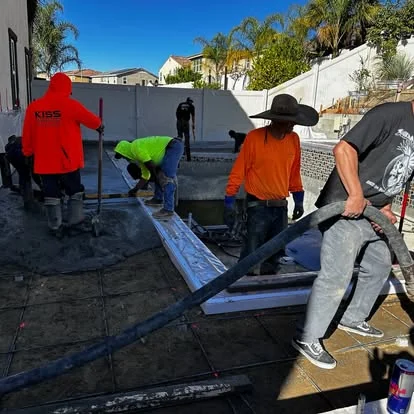
The same crew that forms it pours it and finishes it. There is no handoff where the details get lost.
Afterwards
Sealing, joint maintenance, and keeping water off it are the things that decide whether you get twenty years or forty.
Other repair work

Concrete Repair
Fix the concrete that is worth fixing.
Concrete Crack Repair
Some cracks are cosmetic. Some are a message.
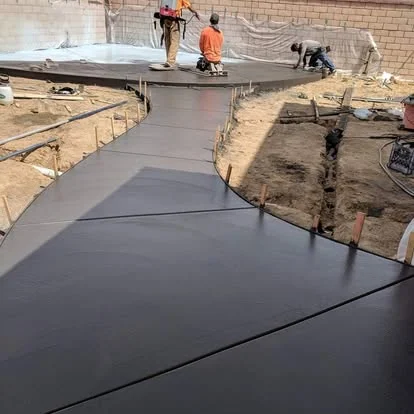
Spalled Concrete Repair
Surface flaking down to the aggregate.
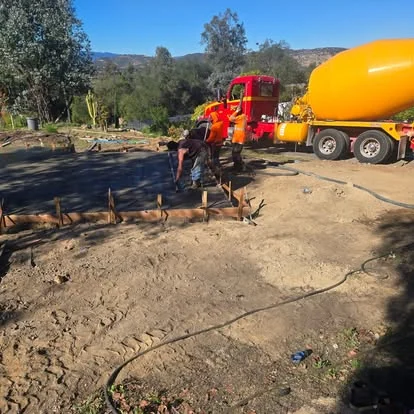
Settled Concrete Repair
The slab dropped because something under it did.
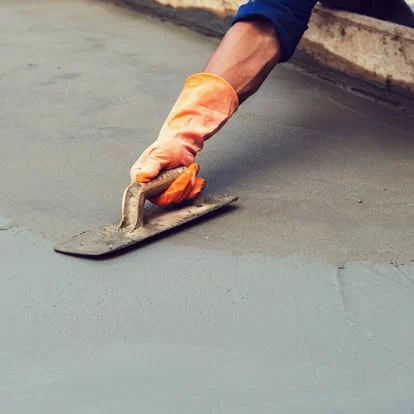
Uneven Concrete Repair
Lips, trip hazards, and panels out of plane.

Concrete Joint Repair
The joints fail before the concrete does.
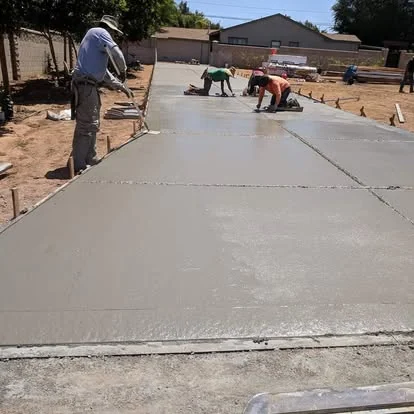
Concrete Resurfacing
A new surface on a sound slab.
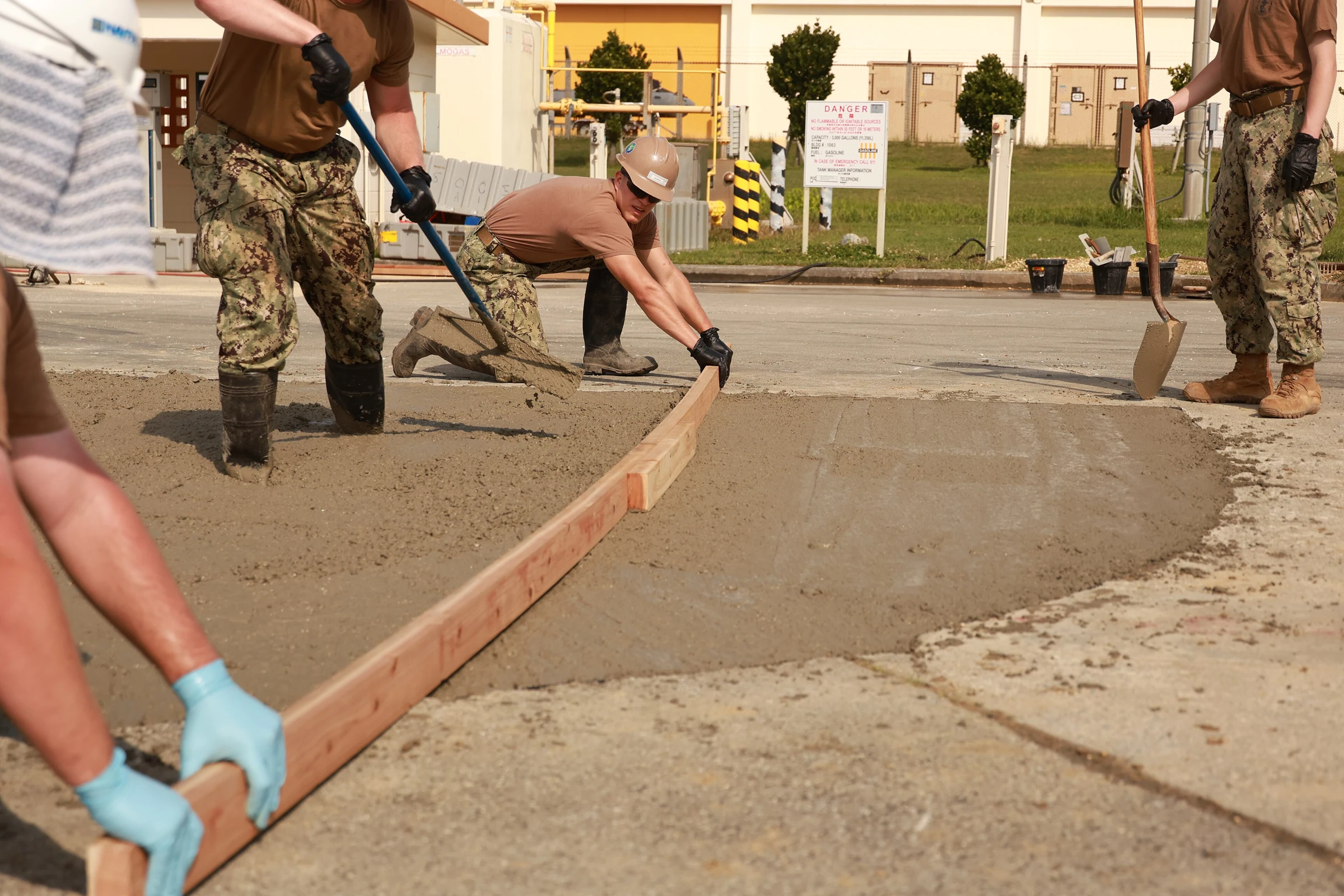
Concrete Leveling
Lifting a slab back to where it started.
Straight answers
Can a sunken slab be lifted?
Often, if the slab is still in one piece and the problem is a void underneath. If it has broken up, lifting the pieces just gives you level pieces.
Repair or replace?
If the slab is sitting flat and the base is stable, it is a repair. If it has moved, the concrete is reporting on the soil and replacing without fixing that buys the same failure again.
Why is my concrete flaking?
That is spalling, and it is usually water, salt, or a surface that was closed too early during finishing. Repair means getting off everything loose, down to sound concrete, and bonding new material properly.
Is my crack serious?
Width tells you less than movement. If the edges have shifted vertically, or it runs corner to corner, the ground moved and a surface fix will crack again in the same line. We look before we quote.
Can you resurface instead of replacing?
If the damage is only in the top layer and the slab underneath is sound, yes. If the slab is moving, an overlay hides the problem for a season and then telegraphs through.
Tell us what the job is
We walk the job, tell you what it needs, and give you a number. Hemet and roughly 100 miles around it.