
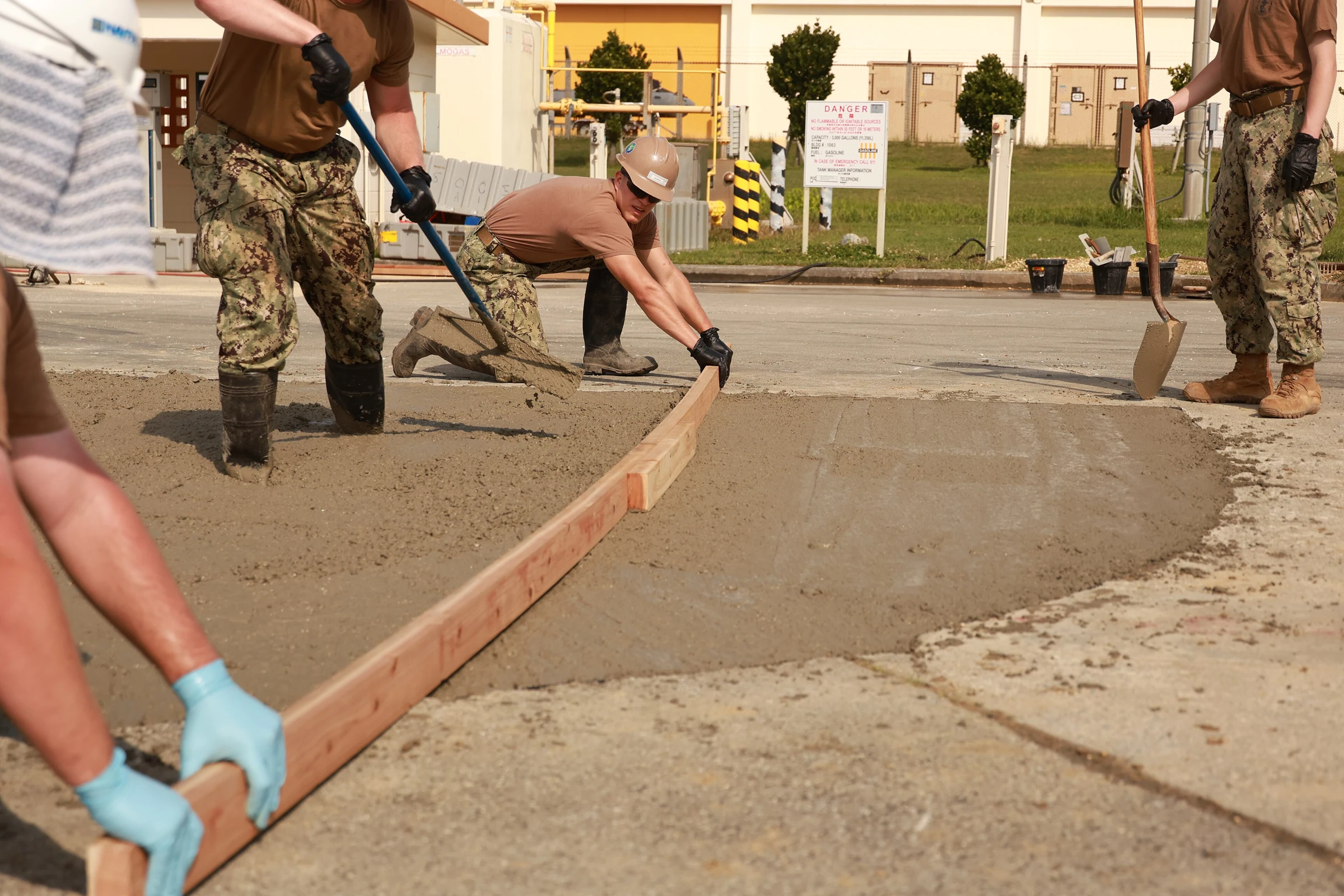
Ontario slabs, built from the base up
Most concrete fails from underneath, so that is where we start. Serving Ontario and San Bernardino County with 32 years in the trade behind every pour.
Talk to us about the job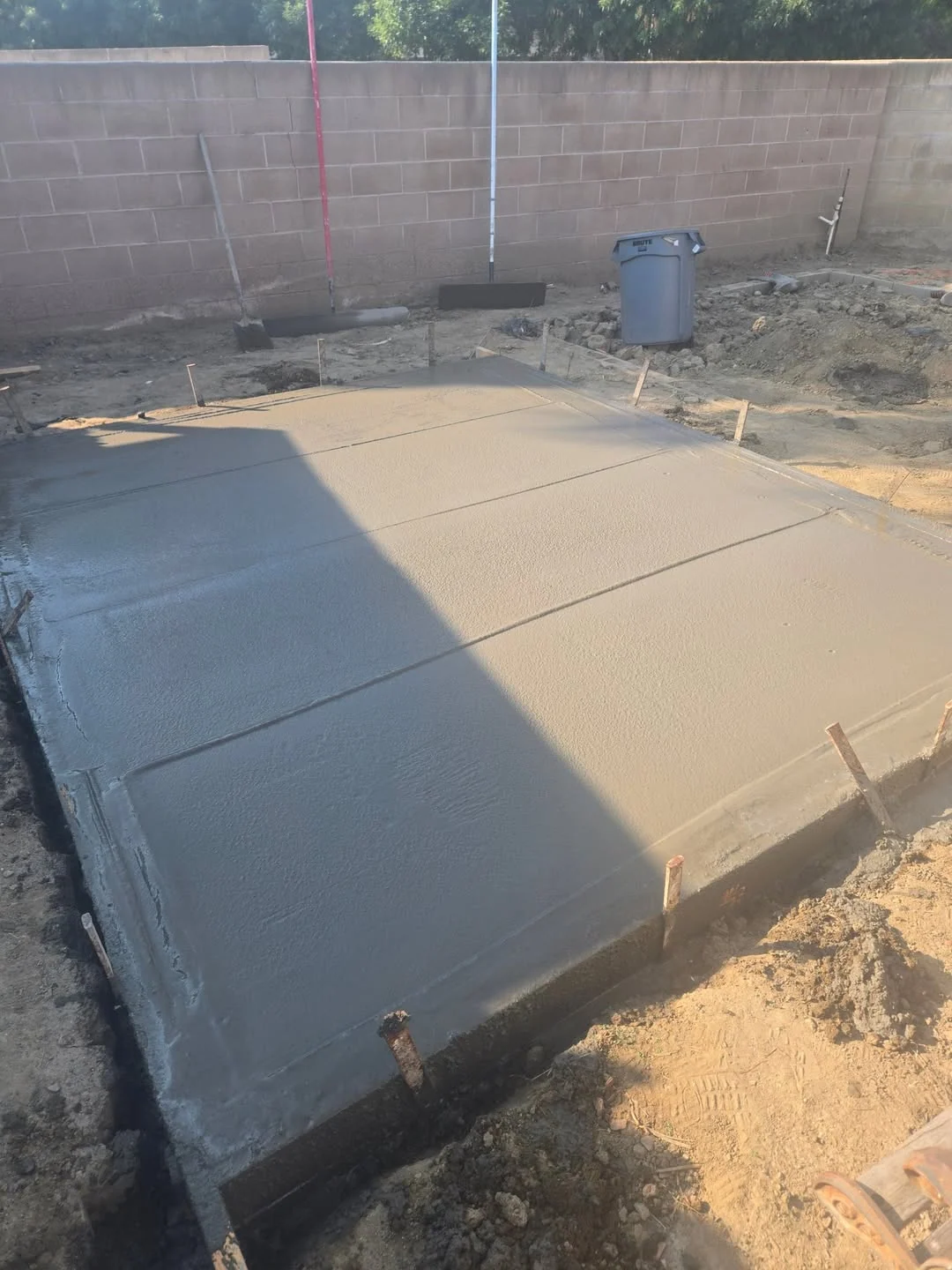
What concrete is up against around Ontario
Trip hazards and liability
A lifted panel on a public walk is a liability the property owner carries. Grinding a lip or replacing the panel is cheap next to a claim.
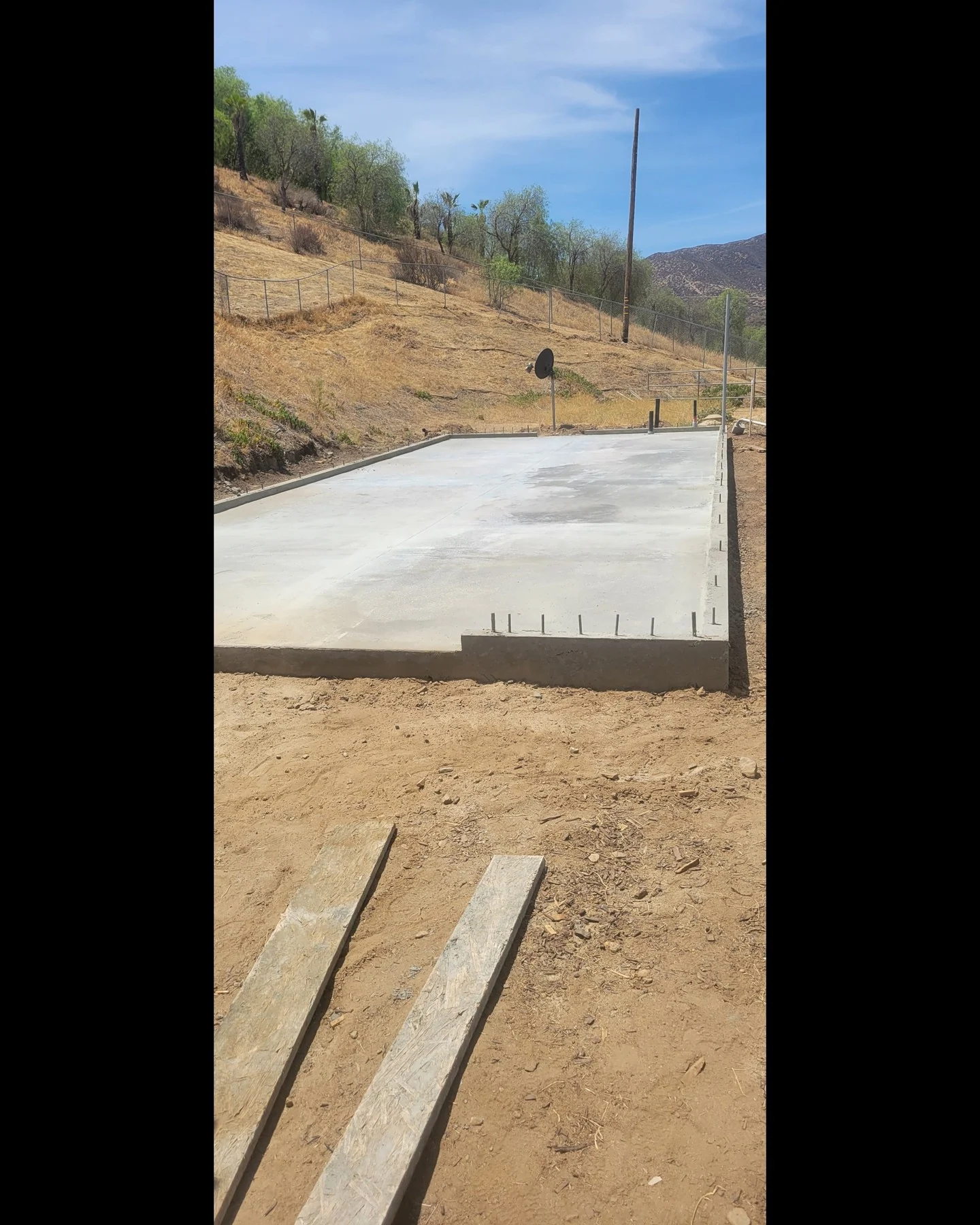
Heat island on dark flatwork
Dense paving with no shade gets hot and stays hot, which means more thermal movement day to day. Joint layout accounts for it.
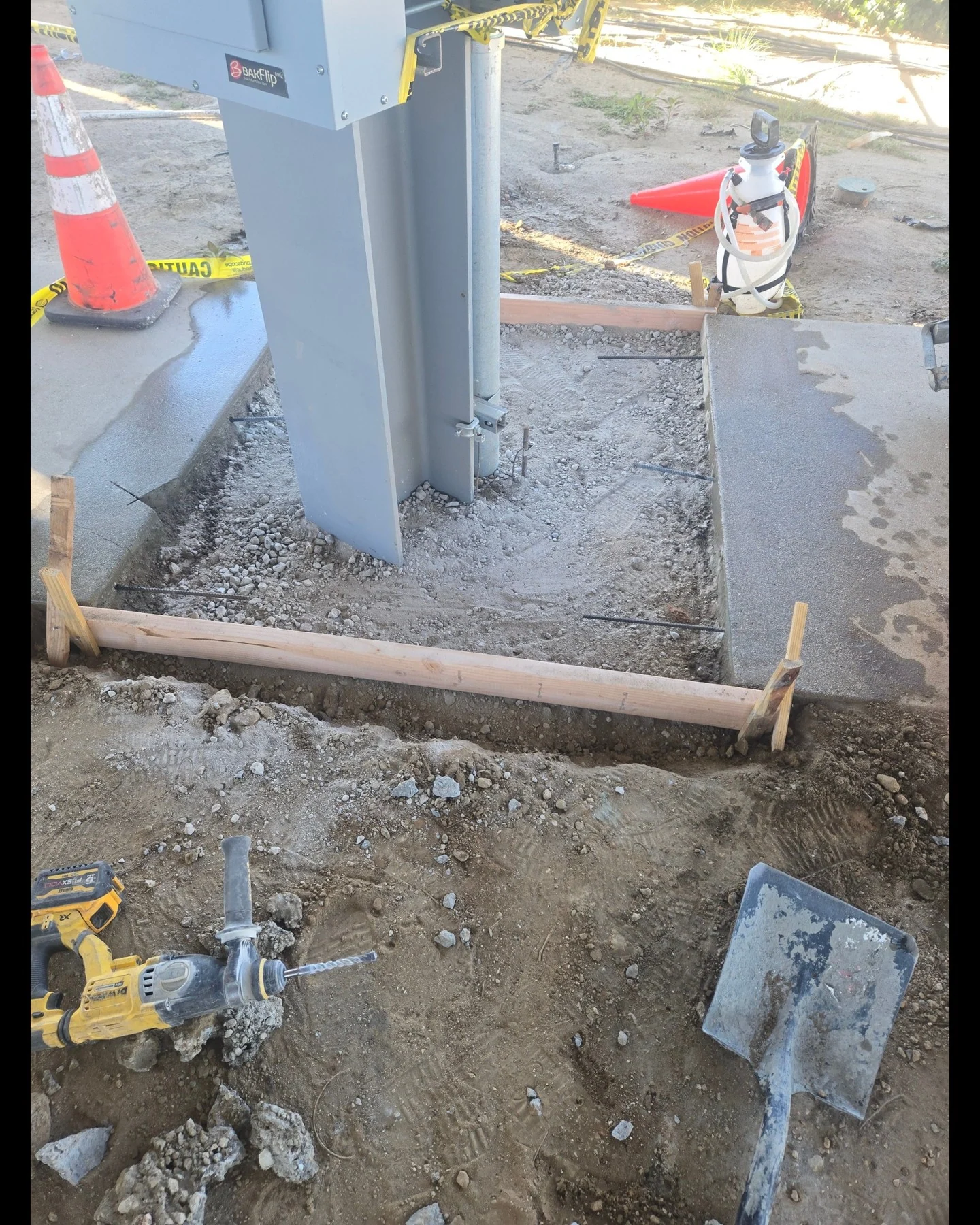
Access and staging
Dense lots mean narrow driveways, alley access, parked cars and nowhere to put a truck. Getting concrete to the pour is often harder than the pour, and it gets planned first.
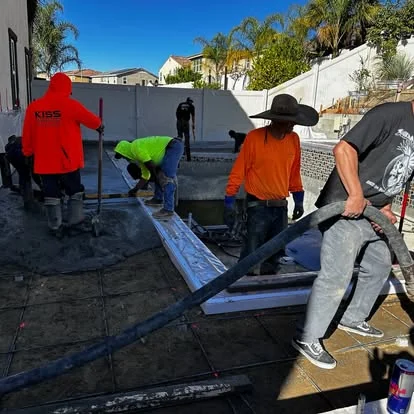
Pours scheduled to the heat
In summer we start early and keep the mix and the crew ahead of the temperature. Concrete does not wait for anybody.
Joints planned on paper
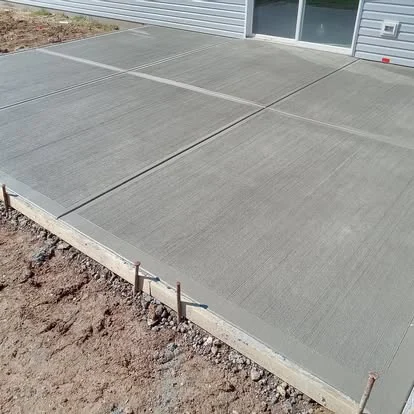
Joint layout gets worked out before the pour, spaced to the thickness and placed where the slab wants to move anyway. Then it gets cut at the right time.
Water routed off the slab
Slopes, low points and a path for water to leave are set before the pour, because afterward the drainage is permanent.
What we build in Ontario

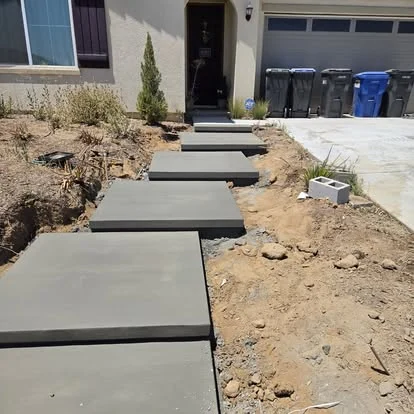
Concrete Walkways
Getting from the street to the door without a trip hazard.
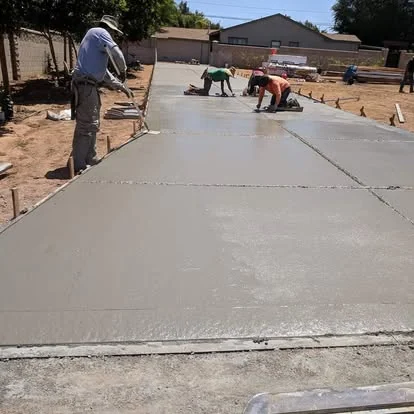
Concrete Sidewalks
Public-facing flatwork built to the spec the city will inspect.
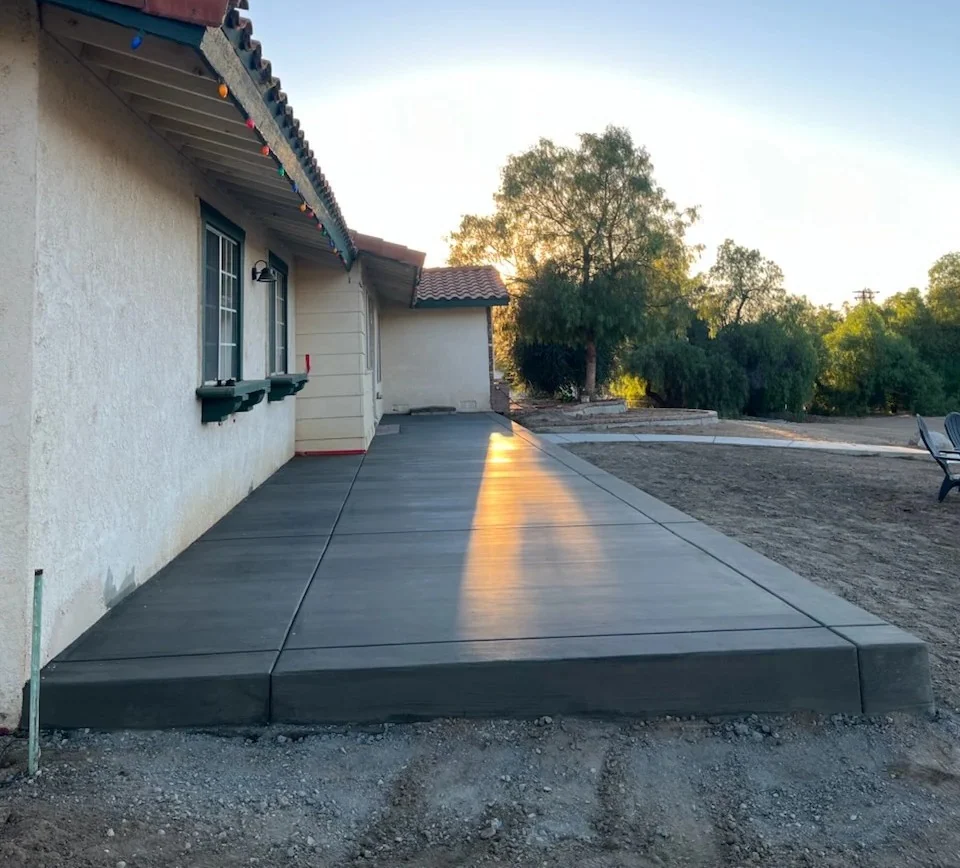
Concrete Sidewalk Repair
Lifted, cracked, or spalled panels made safe again.
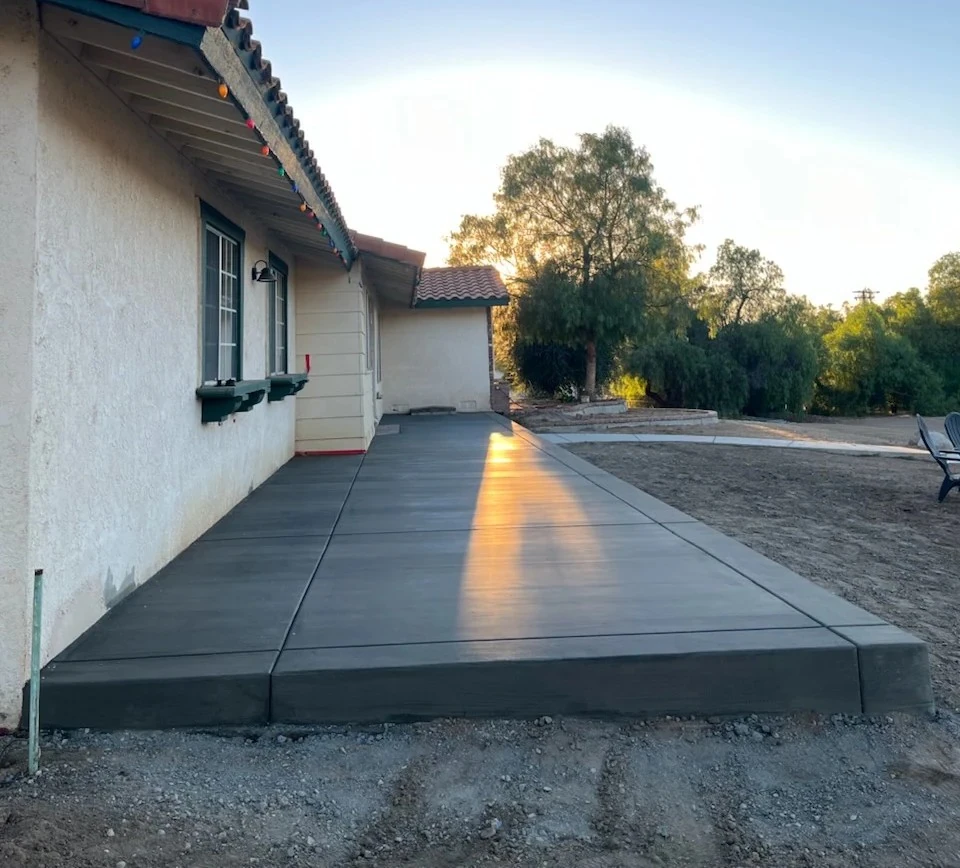
Concrete Sidewalk Replacement
Panel by panel, or the whole run.
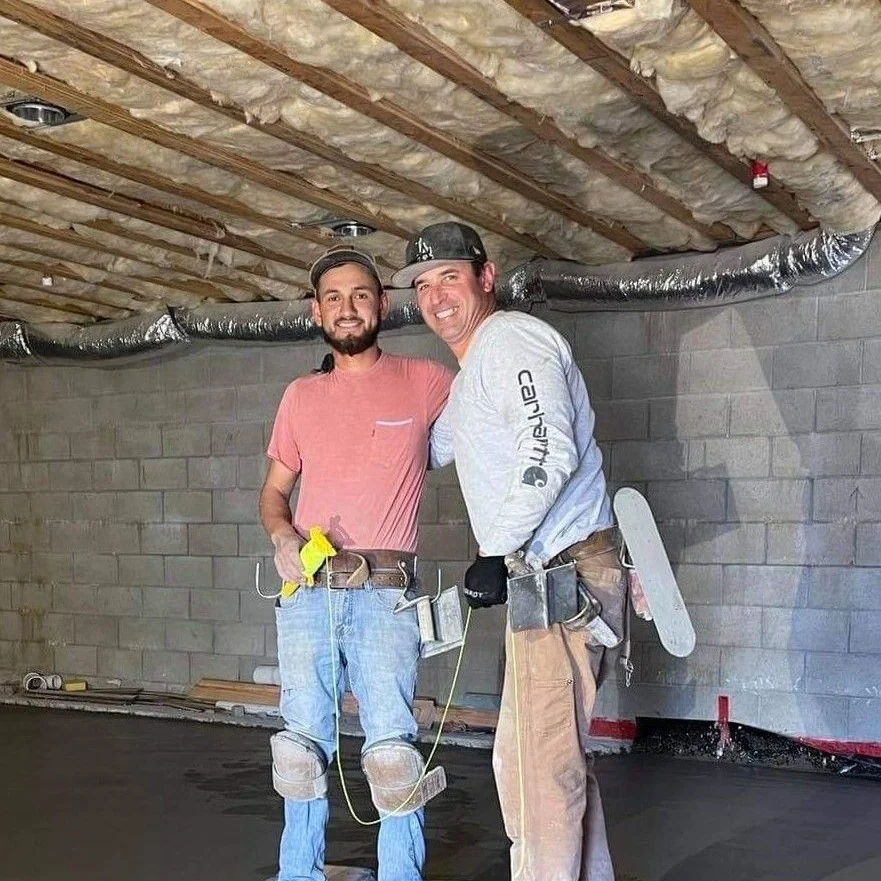
Concrete Steps
Rise and run the same on every step, which is the whole job.
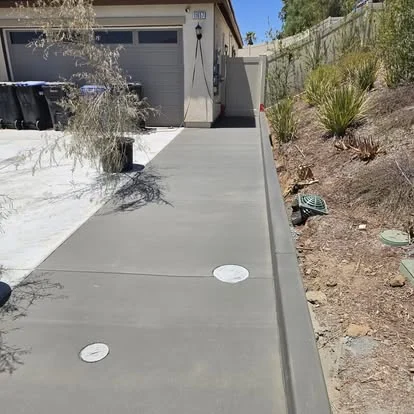
Concrete Stairs
A formed flight that carries load and holds its geometry.
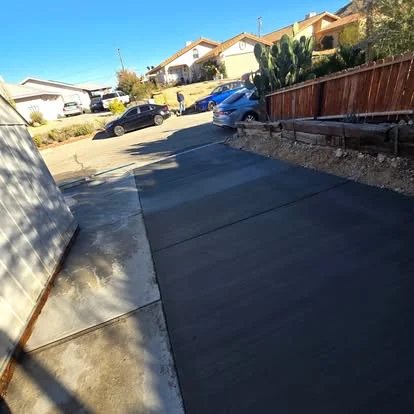
Concrete Leveling
Lifting a slab back to where it started.
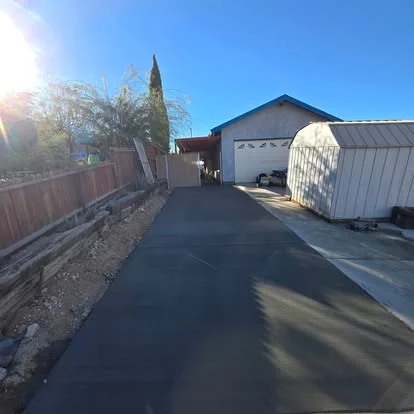
Concrete Grinding
Taking down high spots and trip lips.
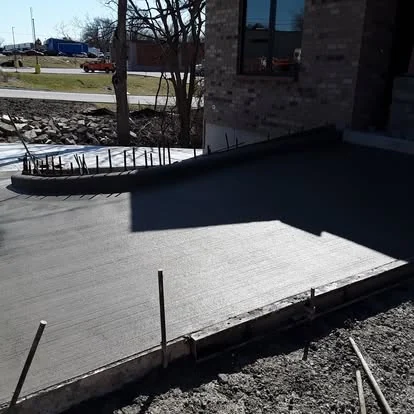
Concrete Sealing
Keeping water out of the pores.
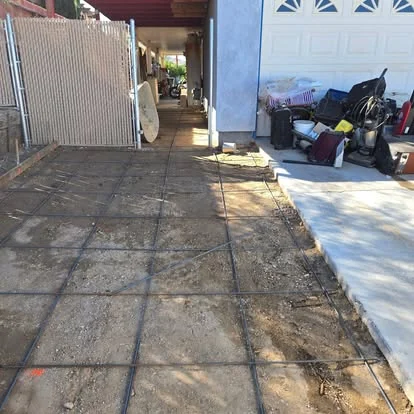
Concrete Curbs
Extruded or formed, straight and true.
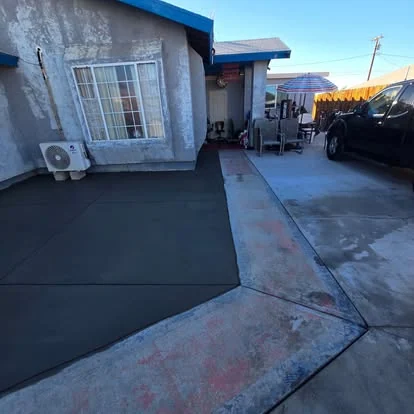
Concrete Gutters
Moving water where the grade will not.
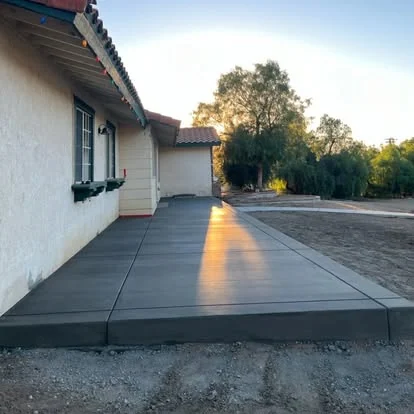
ADA Concrete Ramps
Built to the slope the tape measure will confirm.
Pouring concrete around Ontario
Permits and the right of way
Work in the public right of way, anything structural, and most full replacements need permits and inspection. We would rather have that conversation before anything is broken out than discover it when an inspector arrives.
Matching a run that stays
Replacing part of a walk or drive means matching thickness, finish and joint pattern to what remains, so the result reads as one surface rather than a patch. Color takes time to blend as concrete ages and we will be straight about that up front.
Street trees and roots
Mature trees lift sidewalks and driveways, and they will lift a new slab too unless the root is dealt with. Sometimes that means root pruning, sometimes rerouting the walk, sometimes a thicker slab with a root barrier. Replacing without addressing it just resets the clock.
Access and staging
Dense lots mean narrow drives, alley access, parked cars and nowhere obvious to put a truck. Getting concrete to the pour is often harder than the pour itself, so access is worked out before the date is set, including whether the job needs a pump.
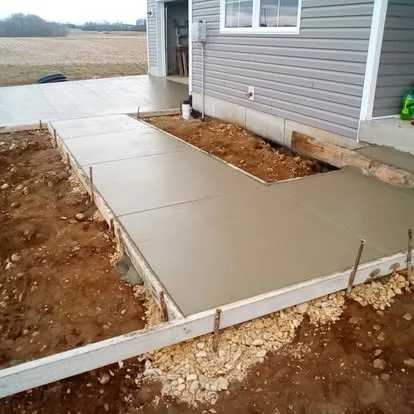
Concrete work around Ontario
Flatwork, foundations and repair across Ontario and the rest of San Bernardino County, poured by the same crew that answers the phone.
How concrete fails, and why
Cracking that follows no joint
When a slab cracks in a line nobody cut, it is almost always telling you about restraint or about the ground. A slab poured tight against a footing cannot shrink, so it tears instead. A slab over a soft spot bends until it breaks. Neither is a concrete defect.
Spalling and surface loss
Flaking down to the aggregate is the top layer letting go. The usual causes are water working in and out, chloride from de-icing or fertiliser, and a surface that got sealed too early during finishing so bleed water was trapped under it.
Panels at different heights
A lip at a joint means one side moved. Sometimes that is a root, sometimes erosion under the slab, sometimes a void left by poor compaction. Grinding the lip removes the trip hazard and does nothing about the cause.
Standing water
Water that sits is a grading problem that got set in concrete. It accelerates every other failure mode, because water is what carries chloride in and what freezes in the pores.
How a job runs
Getting a number
We walk the job, measure, and quote what it needs. No number goes out on a photograph and nothing gets quoted thin to win it.
How long it takes
Most residential flatwork is a few days from demolition to pour, plus curing. Structural work runs longer because of inspections.
Pouring new concrete on ground that already failed once buys you the same crack.On replacement
Who is on site
The same crew that forms it pours it and finishes it. There is no handoff where the details get lost.
Afterwards
Sealing, joint maintenance, and keeping water off it are the things that decide whether you get twenty years or forty.
Around Ontario
Straight answers
How loud and disruptive is it?
Saw cutting and breaking concrete is loud and it is usually the first day. We will tell you which days those are so you can plan around them.
What about utilities under the slab?
Anything cut or dug starts with locating, because older urban lots have services in places no drawing records.
How long before I can park on it?
Foot traffic a day or two, vehicles longer. You get the real number for your pour.
My sidewalk is lifted by a tree root. What are the options?
Grinding the lip removes the trip hazard; cutting and repouring the panel fixes the surface. Neither lasts unless the root is addressed, which can mean pruning, a root barrier or rerouting the walk.
Do I need a permit for a replacement?
Work in the public right of way and anything structural generally does; a like-for-like private replacement often does not. We check before anything is broken out.
Get a number for your Ontario job
Tell us what you are building. Somebody comes out, reads the site, and prices what it actually needs rather than what fits a template.