

Equipment Pads
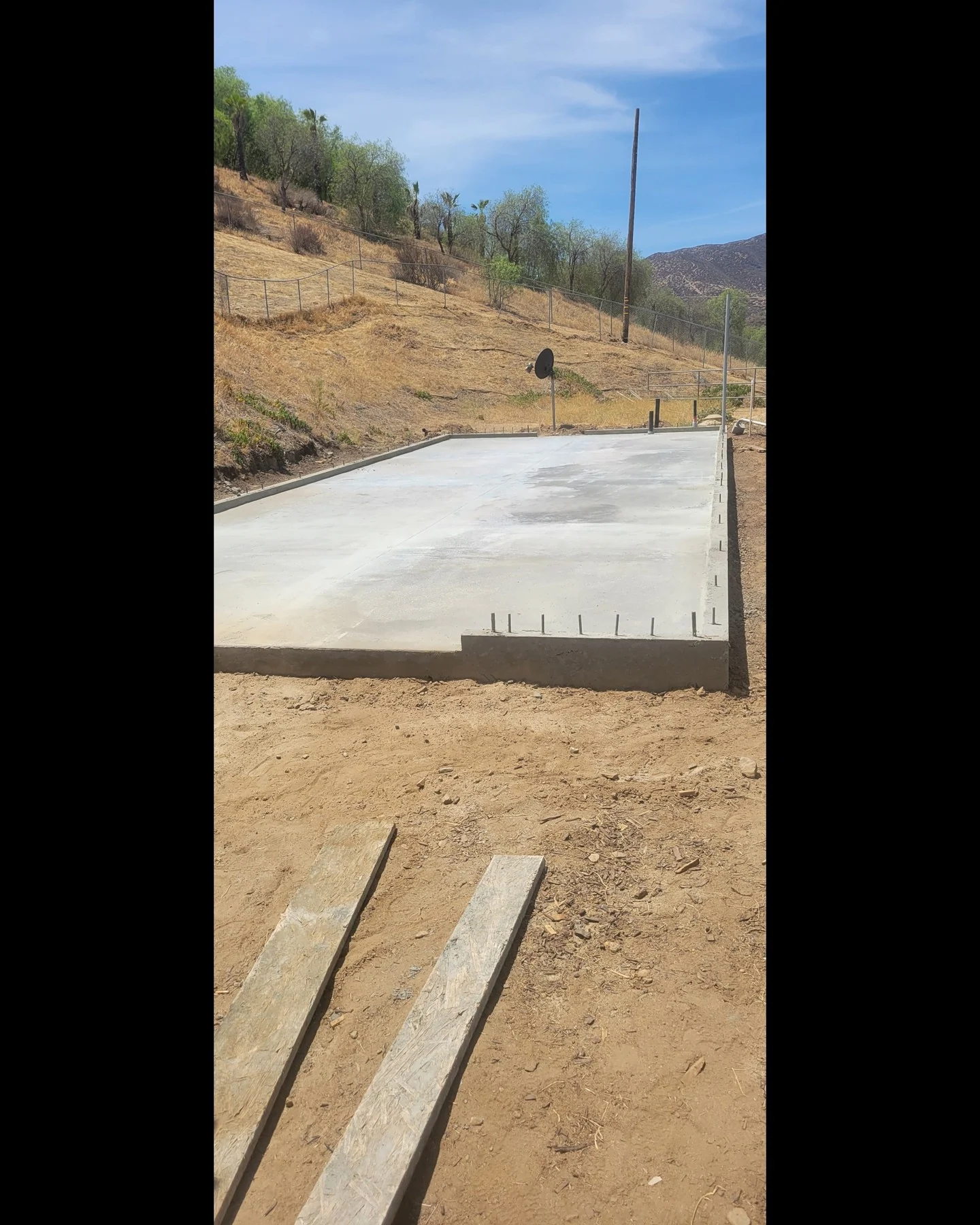
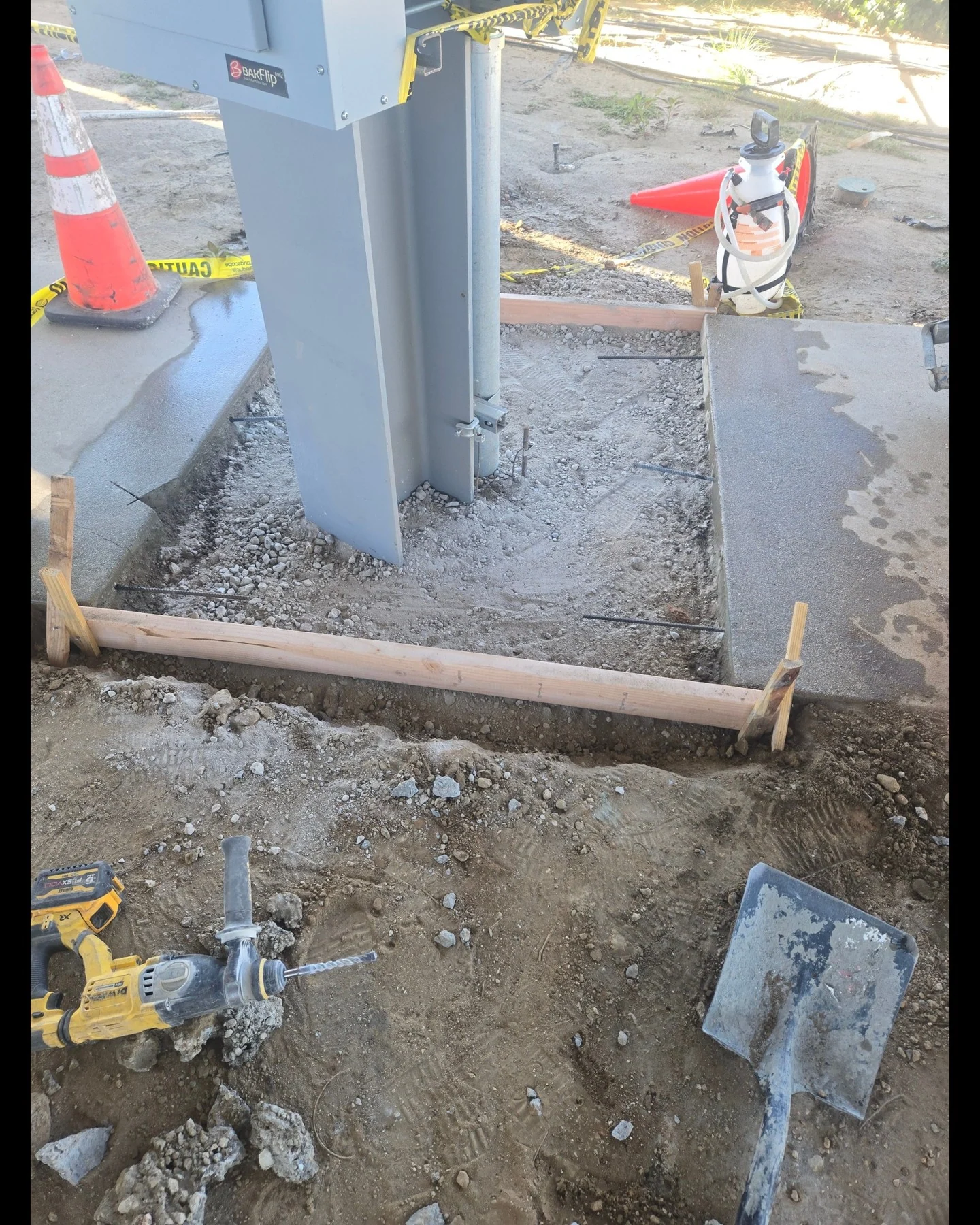
Equipment pads are about flatness, anchor placement, and sometimes vibration. We set anchor bolts to a template while the concrete is wet rather than drilling and hoping afterward.
Talk to us about the job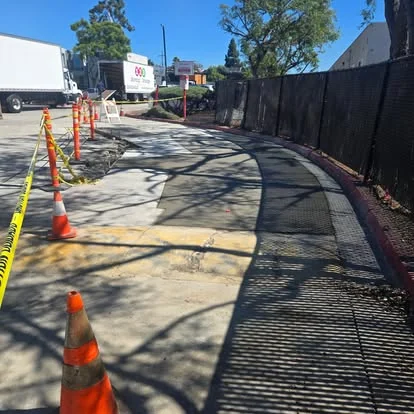
How the job runs
Come and see it
We look at the actual site before talking money. What the ground does, where water runs, how the truck gets in, and what the old concrete is telling us.
Give you the real scope
A straight answer about what is needed. Sometimes that is less work than you were braced for.
Build from the bottom
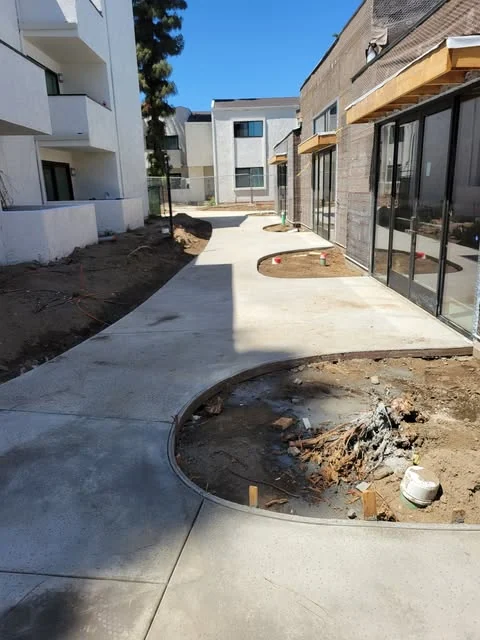
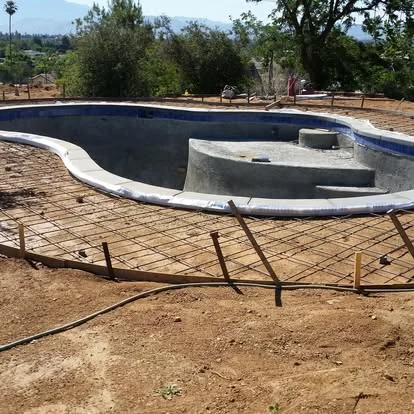
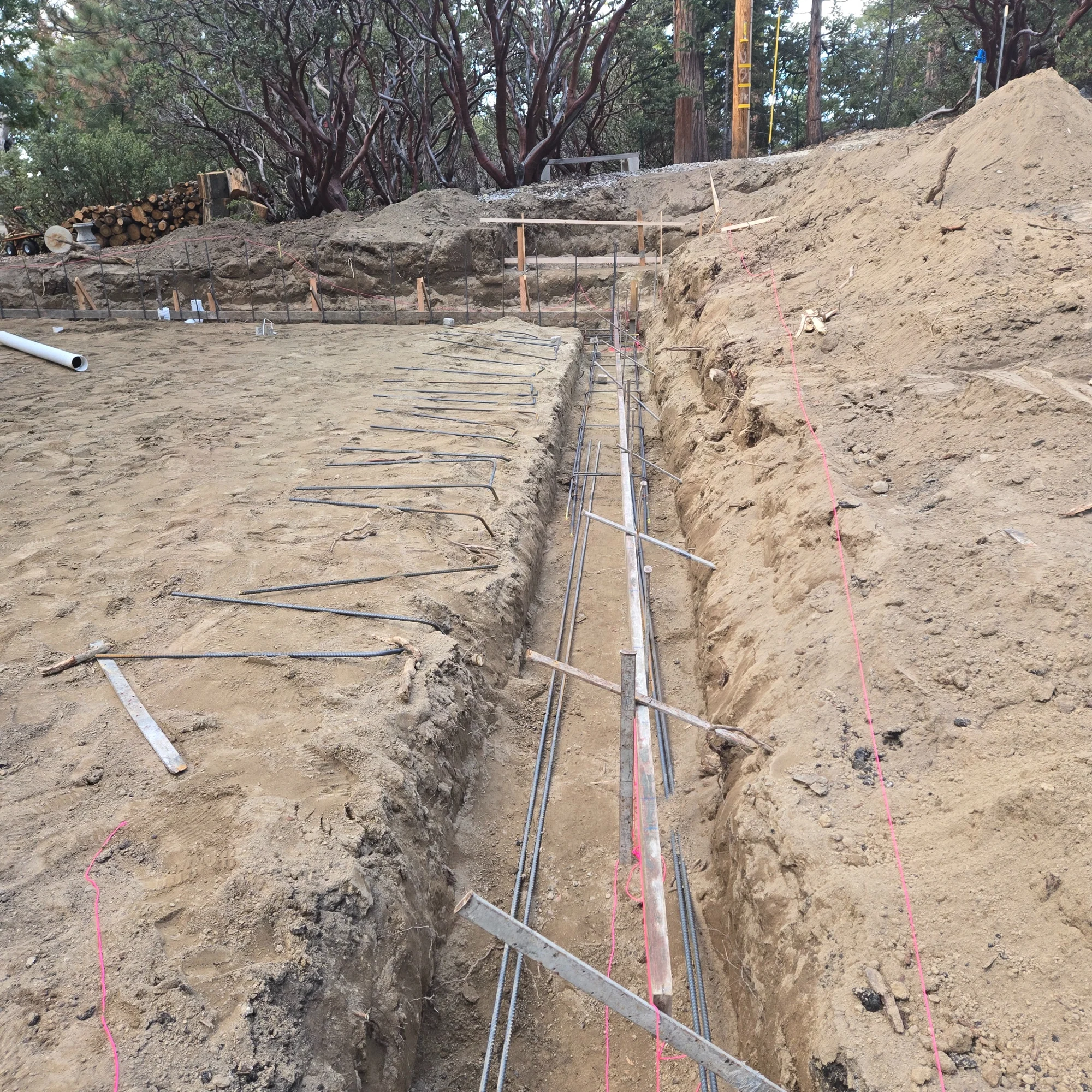
Grade, material, lifts, compaction. The slab is the visible half of a job that is mostly earthwork.
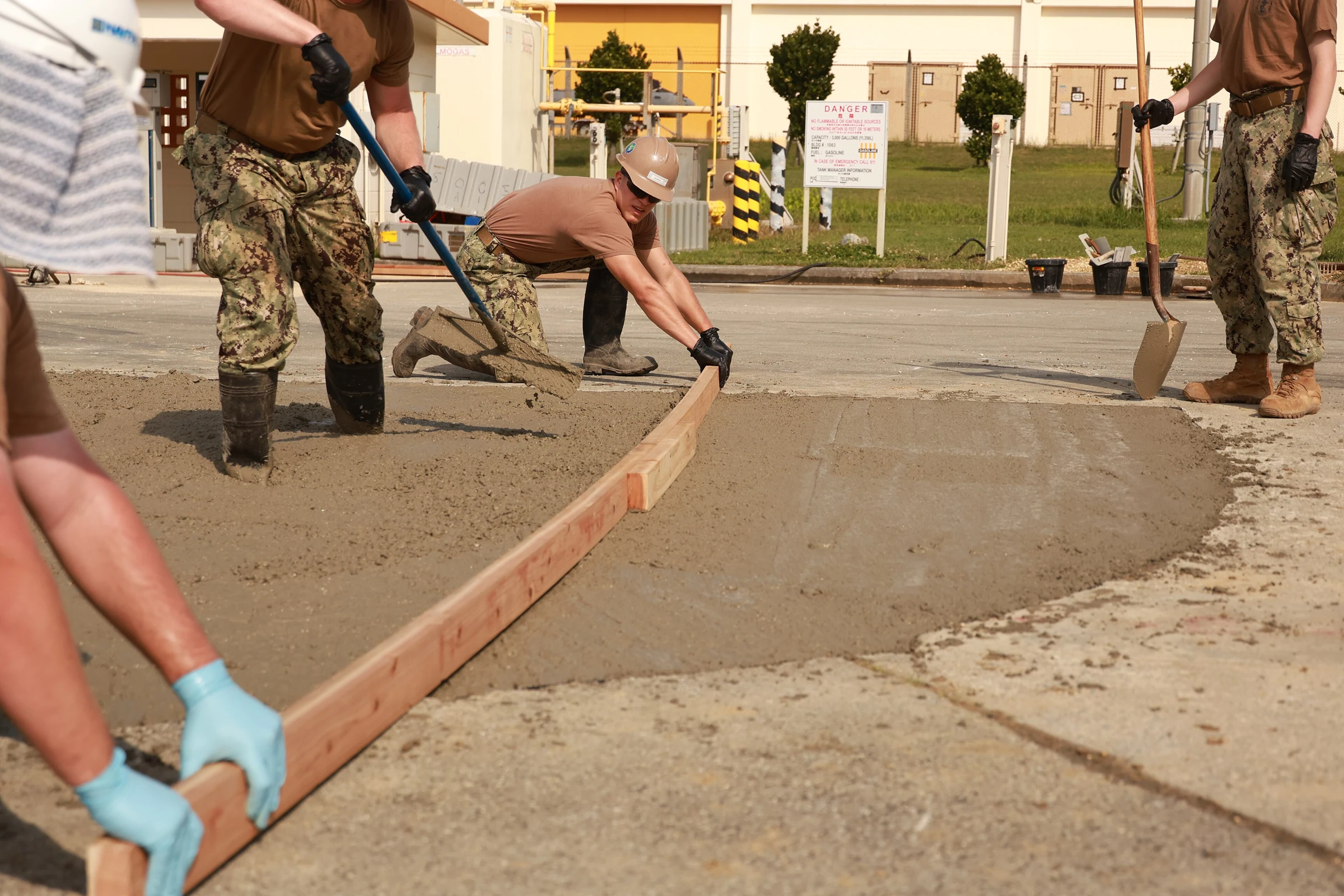
Form it and pour it
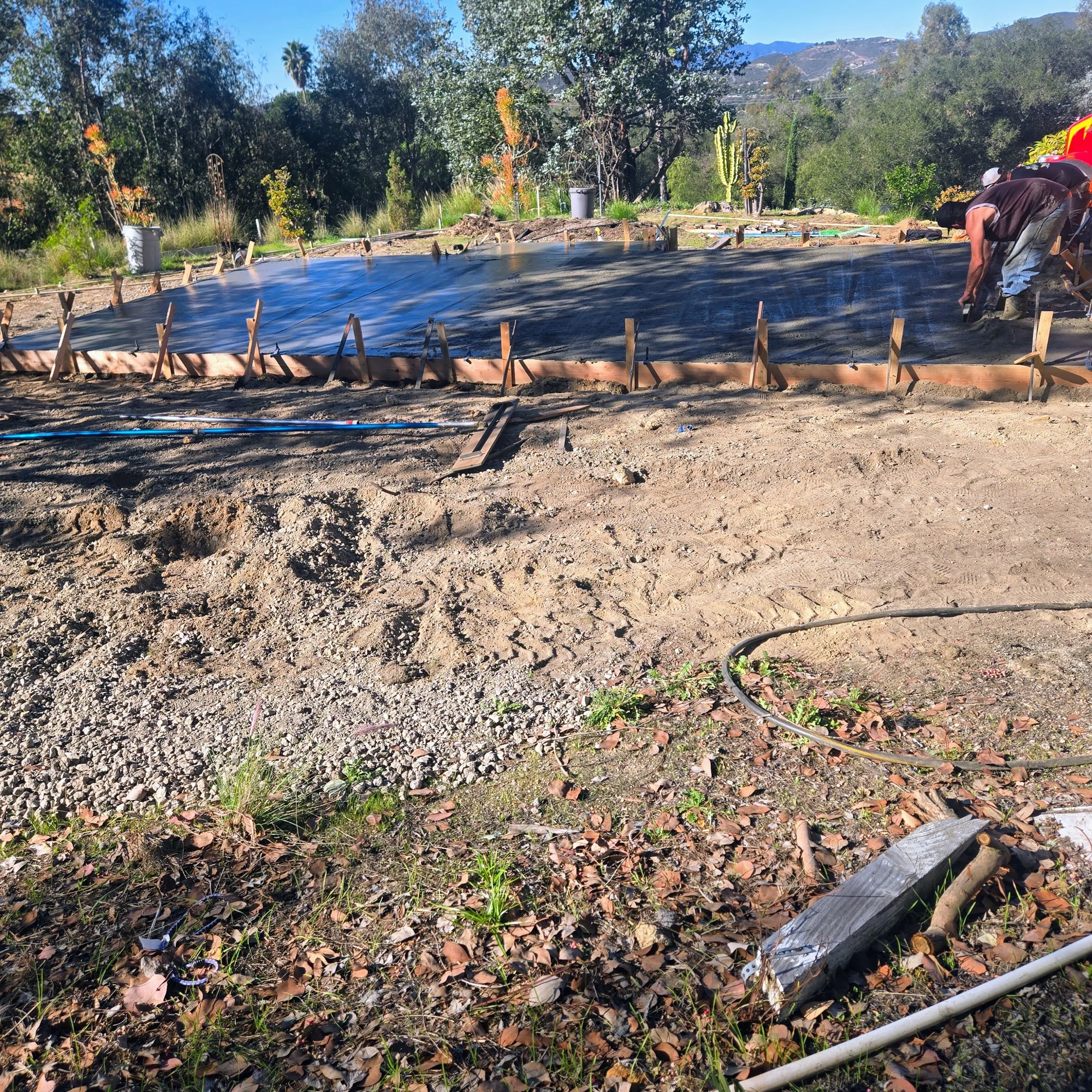
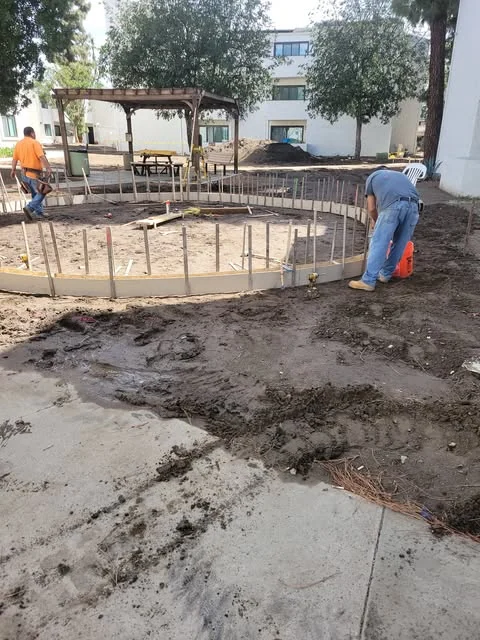
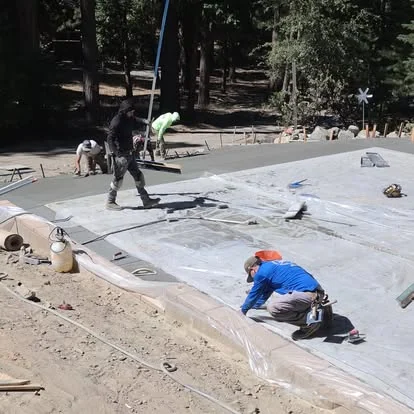
Forms braced properly, steel at the right height with real cover, and a pour that gets consolidated rather than just placed.
What this job actually needs
Built to the specification
Commercial work answers to drawings: mix design, steel placement, joint layout, flatness and levelness tolerances. Those get built to and documented, because on a commercial job what was built has to be provable afterward.
Load zones
A commercial site is rarely one slab. Car areas, drive aisles, truck routes, dock aprons and equipment pads carry different loads and get different thickness and reinforcement. Pouring it all to one spec is why entrances fail first.
Working around operations
Phasing, scheduling and coordination with whoever runs the site are usually harder than the concrete. The sequence gets written down before anything is broken out so the business keeps running.
Joints and long term maintenance
On commercial flatwork the joints fail before the concrete does, and open joints let water into the base. Joint sealing is the cheapest maintenance available and the most commonly skipped.
What decides whether it lasts
Concrete is judged on the surface and it fails from underneath. The base, the steel, the joints and the cure are the whole job. A slab that was poured on bad ground will tell you so, usually in the third or fourth year.
Why fourth generation matters here
32 years on the tools means most of these problems have already been seen once. Reading a slab before quoting it is the part you cannot learn from a book, and it is the difference between a repair that holds and one that comes back.
What Southern California ground does to equipment pads
What lasts here
A properly based, properly jointed slab with reinforcement sized to the load will outlast the house it sits beside. The variables that decide it are all underneath and all invisible once the pour is done, which is exactly why they get cut on cheap jobs.
Older flatwork around here
A lot of valley concrete was poured thin, with light reinforcement, on a base that was never properly compacted. When it fails it is usually reporting on the ground rather than on the mix, and that is the difference between a repair that holds and one that comes back in a year.
Summer pours
Triple digit afternoons change how concrete behaves. It stiffens before it can be finished properly, the surface skins over while the body underneath is still soft, and water leaves the slab faster than the cement can use it. Valley pours start early, the mix gets adjusted for the heat, and curing is treated as an active step instead of something that happens on its own.
Drainage on a flat lot
Valley lots are often close to level, which makes slope hard to find and easy to get wrong. Low points, cross-fall and where water actually leaves the property get worked out before the pour, because once the concrete is down the drainage is permanent.
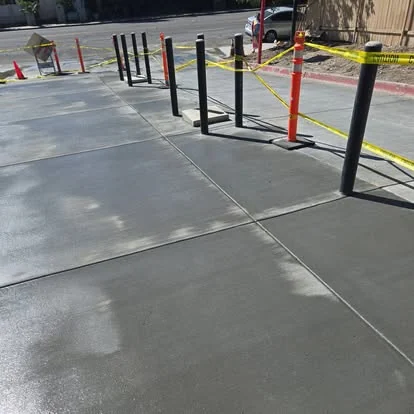

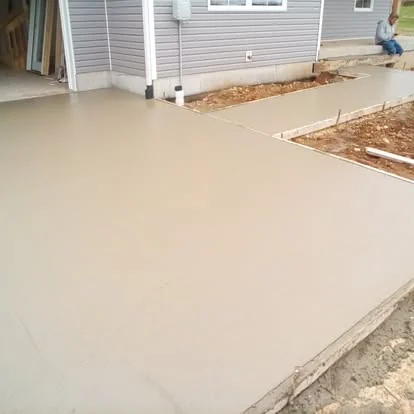
How concrete fails, and why
Failure at a cold joint
Where one pour met another and was not detailed, the two never bonded and the line opens. Planned cold joints are fine; accidental ones are a leak path and a crack.
Curling at the edges
Slab edges lifting off the base happens when the top dries faster than the bottom. It shows as a hollow sound near joints and it is a curing and moisture-gradient issue.
Scaling in freeze zones
Surface peeling in sheets, common at elevation and in the high desert, is freeze damage in concrete that was not air entrained or was sealed too late.
Blisters
Raised bubbles under a finished surface mean the top was closed while air or water was still coming up. They break under traffic and leave holes.
How a job runs
The walkthrough
Somebody comes out and looks. That visit decides the scope, and it is also when you should ask everything, because the answers get cheaper before the concrete is ordered.
What you decide
Finish, color, joint layout and edge detail are choices. We will make recommendations based on where the slab is and what it has to do.
Once the slab is down, the drainage is permanent.On grading
What we decide
Thickness, base, steel and mix come off the load and the soil. Those are not preference items and we will not build them thin to win a job.
Handover
You get told how to look after it: when to seal, what not to put on it, and what normal looks like in the first year.
Other commercial work

Commercial Concrete Flatwork
Flatwork built to a plan set and an inspection.
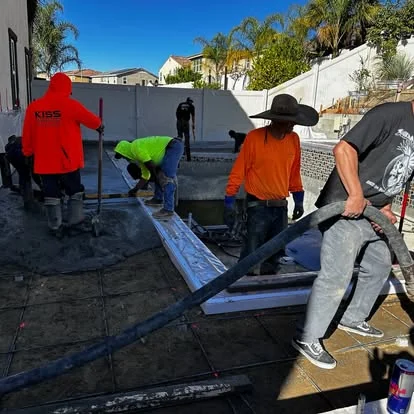
Commercial Concrete Slabs
Slabs sized for racking, equipment, and forklifts.
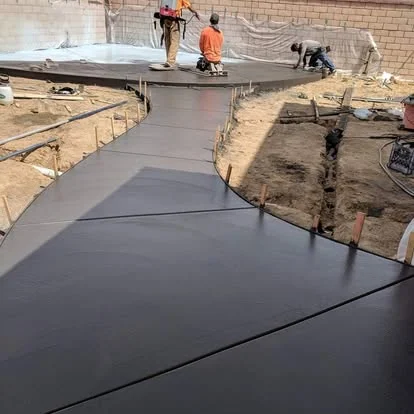
Commercial Concrete Foundations
Footings and stem walls under a commercial structure.
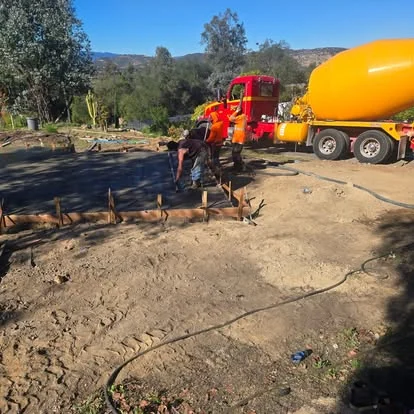
Commercial Sidewalks
Walks that carry public traffic and public liability.
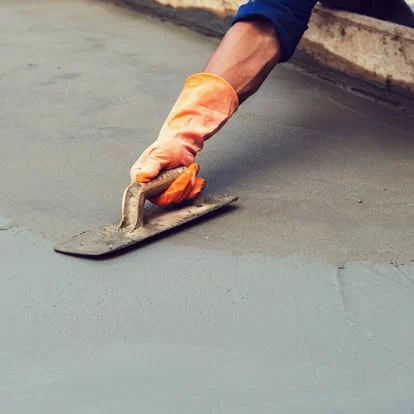
Commercial Patios
Restaurant and retail patios built for daily traffic.
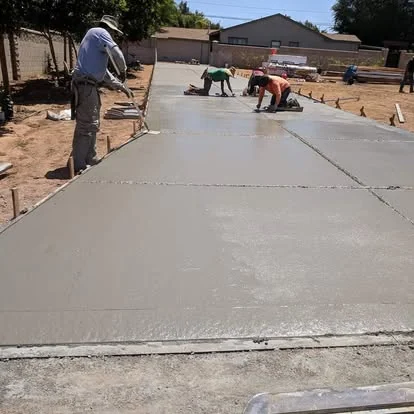
Concrete Parking Lots
Concrete instead of asphalt, for the life of it.
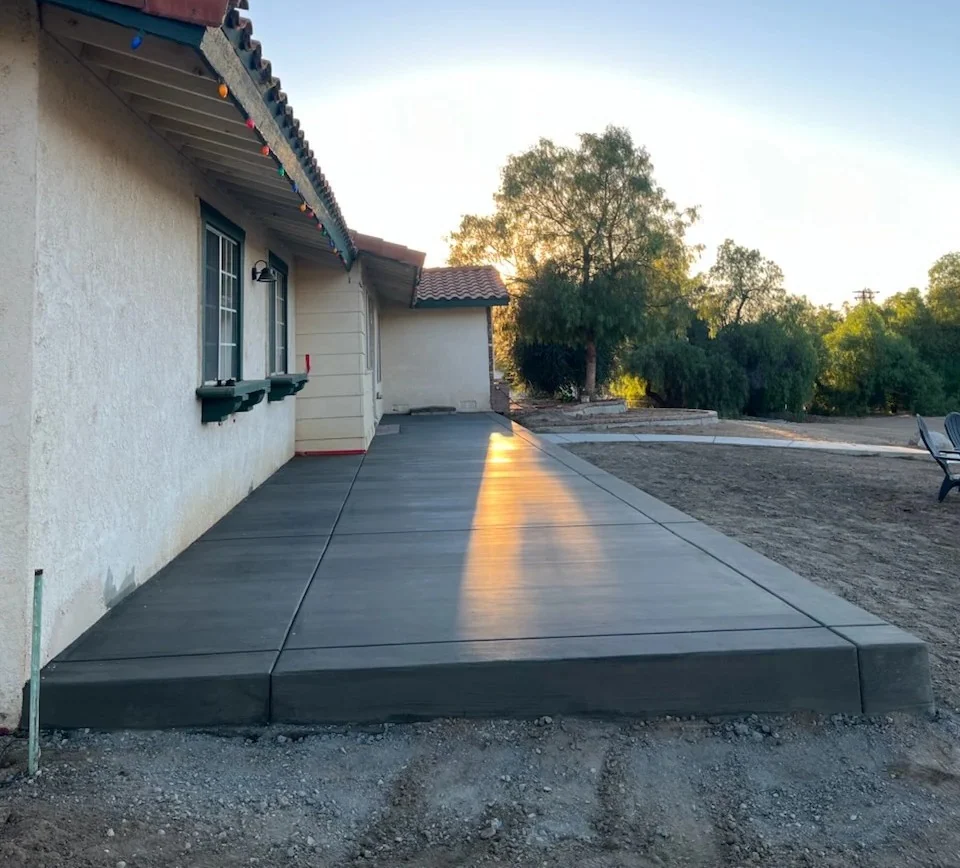
Concrete Parking Lot Repair
Failed panels replaced without closing the whole lot.
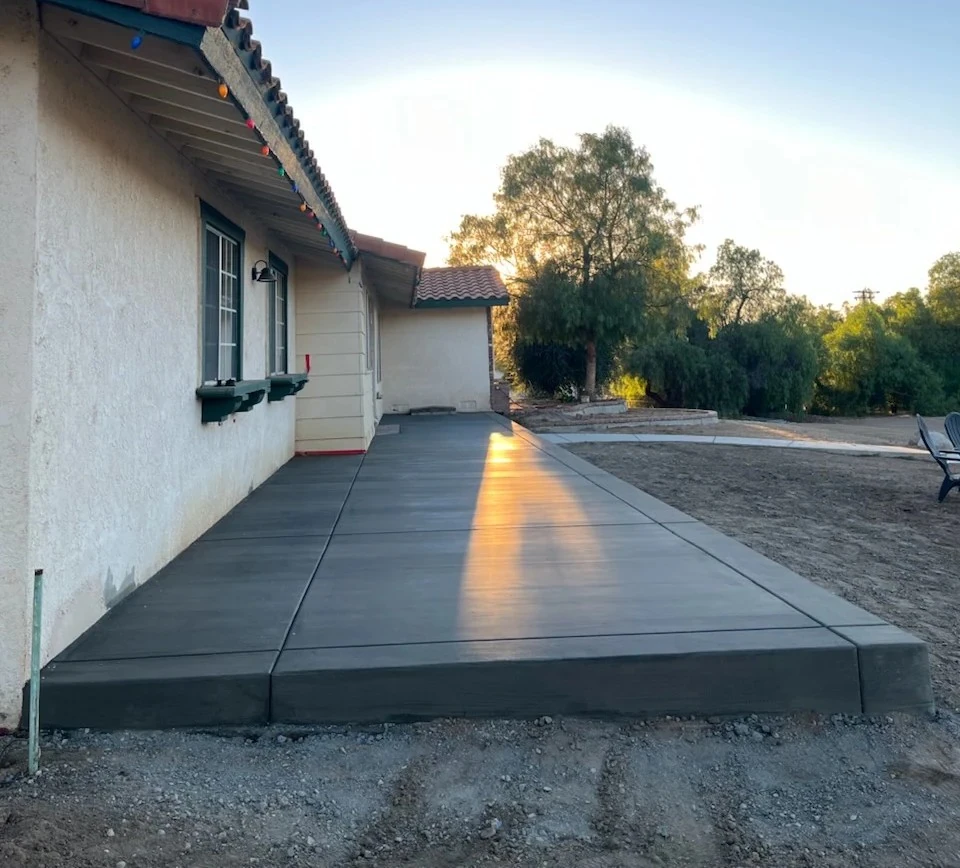
Concrete Parking Lot Replacement
A full lot rebuilt on a schedule that keeps you open.
Straight answers
Concrete or asphalt for a parking lot?
Concrete costs more going in and lasts decades longer, especially where trucks turn or stop. If the lot takes heavy vehicles in the same spots, concrete usually wins on the life of it.
Can you work around our operating hours?
Yes. Most commercial work gets phased so the business keeps running, with the sequence written into the schedule before anything gets broken out.
How do you handle inspections?
We schedule them into the sequence so the pour is not sitting waiting on a signature. Footings and steel get inspected before anything is covered.
Can you phase a large lot replacement?
Yes, by area, so you never lose the whole lot at once. Drainage usually gets corrected during the rebuild, because a lot that ponds was designed wrong once already.
Do you build to our engineer’s drawings?
That is the normal way commercial work happens. Mix design, steel placement, joint layout and tolerances come off the sheet, and we keep the documentation that proves what was built.
Tell us what the job is
We walk the job, tell you what it needs, and give you a number. Hemet and roughly 100 miles around it.