
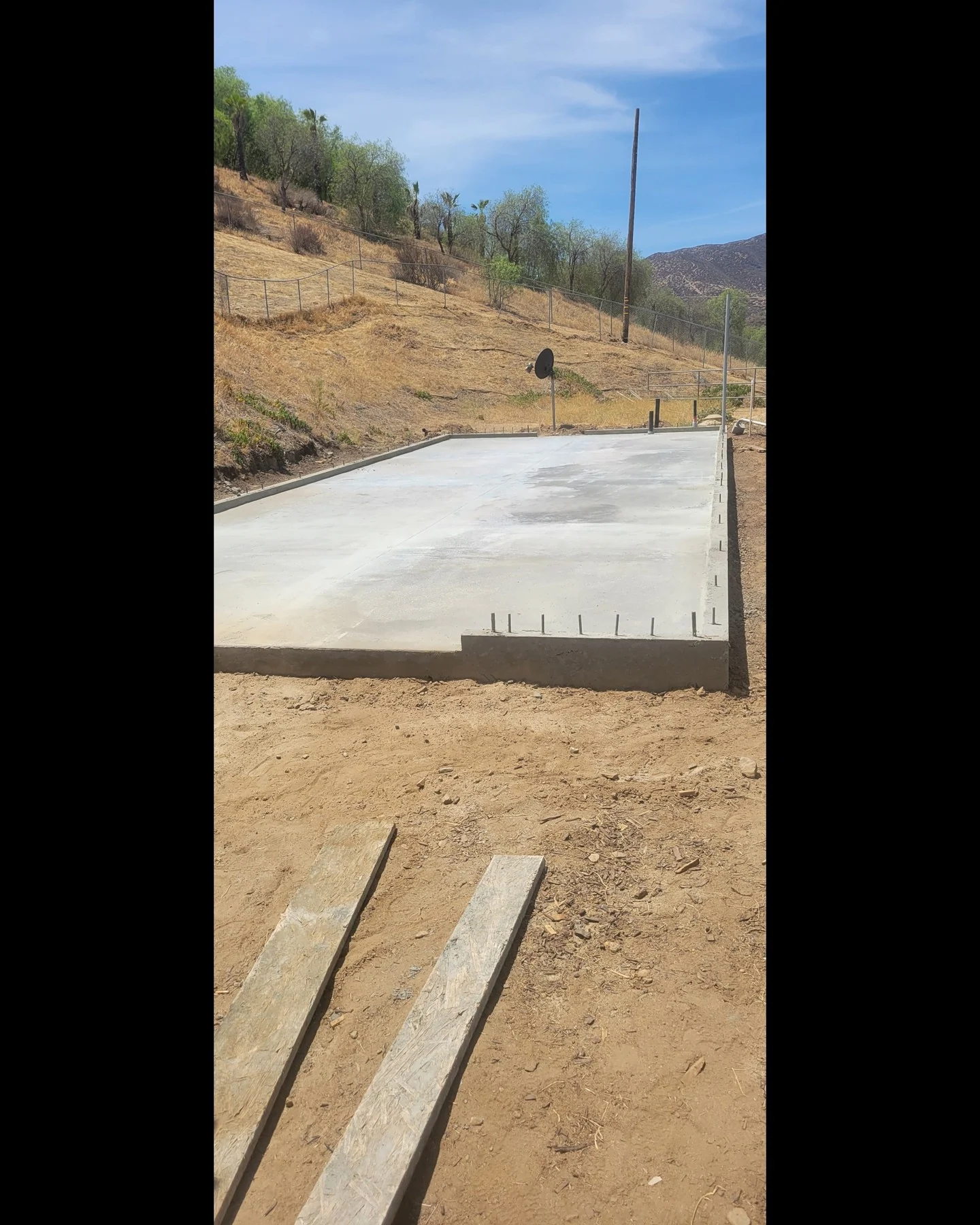
The crew San Marcos calls
Flatwork and structural concrete for homes and businesses around San Marcos. Fourth generation, California license 1137822.
Talk to us about the job

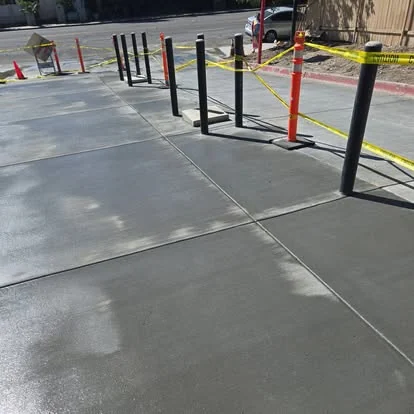
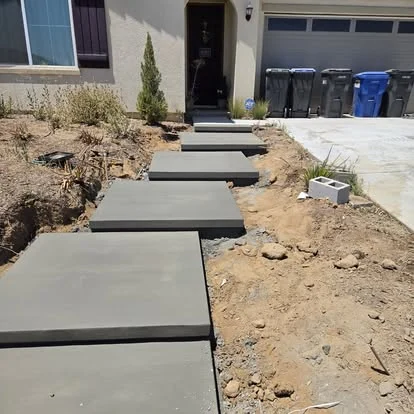
What concrete is up against around San Marcos
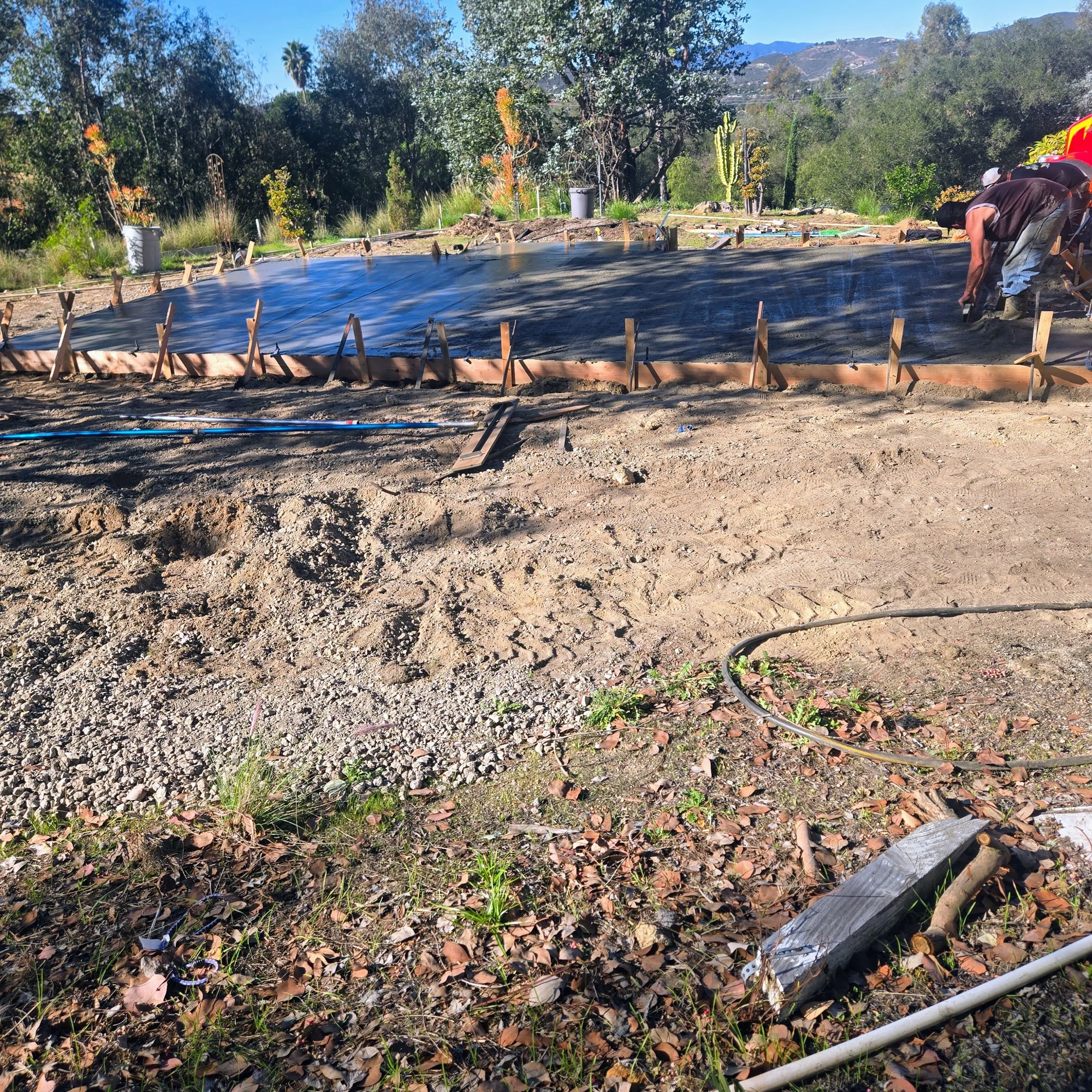
Sealing against chloride
Sealing on the coast is about keeping chloride out of the pores rather than keeping water from freezing. Different reason, same maintenance.
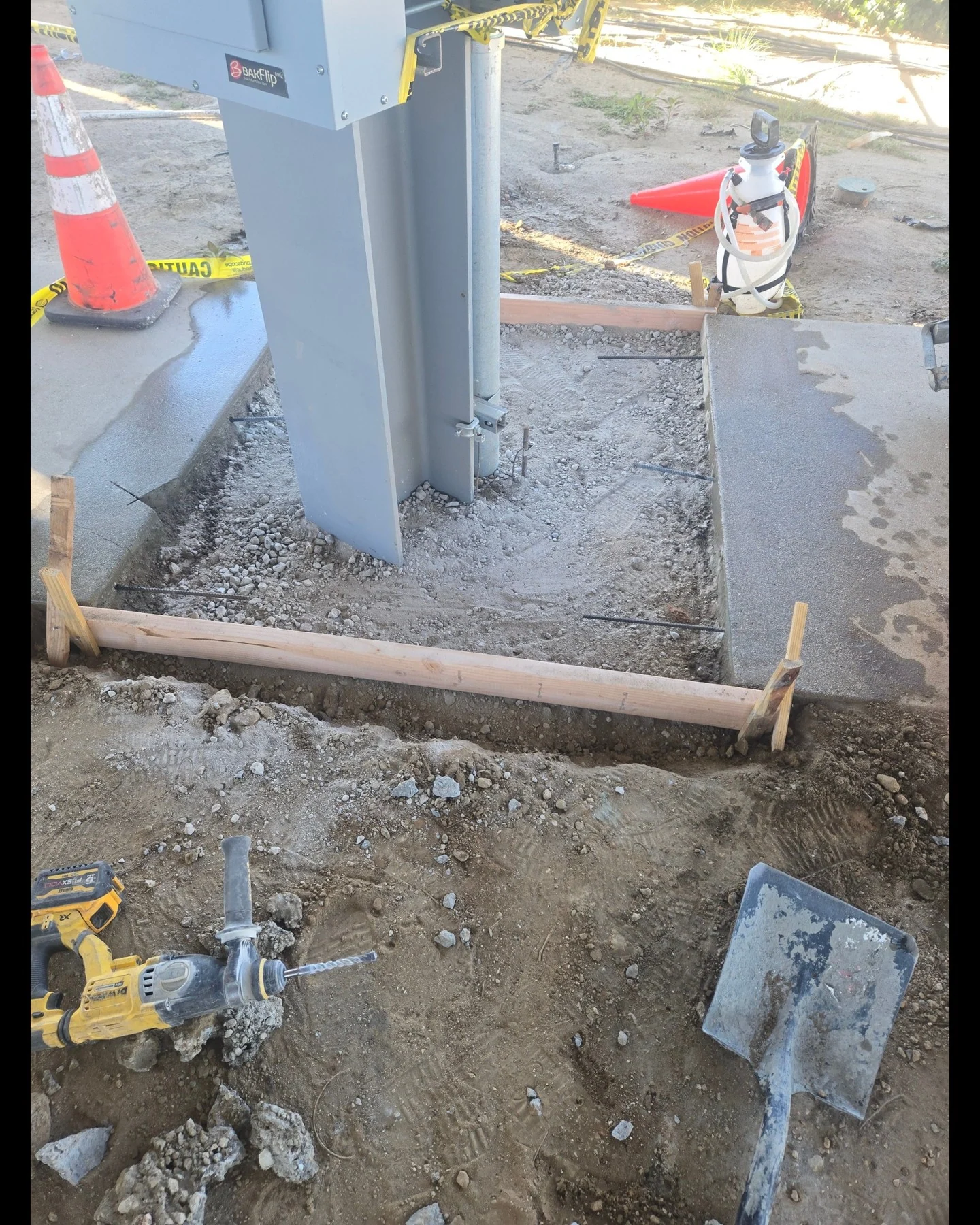
Wind off the water
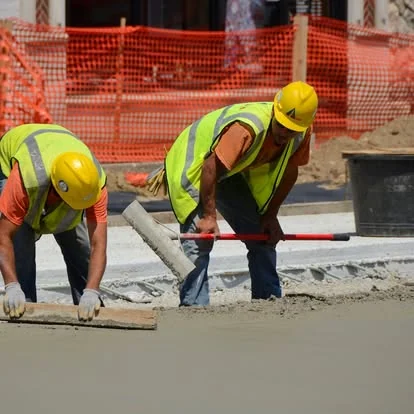
Onshore wind during a pour accelerates surface drying even when the air is humid. It gets managed the same way heat does.
Drainage on a flat lot
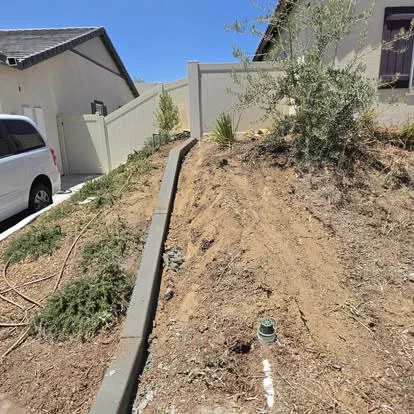
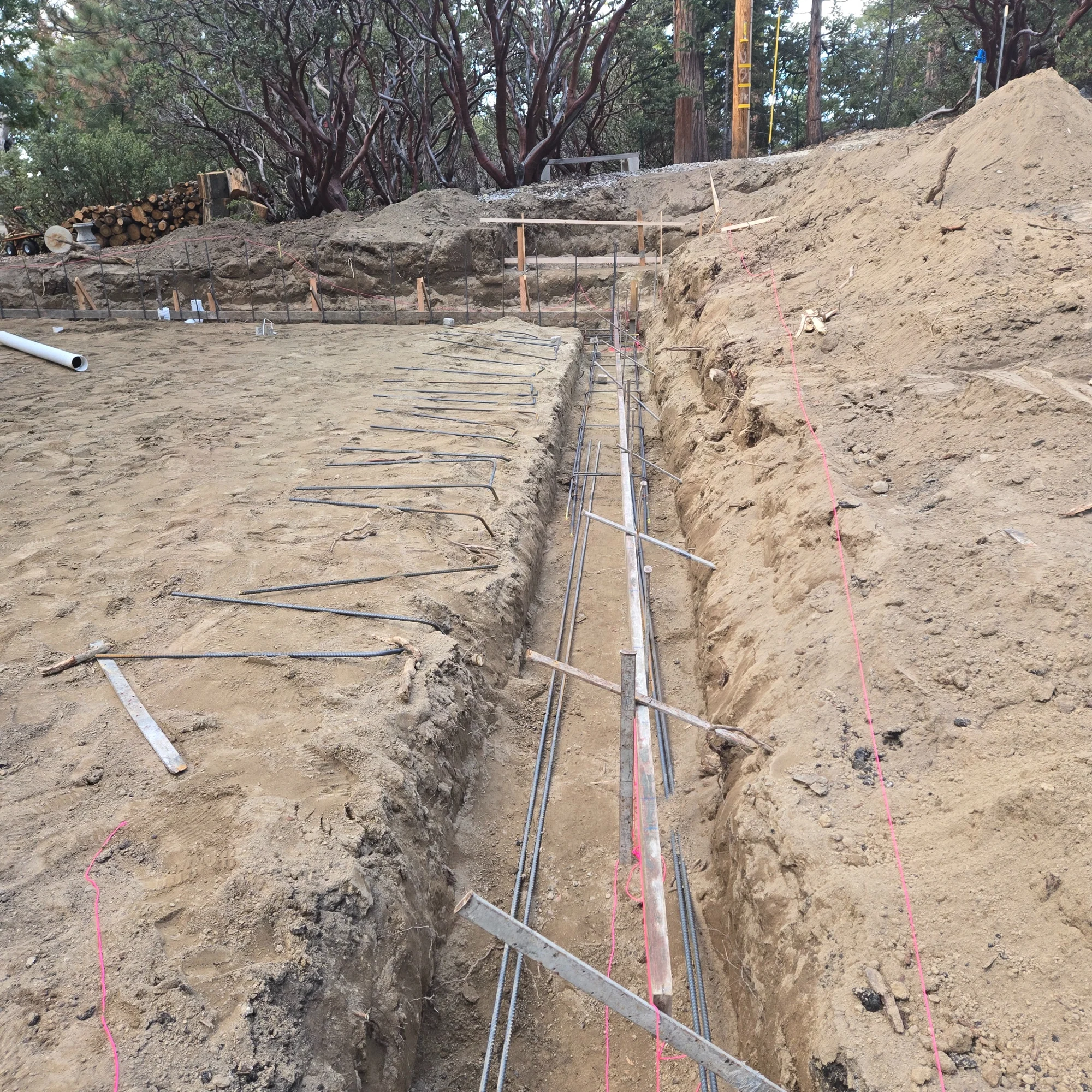
Flat coastal lots make slope hard to find. Low points, channels and a planned drainage path have to be designed in, because gravity is not going to volunteer.
Base first, always
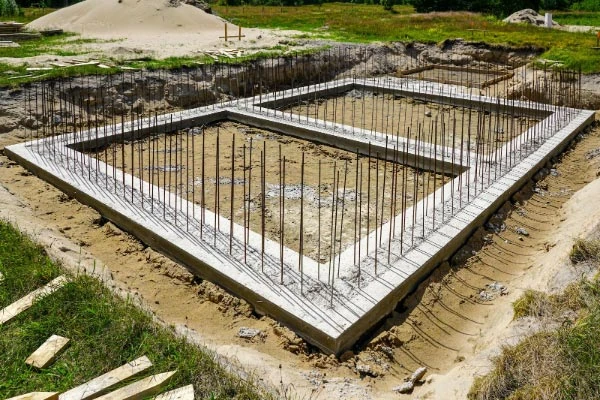
We cut to grade, fix the soft spots we find, and compact base in lifts before anything is formed. In expansive clay that step decides the whole outcome, so it is not where we save money.
Honest diagnosis before a number
We look at what failed and why before quoting. Sometimes the answer is a repair and sometimes it is a rebuild, and we will tell you which even when the smaller job is ours to lose.
Cleanup is part of the job
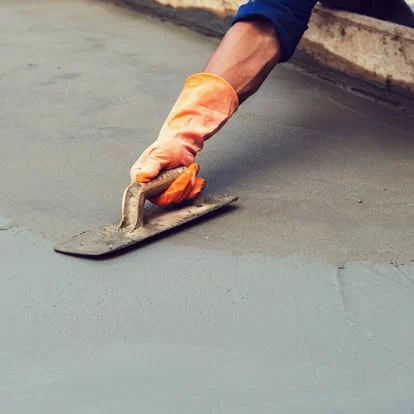
Washout handled properly, spoil hauled, surfaces cleaned. Concrete work is messy while it happens and should be invisible when it is done.
What we build in San Marcos
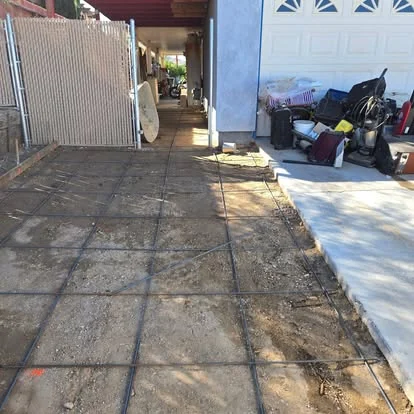
Outdoor Living Concrete
Kitchens, fire features, and seating built on concrete.
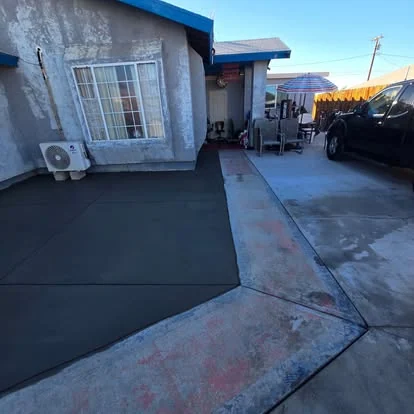
Concrete Driveways
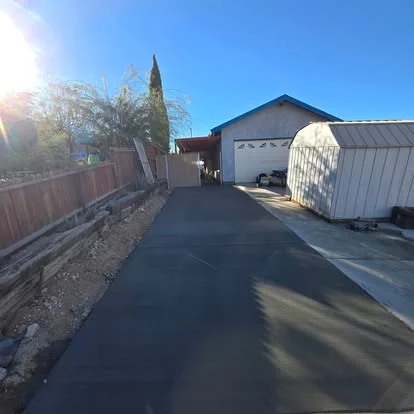
The slab that carries a car every day of its life.
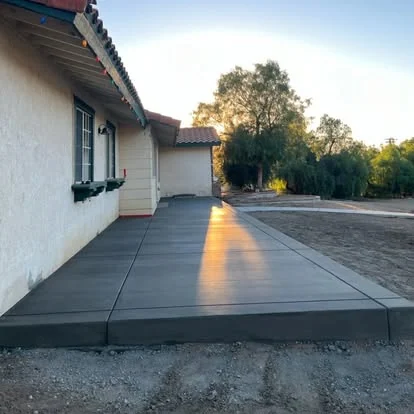
Concrete Driveway Replacement
Out to the dirt, rebuilt from the base up.
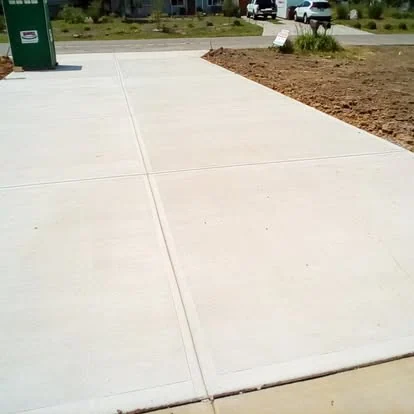
Concrete Driveway Repair
Fix what is broken and leave what is sound.
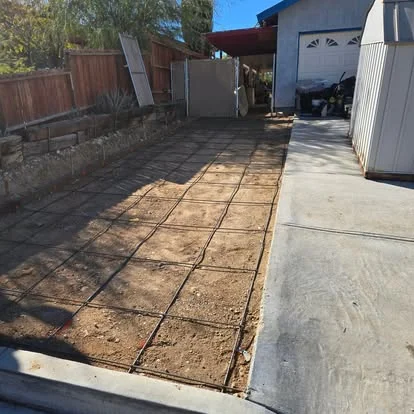
Concrete Patios
The outdoor room that starts as a flat pour.
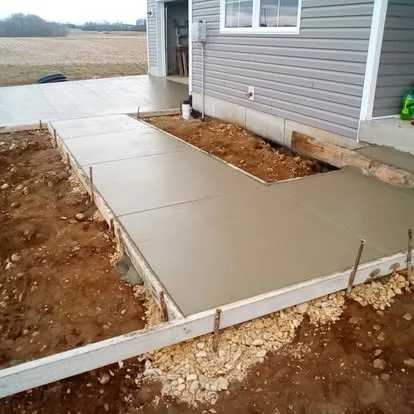
Concrete Patio Replacement
Take out the old slab, pour the one you actually wanted.
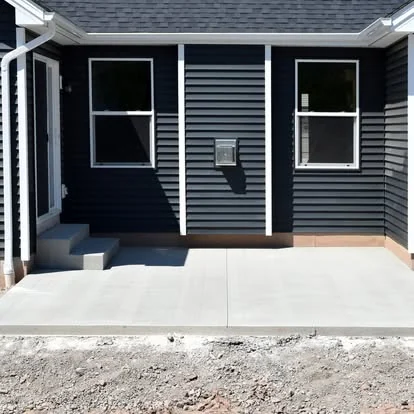
Concrete Sealing
Keeping water out of the pores.
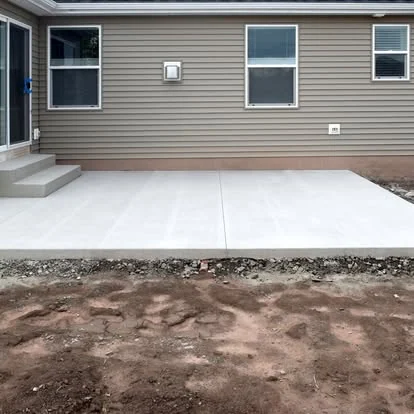
Concrete Replacement
Out with the old slab, in with one built right.
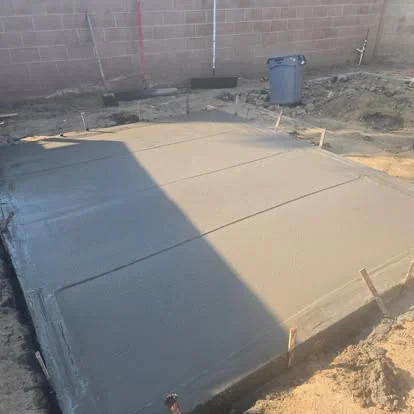
Concrete Removal
Break it out, haul it off, leave it clean.
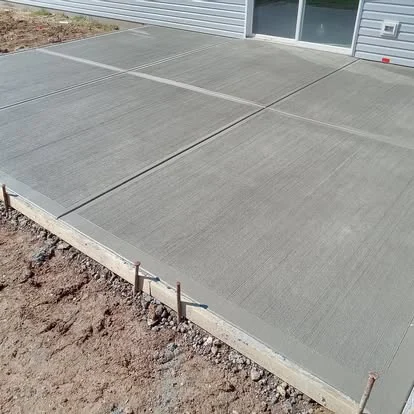
Commercial Concrete Slabs
Slabs sized for racking, equipment, and forklifts.
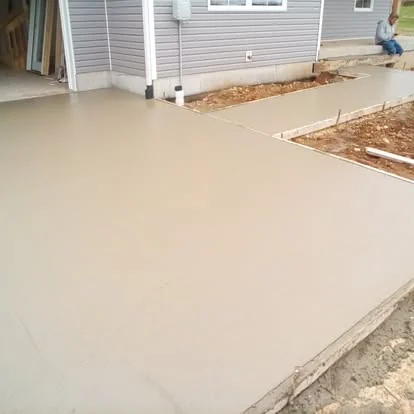
Commercial Concrete Foundations
Footings and stem walls under a commercial structure.
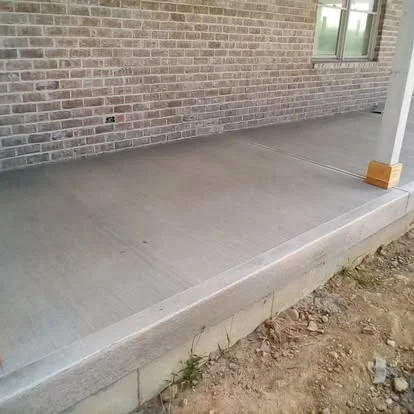
Commercial Sidewalks
Walks that carry public traffic and public liability.
Pouring concrete around San Marcos
Pool decks near the ocean
A coastal pool deck takes salt from the air as well as chlorine from the water, plus bare feet. Slip resistance and a surface that holds up under both is the specification, not an upgrade.
Sealing on the coast
Sealing here is about keeping chloride out of the pores rather than stopping water freezing in them. Different reason, same maintenance, and skipping it costs you the reinforcement eventually.
Salt air reaches the steel
Marine air carries chloride well inland, and chloride is what corrodes reinforcing steel inside concrete. Rusting steel expands and breaks the concrete off from the inside, which is why coastal flatwork often fails in straight lines that match the bar spacing. Concrete cover over the steel is the defense, and it is specified rather than guessed.
A milder climate with a slower problem
The coast does not deliver the inland heat or the mountain freezing. What it delivers is constant moisture and salt, which is a slower and more corrosive problem, and it shows up as edge spalling and rust staining on older slabs.
Concrete work around San Marcos
Flatwork, foundations and repair across San Marcos and the rest of San Diego County, poured by the same crew that answers the phone.
How concrete fails, and why
Cracks through a control joint
If a crack runs past a joint that was supposed to catch it, the joint was cut too shallow or too late. Depth needs to be about a quarter of the slab thickness.
Flatwork lifting at tree lines
Roots follow moisture, and the moisture is under your slab. Removing the slab without addressing the root just resets the clock.
Soft spots that appear later
Ground that was never properly compacted keeps consolidating under load. That is why compaction gets tested rather than eyeballed.
Efflorescence
White powder on the surface is salts carried out by moisture moving through the slab. It signals water movement, which is worth understanding even though the powder itself is harmless.
How a job runs
Communication
One point of contact, and you hear about anything that changes before it changes. Surprises on a concrete job are almost always avoidable.
Protecting the pour
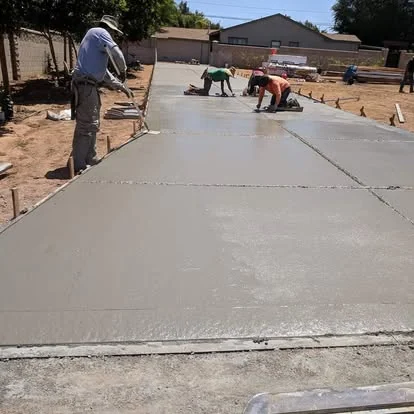
Fresh concrete gets protected from sun, wind, rain and traffic. Most surface problems that show up later started in the first forty eight hours.
The honest answer is sometimes the cheaper one.On quoting
Inspections
Where they apply, they get scheduled into the sequence so the pour is not waiting on a signature.
The finished job
Flat where it should be flat, sloped where it should drain, jointed on a plan, and clean when we leave.
Around San Marcos
Straight answers
Does humidity change the pour?
It changes the timing of every finishing step. Bleed water sits longer, and floating too early seals it in and weakens the top layer.
Do you handle demolition and haul-off?
Yes, cut clean, broken out and hauled, with the site left ready to pour.
Is the mild weather here easier on concrete?
Easier than inland heat or mountain freezing, yes. What you get instead is constant moisture and salt, which is slower and more corrosive.
Should I seal coastal concrete?
Yes, and the reason is chloride rather than freezing. Different mechanism, same maintenance, and skipping it eventually costs you the reinforcement.
My lot is flat and water sits. What can be done?
Slope has to be designed in with planned low points and a drainage path. Gravity will not volunteer on a flat coastal lot.
San Marcos concrete, quoted properly
Access, base condition, thickness and finish decide the price. That is why we walk it first and why the number holds.