
Poured once, done right
Desert Hot Springs driveways, patios, foundations and repair work. Licensed 1137822, fourth generation, and straight about what a job actually needs.
Talk to us about the job

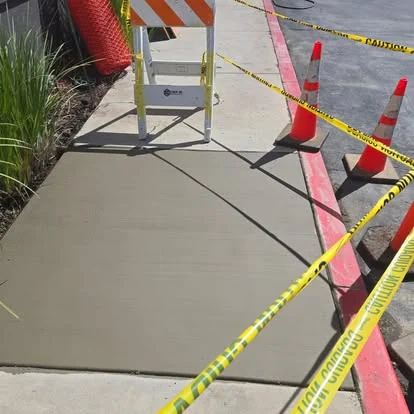
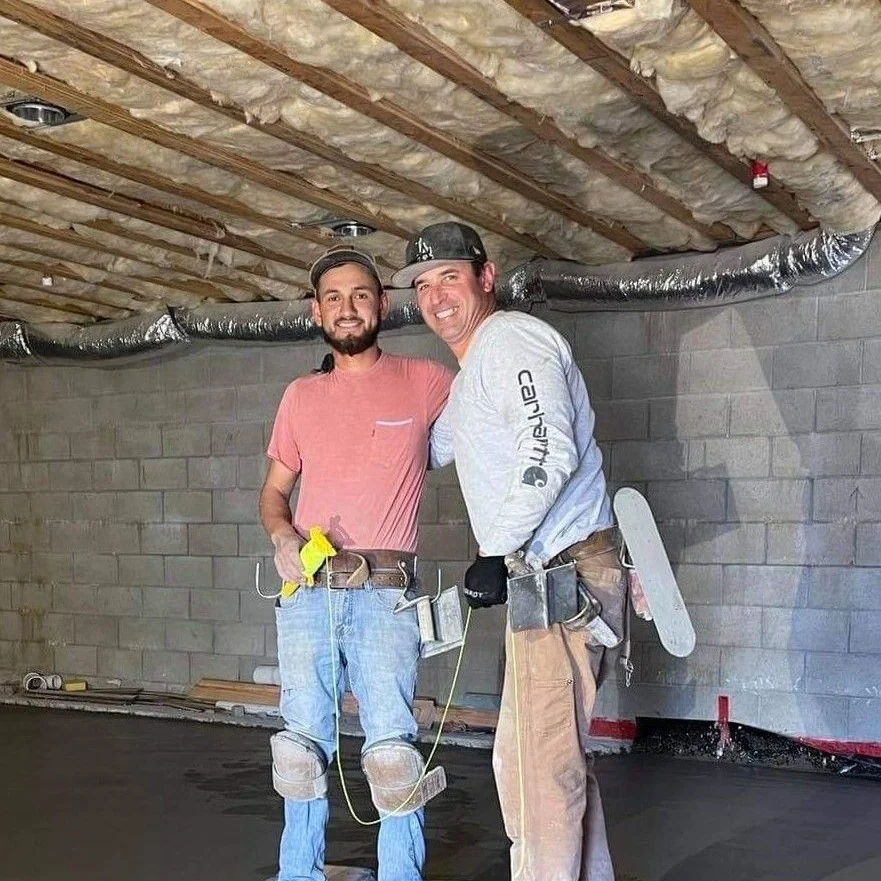
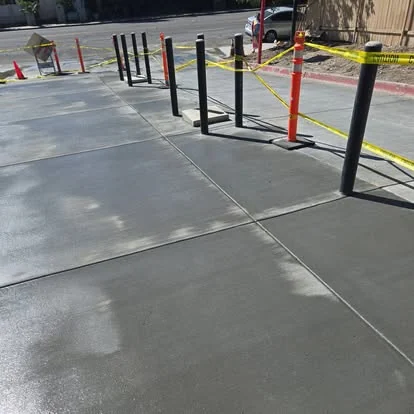
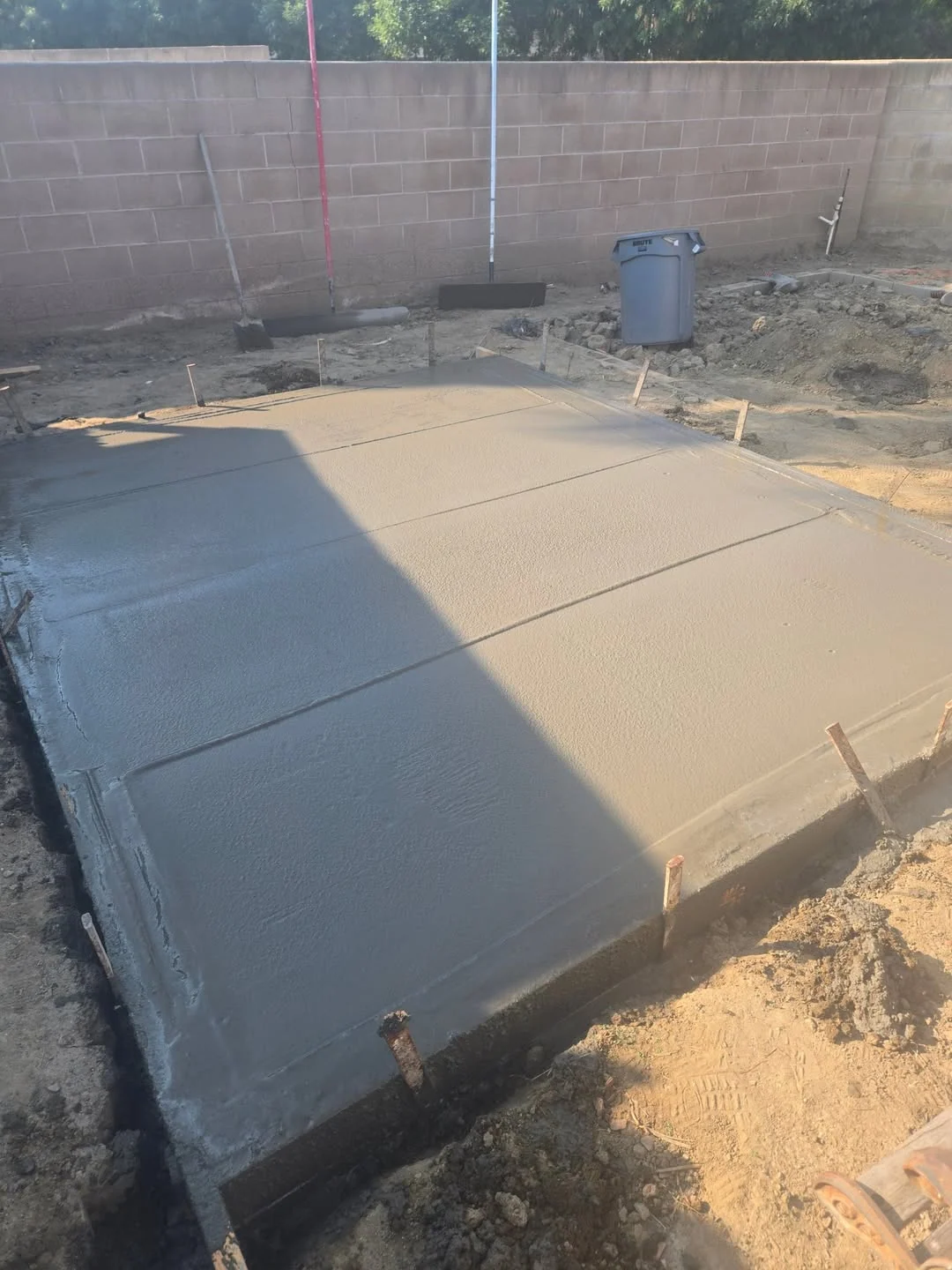
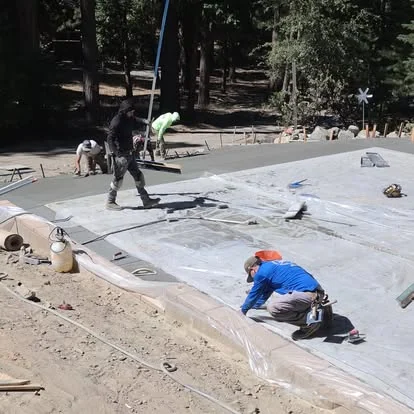

What concrete is up against around Desert Hot Springs
Sun on the finished surface
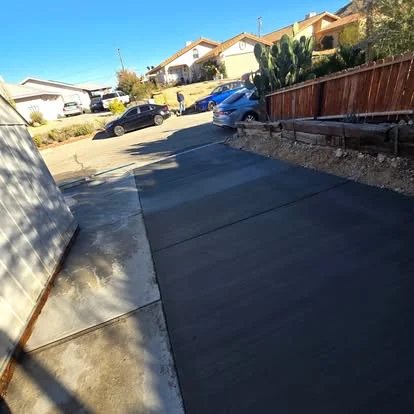
A dark slab in full desert sun gets hot enough to be unusable barefoot. Around pools and patios the color and the finish are a comfort decision as much as an appearance one.
Irrigation on a desert lot
Landscape watering in the desert concentrates water in narrow bands right where the planting is. Next to a slab edge that creates exactly the moisture differential that moves concrete.
Scheduling around the season
There are weeks in a desert summer where pouring flatwork in the afternoon is simply the wrong decision. We would rather move a date than place concrete into conditions that will not finish.
Base first, always
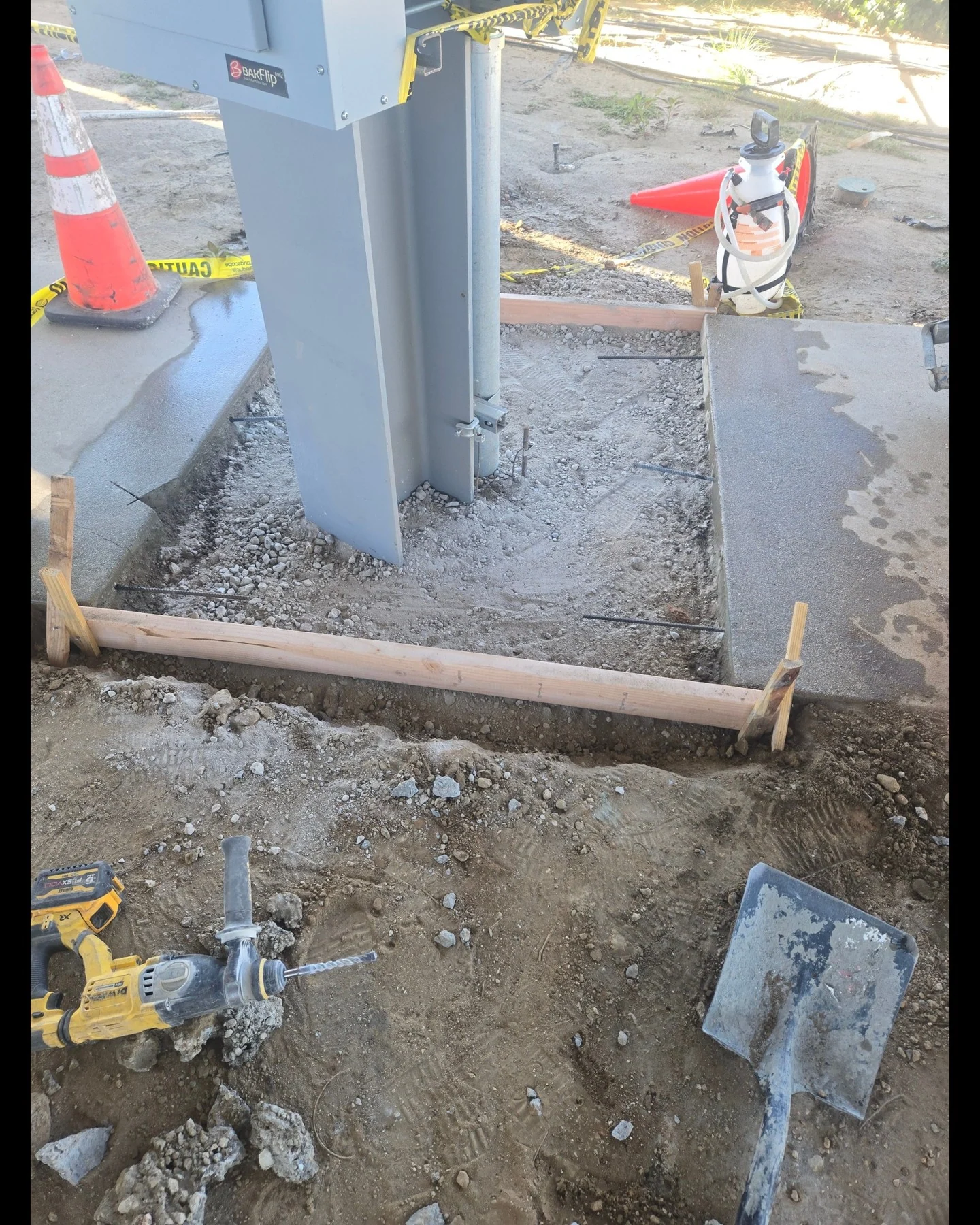
We cut to grade, fix the soft spots we find, and compact base in lifts before anything is formed. In expansive clay that step decides the whole outcome, so it is not where we save money.
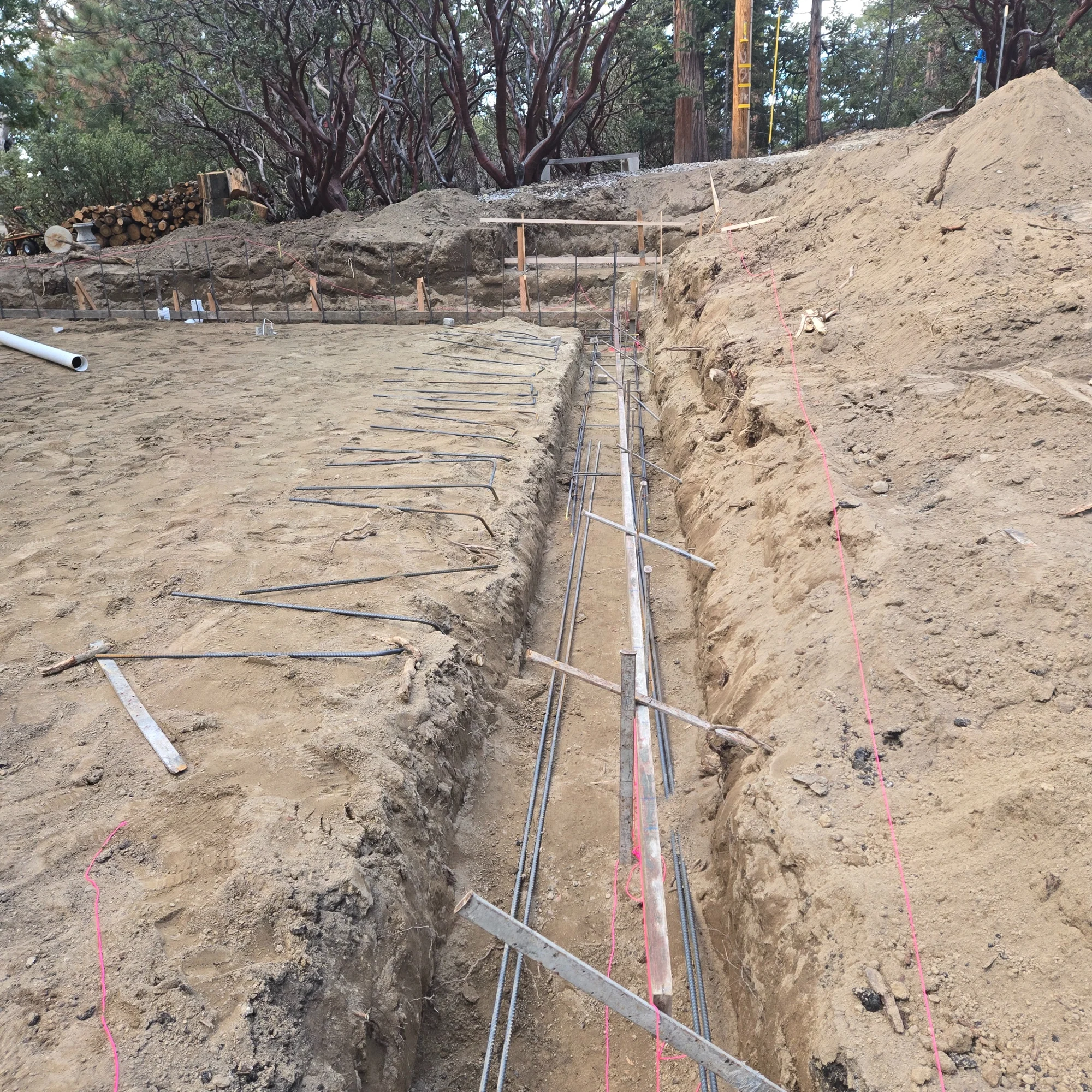
Steel sized to the movement
Reinforcement gets placed for what the soil is going to do, on chairs at the right height with real cover. Steel lying on the dirt does nothing at all.
Curing treated as a step
Fresh concrete gets protected from dry wind and sun until it has what it needs. Skipping that is how you get a dusty, weak top layer.
What we build in Desert Hot Springs
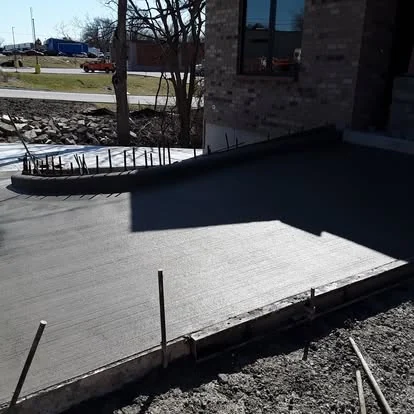
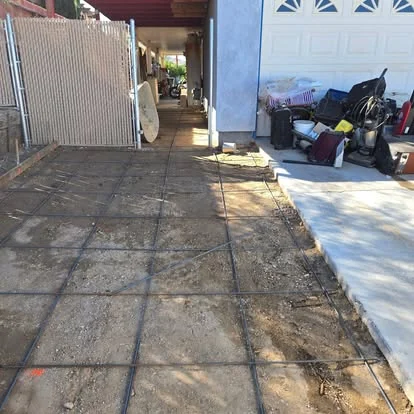
Back Porches
The slab that gets lived on.
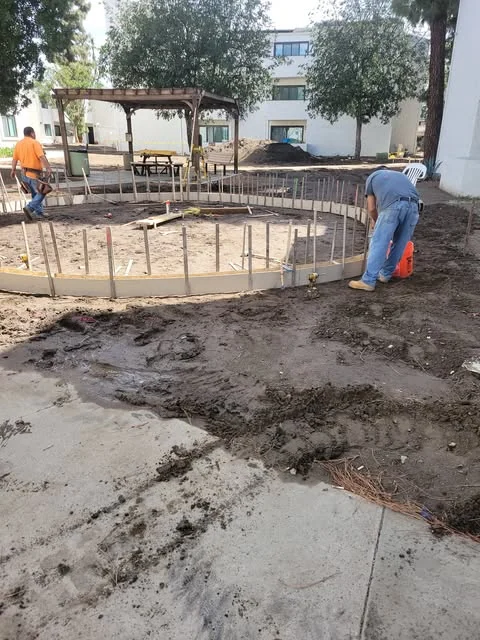
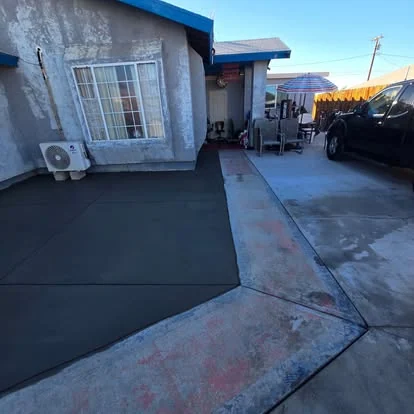
Concrete Courtyards
An enclosed slab where drainage has nowhere obvious to go.
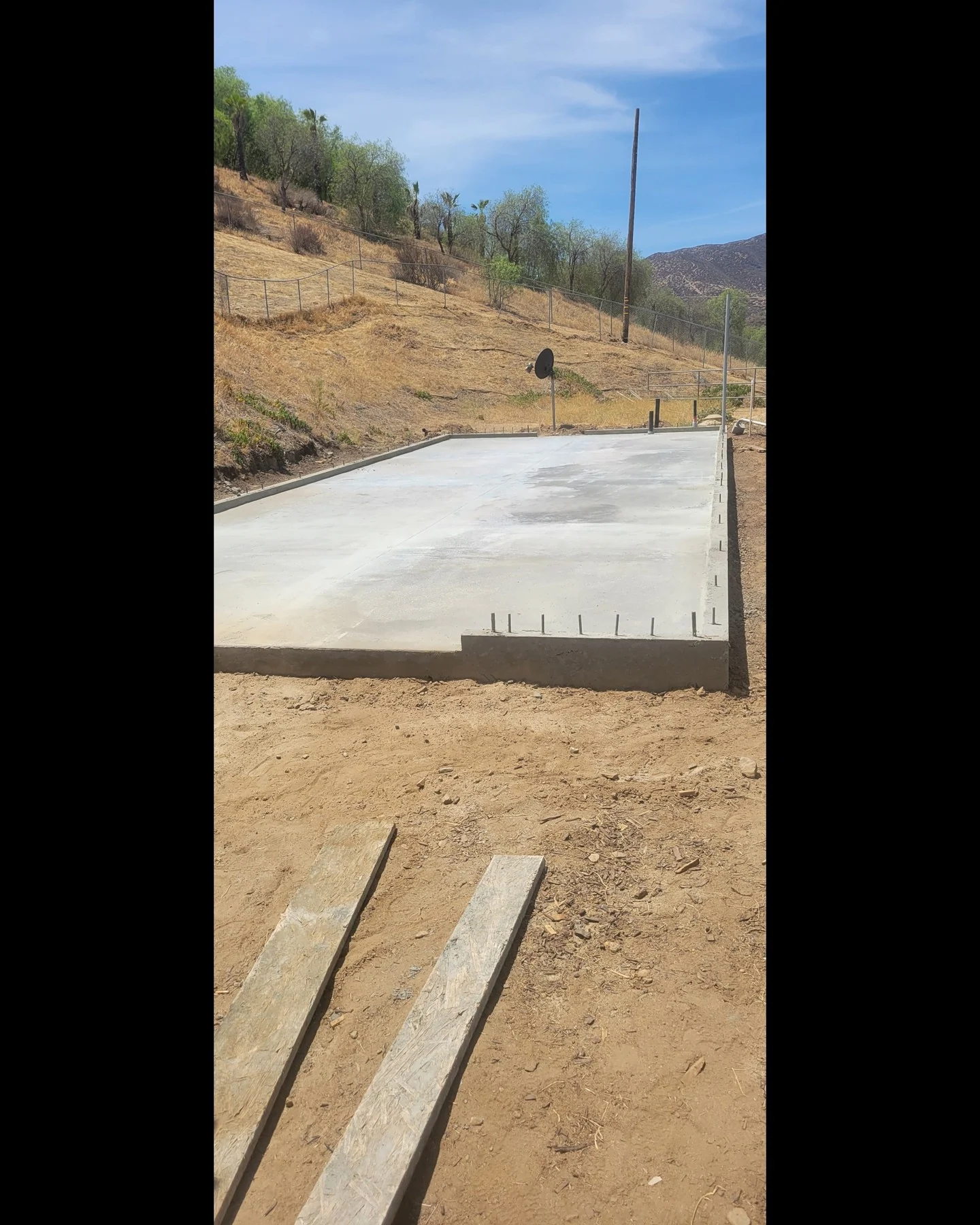
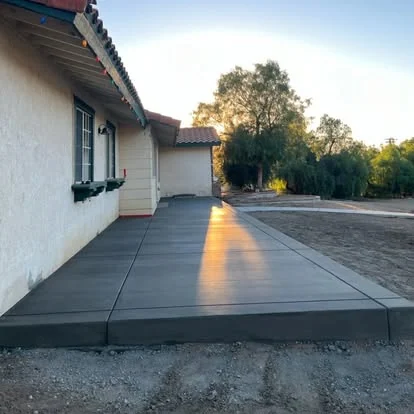
Concrete Slabs
The flat pour everything else is a version of.
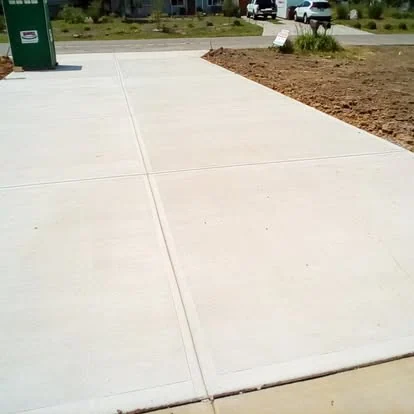
Concrete Slab Repair
Cracks and surface failure on a slab worth keeping.
Concrete Slab Replacement
When the base failed, the slab follows.
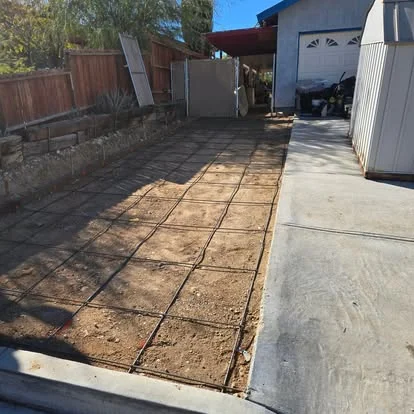
Garage Floors
Hot tires, dropped tools, and whatever ran off the car.
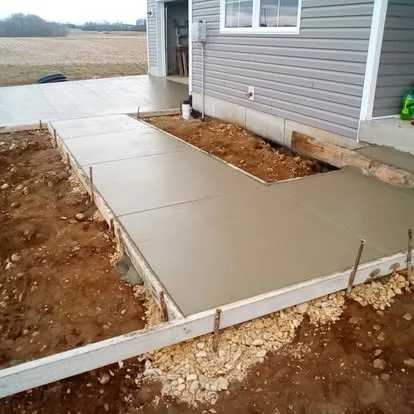
Concrete Grinding
Taking down high spots and trip lips.
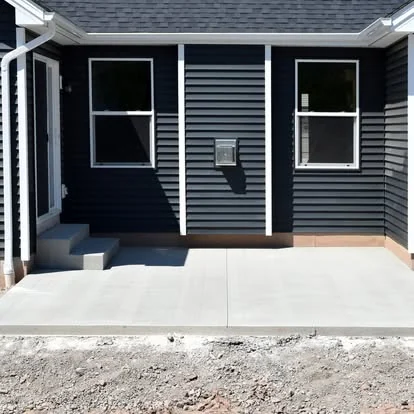
Concrete Sealing
Keeping water out of the pores.
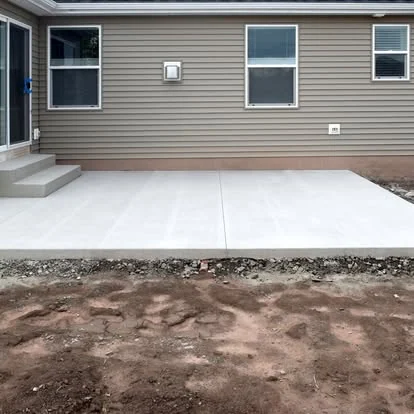
Concrete Replacement
Out with the old slab, in with one built right.
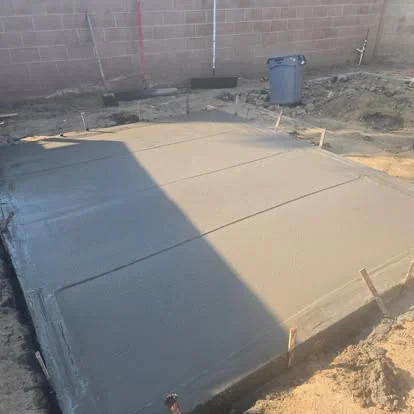
Concrete Drainage Channels
Formed channels that carry water on purpose.
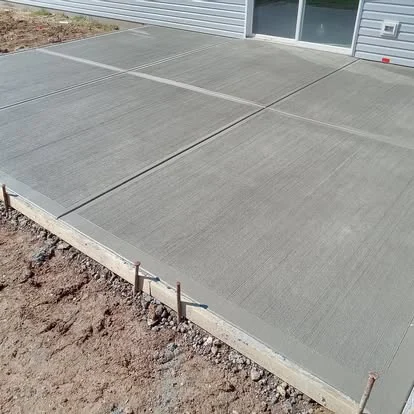
Commercial Concrete Flatwork
Flatwork built to a plan set and an inspection.
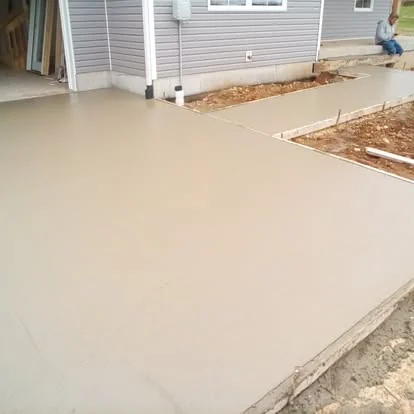
Commercial Concrete Slabs
Slabs sized for racking, equipment, and forklifts.
Pouring concrete around Desert Hot Springs
Alluvial and sandy ground
Desert soils drain well and compact differently from clay. That can work in your favor, but loose alluvial material has to be placed and compacted in controlled lifts or the slab settles unevenly and cracks along the soft line.
Salts and sulfates in the soil
Parts of the low desert carry high salt and sulfate levels. Those attack cement paste and corrode reinforcing steel, and where it is a factor both the mix design and the concrete cover over the steel change. It is worth knowing before pouring rather than after.
Heat is a design input
Low desert summers put concrete through conditions most of the country never sees. Placing at a hundred and fifteen means the mix is stiffening as it comes off the chute, and the finishing window can close in minutes. Pours move to first light, the mix is ordered for the conditions, and evaporation control during placement is not optional.
The daily temperature swing
The desert can drop forty degrees after sundown, and concrete expands and contracts with that every single day for its whole life. Joint spacing has to allow for a slab that never stops moving, which is a different calculation from a mild coastal lot.
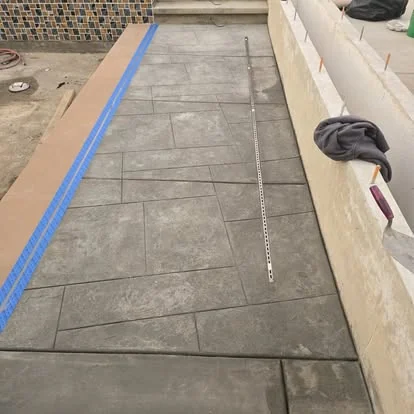
Concrete work around Desert Hot Springs
Flatwork, foundations and repair across Desert Hot Springs and the rest of Riverside County, poured by the same crew that answers the phone.
How concrete fails, and why
Cracks after a hot pour
Concrete placed into extreme heat stiffens before it can be finished properly and shrinks harder as it cools. Hot weather practice exists for exactly this reason.
Wide joints that collect debris
Joints that were cut too wide or have lost their sealant fill with grit, which then prevents the slab from closing and spalls the joint edges.
A patch that failed
New material on old concrete only holds if the substrate was prepared and a bonding agent used. A patch troweled onto a dusty surface lets go within a season.
Movement at a retaining wall
Retaining walls fail from water pressure behind them more often than from the soil weight. Drainage behind the wall is the design.
How a job runs
Getting a number
We walk the job, measure, and quote what it needs. No number goes out on a photograph and nothing gets quoted thin to win it.
How long it takes
Most residential flatwork is a few days from demolition to pour, plus curing. Structural work runs longer because of inspections.
The honest answer is sometimes the cheaper one.On quoting
Who is on site
The same crew that forms it pours it and finishes it. There is no handoff where the details get lost.
Afterwards
Sealing, joint maintenance, and keeping water off it are the things that decide whether you get twenty years or forty.
Around Desert Hot Springs
Straight answers
Can you pour in desert summer heat?
Yes, with the schedule and the mix built around it. Placing at a hundred and fifteen means the concrete is stiffening as it leaves the chute, so pours move to first light and evaporation control during placement is not optional.
Why does the daily temperature swing matter?
The desert can drop forty degrees after sundown, and the slab expands and contracts with that every day for its whole life. Joint spacing has to allow for concrete that never stops moving.
Is the sandy soil here better or worse than clay?
Different. It drains well, which helps, but loose alluvial material has to be compacted in controlled lifts or the slab settles unevenly. It is not a free pass on base work.
My patio gets too hot to walk on. Can that be fixed?
Color and finish both affect surface temperature, and a lighter, more textured surface is noticeably more comfortable. On a replacement that is a real choice to make up front.
What about salts in the desert soil?
Parts of the low desert carry high salt and sulfate levels that attack cement paste and corrode reinforcing steel. Where it is a factor the mix design and the cover over the steel both change.
Concrete work in Desert Hot Springs
Call and we will come out, look at the job, and give you a number. Desert Hot Springs sits inside the 100 mile radius we work out of Hemet.