
Inglewood concrete, no guesswork
We walk the job, read the ground, and tell you what it needs. Inglewood and all of Los Angeles County, 32 years in the trade.
Talk to us about the job

What concrete is up against around Inglewood
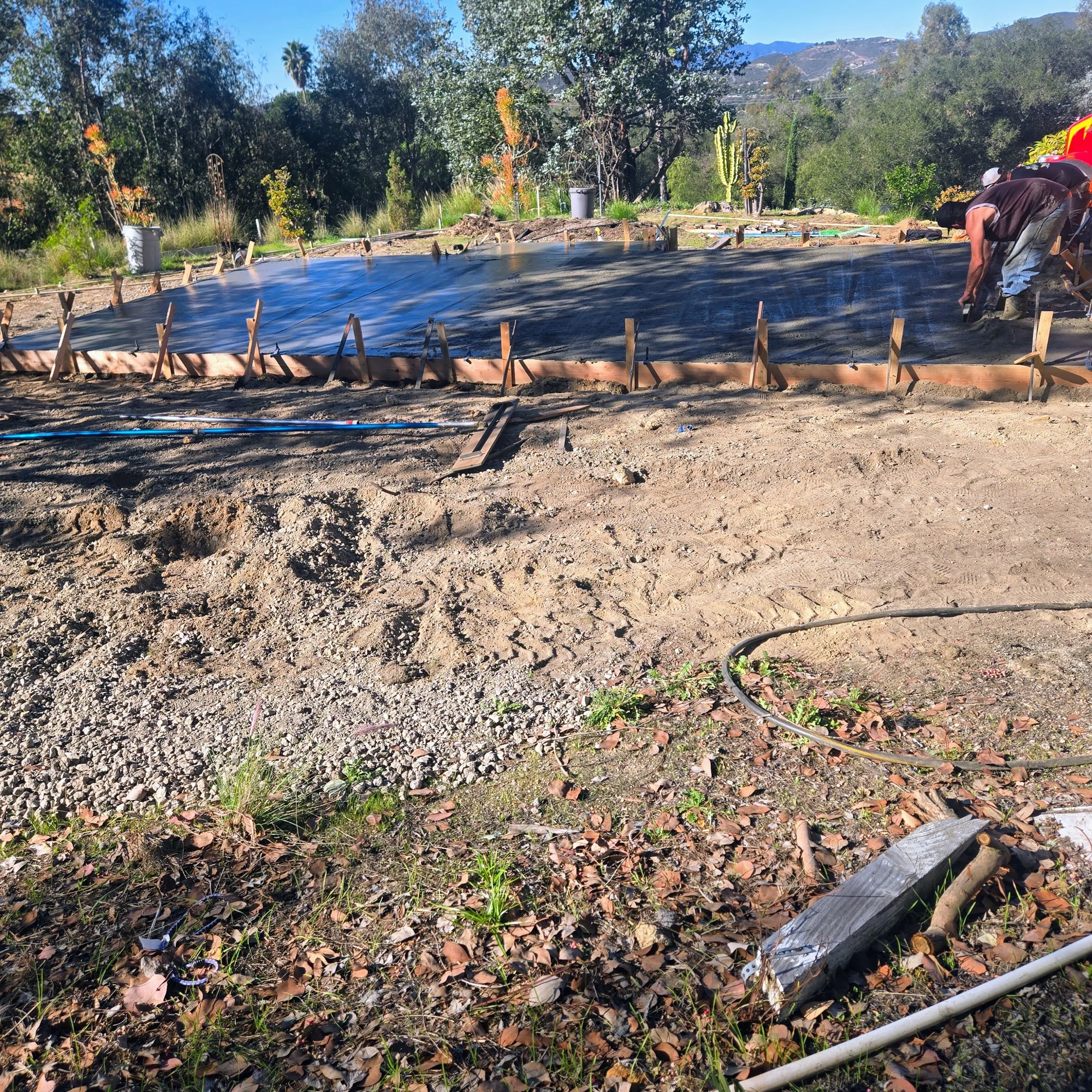
Heat island on dark flatwork
Dense paving with no shade gets hot and stays hot, which means more thermal movement day to day. Joint layout accounts for it.
Older slabs, older assumptions
A lot of concrete in these neighborhoods was poured decades ago, thinner than we would build now and with less steel. When it fails it is usually telling you about the base under it, not the mix.
Access and staging
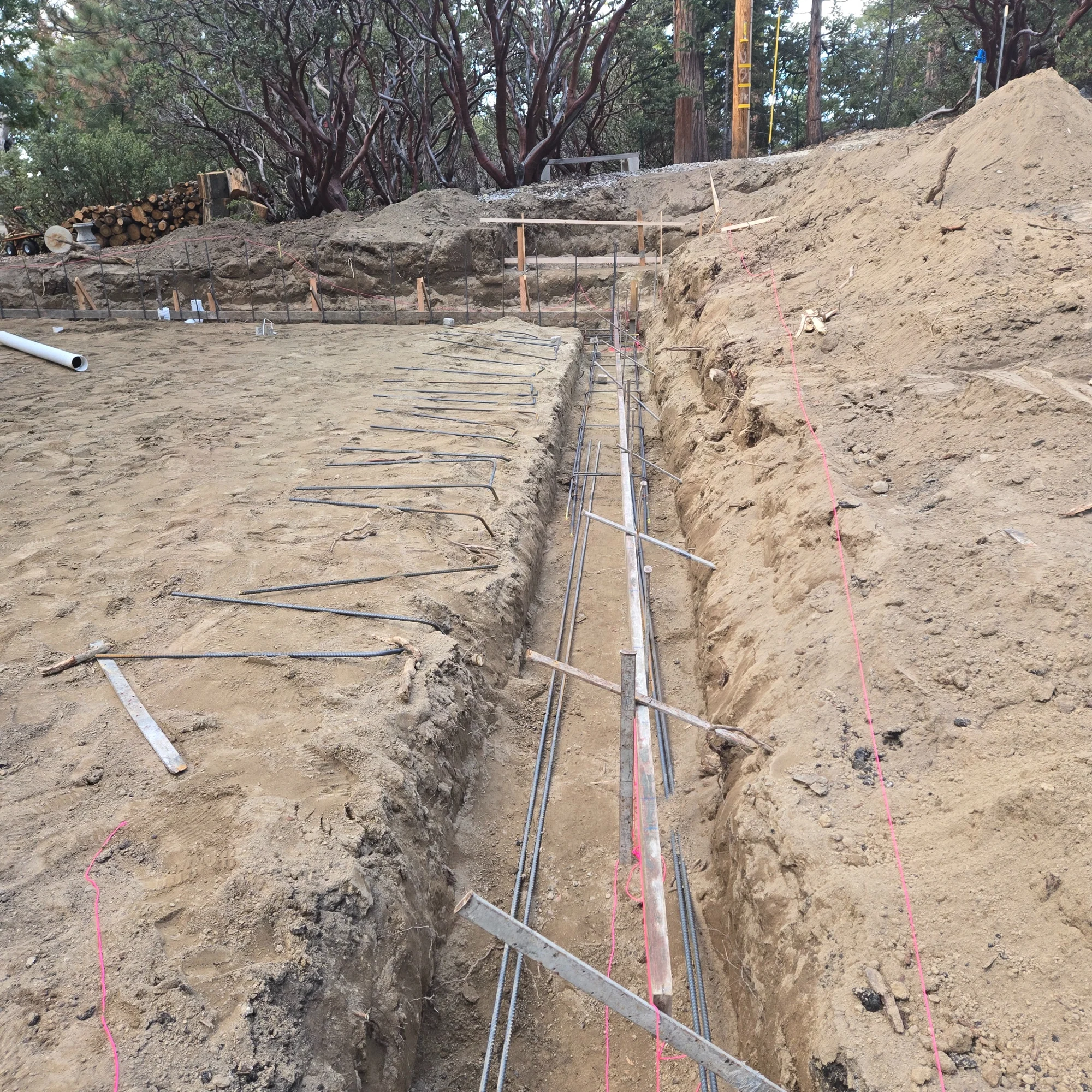
Dense lots mean narrow driveways, alley access, parked cars and nowhere to put a truck. Getting concrete to the pour is often harder than the pour, and it gets planned first.
Cleanup is part of the job
Washout handled properly, spoil hauled, surfaces cleaned. Concrete work is messy while it happens and should be invisible when it is done.
Water routed off the slab
Slopes, low points and a path for water to leave are set before the pour, because afterward the drainage is permanent.
Pours scheduled to the heat
In summer we start early and keep the mix and the crew ahead of the temperature. Concrete does not wait for anybody.
What we build in Inglewood
Concrete Driveways
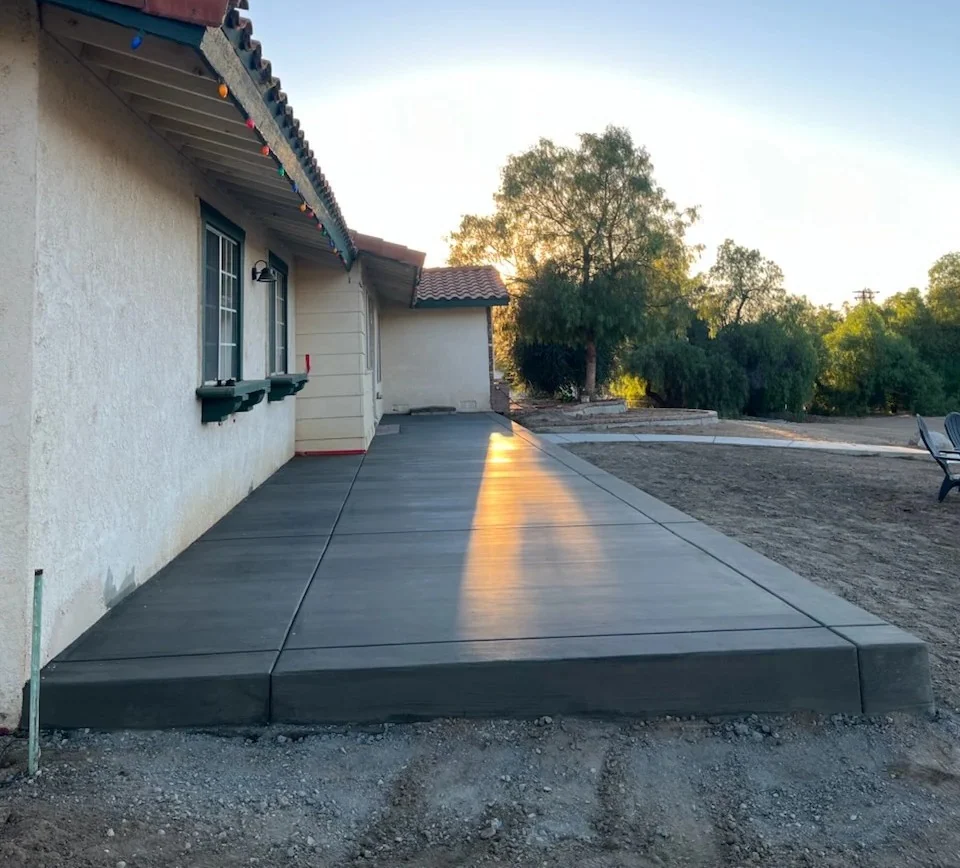
The slab that carries a car every day of its life.
Concrete Driveway Replacement
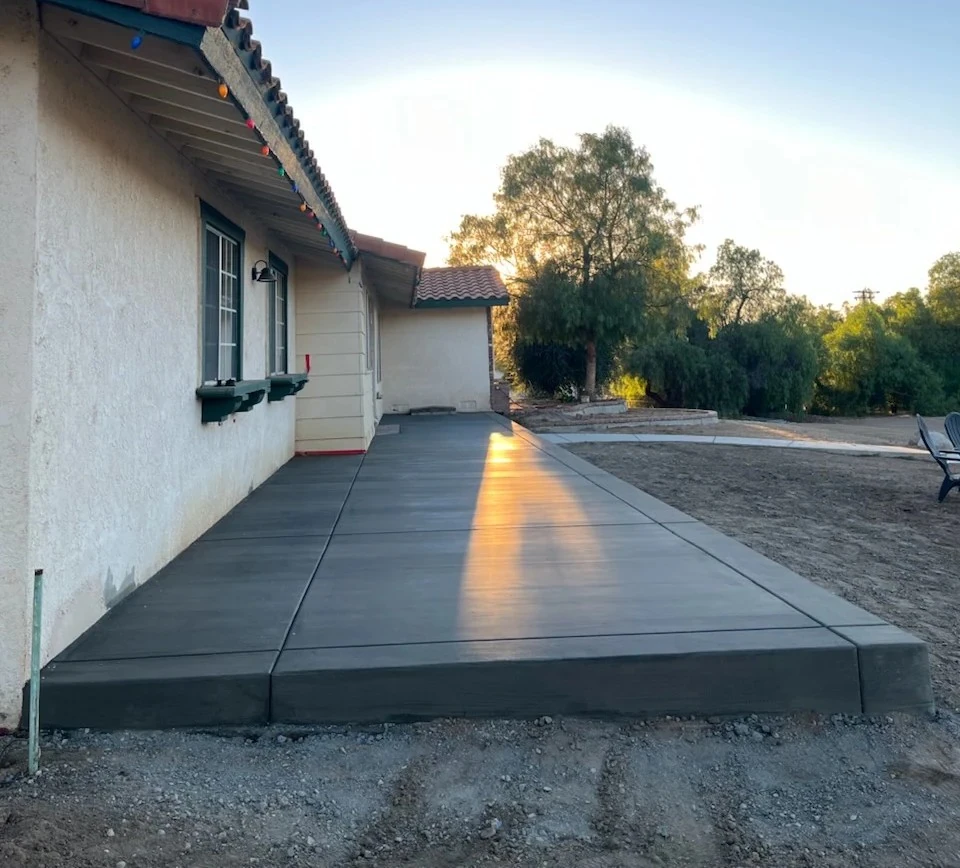
Out to the dirt, rebuilt from the base up.
Concrete Driveway Repair
Fix what is broken and leave what is sound.
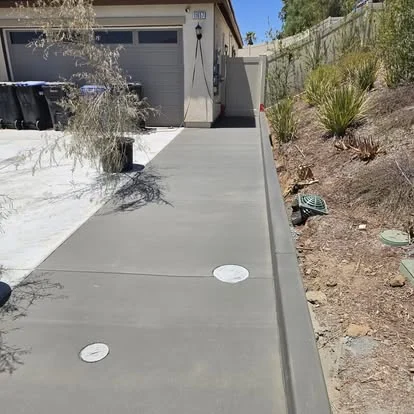
Concrete Patios
The outdoor room that starts as a flat pour.
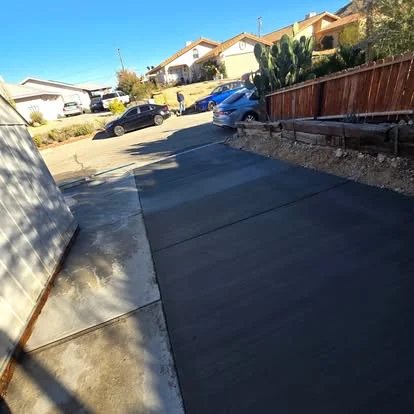
Concrete Patio Replacement
Take out the old slab, pour the one you actually wanted.
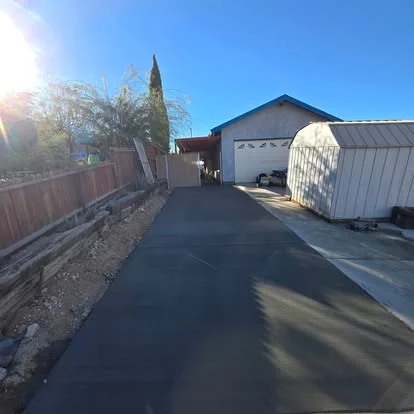
Concrete Patio Repair
Cracks, settled corners, and surfaces that have gone rough.
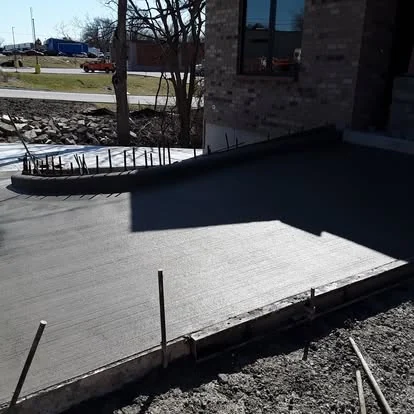
Concrete Replacement
Out with the old slab, in with one built right.
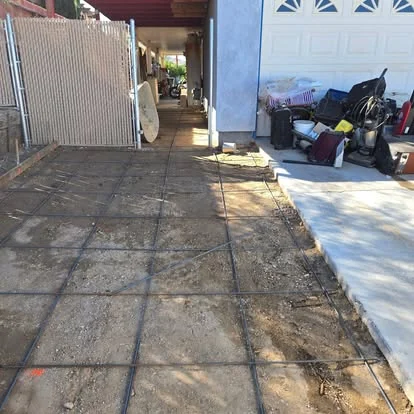
Concrete Removal
Break it out, haul it off, leave it clean.
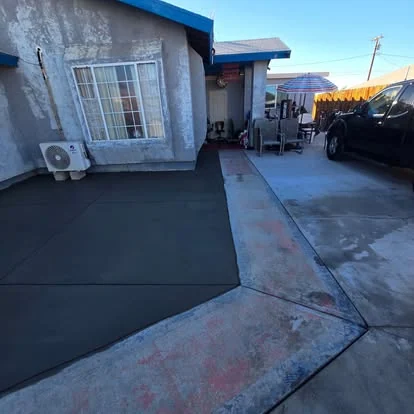
Concrete Demolition
Controlled demolition, including reinforced sections.
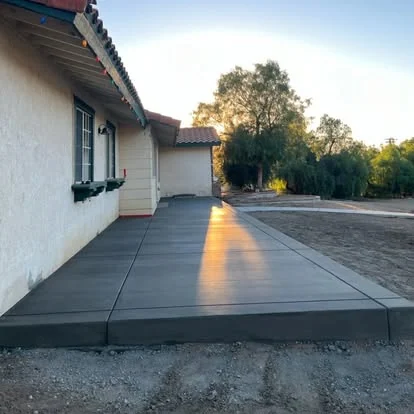
Commercial Patios
Restaurant and retail patios built for daily traffic.
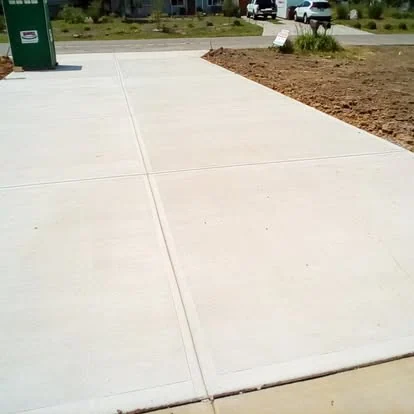
Concrete Parking Lots
Concrete instead of asphalt, for the life of it.
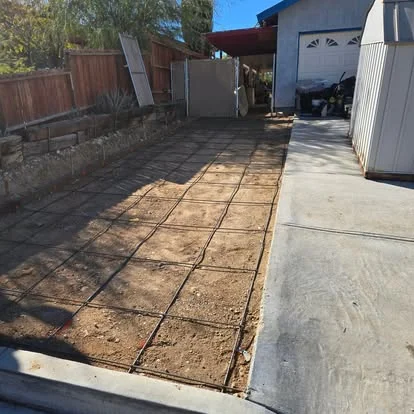
Concrete Parking Lot Repair
Failed panels replaced without closing the whole lot.
Pouring concrete around Inglewood
Permits and the right of way
Work in the public right of way, anything structural, and most full replacements need permits and inspection. We would rather have that conversation before anything is broken out than discover it when an inspector arrives.
Matching a run that stays
Replacing part of a walk or drive means matching thickness, finish and joint pattern to what remains, so the result reads as one surface rather than a patch. Color takes time to blend as concrete ages and we will be straight about that up front.
Street trees and roots
Mature trees lift sidewalks and driveways, and they will lift a new slab too unless the root is dealt with. Sometimes that means root pruning, sometimes rerouting the walk, sometimes a thicker slab with a root barrier. Replacing without addressing it just resets the clock.
Utilities nobody recorded
Older urban lots have services running in places no drawing shows. Anything cut or dug starts with locating, because finding a line with a saw is expensive and entirely avoidable.
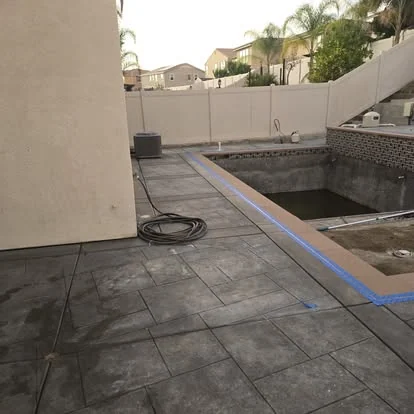
Concrete work around Inglewood
Flatwork, foundations and repair across Inglewood and the rest of Los Angeles County, poured by the same crew that answers the phone.
How concrete fails, and why
Failure that starts at the edge
Most slabs die from the outside in. Edges are thin, unsupported and exposed, which is why a thickened perimeter is worth the concrete it costs.
Water tracking under the slab
If water can get under concrete it will move fines out and leave voids. Drainage and base gradation both exist to stop that.
Cracks that open seasonally
A crack that closes in winter and opens in summer is expansive soil cycling. It is manageable and it is not going to be solved by filling it once.
Coatings peeling off
A coating is only as good as the prep under it. Profile, moisture content and cleanliness all decide whether it bonds or sheets off later.
How a job runs
Weather calls
Rain on fresh concrete damages the surface, and extreme heat shortens the finishing window. Both can move a date, and we will tell you why.
Sequence on bigger jobs
Demolition, earthwork, forming, steel, pour, joints, cure. Each step has to finish before the next one starts, and inspections land between some of them.
Width tells you less about a crack than movement does.On reading a slab
Changes mid-job
Anything found underground can change the scope. If that happens you hear about it before work continues, with what it means.
What normal looks like after
Some hairline cracking, some color variation, and joints doing their job. We will tell you what is expected so you know what is not.
Around Inglewood
Straight answers
Can you match the neighboring concrete?
Close, not exact, since concrete ages. We match thickness, finish and joints so the run reads as one surface.
Do I need a permit for a replacement?
Work in the public right of way and anything structural generally does; a like-for-like private replacement often does not. We check before anything is broken out.
Can you replace just part of the walk?
Yes. Sidewalks fail in panels and can be replaced in panels, cut clean at the joints and matched to what stays in thickness, finish and joint pattern.
How long before I can park on it?
Foot traffic a day or two, vehicles longer. You get the real number for your pour.
Can you get a truck to my property?
That gets worked out before the date is set. Narrow drives, alley access and parked cars all decide whether the concrete arrives by chute or by pump.
Your Inglewood slab
Tell us what it is and what it has to carry. We will be straight about what it needs and what it does not.