

Foundation Walls
A foundation wall does two jobs: holds up the building and holds back dirt. That means steel both ways, real form work, and waterproofing detailed before backfill goes in.
Talk to us about the job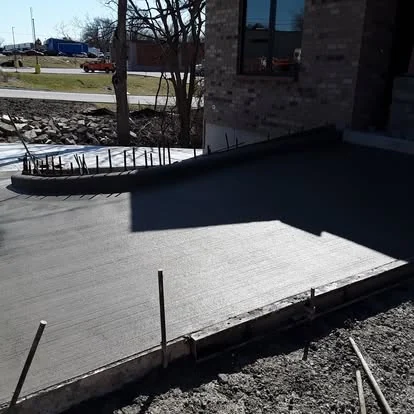

How the job runs
Start with a site visit
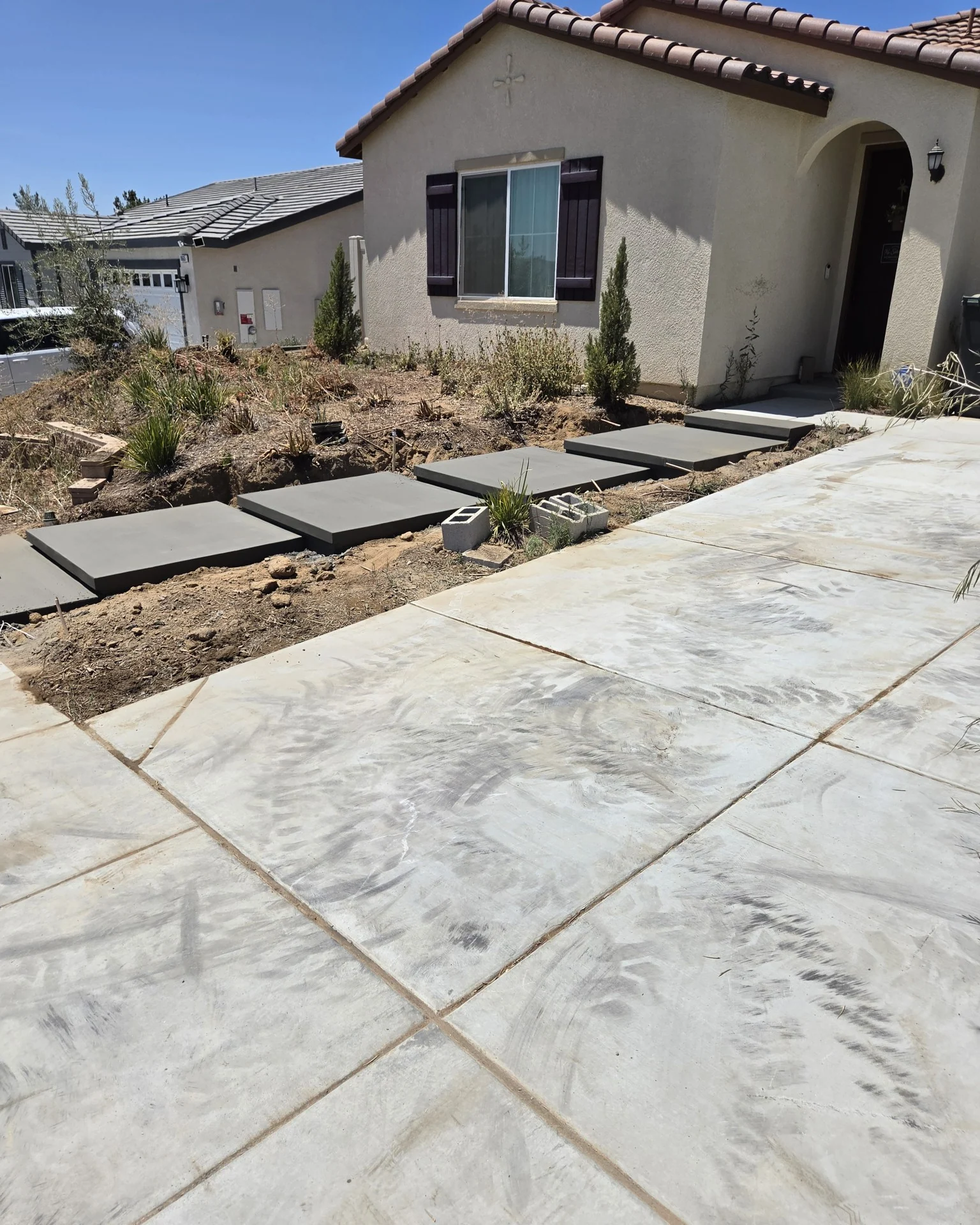
No number gets quoted before somebody stands on the job. Soil, slope, access and drainage change the work more than square footage does.
Tell you straight
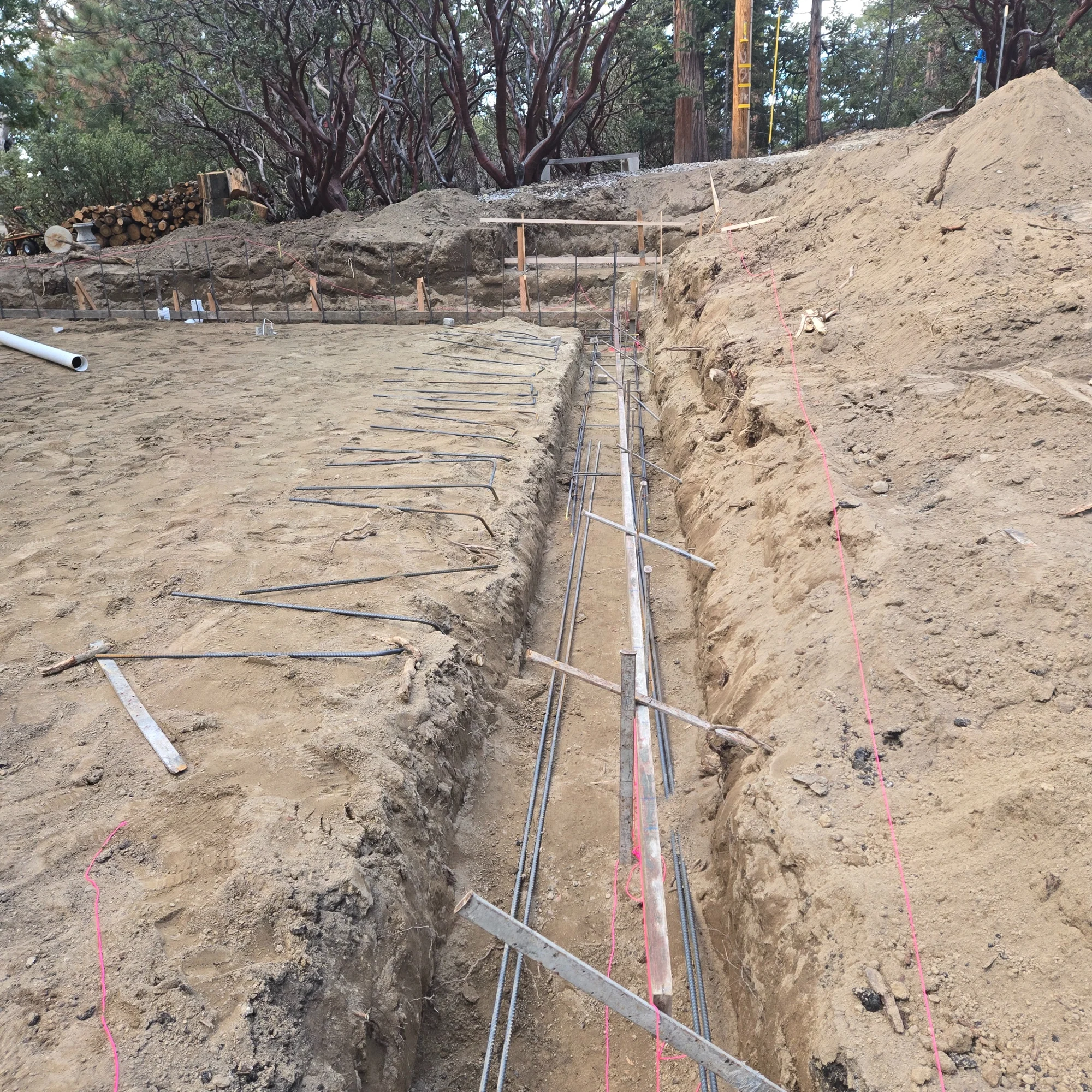
We are direct about what we find. That includes telling you when a cheaper fix is the right one, and when a slab is past saving.
Prepare what is underneath
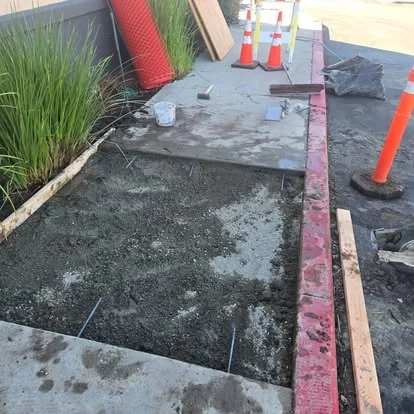
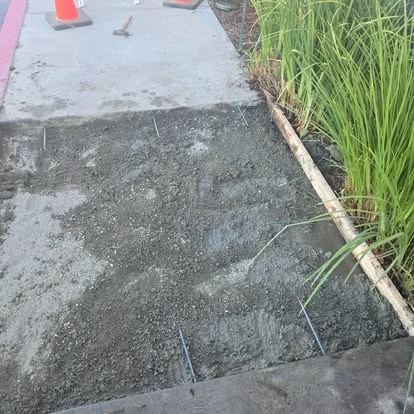
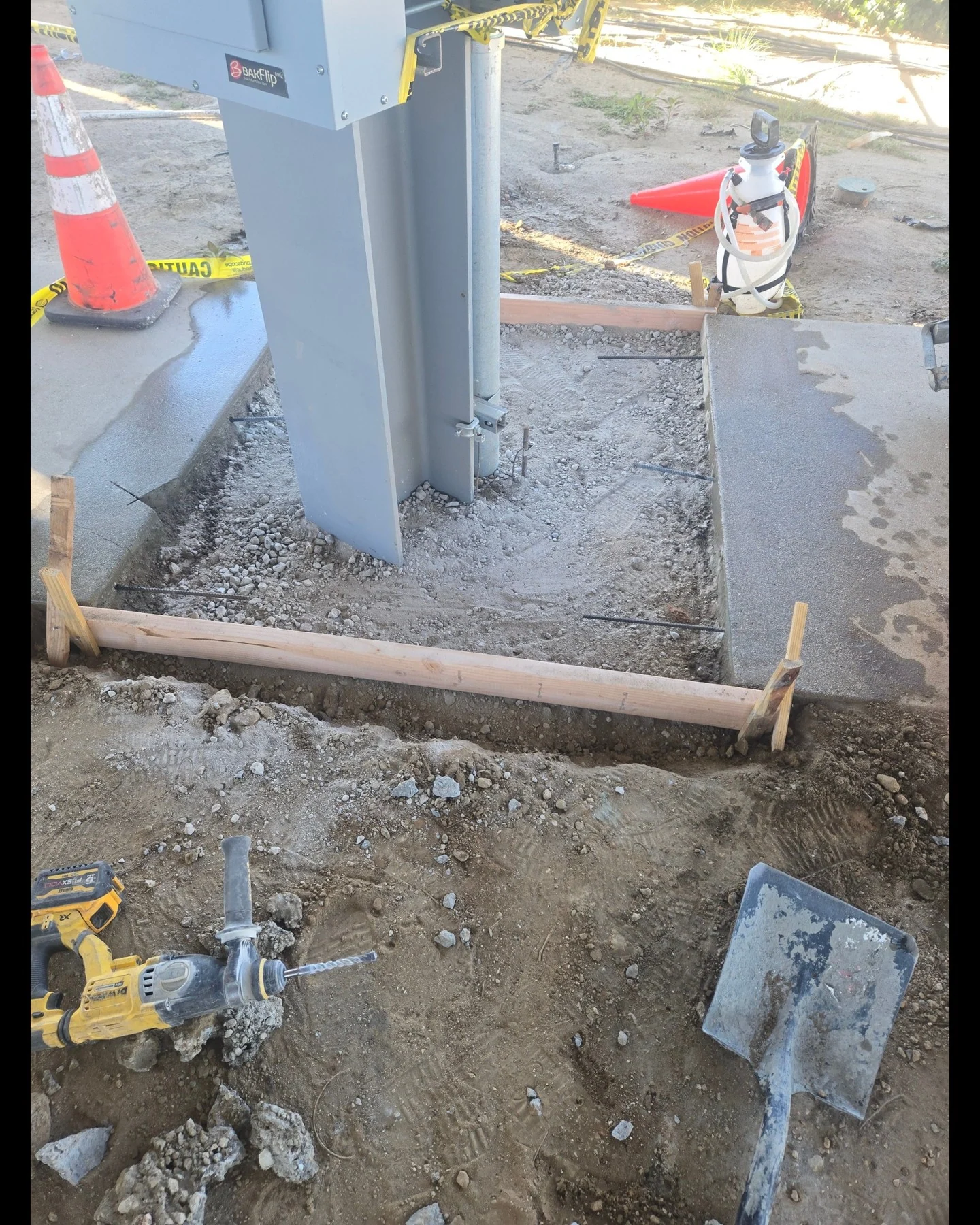
Excavate to grade, deal with anything soft, and build compacted base. Almost every failure we get called to started here.
Place and finish
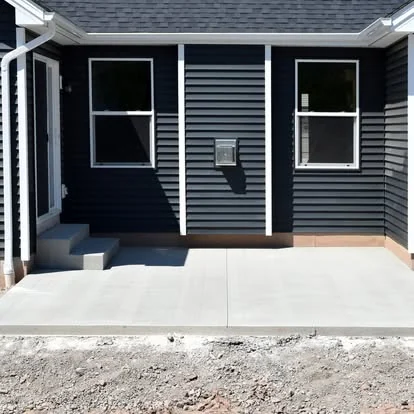
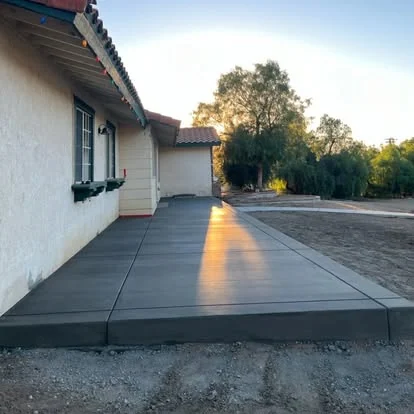
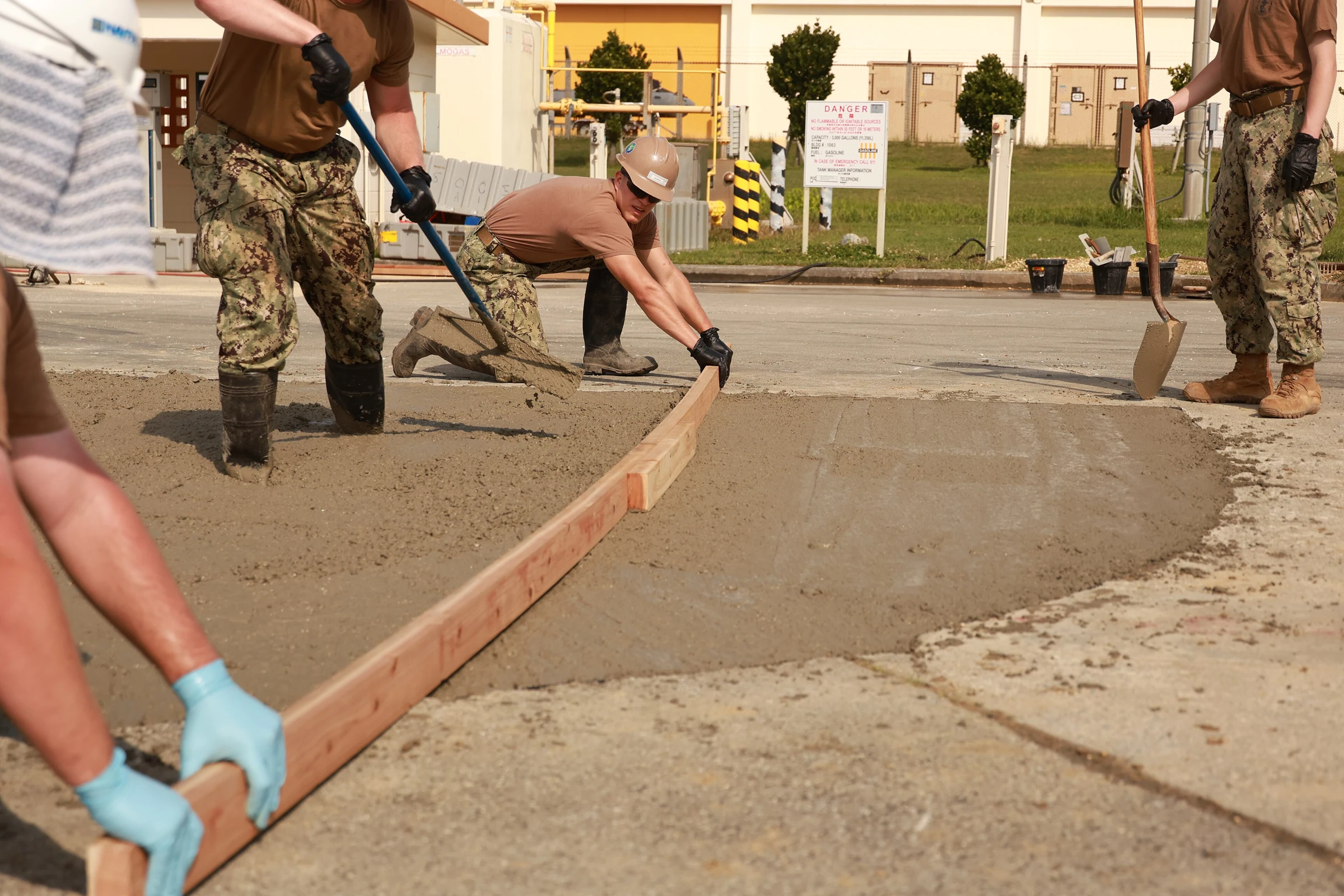
Forms that hold their line, steel placed to the drawing, concrete consolidated, and finishing timed to the slab. Thirty two years in the trade is largely knowing when to start.
What this job actually needs
Engineered and inspected
Structural concrete is built from drawings and inspected at set points, with steel checked in place before anything is covered. Mix strength, bar size, spacing, lap length and cover are all specified rather than chosen on site.
Soil drives the design
In expansive clay the soil is the governing factor: footing depth, reinforcement, perimeter moisture control and sometimes treatment. A soils report tells us bearing capacity and behavior, and where there is one we build to it.
Cover protects the steel
Concrete cover is what keeps water and chloride away from reinforcement. Corroding steel expands and spalls the concrete off from inside, so cover is measured, not judged by eye.
Formwork is the trade inside the trade
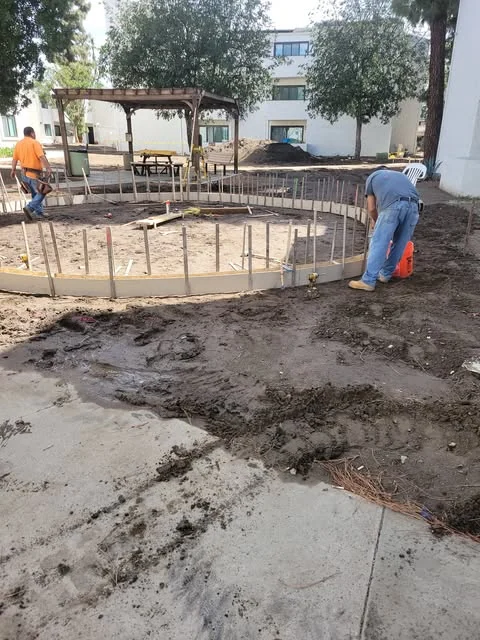
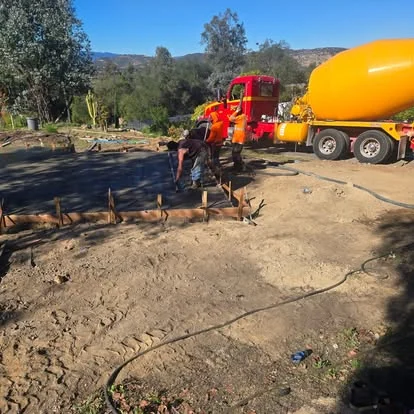
Concrete is heavy and finds every weak brace, so the wall you get is the forms you built. Straight edges, plumb faces and correct dimensions are all decided before any concrete arrives.
What decides whether it lasts
Concrete is judged on the surface and it fails from underneath. The base, the steel, the joints and the cure are the whole job. A slab that was poured on bad ground will tell you so, usually in the third or fourth year.
Why fourth generation matters here
32 years on the tools means most of these problems have already been seen once. Reading a slab before quoting it is the part you cannot learn from a book, and it is the difference between a repair that holds and one that comes back.
What Southern California ground does to foundation walls
Summer pours
Triple digit afternoons change how concrete behaves. It stiffens before it can be finished properly, the surface skins over while the body underneath is still soft, and water leaves the slab faster than the cement can use it. Valley pours start early, the mix gets adjusted for the heat, and curing is treated as an active step instead of something that happens on its own.
Older flatwork around here
A lot of valley concrete was poured thin, with light reinforcement, on a base that was never properly compacted. When it fails it is usually reporting on the ground rather than on the mix, and that is the difference between a repair that holds and one that comes back in a year.
Drainage on a flat lot
Valley lots are often close to level, which makes slope hard to find and easy to get wrong. Low points, cross-fall and where water actually leaves the property get worked out before the pour, because once the concrete is down the drainage is permanent.
What lasts here
A properly based, properly jointed slab with reinforcement sized to the load will outlast the house it sits beside. The variables that decide it are all underneath and all invisible once the pour is done, which is exactly why they get cut on cheap jobs.

How concrete fails, and why
Cracking that follows no joint
When a slab cracks in a line nobody cut, it is almost always telling you about restraint or about the ground. A slab poured tight against a footing cannot shrink, so it tears instead. A slab over a soft spot bends until it breaks. Neither is a concrete defect.
Spalling and surface loss
Flaking down to the aggregate is the top layer letting go. The usual causes are water working in and out, chloride from de-icing or fertiliser, and a surface that got sealed too early during finishing so bleed water was trapped under it.
Panels at different heights
A lip at a joint means one side moved. Sometimes that is a root, sometimes erosion under the slab, sometimes a void left by poor compaction. Grinding the lip removes the trip hazard and does nothing about the cause.
Standing water
Water that sits is a grading problem that got set in concrete. It accelerates every other failure mode, because water is what carries chloride in and what freezes in the pores.
How a job runs
Communication
One point of contact, and you hear about anything that changes before it changes. Surprises on a concrete job are almost always avoidable.
Protecting the pour
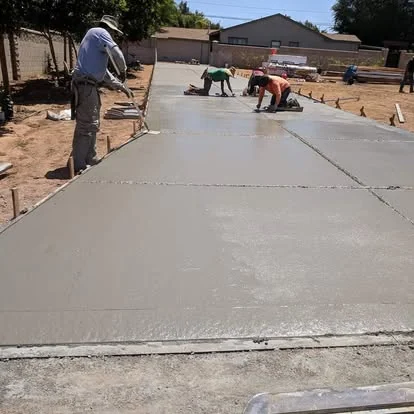
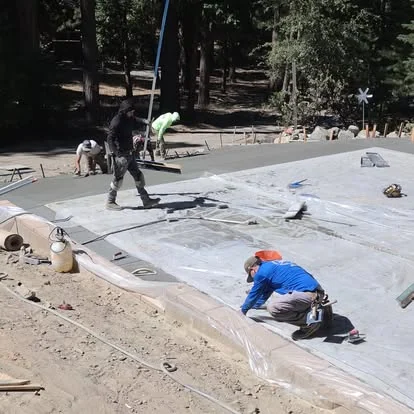
Fresh concrete gets protected from sun, wind, rain and traffic. Most surface problems that show up later started in the first forty eight hours.
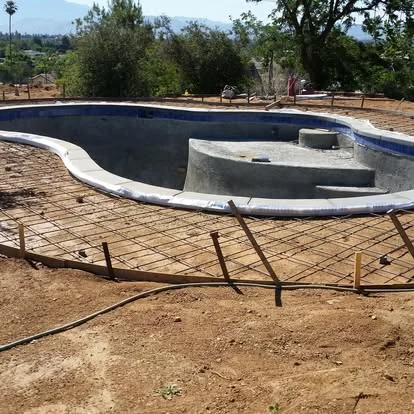
Steel lying on the dirt does nothing at all.On reinforcement
Inspections
Where they apply, they get scheduled into the sequence so the pour is not waiting on a signature.
The finished job
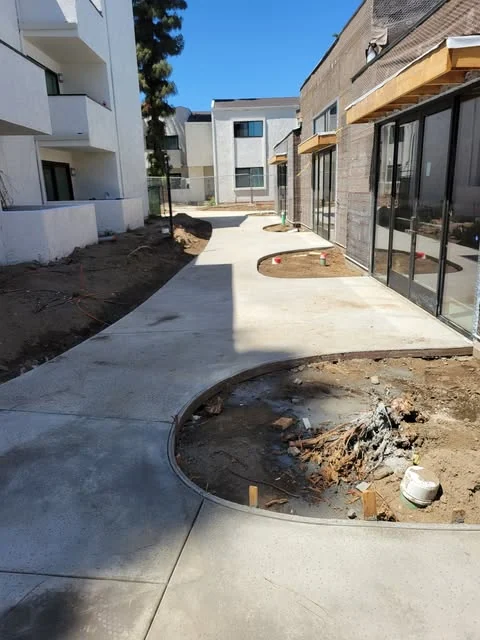
Flat where it should be flat, sloped where it should drain, jointed on a plan, and clean when we leave.
Other foundations work

Concrete Foundations
Everything above it depends on this.
Concrete Foundation Repair
Cracks, movement, and what is under the footing.

Concrete Footings
The spread that carries the load into the ground.
Stem Walls
The wall between footing and floor.
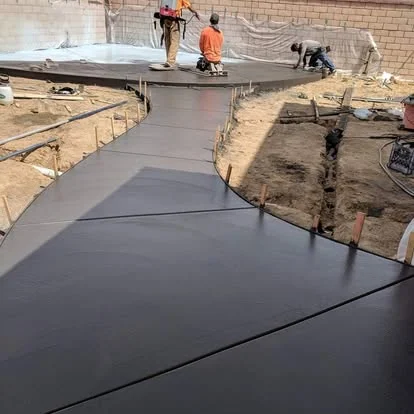
Slab-On-Grade Foundations
Footing and floor in one integrated pour.
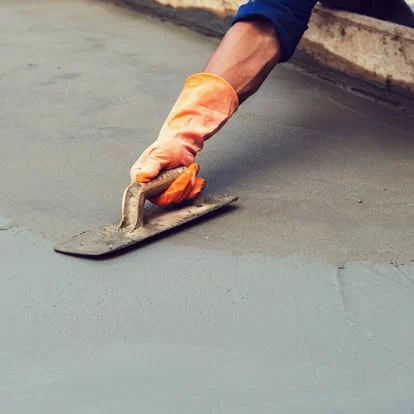
Concrete Building Pads
The engineered ground a building sits on.
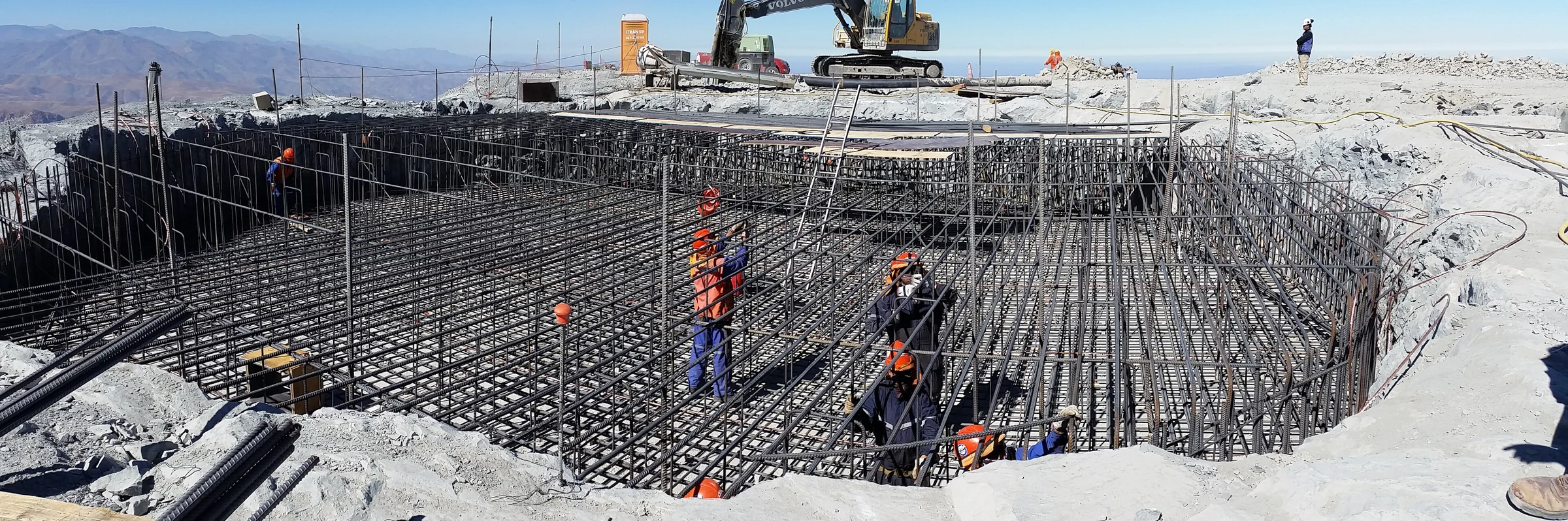
Concrete Walls
Formed, poured, and straight.
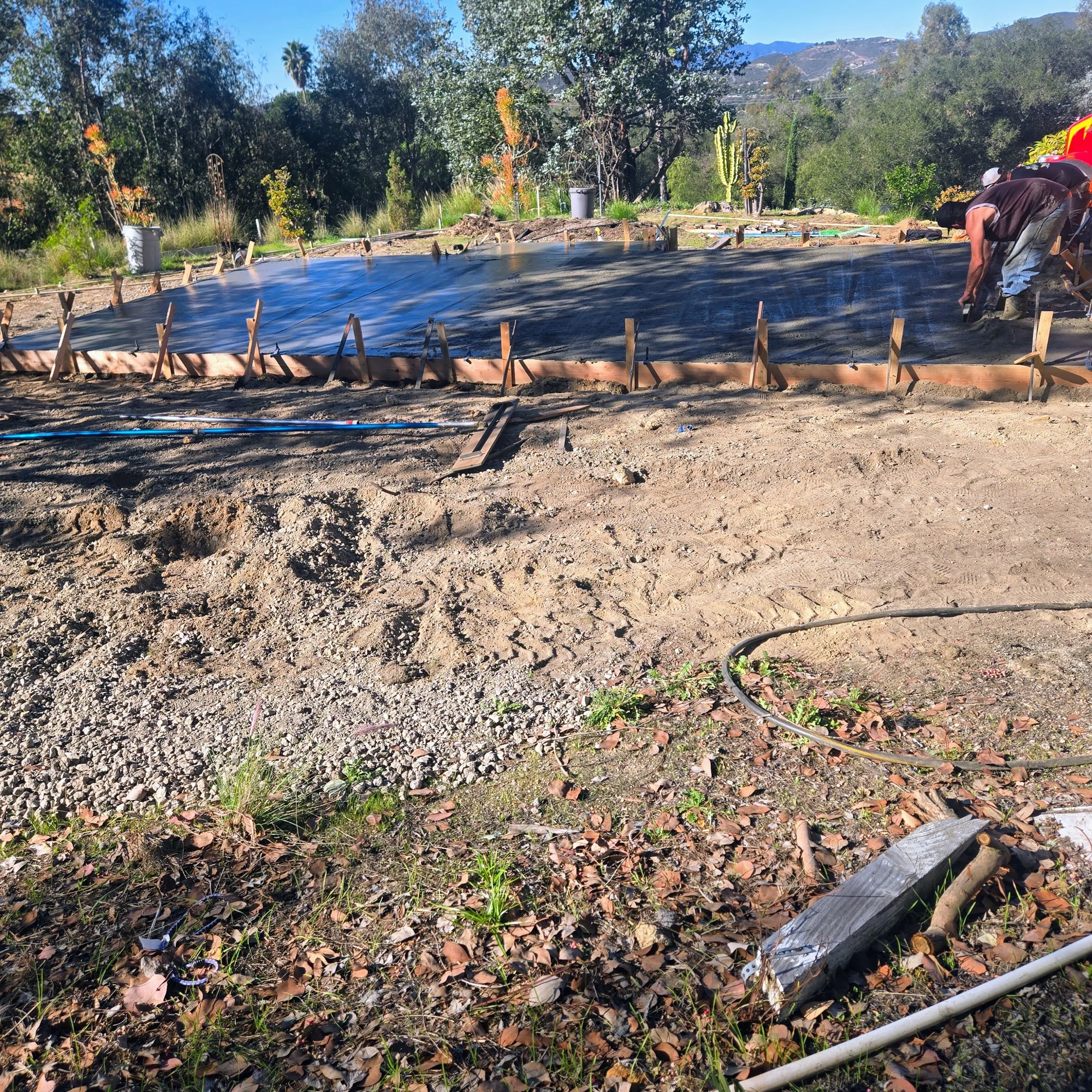
Concrete Retaining Walls
Holding a grade change without moving.
Straight answers
Is my foundation crack structural?
Some are cosmetic shrinkage and some mean movement. Vertical displacement, a crack that widens along its length, or doors that have started sticking all point at movement. We look before advising.
Can you repair a foundation without replacing it?
Frequently. The question is always what caused it. Water, undersized footings and expansive soil all look similar at the crack and need different fixes.
Do you work from engineered plans?
For structural work, yes. Footings, stem walls, and anything carrying calculated load get built to the engineer’s drawings and inspected before they are covered.
What does expansive soil mean for my foundation?
Clay soils swell with water and shrink when they dry, and that movement is what cracks foundations. It gets handled in the design: footing depth, steel, moisture control, and sometimes soil treatment.
Do you pull the permits?
Structural concrete is permitted and inspected work. We would rather have that conversation before anything is dug than discover it at inspection.
Tell us what the job is
We walk the job, tell you what it needs, and give you a number. Hemet and roughly 100 miles around it.