
Built for El Monte ground
The soil and the weather here decide how a slab is built. Driveways, patios, slabs and foundations across El Monte, licensed 1137822.
Talk to us about the job
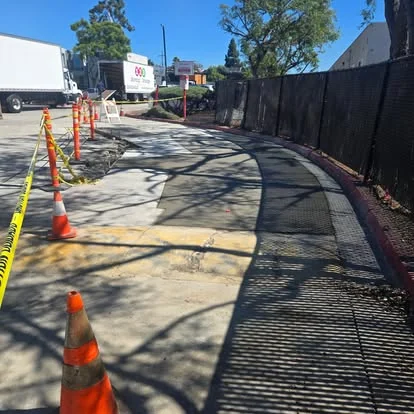
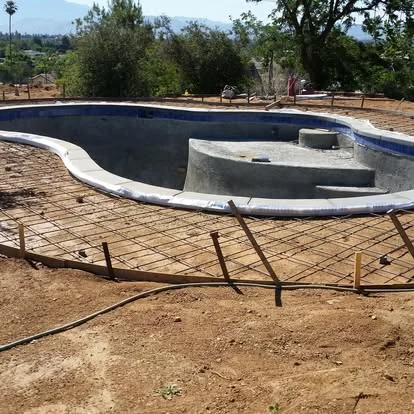
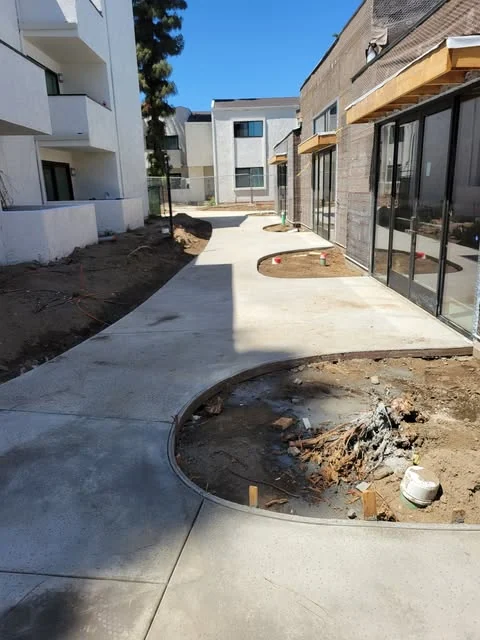
What concrete is up against around El Monte
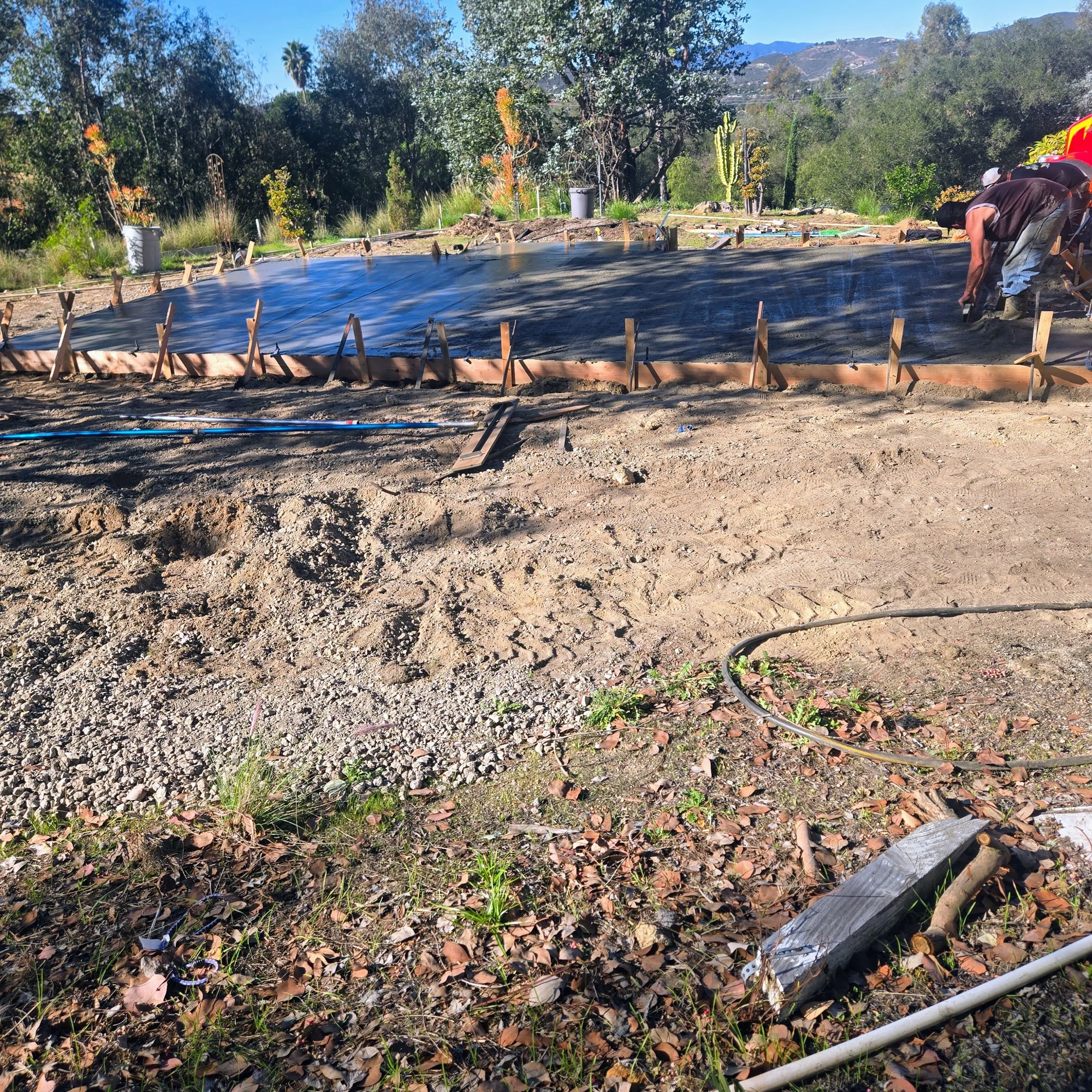
Utilities under the slab
Older urban lots have utilities running in places no drawing records. Anything that gets cut or dug starts with locating, because finding a line with a saw is expensive.
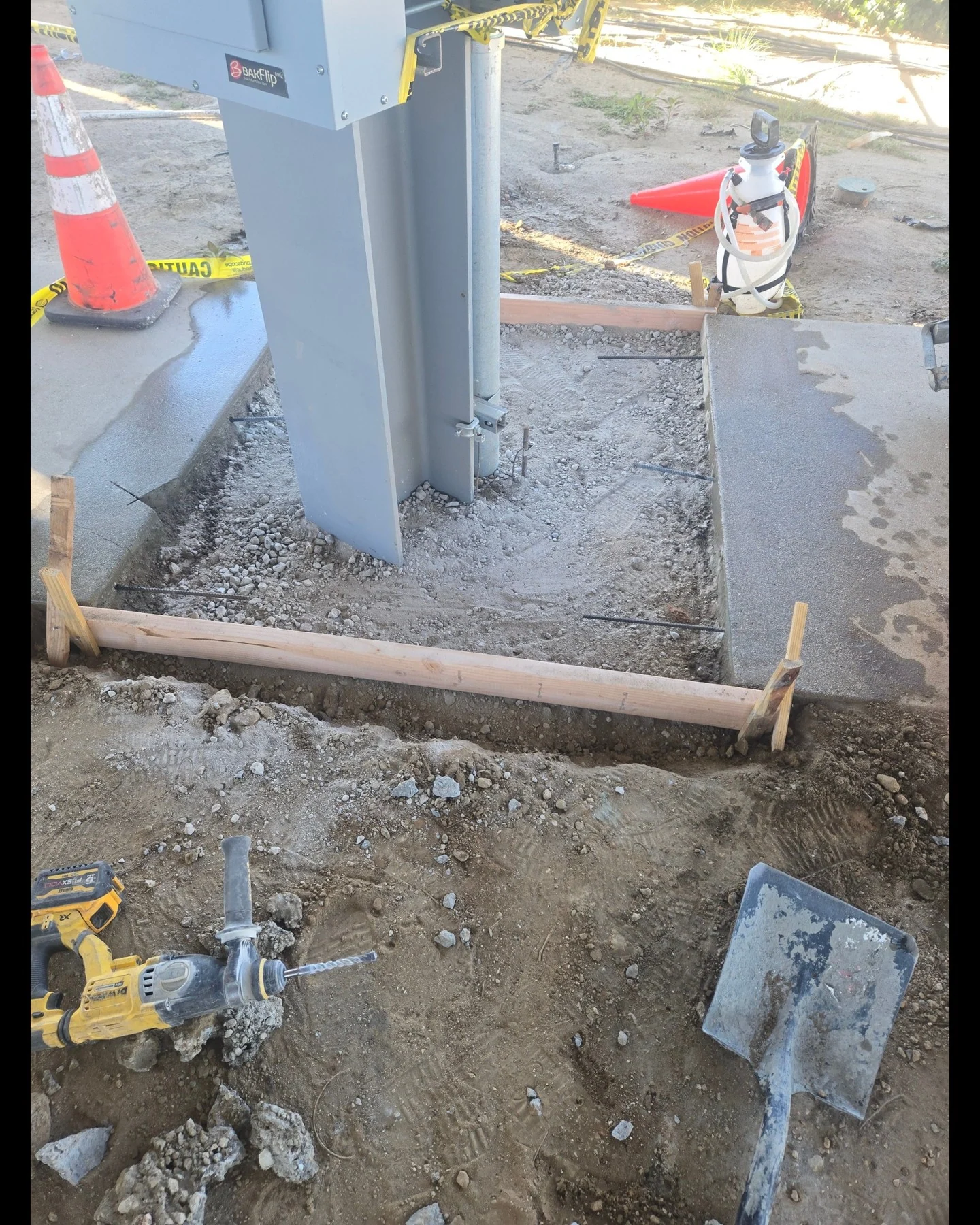
Tree roots under flatwork
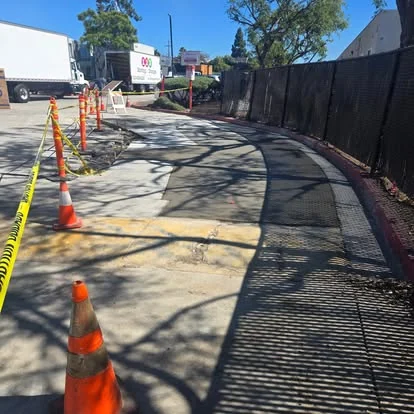
Mature street trees lift sidewalks and drives, and they will do it again to a new slab unless the root is dealt with. Sometimes that means root pruning, sometimes rerouting the walk.
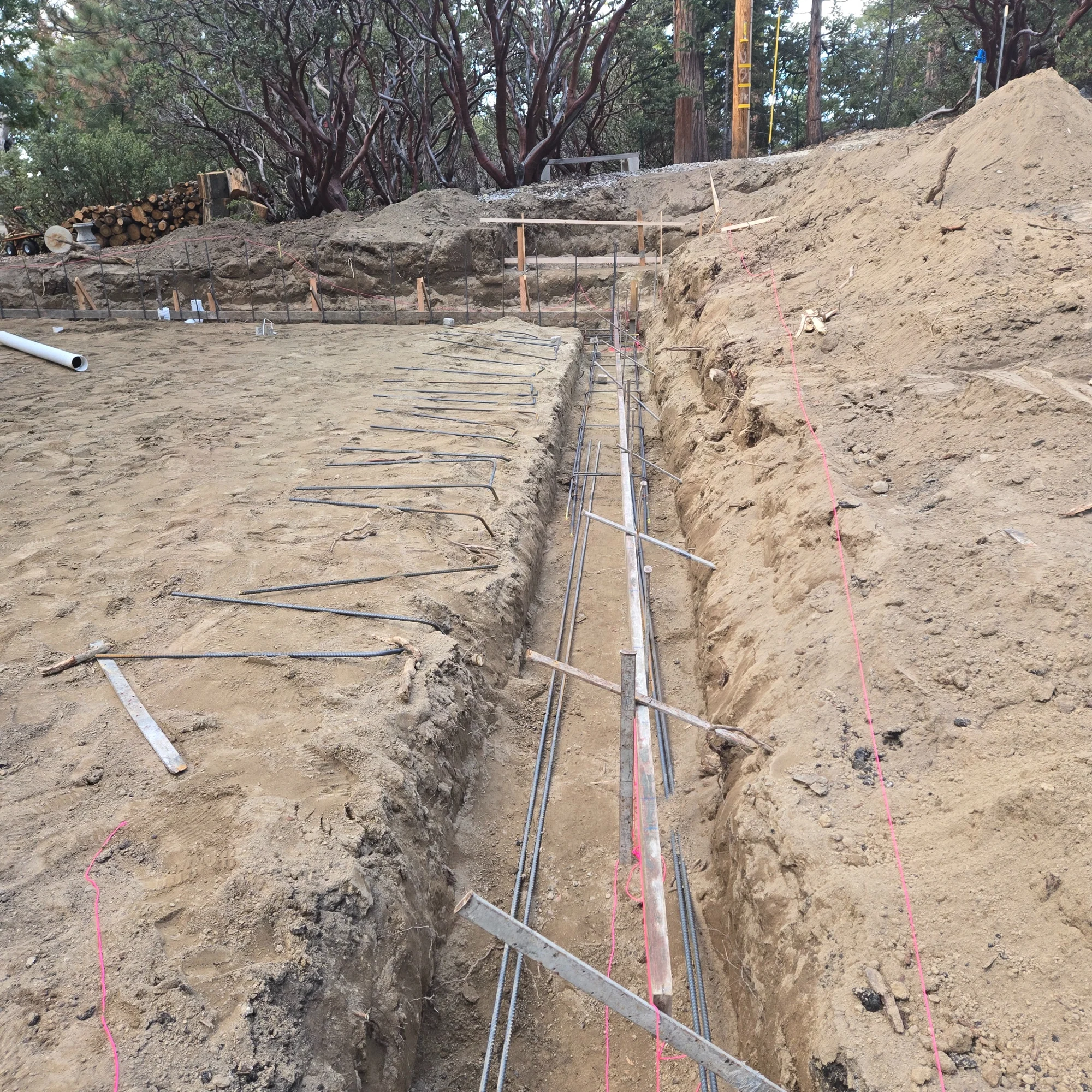
Access and staging
Dense lots mean narrow driveways, alley access, parked cars and nowhere to put a truck. Getting concrete to the pour is often harder than the pour, and it gets planned first.
Steel sized to the movement
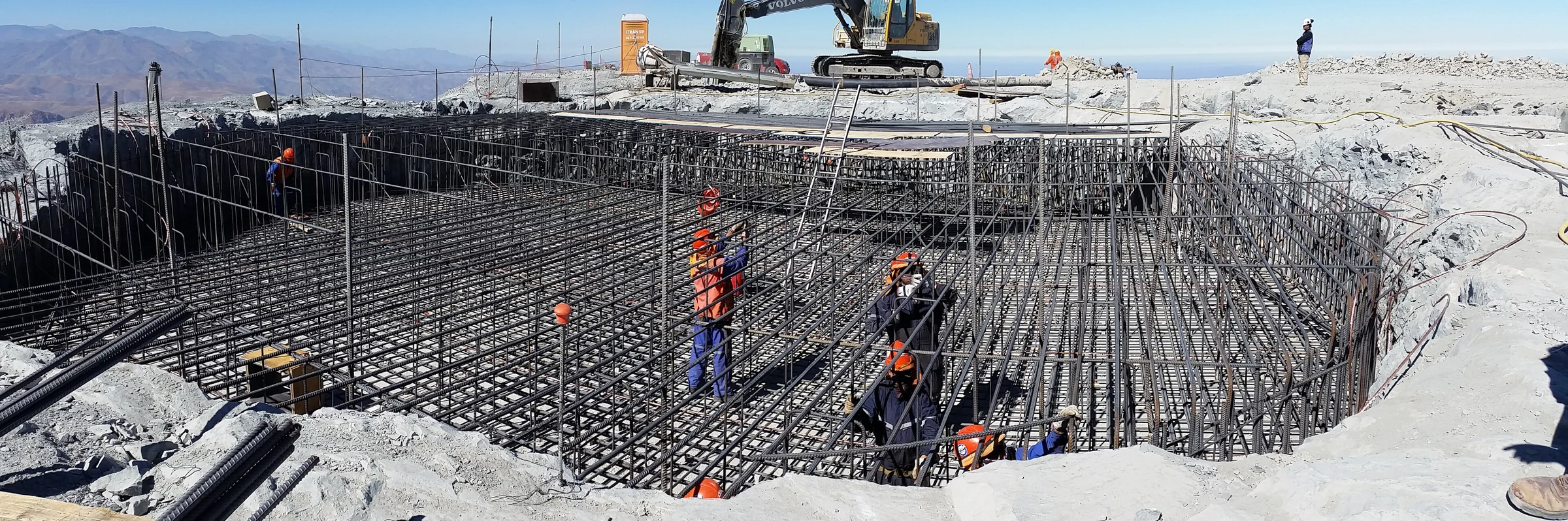
Reinforcement gets placed for what the soil is going to do, on chairs at the right height with real cover. Steel lying on the dirt does nothing at all.
Pours scheduled to the heat
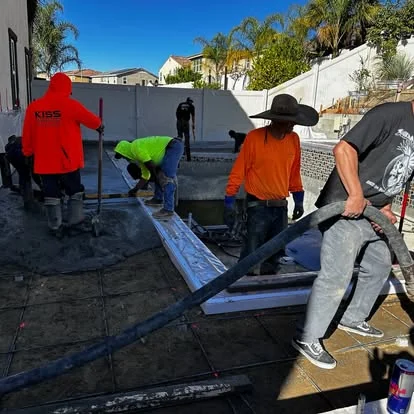
In summer we start early and keep the mix and the crew ahead of the temperature. Concrete does not wait for anybody.
Cleanup is part of the job
Washout handled properly, spoil hauled, surfaces cleaned. Concrete work is messy while it happens and should be invisible when it is done.
What we build in El Monte
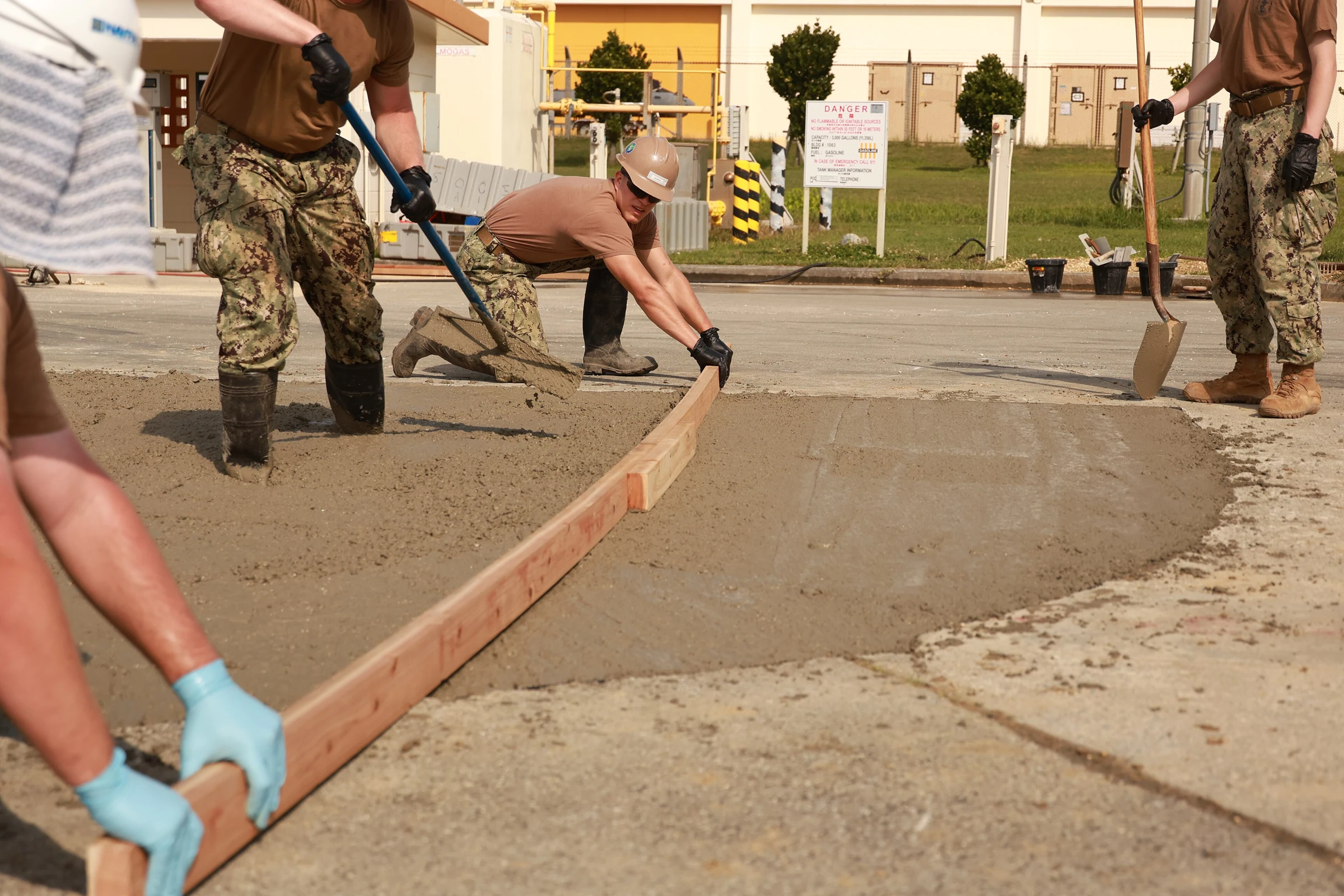
Garage Floors
Hot tires, dropped tools, and whatever ran off the car.

Garage Aprons
The strip between the driveway and the garage door.
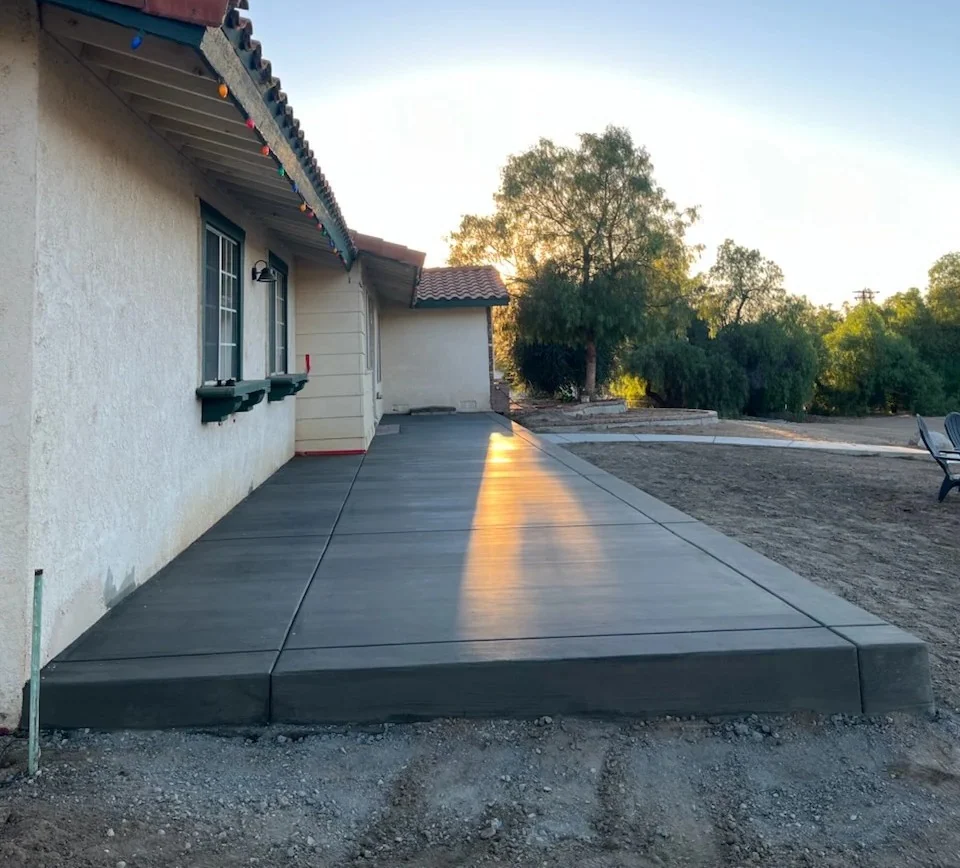
Basement Floors
A slab poured inside, where moisture has nowhere to go.
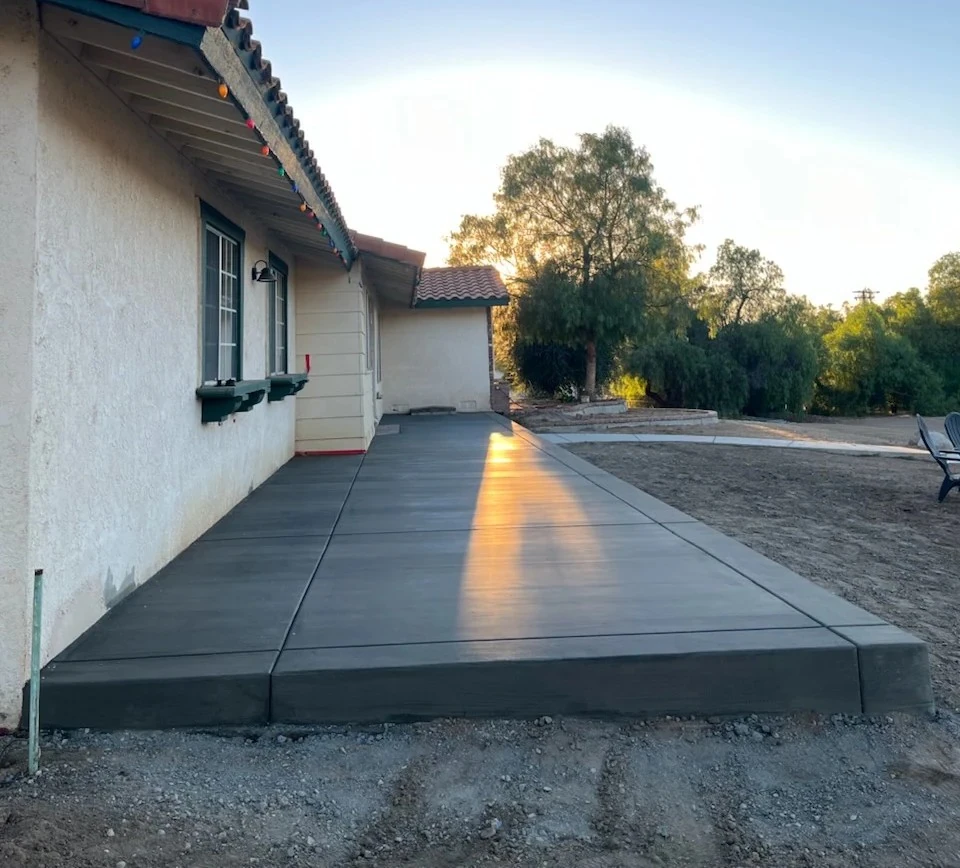
RV Pads
Heavy, concentrated, parked in one place for months.
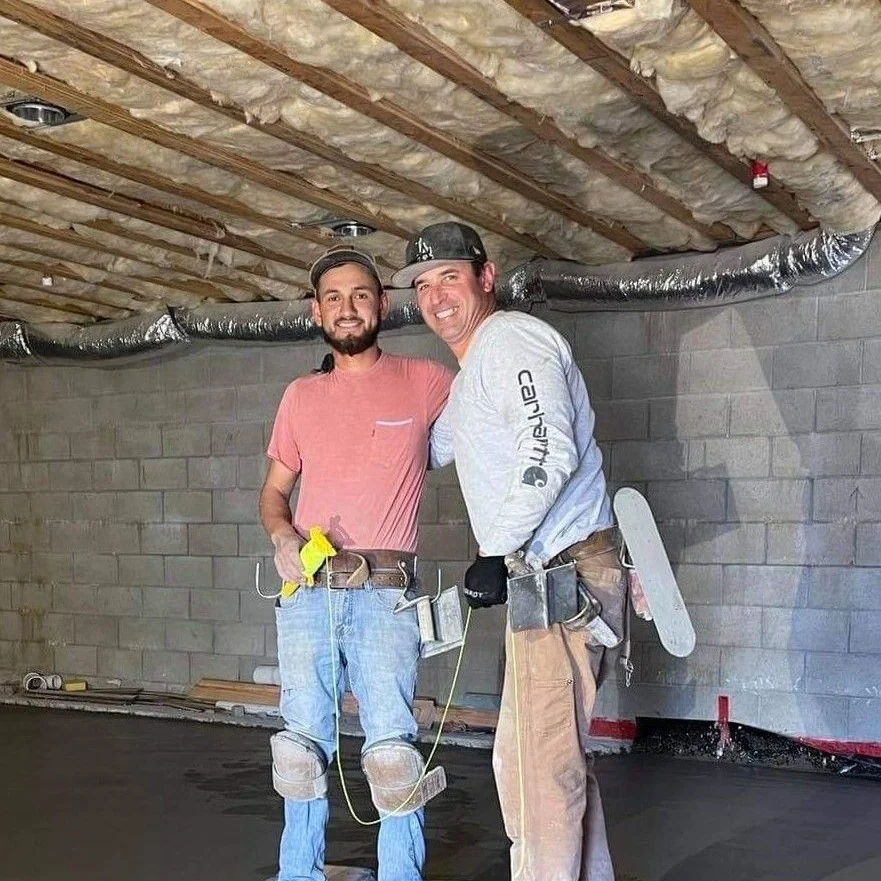
Boat Pads
Trailer tongue weight and a slab that has to stay level.
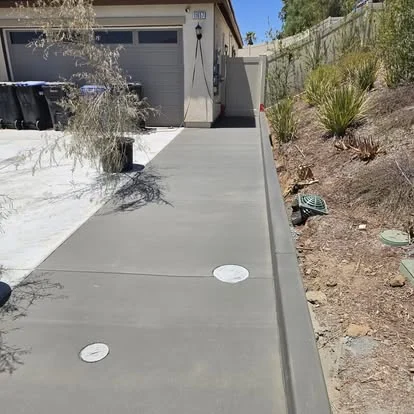
Parking Pads
Extra parking that is not the driveway.
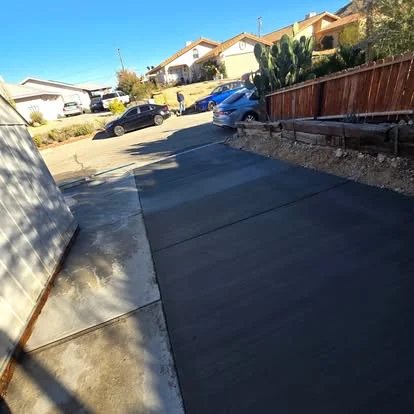
Concrete Demolition
Controlled demolition, including reinforced sections.
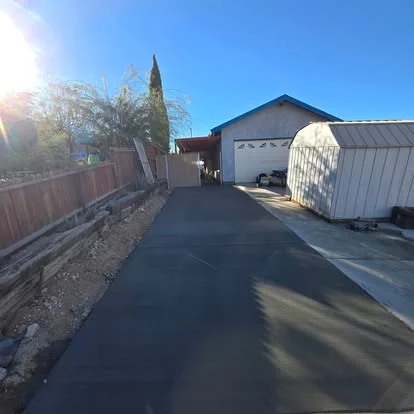
Concrete Saw Cutting
A straight, clean cut to a measured depth.
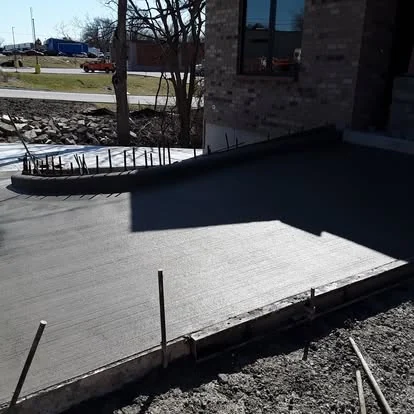
Expansion Joint Installation
Giving the slab somewhere to go.
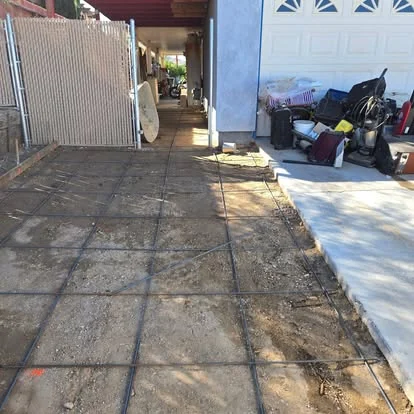
Concrete Drainage Channels
Formed channels that carry water on purpose.
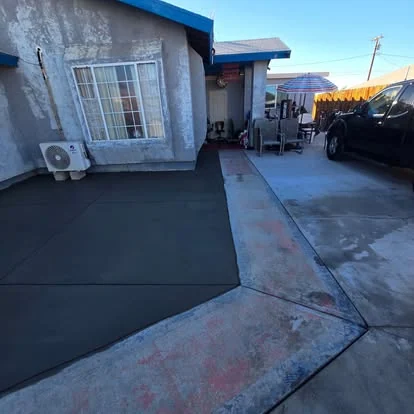
Commercial Concrete Flatwork
Flatwork built to a plan set and an inspection.
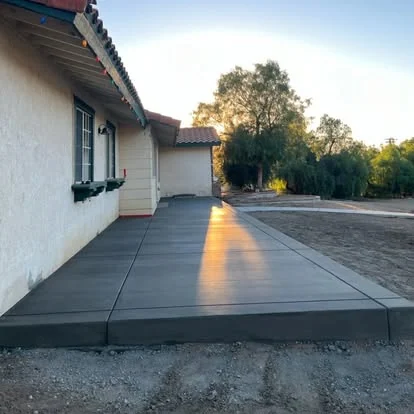
Commercial Concrete Slabs
Slabs sized for racking, equipment, and forklifts.
Pouring concrete around El Monte
Street trees and roots
Mature trees lift sidewalks and driveways, and they will lift a new slab too unless the root is dealt with. Sometimes that means root pruning, sometimes rerouting the walk, sometimes a thicker slab with a root barrier. Replacing without addressing it just resets the clock.
Matching a run that stays
Replacing part of a walk or drive means matching thickness, finish and joint pattern to what remains, so the result reads as one surface rather than a patch. Color takes time to blend as concrete ages and we will be straight about that up front.
Permits and the right of way
Work in the public right of way, anything structural, and most full replacements need permits and inspection. We would rather have that conversation before anything is broken out than discover it when an inspector arrives.
Access and staging
Dense lots mean narrow drives, alley access, parked cars and nowhere obvious to put a truck. Getting concrete to the pour is often harder than the pour itself, so access is worked out before the date is set, including whether the job needs a pump.
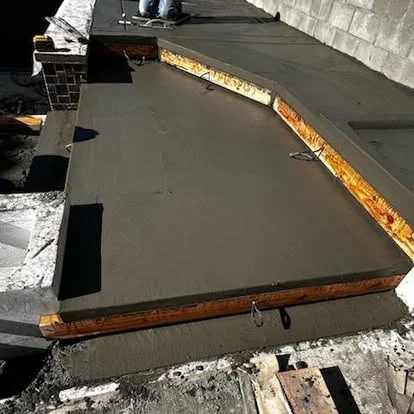
Concrete work around El Monte
Flatwork, foundations and repair across El Monte and the rest of Los Angeles County, poured by the same crew that answers the phone.
How concrete fails, and why
Cracks at re-entrant corners
Any inside corner in a slab, around a pillar or at an L-shaped patio, concentrates stress. Concrete cracks diagonally out of those corners unless steel or a joint is placed to control it.
Water against the house
Flatwork that slopes toward a building sends water at the foundation. In expansive soil that is the most expensive drainage mistake available.
Tire marks and staining
Hot tires pull at a sealed surface and some sealers soften under them. On a garage floor the finish and the sealer choice both matter for that reason.
Sunken sections around utilities
Trenches backfilled loosely settle for years. Anything poured over a recent trench needs that backfill compacted properly first.
How a job runs
Weather calls
Rain on fresh concrete damages the surface, and extreme heat shortens the finishing window. Both can move a date, and we will tell you why.
Sequence on bigger jobs
Demolition, earthwork, forming, steel, pour, joints, cure. Each step has to finish before the next one starts, and inspections land between some of them.
A repair aimed at the wrong cause is money spent twice.On repair work
Changes mid-job
Anything found underground can change the scope. If that happens you hear about it before work continues, with what it means.
What normal looks like after
Some hairline cracking, some color variation, and joints doing their job. We will tell you what is expected so you know what is not.
Around El Monte
Straight answers
My sidewalk is lifted by a tree root. What are the options?
Grinding the lip removes the trip hazard; cutting and repouring the panel fixes the surface. Neither lasts unless the root is addressed, which can mean pruning, a root barrier or rerouting the walk.
The concrete here is old and thin. Is that why it failed?
Often, along with a base nobody tested. Older urban flatwork was poured thinner with lighter steel, and when it fails it is usually reporting on what is underneath.
What about utilities under the slab?
Anything cut or dug starts with locating, because older urban lots have services in places no drawing records.
Can you match the neighboring concrete?
Close, not exact, since concrete ages. We match thickness, finish and joints so the run reads as one surface.
Do I need a permit for a replacement?
Work in the public right of way and anything structural generally does; a like-for-like private replacement often does not. We check before anything is broken out.
Get a number for your El Monte job
Tell us what you are building. Somebody comes out, reads the site, and prices what it actually needs rather than what fits a template.