
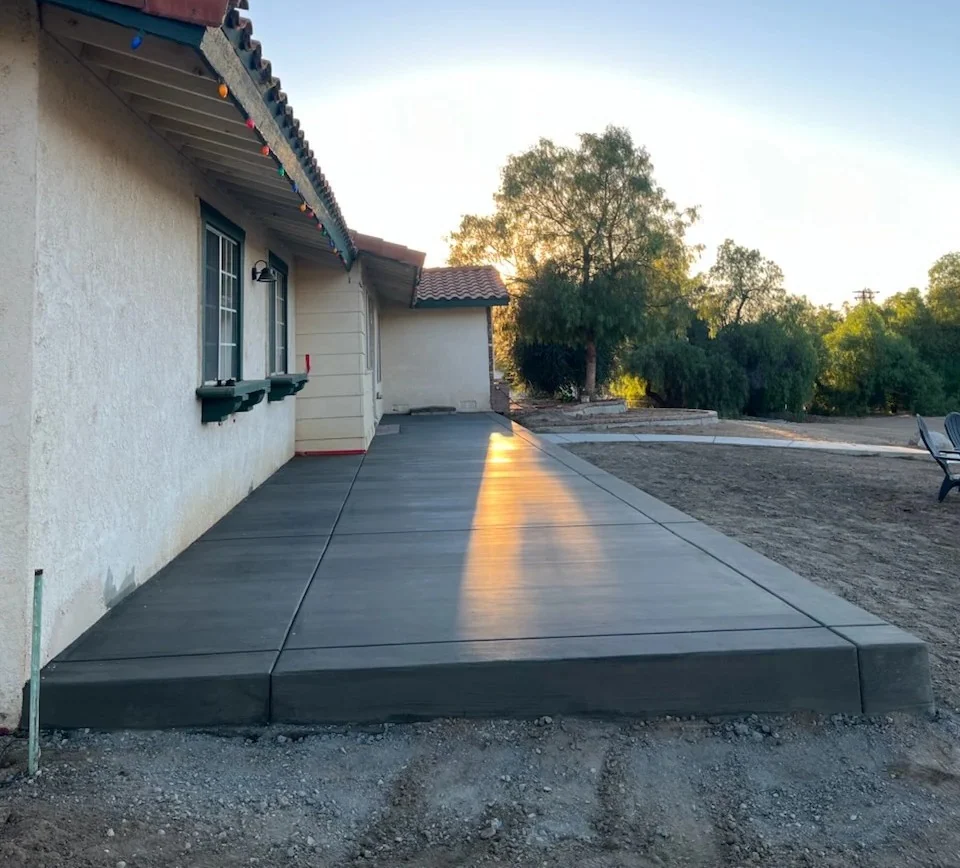
Concrete Sidewalks
Sidewalk work usually has a code behind it: width, thickness, cross-slope, joint spacing. We build to the spec so it passes the first time. If it fronts a street, we pull the permit conversation forward instead of finding it at inspection.
Talk to us about the job


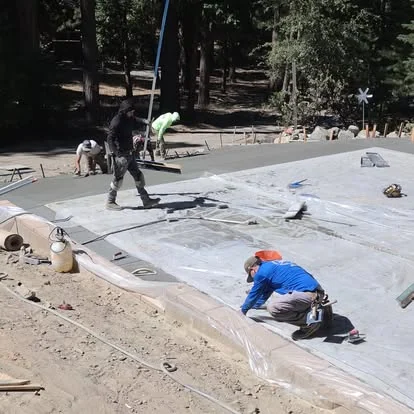
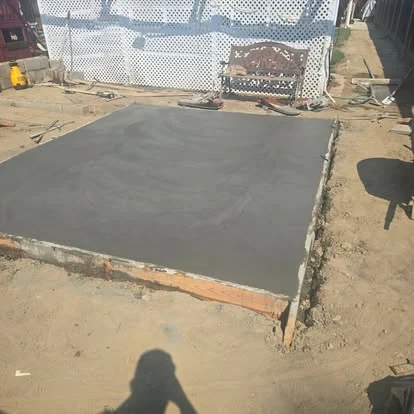

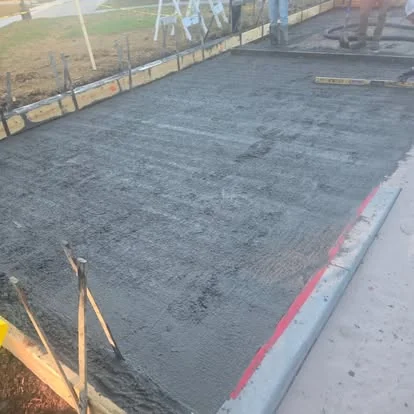
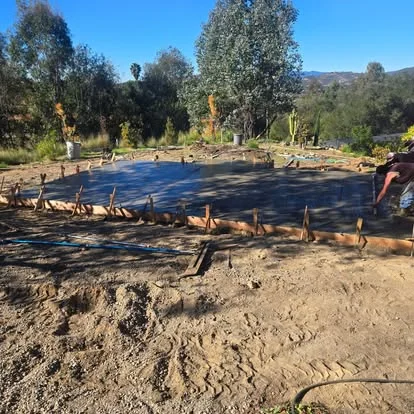
How the job runs
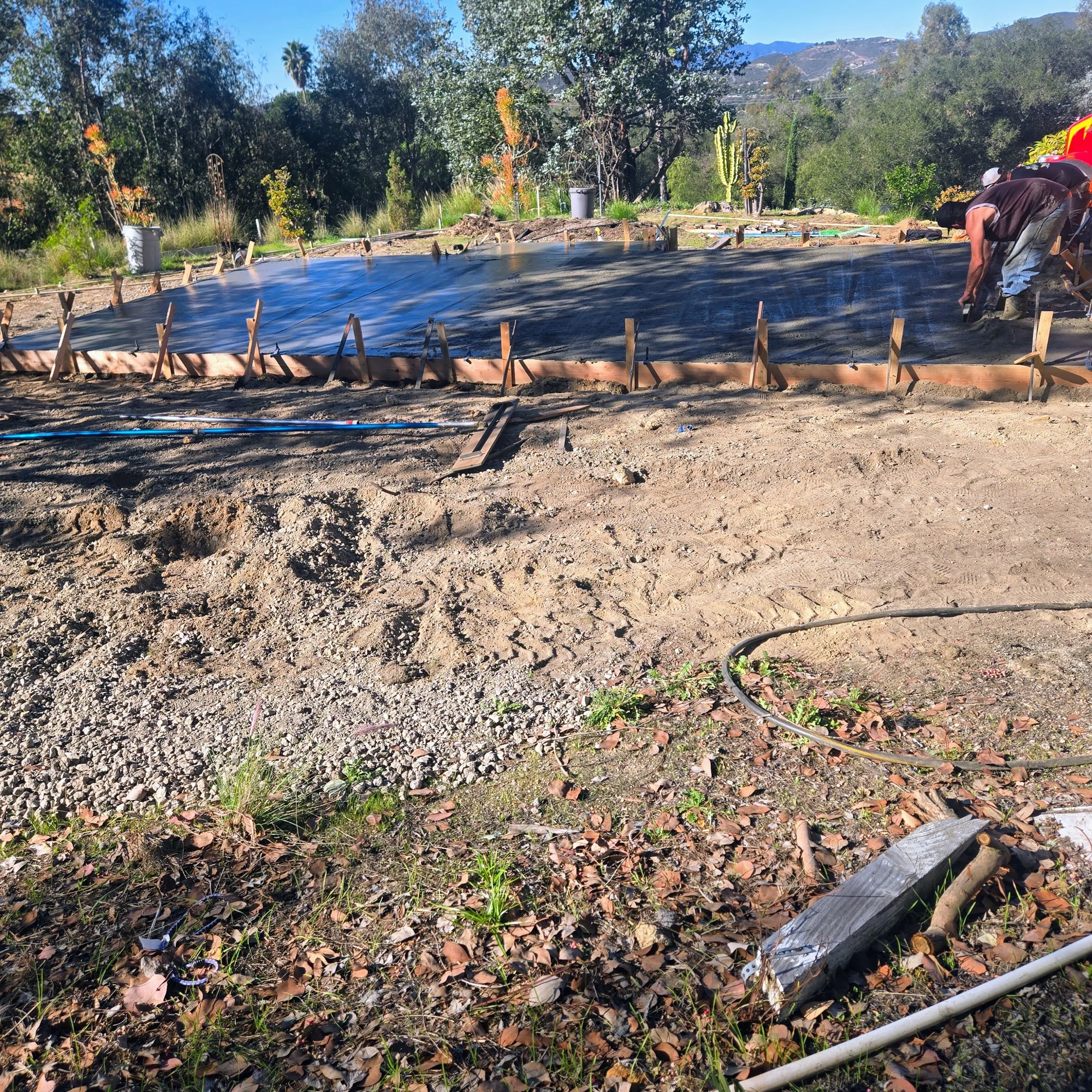
Walk it with you
A site visit before anything else, so the scope is built on what is actually there.
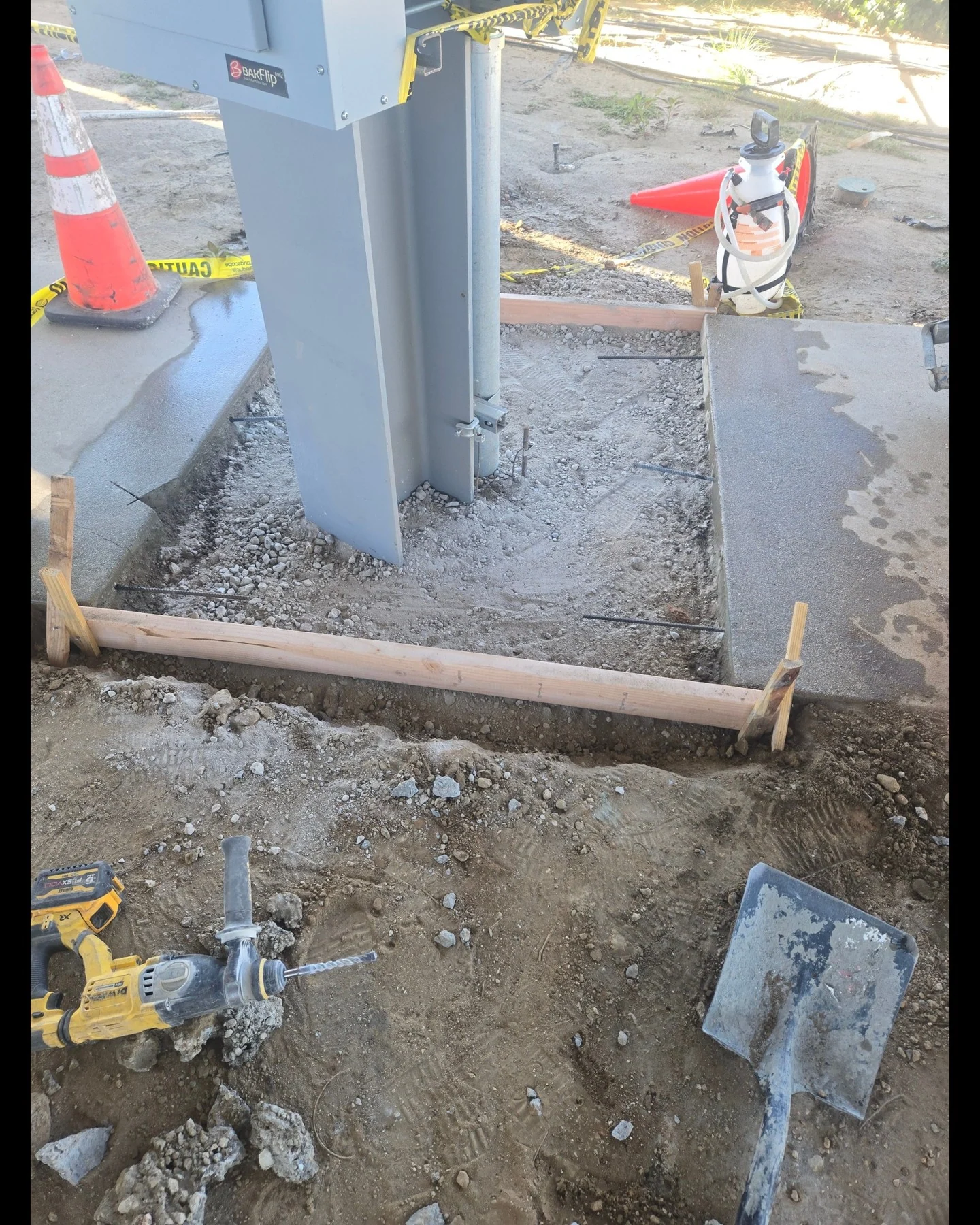
Tell you what it needs
Including when the honest answer is the smaller job.
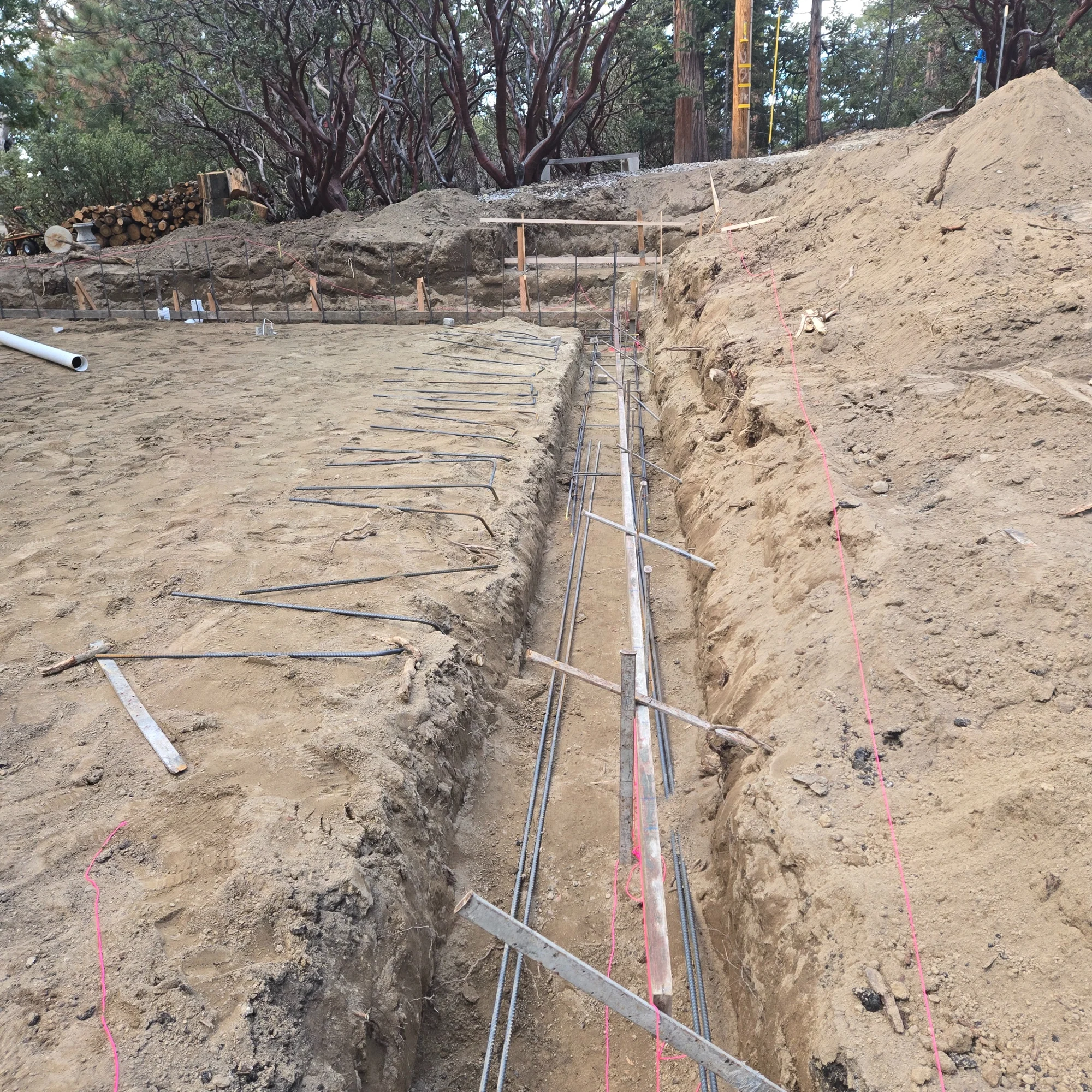
Fix what is under it
Grade and compaction done properly, because that is what the slab rides on.
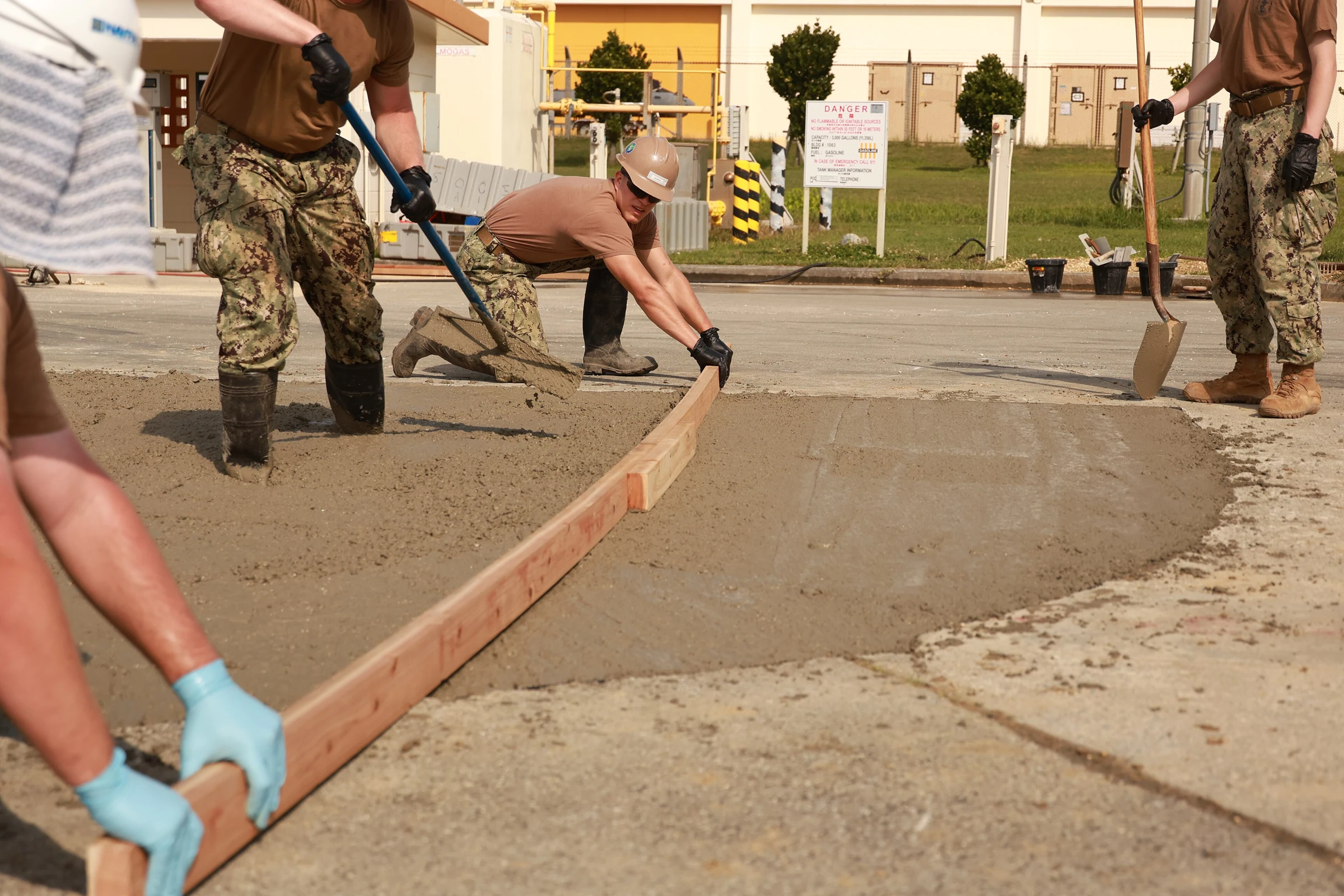
Build and pour
Forms, steel, placement, consolidation, finish. Each one in order and none of them rushed.
What this job actually needs
What decides the price
Access, thickness, the state of the base, how much demolition there is, and the finish. Square footage is the least interesting number. That is why somebody comes out and stands on the job rather than quoting off a photograph.
Base preparation
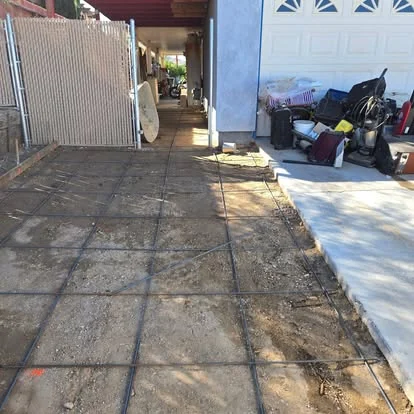
Cut to grade, find and fix the soft spots, place base in controlled lifts and compact it. Almost every residential slab failure we are called to look at started here rather than in the concrete.
Reinforcement and joints
Steel lifted into the upper part of the slab where tension happens, and control joints spaced to the thickness and cut early enough to work. Those two decisions are why some slabs look fine at twenty years and others are a map of cracks at five.
Curing in inland heat
Low humidity, wind and triple digit afternoons pull water out of a fresh slab faster than the concrete can use it. Curing is an active step here, not something that just happens, and it decides the strength of the surface.
What decides whether it lasts
Concrete is judged on the surface and it fails from underneath. The base, the steel, the joints and the cure are the whole job. A slab that was poured on bad ground will tell you so, usually in the third or fourth year.
Why fourth generation matters here
32 years on the tools means most of these problems have already been seen once. Reading a slab before quoting it is the part you cannot learn from a book, and it is the difference between a repair that holds and one that comes back.
What Southern California ground does to concrete sidewalks
Drainage on a flat lot
Valley lots are often close to level, which makes slope hard to find and easy to get wrong. Low points, cross-fall and where water actually leaves the property get worked out before the pour, because once the concrete is down the drainage is permanent.
What the ground does here
The inland valleys run on expansive clay. It takes on water and swells, then dries out and shrinks, and it does that cycle every year. A slab poured on untreated clay rides that movement until something gives, which is why base preparation and reinforcement are the design rather than an upgrade. Where a soils report exists we build to it; where there is none, what we find during excavation tells us what the ground is going to do.
Summer pours
Triple digit afternoons change how concrete behaves. It stiffens before it can be finished properly, the surface skins over while the body underneath is still soft, and water leaves the slab faster than the cement can use it. Valley pours start early, the mix gets adjusted for the heat, and curing is treated as an active step instead of something that happens on its own.
Irrigation against the slab
Almost every valley property waters something, and sprinklers running along a slab edge keep the base saturated year round. In expansive soil that is a slow way to undermine your own driveway. Where the water lands is worth looking at before blaming the concrete.

How concrete fails, and why
Failure that starts at the edge
Most slabs die from the outside in. Edges are thin, unsupported and exposed, which is why a thickened perimeter is worth the concrete it costs.
Water tracking under the slab
If water can get under concrete it will move fines out and leave voids. Drainage and base gradation both exist to stop that.
Cracks that open seasonally
A crack that closes in winter and opens in summer is expansive soil cycling. It is manageable and it is not going to be solved by filling it once.
Coatings peeling off
A coating is only as good as the prep under it. Profile, moisture content and cleanliness all decide whether it bonds or sheets off later.
How a job runs
Before we start
You get told what is being built, how long the concrete is unusable, and where the truck and the crew will be. Access gets sorted before the day, not on it.
The day of the pour
Concrete arrives on a schedule and does not wait. The crew works to the material, which means the pour is not a good day to renegotiate the scope.
The honest answer is sometimes the cheaper one.On quoting
After the pour
Foot traffic usually after a day or so, vehicles longer. You get the real numbers for your slab, because thickness and weather both change them.
The first month
Concrete keeps gaining strength for weeks. Hairline shrinkage cracking in that window is normal and is not a failure. Anything that worries you, call and we will look.
Other residential work
Concrete Driveways
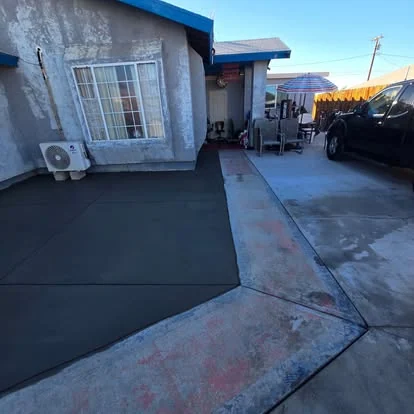
The slab that carries a car every day of its life.
Concrete Driveway Replacement
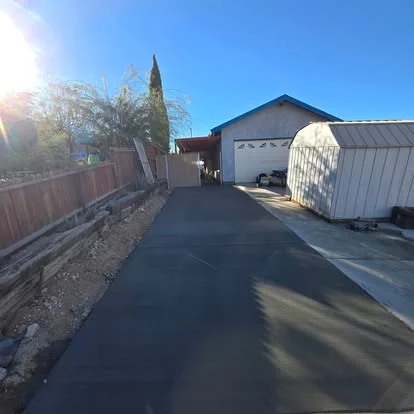
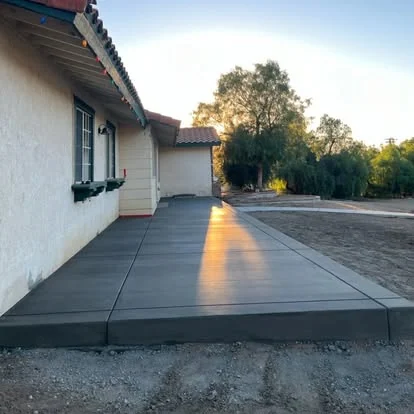
Out to the dirt, rebuilt from the base up.
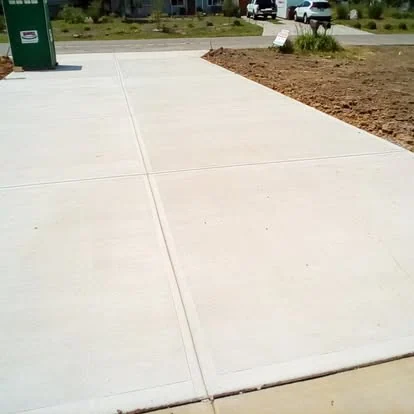
Concrete Driveway Repair
Fix what is broken and leave what is sound.
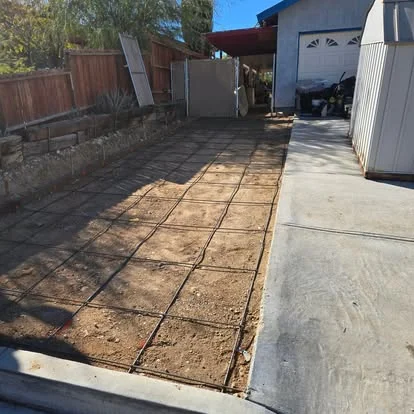
Concrete Patios
The outdoor room that starts as a flat pour.
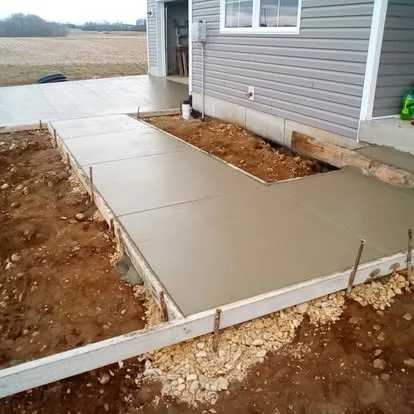
Concrete Patio Replacement
Take out the old slab, pour the one you actually wanted.
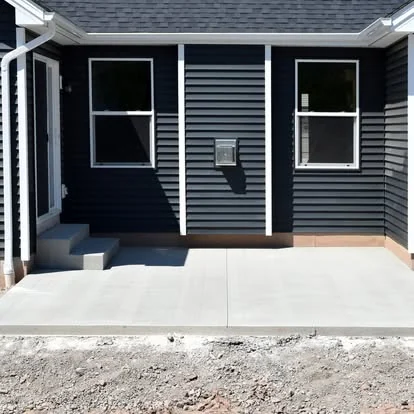
Concrete Patio Repair
Cracks, settled corners, and surfaces that have gone rough.
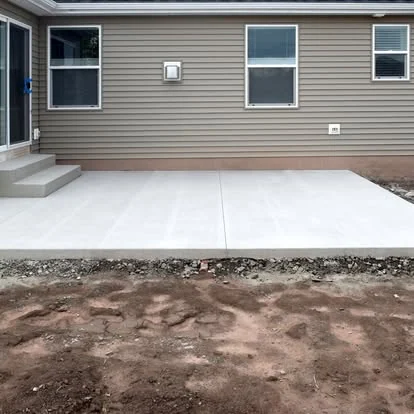
Concrete Walkways
Getting from the street to the door without a trip hazard.
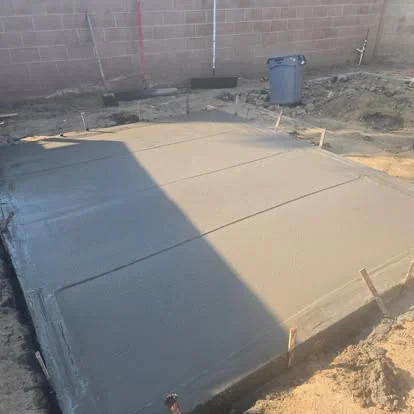
Concrete Sidewalk Repair
Lifted, cracked, or spalled panels made safe again.
Straight answers
Do you fix the base or just pour over it?
We fix the base. Pouring new concrete on ground that already failed once is how you get the same crack in the same place. If the base is the problem, that is the work.
How much does concrete cost?
It depends on access, thickness, base condition and finish, which is why we walk the job before giving a number. We will not quote a driveway off a photograph.
Can you match my existing concrete?
Usually close, rarely exact. Concrete changes color as it ages, so a new pour next to a ten year old slab will read newer for a while. We match thickness, finish and joint pattern so it looks intentional.
How long before I can drive on a new slab?
Concrete takes most of its strength in the first week and keeps gaining for a month. Foot traffic is usually fine after a day or two. Vehicles wait longer, and we will give you the actual number for your pour, because thickness and weather both change it.
Will it crack?
Yes, eventually, and that is the material rather than a defect. The job is deciding where. Control joints put the crack on a line we cut instead of one it picks. A slab with no cracking plan will still crack, just somewhere you did not want.
Tell us what the job is
We walk the job, tell you what it needs, and give you a number. Hemet and roughly 100 miles around it.