
Covina concrete, no guesswork
We walk the job, read the ground, and tell you what it needs. Covina and all of Los Angeles County, 32 years in the trade.
Talk to us about the job
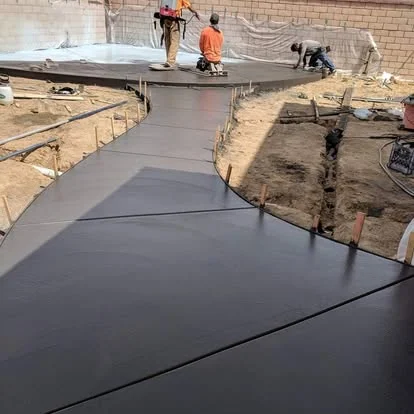
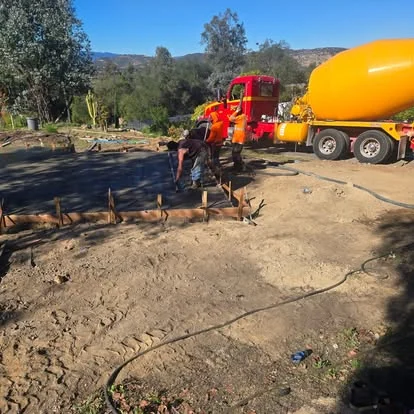
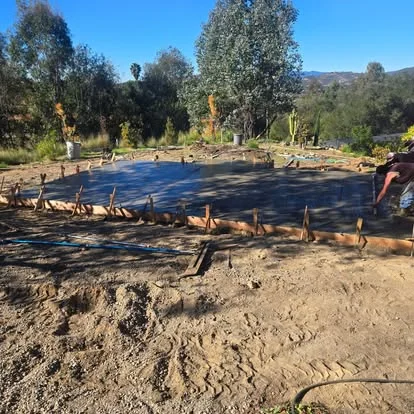
What concrete is up against around Covina
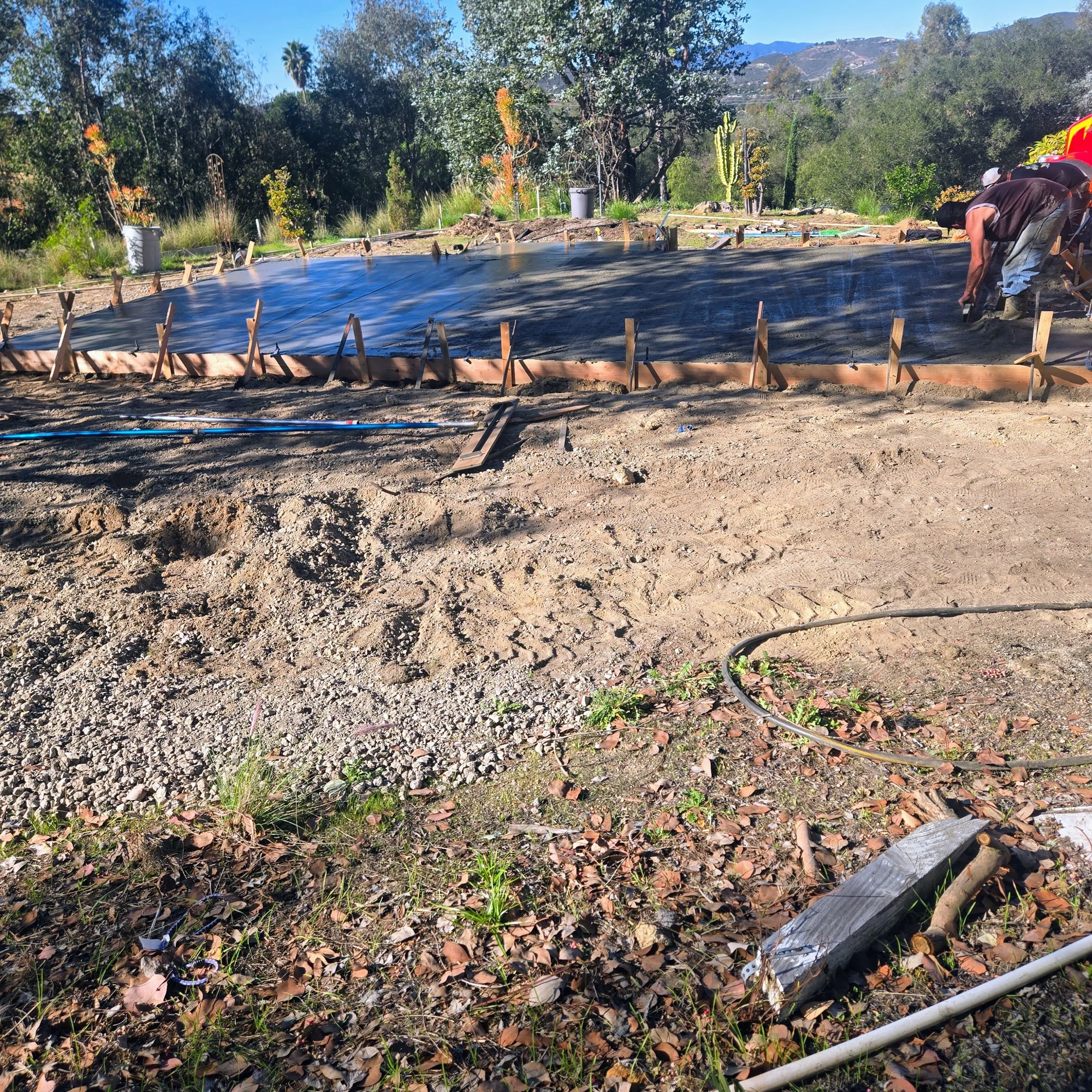
Older slabs, older assumptions
A lot of concrete in these neighborhoods was poured decades ago, thinner than we would build now and with less steel. When it fails it is usually telling you about the base under it, not the mix.
Neighbors and noise
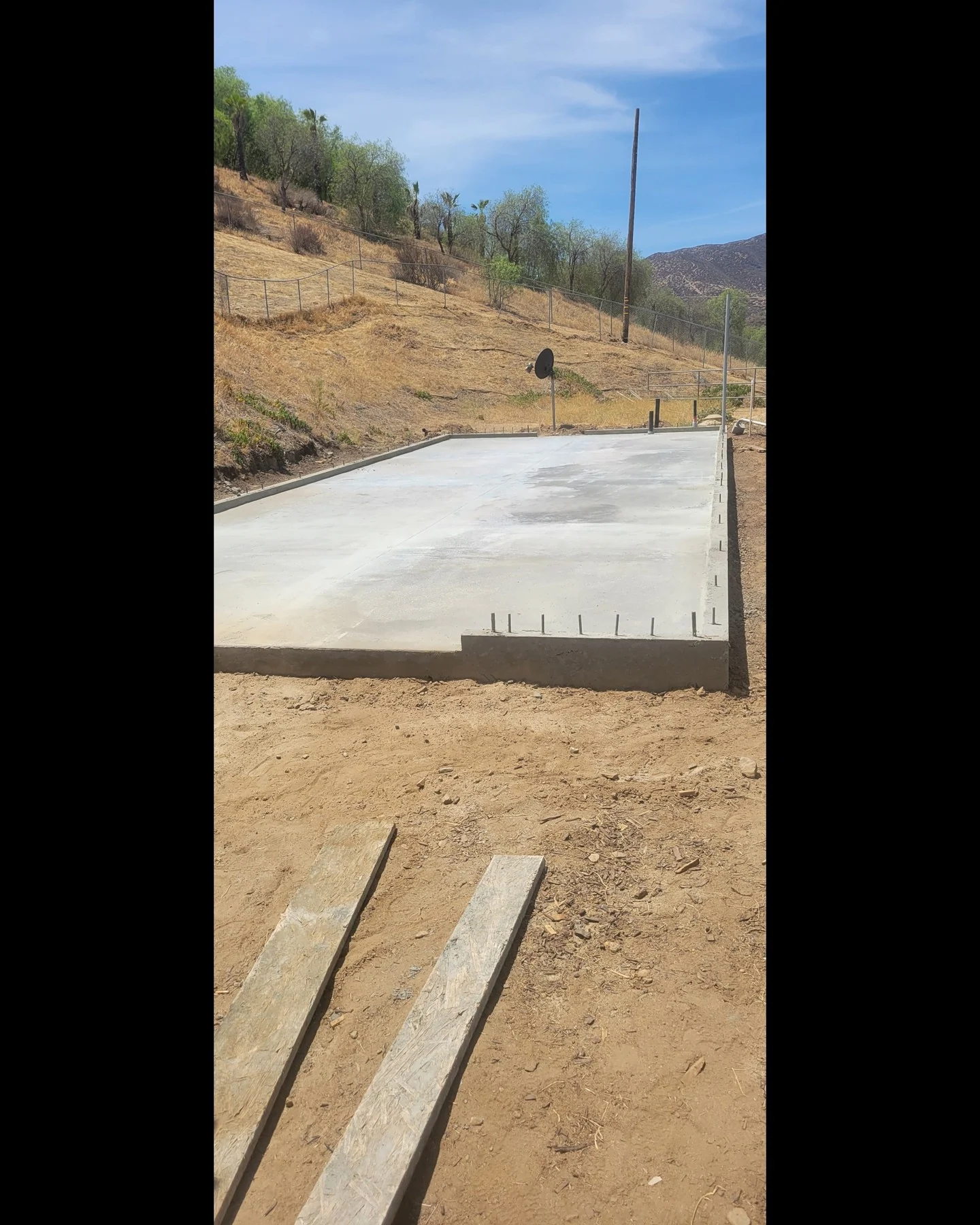
Saw cutting and breaking concrete is loud, and in a dense neighborhood that is a real constraint. Hours get worked out in advance.
Heat island on dark flatwork
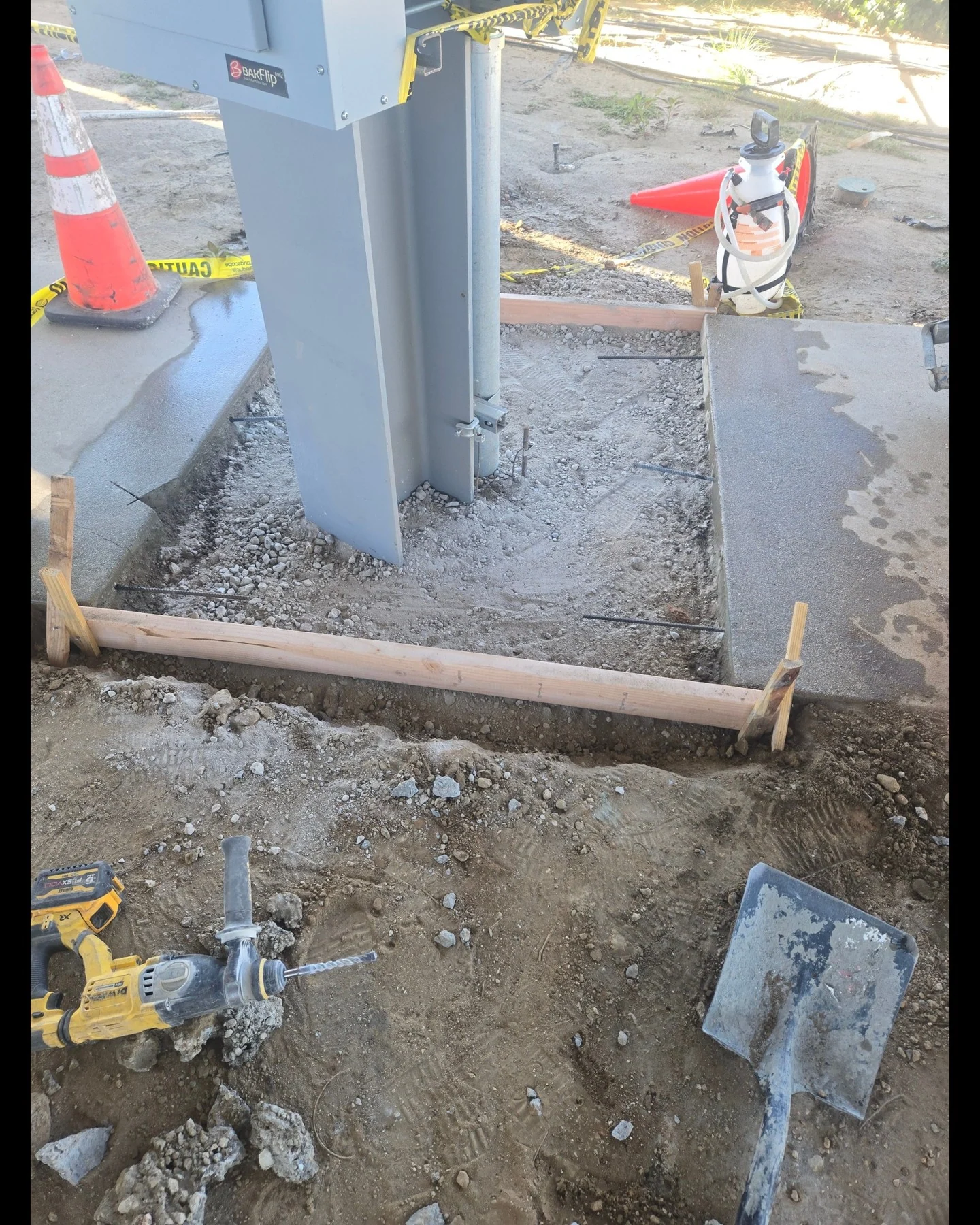
Dense paving with no shade gets hot and stays hot, which means more thermal movement day to day. Joint layout accounts for it.
Water routed off the slab
Slopes, low points and a path for water to leave are set before the pour, because afterward the drainage is permanent.
Pours scheduled to the heat
In summer we start early and keep the mix and the crew ahead of the temperature. Concrete does not wait for anybody.
Base first, always
We cut to grade, fix the soft spots we find, and compact base in lifts before anything is formed. In expansive clay that step decides the whole outcome, so it is not where we save money.
What we build in Covina
Parking Pads
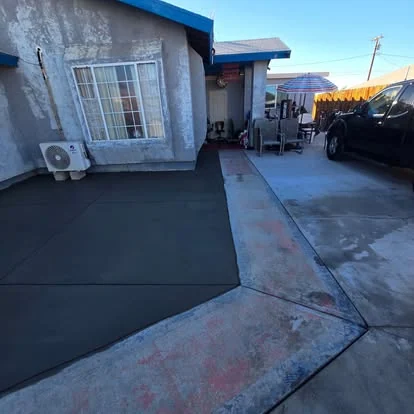
Extra parking that is not the driveway.
Concrete Pool Decks
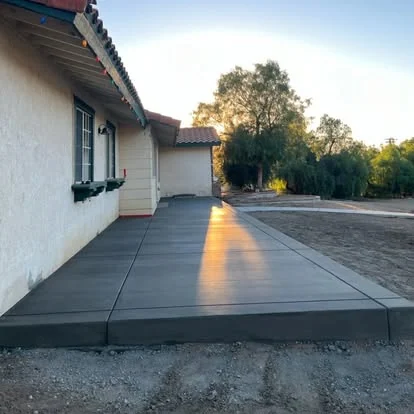
Wet feet, chemicals, and sun all year.
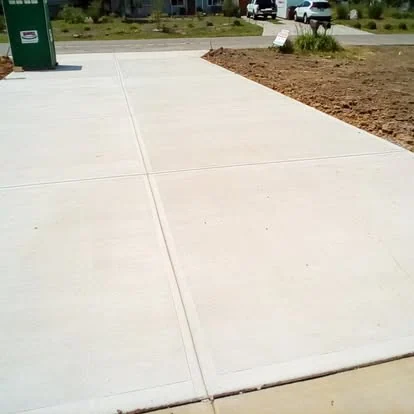
Concrete Pads
A pad sized to the thing that is going on it.
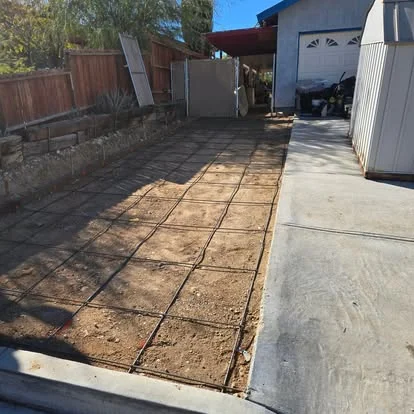
Residential Concrete Flatwork
All the flat concrete around a house, done by one crew.
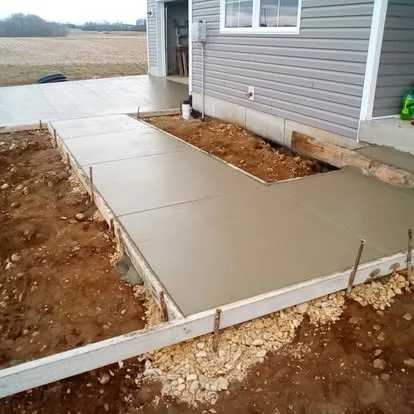
Backyard Concrete
The whole back of the property, planned as one pour.
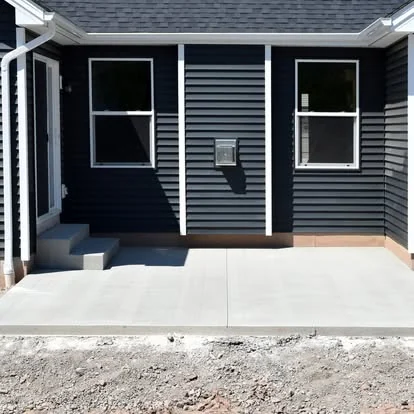
Outdoor Living Concrete
Kitchens, fire features, and seating built on concrete.
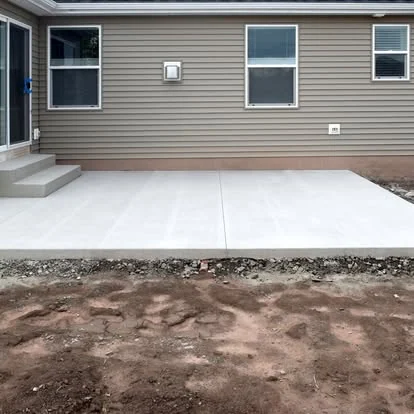
Concrete Sealing
Keeping water out of the pores.
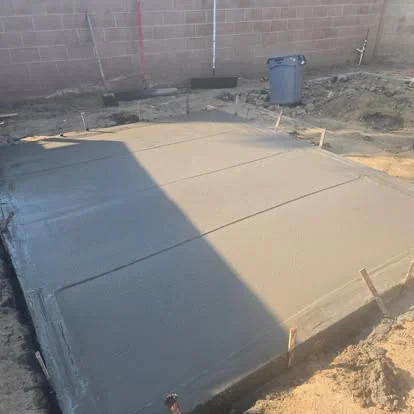
Concrete Replacement
Out with the old slab, in with one built right.
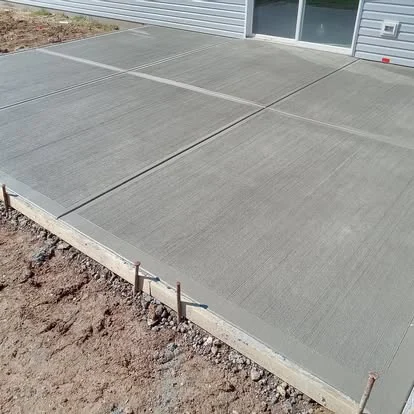
Concrete Removal
Break it out, haul it off, leave it clean.
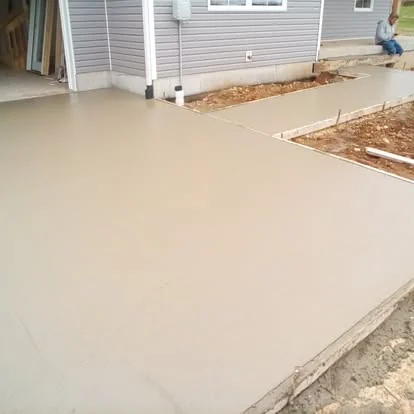
ADA Concrete Ramps
Built to the slope the tape measure will confirm.
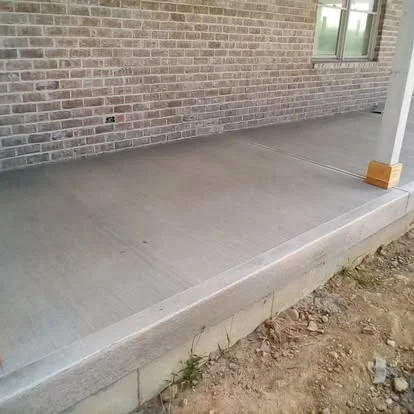
ADA Sidewalks
Accessible routes that hold their tolerances.
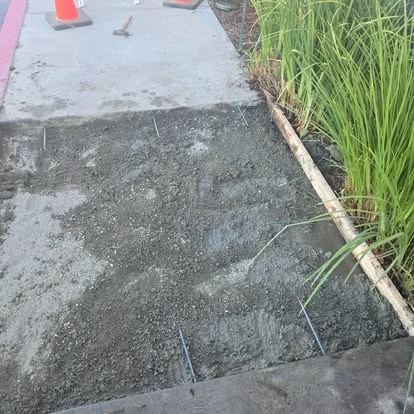
Warehouse Floors
Flat enough for racking and hard wheels.
Pouring concrete around Covina
Permits and the right of way
Work in the public right of way, anything structural, and most full replacements need permits and inspection. We would rather have that conversation before anything is broken out than discover it when an inspector arrives.
Utilities nobody recorded
Older urban lots have services running in places no drawing shows. Anything cut or dug starts with locating, because finding a line with a saw is expensive and entirely avoidable.
Matching a run that stays
Replacing part of a walk or drive means matching thickness, finish and joint pattern to what remains, so the result reads as one surface rather than a patch. Color takes time to blend as concrete ages and we will be straight about that up front.
Older slabs and older assumptions
Much of the concrete in these neighborhoods was poured decades ago, thinner than we would build now and with lighter reinforcement over a base nobody tested. When it fails it is usually reporting on what is underneath, which is why we look at the cause before quoting the cure.
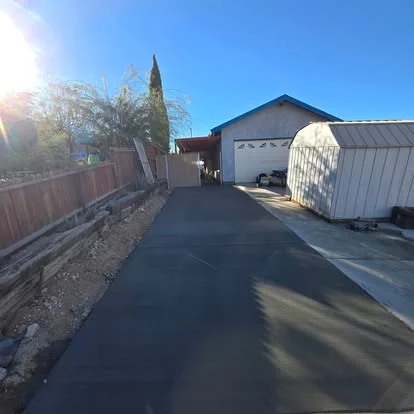
Concrete work around Covina
Flatwork, foundations and repair across Covina and the rest of Los Angeles County, poured by the same crew that answers the phone.
How concrete fails, and why
Shrinkage cracks in the first month
Concrete gives up water as it cures and gets slightly smaller doing it. Where it cannot shrink freely it cracks. This is why joints exist, and why a slab with no joint plan cracks wherever it likes within the first few weeks.
Crazing on the surface
A fine map of hairlines across the top is usually a finishing and curing issue, not structural. Working the surface with water on it, or letting a slab dry too fast in wind, both produce it.
Edges breaking away
Corners and edges are the least supported concrete on any slab and the first to go. Thin edges, vehicles cutting corners, and no thickened perimeter all contribute.
Rust stains and cracks over the steel
When cracks run in straight lines that match the rebar spacing, the steel is corroding and expanding. That means water and chloride reached it, which is a cover problem.
How a job runs
Preparation you may need to do
Moving vehicles, clearing the area, and sometimes irrigation being shut off. We will tell you in advance what is on you.
Demolition day
Saw cutting, breaking, loading and hauling. It is the loudest and dirtiest part and it usually happens first.
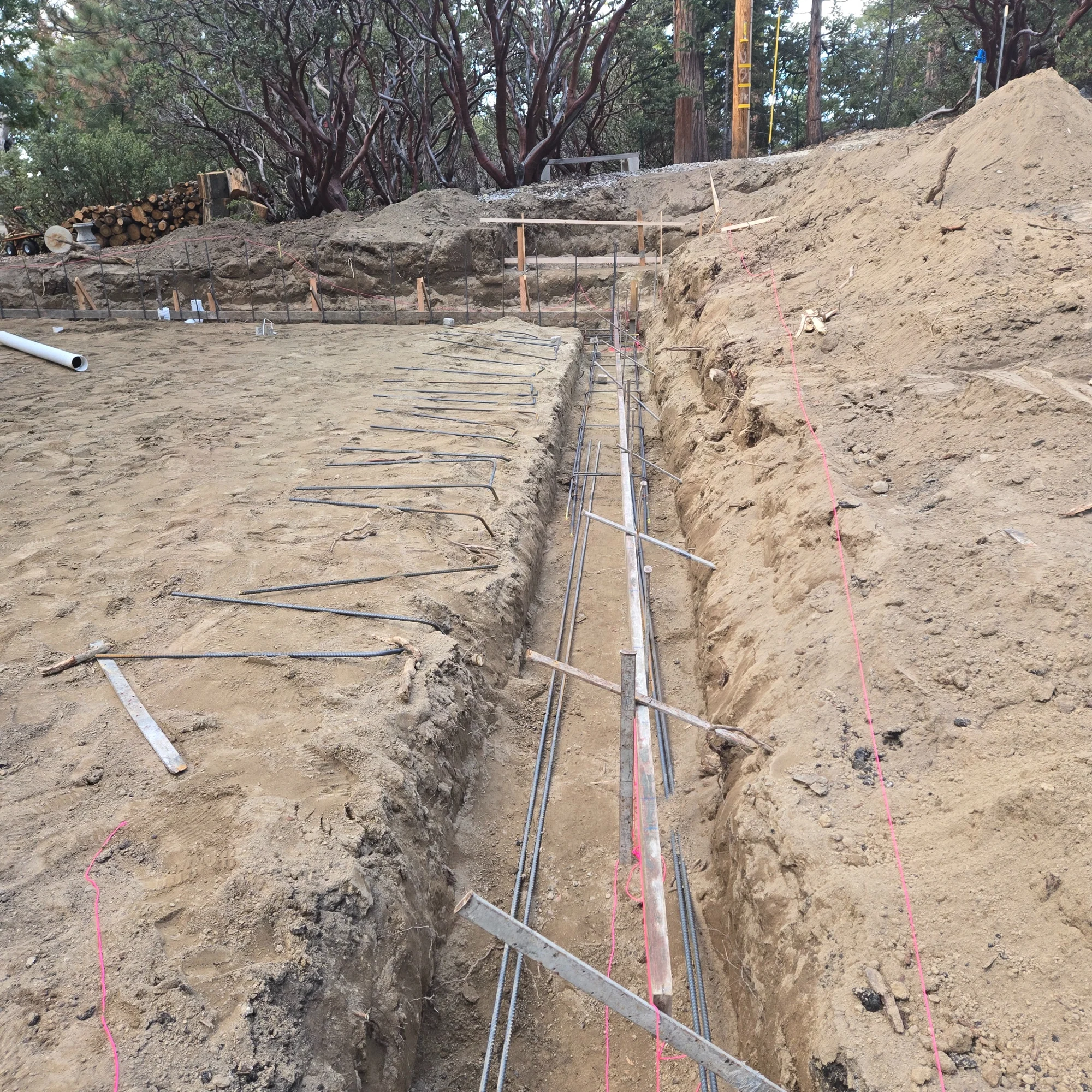
Steel lying on the dirt does nothing at all.On reinforcement
Pour day
Early start in summer. The crew works continuously until the slab is placed and finished, because concrete sets on its own schedule.
Keeping off it
How long depends on the pour and the weather. You will get a real number, not a generic one.
Around Covina
Straight answers
Am I liable for a lifted panel out front?
Generally the property owner carries that risk on a public walk, which is why grinding a lip or replacing a panel is cheap next to a claim.
My sidewalk is lifted by a tree root. What are the options?
Grinding the lip removes the trip hazard; cutting and repouring the panel fixes the surface. Neither lasts unless the root is addressed, which can mean pruning, a root barrier or rerouting the walk.
The concrete here is old and thin. Is that why it failed?
Often, along with a base nobody tested. Older urban flatwork was poured thinner with lighter steel, and when it fails it is usually reporting on what is underneath.
What about utilities under the slab?
Anything cut or dug starts with locating, because older urban lots have services in places no drawing records.
Can you match the neighboring concrete?
Close, not exact, since concrete ages. We match thickness, finish and joints so the run reads as one surface.
Start with a site visit
No number goes out on a photograph. We come to Covina, look at the ground and the access, and price the work from that.