

Los Angeles County concrete
We cover 56 communities across Los Angeles County from the shop in Hemet. Same crew, same license, whatever the drive.
Talk to us about the job
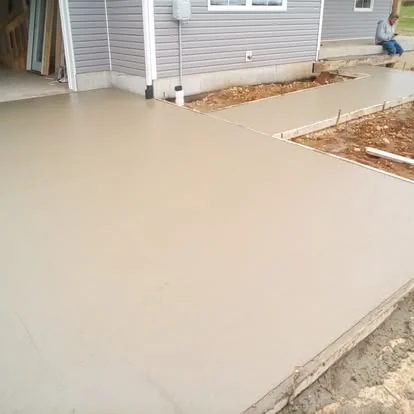
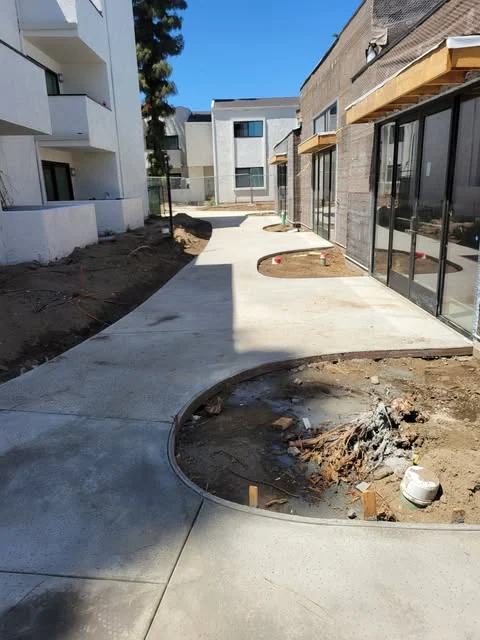
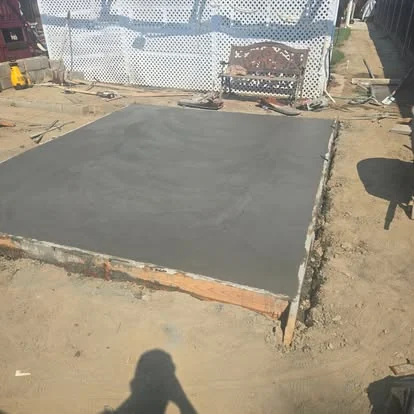
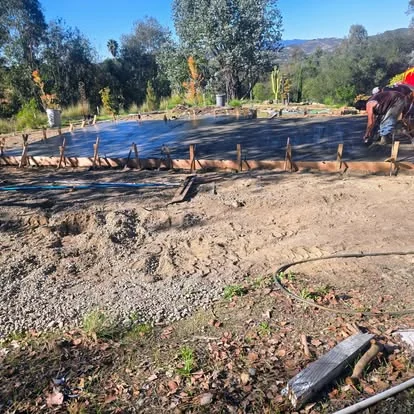
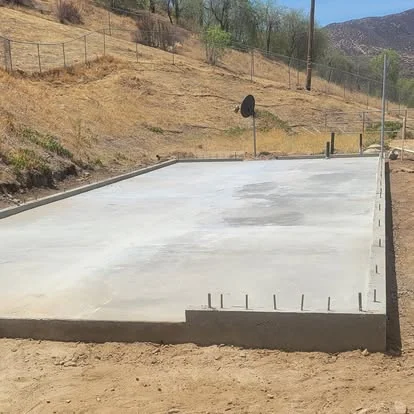
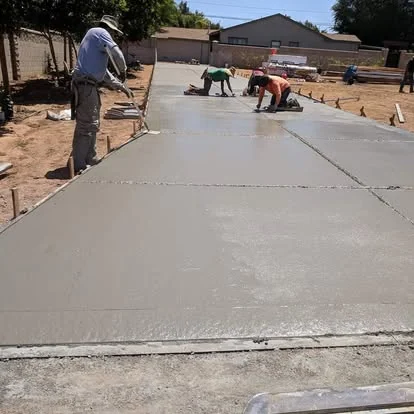
Ground conditions across Los Angeles County
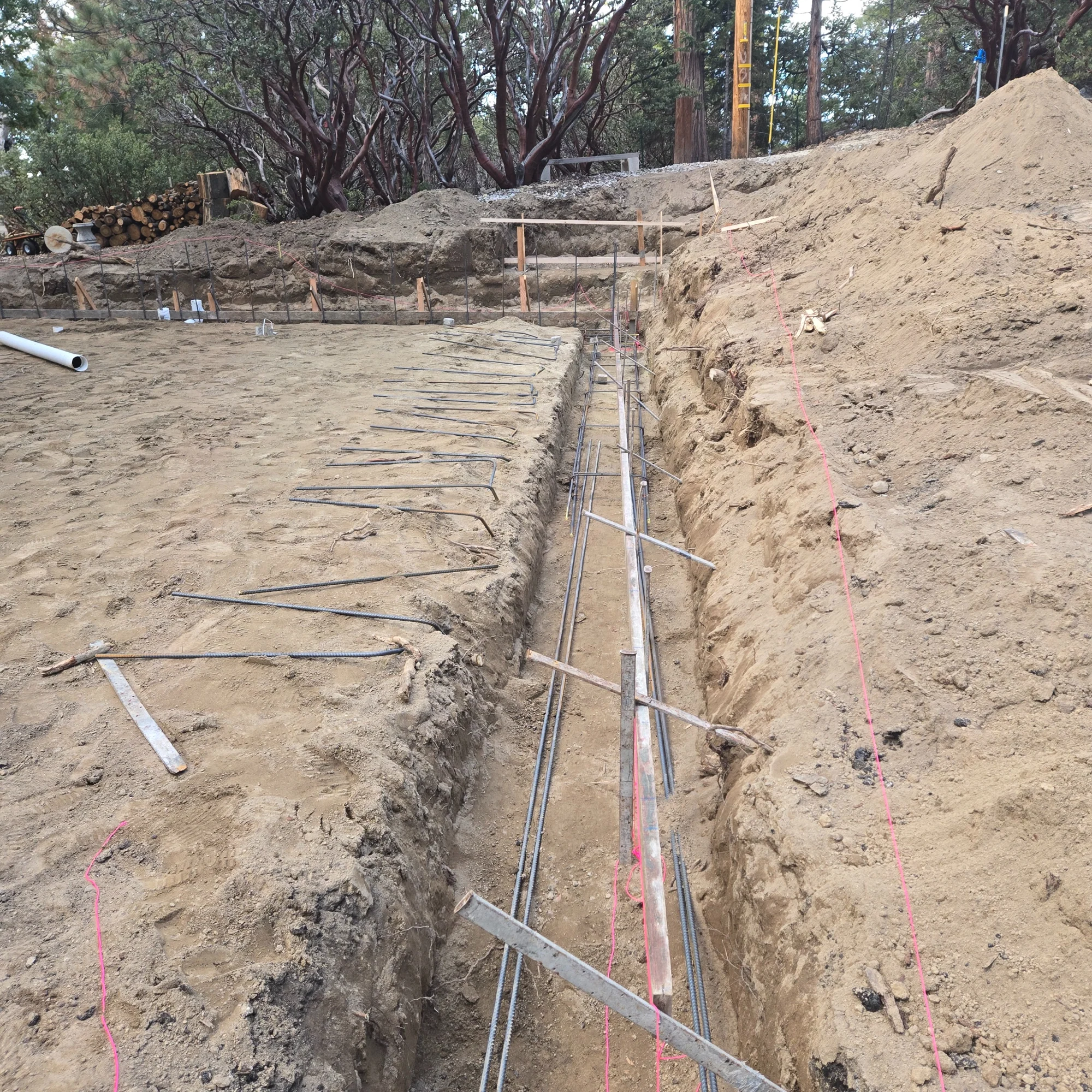
Sealing actually matters here
Where freeze cycling is real, keeping water out of the pores is the difference between a slab that lasts and one that spalls. Sealing is maintenance that pays for itself at this elevation.
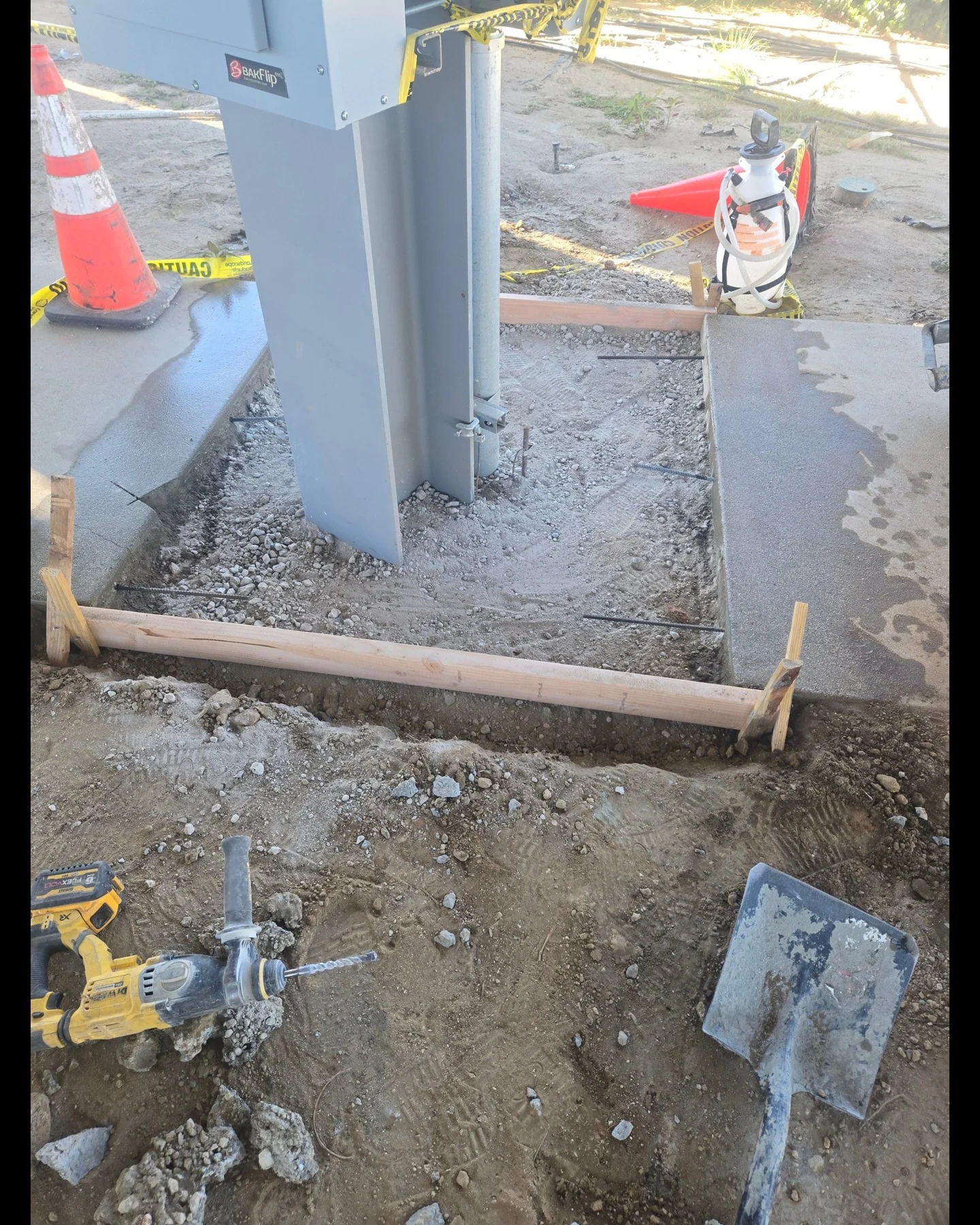
Older slabs, older assumptions
A lot of concrete in these neighborhoods was poured decades ago, thinner than we would build now and with less steel. When it fails it is usually telling you about the base under it, not the mix.
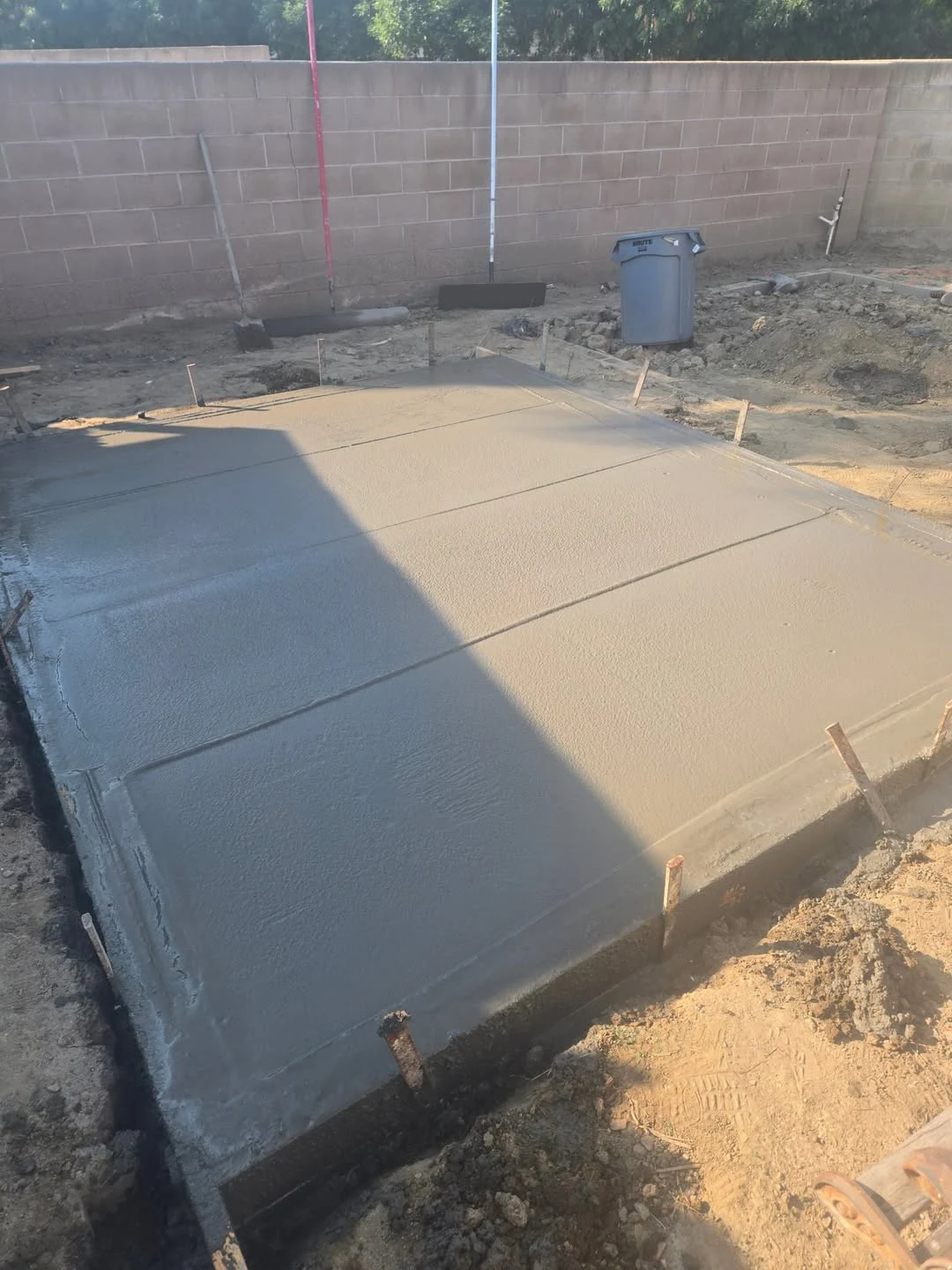
The base is the job
People judge concrete by the surface and it fails from underneath. Grade, material, lift thickness and compaction decide how a slab performs for thirty years. It is invisible when it is right.
Sealing against chloride
Sealing on the coast is about keeping chloride out of the pores rather than keeping water from freezing. Different reason, same maintenance.
What concrete is up against here
Matching a run that stays
Replacing part of a walk or drive means matching thickness, finish and joint pattern to what remains, so the result reads as one surface rather than a patch. Color takes time to blend as concrete ages and we will be straight about that up front.
Permits and the right of way
Work in the public right of way, anything structural, and most full replacements need permits and inspection. We would rather have that conversation before anything is broken out than discover it when an inspector arrives.
Older slabs and older assumptions
Much of the concrete in these neighborhoods was poured decades ago, thinner than we would build now and with lighter reinforcement over a base nobody tested. When it fails it is usually reporting on what is underneath, which is why we look at the cause before quoting the cure.
Street trees and roots
Mature trees lift sidewalks and driveways, and they will lift a new slab too unless the root is dealt with. Sometimes that means root pruning, sometimes rerouting the walk, sometimes a thicker slab with a root barrier. Replacing without addressing it just resets the clock.
Access and staging
Dense lots mean narrow drives, alley access, parked cars and nowhere obvious to put a truck. Getting concrete to the pour is often harder than the pour itself, so access is worked out before the date is set, including whether the job needs a pump.
How concrete fails, and why
Cracks after a hot pour
Concrete placed into extreme heat stiffens before it can be finished properly and shrinks harder as it cools. Hot weather practice exists for exactly this reason.
Wide joints that collect debris
Joints that were cut too wide or have lost their sealant fill with grit, which then prevents the slab from closing and spalls the joint edges.
A patch that failed
New material on old concrete only holds if the substrate was prepared and a bonding agent used. A patch troweled onto a dusty surface lets go within a season.
Movement at a retaining wall
Retaining walls fail from water pressure behind them more often than from the soil weight. Drainage behind the wall is the design.
How a job runs
Permits and inspection
Structural work and anything in the public right of way gets permitted and inspected. We raise that at the start rather than at the pour.
Utilities
Anything dug or cut starts with locating. Finding a line with a saw is expensive and avoidable.
Pouring new concrete on ground that already failed once buys you the same crack.On replacement
Noise and disruption
Breaking and cutting concrete is loud. We will tell you which days those are so you can plan around them.
Cleanup
Washout handled properly, spoil hauled off, surfaces washed. The site should look finished when we leave.
Every community we cover in Los Angeles County
What we build
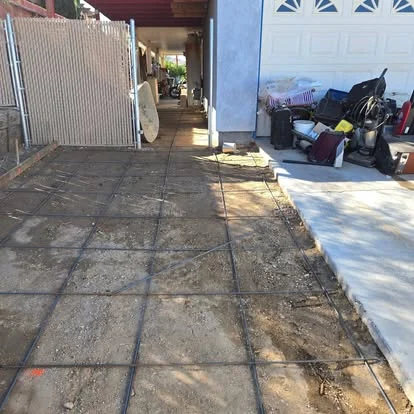
Concrete Driveways
The slab that carries a car every day of its life.
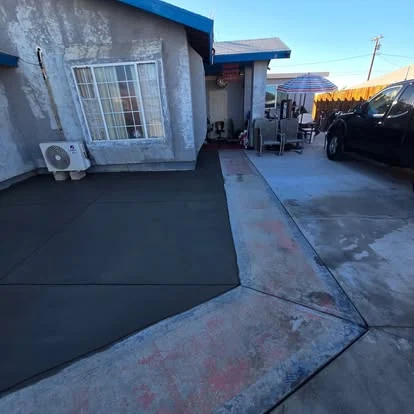
Concrete Driveway Replacement
Out to the dirt, rebuilt from the base up.
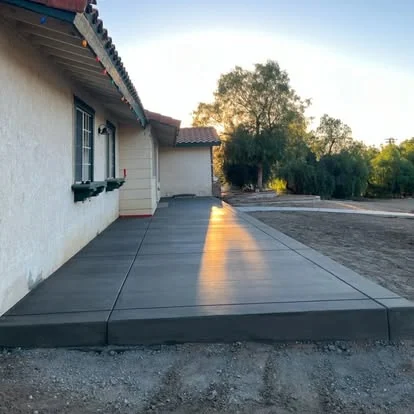
Concrete Driveway Repair
Fix what is broken and leave what is sound.
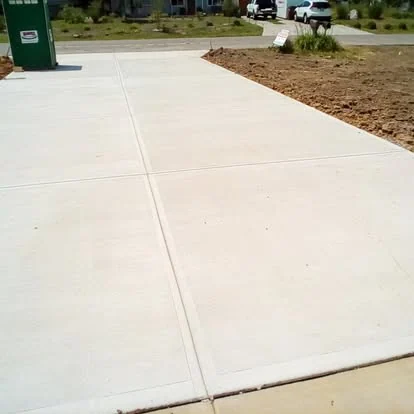
Concrete Patios
The outdoor room that starts as a flat pour.
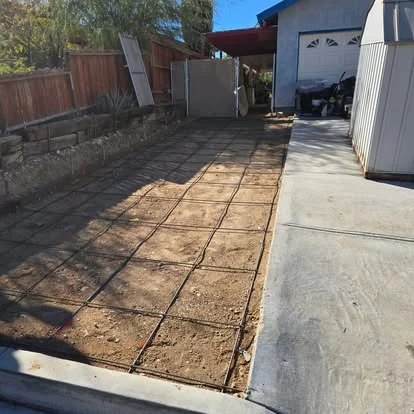
Concrete Patio Replacement
Take out the old slab, pour the one you actually wanted.
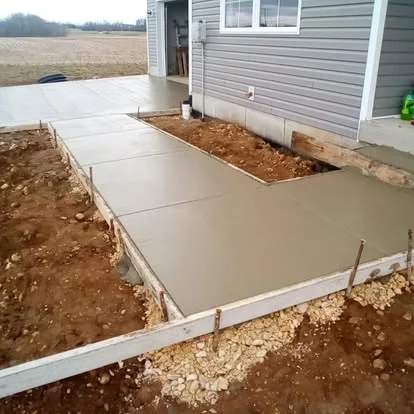
Concrete Patio Repair
Cracks, settled corners, and surfaces that have gone rough.
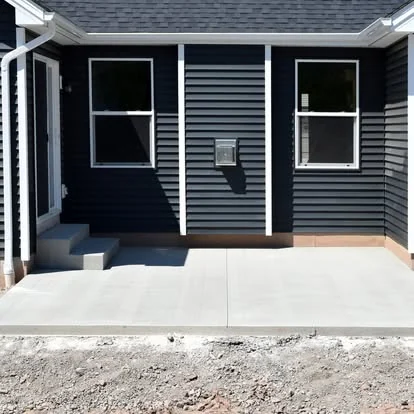
Concrete Walkways
Getting from the street to the door without a trip hazard.
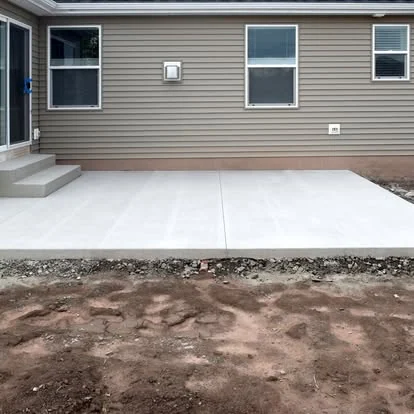
Concrete Sidewalks
Public-facing flatwork built to the spec the city will inspect.
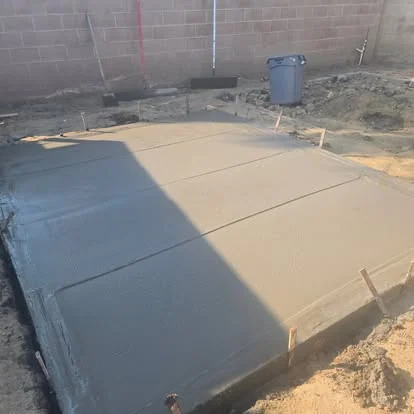
Concrete Sidewalk Repair
Lifted, cracked, or spalled panels made safe again.
Straight answers
How long before I can drive on a new slab?
Concrete takes most of its strength in the first week and keeps gaining for a month. Foot traffic is usually fine after a day or two. Vehicles wait longer, and we will give you the actual number for your pour, because thickness and weather both change it.
Will it crack?
Yes, eventually, and that is the material rather than a defect. The job is deciding where. Control joints put the crack on a line we cut instead of one it picks. A slab with no cracking plan will still crack, just somewhere you did not want.
Do you fix the base or just pour over it?
We fix the base. Pouring new concrete on ground that already failed once is how you get the same crack in the same place. If the base is the problem, that is the work.
How much does concrete cost?
It depends on access, thickness, base condition and finish, which is why we walk the job before giving a number. We will not quote a driveway off a photograph.
Can you match my existing concrete?
Usually close, rarely exact. Concrete changes color as it ages, so a new pour next to a ten year old slab will read newer for a while. We match thickness, finish and joint pattern so it looks intentional.
Working in Los Angeles County
Tell us where the job is and what it is. We will come out and look at it.