
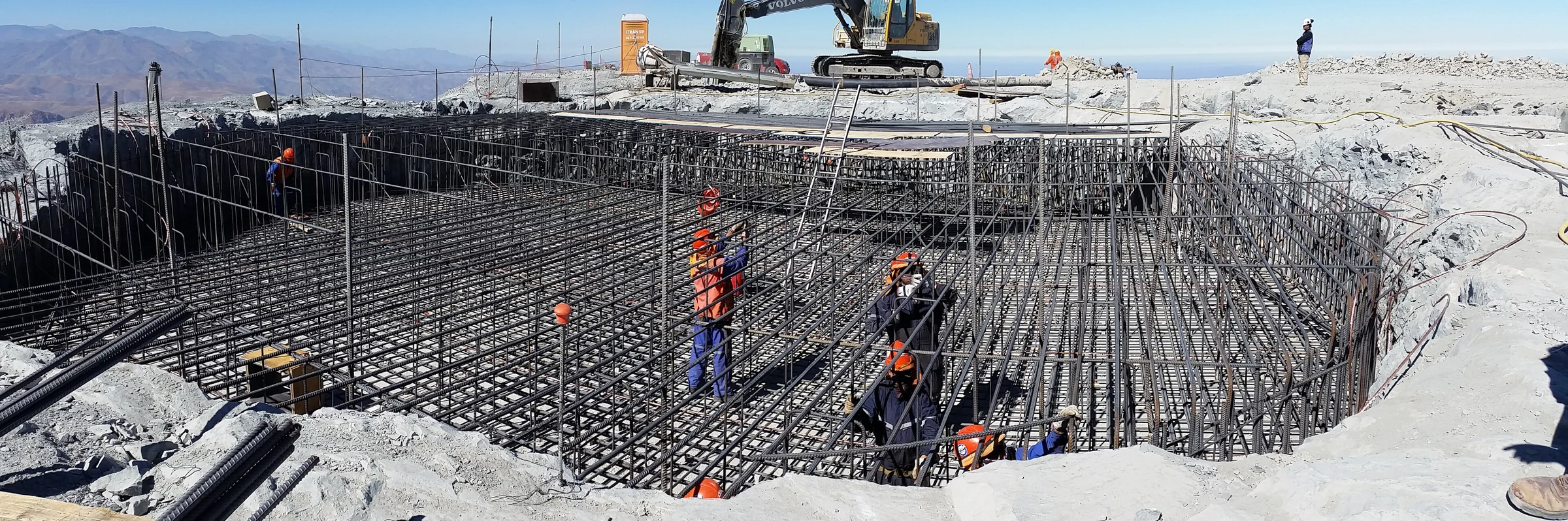
Lancaster concrete, no guesswork
We walk the job, read the ground, and tell you what it needs. Lancaster and all of Los Angeles County, 32 years in the trade.
Talk to us about the job
What concrete is up against around Lancaster
UV on the surface
Sun exposure at elevation is intense and it ages surface treatments faster. Anything applied on top of the slab needs to be rated for it.
Freeze and thaw is real up here
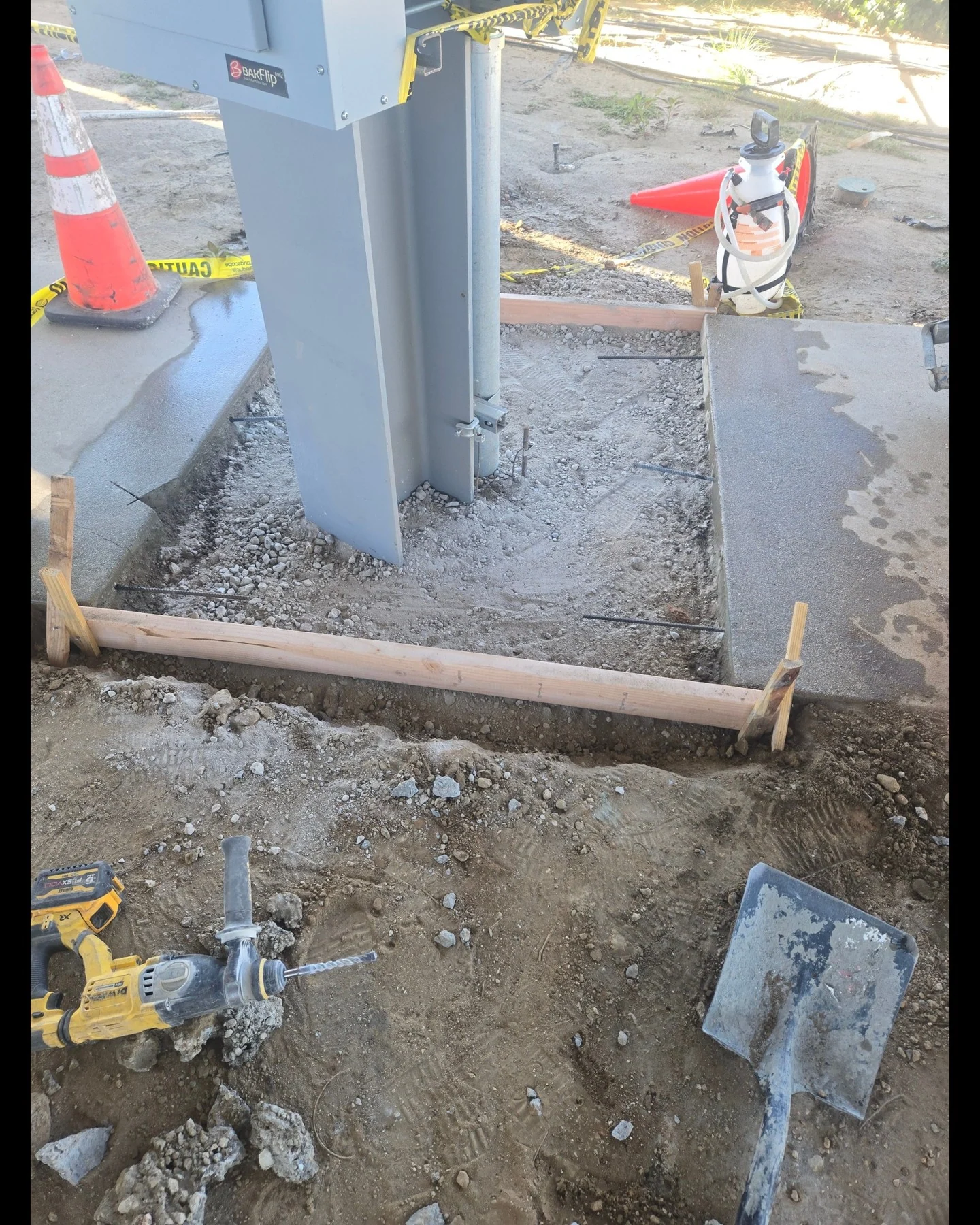
The high desert genuinely freezes. Water gets into bare concrete, freezes, expands, and works the slab apart from the inside. That is why an unsealed high desert driveway pits and spalls in a way a valley slab does not.
Wind and the finishing window
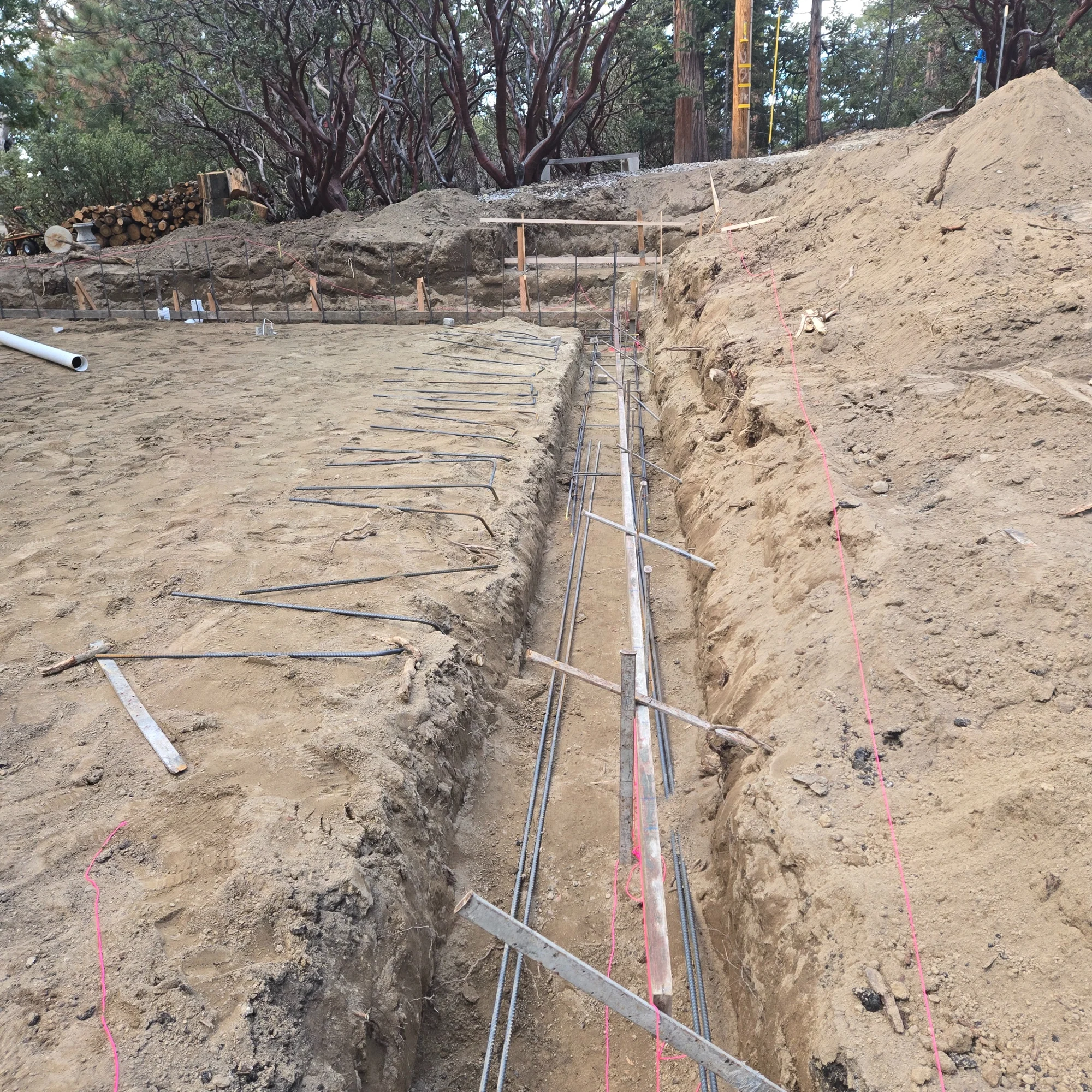
Sustained wind pulls water out of a fresh slab fast. Combined with low humidity it can close the finishing window early and leave a crazed surface. Pours get planned around the forecast.
One crew start to finish
The same people who form it pour it and finish it. There is no handoff where the details get lost.
Pours scheduled to the heat
In summer we start early and keep the mix and the crew ahead of the temperature. Concrete does not wait for anybody.
Honest diagnosis before a number
We look at what failed and why before quoting. Sometimes the answer is a repair and sometimes it is a rebuild, and we will tell you which even when the smaller job is ours to lose.
What we build in Lancaster

Concrete Slabs
The flat pour everything else is a version of.
Concrete Slab Repair
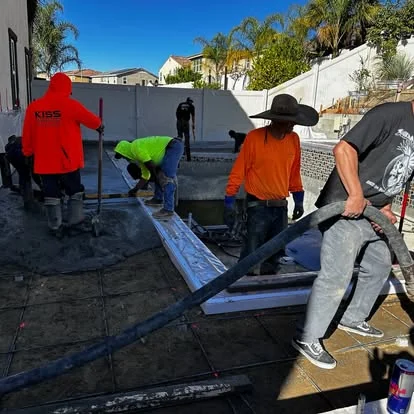
Cracks and surface failure on a slab worth keeping.
Concrete Slab Replacement
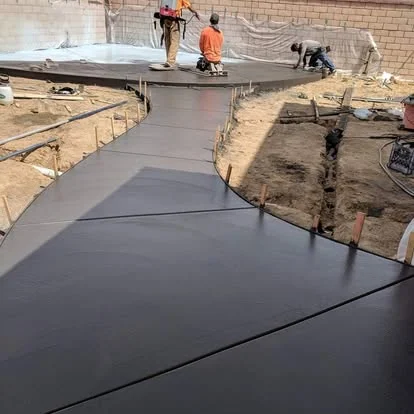
When the base failed, the slab follows.
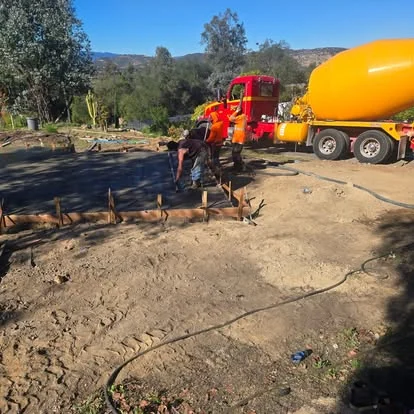
Garage Floors
Hot tires, dropped tools, and whatever ran off the car.
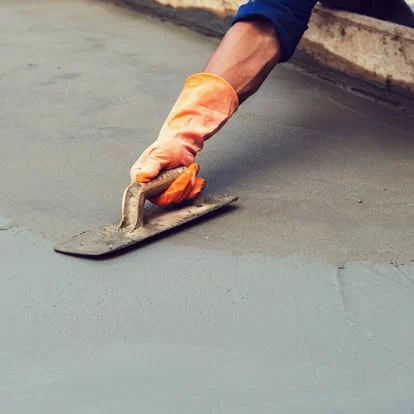
Garage Aprons
The strip between the driveway and the garage door.

Basement Floors
A slab poured inside, where moisture has nowhere to go.
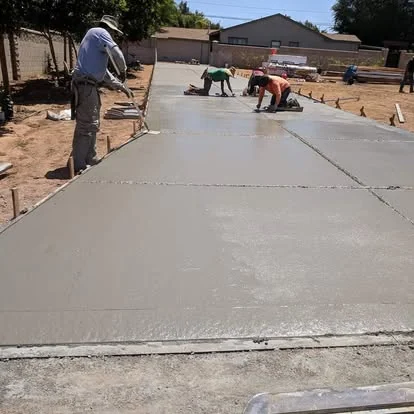
Spalled Concrete Repair
Surface flaking down to the aggregate.
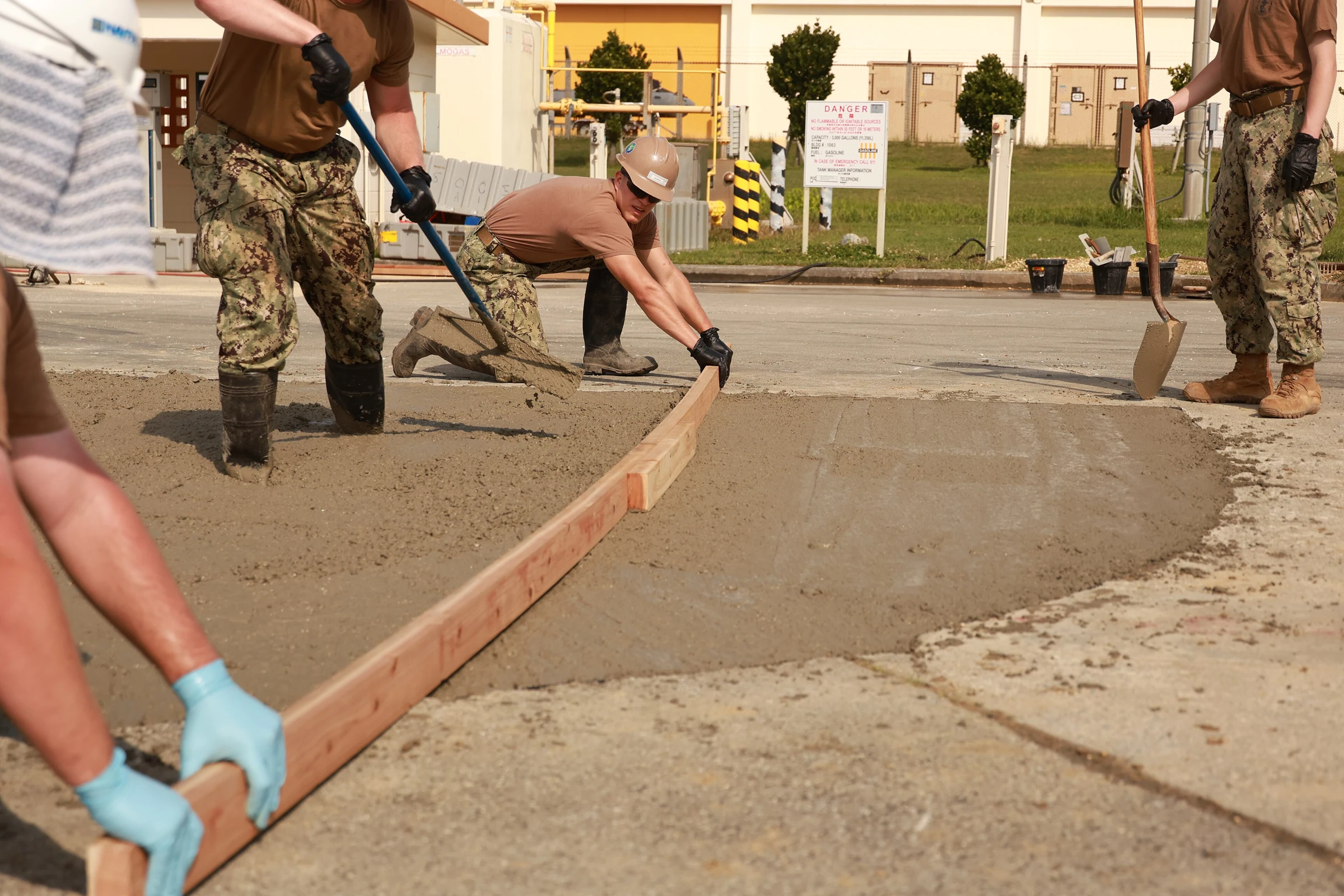
Settled Concrete Repair
The slab dropped because something under it did.
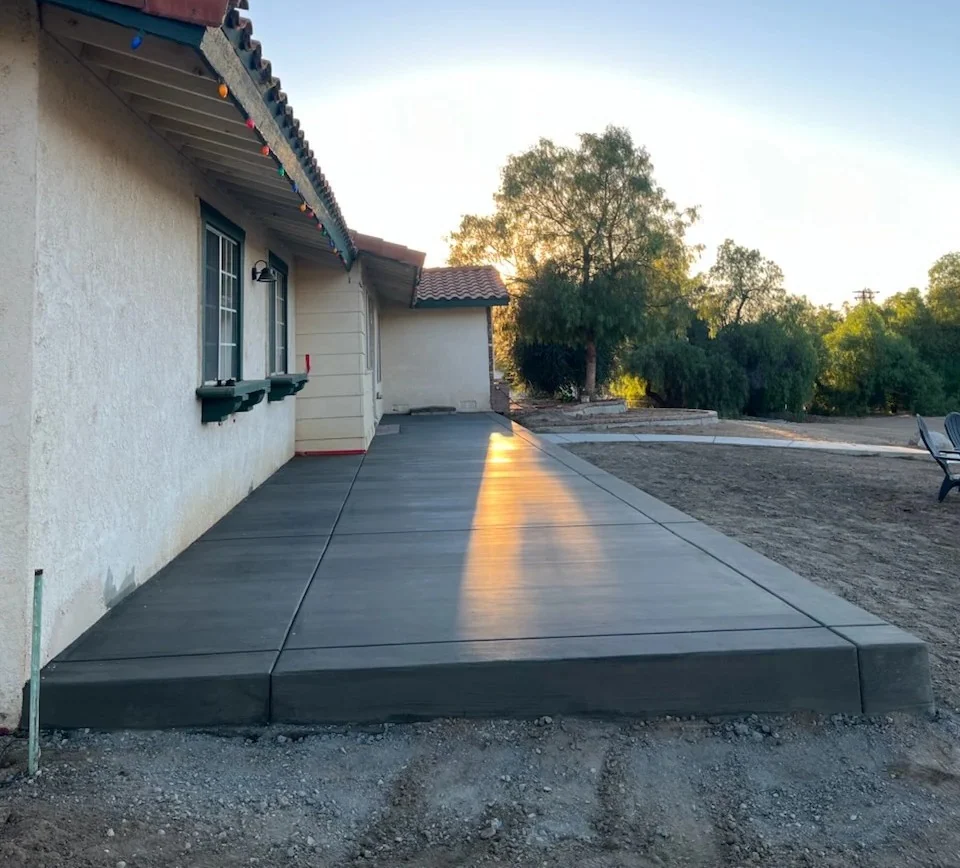
Uneven Concrete Repair
Lips, trip hazards, and panels out of plane.
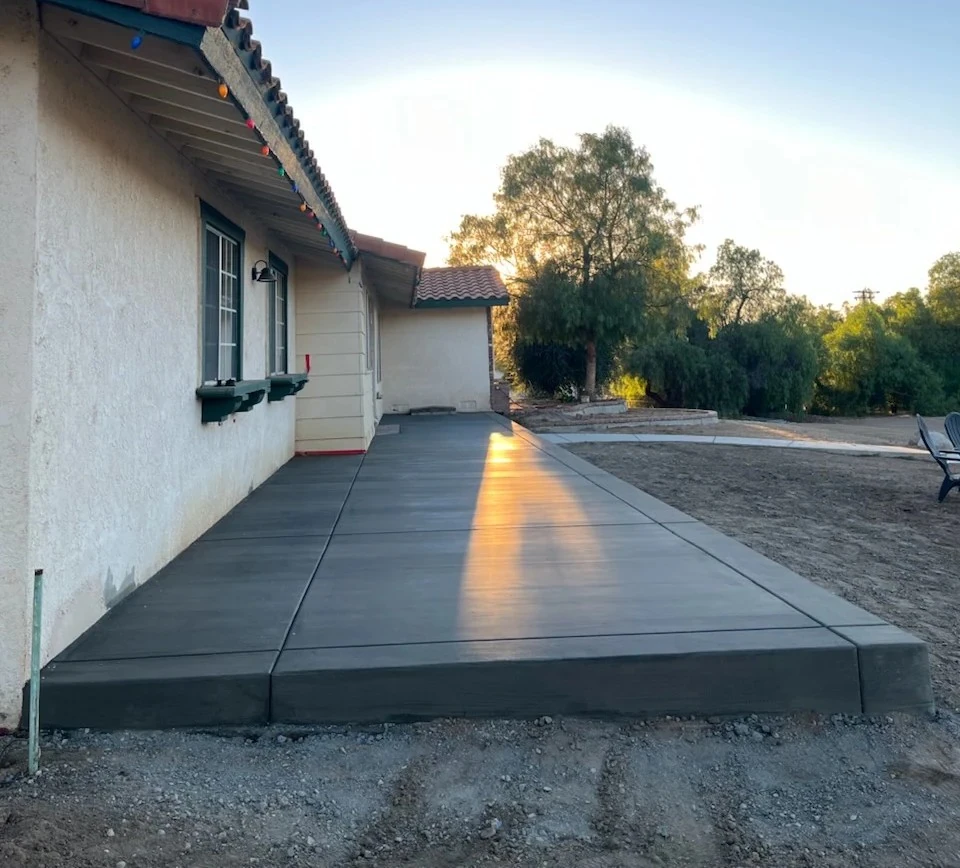
Concrete Gutters
Moving water where the grade will not.
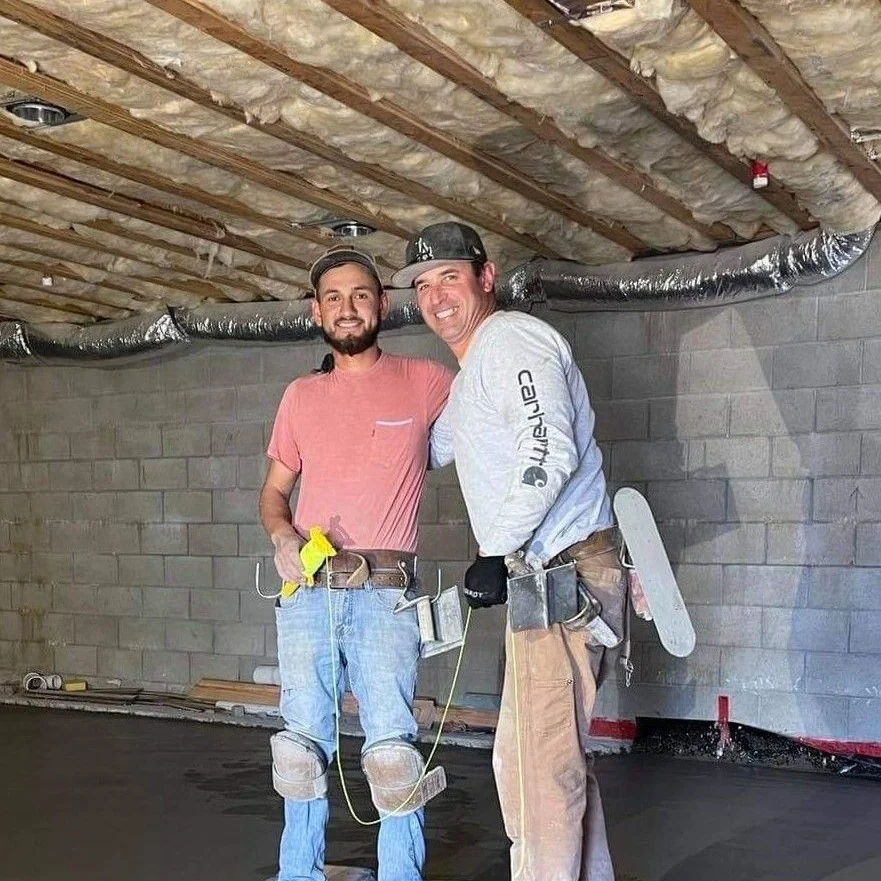
ADA Concrete Ramps
Built to the slope the tape measure will confirm.
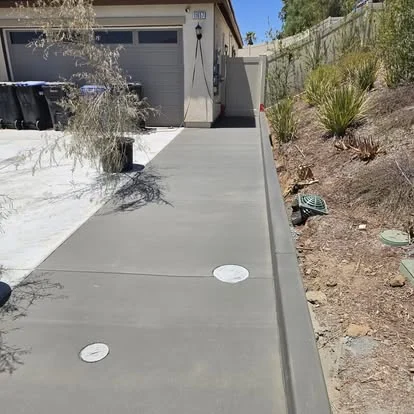
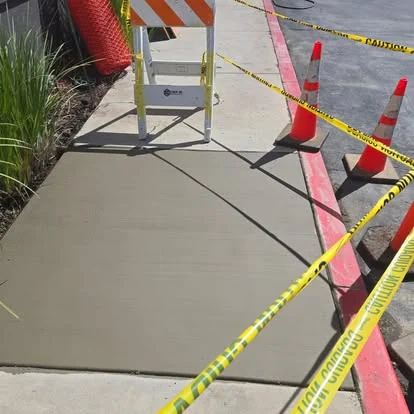
ADA Sidewalks
Accessible routes that hold their tolerances.
Pouring concrete around Lancaster
Distance and delivery
Some of these properties are a long way from a batch plant, which affects the delivery window and how a pour gets staged. That is worth planning honestly up front rather than discovering it with a truck on site.
Decomposed granite and alluvium
Much of the high desert is decomposed granite and alluvial material. Worked properly in lifts it compacts into an excellent base; dumped and raked flat it behaves badly and the slab tells you so within a few years.
Long runs on big lots
High desert properties are often large, which means long driveways and big slabs. Length multiplies movement, so joint spacing and layout matter more here than on a small urban pad, and a long drive poured without a joint plan will crack wherever it likes.
Freeze and thaw is real at this elevation
The high desert genuinely freezes, and that changes the concrete conversation completely. Water gets into the pores, freezes, expands and works the surface apart from inside. Over a decade that is the difference between a sound slab and a pitted, spalling one. Air entrainment and sealing both matter here in a way they do not down in the valley.
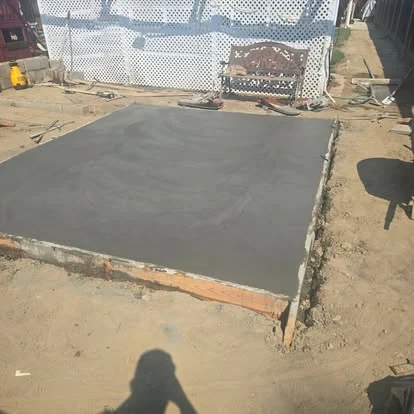
Concrete work around Lancaster
Flatwork, foundations and repair across Lancaster and the rest of Los Angeles County, poured by the same crew that answers the phone.
How concrete fails, and why
Cracks radiating from a drain
Anything cast into a slab is a stress point. Drains, posts and penetrations all need isolation or steel around them, otherwise cracks start there.
Uneven cure color on a big pour
A large slab poured across changing weather or with loads arriving at different times can finish in visibly different shades. Sequencing and consistent mix control prevent it.
Deterioration at sprinkler heads
Constant water in one spot saturates the base and leaches the surface. It is a landscaping-meets-concrete problem and it is common.
Broken corners at driveways
Vehicles cut the corner where a drive meets the street, over the least supported concrete on the property. A thickened edge and steel at the corner fix it.
How a job runs
Communication
One point of contact, and you hear about anything that changes before it changes. Surprises on a concrete job are almost always avoidable.
Protecting the pour
Fresh concrete gets protected from sun, wind, rain and traffic. Most surface problems that show up later started in the first forty eight hours.
Once the slab is down, the drainage is permanent.On grading
Inspections
Where they apply, they get scheduled into the sequence so the pour is not waiting on a signature.
The finished job
Flat where it should be flat, sloped where it should drain, jointed on a plan, and clean when we leave.
Around Lancaster
Straight answers
Do you handle demolition and haul-off?
Yes, cut clean, broken out, loaded and hauled, with the ground left ready for the new pour.
Can you pour in winter?
Sometimes, with protection. Concrete cures by chemical reaction and cold slows that reaction down, so a slab placed into a hard freeze may never reach strength. We would rather move a date than pour into conditions that will not cure.
Is sealing worth it here?
More than anywhere else we work. Where freeze cycling is real, keeping water out of the pores is the difference between a slab that lasts and one that spalls.
My lot is large. Does that change anything?
Length multiplies movement, so a long driveway needs a real joint plan. Poured without one it will crack wherever it likes.
What soil is under most of these lots?
Decomposed granite and alluvium, mostly. Worked in lifts it compacts into excellent base; dumped and raked flat it behaves badly.
Your Lancaster slab
Tell us what it is and what it has to carry. We will be straight about what it needs and what it does not.