

Concrete work across National City
From a single pad to a full foundation. We cover National City and the rest of San Diego County out of Hemet, with 32 years in the trade and a license to back it.
Talk to us about the job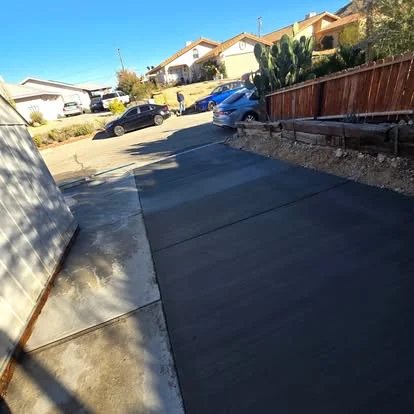

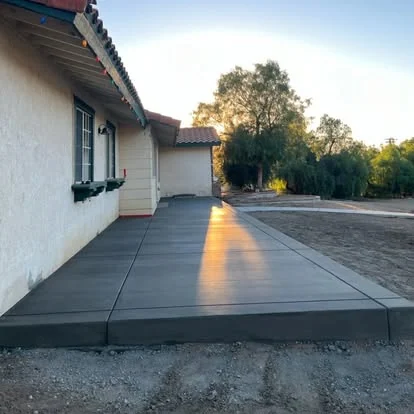
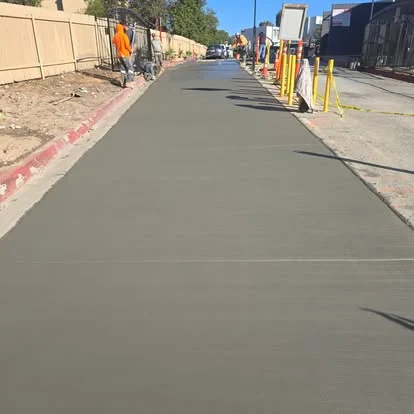
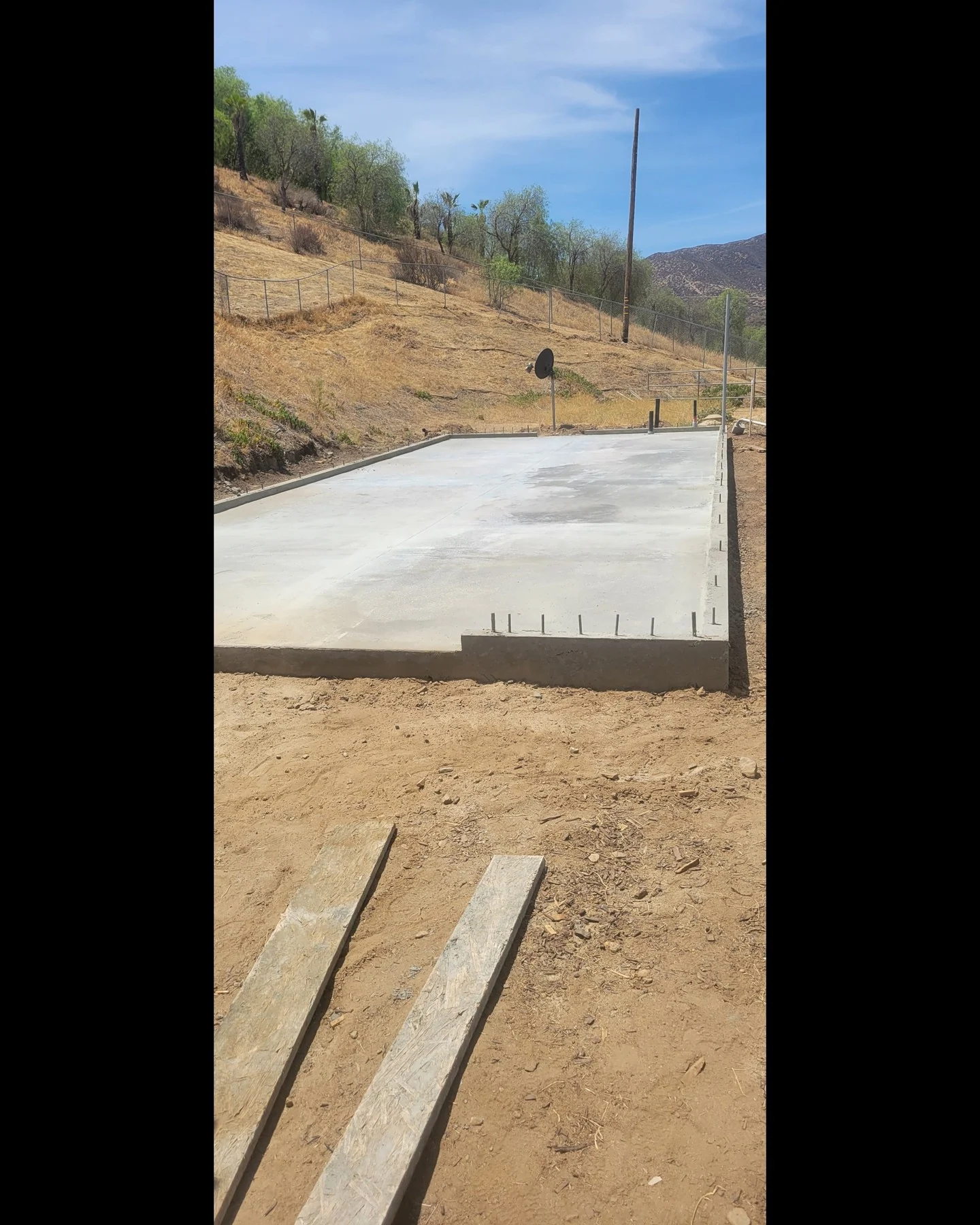
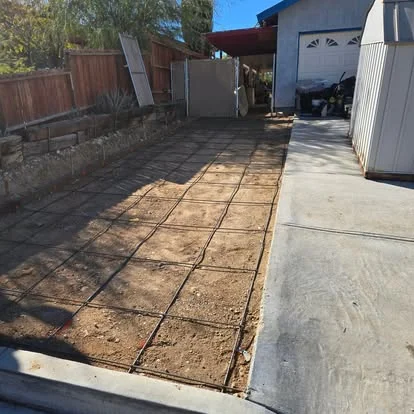

What concrete is up against around National City
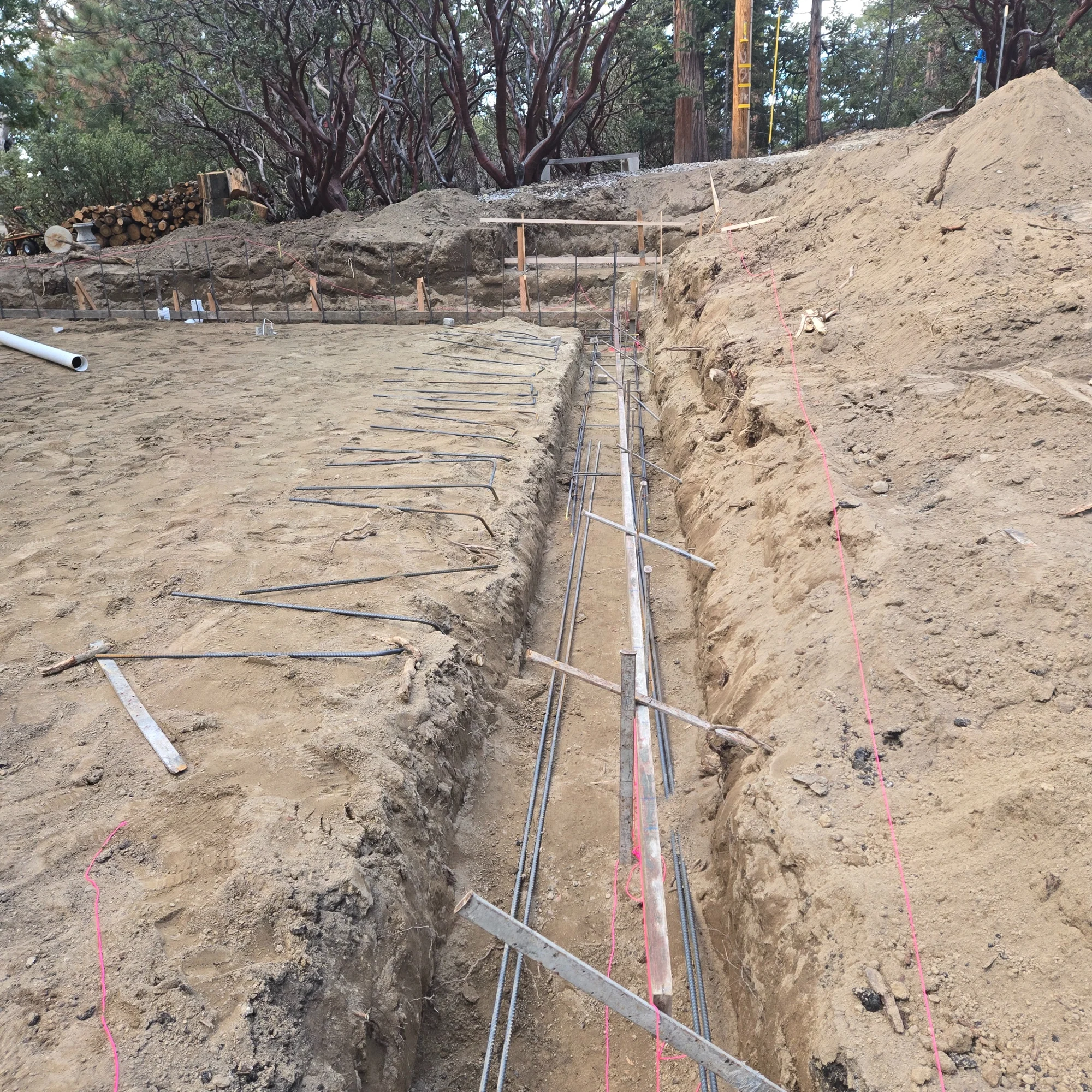
Irrigation next to flatwork
Sprinklers running against a slab edge keep the base saturated year round. In expansive soil that is a slow way to undermine your own driveway. Where the water lands matters.
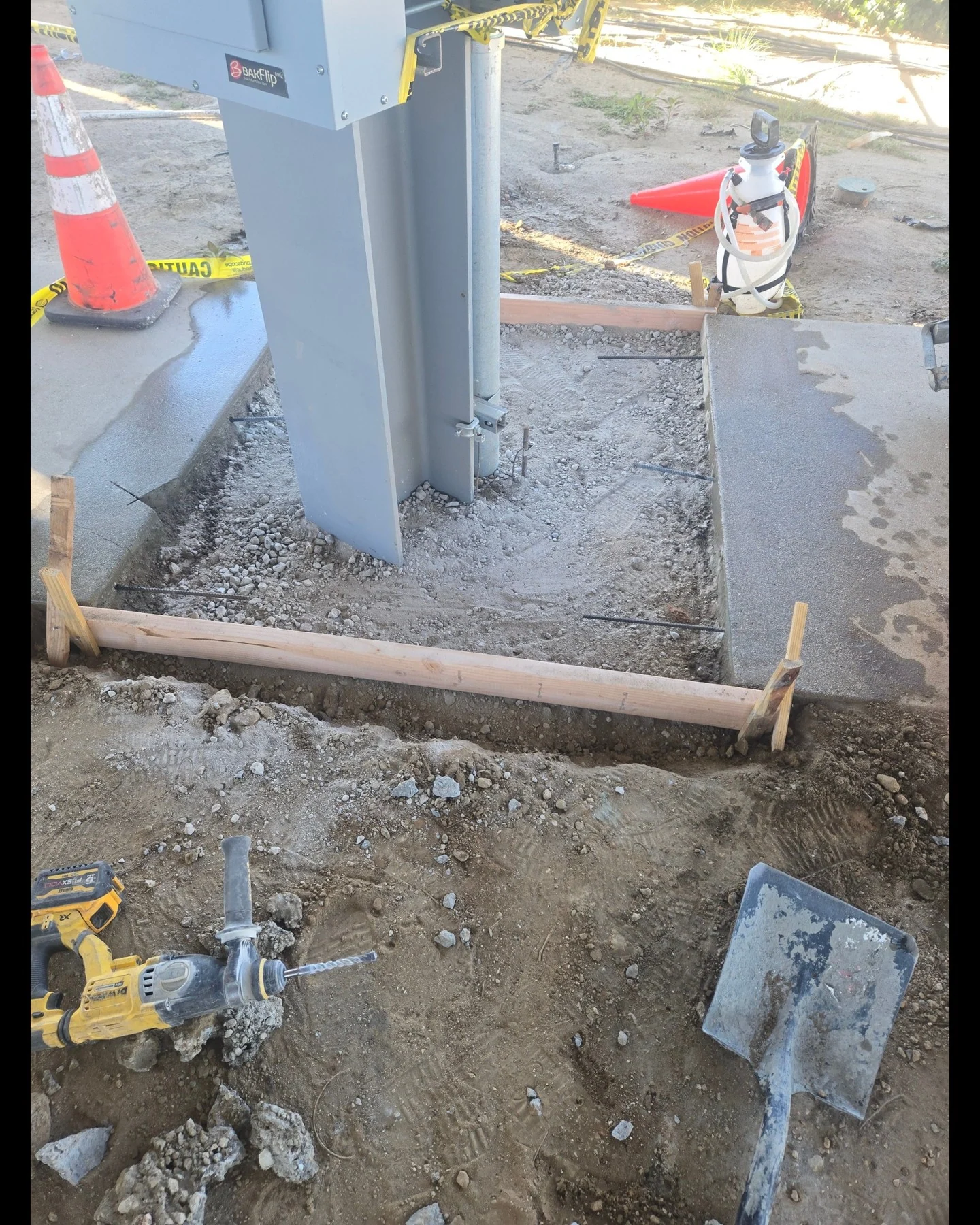
Joints decide where cracks go
Concrete cracks. That is not a defect, it is the material. A control joint decides where, cut deep enough and early enough to work. Cut it late and the slab has already chosen.
Thickness matched to the load
A driveway that carries a work truck is not the same slab as a garden path. Thickness and steel come off what actually drives on it, and getting that wrong shows up as cracking in the wheel path.
Base first, always
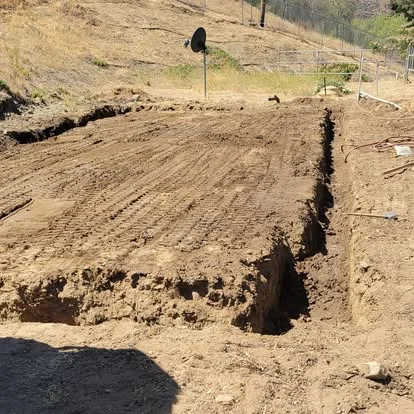
We cut to grade, fix the soft spots we find, and compact base in lifts before anything is formed. In expansive clay that step decides the whole outcome, so it is not where we save money.
Joints planned on paper
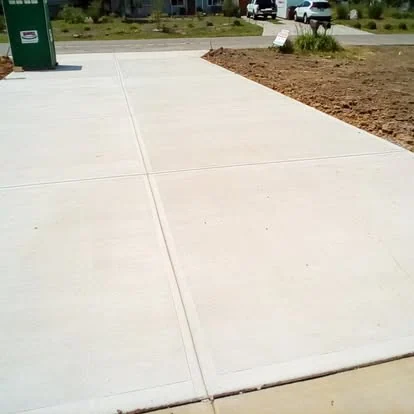
Joint layout gets worked out before the pour, spaced to the thickness and placed where the slab wants to move anyway. Then it gets cut at the right time.
Steel sized to the movement
Reinforcement gets placed for what the soil is going to do, on chairs at the right height with real cover. Steel lying on the dirt does nothing at all.
What we build in National City
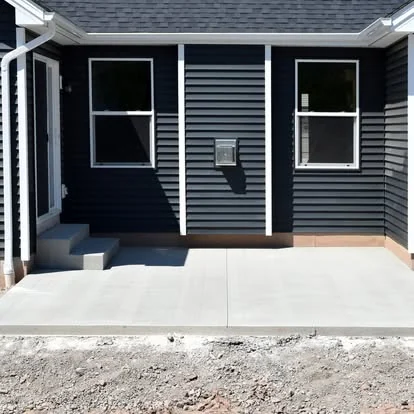
Concrete Slab Repair
Cracks and surface failure on a slab worth keeping.
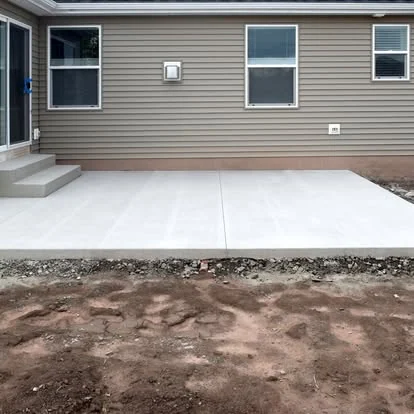
Concrete Slab Replacement
When the base failed, the slab follows.
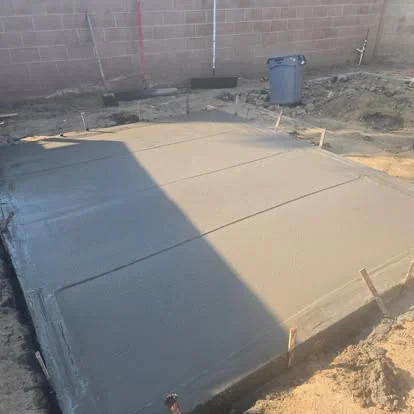
Garage Floors
Hot tires, dropped tools, and whatever ran off the car.
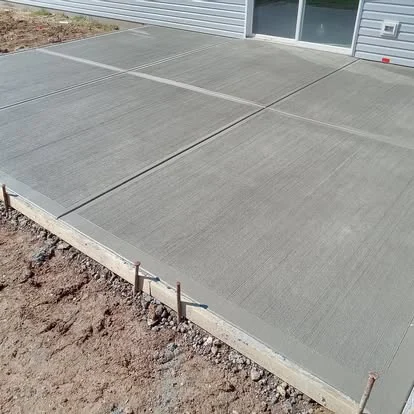
Garage Aprons
The strip between the driveway and the garage door.
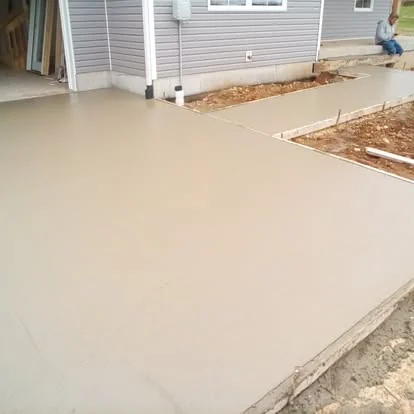
Basement Floors
A slab poured inside, where moisture has nowhere to go.
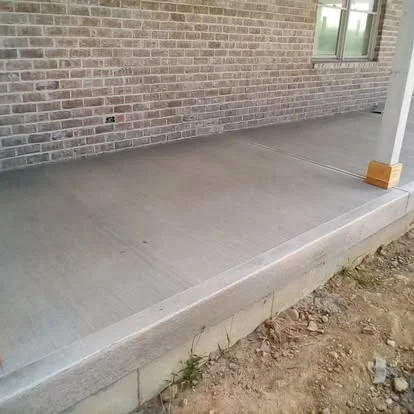
RV Pads
Heavy, concentrated, parked in one place for months.
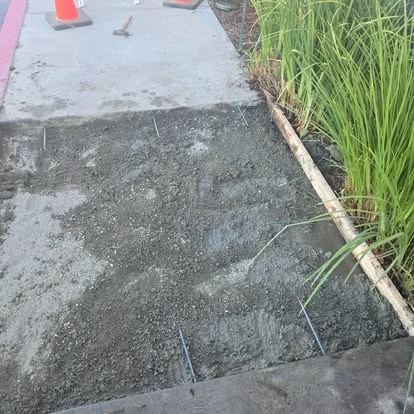
Concrete Repair
Fix the concrete that is worth fixing.
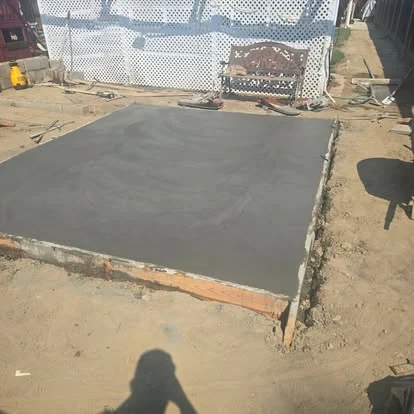
Concrete Crack Repair
Some cracks are cosmetic. Some are a message.
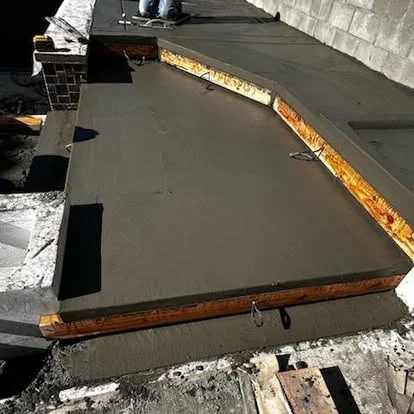
Spalled Concrete Repair
Surface flaking down to the aggregate.
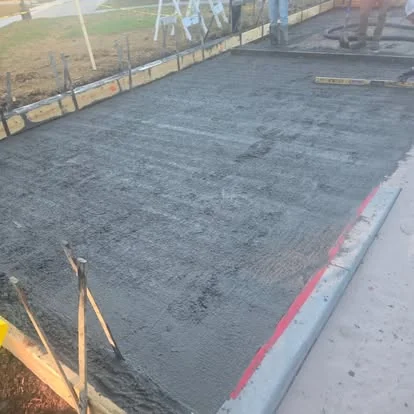
Utility Pads
Pads for meters, generators, and mechanical gear.
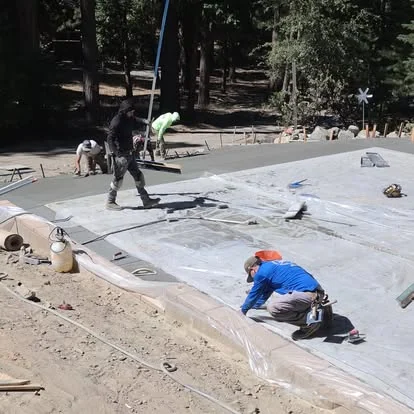
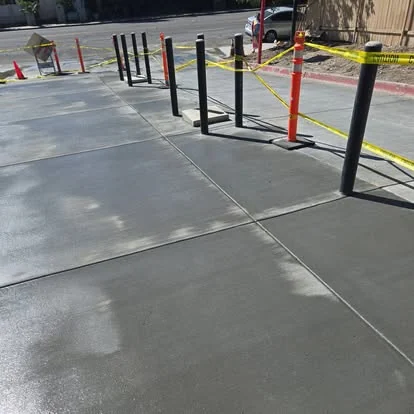
Bollard Foundations
The concrete that stops a vehicle.

Concrete Trash Enclosures
Walls, slab, and apron as one detail.
Pouring concrete around National City
What lasts here
A properly based, properly jointed slab with reinforcement sized to the load will outlast the house it sits beside. The variables that decide it are all underneath and all invisible once the pour is done, which is exactly why they get cut on cheap jobs.
Summer pours
Triple digit afternoons change how concrete behaves. It stiffens before it can be finished properly, the surface skins over while the body underneath is still soft, and water leaves the slab faster than the cement can use it. Valley pours start early, the mix gets adjusted for the heat, and curing is treated as an active step instead of something that happens on its own.
Older flatwork around here
A lot of valley concrete was poured thin, with light reinforcement, on a base that was never properly compacted. When it fails it is usually reporting on the ground rather than on the mix, and that is the difference between a repair that holds and one that comes back in a year.
What the ground does here
The inland valleys run on expansive clay. It takes on water and swells, then dries out and shrinks, and it does that cycle every year. A slab poured on untreated clay rides that movement until something gives, which is why base preparation and reinforcement are the design rather than an upgrade. Where a soils report exists we build to it; where there is none, what we find during excavation tells us what the ground is going to do.
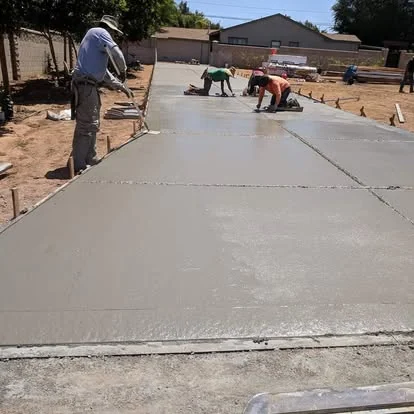
Concrete work around National City
Flatwork, foundations and repair across National City and the rest of San Diego County, poured by the same crew that answers the phone.
How concrete fails, and why
Cracking that follows no joint
When a slab cracks in a line nobody cut, it is almost always telling you about restraint or about the ground. A slab poured tight against a footing cannot shrink, so it tears instead. A slab over a soft spot bends until it breaks. Neither is a concrete defect.
Spalling and surface loss
Flaking down to the aggregate is the top layer letting go. The usual causes are water working in and out, chloride from de-icing or fertiliser, and a surface that got sealed too early during finishing so bleed water was trapped under it.
Panels at different heights
A lip at a joint means one side moved. Sometimes that is a root, sometimes erosion under the slab, sometimes a void left by poor compaction. Grinding the lip removes the trip hazard and does nothing about the cause.
Standing water
Water that sits is a grading problem that got set in concrete. It accelerates every other failure mode, because water is what carries chloride in and what freezes in the pores.
How a job runs
The soil question
In expansive clay the soil drives the design. If there is a soils report we build to it; if not, what we find during excavation informs the base work.
Drainage
Where water goes gets decided before the pour, because afterward it is permanent. That sometimes means changing the plan to fix a problem you already had.
Knowing when to start floating is the part you cannot learn from a book.On finishing
Joint layout
Joints are planned on paper and cut on time. Where they land is partly structural and partly how the finished slab reads.
Maintenance
Concrete is low maintenance, not no maintenance. Sealing and joint upkeep are the two things worth doing.
Around National City
Straight answers
Can you match the concrete I already have?
Usually close, rarely exact, because concrete changes color as it ages. We match thickness, finish and joint pattern so the result reads as one surface rather than a patch.
What maintenance does concrete actually need?
Keep water moving off it, reseal when it needs it, and keep the joints maintained. Water is the common factor in nearly every concrete failure, so those three things buy years.
How long before I can drive on it?
Concrete takes most of its strength in the first week. Foot traffic is usually fine within a day or two; vehicles wait longer. On a valley summer pour the numbers shift, so you get the real ones for your slab rather than a generic answer.
Does the clay soil here really matter that much?
Yes. Expansive clay swells with water and shrinks when it dries, every year. That movement is what cracks slabs and foundations, and it is handled in the base, the reinforcement and the drainage rather than in the finish.
Should I worry about hairline cracks in the first month?
Usually not. Concrete gives up water as it cures and gets slightly smaller doing it, and fine shrinkage cracking in that window is the material behaving normally. Anything that widens or lifts is different, and worth a call.
Get a number for your National City job
Tell us what you are building. Somebody comes out, reads the site, and prices what it actually needs rather than what fits a template.