
Murrieta slabs, built from the base up
Most concrete fails from underneath, so that is where we start. Serving Murrieta and Riverside County with 32 years in the trade behind every pour.
Talk to us about the job
What concrete is up against around Murrieta
Thickness matched to the load
A driveway that carries a work truck is not the same slab as a garden path. Thickness and steel come off what actually drives on it, and getting that wrong shows up as cracking in the wheel path.
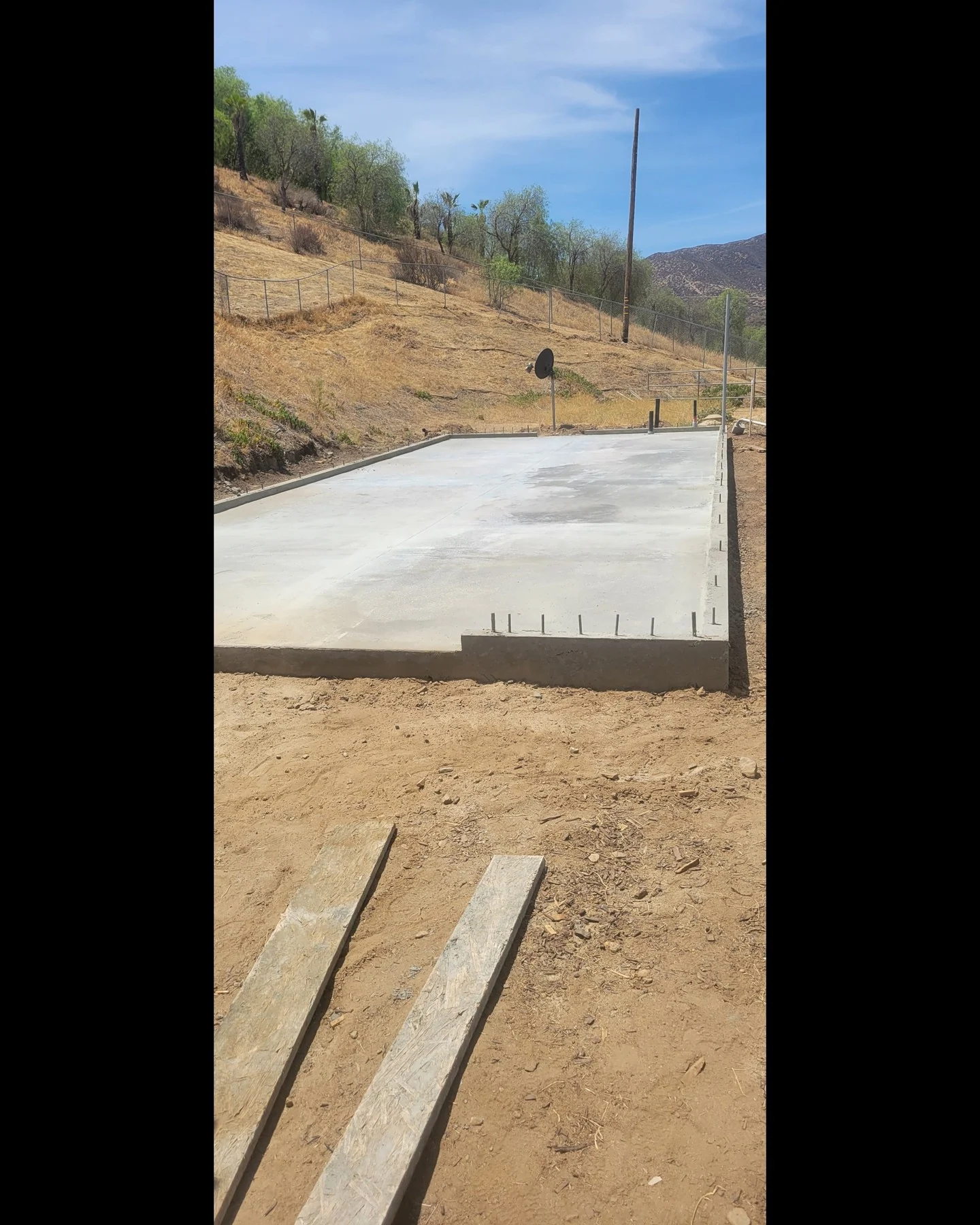
Joints decide where cracks go
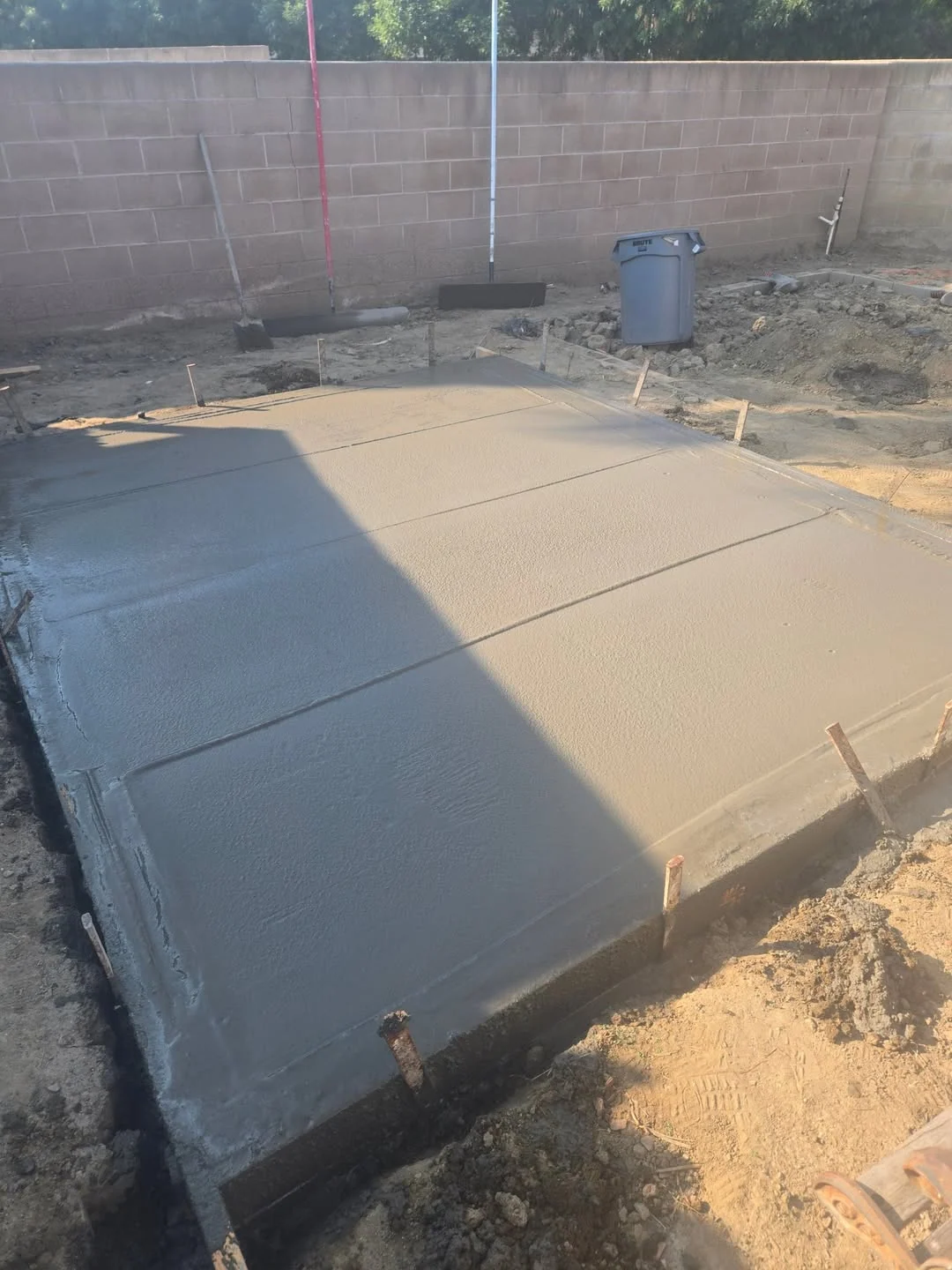
Concrete cracks. That is not a defect, it is the material. A control joint decides where, cut deep enough and early enough to work. Cut it late and the slab has already chosen.
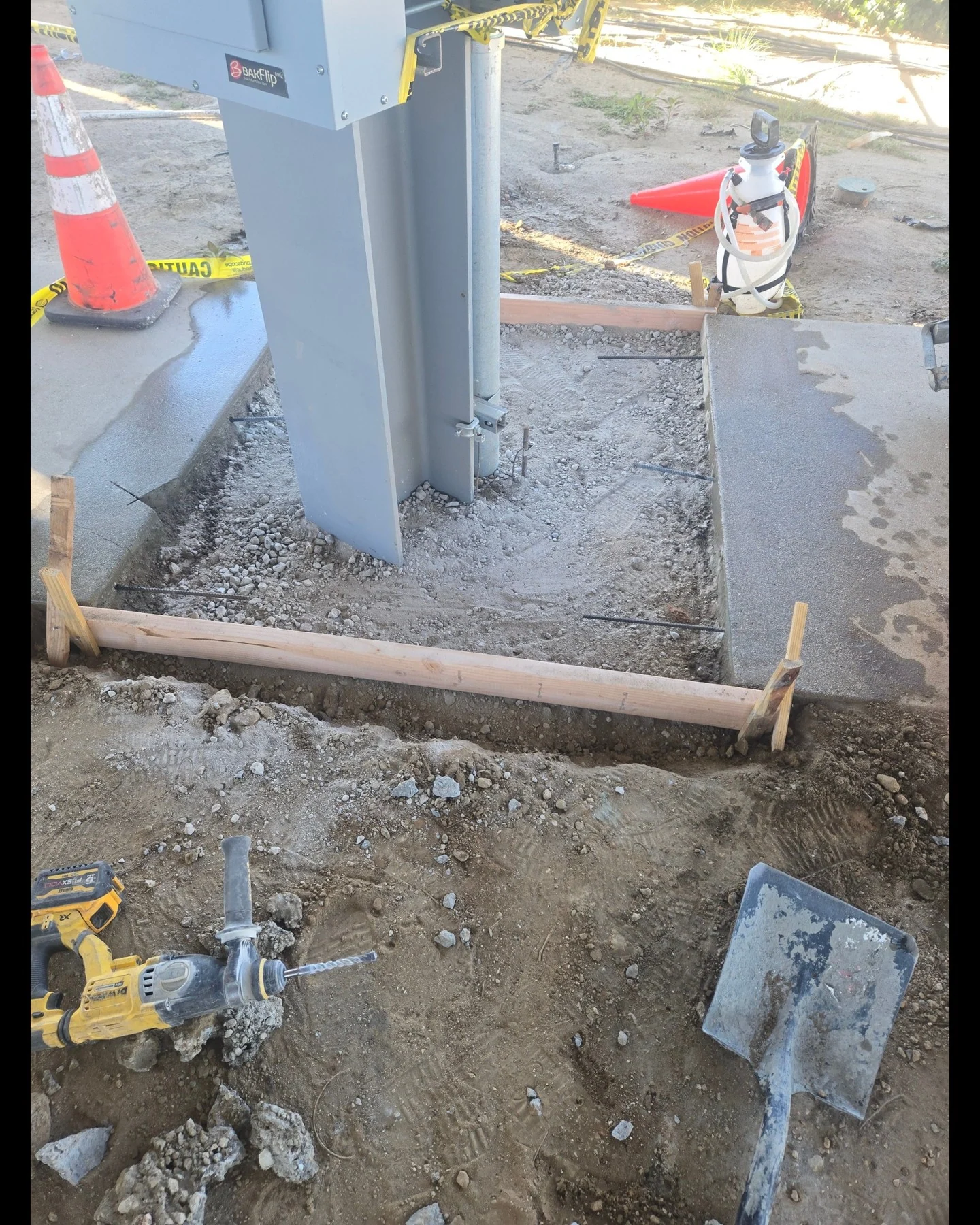
The base is the job
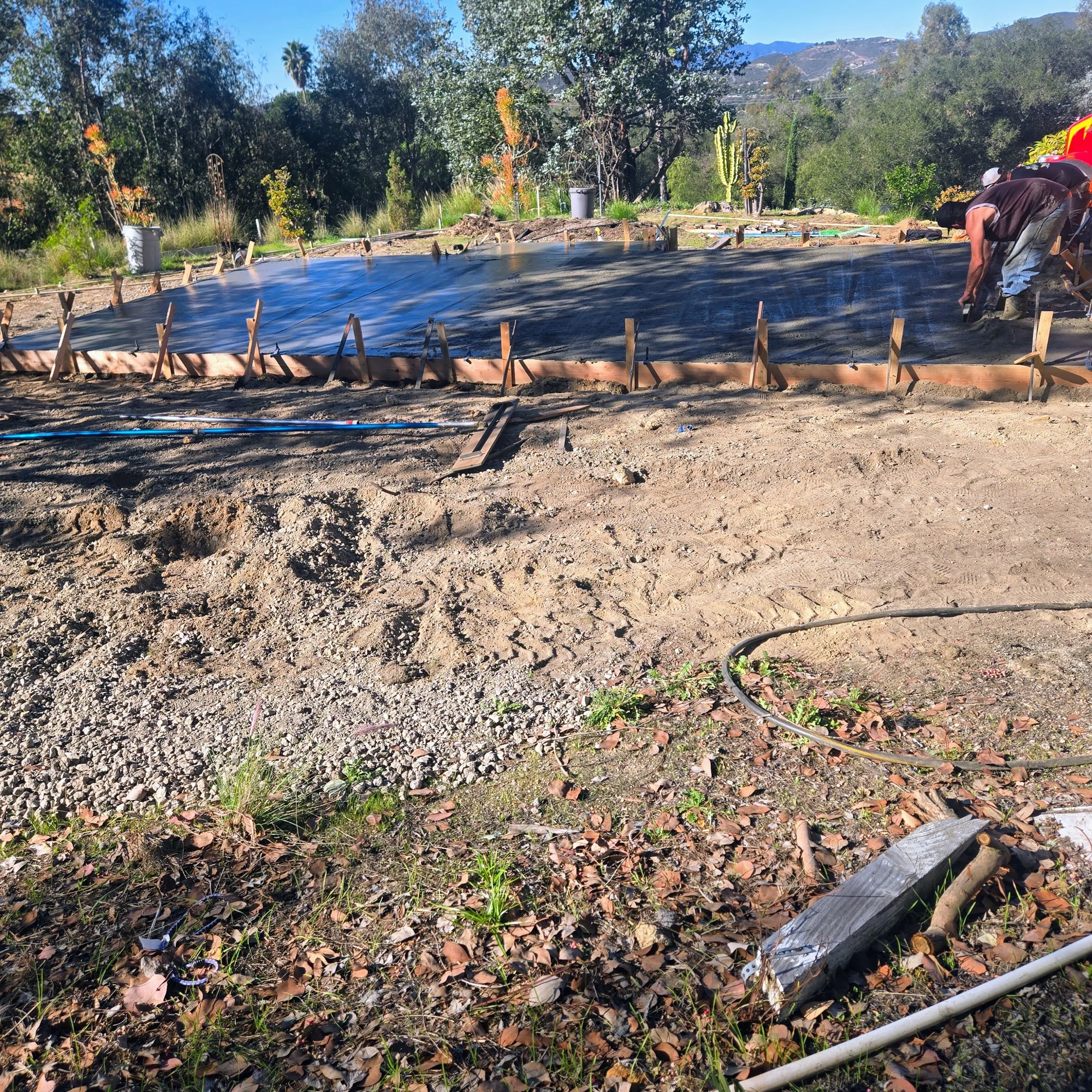
People judge concrete by the surface and it fails from underneath. Grade, material, lift thickness and compaction decide how a slab performs for thirty years. It is invisible when it is right.
Cleanup is part of the job
Washout handled properly, spoil hauled, surfaces cleaned. Concrete work is messy while it happens and should be invisible when it is done.
Base first, always
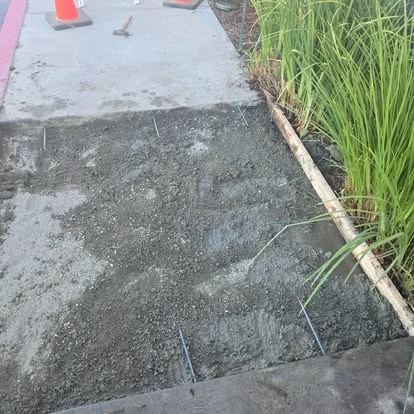
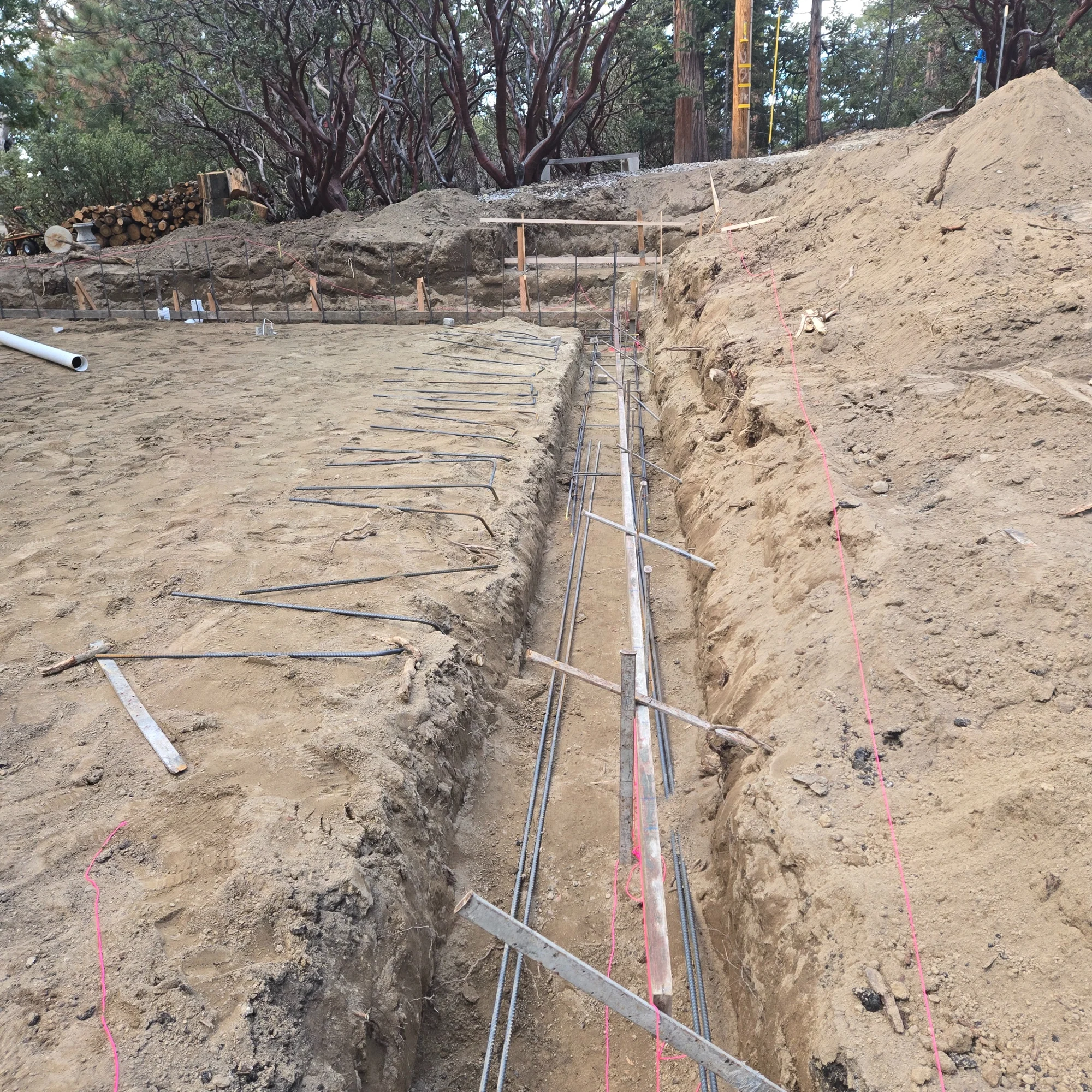
We cut to grade, fix the soft spots we find, and compact base in lifts before anything is formed. In expansive clay that step decides the whole outcome, so it is not where we save money.
Honest diagnosis before a number
We look at what failed and why before quoting. Sometimes the answer is a repair and sometimes it is a rebuild, and we will tell you which even when the smaller job is ours to lose.
What we build in Murrieta
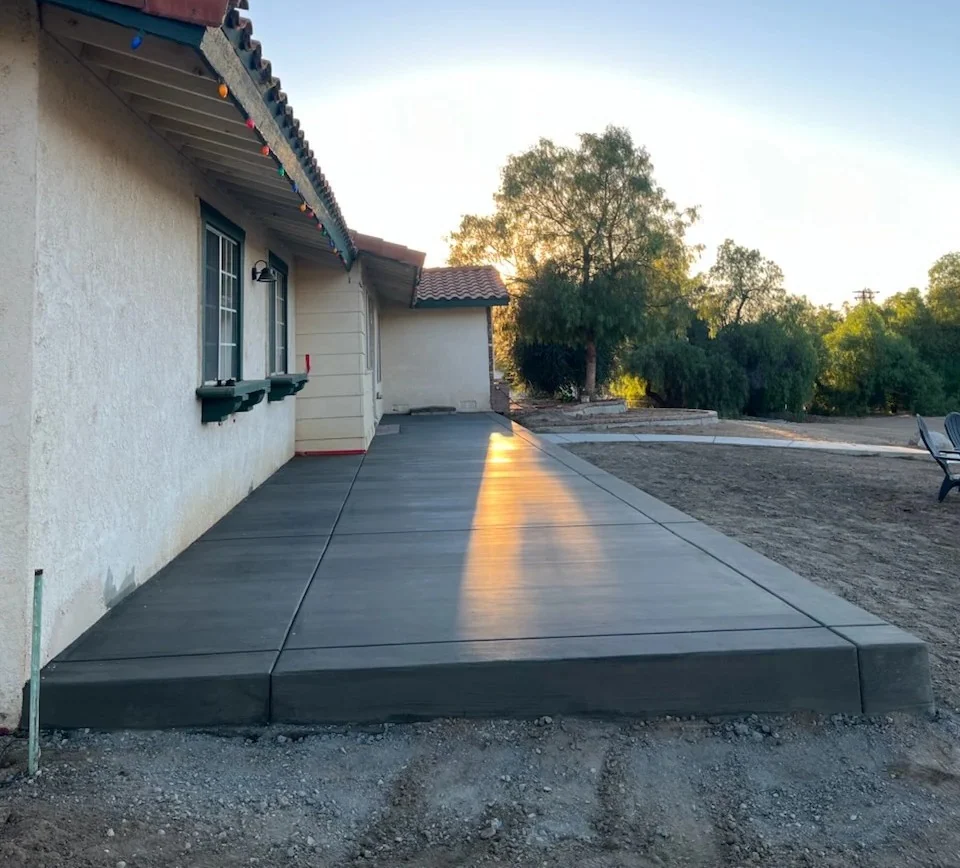
Concrete Patios
The outdoor room that starts as a flat pour.
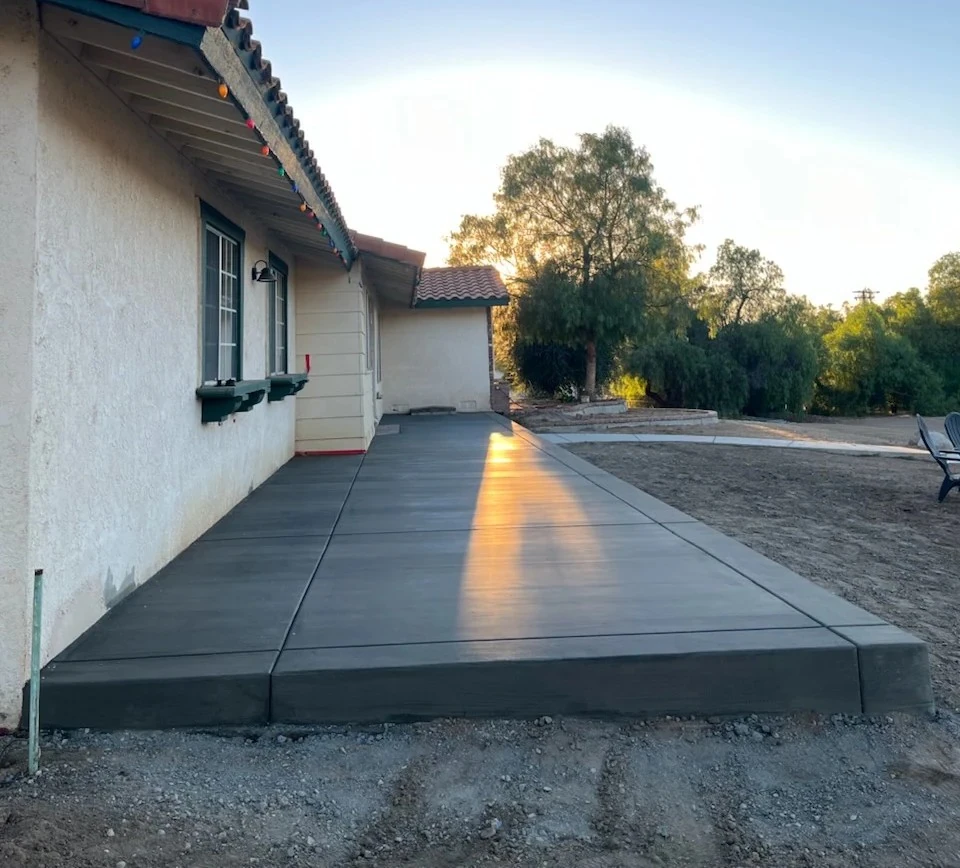
Concrete Patio Replacement
Take out the old slab, pour the one you actually wanted.
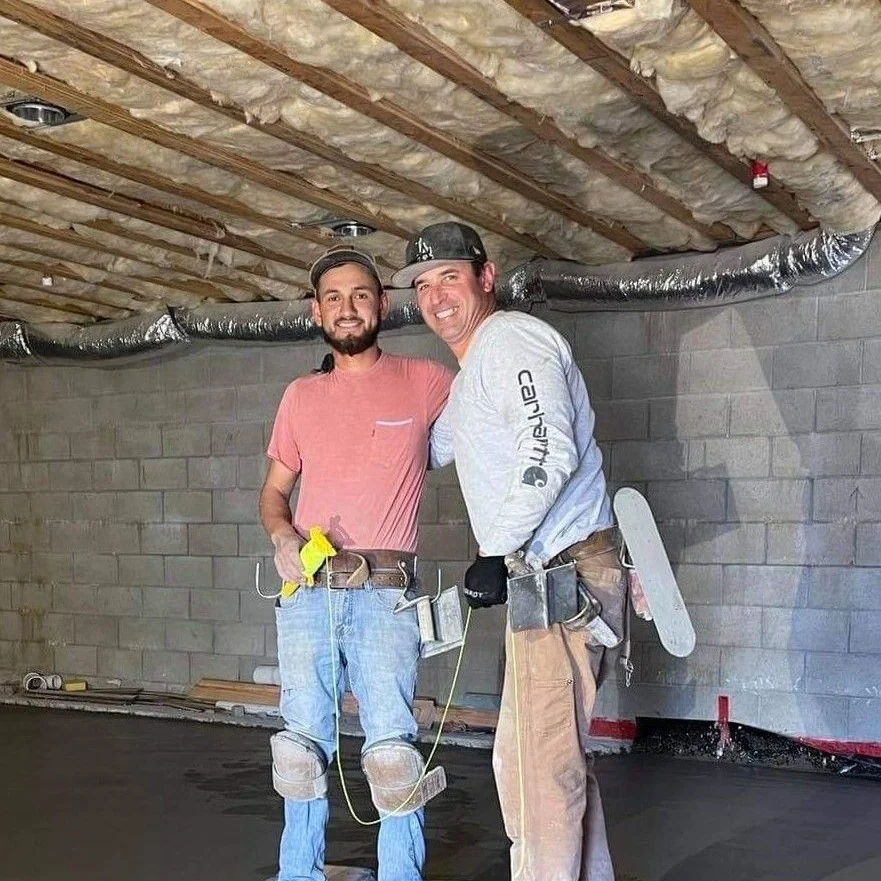
Concrete Patio Repair
Cracks, settled corners, and surfaces that have gone rough.
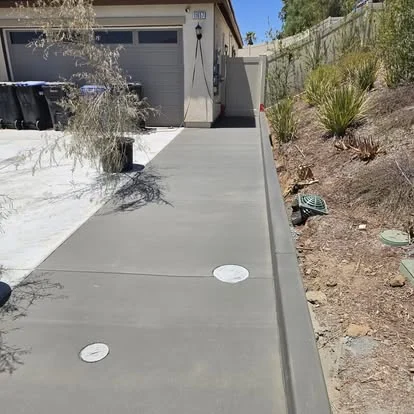
Concrete Walkways
Getting from the street to the door without a trip hazard.
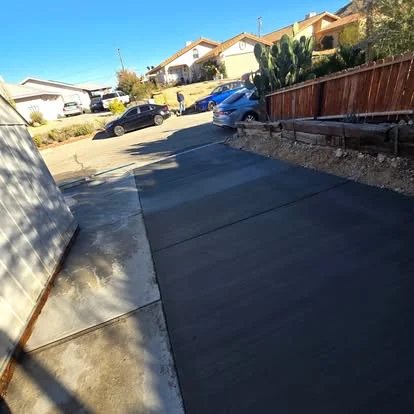
Concrete Sidewalks
Public-facing flatwork built to the spec the city will inspect.
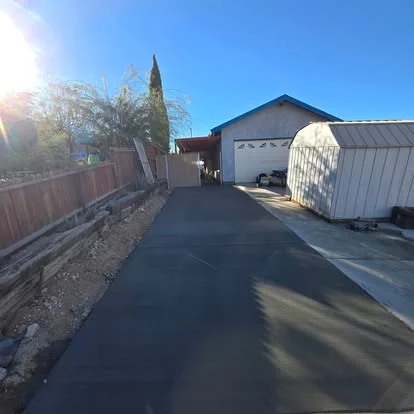
Concrete Sidewalk Repair
Lifted, cracked, or spalled panels made safe again.
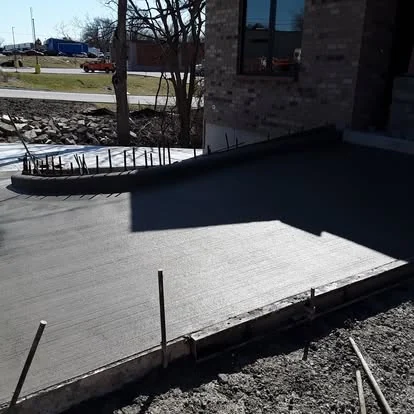
Concrete Crack Repair
Some cracks are cosmetic. Some are a message.
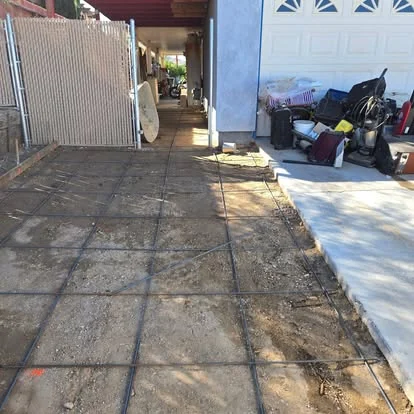
Spalled Concrete Repair
Surface flaking down to the aggregate.
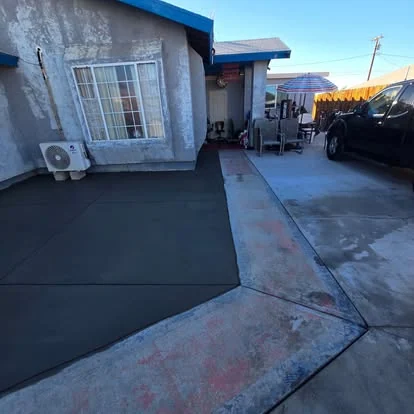
Settled Concrete Repair
The slab dropped because something under it did.
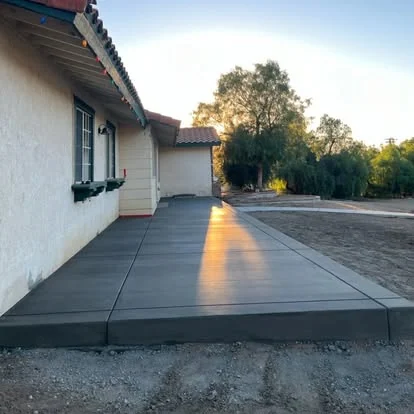
Utility Pads
Pads for meters, generators, and mechanical gear.
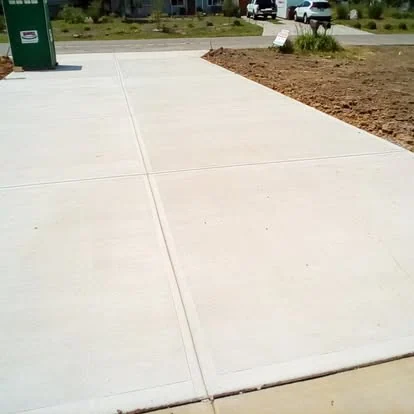
Bollard Foundations
The concrete that stops a vehicle.
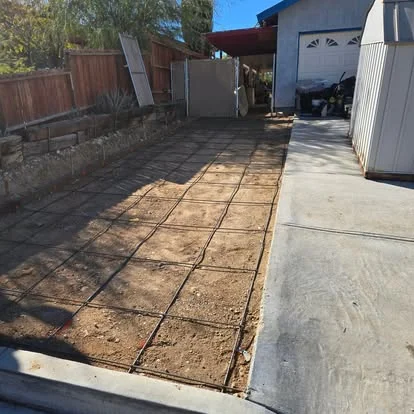
Concrete Trash Enclosures
Walls, slab, and apron as one detail.
Pouring concrete around Murrieta
What the ground does here
The inland valleys run on expansive clay. It takes on water and swells, then dries out and shrinks, and it does that cycle every year. A slab poured on untreated clay rides that movement until something gives, which is why base preparation and reinforcement are the design rather than an upgrade. Where a soils report exists we build to it; where there is none, what we find during excavation tells us what the ground is going to do.
Irrigation against the slab
Almost every valley property waters something, and sprinklers running along a slab edge keep the base saturated year round. In expansive soil that is a slow way to undermine your own driveway. Where the water lands is worth looking at before blaming the concrete.
Summer pours
Triple digit afternoons change how concrete behaves. It stiffens before it can be finished properly, the surface skins over while the body underneath is still soft, and water leaves the slab faster than the cement can use it. Valley pours start early, the mix gets adjusted for the heat, and curing is treated as an active step instead of something that happens on its own.
Older flatwork around here
A lot of valley concrete was poured thin, with light reinforcement, on a base that was never properly compacted. When it fails it is usually reporting on the ground rather than on the mix, and that is the difference between a repair that holds and one that comes back in a year.
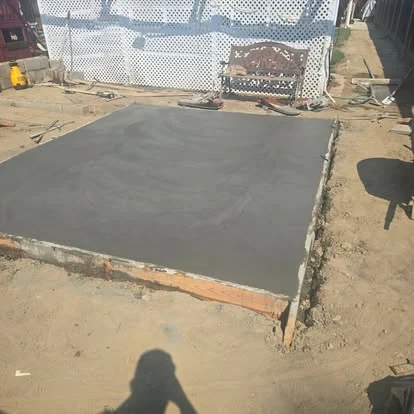
Concrete work around Murrieta
Flatwork, foundations and repair across Murrieta and the rest of Riverside County, poured by the same crew that answers the phone.
How concrete fails, and why
Shrinkage cracks in the first month
Concrete gives up water as it cures and gets slightly smaller doing it. Where it cannot shrink freely it cracks. This is why joints exist, and why a slab with no joint plan cracks wherever it likes within the first few weeks.
Crazing on the surface
A fine map of hairlines across the top is usually a finishing and curing issue, not structural. Working the surface with water on it, or letting a slab dry too fast in wind, both produce it.
Edges breaking away
Corners and edges are the least supported concrete on any slab and the first to go. Thin edges, vehicles cutting corners, and no thickened perimeter all contribute.
Rust stains and cracks over the steel
When cracks run in straight lines that match the rebar spacing, the steel is corroding and expanding. That means water and chloride reached it, which is a cover problem.
How a job runs
Getting a number
We walk the job, measure, and quote what it needs. No number goes out on a photograph and nothing gets quoted thin to win it.
How long it takes
Most residential flatwork is a few days from demolition to pour, plus curing. Structural work runs longer because of inspections.
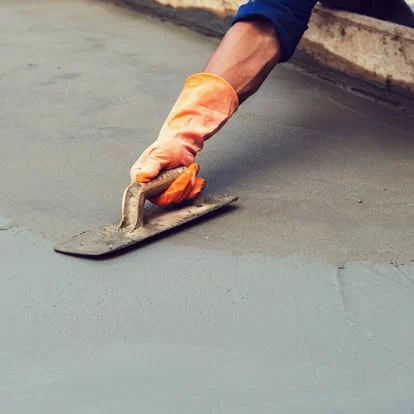
Knowing when to start floating is the part you cannot learn from a book.On finishing
Who is on site
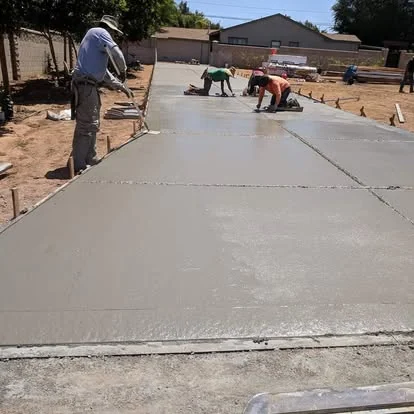
The same crew that forms it pours it and finishes it. There is no handoff where the details get lost.
Afterwards
Sealing, joint maintenance, and keeping water off it are the things that decide whether you get twenty years or forty.
Around Murrieta
Straight answers
Does the clay soil here really matter that much?
Yes. Expansive clay swells with water and shrinks when it dries, every year. That movement is what cracks slabs and foundations, and it is handled in the base, the reinforcement and the drainage rather than in the finish.
Can you pour in the middle of summer?
We do, and we start early. Triple digit afternoons stiffen the mix before it can be finished and pull water out of the slab, so hot weather pours get scheduled, mixed and cured differently. Sometimes the right answer is moving the date.
Do you handle the demolition and haul-off?
Yes. Saw cutting to a clean line, breaking out, loading and hauling is part of the job, and we protect what stays and leave the ground ready for the new pour.
How thick should my driveway be?
It comes off what parks on it. A passenger car drive and one carrying a loaded work truck or an RV are not the same slab, and the wheel path is where a thin one cracks first.
What maintenance does concrete actually need?
Keep water moving off it, reseal when it needs it, and keep the joints maintained. Water is the common factor in nearly every concrete failure, so those three things buy years.
Murrieta concrete, quoted properly
Access, base condition, thickness and finish decide the price. That is why we walk it first and why the number holds.