
The crew Villa Park calls
Flatwork and structural concrete for homes and businesses around Villa Park. Fourth generation, California license 1137822.
Talk to us about the job


What concrete is up against around Villa Park
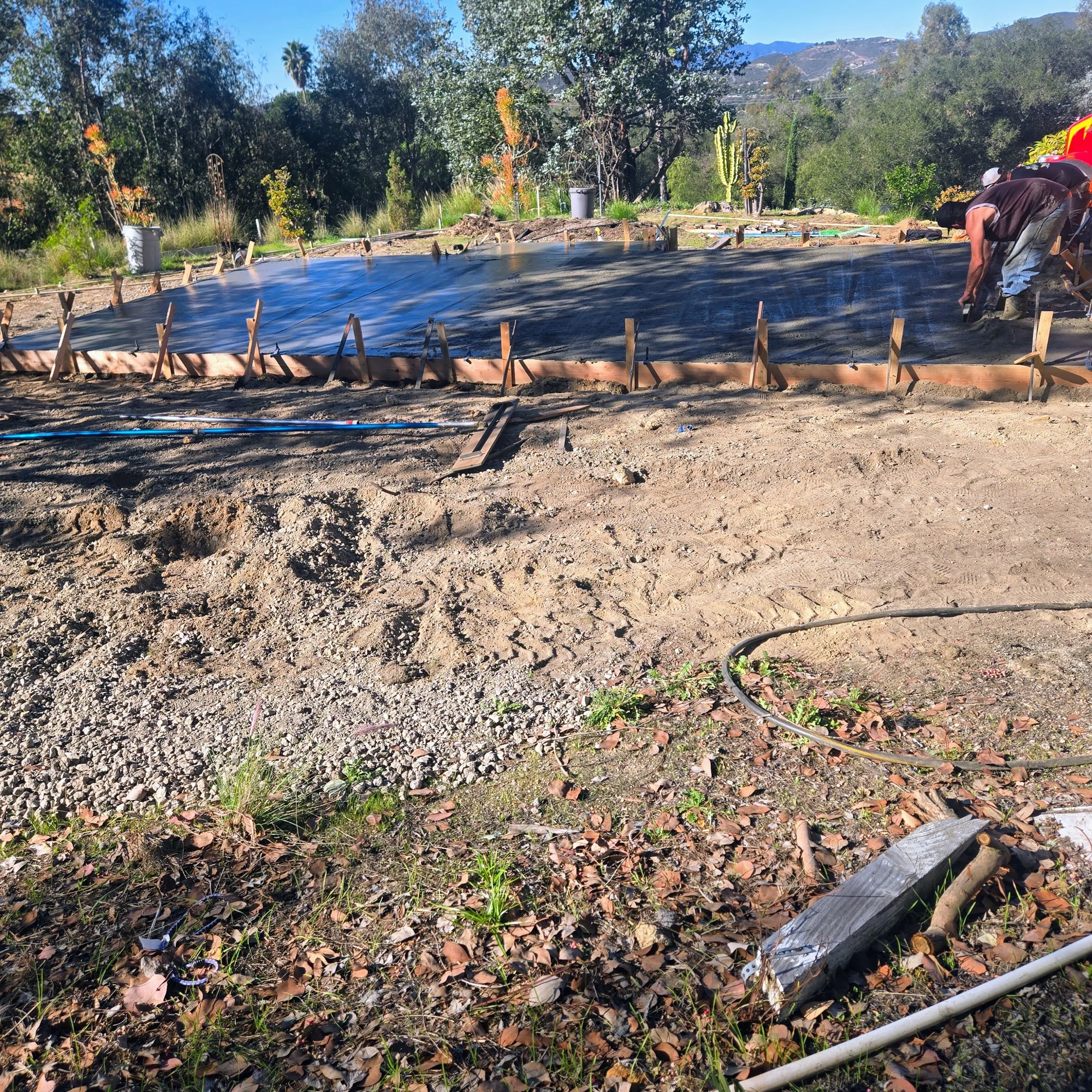
Thickness matched to the load
A driveway that carries a work truck is not the same slab as a garden path. Thickness and steel come off what actually drives on it, and getting that wrong shows up as cracking in the wheel path.
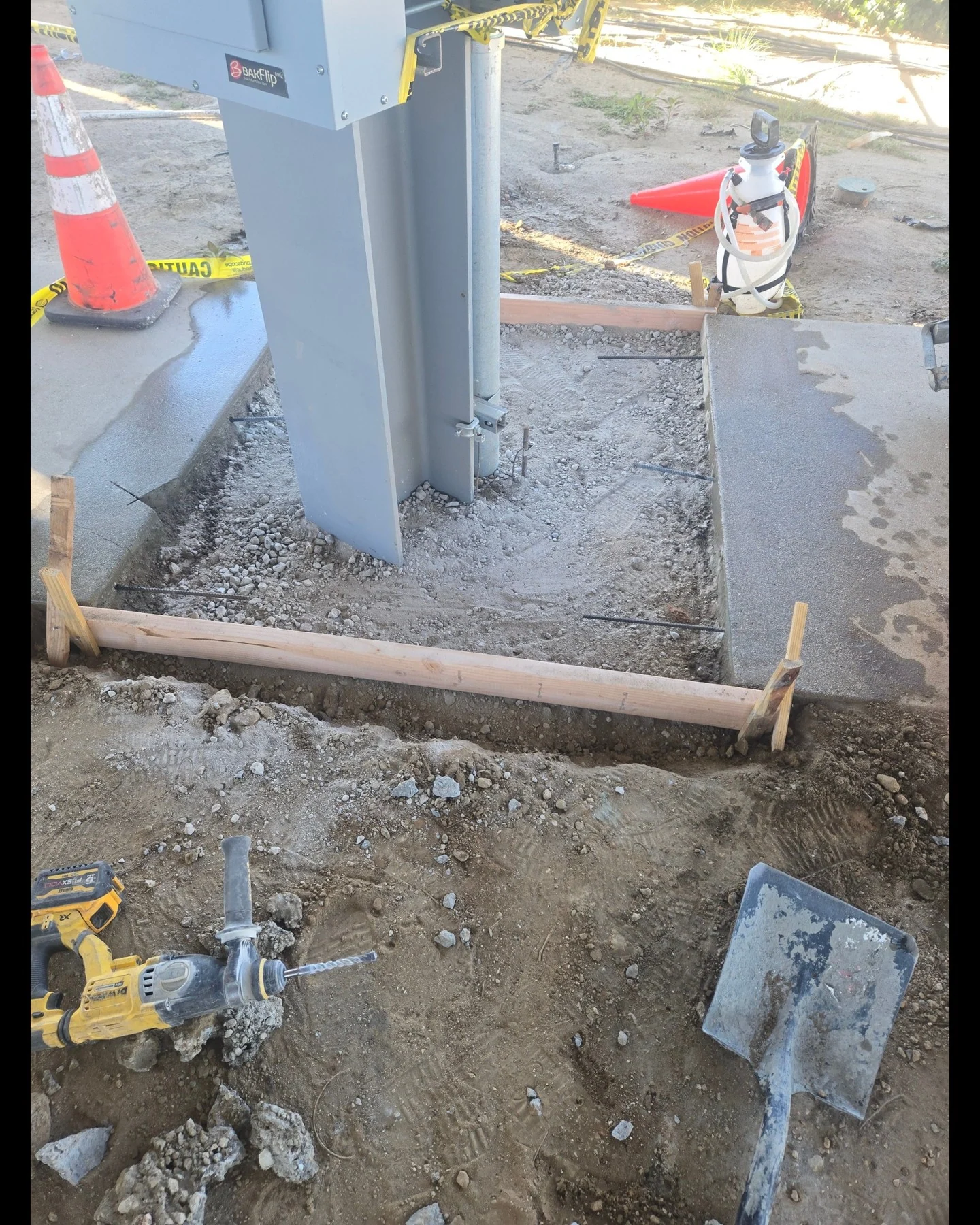
The base is the job
People judge concrete by the surface and it fails from underneath. Grade, material, lift thickness and compaction decide how a slab performs for thirty years. It is invisible when it is right.
Irrigation next to flatwork
Sprinklers running against a slab edge keep the base saturated year round. In expansive soil that is a slow way to undermine your own driveway. Where the water lands matters.
Water routed off the slab
Slopes, low points and a path for water to leave are set before the pour, because afterward the drainage is permanent.
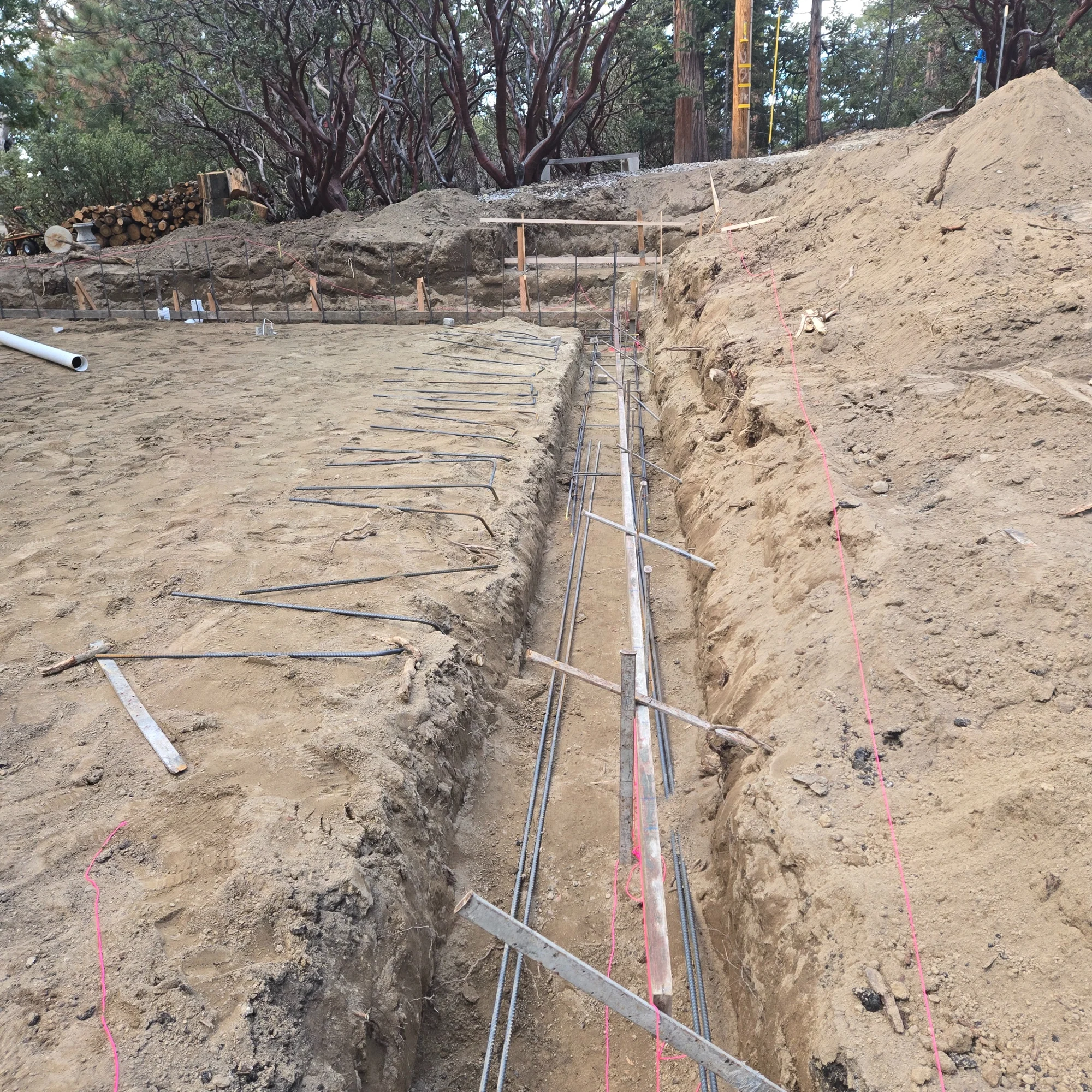
Steel sized to the movement
Reinforcement gets placed for what the soil is going to do, on chairs at the right height with real cover. Steel lying on the dirt does nothing at all.
Honest diagnosis before a number
We look at what failed and why before quoting. Sometimes the answer is a repair and sometimes it is a rebuild, and we will tell you which even when the smaller job is ours to lose.
What we build in Villa Park
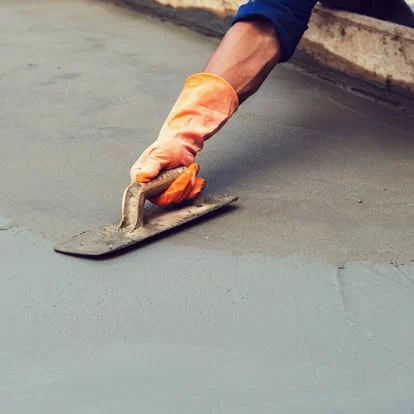
Basement Floors
A slab poured inside, where moisture has nowhere to go.

RV Pads
Heavy, concentrated, parked in one place for months.
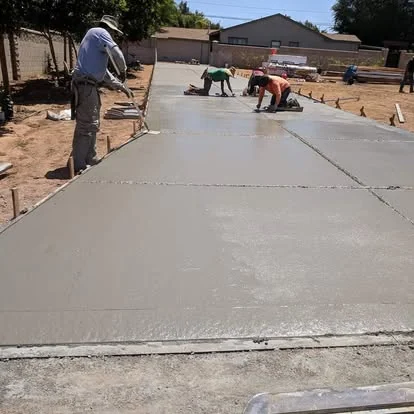
Boat Pads
Trailer tongue weight and a slab that has to stay level.
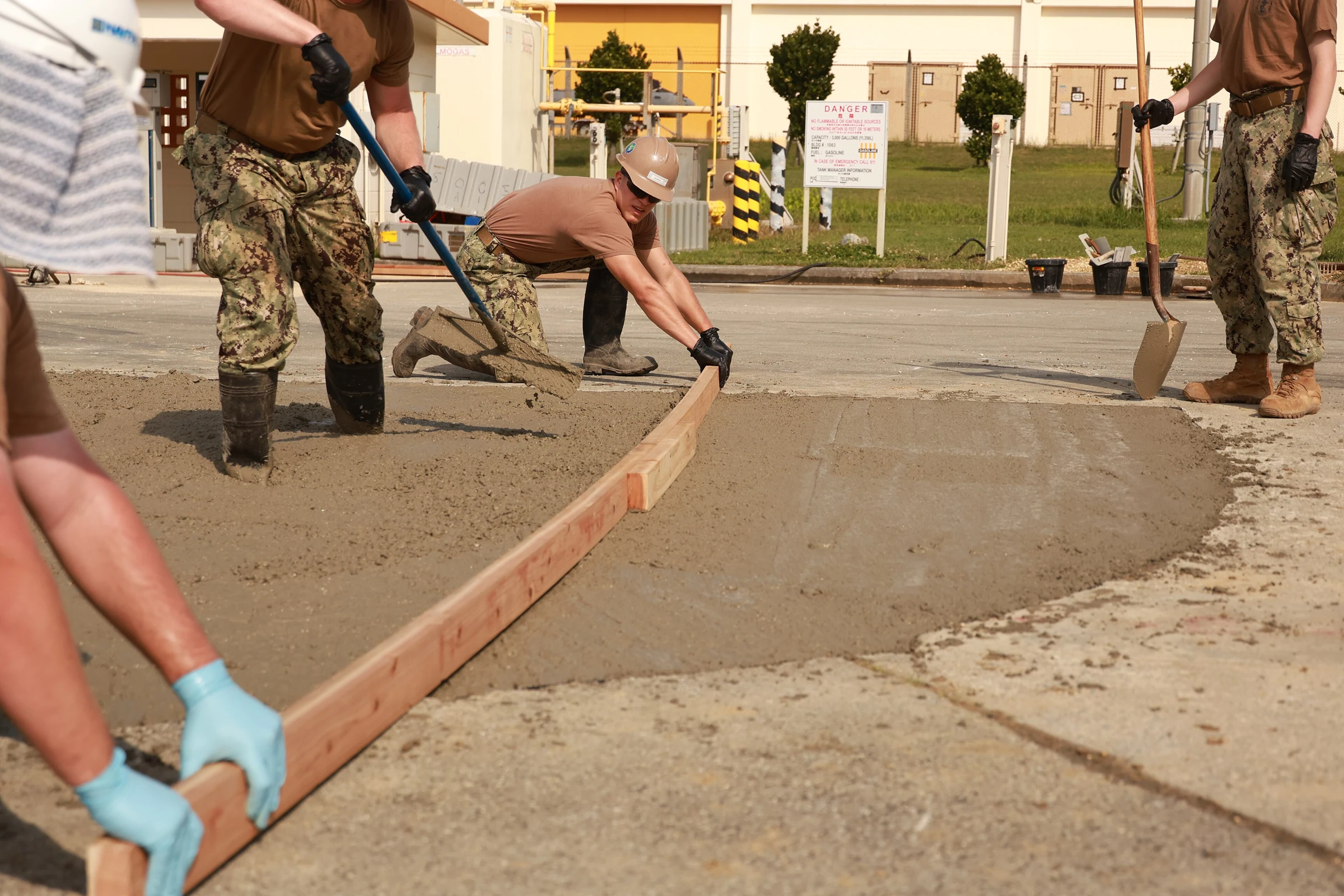
Parking Pads
Extra parking that is not the driveway.
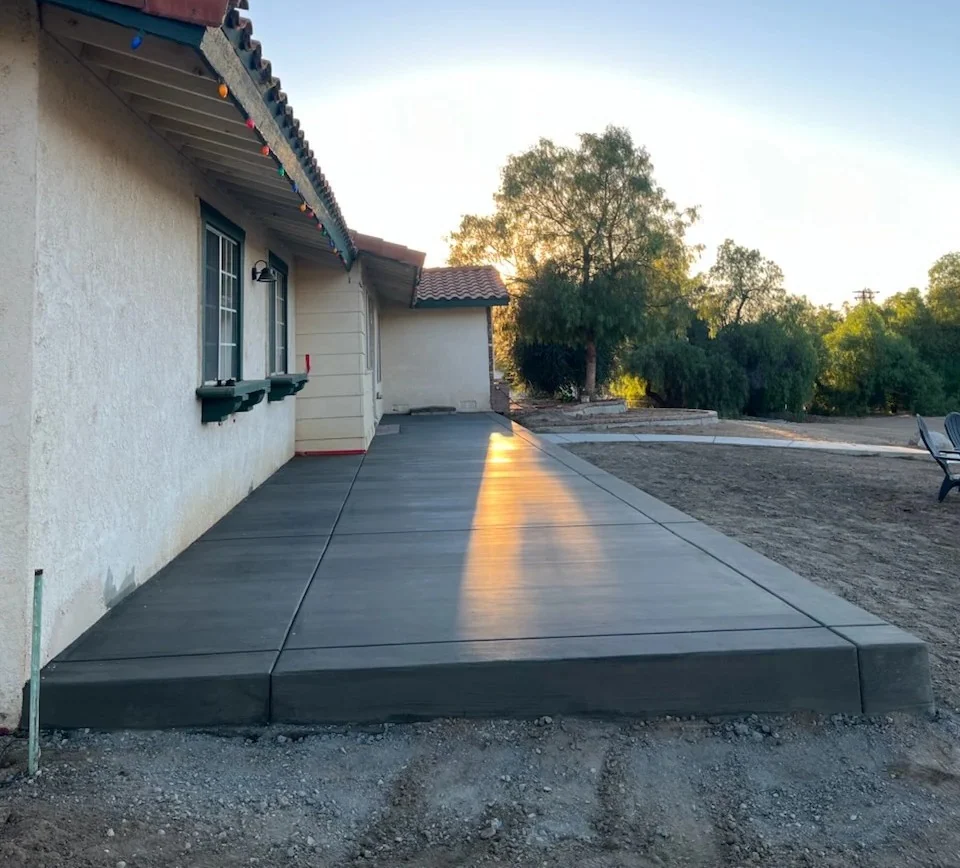
Concrete Pool Decks
Wet feet, chemicals, and sun all year.
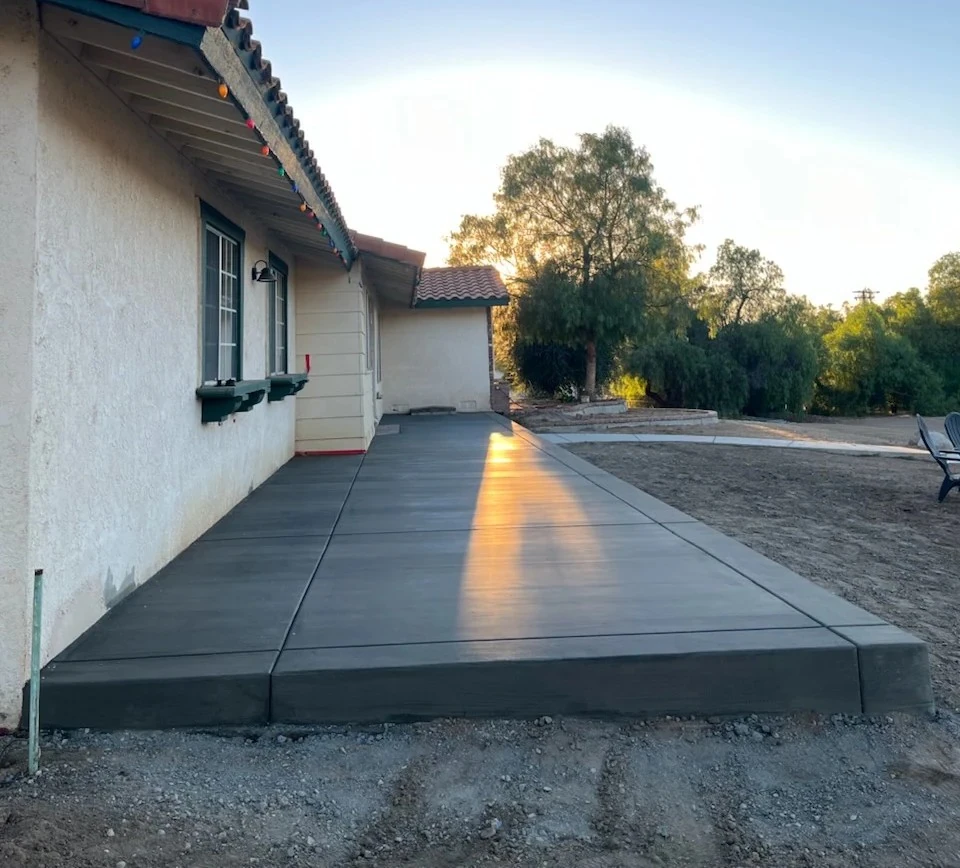
Concrete Pads
A pad sized to the thing that is going on it.
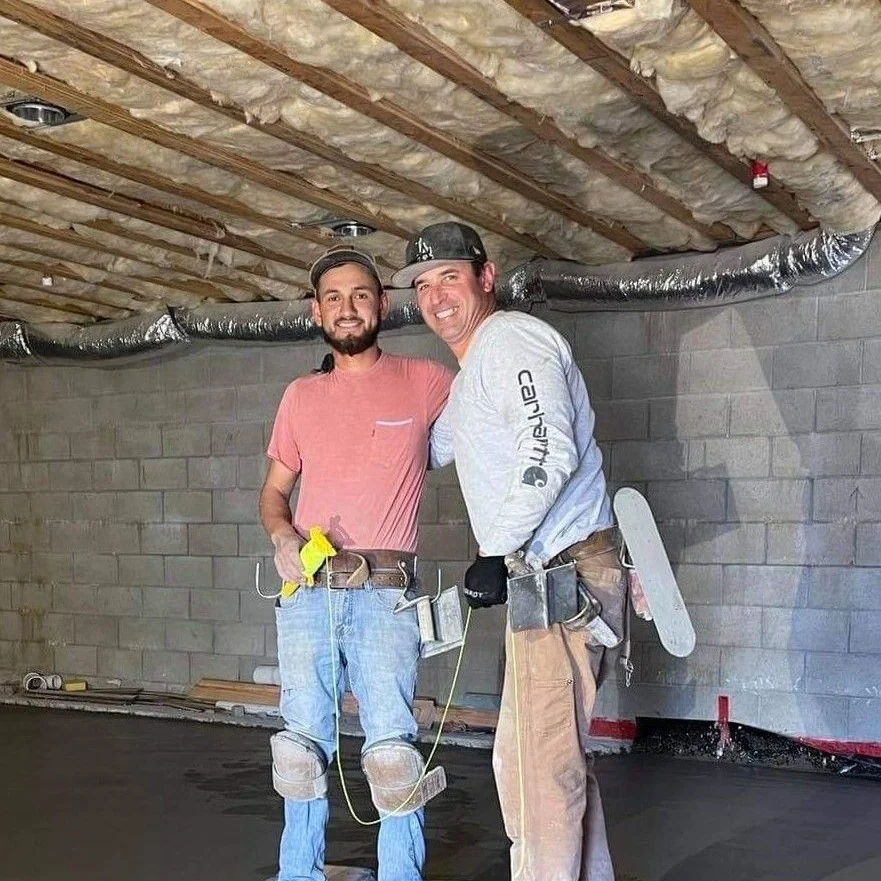
Concrete Sealing
Keeping water out of the pores.
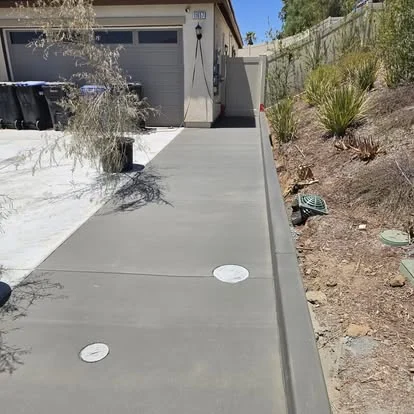
Concrete Replacement
Out with the old slab, in with one built right.
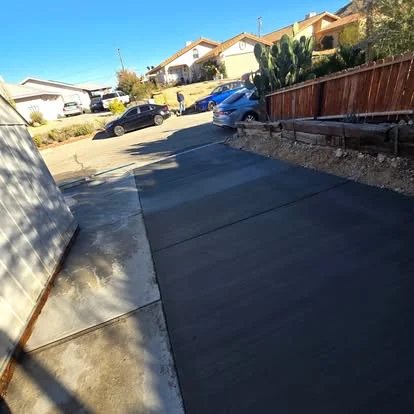
Concrete Removal
Break it out, haul it off, leave it clean.
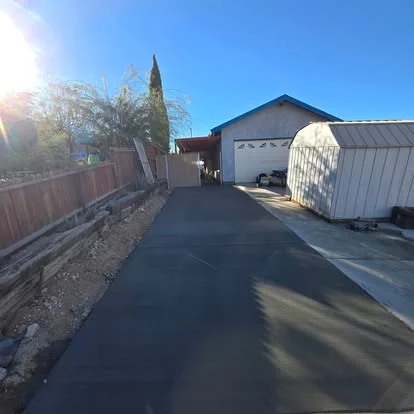
Commercial Concrete Slabs
Slabs sized for racking, equipment, and forklifts.
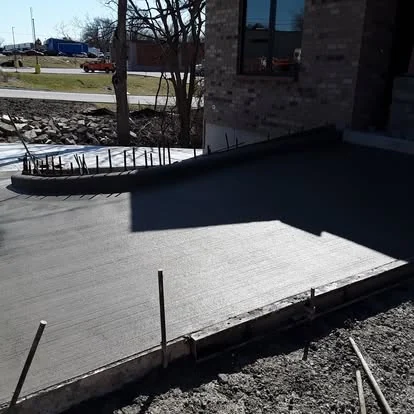
Commercial Concrete Foundations
Footings and stem walls under a commercial structure.
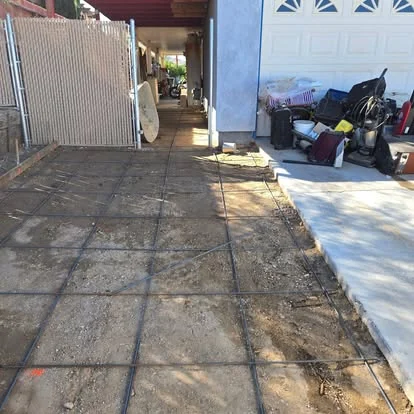
Commercial Sidewalks
Walks that carry public traffic and public liability.
Pouring concrete around Villa Park
Older flatwork around here
A lot of valley concrete was poured thin, with light reinforcement, on a base that was never properly compacted. When it fails it is usually reporting on the ground rather than on the mix, and that is the difference between a repair that holds and one that comes back in a year.
Summer pours
Triple digit afternoons change how concrete behaves. It stiffens before it can be finished properly, the surface skins over while the body underneath is still soft, and water leaves the slab faster than the cement can use it. Valley pours start early, the mix gets adjusted for the heat, and curing is treated as an active step instead of something that happens on its own.
Irrigation against the slab
Almost every valley property waters something, and sprinklers running along a slab edge keep the base saturated year round. In expansive soil that is a slow way to undermine your own driveway. Where the water lands is worth looking at before blaming the concrete.
Drainage on a flat lot
Valley lots are often close to level, which makes slope hard to find and easy to get wrong. Low points, cross-fall and where water actually leaves the property get worked out before the pour, because once the concrete is down the drainage is permanent.
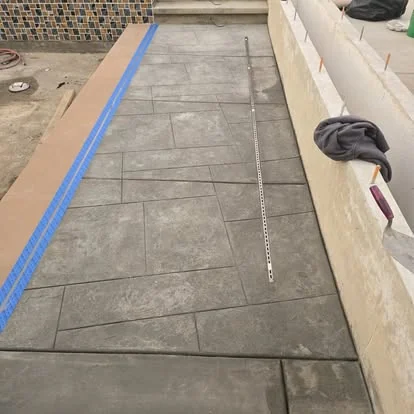
Concrete work around Villa Park
Flatwork, foundations and repair across Villa Park and the rest of Orange County, poured by the same crew that answers the phone.
How concrete fails, and why
A slab that rocks
If you can feel movement walking across it, there is a void underneath. That is erosion, poor compaction, or soil that shrank away. Filling the void is the fix; replacing the slab without filling it is not.
Cracks that widen along their length
A crack that is hairline at one end and open at the other is reporting differential movement. That is a foundation and soil conversation, not a patching one.
Discolouration in patches
Blotchy color usually comes from inconsistent curing, adding water to part of a load, or finishing at different times across one pour. It is cosmetic and it is permanent.
Joint sealant failure
Open joints let water into the base, and the base is what holds the slab up. Resealing joints is cheap maintenance that prevents expensive failures.
How a job runs
Communication
One point of contact, and you hear about anything that changes before it changes. Surprises on a concrete job are almost always avoidable.
Protecting the pour
Fresh concrete gets protected from sun, wind, rain and traffic. Most surface problems that show up later started in the first forty eight hours.
Width tells you less about a crack than movement does.On reading a slab
Inspections
Where they apply, they get scheduled into the sequence so the pour is not waiting on a signature.
The finished job
Flat where it should be flat, sloped where it should drain, jointed on a plan, and clean when we leave.
Around Villa Park
Straight answers
Should I worry about hairline cracks in the first month?
Usually not. Concrete gives up water as it cures and gets slightly smaller doing it, and fine shrinkage cracking in that window is the material behaving normally. Anything that widens or lifts is different, and worth a call.
Do you handle the demolition and haul-off?
Yes. Saw cutting to a clean line, breaking out, loading and hauling is part of the job, and we protect what stays and leave the ground ready for the new pour.
Can you match the concrete I already have?
Usually close, rarely exact, because concrete changes color as it ages. We match thickness, finish and joint pattern so the result reads as one surface rather than a patch.
Does the clay soil here really matter that much?
Yes. Expansive clay swells with water and shrinks when it dries, every year. That movement is what cracks slabs and foundations, and it is handled in the base, the reinforcement and the drainage rather than in the finish.
My sprinklers run along the driveway. Is that a problem?
It can be. Constant water at a slab edge keeps the base saturated, and in expansive soil that undermines the concrete from underneath. Where the water lands is worth looking at before blaming the slab.
Villa Park concrete, quoted properly
Access, base condition, thickness and finish decide the price. That is why we walk it first and why the number holds.