
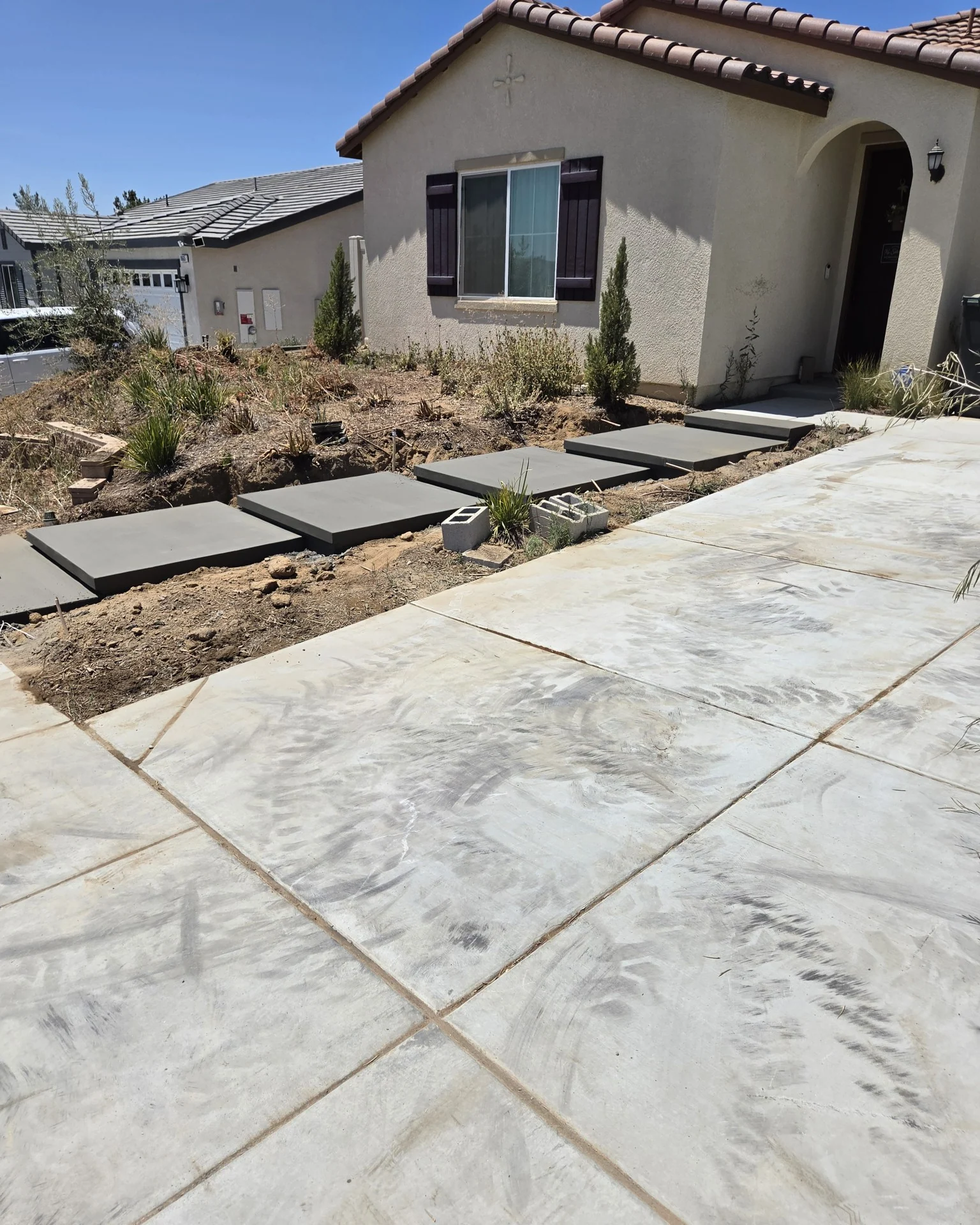
Built for Phelan ground
The soil and the weather here decide how a slab is built. Driveways, patios, slabs and foundations across Phelan, licensed 1137822.
Talk to us about the job

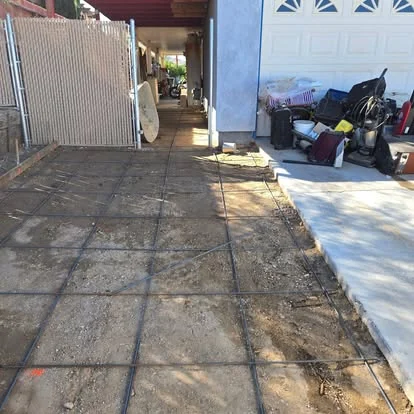
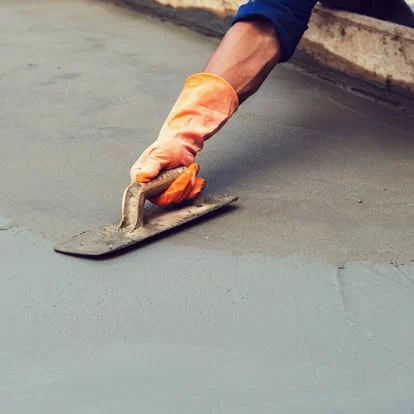
What concrete is up against around Phelan
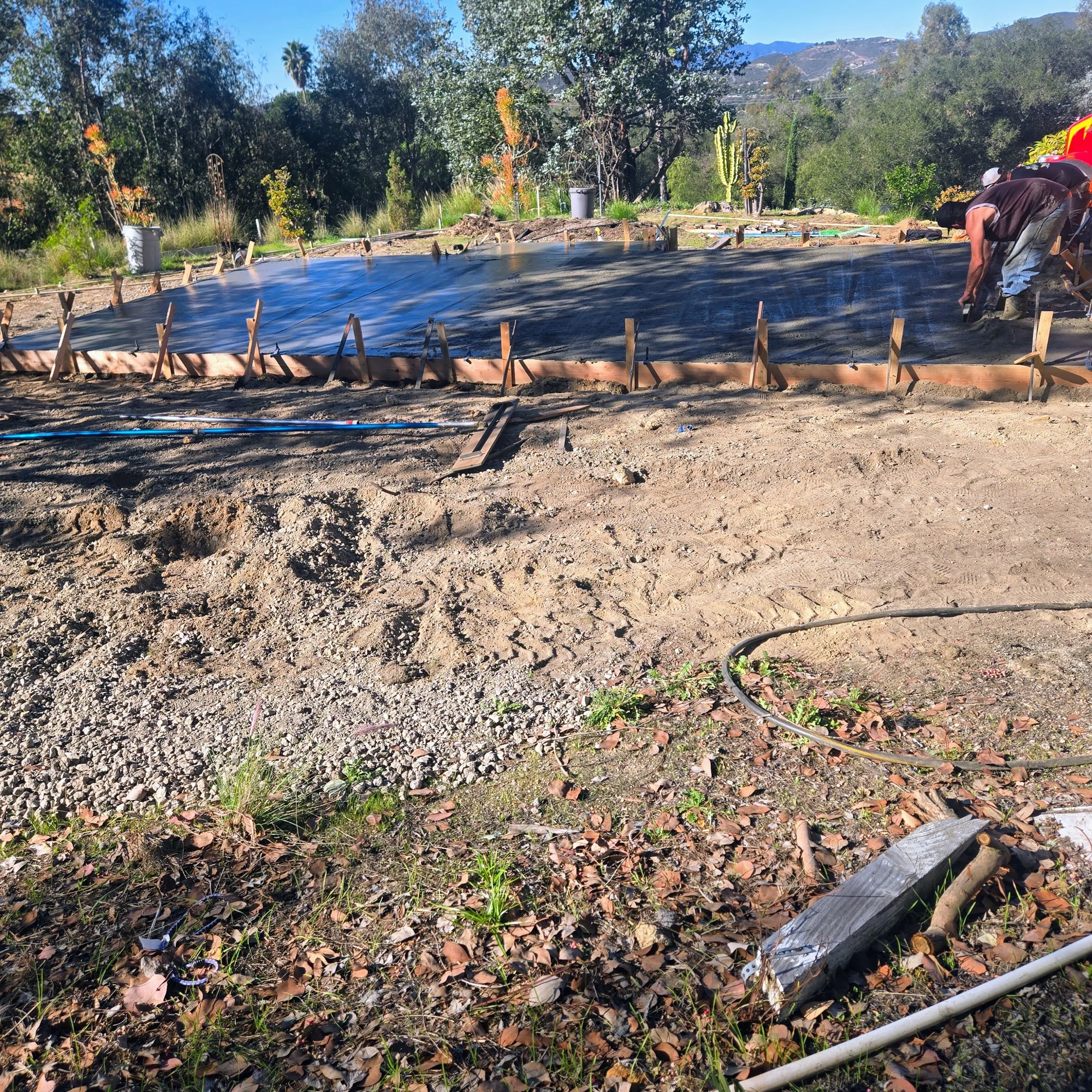
Long runs and long cracks
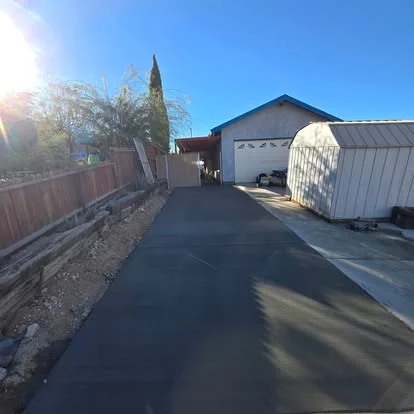
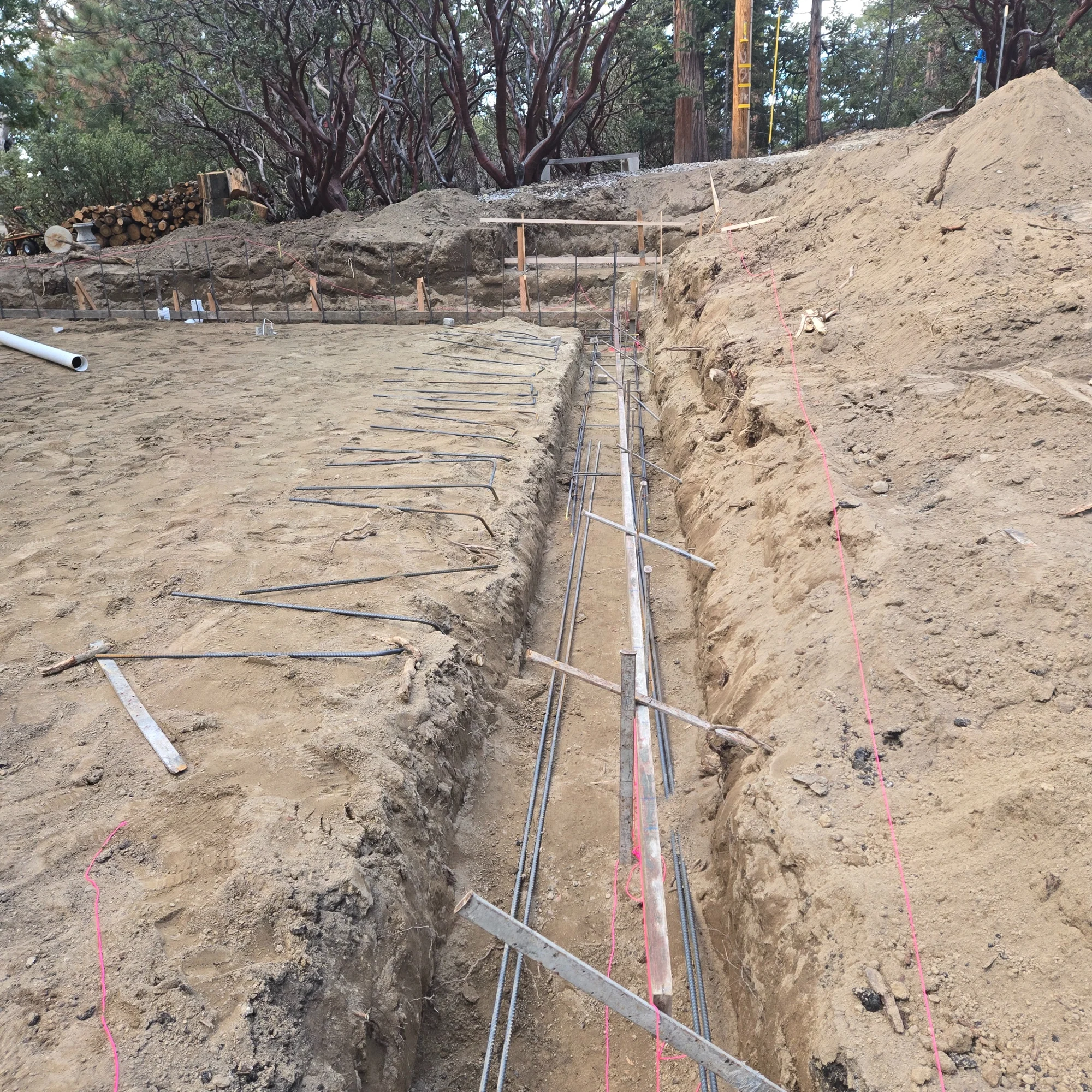
High desert lots are often big, which means long driveways and long slabs. Length multiplies movement, so joint spacing and layout matter more than on a small urban pad.
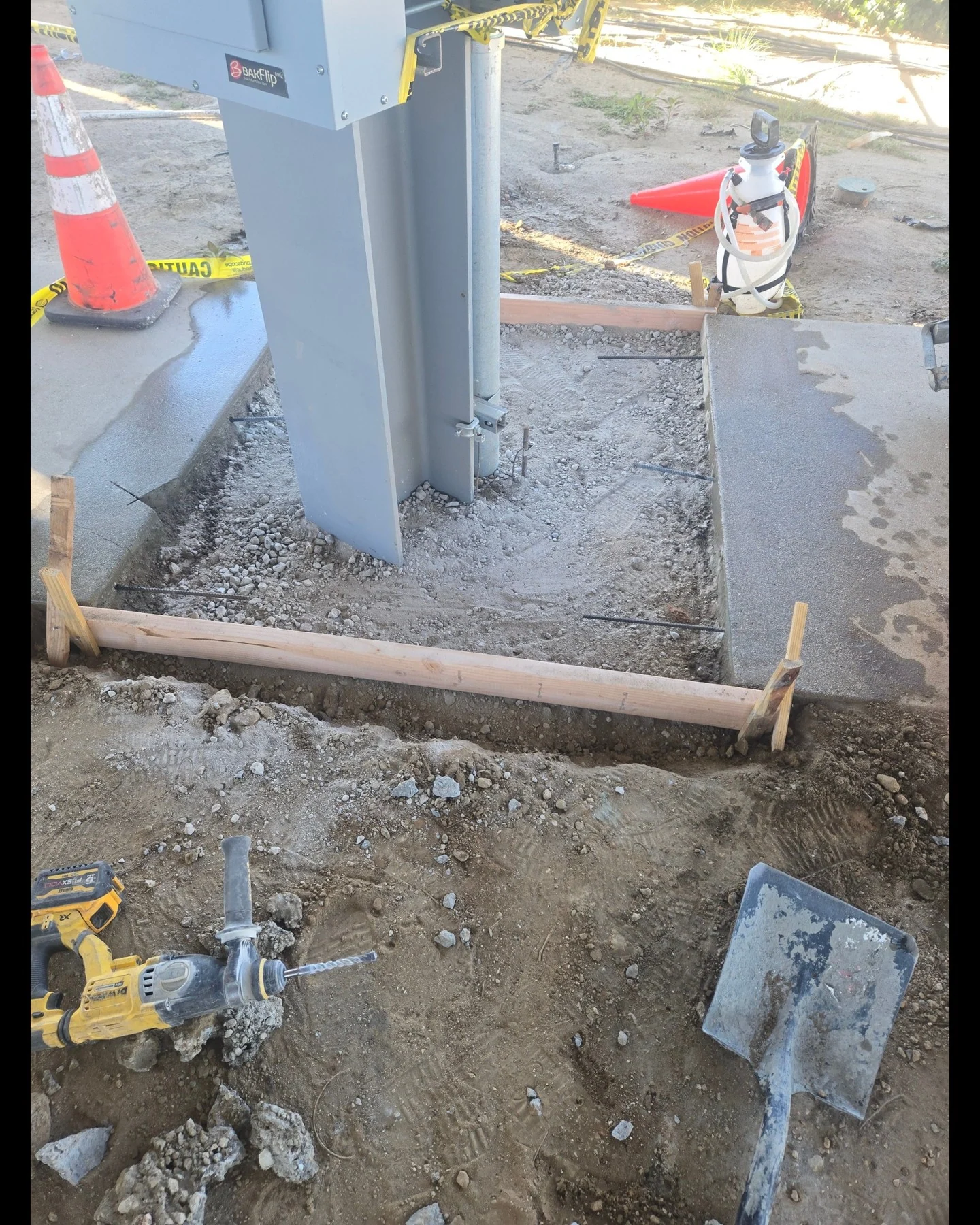
Heat and cold in the same year
High desert concrete takes triple digit summers and hard freezes in the same twelve months. It has to be designed for both, which means air entrainment where it matters and joints that allow real movement.
Access and haul distance
Some of these properties are a long way from a plant. That affects the delivery window and how the pour is staged, and it is worth planning honestly instead of discovering it with a truck on site.
Joints planned on paper
Joint layout gets worked out before the pour, spaced to the thickness and placed where the slab wants to move anyway. Then it gets cut at the right time.
Pours scheduled to the heat
In summer we start early and keep the mix and the crew ahead of the temperature. Concrete does not wait for anybody.
Cleanup is part of the job
Washout handled properly, spoil hauled, surfaces cleaned. Concrete work is messy while it happens and should be invisible when it is done.
What we build in Phelan
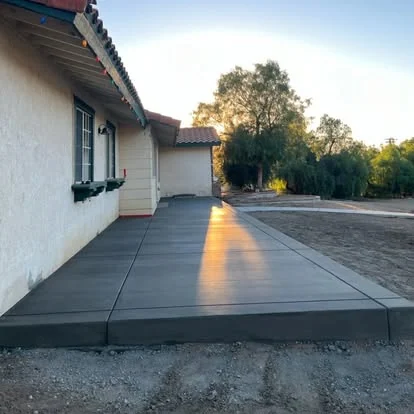
Garage Floors
Hot tires, dropped tools, and whatever ran off the car.
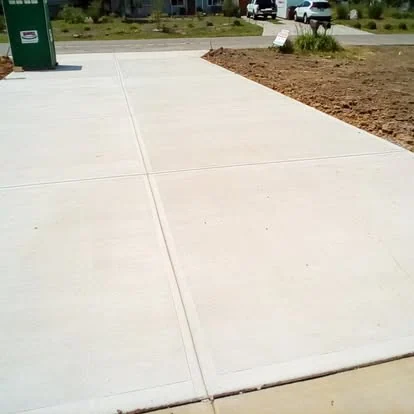
Garage Aprons
The strip between the driveway and the garage door.
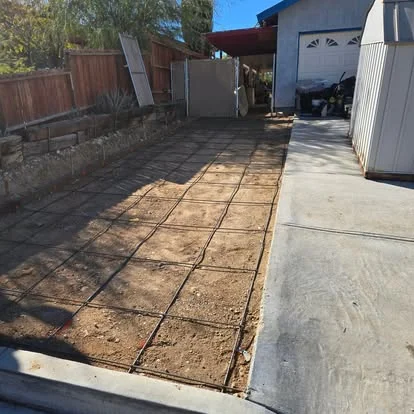
Basement Floors
A slab poured inside, where moisture has nowhere to go.
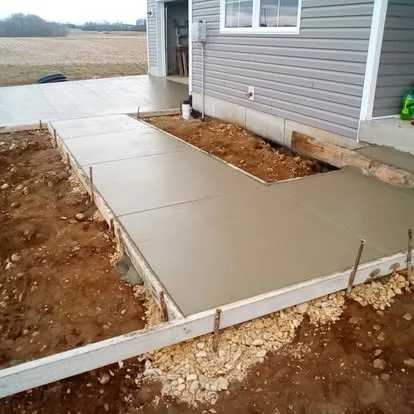
RV Pads
Heavy, concentrated, parked in one place for months.
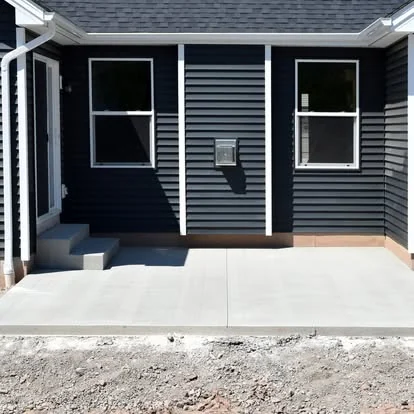
Boat Pads
Trailer tongue weight and a slab that has to stay level.
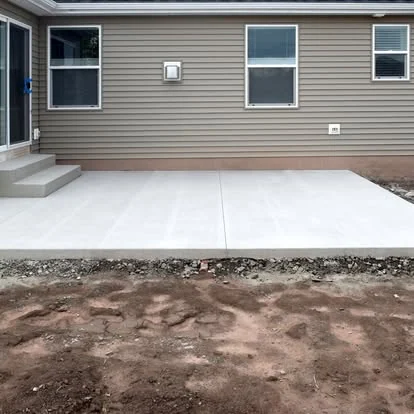
Parking Pads
Extra parking that is not the driveway.
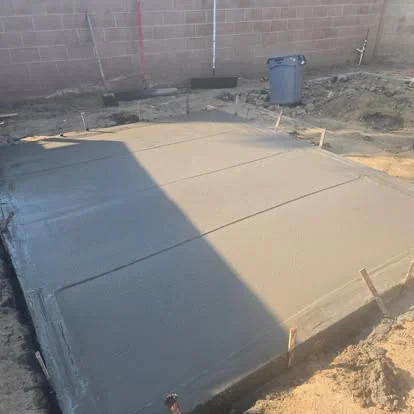
Concrete Grinding
Taking down high spots and trip lips.
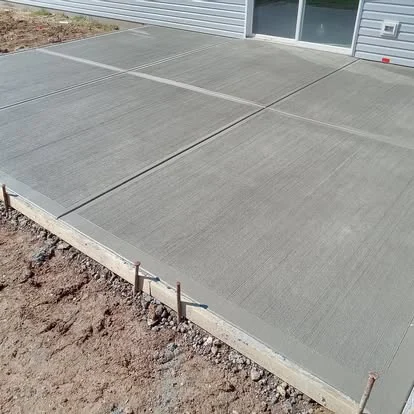
Concrete Sealing
Keeping water out of the pores.
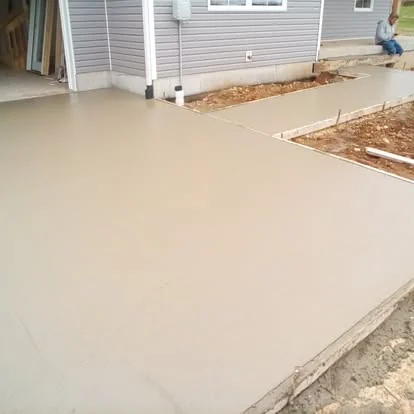
Concrete Replacement
Out with the old slab, in with one built right.
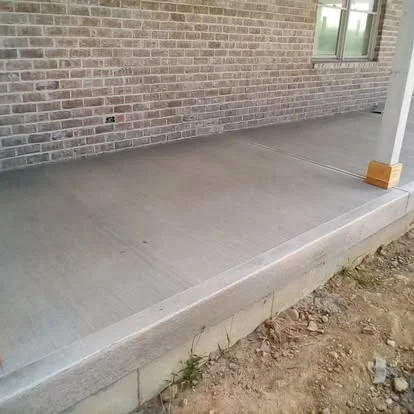
Concrete Loading Docks
The most abused concrete on any commercial property.
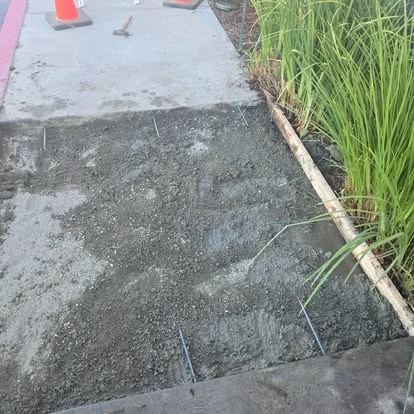
Dumpster Pads
A truck, a full bin, and the same spot every week.
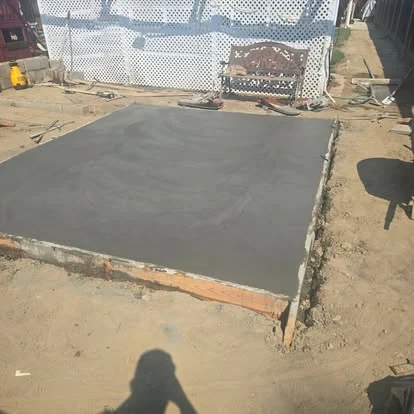
Equipment Pads
A level base for machinery that cannot move.
Pouring concrete around Phelan
Decomposed granite and alluvium
Much of the high desert is decomposed granite and alluvial material. Worked properly in lifts it compacts into an excellent base; dumped and raked flat it behaves badly and the slab tells you so within a few years.
Long runs on big lots
High desert properties are often large, which means long driveways and big slabs. Length multiplies movement, so joint spacing and layout matter more here than on a small urban pad, and a long drive poured without a joint plan will crack wherever it likes.
Distance and delivery
Some of these properties are a long way from a batch plant, which affects the delivery window and how a pour gets staged. That is worth planning honestly up front rather than discovering it with a truck on site.
Freeze and thaw is real at this elevation
The high desert genuinely freezes, and that changes the concrete conversation completely. Water gets into the pores, freezes, expands and works the surface apart from inside. Over a decade that is the difference between a sound slab and a pitted, spalling one. Air entrainment and sealing both matter here in a way they do not down in the valley.
Concrete work around Phelan
Flatwork, foundations and repair across Phelan and the rest of San Bernardino County, poured by the same crew that answers the phone.
How concrete fails, and why
Cracks at re-entrant corners
Any inside corner in a slab, around a pillar or at an L-shaped patio, concentrates stress. Concrete cracks diagonally out of those corners unless steel or a joint is placed to control it.
Water against the house
Flatwork that slopes toward a building sends water at the foundation. In expansive soil that is the most expensive drainage mistake available.
Tire marks and staining
Hot tires pull at a sealed surface and some sealers soften under them. On a garage floor the finish and the sealer choice both matter for that reason.
Sunken sections around utilities
Trenches backfilled loosely settle for years. Anything poured over a recent trench needs that backfill compacted properly first.
How a job runs
Getting a number
We walk the job, measure, and quote what it needs. No number goes out on a photograph and nothing gets quoted thin to win it.
How long it takes
Most residential flatwork is a few days from demolition to pour, plus curing. Structural work runs longer because of inspections.
Concrete cracks. The job is deciding where.On the material
Who is on site
The same crew that forms it pours it and finishes it. There is no handoff where the details get lost.
Afterwards
Sealing, joint maintenance, and keeping water off it are the things that decide whether you get twenty years or forty.
Around Phelan
Straight answers
How does the wind affect a pour?
Sustained wind with very low humidity closes the finishing window early and crazes the surface. Pours get planned around the forecast, not just the calendar.
What soil is under most of these lots?
Decomposed granite and alluvium, mostly. Worked in lifts it compacts into excellent base; dumped and raked flat it behaves badly.
Does concrete really freeze up here?
Yes, and that changes the whole conversation. Water in the pores freezes, expands and works the surface apart from inside, which is why high desert slabs pit and spall in a way valley slabs do not. Air entrainment and sealing both matter here.
Is sealing worth it here?
More than anywhere else we work. Where freeze cycling is real, keeping water out of the pores is the difference between a slab that lasts and one that spalls.
Is delivery a problem this far out?
It can affect the window and how the pour is staged. We plan it honestly rather than discovering it with a truck on site.
Your Phelan slab
Tell us what it is and what it has to carry. We will be straight about what it needs and what it does not.