
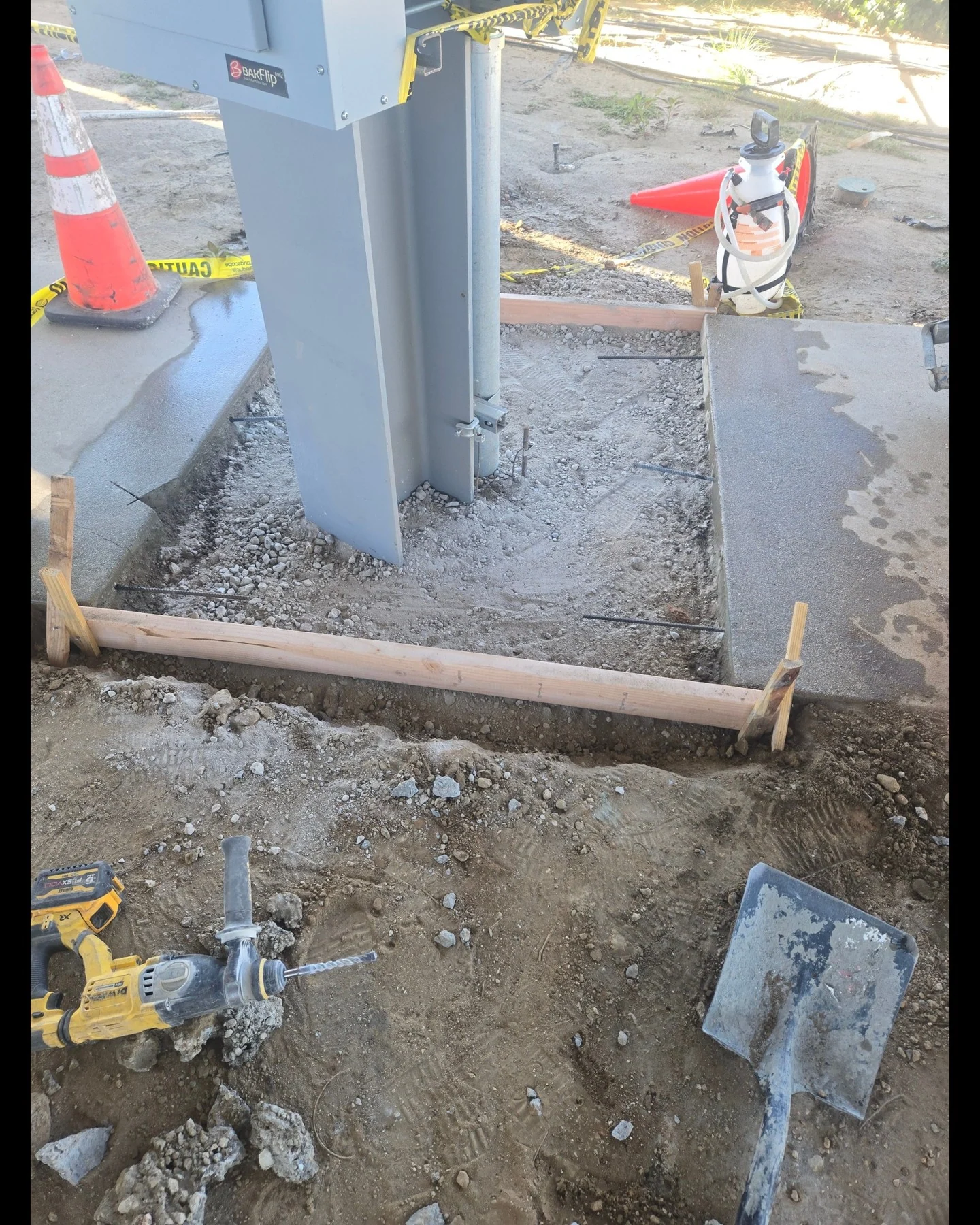
San Clemente’s concrete crew
Flatwork, foundations and repair across San Clemente and the rest of Orange County. Fourth generation, 32 years in the trade, California license 1137822.
Talk to us about the job

What concrete is up against around San Clemente
Humidity during finishing
Higher humidity slows evaporation, which sounds helpful and changes the timing of every finishing step. Bleed water sits longer and floating too early seals it in.
Older coastal slabs
A lot of coastal flatwork is decades old and was poured with less cover over the steel than we would use now. Rust staining and edge spalling usually mean the steel is going, not just the surface.
Pool and spa surrounds
On the coast pool decks get salt from the air as well as chlorine from the water. Slip resistance and a surface that will not degrade under both is the specification.
Pours scheduled to the heat
In summer we start early and keep the mix and the crew ahead of the temperature. Concrete does not wait for anybody.
Honest diagnosis before a number
We look at what failed and why before quoting. Sometimes the answer is a repair and sometimes it is a rebuild, and we will tell you which even when the smaller job is ours to lose.
Cleanup is part of the job
Washout handled properly, spoil hauled, surfaces cleaned. Concrete work is messy while it happens and should be invisible when it is done.
What we build in San Clemente
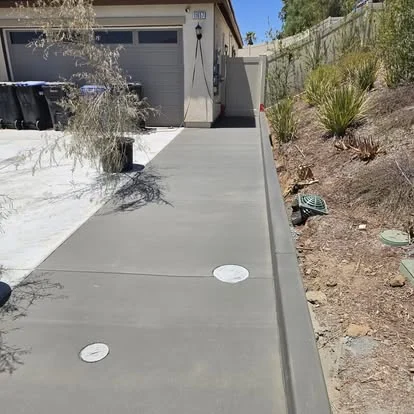
Concrete Slab Repair
Cracks and surface failure on a slab worth keeping.
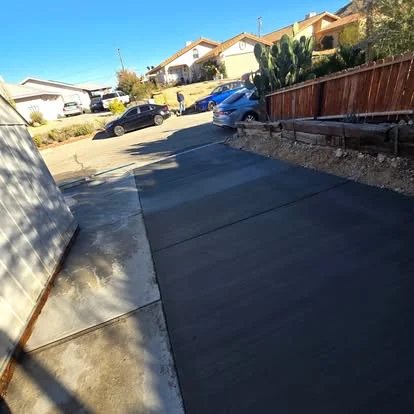
Concrete Slab Replacement
When the base failed, the slab follows.
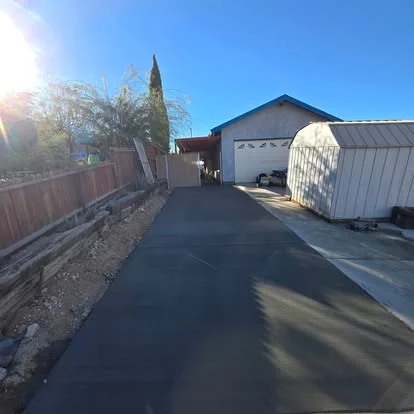
Garage Floors
Hot tires, dropped tools, and whatever ran off the car.
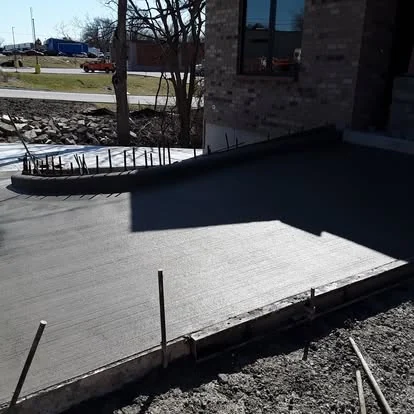
Garage Aprons
The strip between the driveway and the garage door.
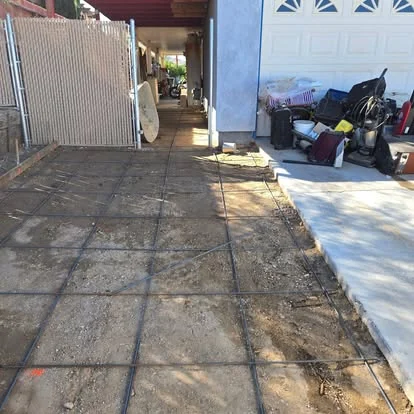
Basement Floors
A slab poured inside, where moisture has nowhere to go.
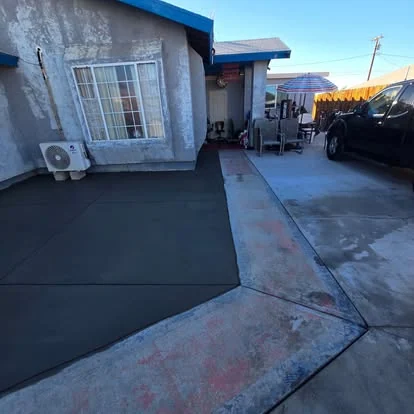
RV Pads
Heavy, concentrated, parked in one place for months.
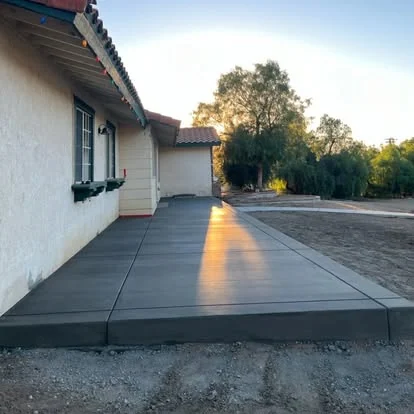
Concrete Resurfacing
A new surface on a sound slab.
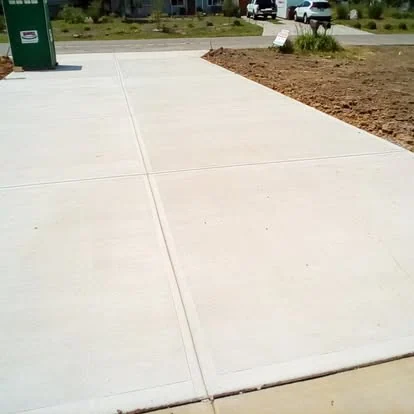
Concrete Leveling
Lifting a slab back to where it started.
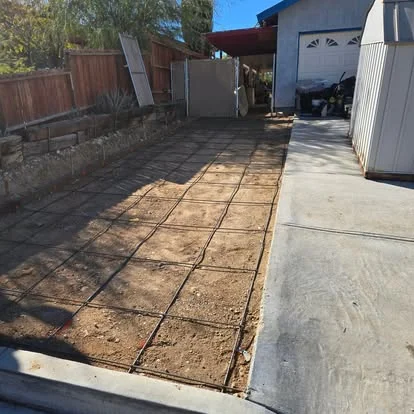
Concrete Grinding
Taking down high spots and trip lips.
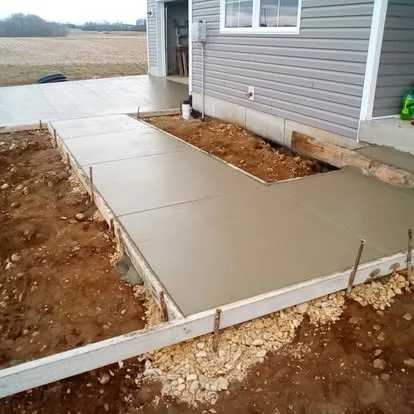
Commercial Concrete Slabs
Slabs sized for racking, equipment, and forklifts.
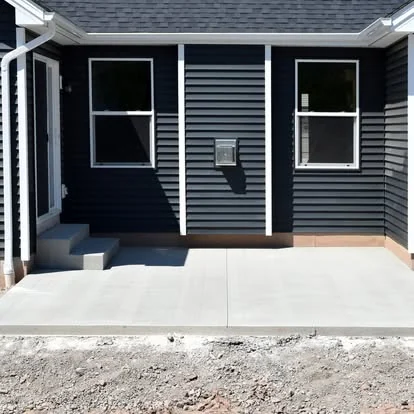
Commercial Concrete Foundations
Footings and stem walls under a commercial structure.
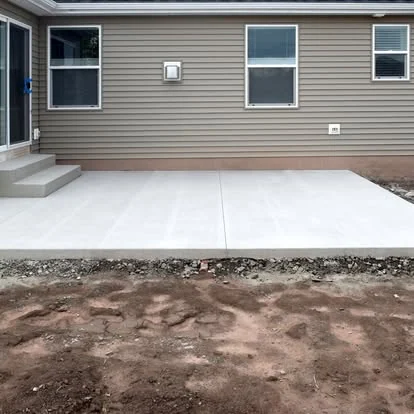
Commercial Sidewalks
Walks that carry public traffic and public liability.
Pouring concrete around San Clemente
Sandy soils and moving water
Coastal ground is frequently sand. It drains beautifully and it can be undermined by water moving through it, so compaction and understanding where water travels matter more than clay-style soil treatment.
Humidity changes the finishing
Higher humidity slows evaporation, which sounds helpful and actually changes the timing of every finishing step. Bleed water sits on the surface longer, and floating too early seals it in and weakens the top layer.
Pool decks near the ocean
A coastal pool deck takes salt from the air as well as chlorine from the water, plus bare feet. Slip resistance and a surface that holds up under both is the specification, not an upgrade.
Salt air reaches the steel
Marine air carries chloride well inland, and chloride is what corrodes reinforcing steel inside concrete. Rusting steel expands and breaks the concrete off from the inside, which is why coastal flatwork often fails in straight lines that match the bar spacing. Concrete cover over the steel is the defense, and it is specified rather than guessed.
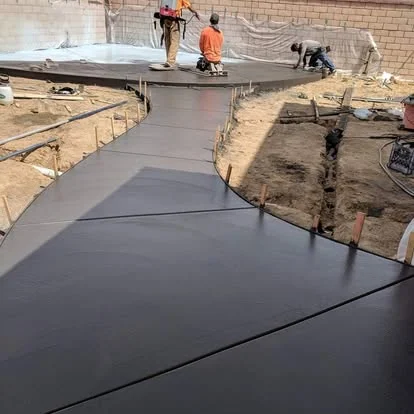
Concrete work around San Clemente
Flatwork, foundations and repair across San Clemente and the rest of Orange County, poured by the same crew that answers the phone.
How concrete fails, and why
Failure that starts at the edge
Most slabs die from the outside in. Edges are thin, unsupported and exposed, which is why a thickened perimeter is worth the concrete it costs.
Water tracking under the slab
If water can get under concrete it will move fines out and leave voids. Drainage and base gradation both exist to stop that.
Cracks that open seasonally
A crack that closes in winter and opens in summer is expansive soil cycling. It is manageable and it is not going to be solved by filling it once.
Coatings peeling off
A coating is only as good as the prep under it. Profile, moisture content and cleanliness all decide whether it bonds or sheets off later.
How a job runs
What a site visit covers
Soil, slope, drainage, access, existing concrete, and what you actually want the space to do. All of it changes the work.
Ordering the concrete
Mix design comes off the application. Strength, aggregate size and admixtures are decisions, and they are made before the truck is booked.
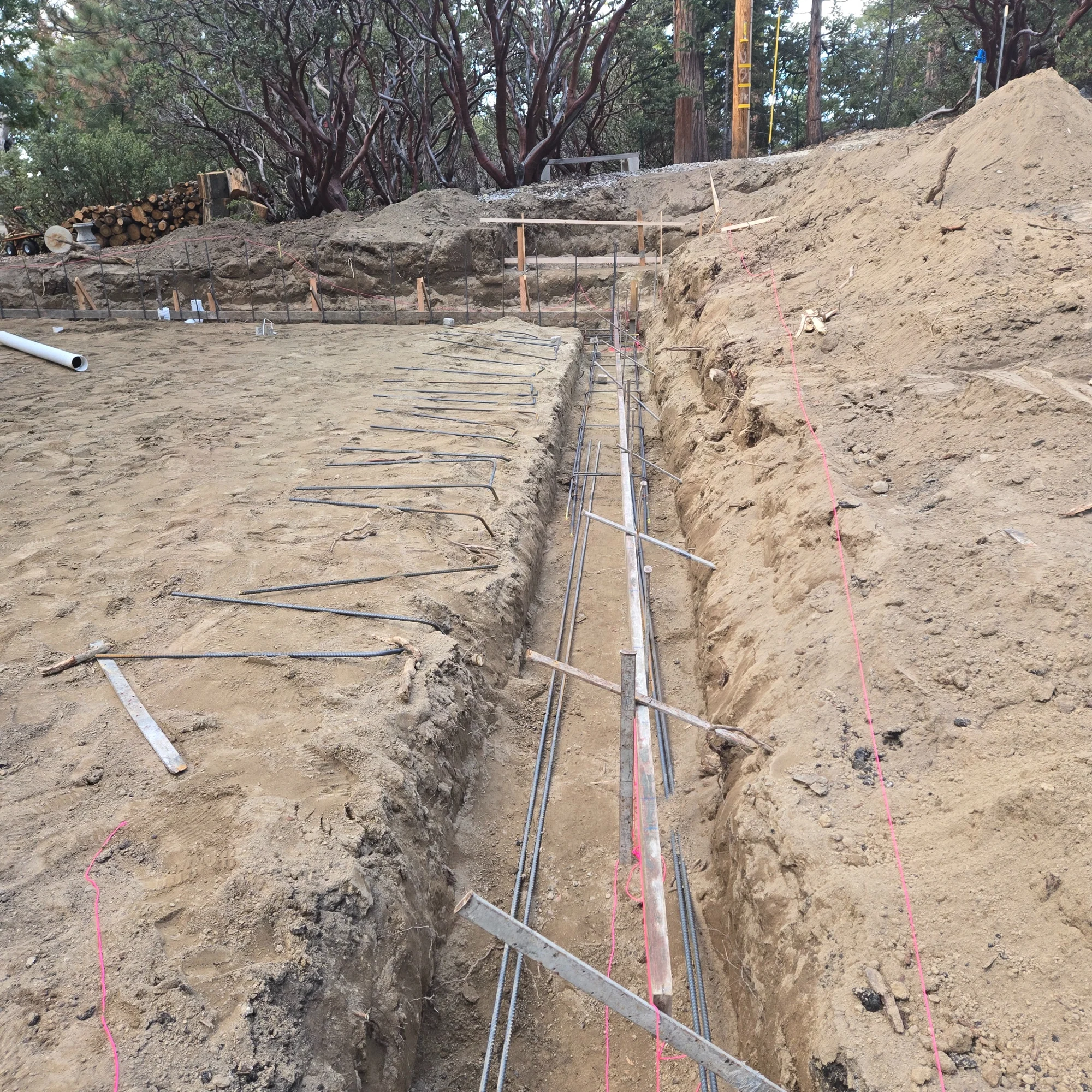
Steel lying on the dirt does nothing at all.On reinforcement
Placement and finish
Placed, consolidated, screeded, floated and finished, each at the right moment. That timing is the trade.
Living with it
Keep water moving off it, reseal when it needs it, and keep an eye on the joints. That is most of concrete maintenance.
Around San Clemente
Straight answers
My lot is flat and water sits. What can be done?
Slope has to be designed in with planned low points and a drainage path. Gravity will not volunteer on a flat coastal lot.
Do you handle demolition and haul-off?
Yes, cut clean, broken out and hauled, with the site left ready to pour.
Does salt air actually damage concrete?
It damages the steel inside it. Marine air carries chloride well inland, chloride reaches the reinforcement, and corroding steel expands and breaks the concrete off from the inside. Concrete cover over the steel is the defense.
Why are there rust stains and cracks in straight lines?
Those lines usually match the rebar spacing, which means the steel is corroding. It is a cover and chloride problem rather than a surface one, and it needs looking at properly.
Is the mild weather here easier on concrete?
Easier than inland heat or mountain freezing, yes. What you get instead is constant moisture and salt, which is slower and more corrosive.
Start with a site visit
No number goes out on a photograph. We come to San Clemente, look at the ground and the access, and price the work from that.