
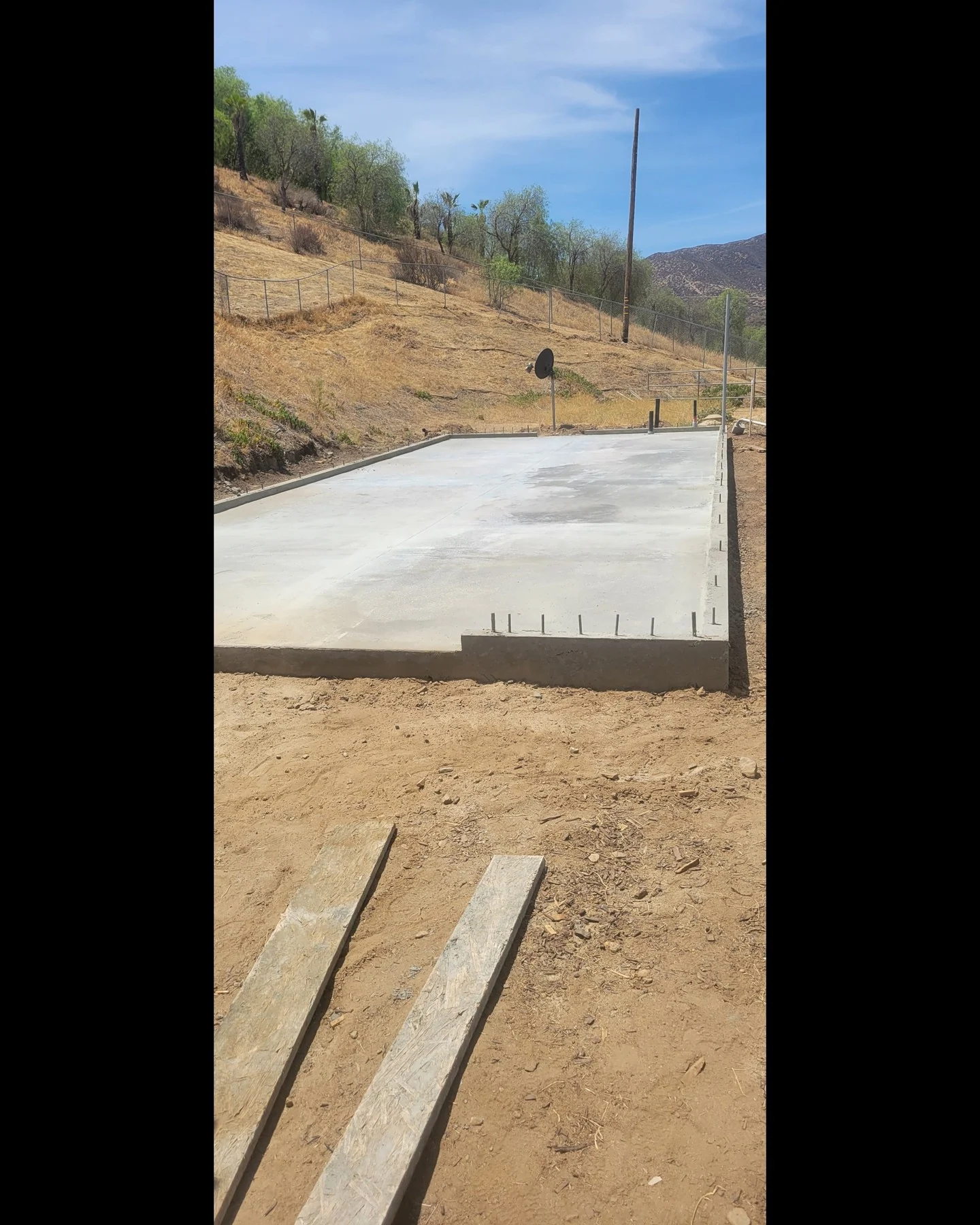
Rancho Mirage slabs, built from the base up
Most concrete fails from underneath, so that is where we start. Serving Rancho Mirage and Riverside County with 32 years in the trade behind every pour.
Talk to us about the job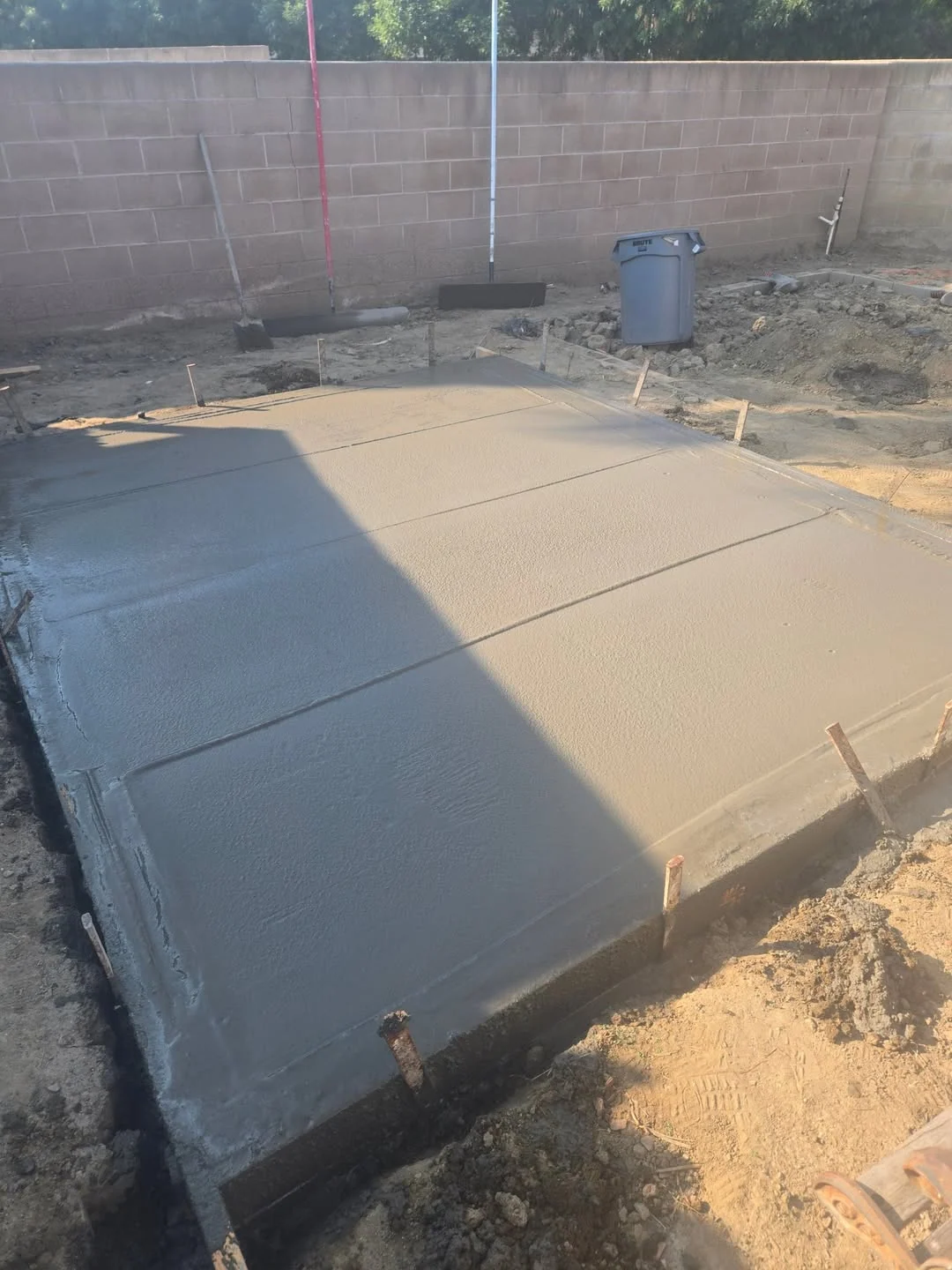

What concrete is up against around Rancho Mirage
Sun on the finished surface
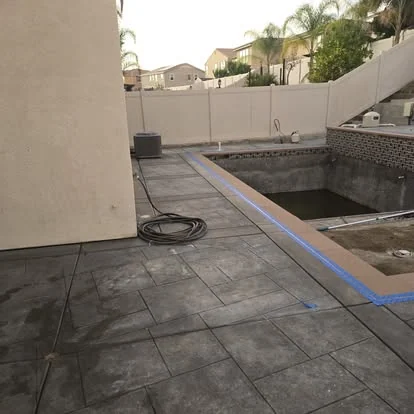
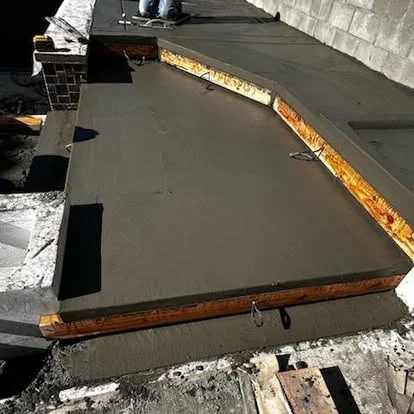
A dark slab in full desert sun gets hot enough to be unusable barefoot. Around pools and patios the color and the finish are a comfort decision as much as an appearance one.
Scheduling around the season
There are weeks in a desert summer where pouring flatwork in the afternoon is simply the wrong decision. We would rather move a date than place concrete into conditions that will not finish.
Sandy and alluvial ground
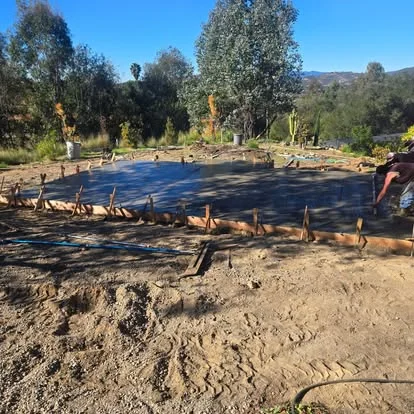
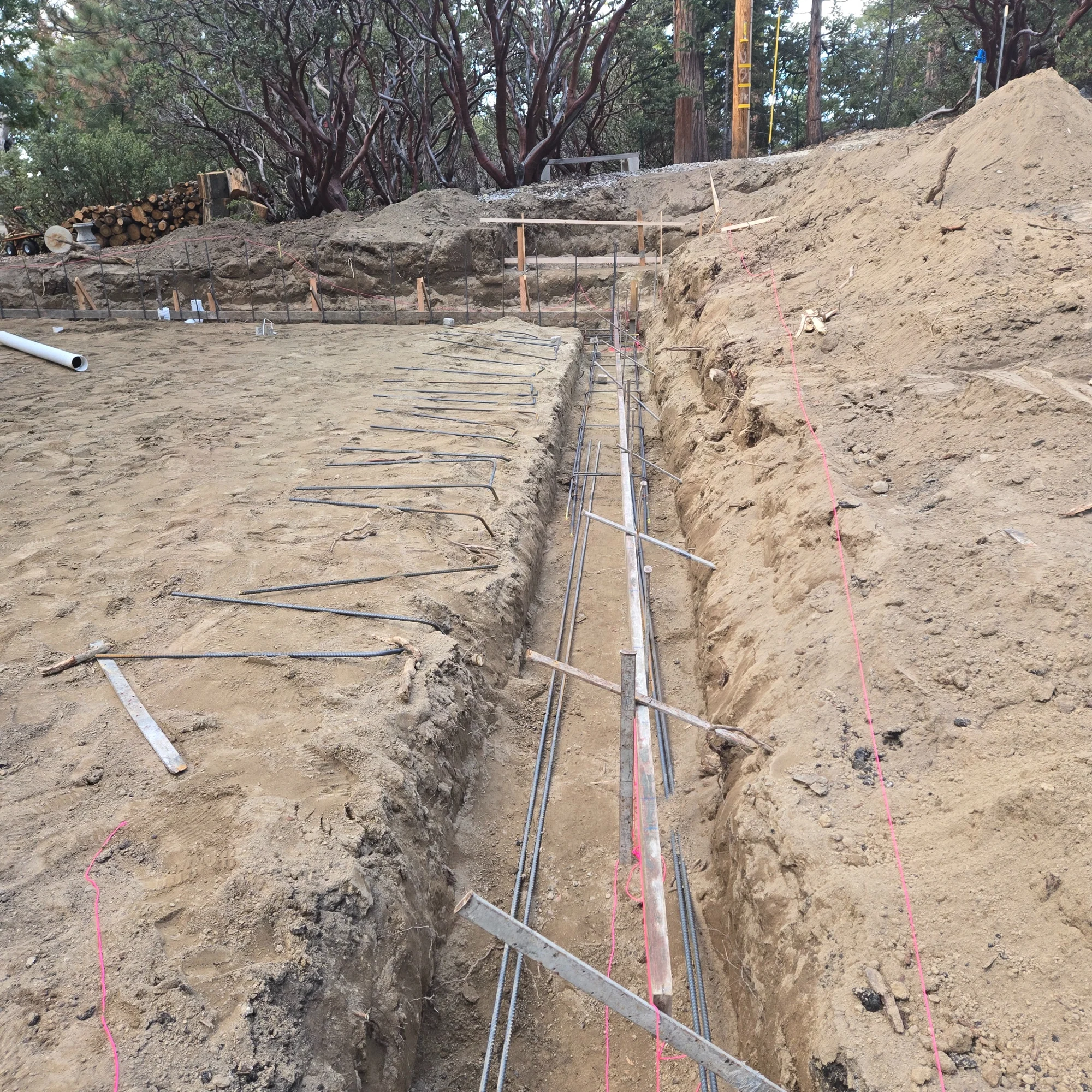
Desert soils drain well and compact differently from clay. That can be an advantage, but loose alluvial material has to be properly compacted in lifts or the slab settles unevenly.
Curing treated as a step
Fresh concrete gets protected from dry wind and sun until it has what it needs. Skipping that is how you get a dusty, weak top layer.
One crew start to finish
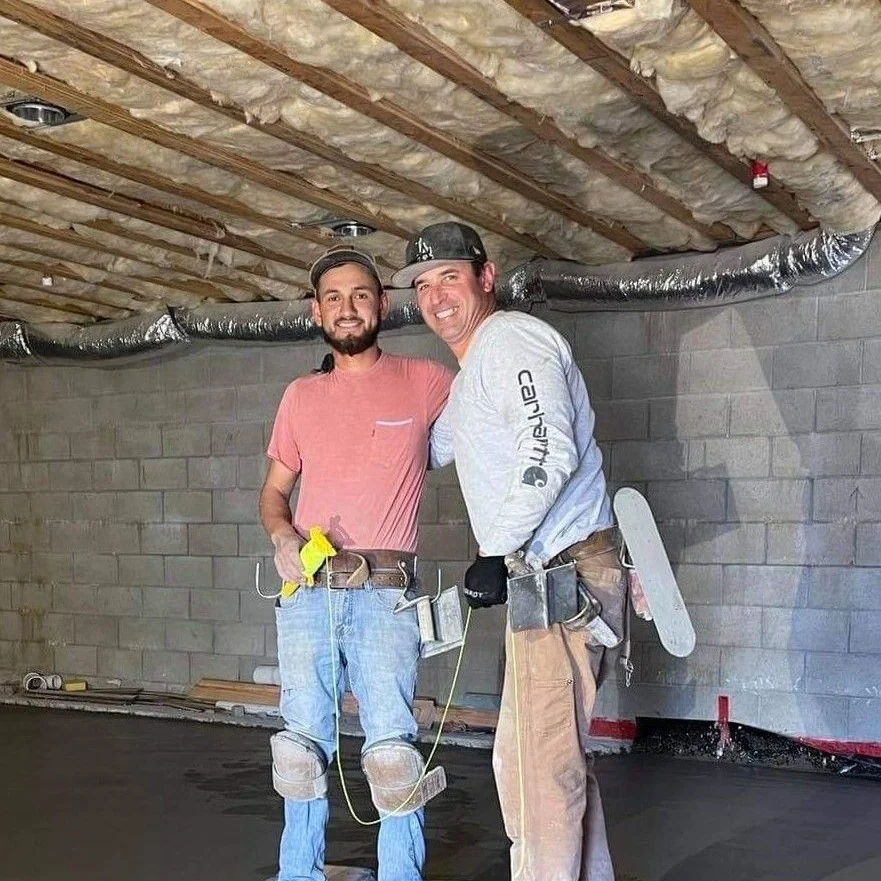
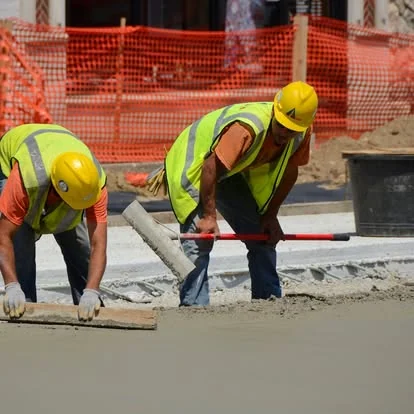
The same people who form it pour it and finish it. There is no handoff where the details get lost.
Water routed off the slab
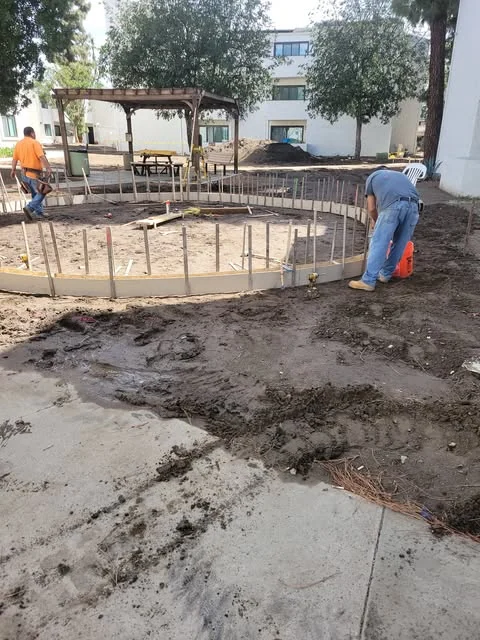
Slopes, low points and a path for water to leave are set before the pour, because afterward the drainage is permanent.
What we build in Rancho Mirage
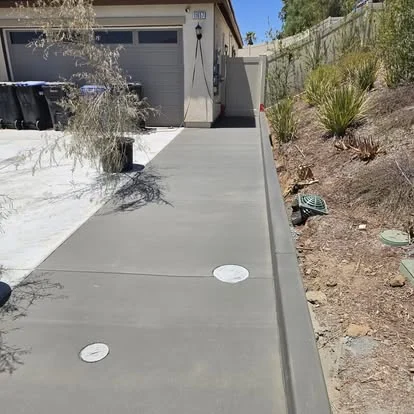
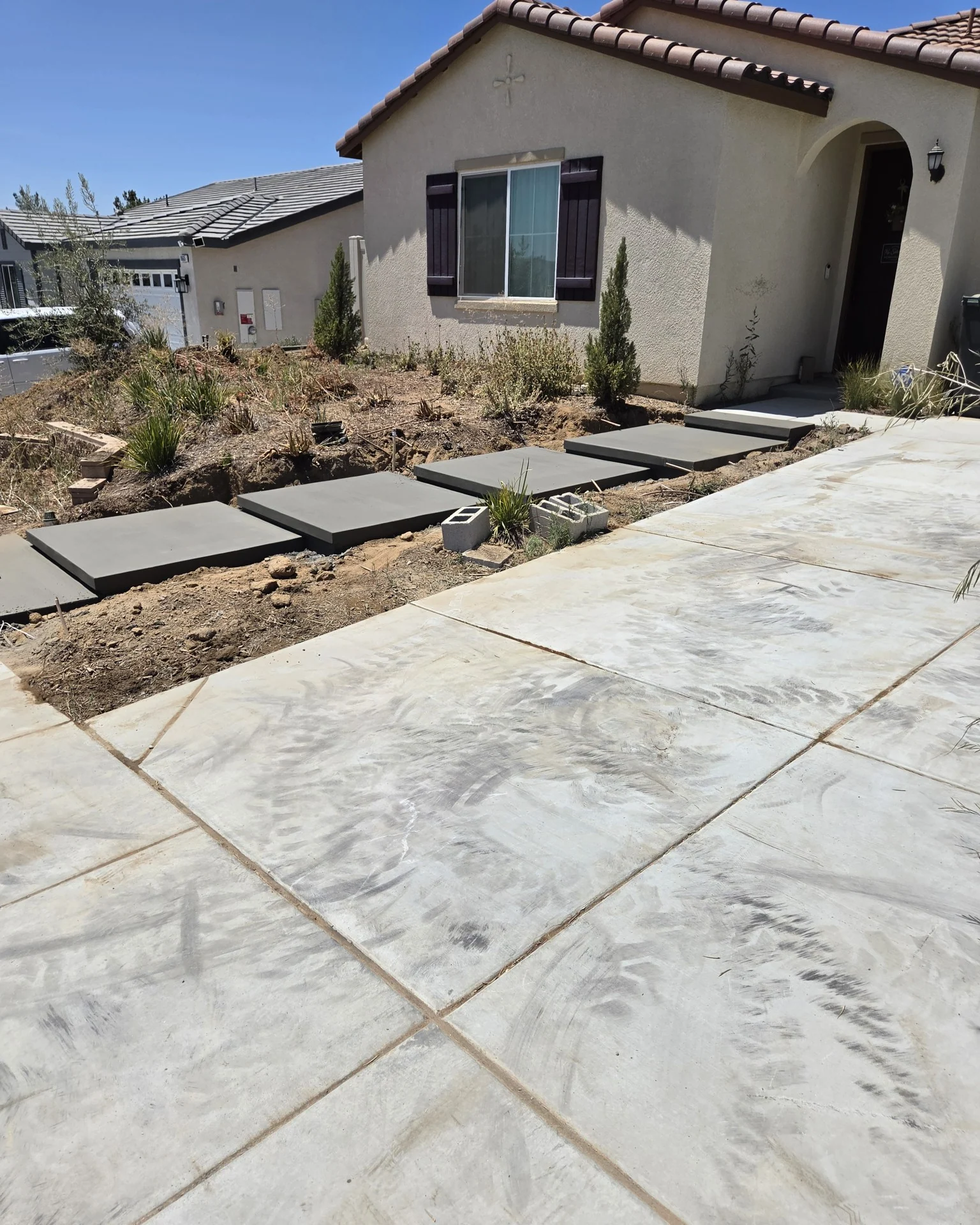
Concrete Sidewalks
Public-facing flatwork built to the spec the city will inspect.
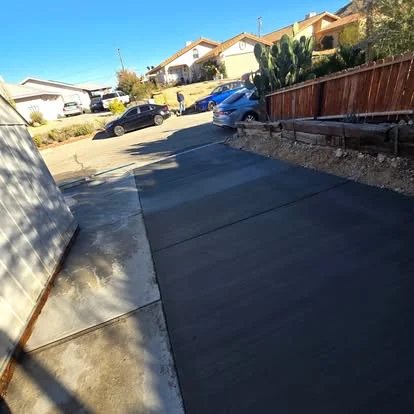
Concrete Sidewalk Repair
Lifted, cracked, or spalled panels made safe again.
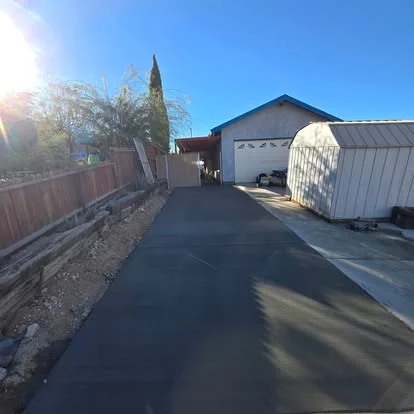
Concrete Sidewalk Replacement
Panel by panel, or the whole run.
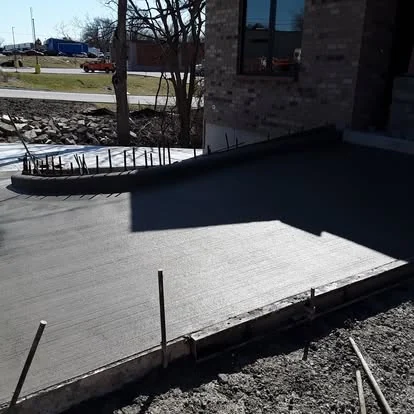
Concrete Steps
Rise and run the same on every step, which is the whole job.
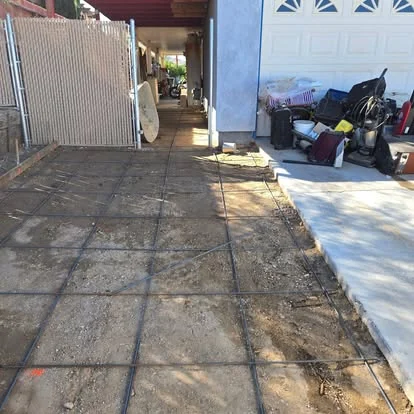
Concrete Stairs
A formed flight that carries load and holds its geometry.
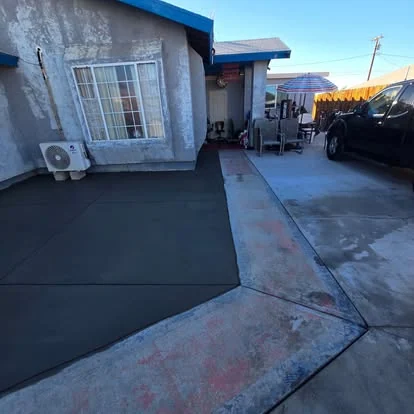
Front Porches
The first slab anybody sees.
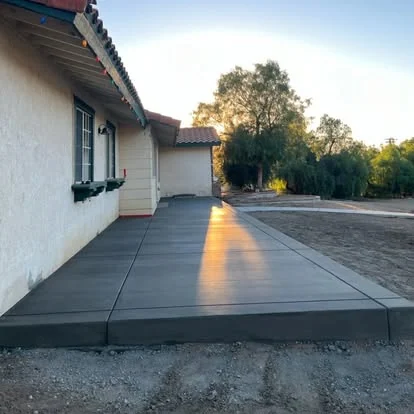
Expansion Joint Installation
Giving the slab somewhere to go.
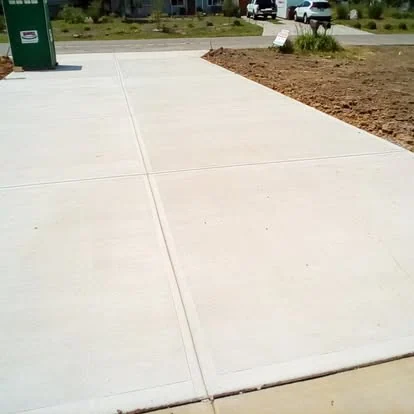
Control Joint Installation
Deciding where the crack goes.
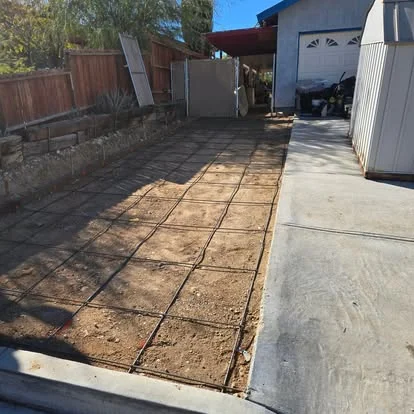
Concrete Repair
Fix the concrete that is worth fixing.
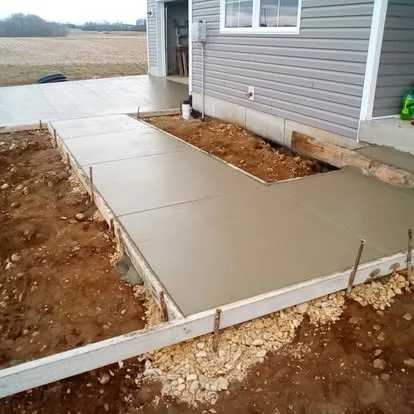
Drive Approaches
Where private property meets the public street.
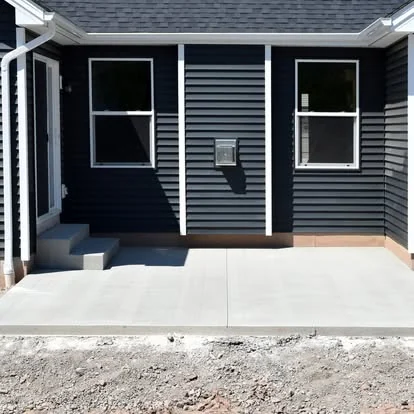
Concrete Curbs
Extruded or formed, straight and true.
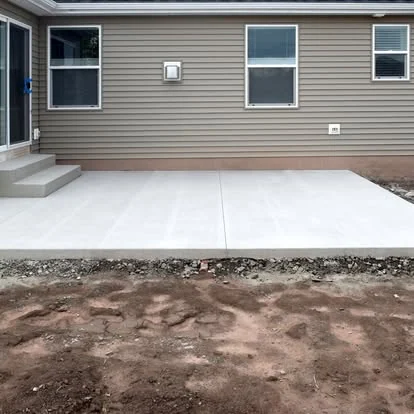
Concrete Gutters
Moving water where the grade will not.
Pouring concrete around Rancho Mirage
The daily temperature swing
The desert can drop forty degrees after sundown, and concrete expands and contracts with that every single day for its whole life. Joint spacing has to allow for a slab that never stops moving, which is a different calculation from a mild coastal lot.
Wind during finishing
Blowing sand landing on a slab inside the finishing window gets worked into the surface and stays there. Wind is a scheduling factor in the desert the same way rain is elsewhere.
Alluvial and sandy ground
Desert soils drain well and compact differently from clay. That can work in your favor, but loose alluvial material has to be placed and compacted in controlled lifts or the slab settles unevenly and cracks along the soft line.
Heat is a design input
Low desert summers put concrete through conditions most of the country never sees. Placing at a hundred and fifteen means the mix is stiffening as it comes off the chute, and the finishing window can close in minutes. Pours move to first light, the mix is ordered for the conditions, and evaporation control during placement is not optional.
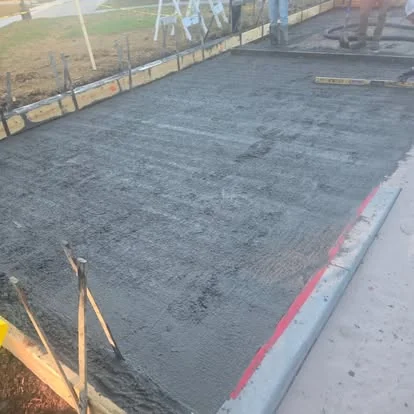
Concrete work around Rancho Mirage
Flatwork, foundations and repair across Rancho Mirage and the rest of Riverside County, poured by the same crew that answers the phone.
How concrete fails, and why
Cracks along a plumbing run
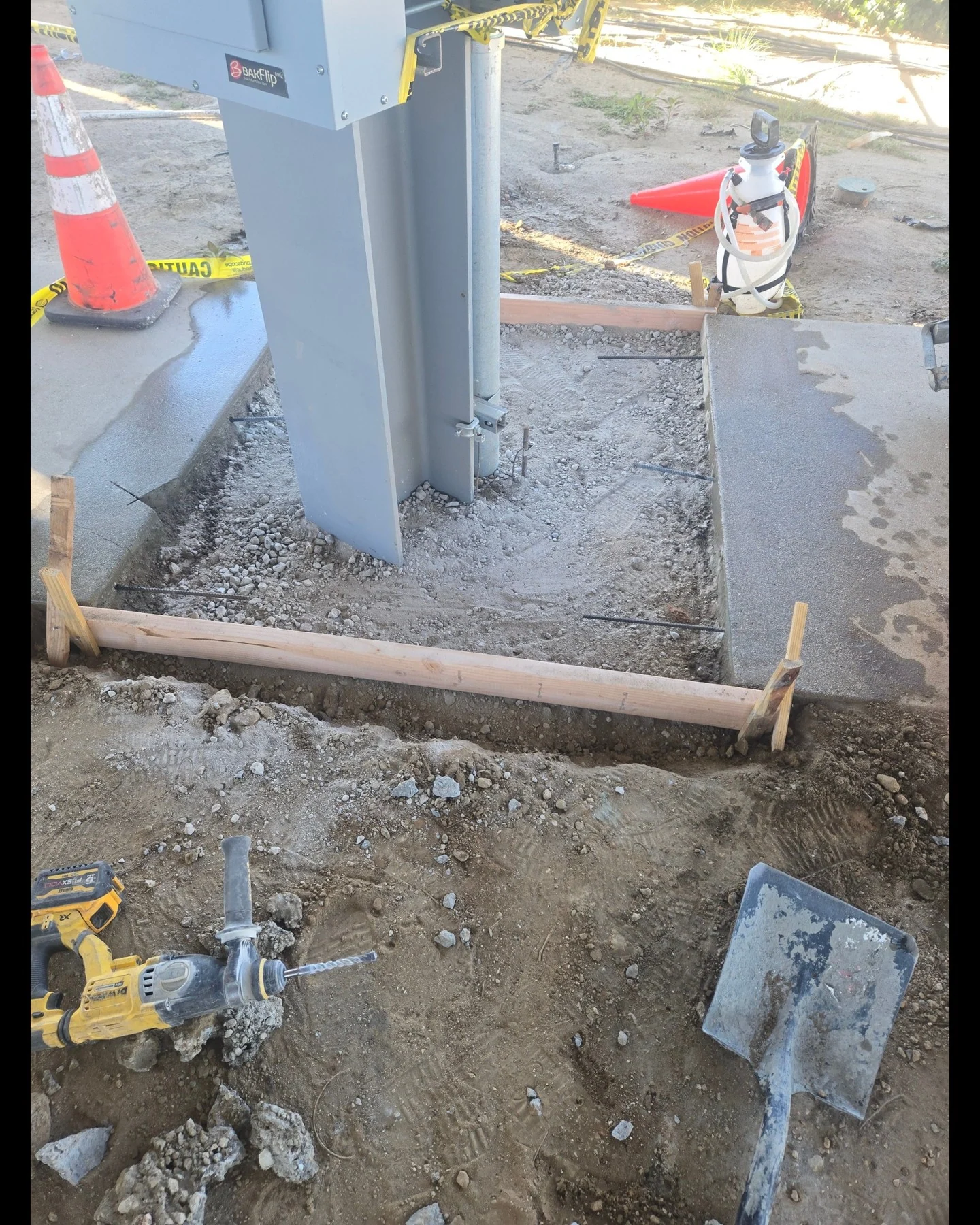
A trench under a slab that was not compacted is a soft line, and the slab cracks along it. Compaction in the trench matters as much as in the open.
Glazed surfaces that are slippery when wet
Over-troweling closes the surface to a polish. Indoors that can be a choice; on an exterior walk it is a hazard.
Deterioration under planters
Soil and constant moisture held against concrete leaches it and stains it. Anything permanently wet against a slab shortens its life.
Repairs that do not match
A repair poured with a different mix, finished differently, or cured differently will always read as a patch. Matching the finish and joint pattern is part of the job.
How a job runs
What a site visit covers
Soil, slope, drainage, access, existing concrete, and what you actually want the space to do. All of it changes the work.
Ordering the concrete
Mix design comes off the application. Strength, aggregate size and admixtures are decisions, and they are made before the truck is booked.
A slab with no cracking plan will still crack. It just picks the place.On control joints
Placement and finish
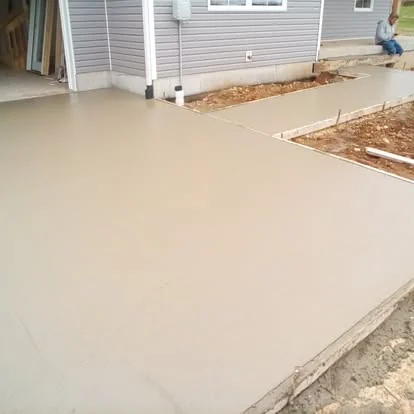
Placed, consolidated, screeded, floated and finished, each at the right moment. That timing is the trade.
Living with it
Keep water moving off it, reseal when it needs it, and keep an eye on the joints. That is most of concrete maintenance.
Around Rancho Mirage
Straight answers
What about salts in the desert soil?
Parts of the low desert carry high salt and sulfate levels that attack cement paste and corrode reinforcing steel. Where it is a factor the mix design and the cover over the steel both change.
Do you handle the demolition and haul-off?
Yes, including saw cutting to a clean line and hauling the spoil. The site gets left ready to pour.
Should a desert slab be sealed?
Sealing slows what gets into the pores, which slows staining and surface wear. It is maintenance rather than a one-time step.
Can you pour in desert summer heat?
Yes, with the schedule and the mix built around it. Placing at a hundred and fifteen means the concrete is stiffening as it leaves the chute, so pours move to first light and evaporation control during placement is not optional.
Is the sandy soil here better or worse than clay?
Different. It drains well, which helps, but loose alluvial material has to be compacted in controlled lifts or the slab settles unevenly. It is not a free pass on base work.
Your Rancho Mirage slab
Tell us what it is and what it has to carry. We will be straight about what it needs and what it does not.