
Industrial Facility Concrete
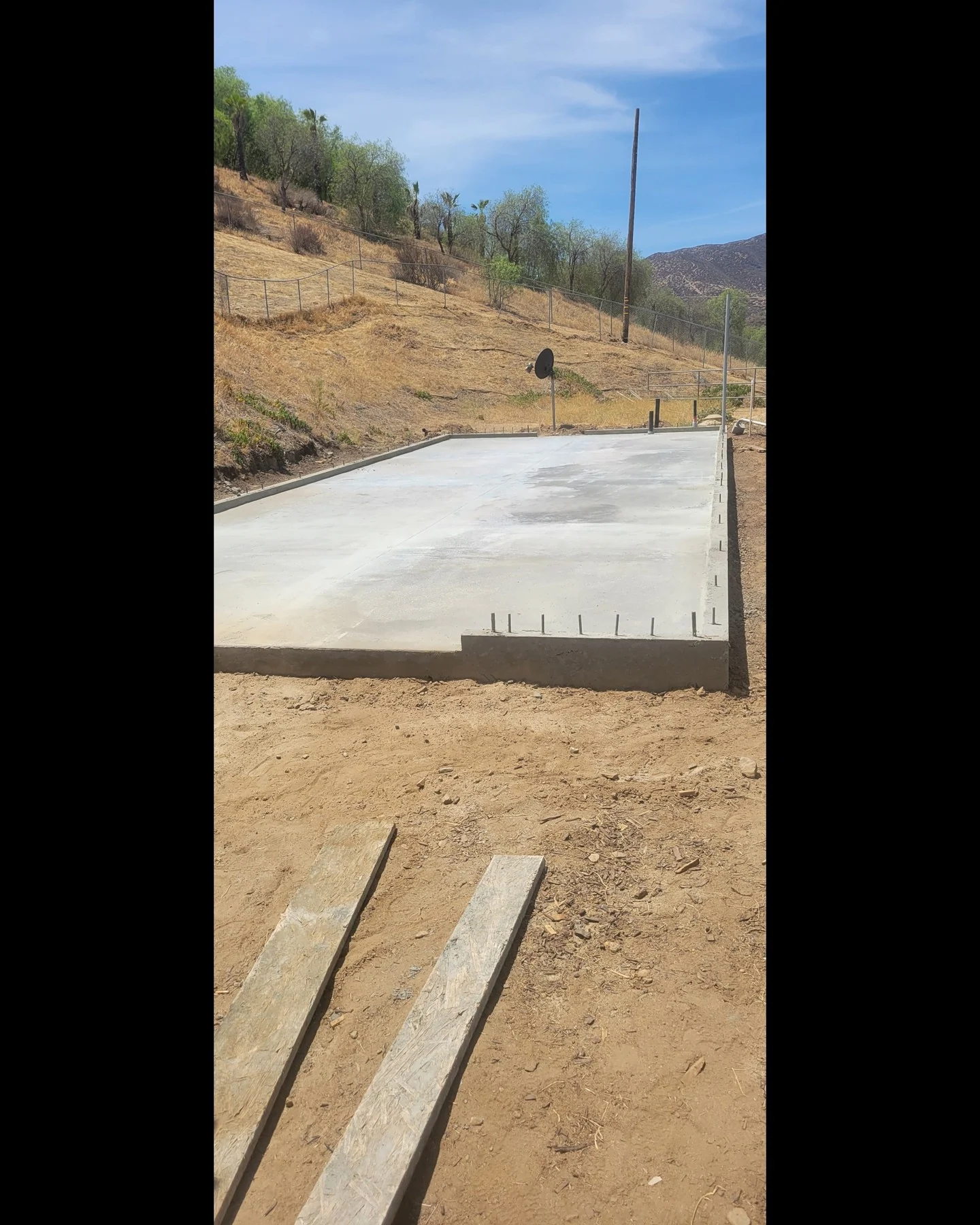
Plant work means equipment pads, containment, heavy slabs, and doing it around production. The concrete is the easy part next to the coordination.
Talk to us about the job

How the job runs
Site first
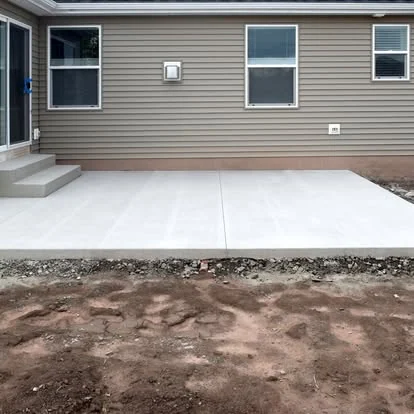
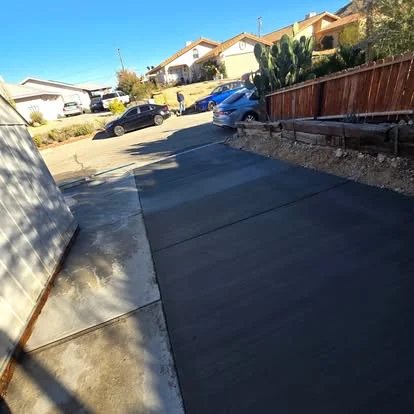
We come look. Drainage, soil, slope, access, and the condition of whatever is there now.
No overselling
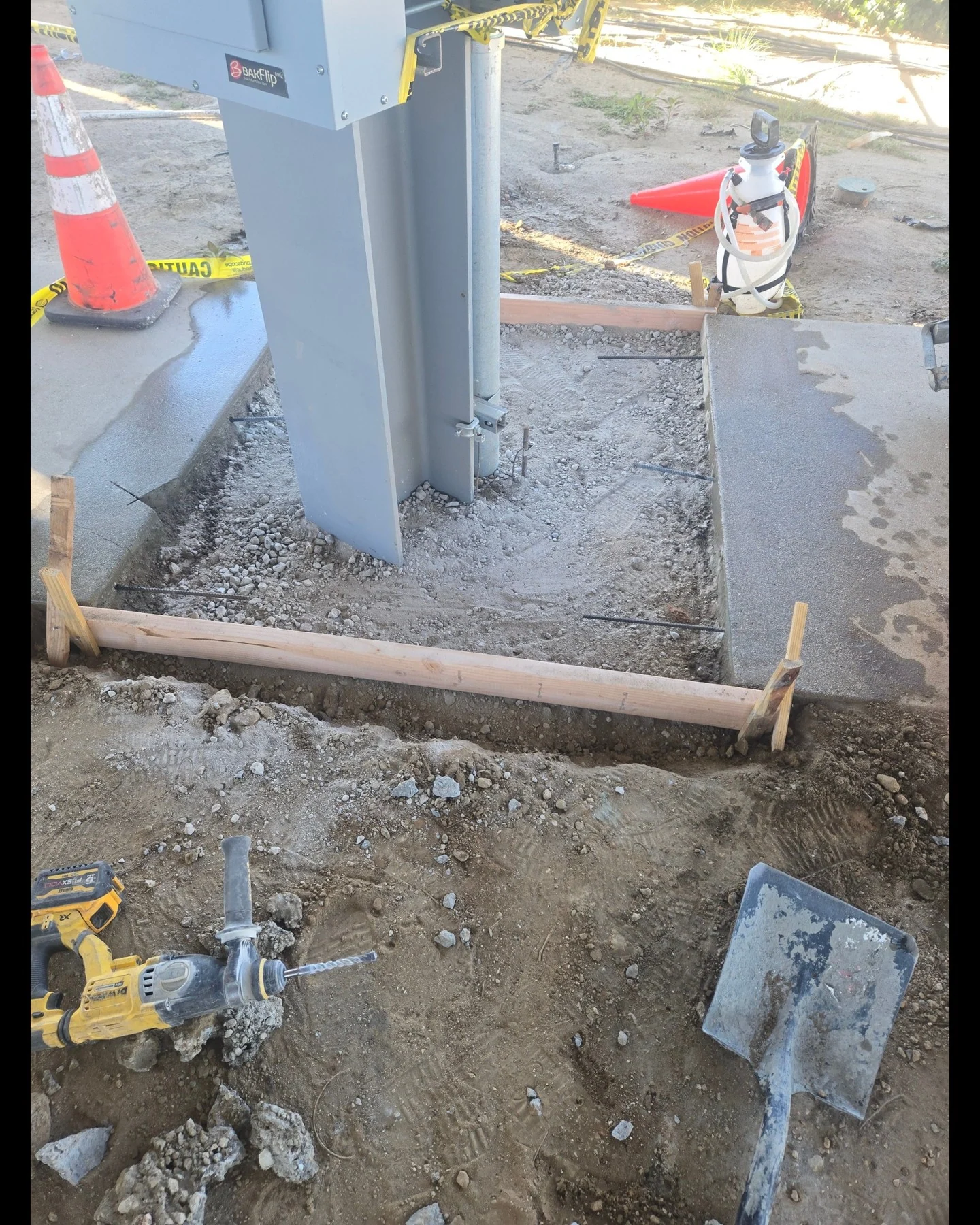
Straight scope. A sound slab gets repaired, not replaced, and we will say so.
Ground preparation
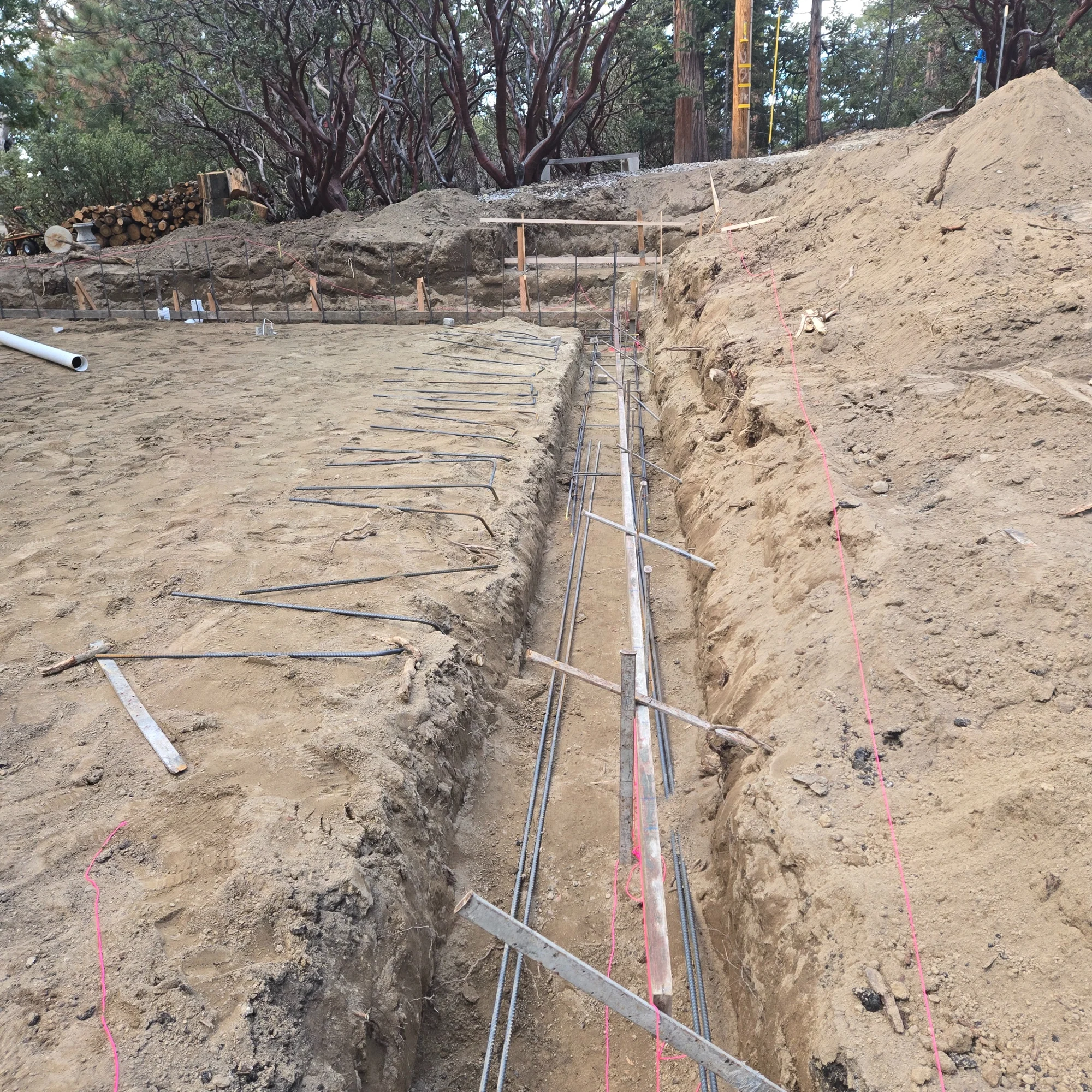
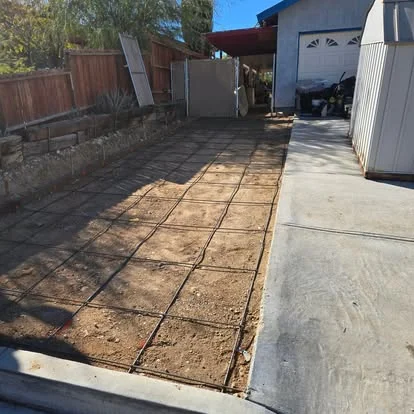
Excavate to grade, remove what will not hold, compact base in lifts.
The pour
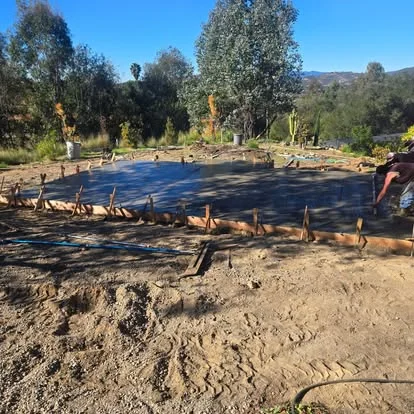
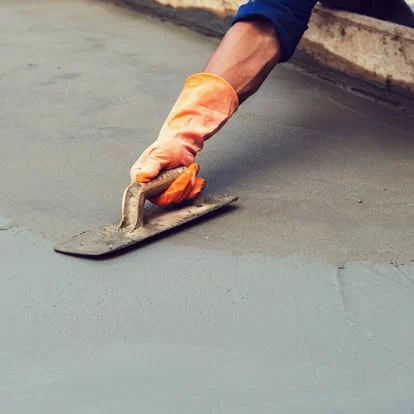
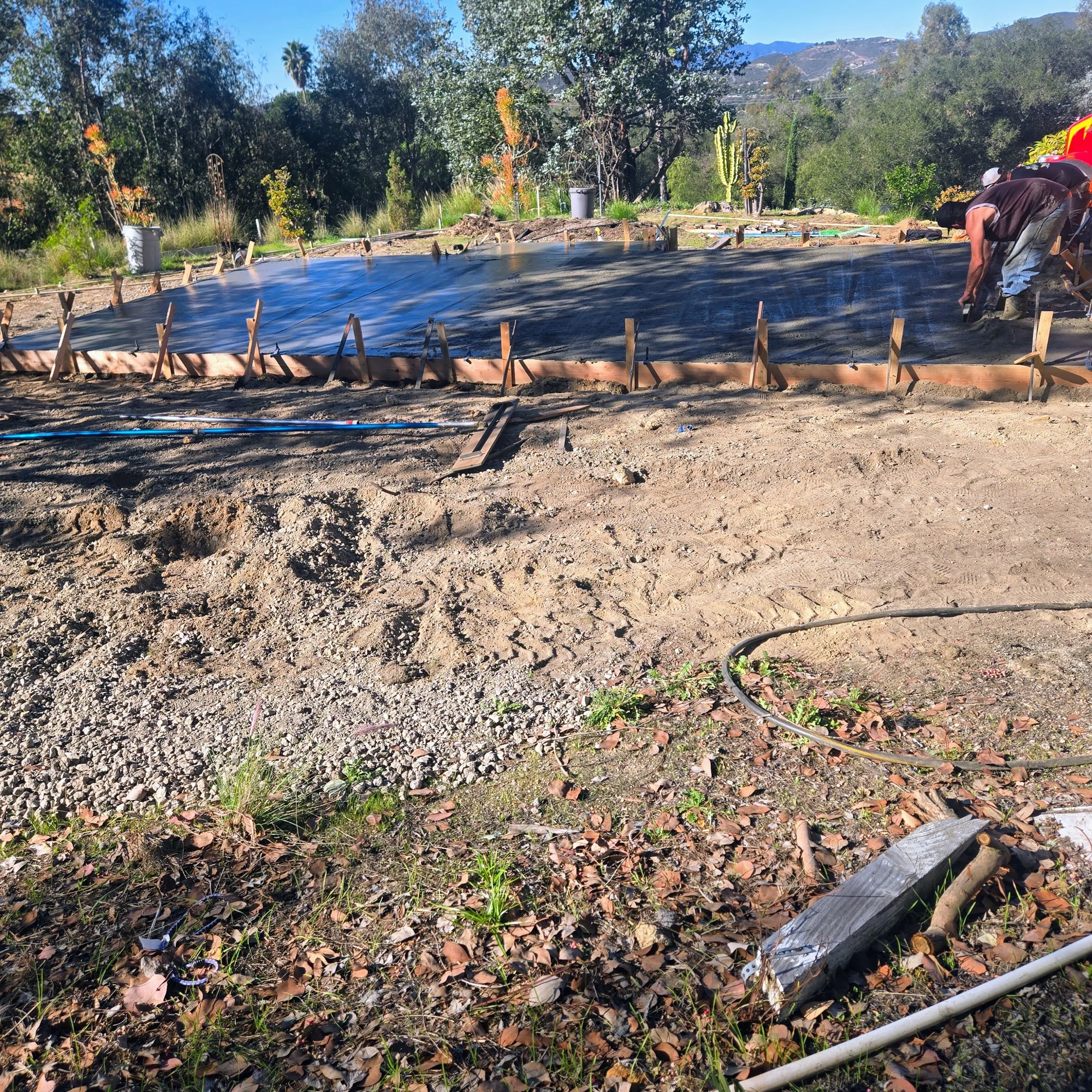
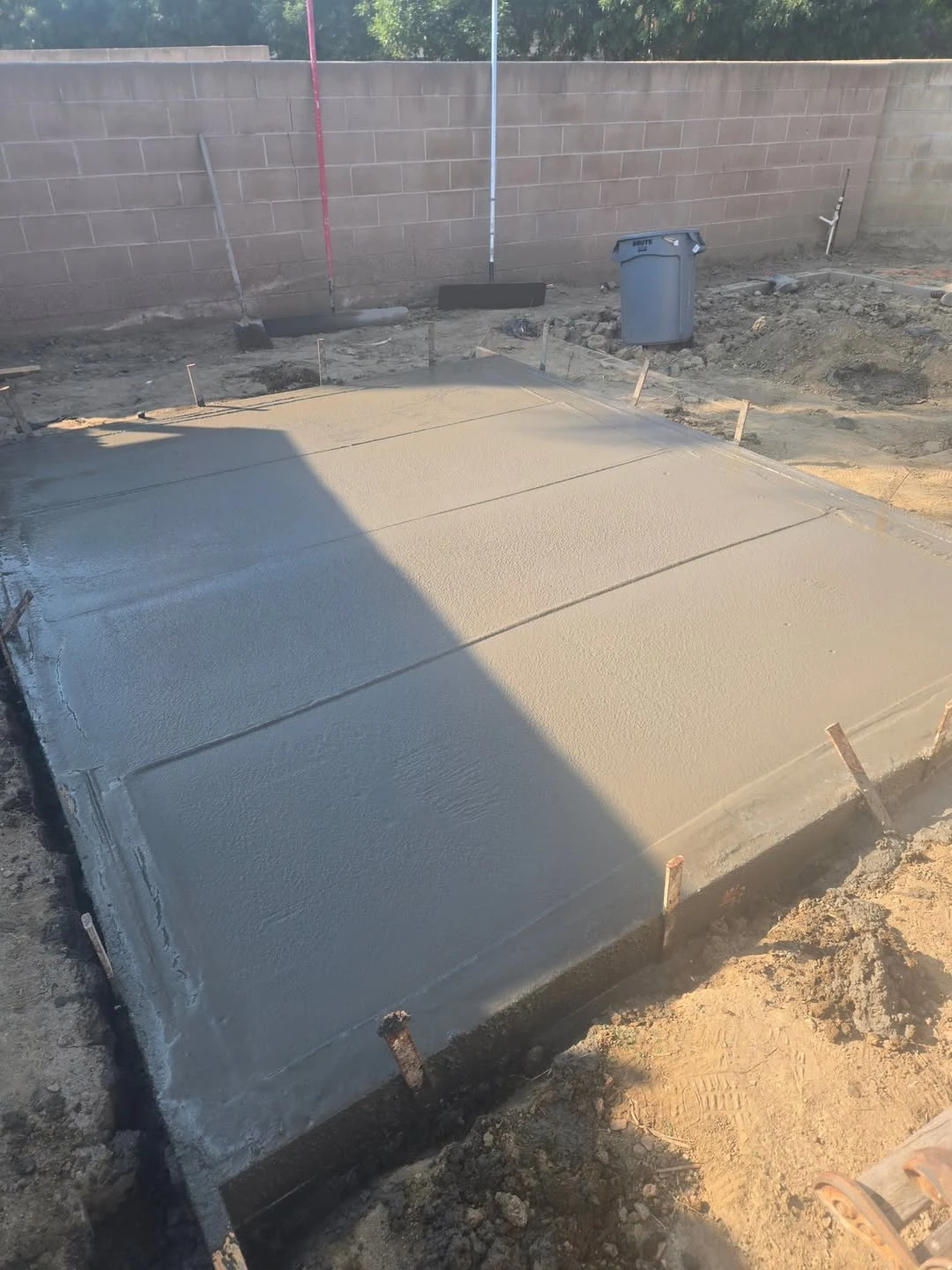
Forms braced for the pressure, steel placed and tied, concrete consolidated and finished on time.
What this job actually needs
License, bond and insurance
California license 1137822, classification C-8 Concrete, with a contractor’s bond and workers compensation in place. Current certificates go out on request, and on public work the documentation requirements get met as specified.
Specifications and documentation
Institutional and public work is specification heavy. Mix tickets, inspection sign-offs and compliance records are part of what gets delivered alongside the finished concrete.
Working on an operating site
Phasing, access control, dust and noise management, and coordination with whoever runs the facility. On plant and campus work the coordination is harder than the pour.
Durability is the specification
Facility concrete is built for a service life under real abuse: point loads, impact, chemicals, thermal cycling. Mix design, thickness and joint detailing all follow from that rather than from appearance.
What decides whether it lasts
Concrete is judged on the surface and it fails from underneath. The base, the steel, the joints and the cure are the whole job. A slab that was poured on bad ground will tell you so, usually in the third or fourth year.
Why fourth generation matters here
32 years on the tools means most of these problems have already been seen once. Reading a slab before quoting it is the part you cannot learn from a book, and it is the difference between a repair that holds and one that comes back.
What Southern California ground does to industrial facility concrete
What lasts here
A properly based, properly jointed slab with reinforcement sized to the load will outlast the house it sits beside. The variables that decide it are all underneath and all invisible once the pour is done, which is exactly why they get cut on cheap jobs.
Older flatwork around here
A lot of valley concrete was poured thin, with light reinforcement, on a base that was never properly compacted. When it fails it is usually reporting on the ground rather than on the mix, and that is the difference between a repair that holds and one that comes back in a year.
What the ground does here
The inland valleys run on expansive clay. It takes on water and swells, then dries out and shrinks, and it does that cycle every year. A slab poured on untreated clay rides that movement until something gives, which is why base preparation and reinforcement are the design rather than an upgrade. Where a soils report exists we build to it; where there is none, what we find during excavation tells us what the ground is going to do.
Summer pours
Triple digit afternoons change how concrete behaves. It stiffens before it can be finished properly, the surface skins over while the body underneath is still soft, and water leaves the slab faster than the cement can use it. Valley pours start early, the mix gets adjusted for the heat, and curing is treated as an active step instead of something that happens on its own.
How concrete fails, and why
Thin slab cracking under vehicles
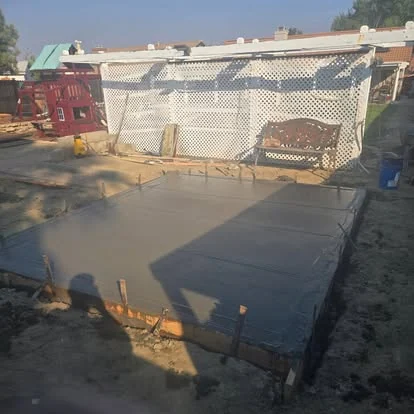
A four inch slab under a work truck or an RV will crack in the wheel path. Thickness has to come off the actual load, not off what is typical.
Joints in the wrong place
Joints spaced too far apart let the slab crack between them. The rule of thumb is roughly two to three feet of spacing per inch of thickness.
Surface loss at door thresholds
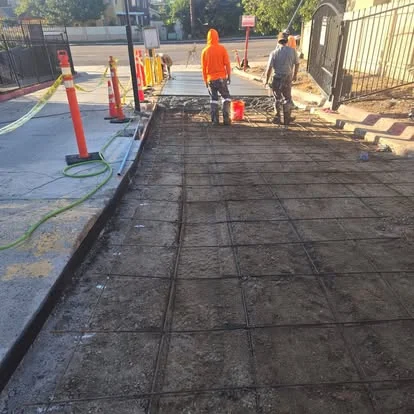
Water runs off a roof or a door and lands in the same line every time. Concentrated water wears concrete, and a drip line is a real design consideration.
Reinforcement too low
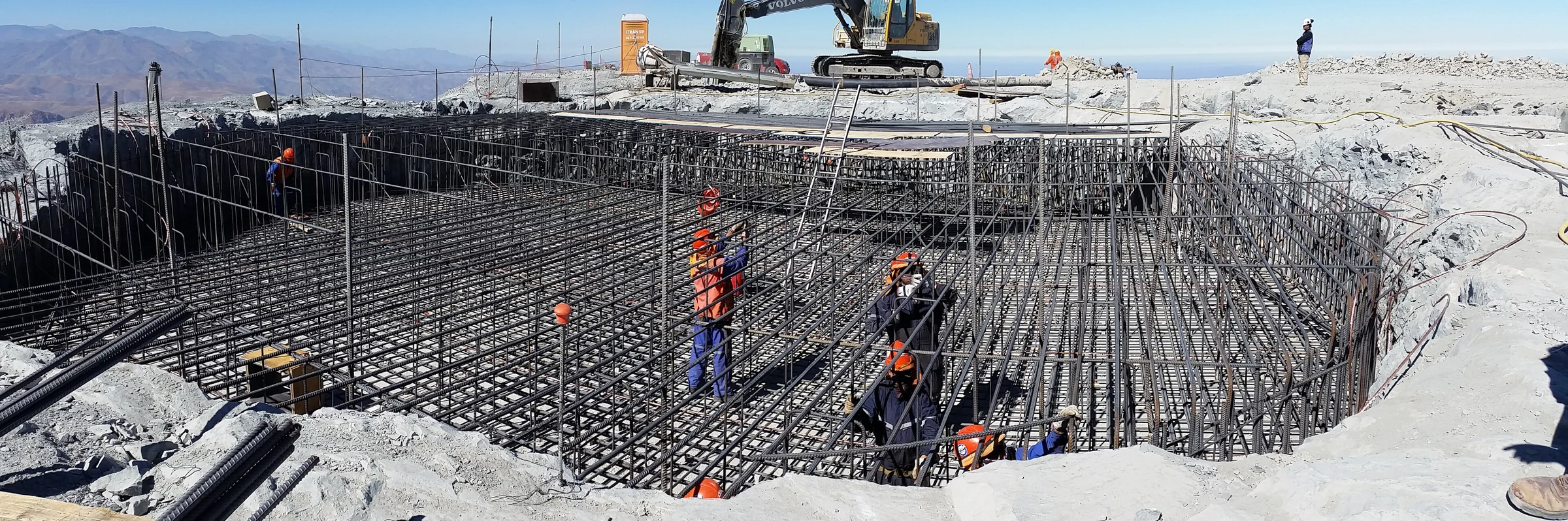
Steel sitting on the subgrade is doing nothing. It has to be lifted on chairs into the upper portion of the slab where tension actually occurs.
How a job runs
Permits and inspection
Structural work and anything in the public right of way gets permitted and inspected. We raise that at the start rather than at the pour.
Utilities
Anything dug or cut starts with locating. Finding a line with a saw is expensive and avoidable.
The base is the job. The concrete is the finish on top of it.On what actually matters
Noise and disruption
Breaking and cutting concrete is loud. We will tell you which days those are so you can plan around them.
Cleanup
Washout handled properly, spoil hauled off, surfaces washed. The site should look finished when we leave.
Other industries work
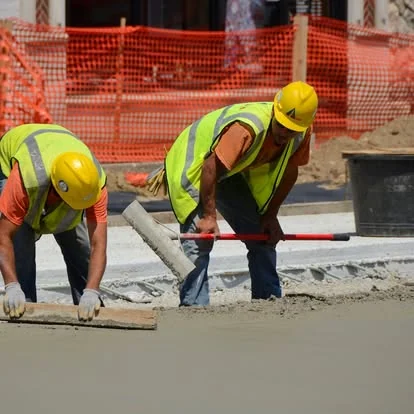
Commercial Development Concrete
Ground-up development concrete, phased to the build.
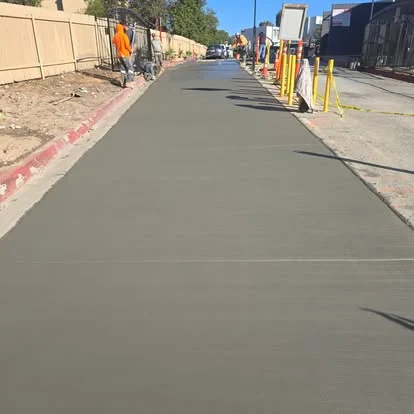
Apartment Complex Concrete
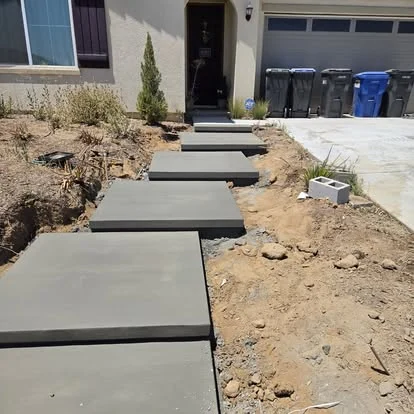
Foundations, walks, drives and pads across a whole complex.
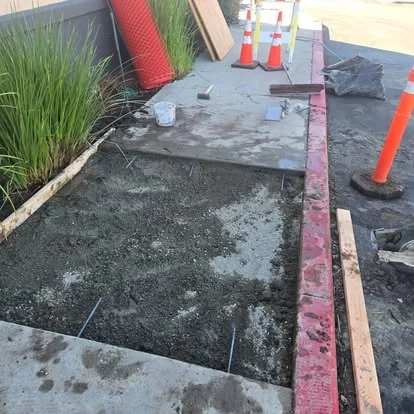
Retail Center Concrete
Storefront walks, drives, and service areas.
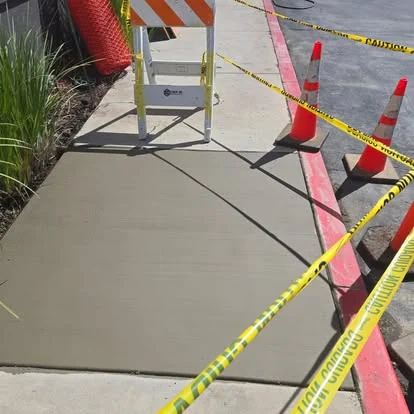
Office Building Concrete
Foundations, walks and parking for office property.
Warehouse Concrete
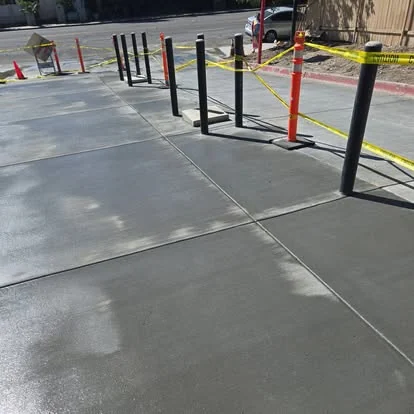
Slabs, docks and aprons for distribution buildings.
Restaurant Concrete
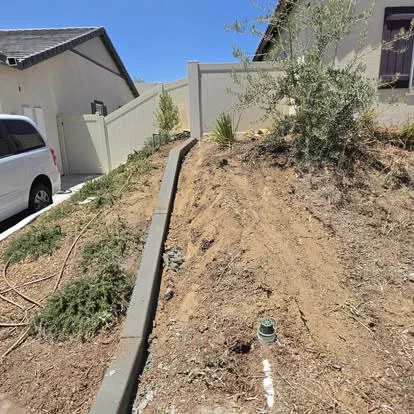
Patios, walks, and service-side flatwork.
School Institutional Concrete
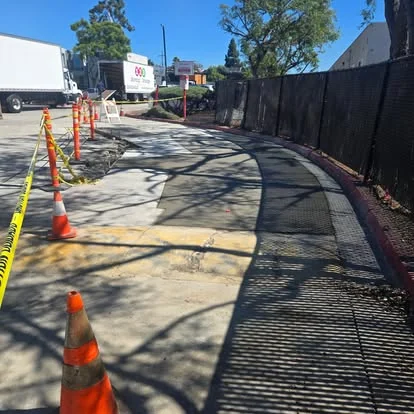
Campus flatwork built to public specs and tight windows.
Municipal Concrete
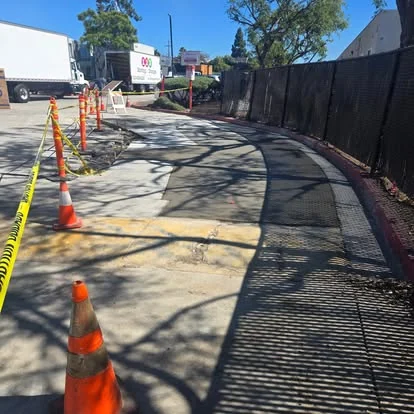
Public work built to the agency’s standard drawings.
Straight answers
Do you handle prevailing wage projects?
Public work carries its own contracting and reporting requirements and we work to them. Ask us about a specific project and we will be straight about fit.
Do you carry the license and insurance for commercial work?
Yes. California license 1137822, classification C-8 Concrete, with a contractor’s bond and workers compensation in place. We will send current certificates on request.
How do you work around an operating facility?
Phased, scheduled, and coordinated with whoever runs the site. On plant work the coordination is usually harder than the concrete.
What documentation do we get?
Mix tickets, inspection sign-offs and compliance records as the specification requires, alongside the finished work.
Can you meet a public agency specification?
Yes. Municipal and public work gets built to standard plans with inspection at each stage, and the documentation is part of what gets delivered.
Tell us what the job is
We walk the job, tell you what it needs, and give you a number. Hemet and roughly 100 miles around it.