
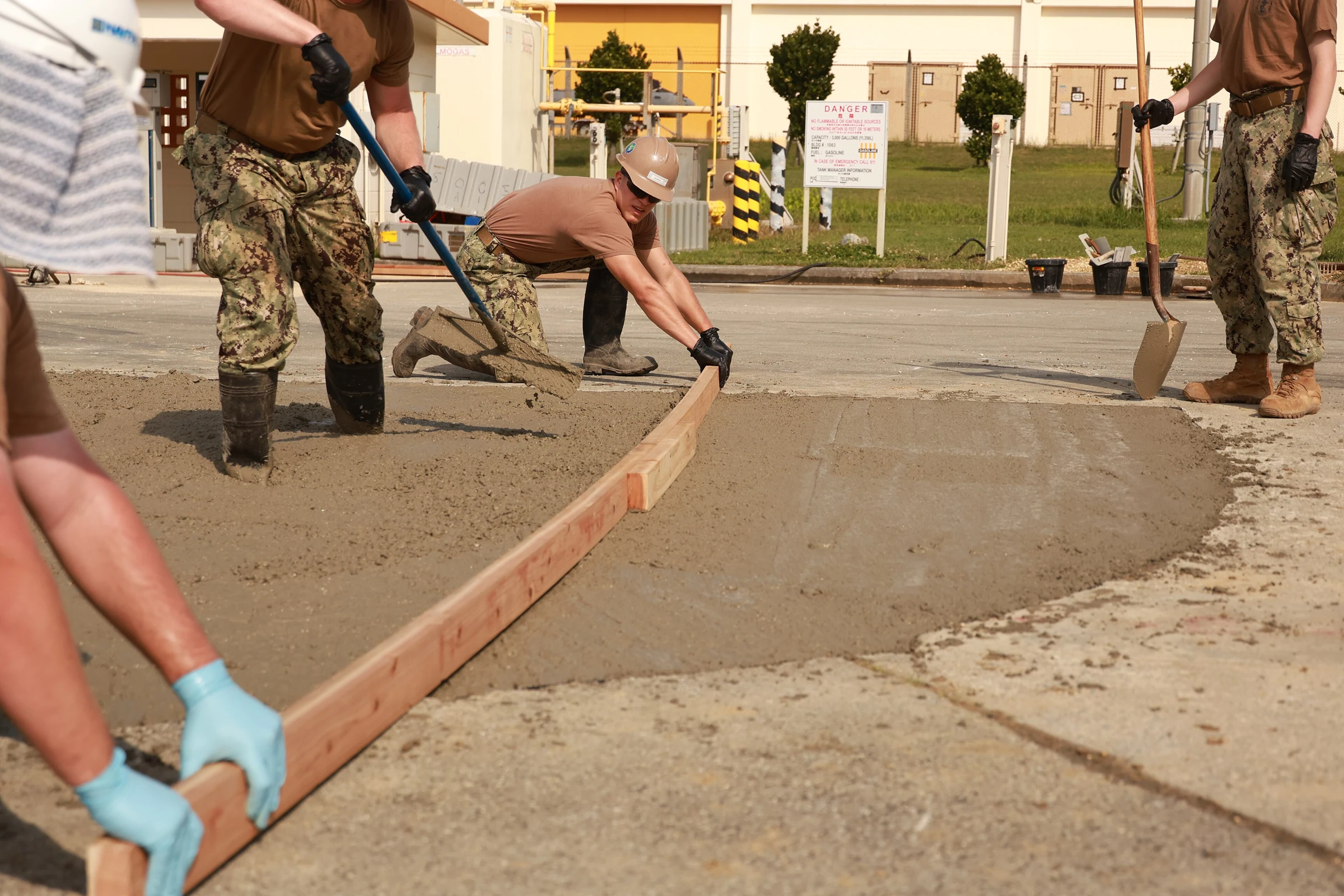
Whitewater concrete, no guesswork
We walk the job, read the ground, and tell you what it needs. Whitewater and all of Riverside County, 32 years in the trade.
Talk to us about the job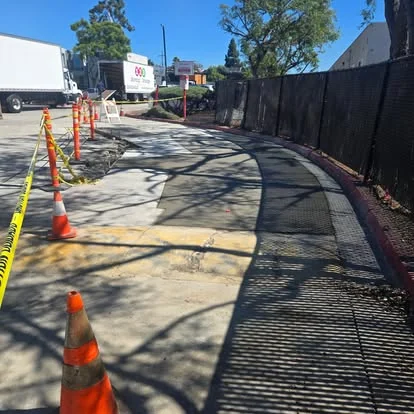

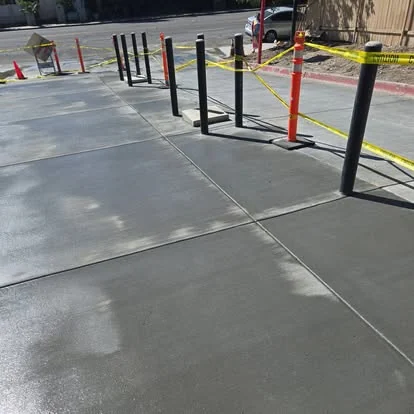
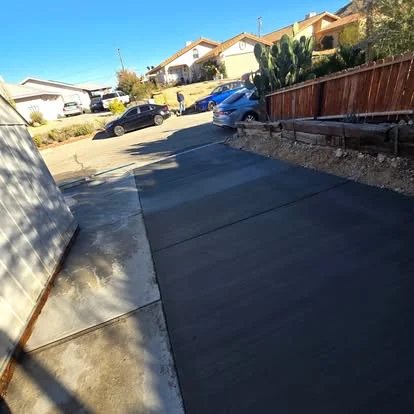
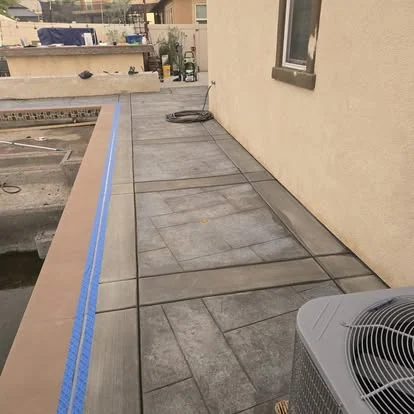
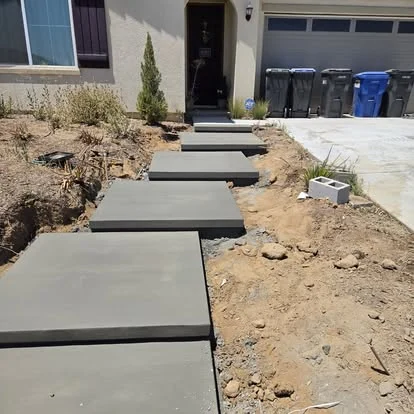
What concrete is up against around Whitewater
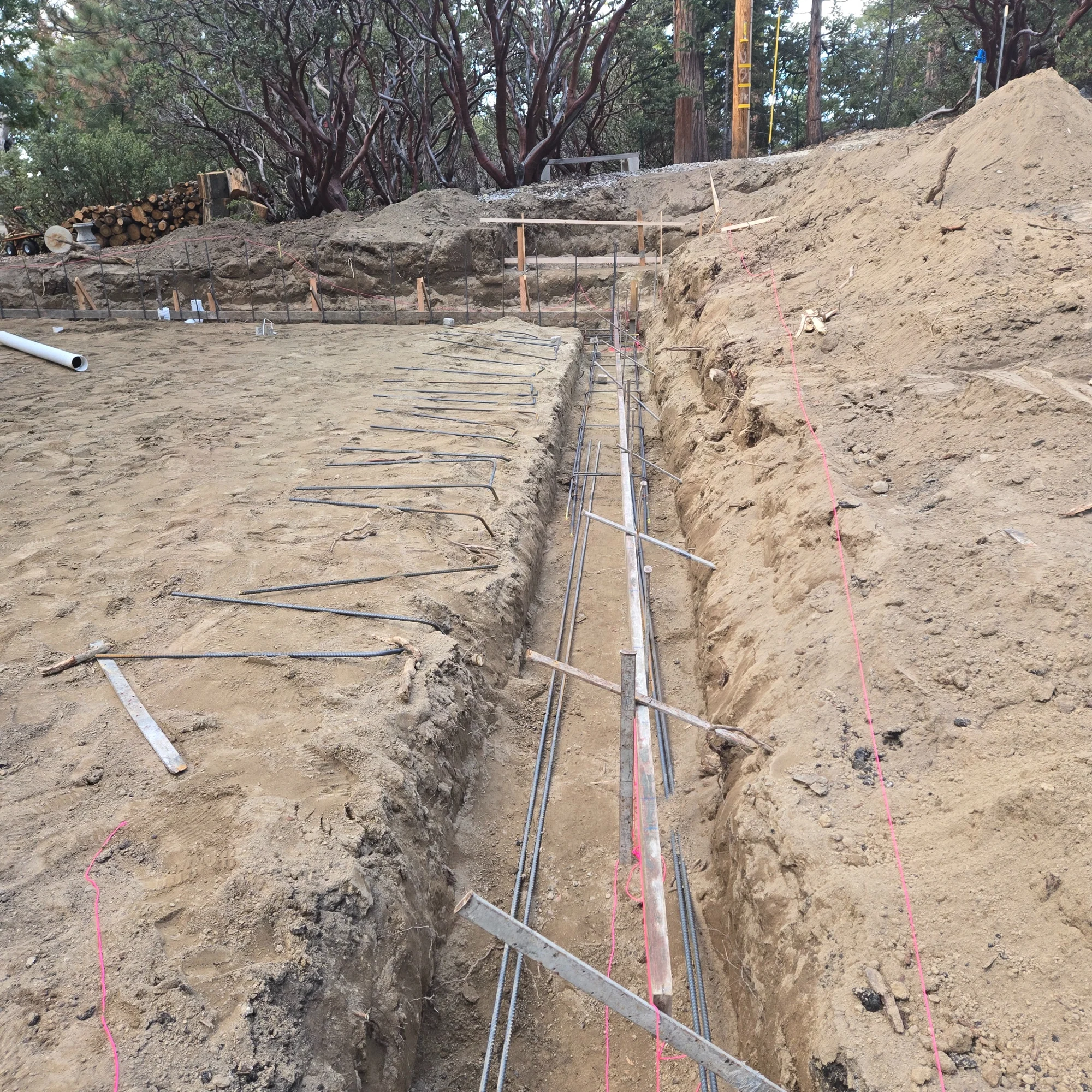
Water loss before the slab sets
Single-digit humidity and wind will pull water out of fresh concrete fast enough to ruin the surface. Evaporation control during the pour is not optional at these temperatures.
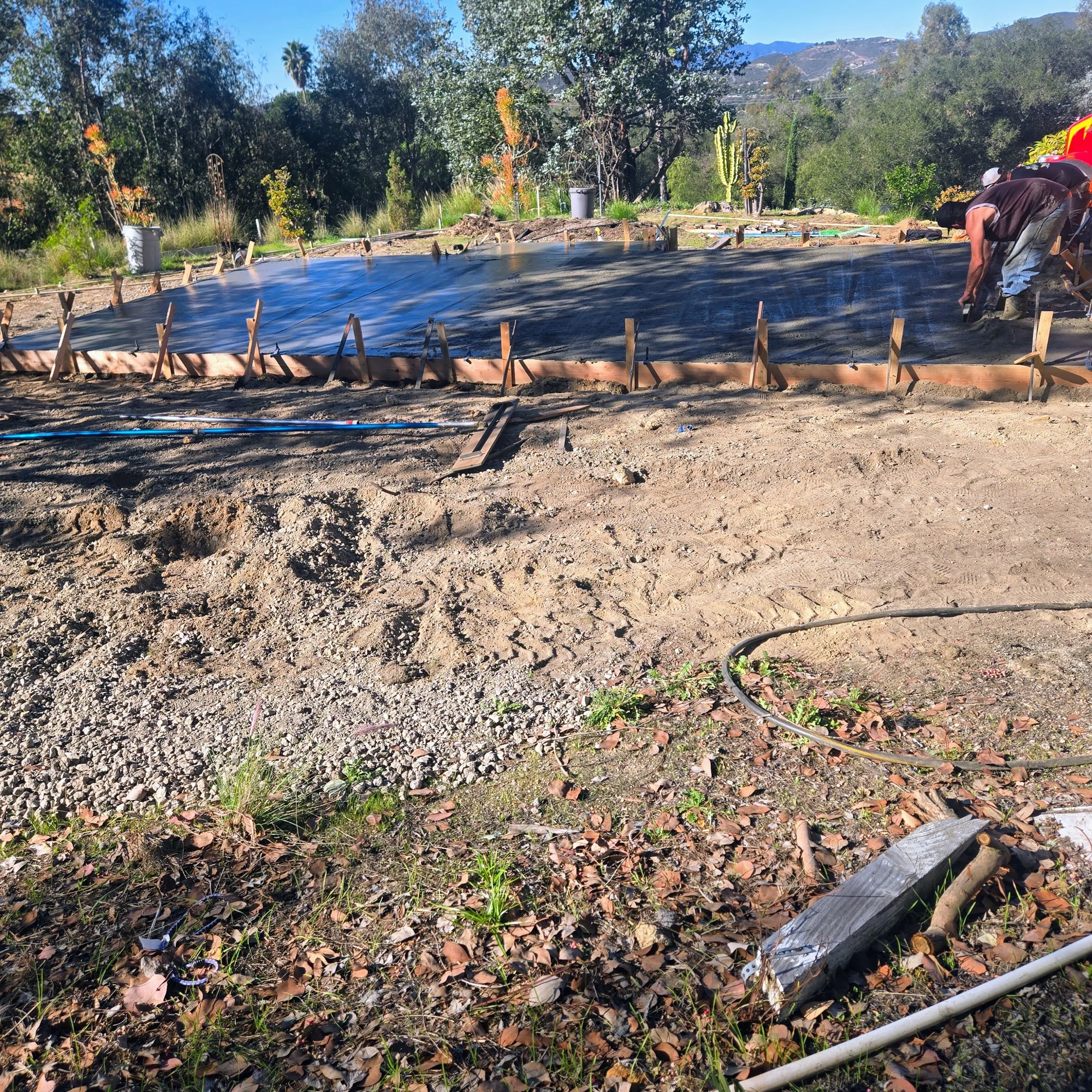
Salts in the soil
Parts of the low desert carry high salt and sulfate levels in the ground. Those attack cement paste and corrode steel. Where it is a factor, the mix and the cover over the steel both change.
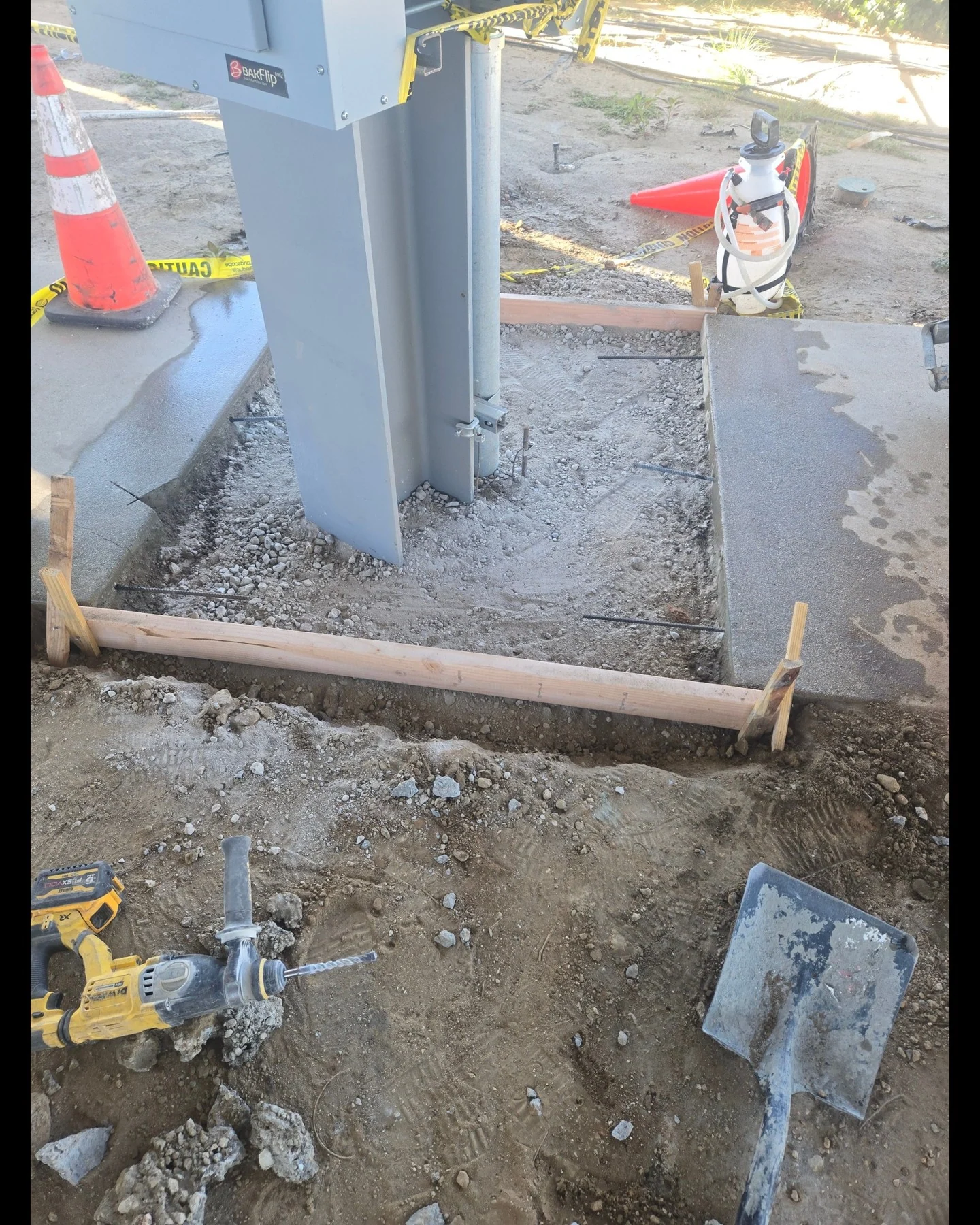
Blowing sand during finishing
Wind-driven sand landing on a slab during the finishing window gets worked into the surface. Wind is a scheduling factor here the same way rain is elsewhere.
One crew start to finish
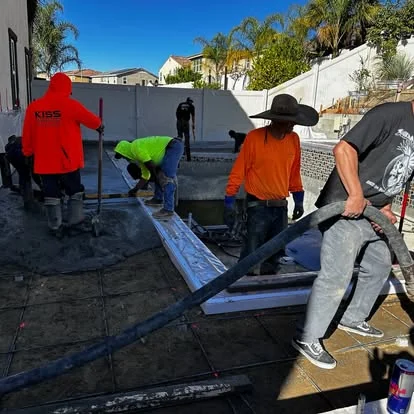
The same people who form it pour it and finish it. There is no handoff where the details get lost.
Water routed off the slab
Slopes, low points and a path for water to leave are set before the pour, because afterward the drainage is permanent.
Honest diagnosis before a number
We look at what failed and why before quoting. Sometimes the answer is a repair and sometimes it is a rebuild, and we will tell you which even when the smaller job is ours to lose.
What we build in Whitewater
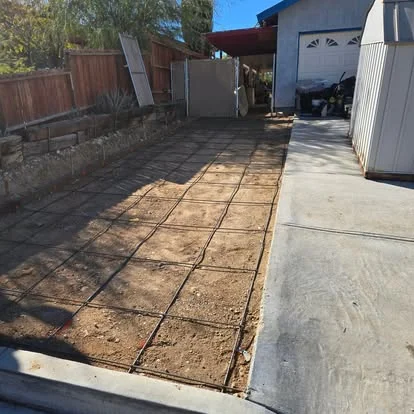
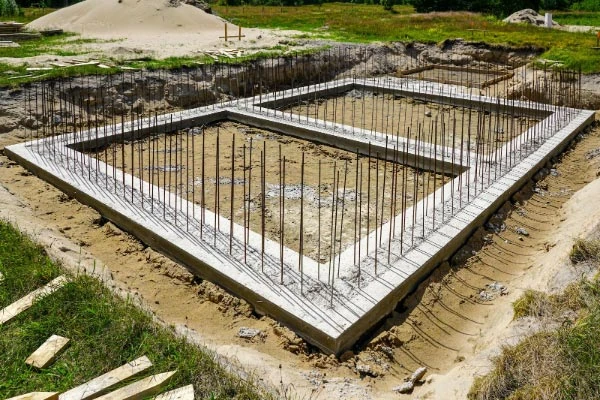
Concrete Slab Replacement
When the base failed, the slab follows.
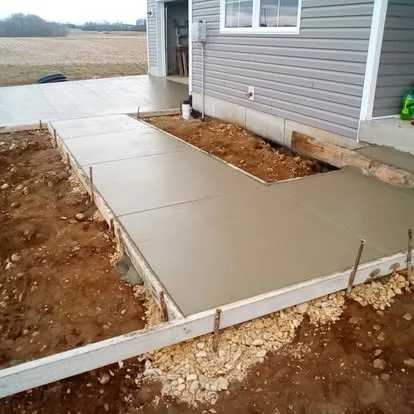
Garage Floors
Hot tires, dropped tools, and whatever ran off the car.
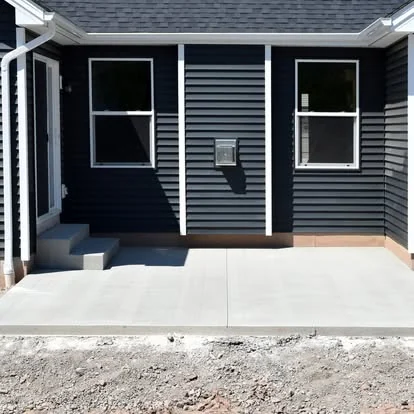
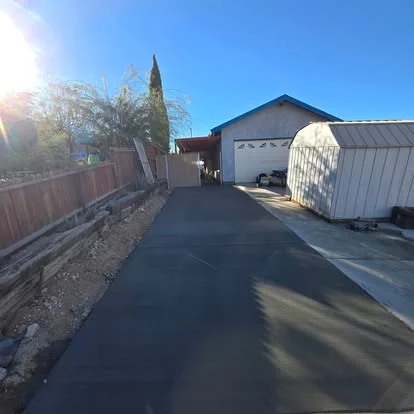
Garage Aprons
The strip between the driveway and the garage door.
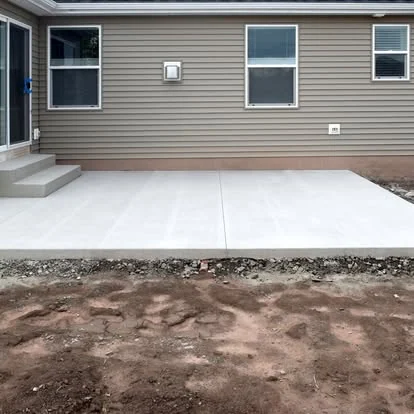
Basement Floors
A slab poured inside, where moisture has nowhere to go.
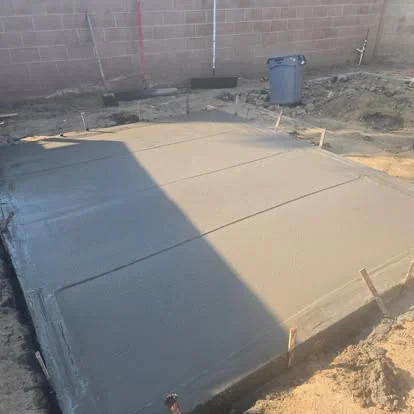
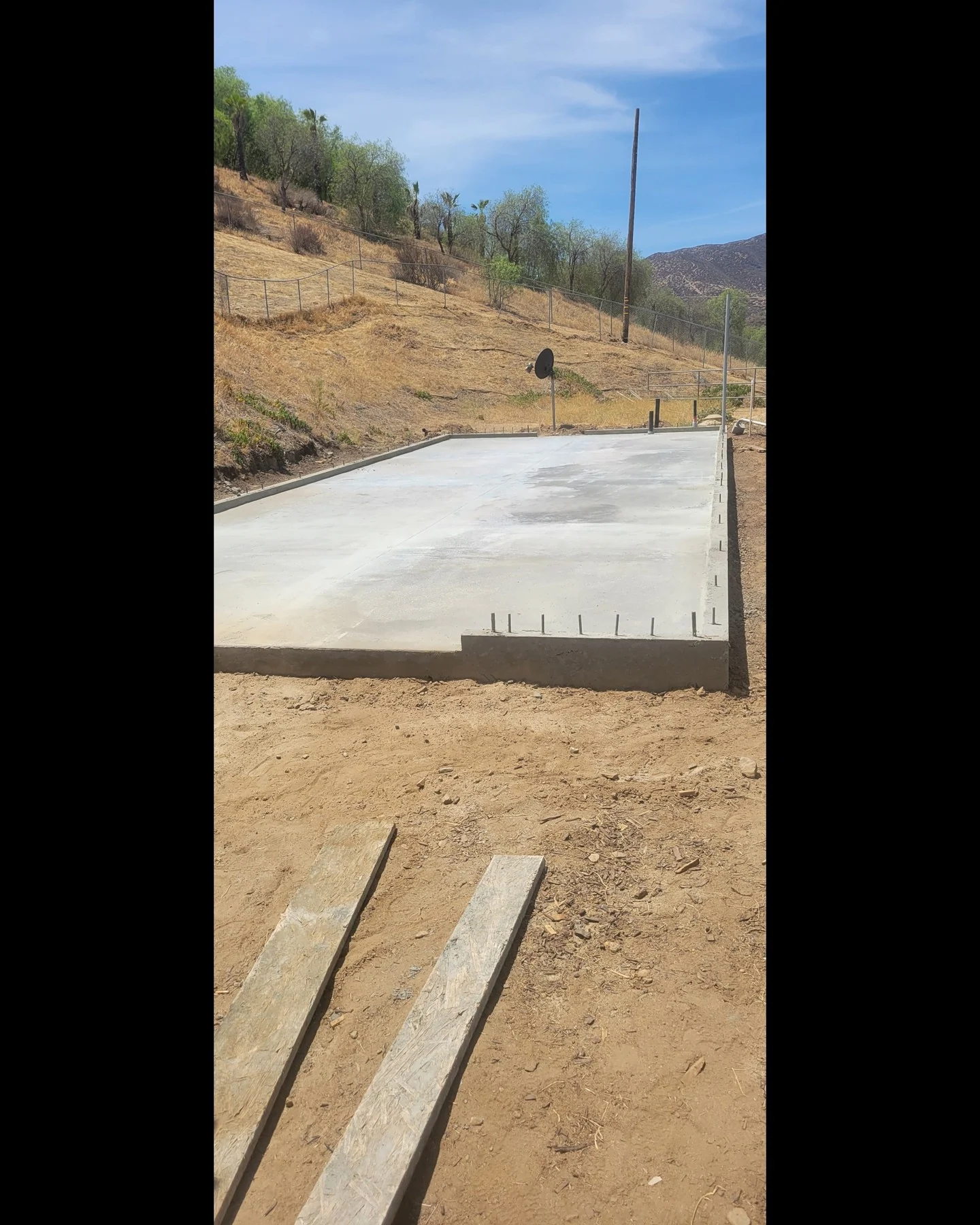
RV Pads
Heavy, concentrated, parked in one place for months.
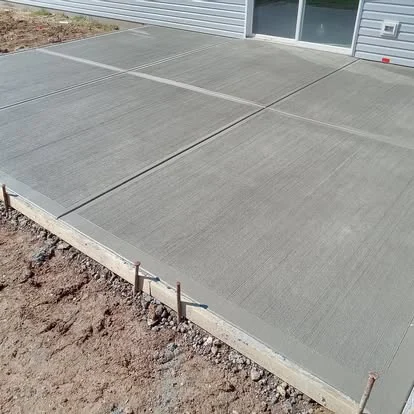
Boat Pads
Trailer tongue weight and a slab that has to stay level.
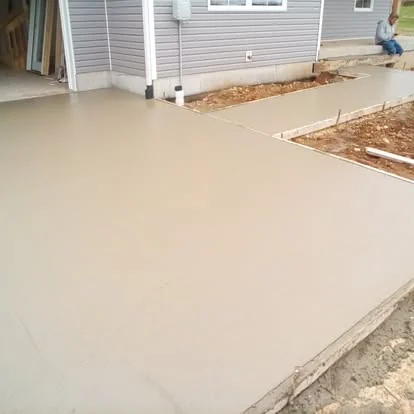
Spalled Concrete Repair
Surface flaking down to the aggregate.
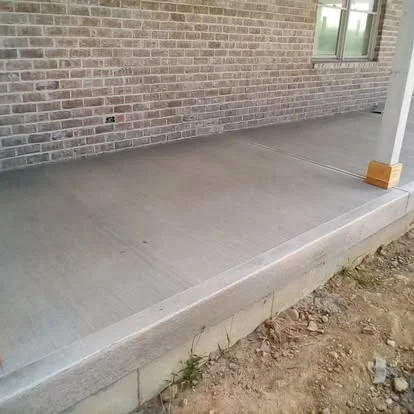
Settled Concrete Repair
The slab dropped because something under it did.
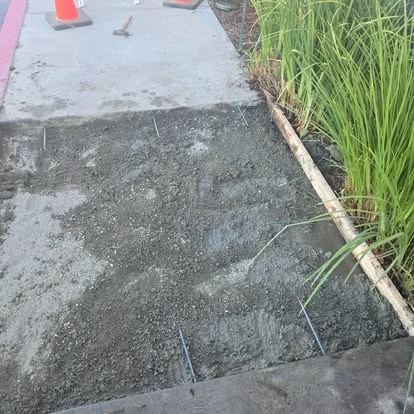
Uneven Concrete Repair
Lips, trip hazards, and panels out of plane.
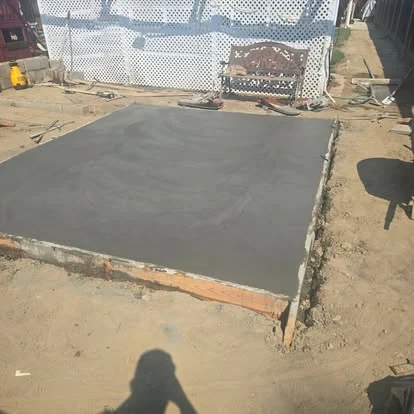
ADA Sidewalks
Accessible routes that hold their tolerances.
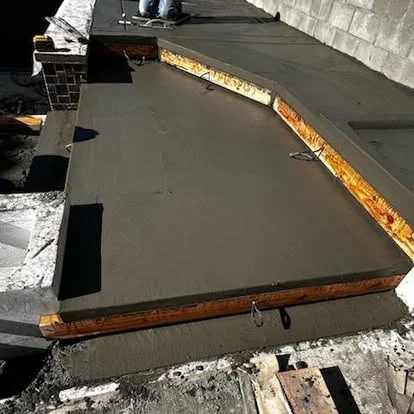
Warehouse Floors
Flat enough for racking and hard wheels.
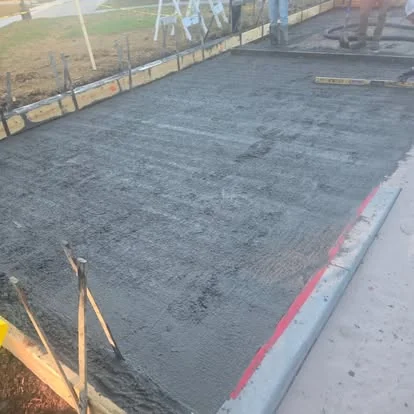
Industrial Floors
Impact, chemicals, and equipment loads.
Pouring concrete around Whitewater
Wind during finishing
Blowing sand landing on a slab inside the finishing window gets worked into the surface and stays there. Wind is a scheduling factor in the desert the same way rain is elsewhere.
The daily temperature swing
The desert can drop forty degrees after sundown, and concrete expands and contracts with that every single day for its whole life. Joint spacing has to allow for a slab that never stops moving, which is a different calculation from a mild coastal lot.
Heat is a design input
Low desert summers put concrete through conditions most of the country never sees. Placing at a hundred and fifteen means the mix is stiffening as it comes off the chute, and the finishing window can close in minutes. Pours move to first light, the mix is ordered for the conditions, and evaporation control during placement is not optional.
Alluvial and sandy ground
Desert soils drain well and compact differently from clay. That can work in your favor, but loose alluvial material has to be placed and compacted in controlled lifts or the slab settles unevenly and cracks along the soft line.
Concrete work around Whitewater
Flatwork, foundations and repair across Whitewater and the rest of Riverside County, poured by the same crew that answers the phone.
How concrete fails, and why
Failure at a cold joint
Where one pour met another and was not detailed, the two never bonded and the line opens. Planned cold joints are fine; accidental ones are a leak path and a crack.
Curling at the edges
Slab edges lifting off the base happens when the top dries faster than the bottom. It shows as a hollow sound near joints and it is a curing and moisture-gradient issue.
Scaling in freeze zones
Surface peeling in sheets, common at elevation and in the high desert, is freeze damage in concrete that was not air entrained or was sealed too late.
Blisters
Raised bubbles under a finished surface mean the top was closed while air or water was still coming up. They break under traffic and leave holes.
How a job runs
Scheduling
Weather moves concrete dates, particularly in summer. We would rather move a pour than place into conditions that will not finish or cure properly.
Site access
A mixer is a large, heavy vehicle. Where it can park and how far the concrete has to travel changes the method and sometimes the price. That is worked out in advance.
The base is the job. The concrete is the finish on top of it.On what actually matters
Protecting what stays
Existing flatwork, landscaping, and anything we are working next to gets protected. Concrete is messy while it happens.
Curing time
The slab is not finished when it looks finished. Curing continues for weeks and how it is protected in the first days affects the surface for the life of it.
Around Whitewater
Straight answers
My patio gets too hot to walk on. Can that be fixed?
Color and finish both affect surface temperature, and a lighter, more textured surface is noticeably more comfortable. On a replacement that is a real choice to make up front.
Do you handle the demolition and haul-off?
Yes, including saw cutting to a clean line and hauling the spoil. The site gets left ready to pour.
Can you match my existing concrete?
Close, not exact. Concrete ages and desert sun accelerates it, so a new pour reads newer for a while. We match thickness, finish and joints.
Is the sandy soil here better or worse than clay?
Different. It drains well, which helps, but loose alluvial material has to be compacted in controlled lifts or the slab settles unevenly. It is not a free pass on base work.
How long before I can drive on it?
Foot traffic is usually a day or two, vehicles longer. Desert heat changes the early curve, so you get the real numbers for your pour.
Your Whitewater slab
Tell us what it is and what it has to carry. We will be straight about what it needs and what it does not.