
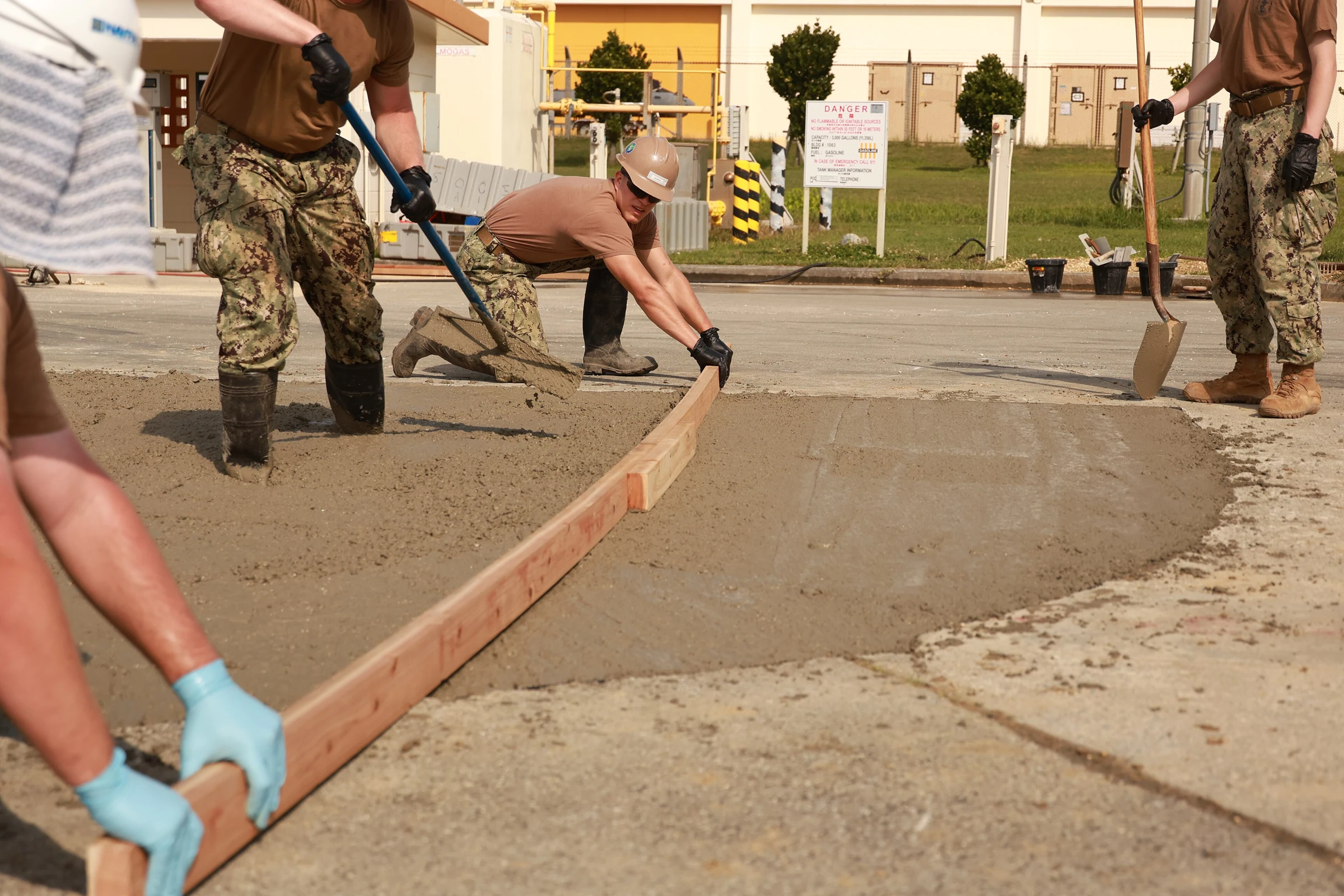
Concrete that outlasts the house
Driveways, patios, slabs and foundations for Vista property owners. Fourth generation on the tools, licensed 1137822, working out of Hemet.
Talk to us about the job

What concrete is up against around Vista
Mild temperatures, different problem
The coast does not give you the heat or the freezing that inland concrete fights. What it gives you is constant moisture and salt, which is a slower and more corrosive problem.
Sandy soils near the water
Coastal ground is often sand, which drains beautifully and can be undermined by moving water. Compaction and knowing where water travels matter more than clay-style soil treatment.
Humidity during finishing
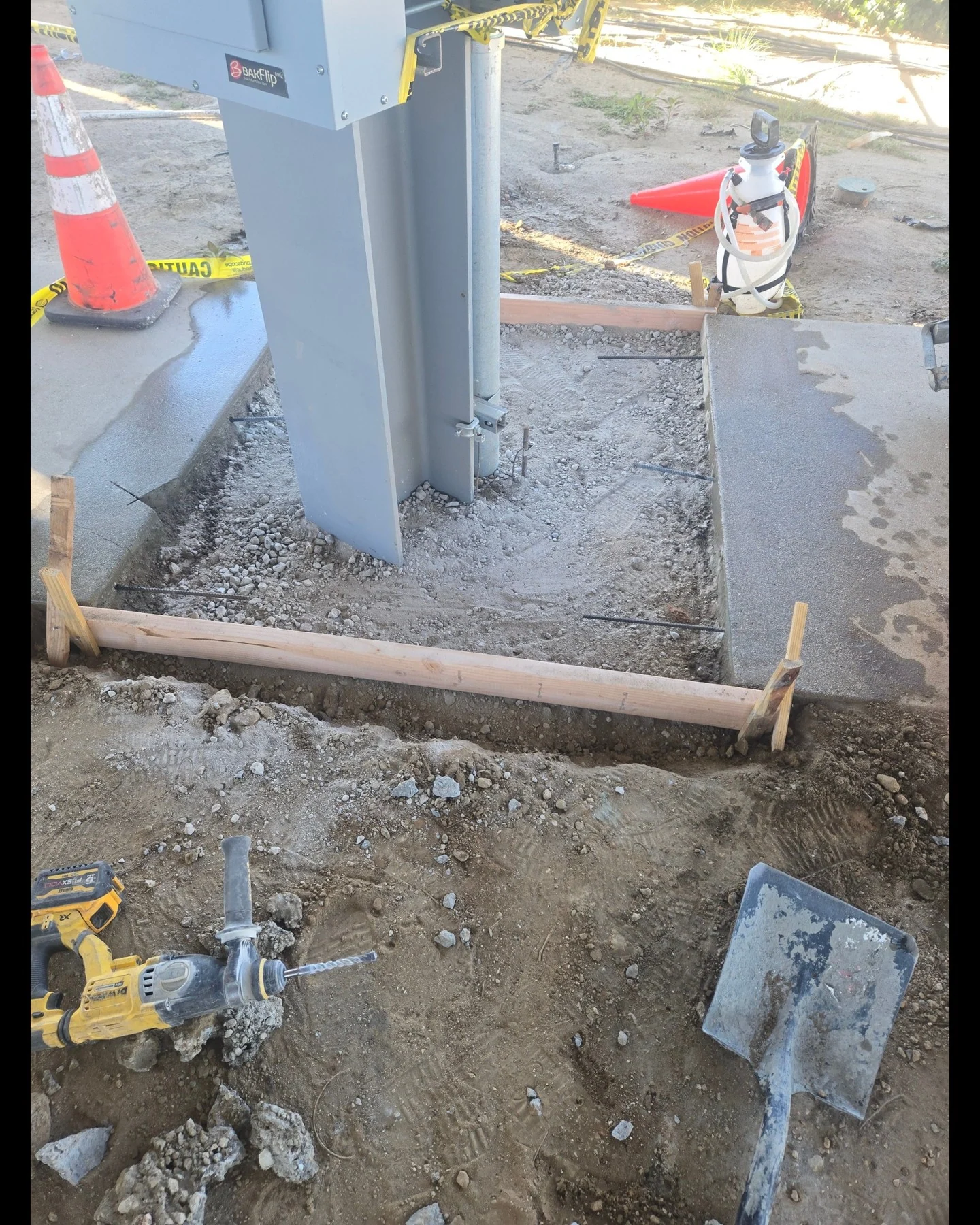
Higher humidity slows evaporation, which sounds helpful and changes the timing of every finishing step. Bleed water sits longer and floating too early seals it in.
Joints planned on paper
Joint layout gets worked out before the pour, spaced to the thickness and placed where the slab wants to move anyway. Then it gets cut at the right time.
Water routed off the slab
Slopes, low points and a path for water to leave are set before the pour, because afterward the drainage is permanent.
One crew start to finish
The same people who form it pour it and finish it. There is no handoff where the details get lost.
What we build in Vista
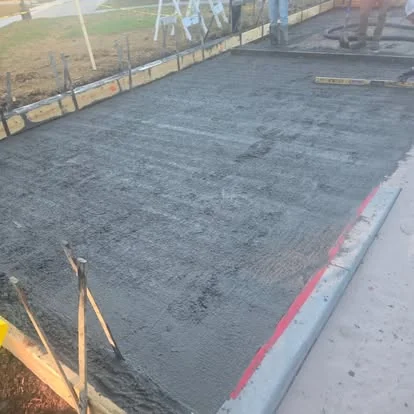
Garage Floors
Hot tires, dropped tools, and whatever ran off the car.
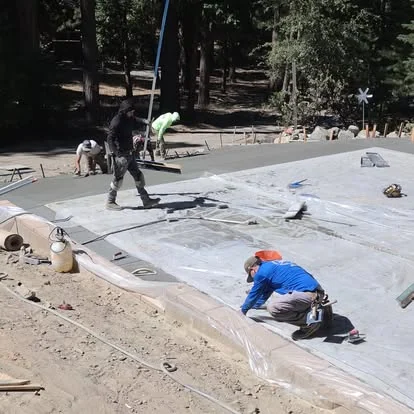
Garage Aprons
The strip between the driveway and the garage door.

Basement Floors
A slab poured inside, where moisture has nowhere to go.
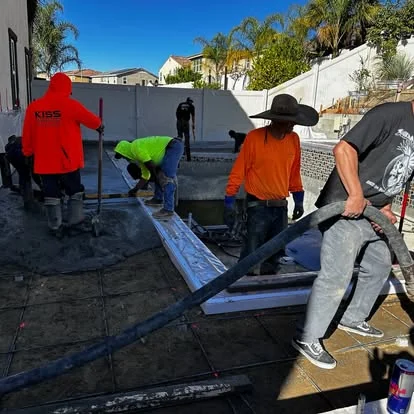
RV Pads
Heavy, concentrated, parked in one place for months.
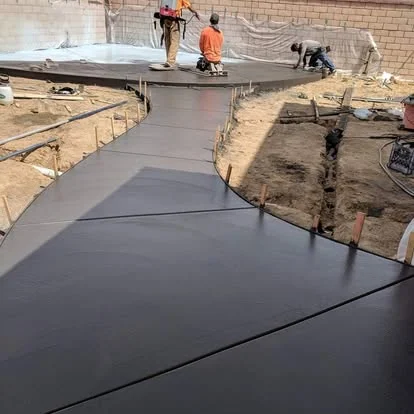
Boat Pads
Trailer tongue weight and a slab that has to stay level.
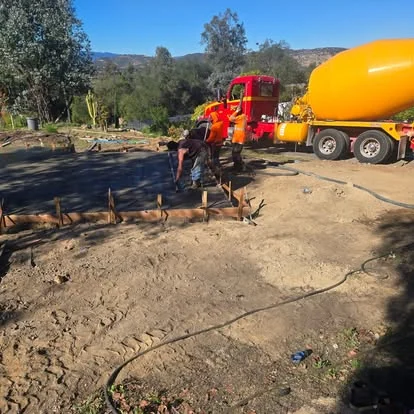
Parking Pads
Extra parking that is not the driveway.
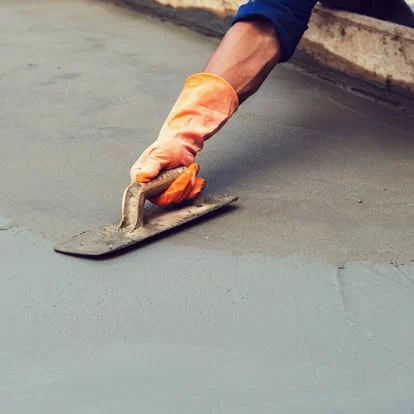
Uneven Concrete Repair
Lips, trip hazards, and panels out of plane.

Concrete Joint Repair
The joints fail before the concrete does.
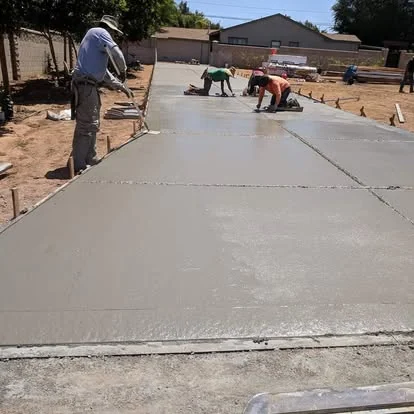
Concrete Resurfacing
A new surface on a sound slab.

ADA Concrete Ramps
Built to the slope the tape measure will confirm.
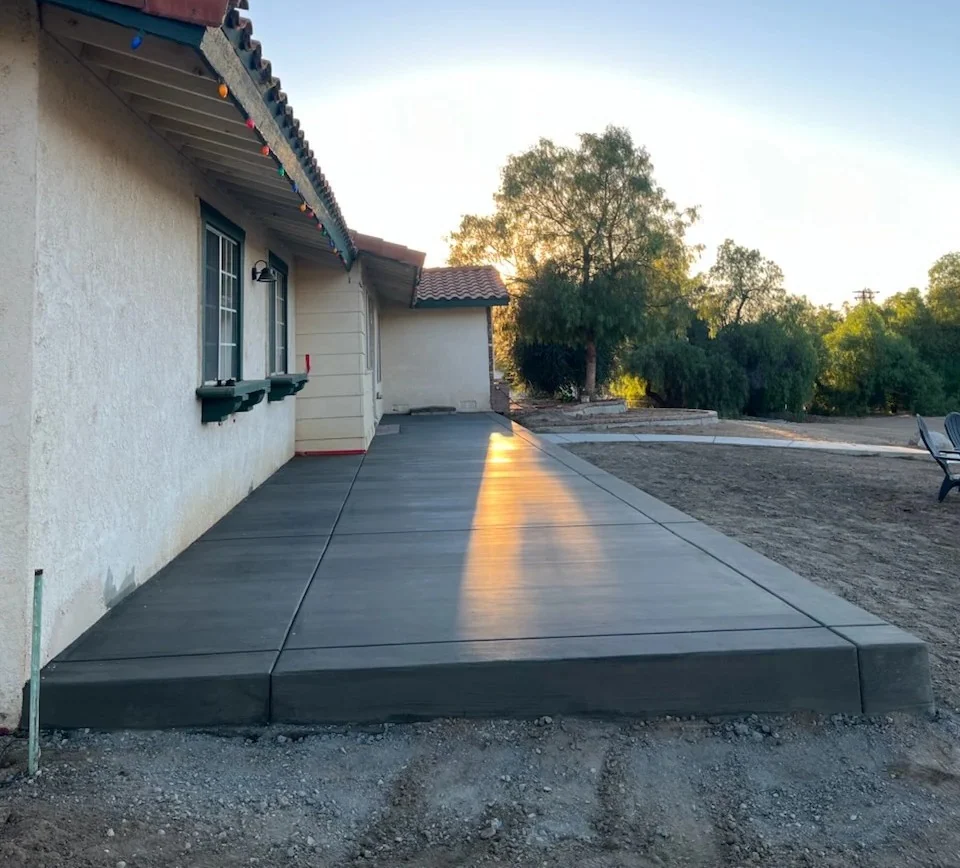
ADA Sidewalks
Accessible routes that hold their tolerances.
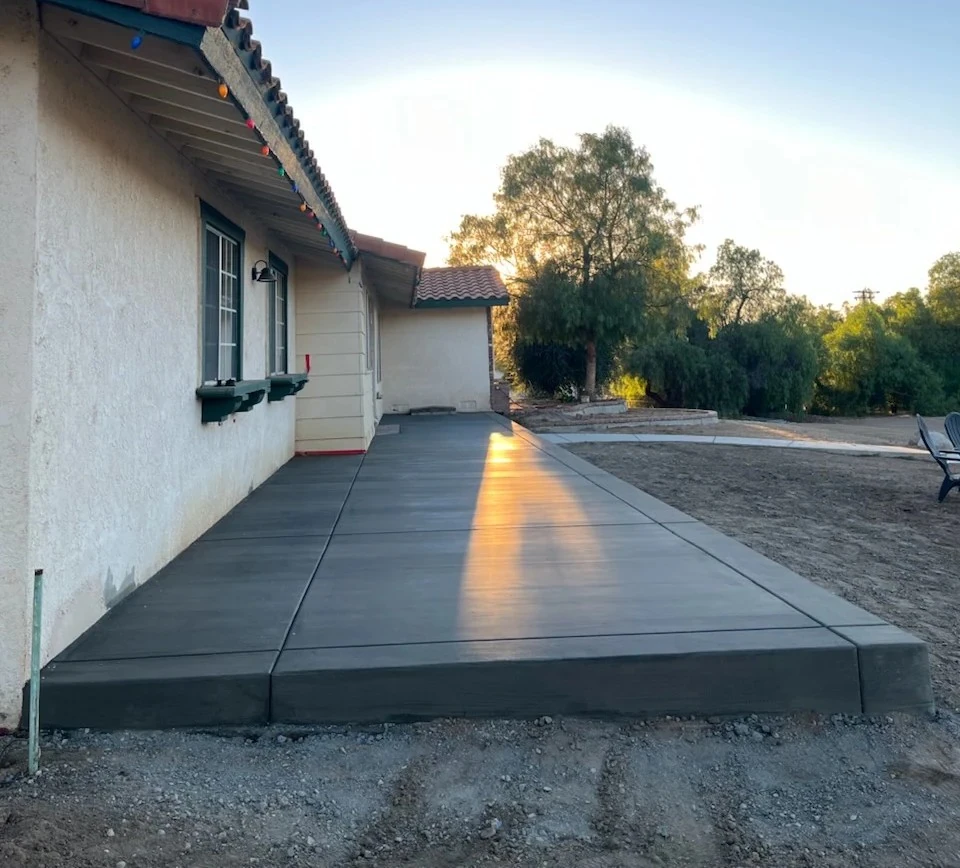
Warehouse Floors
Flat enough for racking and hard wheels.
Pouring concrete around Vista
Sandy soils and moving water
Coastal ground is frequently sand. It drains beautifully and it can be undermined by water moving through it, so compaction and understanding where water travels matter more than clay-style soil treatment.
Salt air reaches the steel
Marine air carries chloride well inland, and chloride is what corrodes reinforcing steel inside concrete. Rusting steel expands and breaks the concrete off from the inside, which is why coastal flatwork often fails in straight lines that match the bar spacing. Concrete cover over the steel is the defense, and it is specified rather than guessed.
A milder climate with a slower problem
The coast does not deliver the inland heat or the mountain freezing. What it delivers is constant moisture and salt, which is a slower and more corrosive problem, and it shows up as edge spalling and rust staining on older slabs.
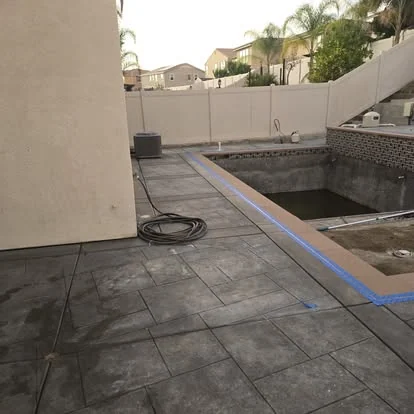
Pool decks near the ocean
A coastal pool deck takes salt from the air as well as chlorine from the water, plus bare feet. Slip resistance and a surface that holds up under both is the specification, not an upgrade.
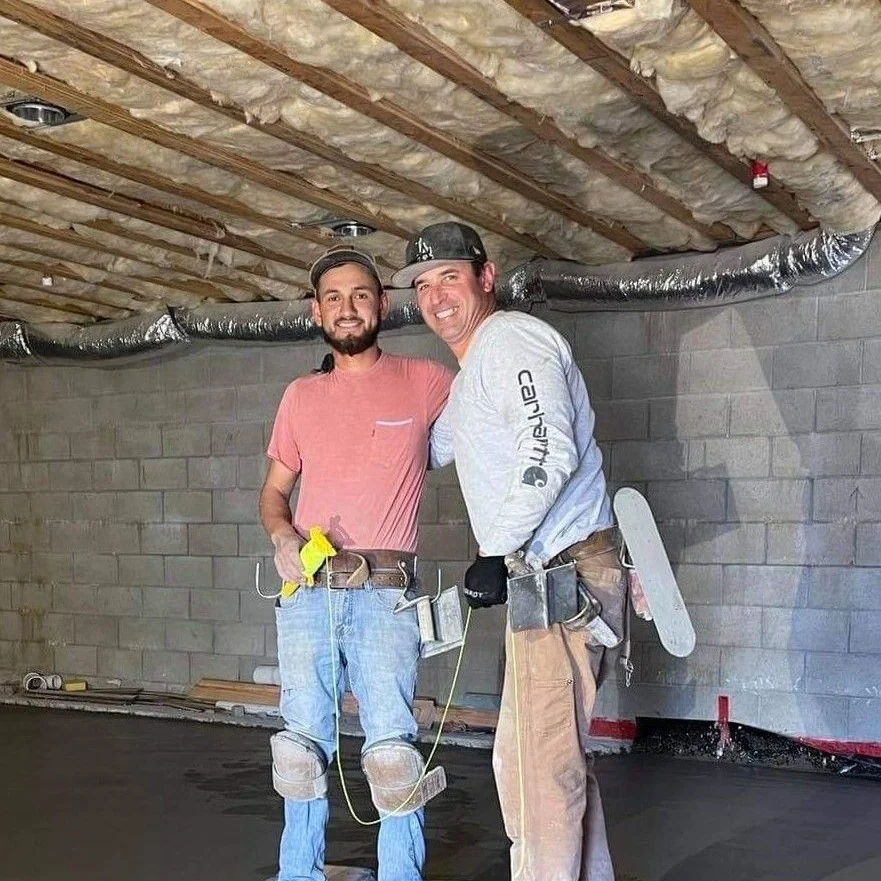
Concrete work around Vista
Flatwork, foundations and repair across Vista and the rest of San Diego County, poured by the same crew that answers the phone.
How concrete fails, and why
A slab that rocks
If you can feel movement walking across it, there is a void underneath. That is erosion, poor compaction, or soil that shrank away. Filling the void is the fix; replacing the slab without filling it is not.
Cracks that widen along their length
A crack that is hairline at one end and open at the other is reporting differential movement. That is a foundation and soil conversation, not a patching one.
Discolouration in patches
Blotchy color usually comes from inconsistent curing, adding water to part of a load, or finishing at different times across one pour. It is cosmetic and it is permanent.
Joint sealant failure
Open joints let water into the base, and the base is what holds the slab up. Resealing joints is cheap maintenance that prevents expensive failures.
How a job runs
Scheduling
Weather moves concrete dates, particularly in summer. We would rather move a pour than place into conditions that will not finish or cure properly.
Site access
A mixer is a large, heavy vehicle. Where it can park and how far the concrete has to travel changes the method and sometimes the price. That is worked out in advance.
A slab with no cracking plan will still crack. It just picks the place.On control joints
Protecting what stays
Existing flatwork, landscaping, and anything we are working next to gets protected. Concrete is messy while it happens.
Curing time
The slab is not finished when it looks finished. Curing continues for weeks and how it is protected in the first days affects the surface for the life of it.
Around Vista
Straight answers
Why are there rust stains and cracks in straight lines?
Those lines usually match the rebar spacing, which means the steel is corroding. It is a cover and chloride problem rather than a surface one, and it needs looking at properly.
My pool deck gets slippery. Can that be fixed?
Yes, with the right texture. A coastal pool deck takes salt from the air and chlorine from the water plus bare feet, so slip resistance is the specification rather than an upgrade.
How long before I can drive on it?
Foot traffic a day or two, vehicles longer. Mild coastal temperatures are kind to a cure and you still get the real numbers.
Does salt air actually damage concrete?
It damages the steel inside it. Marine air carries chloride well inland, chloride reaches the reinforcement, and corroding steel expands and breaks the concrete off from the inside. Concrete cover over the steel is the defense.
What about sandy soil near the water?
It drains beautifully and it can be undermined by moving water. Compaction and understanding where water travels matter more here than clay-style treatment.
Ready to talk about it?
Call the shop. We cover Vista and the rest of the county from Hemet, and we will come out and read the job before quoting.