
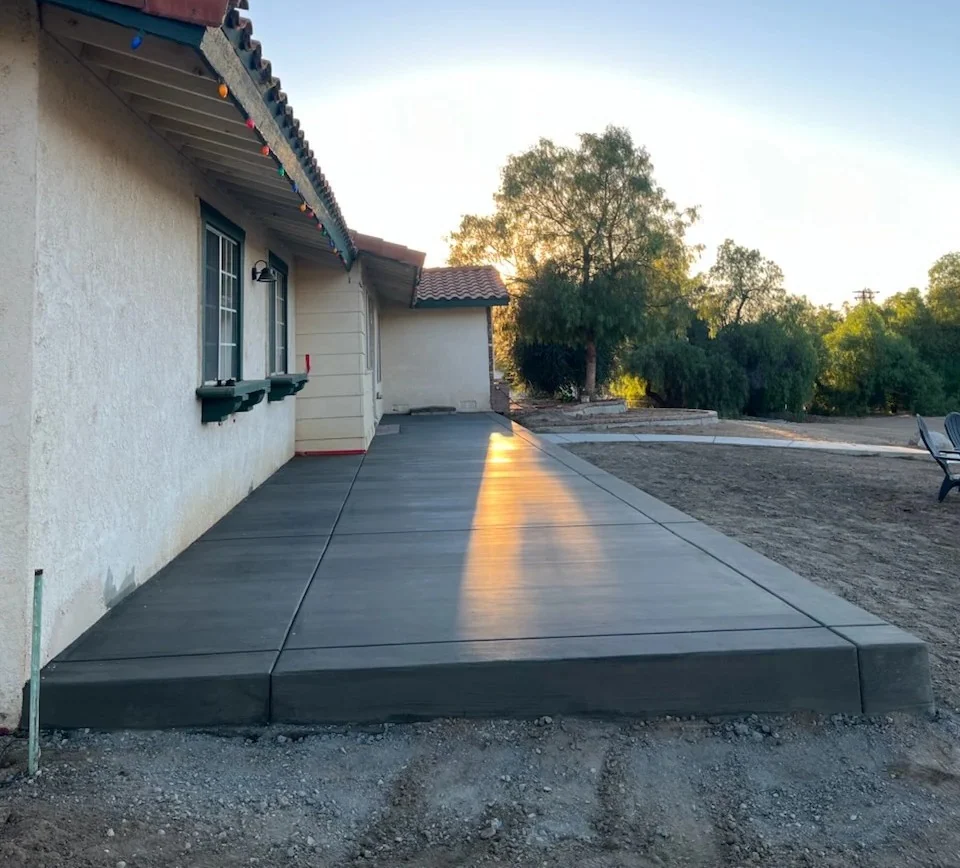
New Construction Concrete
New construction concrete is scheduling as much as pouring. Footings, stem walls, slab, then flatwork at the end, each with inspections between. Missing a window holds up every trade behind you.
Talk to us about the job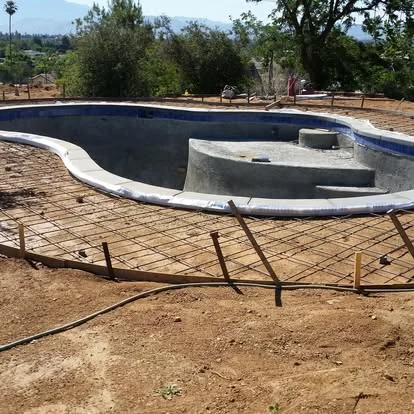

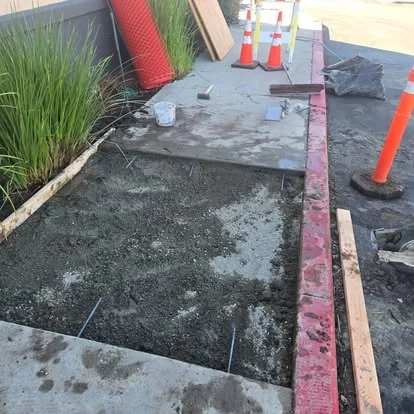
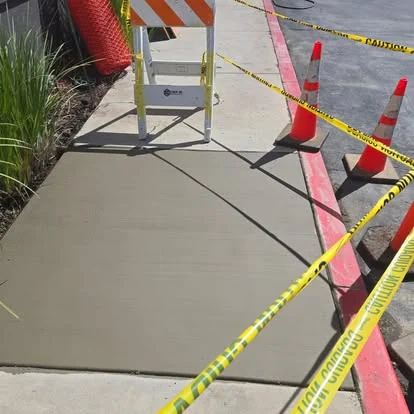
How the job runs
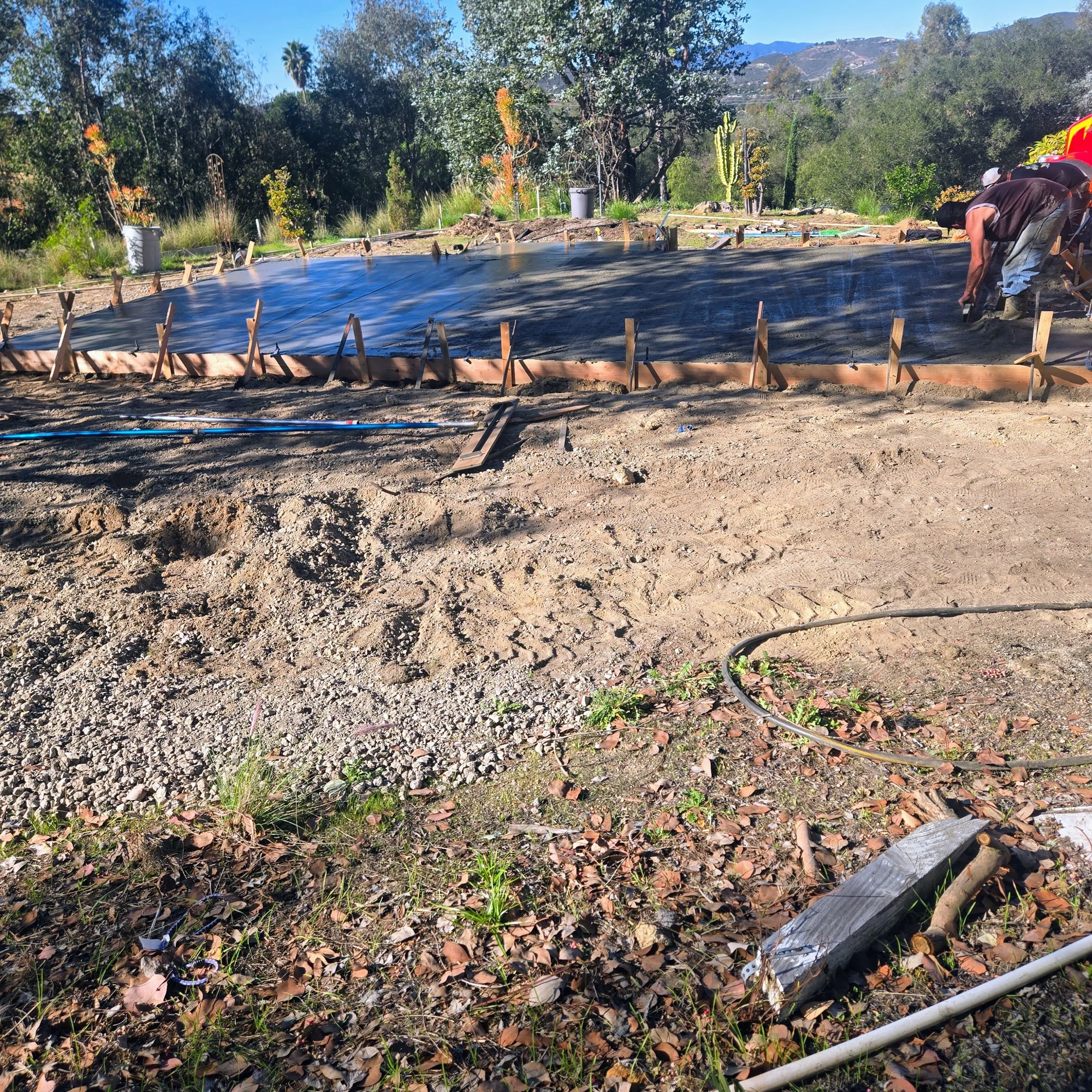
Come and see it
We look at the actual site before talking money. What the ground does, where water runs, how the truck gets in, and what the old concrete is telling us.
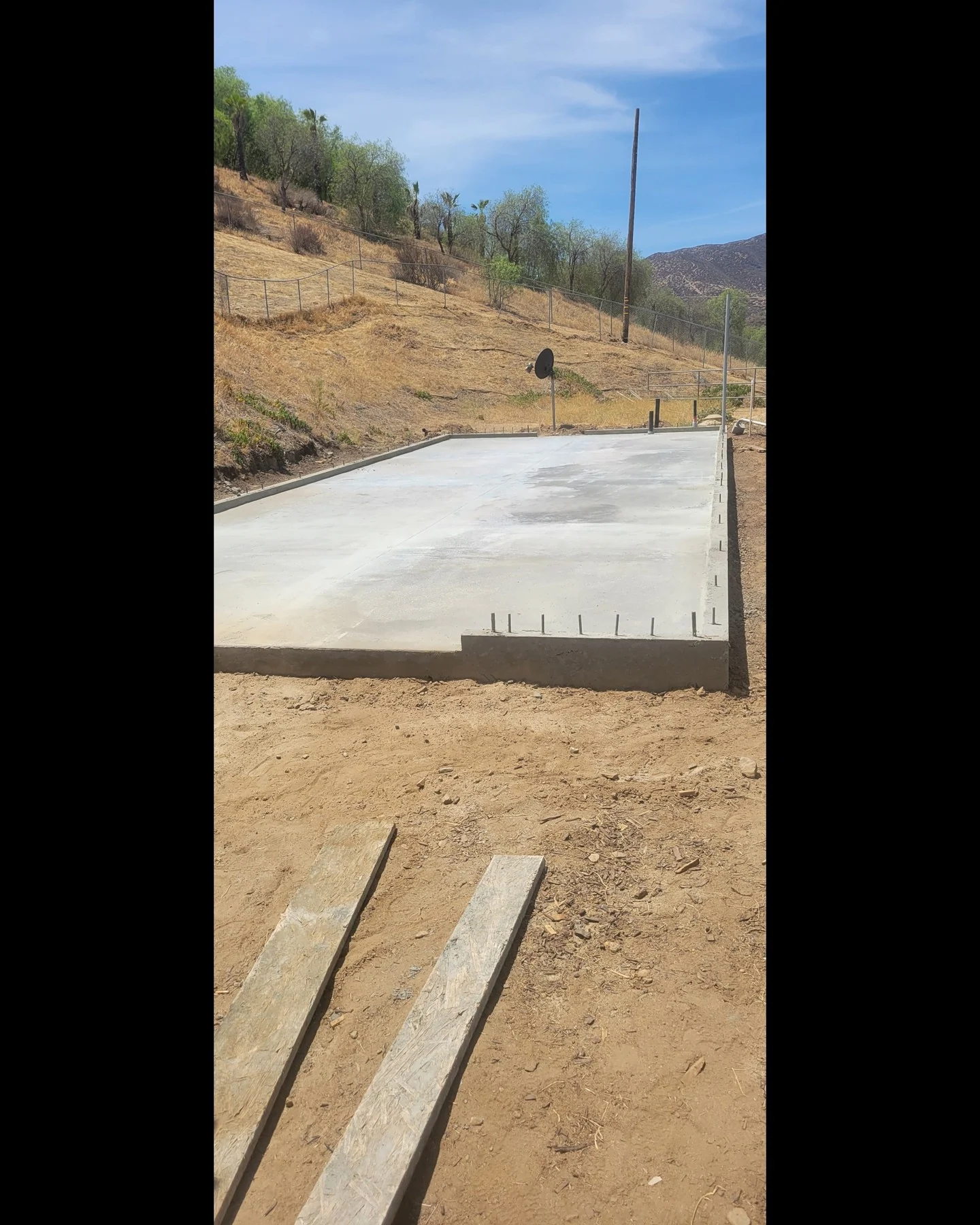
Give you the real scope
A straight answer about what is needed. Sometimes that is less work than you were braced for.
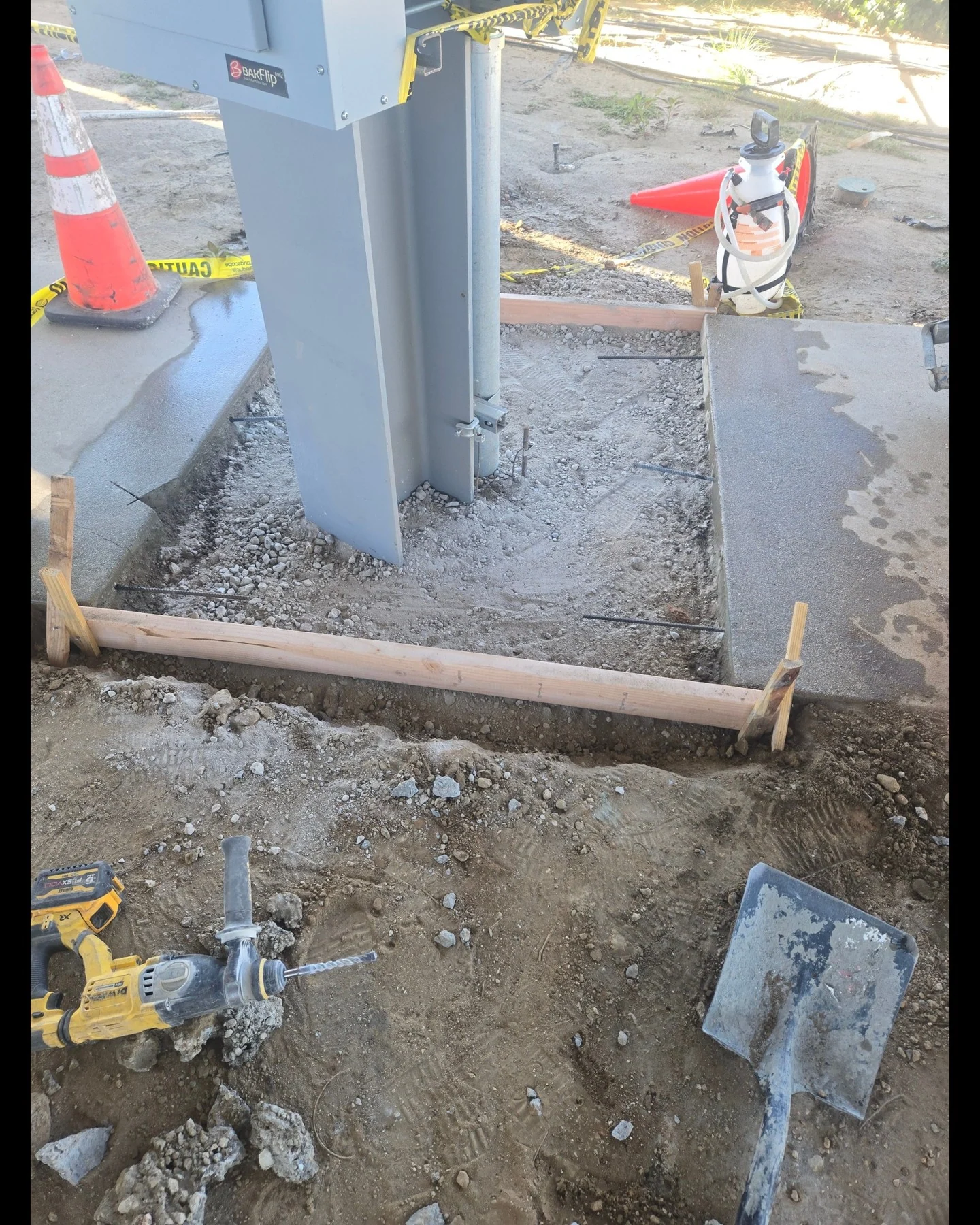
Build from the bottom
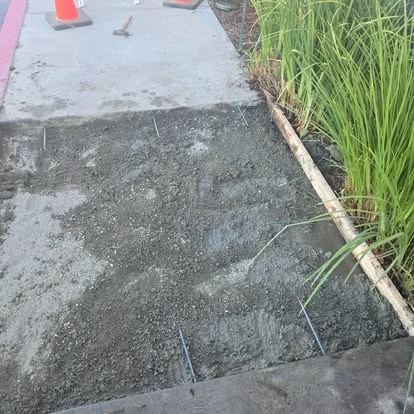
Grade, material, lifts, compaction. The slab is the visible half of a job that is mostly earthwork.
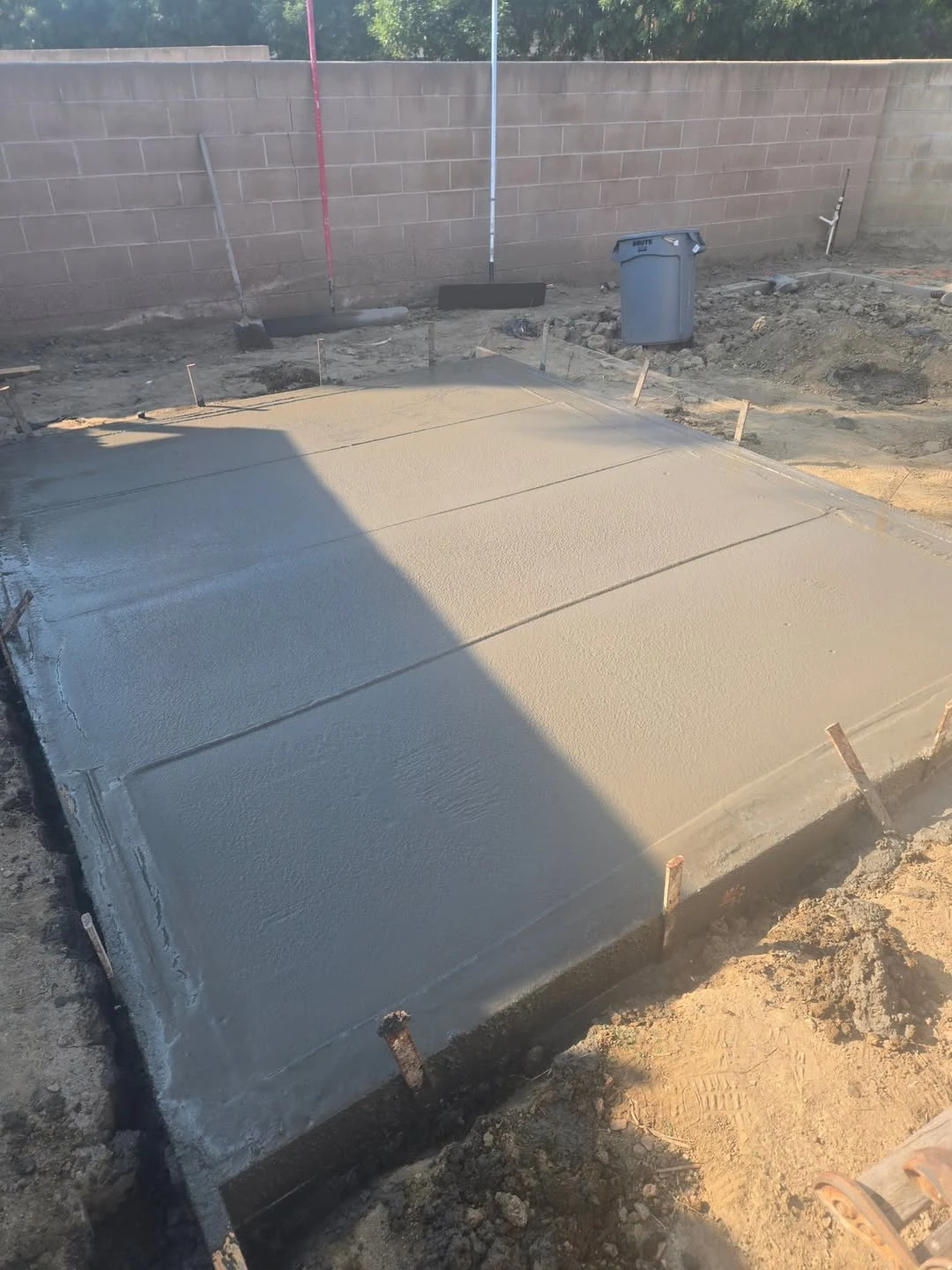
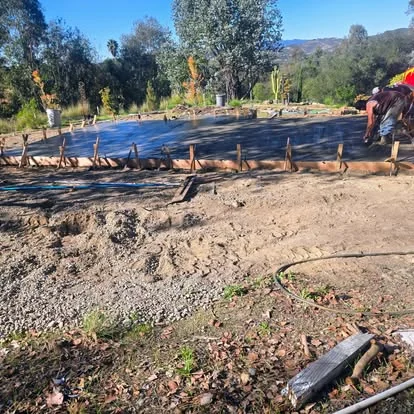
Form it and pour it
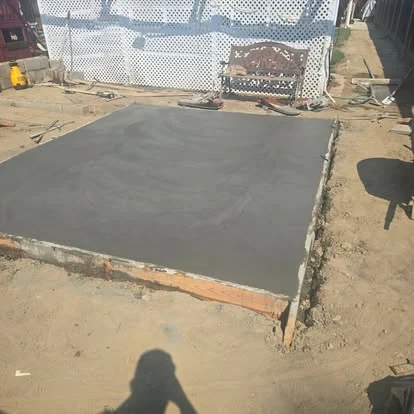
Forms braced properly, steel at the right height with real cover, and a pour that gets consolidated rather than just placed.
What this job actually needs
Sequence and inspections
Footings, stem walls, slab, then flatwork at the end, with inspections between stages. Each one has to clear before the next starts, and a missed window holds up every trade behind the concrete.
Coordination with the build
Plumbing, electrical and any under-slab work all have to be in and inspected before the pour. That coordination is most of what makes new construction concrete run smoothly or badly.
Sloped and difficult sites
Hillside work means stepped footings, retaining, drainage with real consequences, and access planning for trucks and equipment. In Southern California that is common rather than exceptional.
Building to the soils report
Where a soils report exists it governs footing depth, reinforcement and sometimes soil treatment. It is the document that tells us what the ground will actually do.
What decides whether it lasts
Concrete is judged on the surface and it fails from underneath. The base, the steel, the joints and the cure are the whole job. A slab that was poured on bad ground will tell you so, usually in the third or fourth year.
Why fourth generation matters here
32 years on the tools means most of these problems have already been seen once. Reading a slab before quoting it is the part you cannot learn from a book, and it is the difference between a repair that holds and one that comes back.
What Southern California ground does to new construction concrete
Irrigation against the slab
Almost every valley property waters something, and sprinklers running along a slab edge keep the base saturated year round. In expansive soil that is a slow way to undermine your own driveway. Where the water lands is worth looking at before blaming the concrete.
What the ground does here
The inland valleys run on expansive clay. It takes on water and swells, then dries out and shrinks, and it does that cycle every year. A slab poured on untreated clay rides that movement until something gives, which is why base preparation and reinforcement are the design rather than an upgrade. Where a soils report exists we build to it; where there is none, what we find during excavation tells us what the ground is going to do.
Older flatwork around here
A lot of valley concrete was poured thin, with light reinforcement, on a base that was never properly compacted. When it fails it is usually reporting on the ground rather than on the mix, and that is the difference between a repair that holds and one that comes back in a year.
Drainage on a flat lot
Valley lots are often close to level, which makes slope hard to find and easy to get wrong. Low points, cross-fall and where water actually leaves the property get worked out before the pour, because once the concrete is down the drainage is permanent.
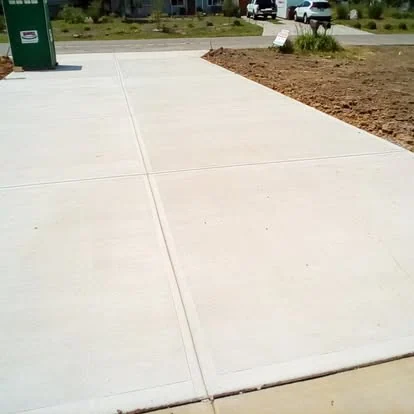
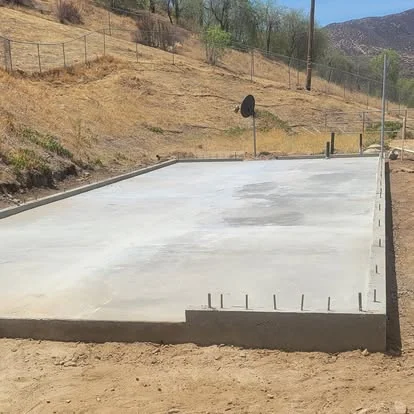
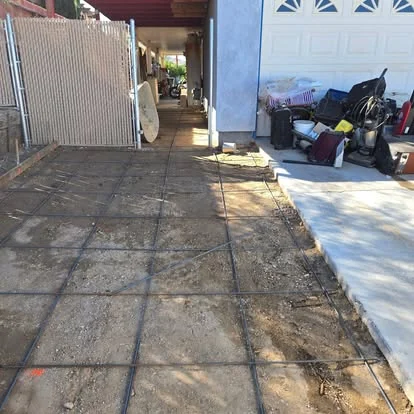
How concrete fails, and why
Cracks along a plumbing run
A trench under a slab that was not compacted is a soft line, and the slab cracks along it. Compaction in the trench matters as much as in the open.
Glazed surfaces that are slippery when wet
Over-troweling closes the surface to a polish. Indoors that can be a choice; on an exterior walk it is a hazard.
Deterioration under planters
Soil and constant moisture held against concrete leaches it and stains it. Anything permanently wet against a slab shortens its life.
Repairs that do not match
A repair poured with a different mix, finished differently, or cured differently will always read as a patch. Matching the finish and joint pattern is part of the job.
How a job runs
What a site visit covers
Soil, slope, drainage, access, existing concrete, and what you actually want the space to do. All of it changes the work.
Ordering the concrete
Mix design comes off the application. Strength, aggregate size and admixtures are decisions, and they are made before the truck is booked.
Width tells you less about a crack than movement does.On reading a slab
Placement and finish
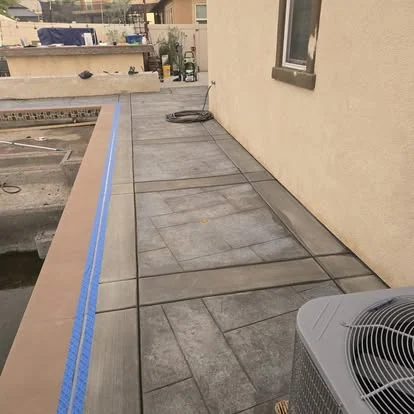
Placed, consolidated, screeded, floated and finished, each at the right moment. That timing is the trade.
Living with it
Keep water moving off it, reseal when it needs it, and keep an eye on the joints. That is most of concrete maintenance.
Other new construction work
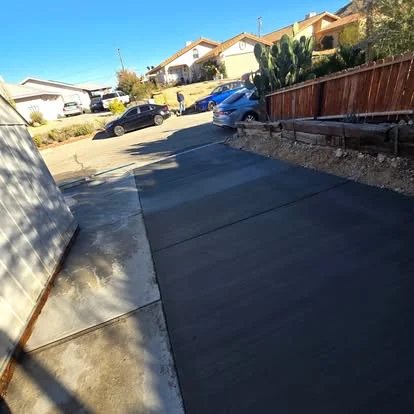
Custom Home Concrete
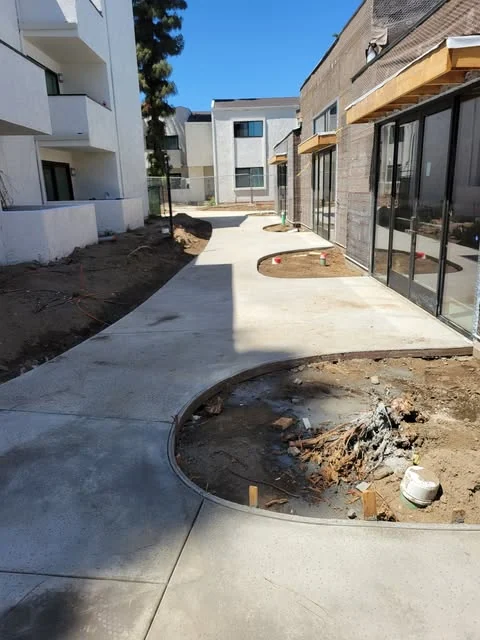
One-off houses where nothing is a standard detail.
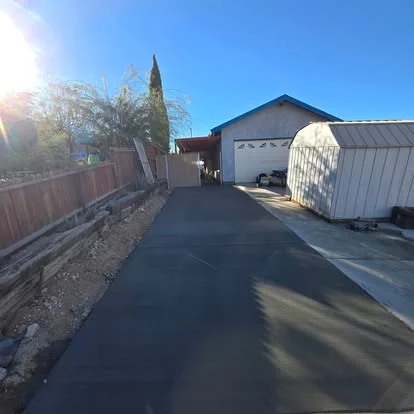
ADU Concrete
Foundations and flatwork for accessory dwellings.
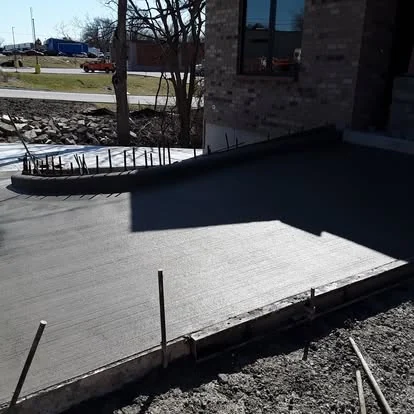
Multi-Family Concrete
Repeating foundations and flatwork at scale.
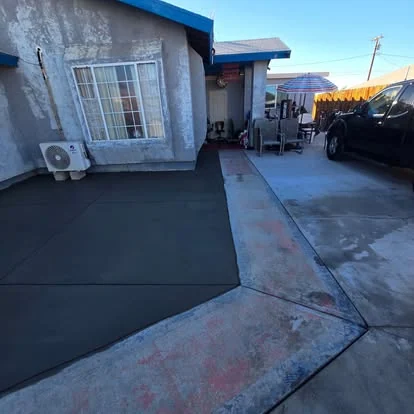
Hillside Concrete
Sloped sites, stepped footings, and retained grade.
Straight answers
How does concrete fit the build schedule?
Footings, stem walls, slab, then flatwork at the end, with inspections between. Missing a window holds up every trade behind you, so the sequence gets planned with the builder.
Do you do ADU foundations?
Yes. The concrete is usually simple and the access usually is not, so we plan how a truck or a pump reaches a back yard before quoting it.
What about the soils report?
If there is one, we build to it. It tells us bearing capacity and how the soil behaves, which drives footing depth and reinforcement.
Can you work on a sloped lot?
Yes. Hillside work means stepped footings, retaining, and drainage that has real consequences. It is common in Southern California and it is not standard flatwork.
Who arranges the inspections?
We schedule the concrete inspections into the pour sequence. On a permitted build the general contractor and we coordinate so nothing waits.
Tell us what the job is
We walk the job, tell you what it needs, and give you a number. Hemet and roughly 100 miles around it.